Back To School Memory Card Readers for Creative Media Students
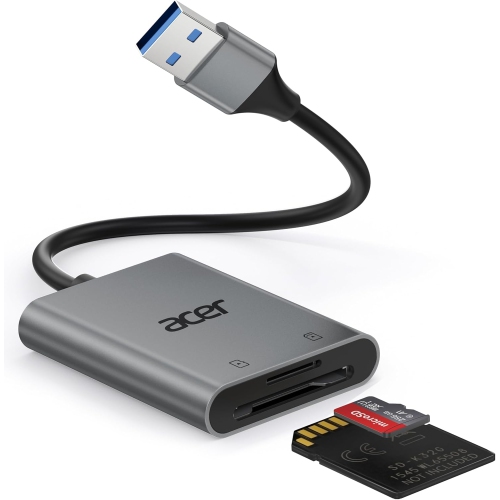
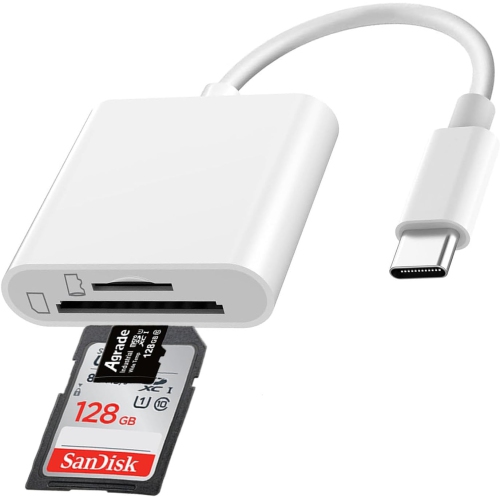
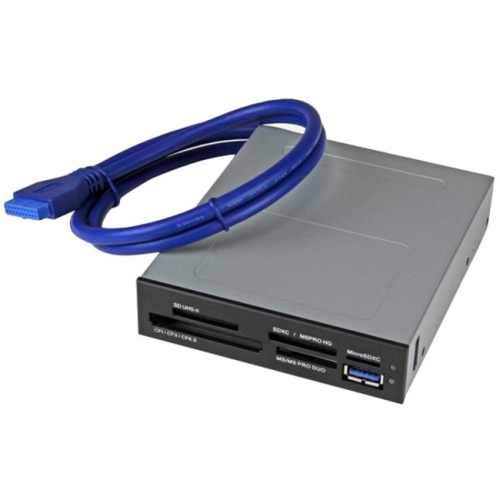
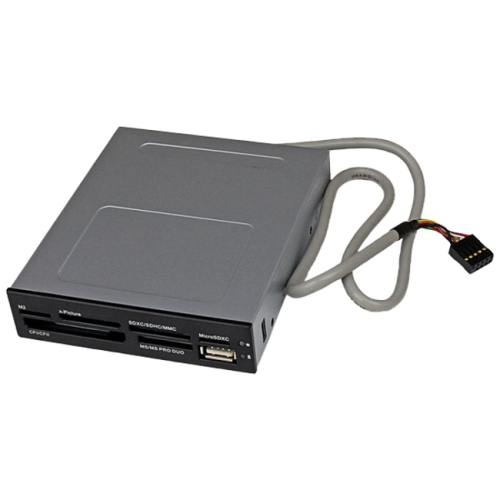
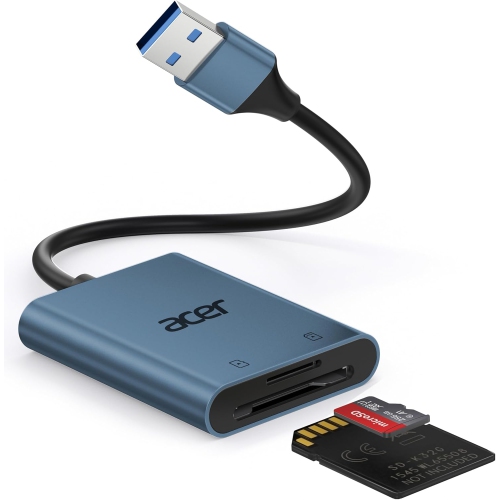
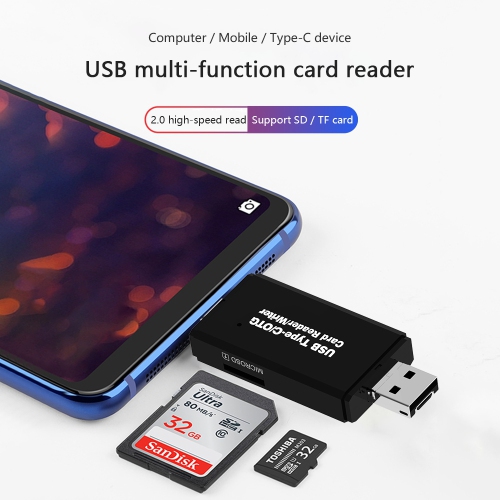
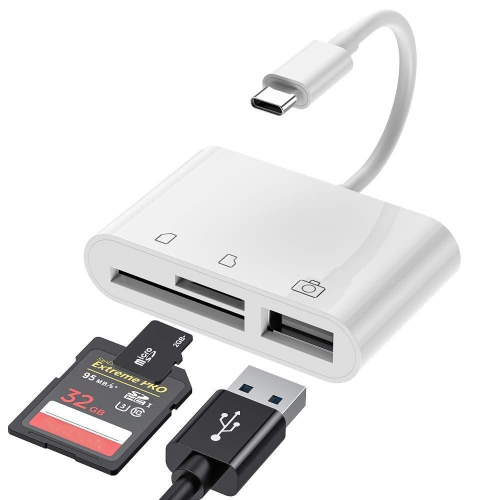
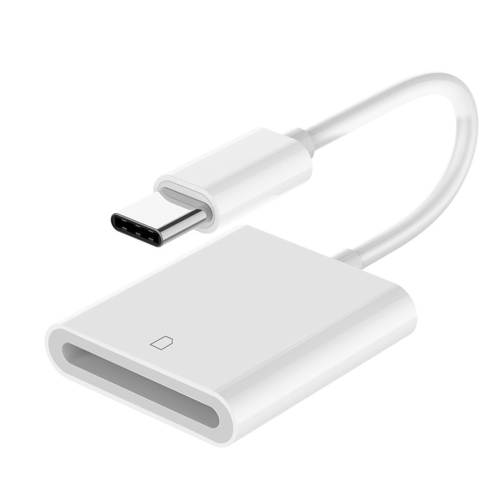
Find back-to-school memory card readers for creative media students to transfer photos, video footage, and audio files from camera cards to a computer. Browse readers by supported card format and connection type, checking compatibility with your SD or microSD cards and your laptop’s USB-A or USB-C ports before choosing one for coursework and creative projects.

FAQ
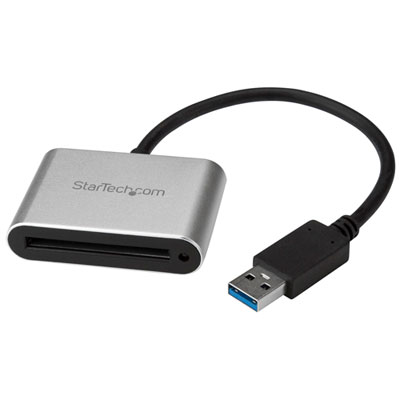
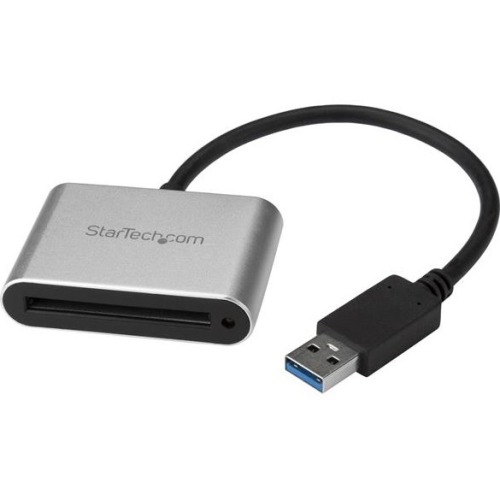
Choose a reader that supports the cards used by your camera, audio recorder, or other media equipment. Common formats include SD, microSD, and CFexpress. CFexpress Type A and Type B require different compatible slots, so check the exact format listed in your equipment’s documentation.
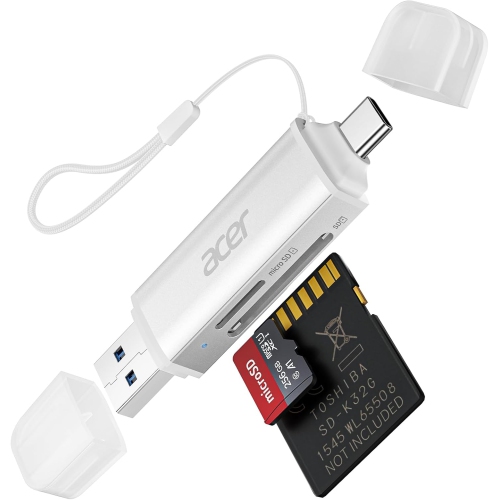
Match the reader’s connector to an available port on your laptop, such as USB-A or USB-C. If the connectors differ, you may need a compatible adapter or hub. Also check that the reader supports your operating system before choosing one for coursework.
Many USB memory card readers work with your operating system’s built-in file manager without separate software. You can copy files into project folders or import them through compatible photo, video, or audio editing applications. Opening certain media formats, such as camera RAW files, may require additional application support.
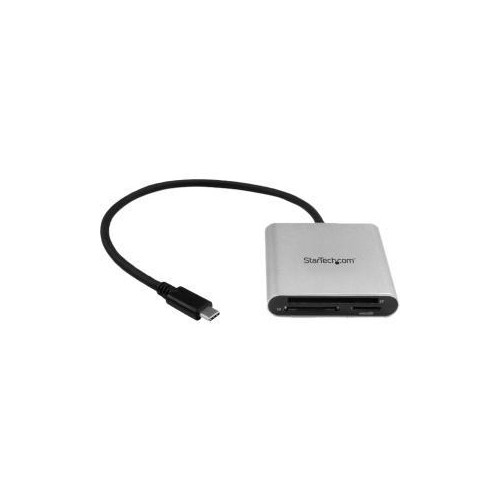
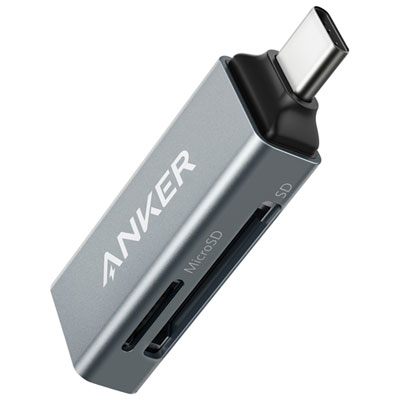
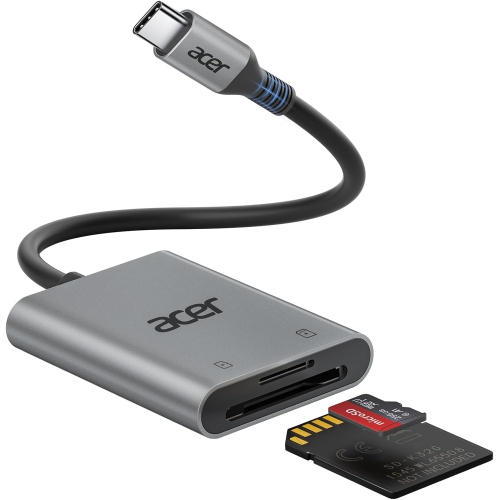
A single-slot reader accepts one supported card format, while a multi-slot reader provides slots for several formats. Multi-slot readers can suit students who use different cameras or recording devices across classes. Not all models allow simultaneous access to multiple cards, so check that feature if it matters to your workflow.
Create a folder for each course, then separate projects by assignment name and date. Within each project, use subfolders for photos, video, audio, and exported work. When importing camera footage, preserve the original folder structure if your editing application relies on it, and follow any file-naming requirements provided by your instructor.
Top selling and popular products
Discover more categories related to Back To School Memory Card Readers for Creative Media Students
Some products may be subject to Environmental Handling Fees (EHF) depending on your province. Learn more about EHFs.