Cameras for Kids
Capture your child’s creativity and curiosity with cameras for kids, designed to make photography fun and accessible for young explorers. Whether your little one is interested in snapping family moments, adventures with friends, or discovering the world through a new lens, these kid-friendly cameras offer a great introduction to the art of taking pictures. Find the perfect option to encourage imagination and help budding photographers develop their skills while making memories that last.
Sort
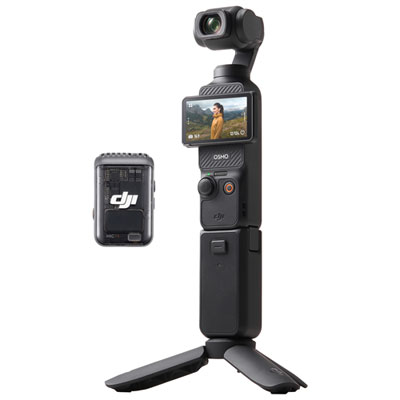
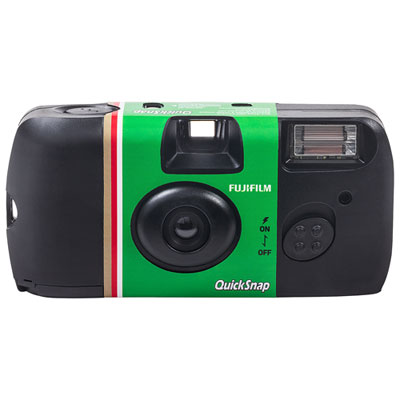
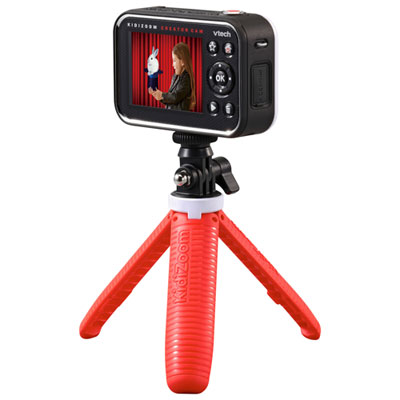
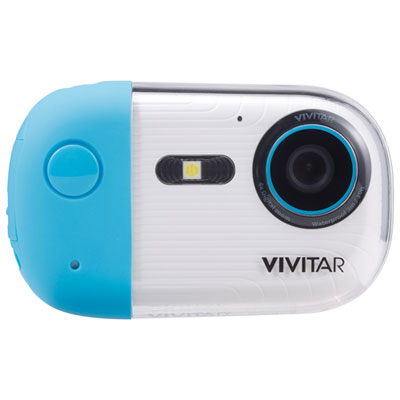



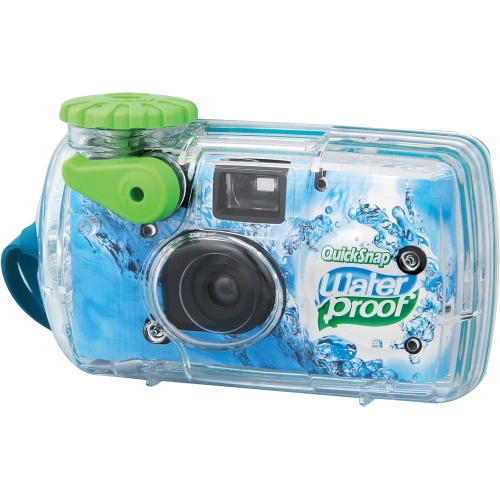
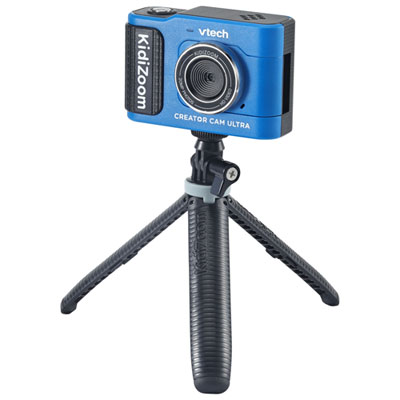
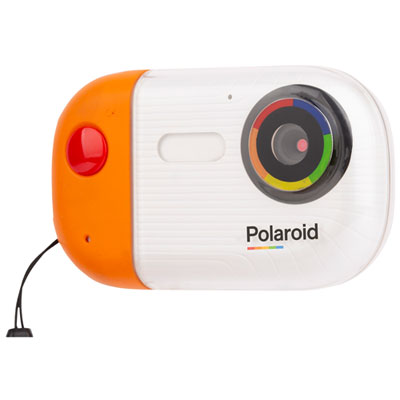


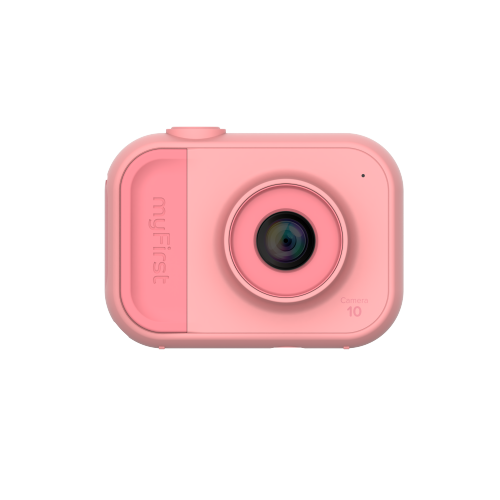


A first camera should fit more than small hands
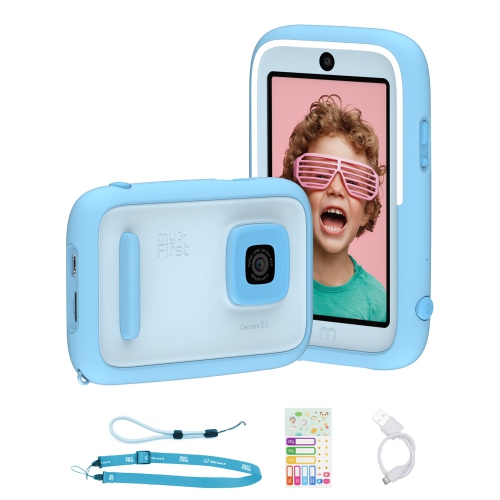
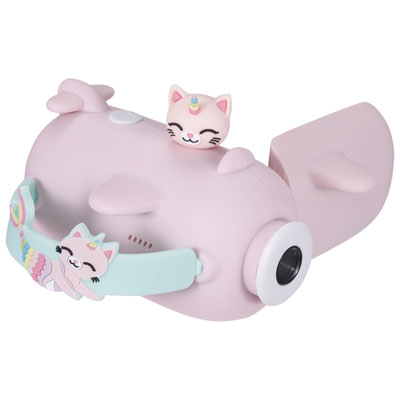
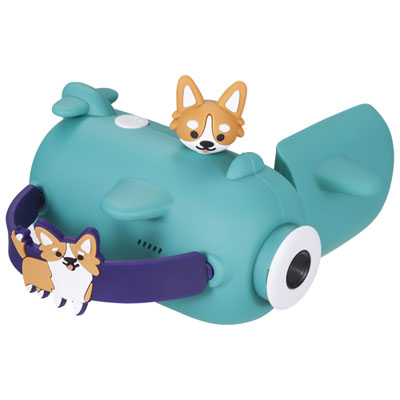
Cameras for kids give children a way to capture everyday discoveries, from a pet curled up on a chair to the proud details of a newly built block tower. The main formats are digital cameras that save images for viewing and sharing, screen-free digital cameras that keep attention on taking pictures, and instant-print cameras that produce a physical photo. Each offers a different experience: a display makes it easy to check a shot, a screen-free design leaves the results to be discovered later, and a printed picture can become part of a scrapbook or handmade card. The right fit depends on a child’s age, hand size, interests, and comfort with simple controls rather than on one feature alone. For preschoolers and younger children, a lightweight body, broad grips, and clearly marked buttons can make a camera easier to hold and operate with adult support. School-aged children may appreciate more room to experiment with framing, close-ups, or short videos, while older children with a growing interest in photography may prefer straightforward controls and fewer games or decorative effects. Manufacturer age recommendations remain important, particularly when a camera includes removable batteries, small accessories, or other parts that need adult handling. A camera should sit comfortably in both hands without forcing little fingers to stretch across the body to reach the shutter button. A textured grip or protective silicone cover can help with handling, though neither guarantees protection from every drop. Rounded edges, a secure battery compartment, and buttons that are easy to distinguish by touch are practical details for a first camera. Intended use matters, too: taking photos around the house places different demands on a camera than carrying it through a museum visit or on a family outing. For many children, the most useful camera is simply one they can manage confidently, allowing the fun of noticing and photographing things to take centre stage.
Digital cameras for children often combine a rear display with simplified photo controls, giving young photographers immediate feedback on what they have captured. That feedback can be useful when a favourite toy has slipped out of the frame or a finger has covered part of the lens. Image quality depends on more than the advertised megapixel count; lens quality, focus, lighting, and the way the camera processes an image all affect the result. Clear, dependable photos can be more satisfying than a long feature list that is difficult for a child to navigate. A close-focus or macro setting, where included, can help capture small details such as the texture of a leaf, a toy figure’s face, or the pattern on a shell. Video recording adds another kind of play, whether the child is filming a puppet show or making a short introduction to a building project, but it also uses more storage than still photos. Built-in memory and memory-card support vary, so storage capacity and the method used to transfer files are worth considering alongside the camera’s controls. A USB connection or supported wireless transfer can make it easier for an adult to save favourite pictures, provided it works with the household’s computer or other device. Screen-free digital cameras offer a different rhythm: children frame a scene using a viewfinder where provided, take the picture, and review the files later with an adult. This can suit families who want photography without on-camera games or repeated screen checking, although it does not mean the entire process is screen-free. Cameras with displays may include filters, frames, or games, and any parental controls should be checked for the functions they actually cover. Battery life also depends on how the camera is used, especially with frequent video recording, screen use, or printing. A simple charging routine and adult help with file transfers can keep the experience focused on making pictures. Family expectations around asking permission before photographing others and getting approval before sharing images help make a child’s growing independence more thoughtful.
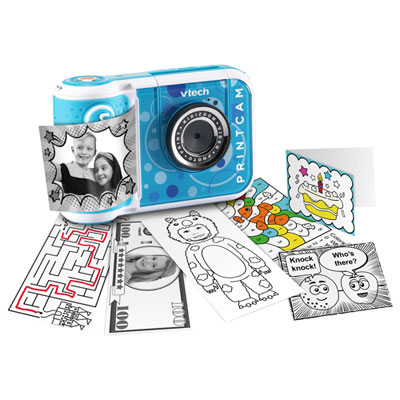
Instant-print cameras for kids add the pleasure of holding a picture moments after taking it. Thermal-printing cameras typically create black-and-white images on compatible paper without ink cartridges, making them useful for photo journals, labels, and pictures children can colour or decorate. These prints have a different look from colour photographs, with fine detail and shading affected by the camera and printing settings. Instant-film cameras use a different process and require the correct film, so the two formats should not be treated as interchangeable. Some printing cameras also save digital files, but that capability needs to be confirmed if keeping an original image is important. The paper or film format, ease of loading, and need for adult assistance all shape how comfortably a child can use a printing camera. Materials and construction deserve the same attention as creative features: a hard plastic body can keep weight manageable, while a fitted protective cover may cushion minor knocks and improve grip. A drop-resistant description does not mean a camera can withstand every fall, and water resistance should never be assumed unless it is explicitly stated. A protective case helps separate the camera from crumbs, loose pencils, and other objects in a backpack. For routine care, a soft cloth can remove fingerprints, while the lens benefits from gentle cleaning with suitable lens-care materials rather than abrasive paper or household cleaners. Charging ports and battery compartments should be kept clean and dry, with an adult supervising charging and battery changes as appropriate. A child’s preferred colour can make a camera feel more personal; Pink Cameras for Kids provides a colour-focused option to explore alongside practical features. As birthday gifts or presents marking a milestone, children’s cameras can encourage observation and storytelling without requiring formal lessons. A child might photograph the stages of a craft project, collect portraits of family members, or document a day out from their own height. Comfortable handling, manageable controls, and a format that suits those interests help turn a camera into something a child enjoys using again and again.
Top selling and popular products
-
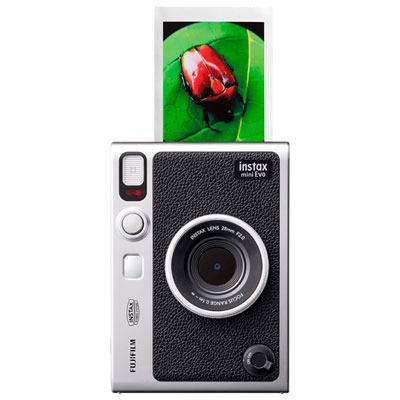 Your price for this item is $299.99
-
 Your price for this item is $233.33
-
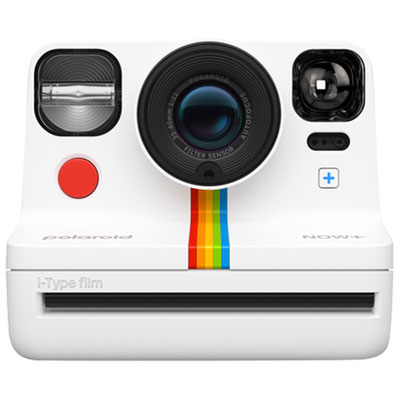 Your price for this item is $199.97
-
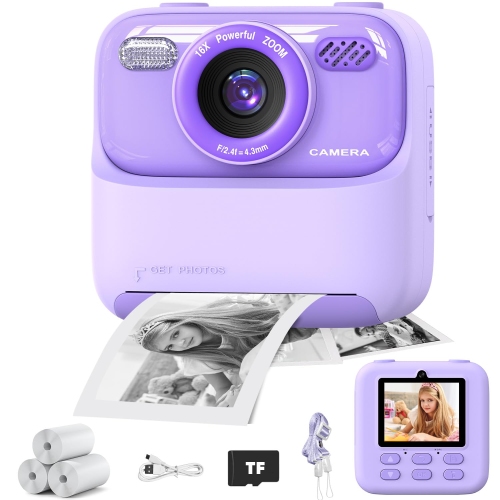 Your price for this item is $91.99
-
 Your price for this item is $419.99
-
 Your price for this item is $119.99
-
 Your price for this item is $69
-
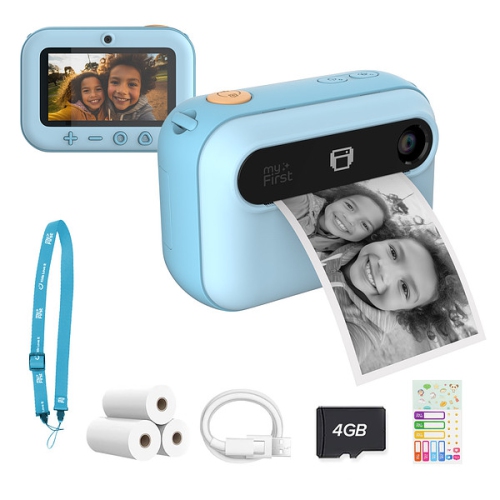 Your price for this item is $129.9
Discover more categories related to Cameras for Kids
Top Collections:
Pokemon Centers, Kindle Devices, Best Budget Office Chairs, Canon G7X Cameras, Apple iPhones 16, Samsung Galaxy Phones, Refurbished Apple Laptops, Laptops for Students, iPhone 15 Apple, Budget Smartphones
Some products may be subject to Environmental Handling Fees
(EHF) depending on your province.
Learn more about EHFs.