Digital Cameras With Rechargeable Batteries
Capture every moment with ease by exploring our selection of Digital Cameras With Rechargeable Batteries. Designed for convenience and flexibility, these cameras let you focus on getting the perfect shot without worrying about frequent battery changes. Whether you're a photography enthusiast or just looking to document special occasions, you'll find options that suit your needs and keep you ready for every photo opportunity. Discover the advantages of digital cameras equipped with rechargeable batteries and enjoy more time behind the lens.
Sort
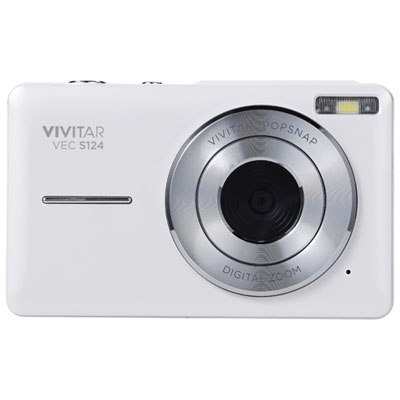

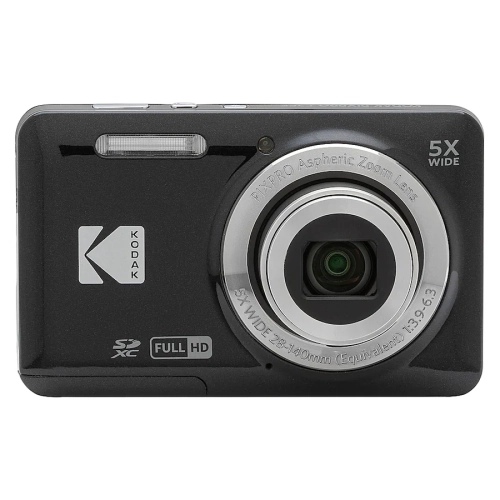

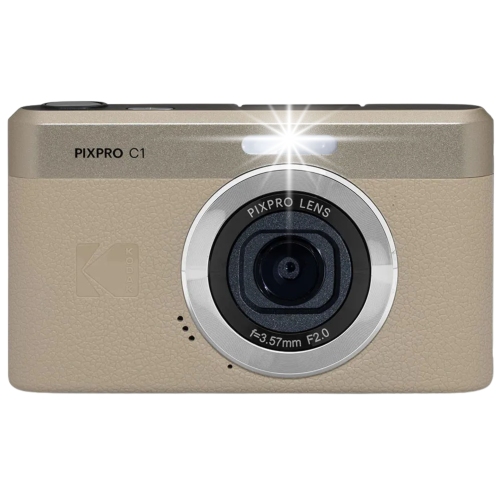

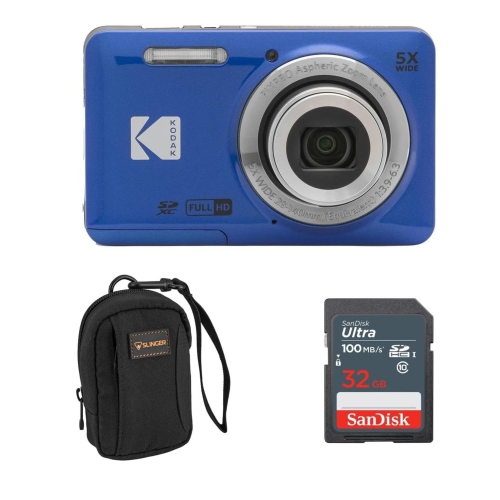
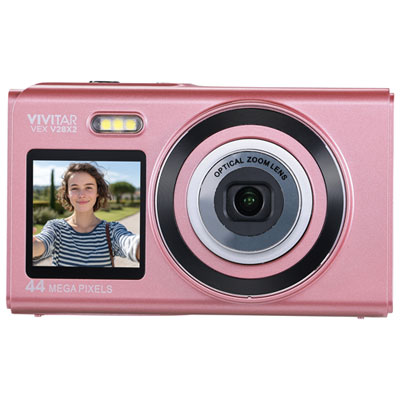
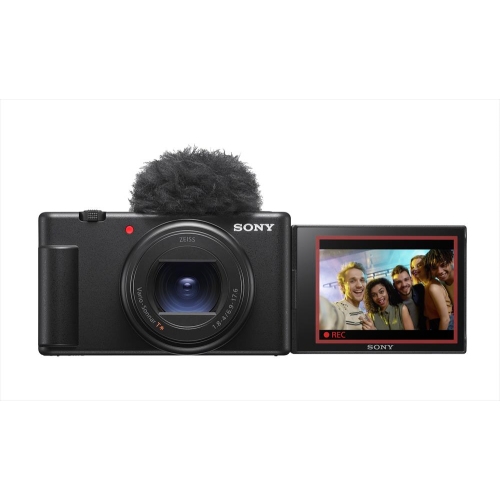
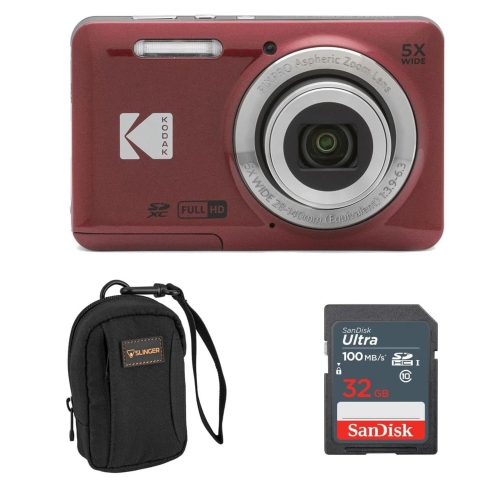
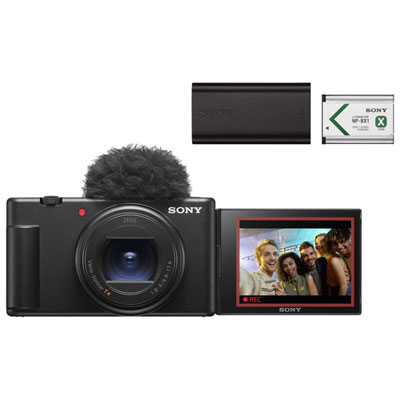
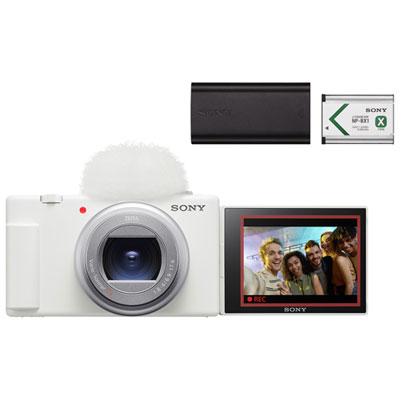
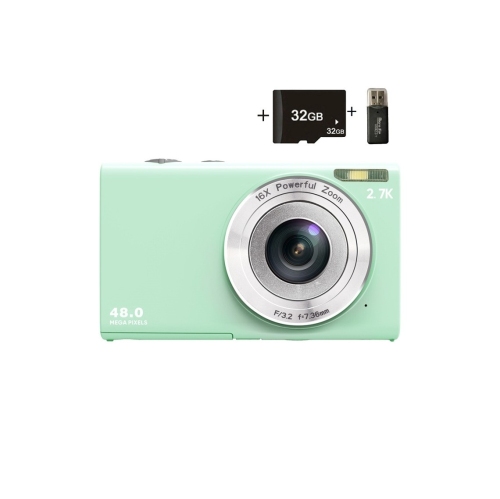
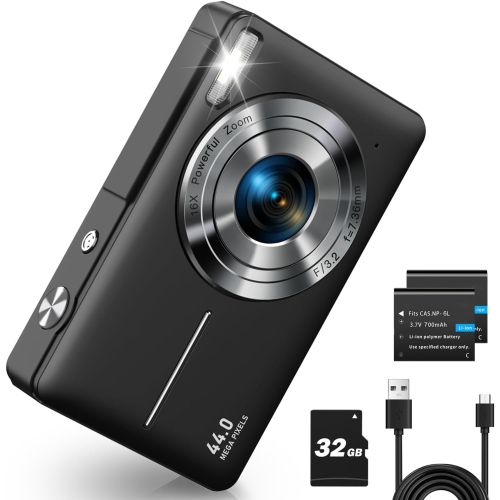
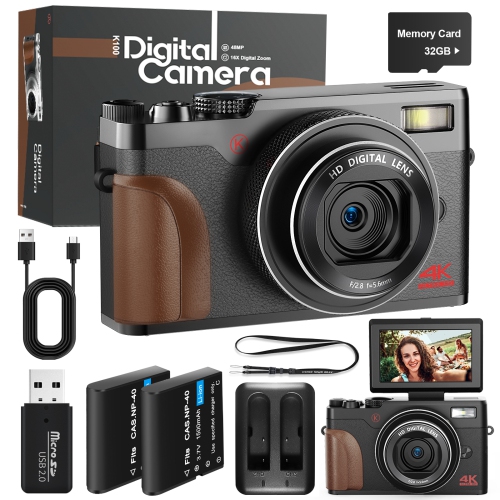




How camera features and charging fit your shooting routine
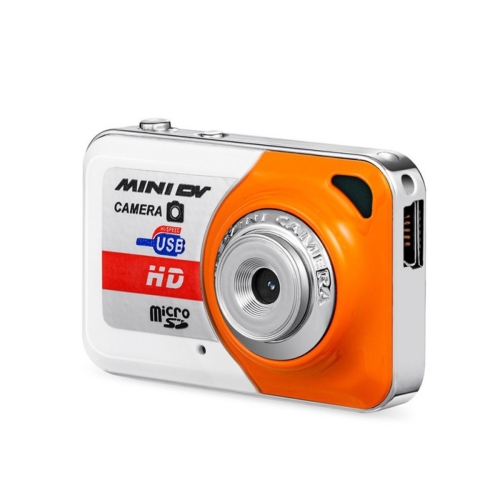
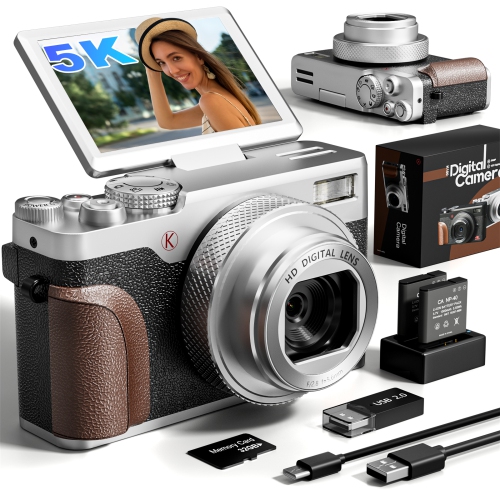
Digital cameras with rechargeable batteries combine dedicated photography features with a power source that can be charged and used repeatedly. They include compact point-and-shoot cameras, advanced fixed-lens cameras, mirrorless cameras and digital SLR cameras, with different designs suited to everyday snapshots, travel, portraits and video. Many use a model-specific lithium-ion battery pack, which may be removable or built into the camera. A removable pack can be exchanged for a charged spare, while a built-in battery stays inside the body during charging. Some cameras accept rechargeable AA nickel-metal hydride batteries, commonly called NiMH batteries, but compatibility depends on the camera’s specifications. The battery format alone does not determine picture quality; sensor size, lens quality, autofocus and image processing all contribute to the finished image. A compact camera can slip into a small bag for a museum visit or a family gathering, while an interchangeable-lens camera offers more flexibility for subjects such as indoor portraits or distant action. For someone photographing a child’s performance from several rows back, optical zoom and dependable focus may matter more than a very high megapixel count. For someone filming a demonstration at a desk, a clear front-facing screen, reliable subject tracking and suitable audio connections may be more useful. Rechargeable power supports these different uses, but charging arrangements vary. Depending on the design, a battery may charge inside the camera through a compatible USB connection or outside it in a separate charger. A USB port does not automatically mean that the camera supports in-camera charging, and a camera that charges through USB may not operate while connected to power. Checking those distinctions helps match the camera to the way it will be used, whether that means topping it up between outings or keeping a spare ready for a full day of photography.
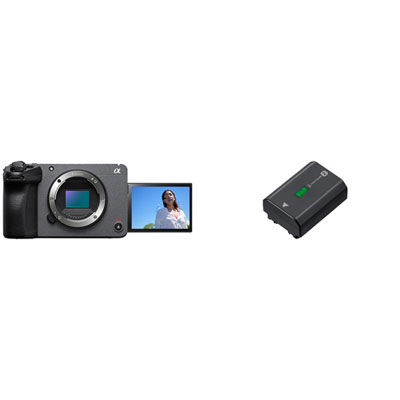
Battery life is best understood alongside shooting habits rather than as a single promise about how long a camera will last. Manufacturers often publish still-image battery ratings based on standardized testing, which can help compare cameras when the same test method is used. Actual results vary with screen use, flash photography, autofocus activity, image playback and wireless connections. Video places different demands on a battery, so a still-photo shot count is not a reliable measure of filming time. Someone taking occasional photographs during a walking tour may have a very different charging routine from someone capturing repeated video clips at a dance rehearsal. Continuous shooting can also produce a different number of images per charge than taking individual photographs with long pauses between them. For cameras with removable packs, a compatible spare can reduce interruptions without requiring a nearby outlet. Rechargeable Camera Batteries must match the battery designation and electrical requirements specified for the camera; a similar shape or a higher capacity figure does not establish compatibility. Capacity figures are most useful when comparing compatible batteries with the same voltage, not when comparing unrelated camera systems. A separate charger can be convenient because it allows one battery to charge while another powers the camera. With supported USB charging, a suitable wall adapter or power bank may make charging away from home simpler, but the cable, power output and charging protocol still need to meet the camera’s requirements. Accessories included with a camera vary, so the presence of a rechargeable battery does not necessarily mean that a separate charger or wall adapter is included. Rechargeable AA designs need the same attention to compatibility: use the approved battery chemistry, follow the specified quantity and charge the cells with a suitable charger. Keeping matched AA cells together as a set, rather than mixing different types or states of charge, helps support consistent operation. These practical details can matter as much as the battery rating when photography becomes part of a regular routine.
Comfort, construction and care also influence how useful a rechargeable digital camera feels over time. Camera bodies may use moulded plastics, metal alloys or a combination of materials, balancing weight, rigidity and handling. A heavier body is not automatically the better choice: a lightweight compact may be easier to carry throughout a city visit, while a deeper grip can make a larger camera more comfortable with a longer lens attached. Button spacing, screen visibility and access to the battery compartment deserve attention, particularly when the camera will be used on a tripod. Some mounting plates can obstruct a battery door, making a battery change less convenient during a carefully framed shoot. A tilting or articulating screen can help with photographs taken close to the floor or above a crowd, while a viewfinder offers another way to compose without relying solely on the rear display. For connected use, supported Wi-Fi and Bluetooth features may simplify image transfers, although functions and phone compatibility vary. A padded case, secure strap and lens cap help protect against everyday knocks and scratches. A clean blower and suitable lens cloth can remove dust and marks without rough wiping, and battery contacts should be kept clean and dry according to the manufacturer’s care directions. Loose spare batteries belong in protective cases that keep their terminals away from keys, coins and other metal objects. A damaged or swollen battery should not remain in use, and charging should follow the instructions for the battery and charger. For a camera that will sit unused for an extended period, follow its storage guidance rather than leaving it connected to a charger indefinitely. As a gift, a rechargeable digital camera can suit a student exploring photography, a traveller who enjoys framing details or a family member who wants dedicated controls for important moments. Straightforward menus and comfortable handling can make a first camera more inviting, while manual exposure controls and lens flexibility give an interested photographer room to develop. The most useful combination is a camera that fits the intended subject, feels natural to carry and has a charging routine that is easy to maintain.
Top selling and popular products
-
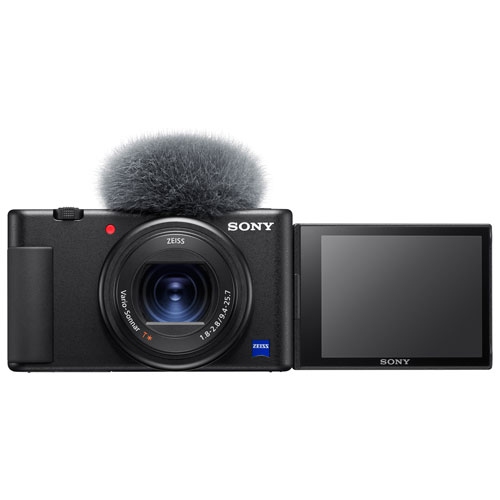 Your price for this item is $804.97
-
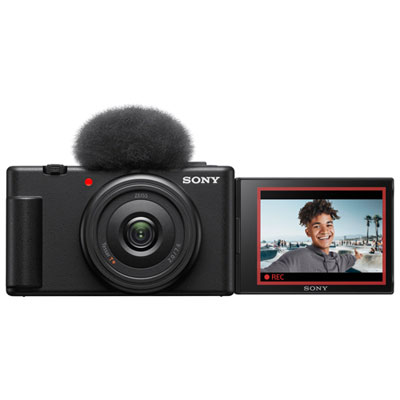 Your price for this item is $649.99
-
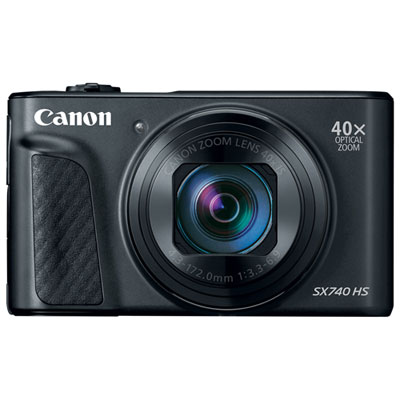 Your price for this item is $749.99
-
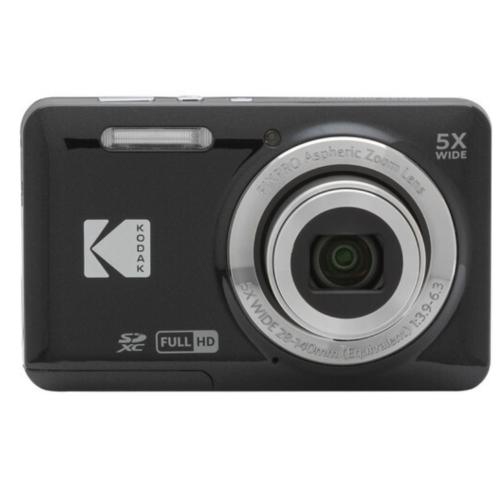 Your price for this item is $253
-
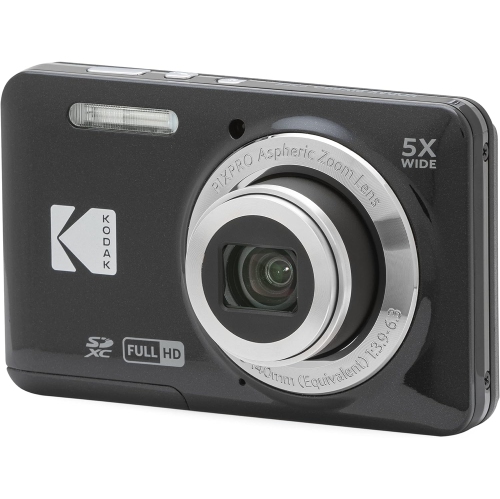 Your price for this item is $255
-
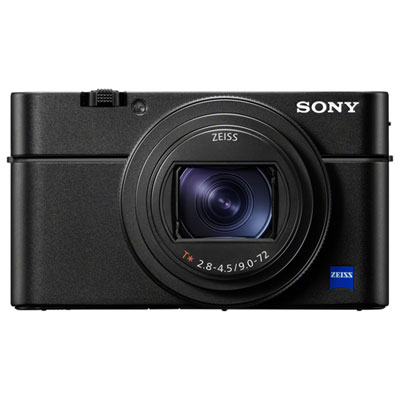 Your price for this item is $1999.99
-
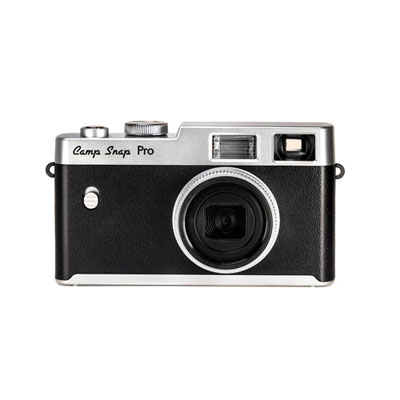 Your price for this item is $99.99
-
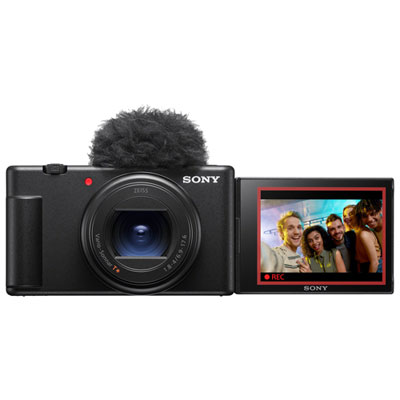 Your price for this item is $1199.99
Discover more categories related to Digital Cameras With Rechargeable Batteries



Top Collections:
Pokemon Centers, Best Budget Office Chairs, Kindle Devices, Best Laptops for Writers, Apple iPhones 16, Canon G7X Cameras, Best Cell Phones Under $300, Samsung Galaxy Phones, iPhone 15 Apple, Flip Phones
Some products may be subject to Environmental Handling Fees
(EHF) depending on your province.
Learn more about EHFs.