DJI Drone Accessories
Enhance your aerial photography and take your drone flying experience to new heights with our wide selection of DJI drone accessories. Whether you're a professional photographer or a hobbyist, these accessories are designed to enhance the performance, functionality, and creativity of your drone. From high-capacity batteries and propellers to carrying cases and camera filters, we have almost everything you need to maximize the potential of your DJI drone. Explore our collection of top-quality accessories that are built to withstand the demands of almost any adventure and elevate your drone photography to the next level.
Sort



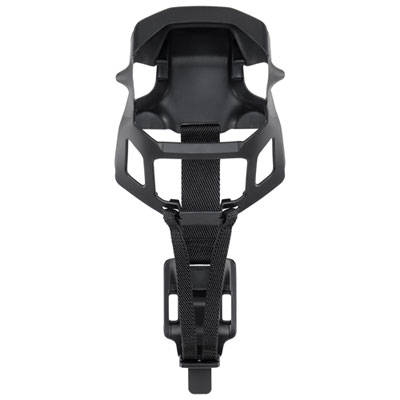
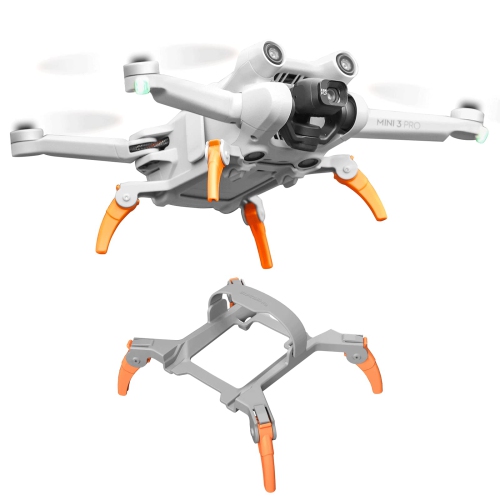
A well-organized flight kit starts with compatible accessories
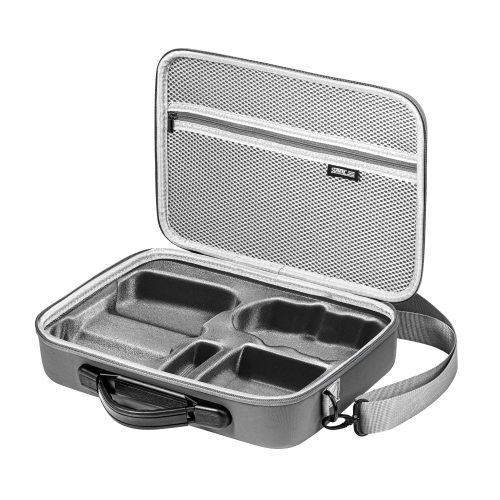
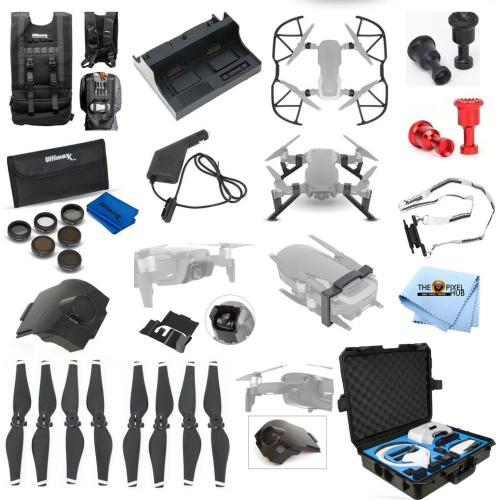
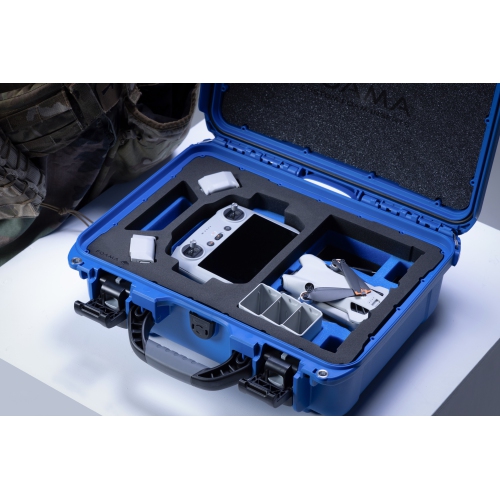
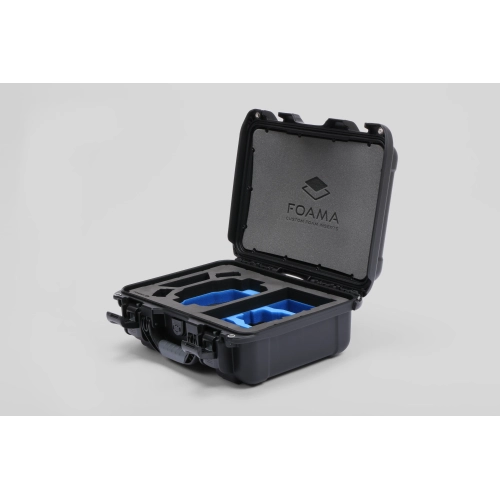
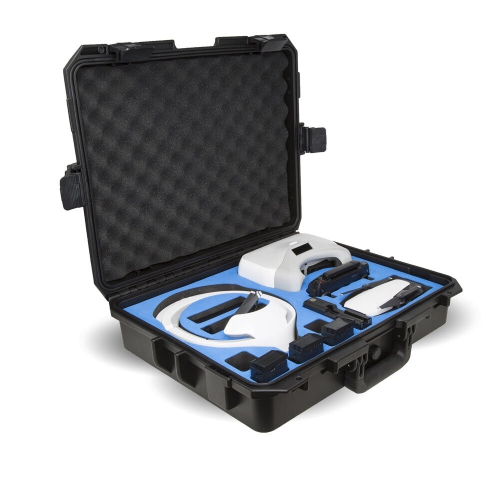
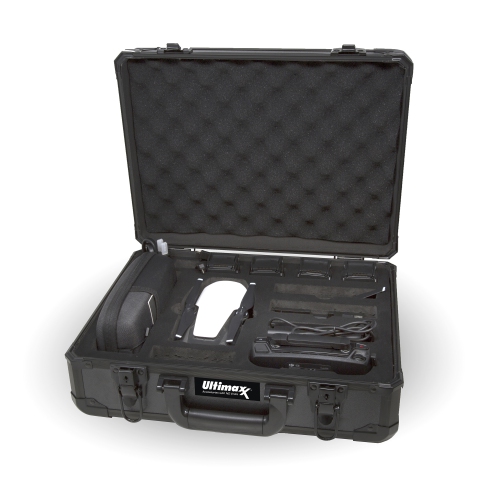
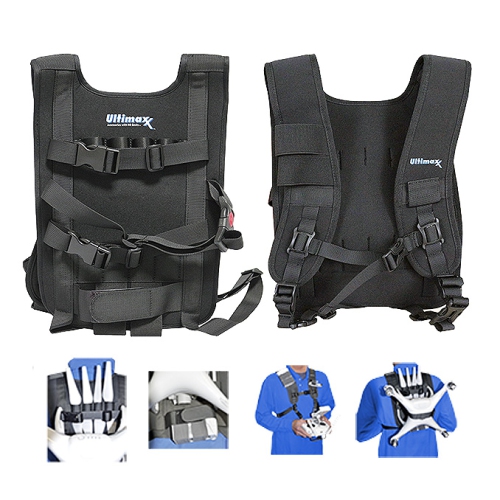
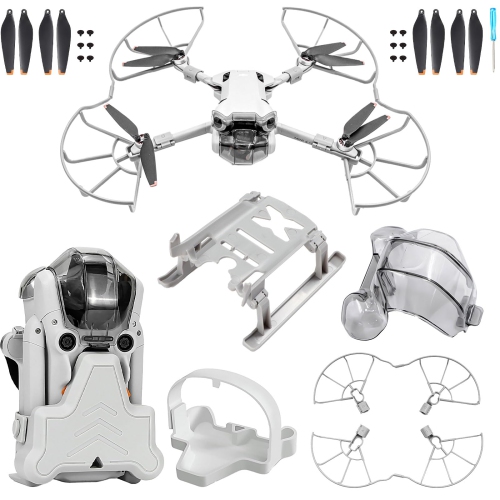
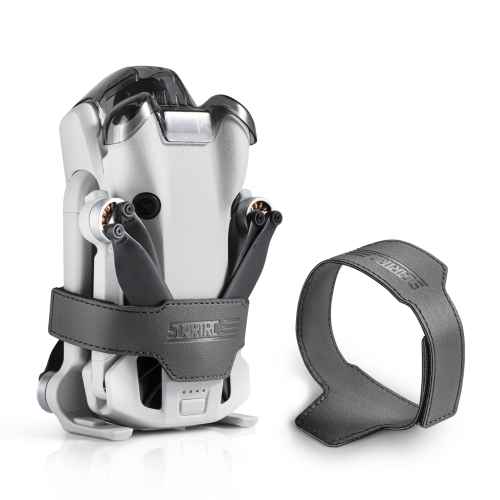
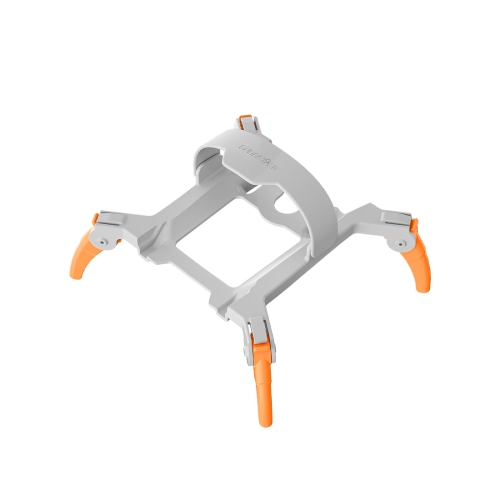
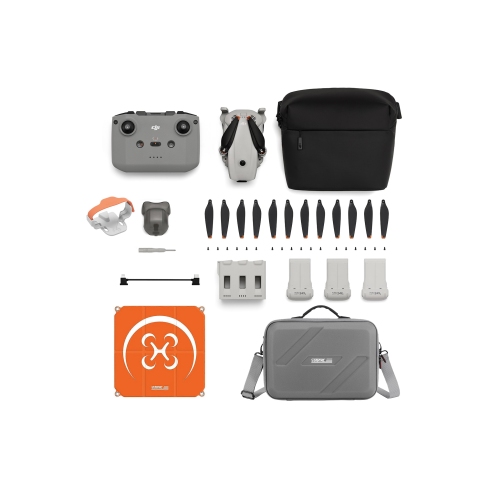
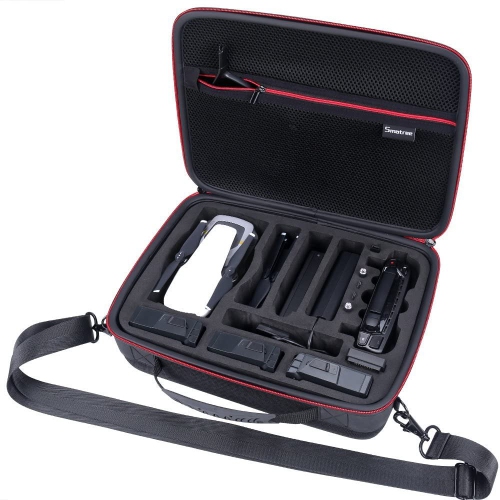
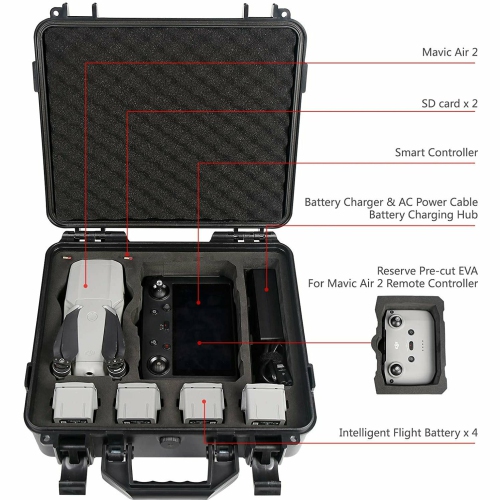
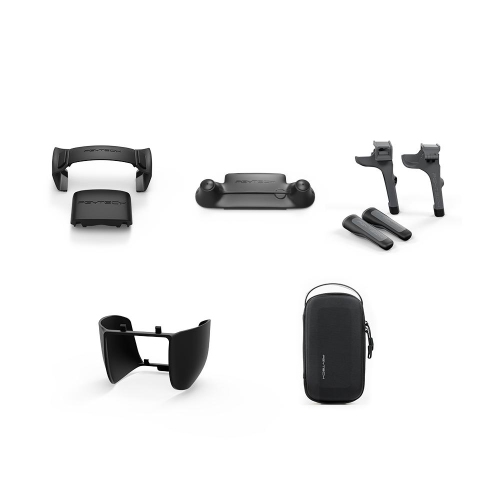
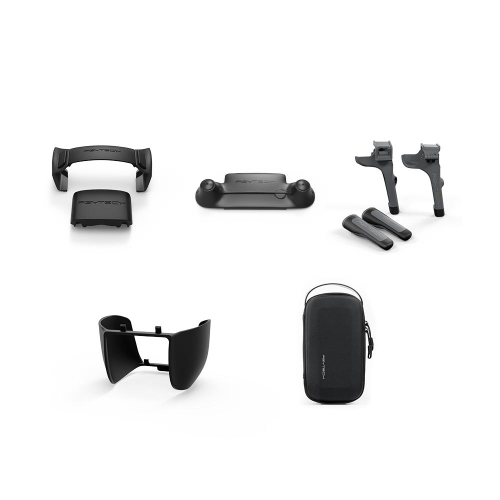
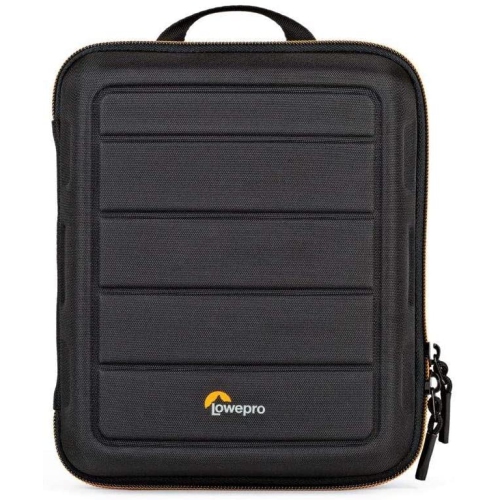
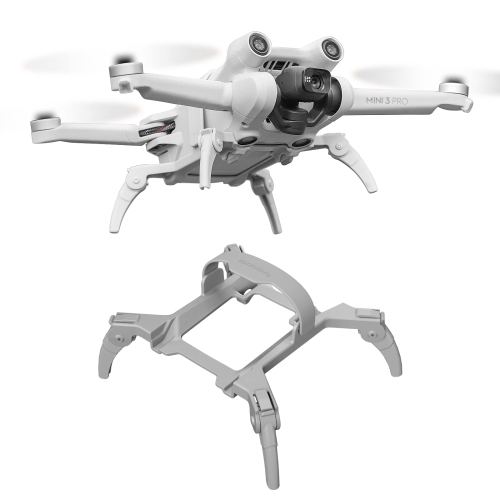
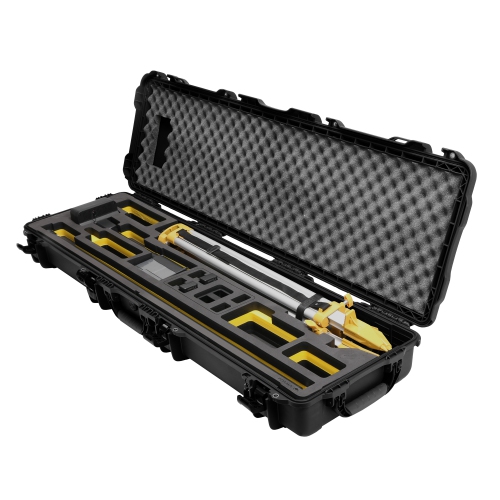
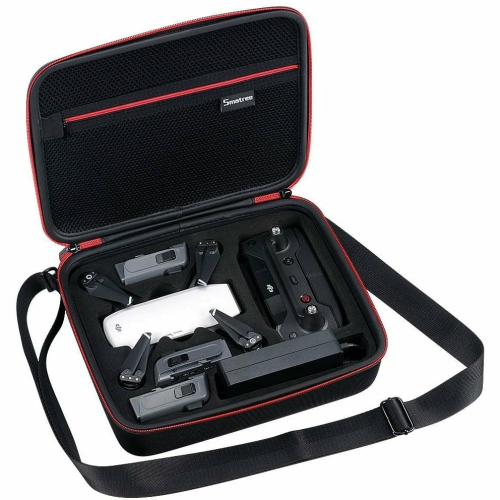
Drone accessories support the practical details of flying, filming, transporting, and caring for an aircraft. From power accessories and camera filters to carrying cases and controller attachments, each category serves a different part of the flight experience. A compact kit for casual aerial photography may focus on easy transport and a tidy place for spare batteries, while a more involved filming setup may need organized storage, multiple charging connections, and filters suited to different lighting conditions. Compatibility is the starting point: accessories need to match the aircraft model, battery design, camera assembly, or controller they are intended to support. Similar-looking components are not necessarily interchangeable, and even aircraft within the same family may use different fittings or electrical connections. Carrying cases illustrate how much these details matter. A shaped insert can hold a folded aircraft securely without pressing against its propellers or camera, while separate compartments keep batteries, cables, and small attachments from shifting together. Hard-shell cases typically offer more resistance to crushing than soft bags, though protection depends on the construction, closure, and internal padding. Lightweight fabric bags can be easier to carry on foot and fit into a larger travel setup. Useful details include comfortable handles, adjustable dividers, durable zippers, and pockets that keep small pieces visible rather than buried beneath the aircraft. A case should accommodate the equipment as it is actually packed, including any attachments that must be removed before transport. For someone walking to a permitted launch area with a camera bag already over one shoulder, a streamlined layout can matter as much as capacity. For someone transporting equipment between filming locations, a structured case with clearly separated compartments may be the better fit. These accessories appeal to recreational pilots, photographers, video creators, and travellers who want their equipment organized and protected between flights. The most useful setup is not necessarily the largest; it is one that keeps essential equipment accessible without adding unnecessary bulk.
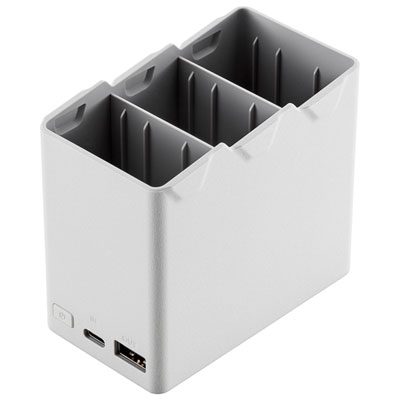
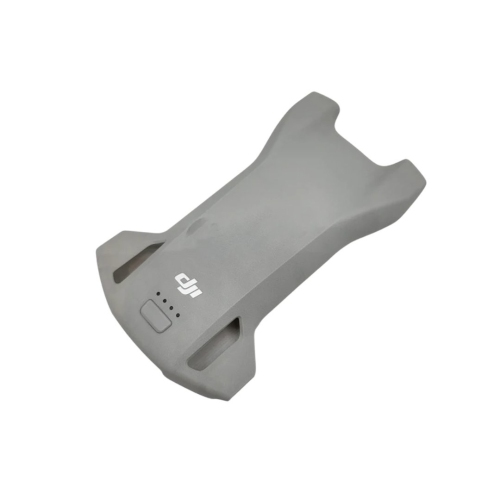
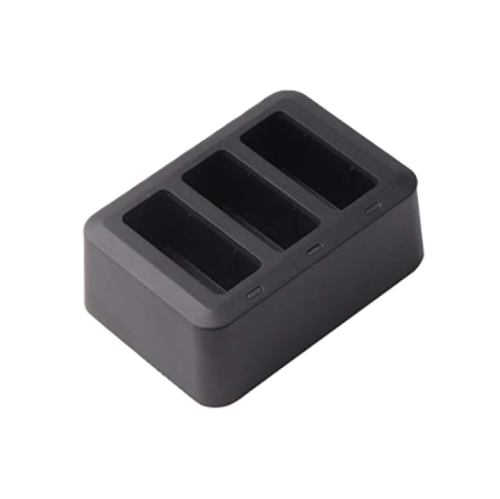
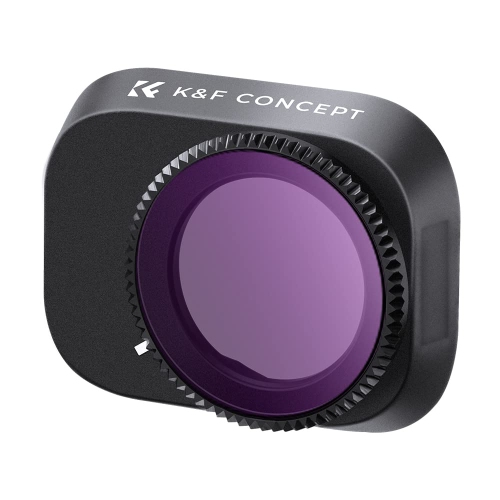
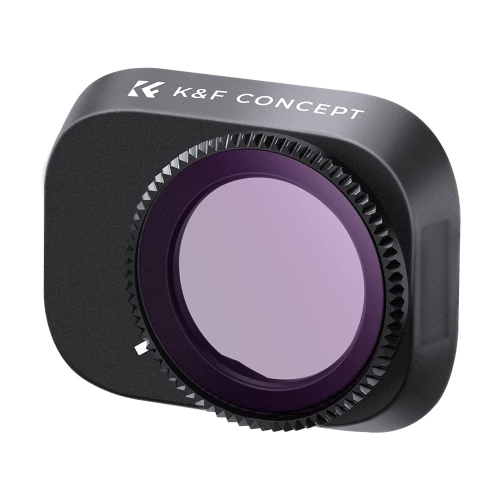
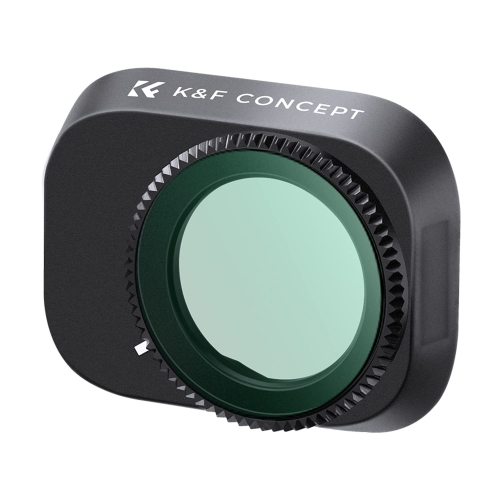
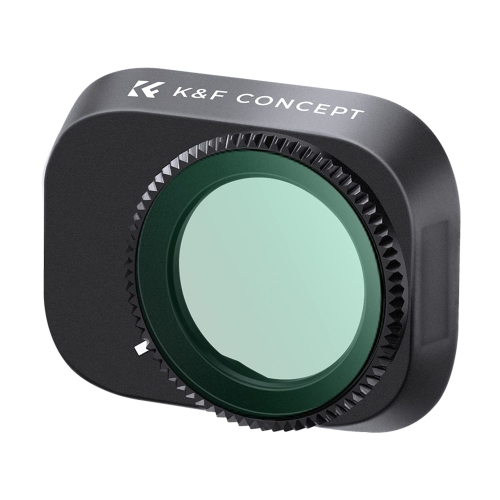
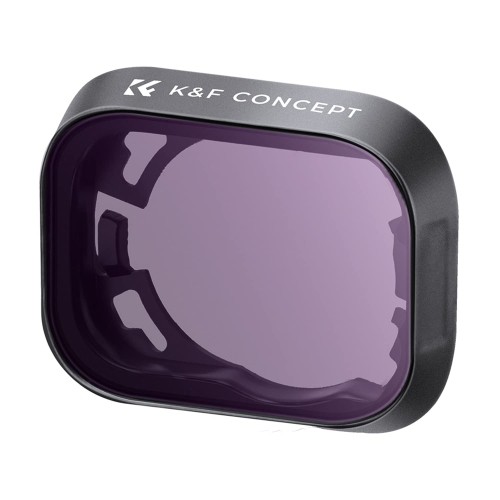
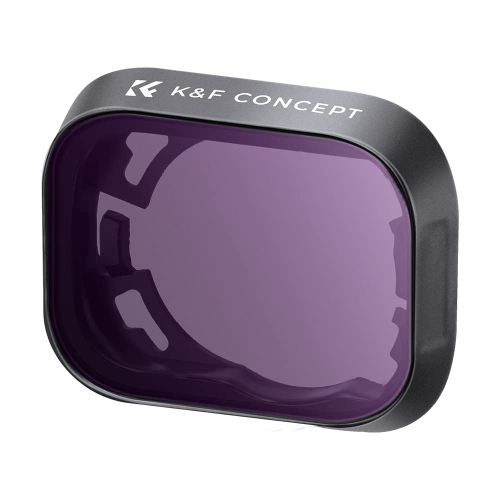
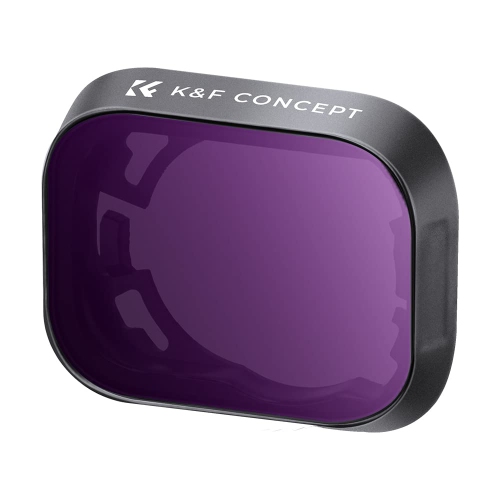
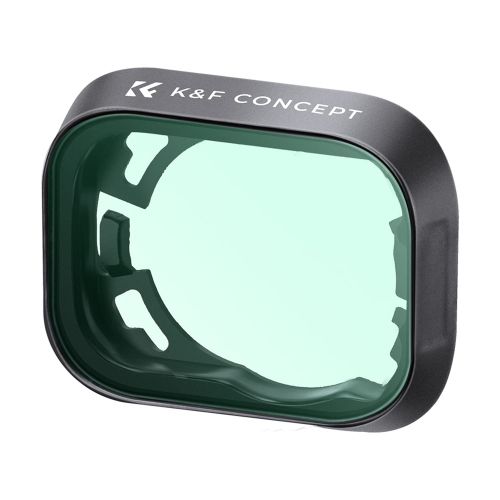
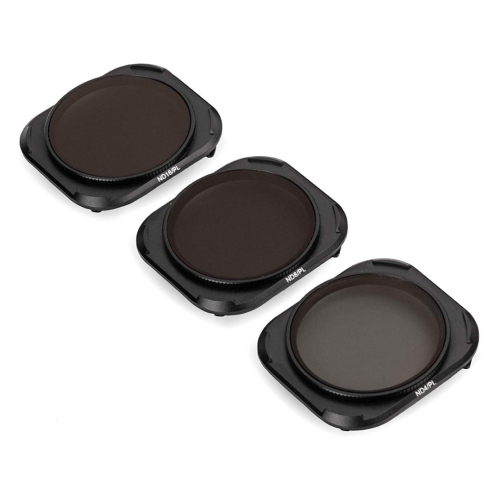
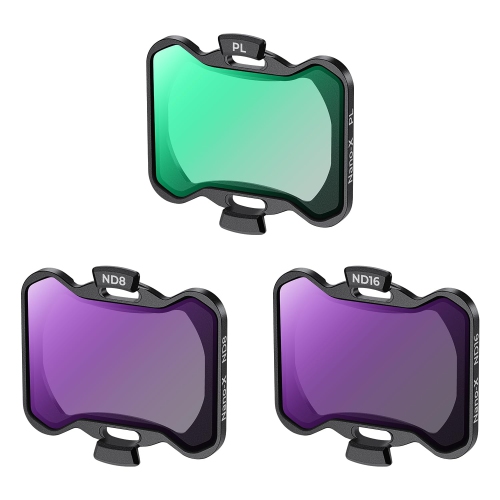
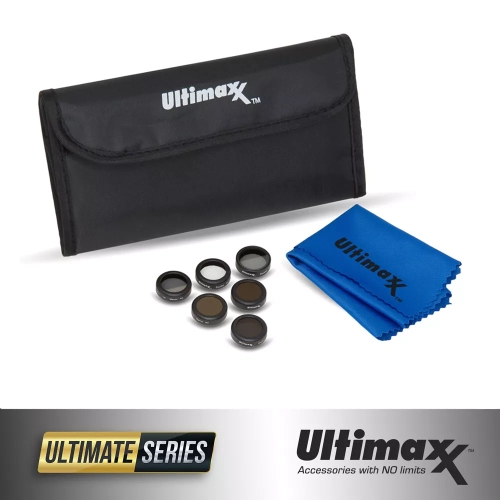
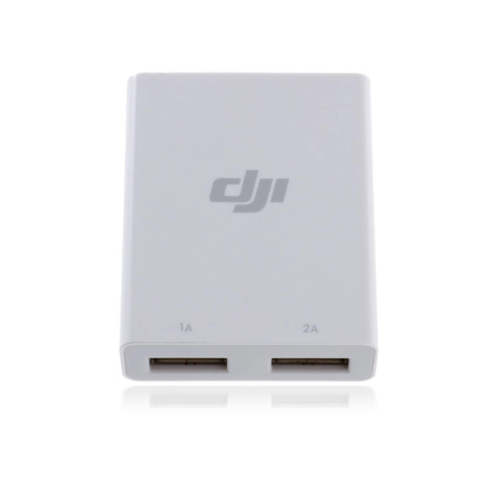
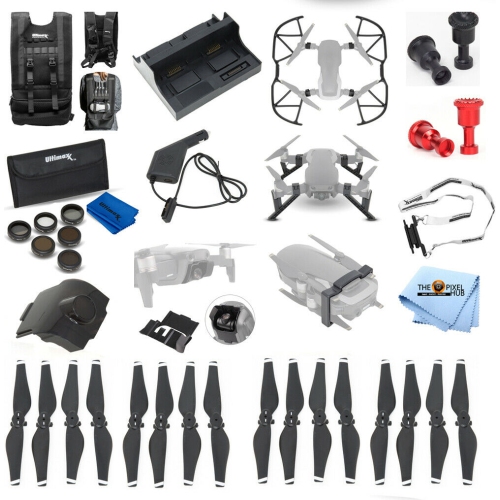
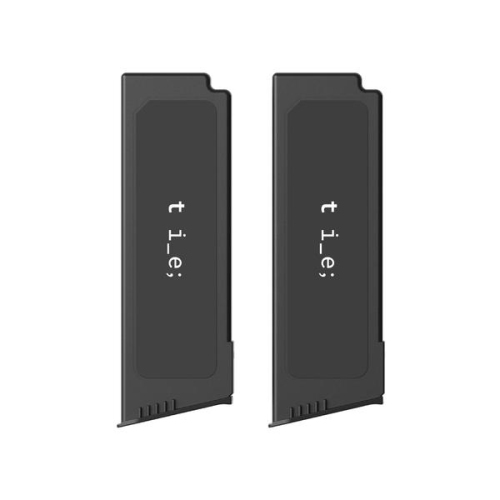
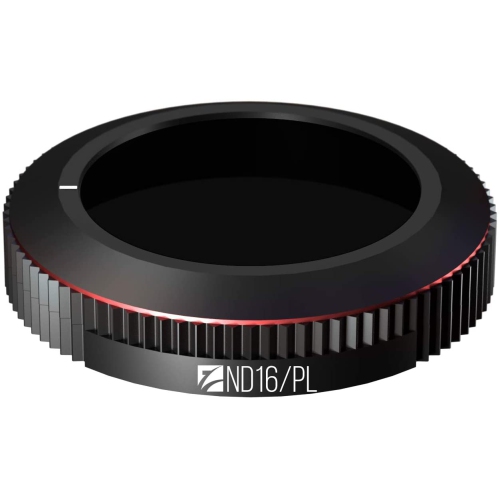
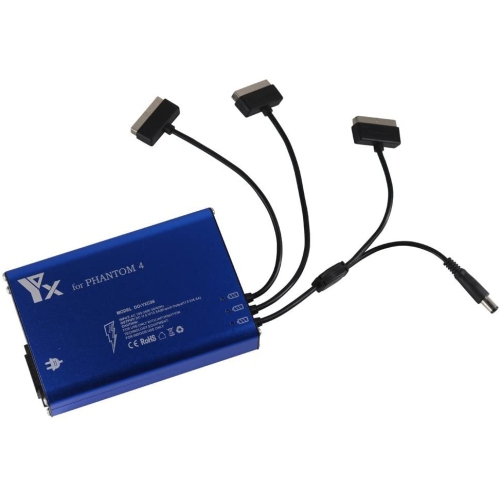
Power and charging accessories help organize flight sessions, especially when several flights are planned at the same location. A spare battery supports another flight after landing and changing batteries, rather than extending the capacity of the battery already installed. Battery compatibility includes more than physical dimensions: the aircraft must support the battery’s electrical specifications and communication features. Charging hubs also differ in how they operate. Some charge batteries in sequence rather than simultaneously, and the connected power adapter can affect charging performance. A hub, cable, and adapter therefore work as a system, with each component needing the appropriate connection and power capability. Portable charging options require the same attention to supported output and manufacturer requirements; a connector that fits does not by itself establish compatibility. Good battery care includes keeping contacts clean and dry, protecting terminals during transport, and following the manufacturer’s charging and storage directions. Batteries showing swelling, leakage, or physical damage should not remain in use. Camera accessories address a different set of needs, helping pilots work with available light and capture footage that suits the project. Neutral density filters reduce the amount of light entering the lens, allowing more flexibility with exposure settings when filming bright scenes. Polarizing filters can help manage reflections from surfaces such as water or glass, though their effect changes with the camera’s angle to the light. Neither filter type automatically improves every shot, and both need to fit the camera without interfering with its movement. Optical glass, coatings, frame construction, and secure attachment all contribute to handling and durability. A lightweight filter designed for the correct camera assembly is more appropriate than an improvised attachment that could obstruct the gimbal. For footage storage, supported memory card format, capacity, and sustained writing speed matter more than a headline transfer-speed figure alone. A card suited to the aircraft’s recording requirements helps support reliable capture, while a protective card case keeps small storage media separated from loose cables and other equipment.
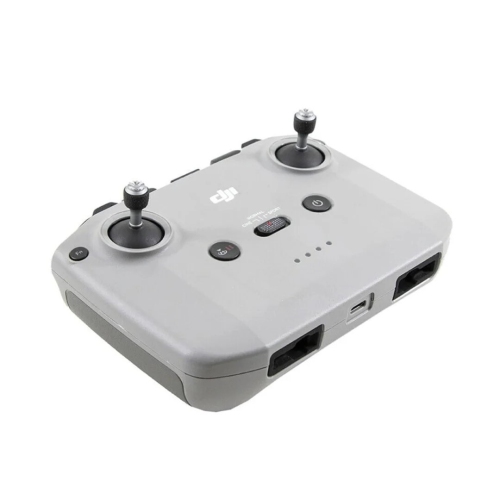
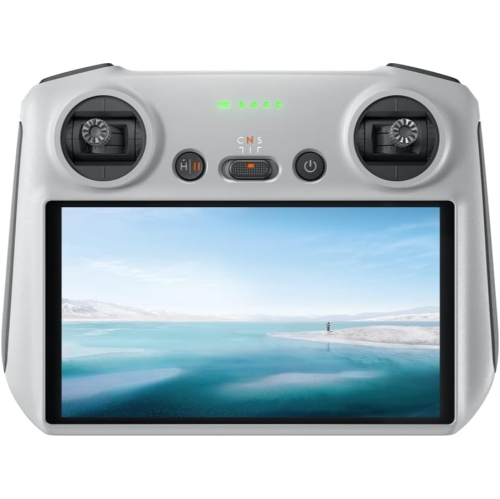
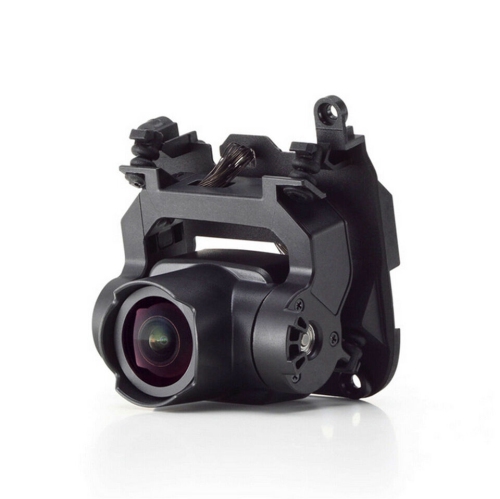
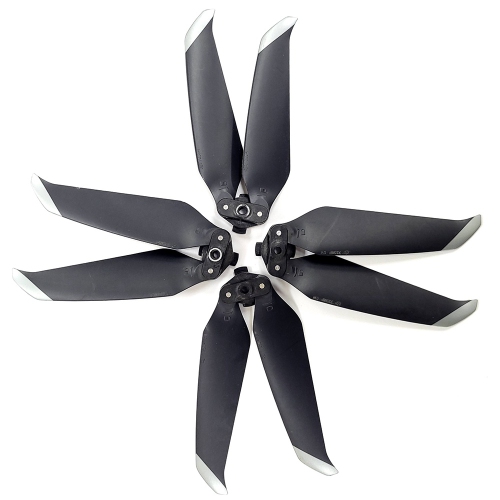
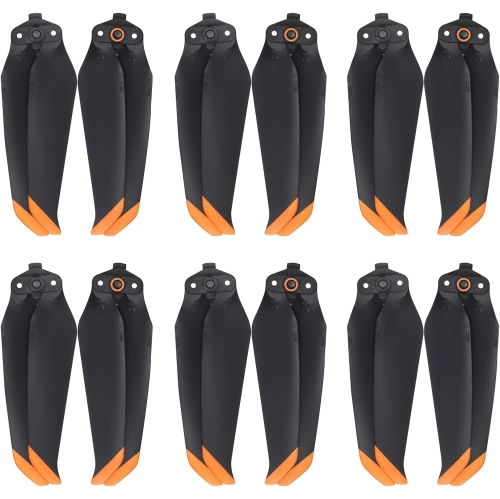
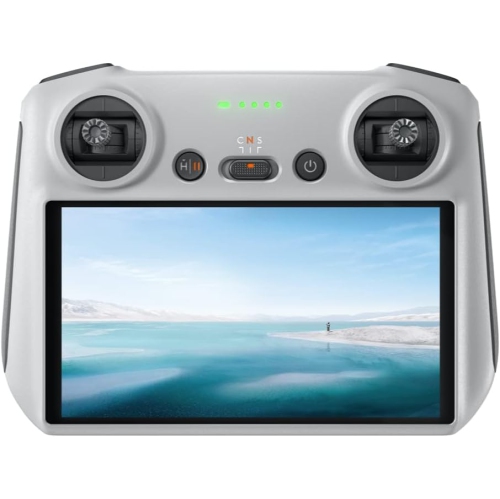
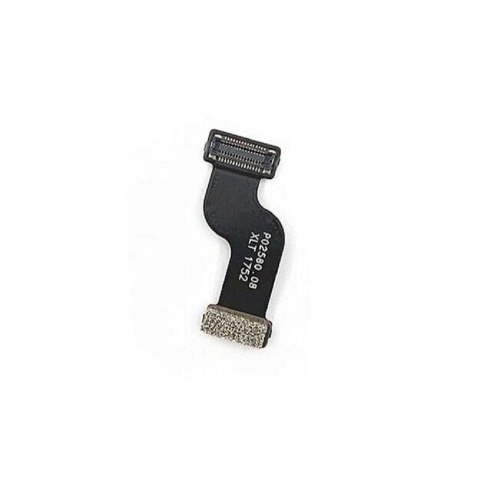
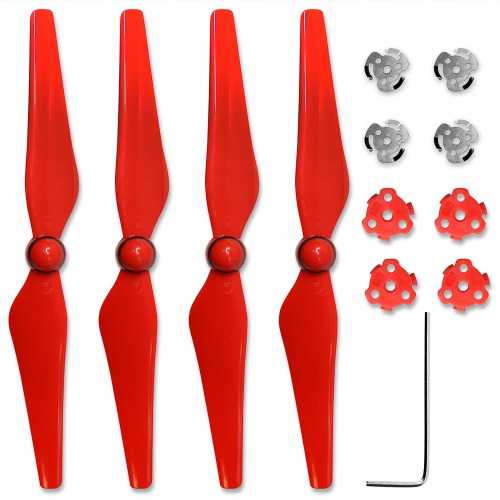
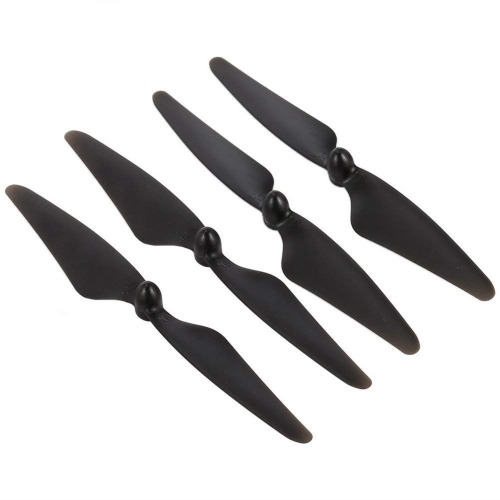
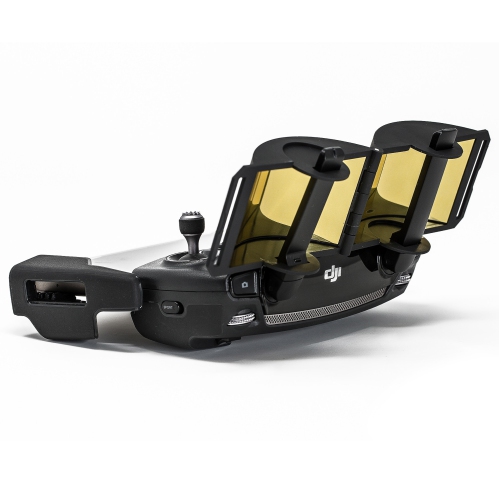
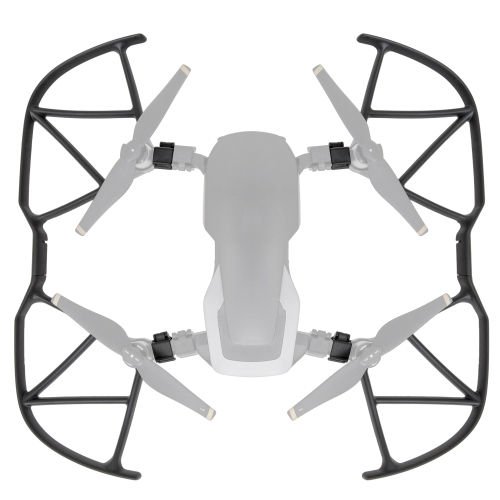
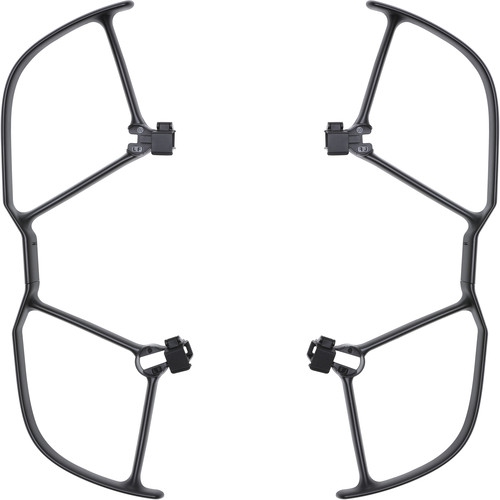
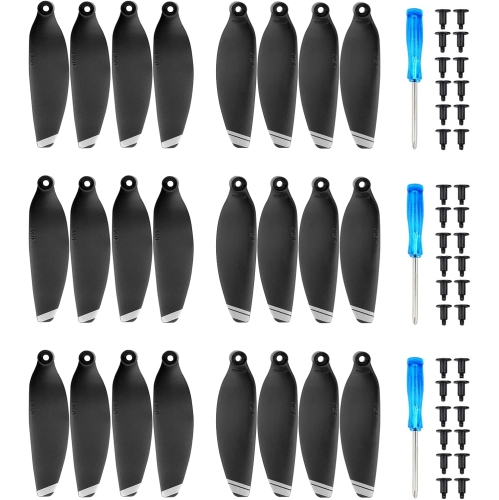
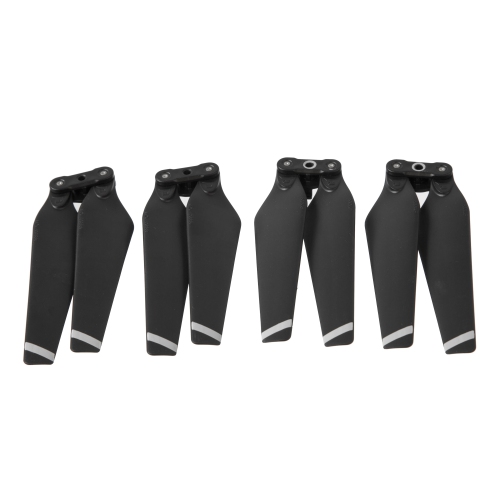
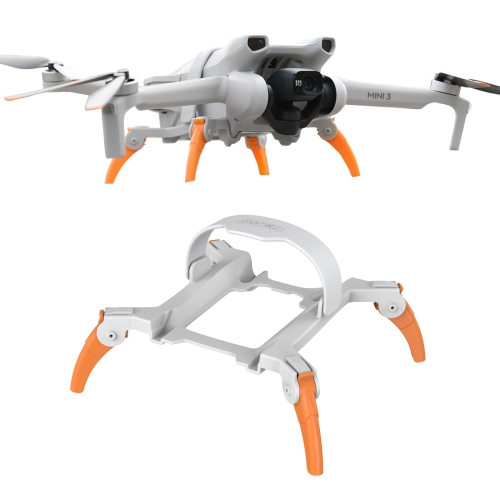
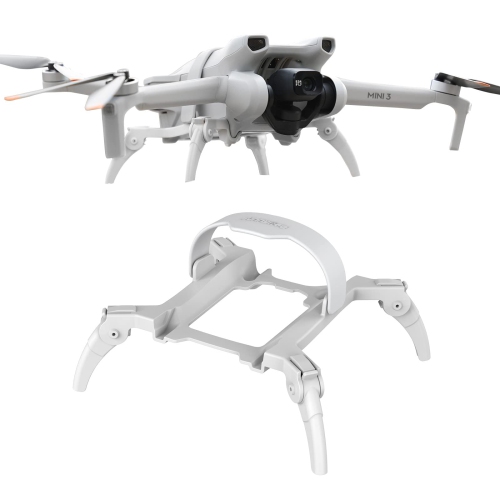
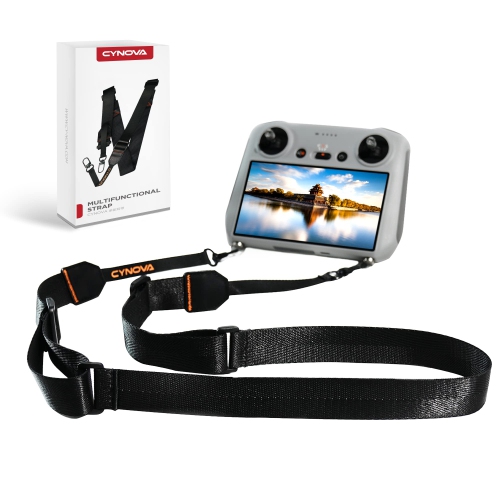
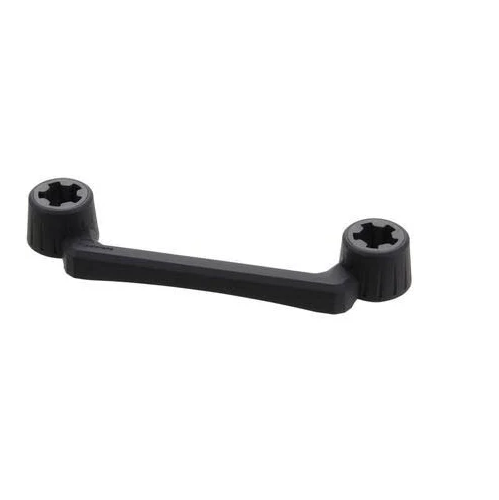
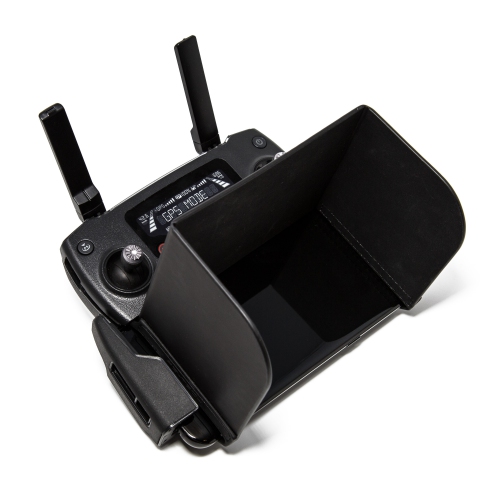
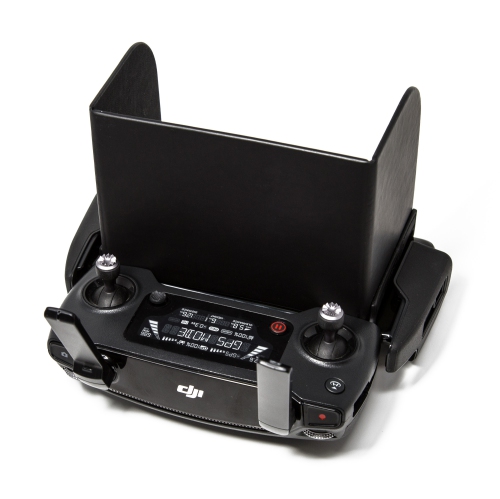
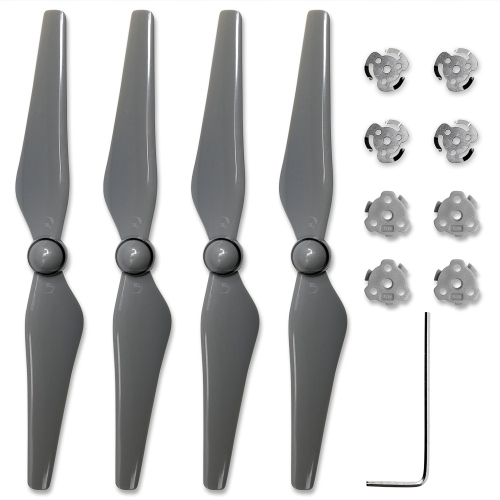
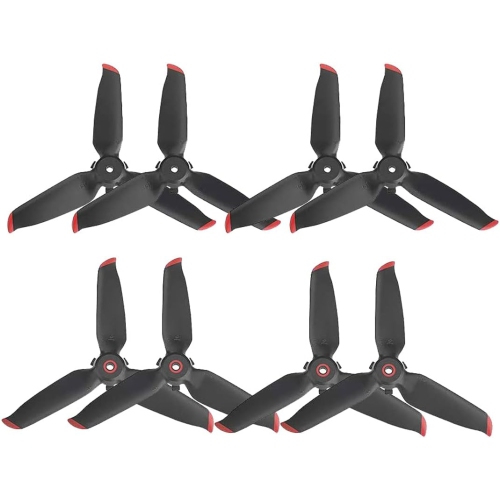
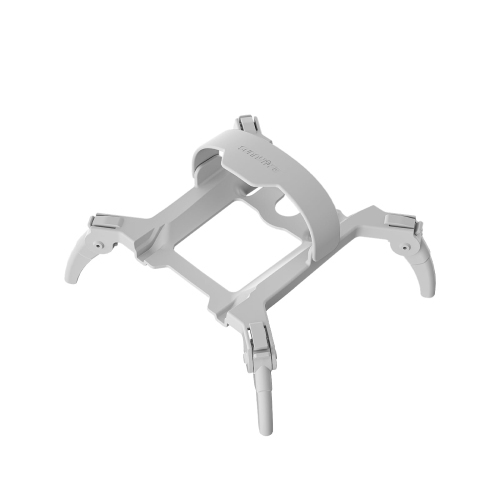
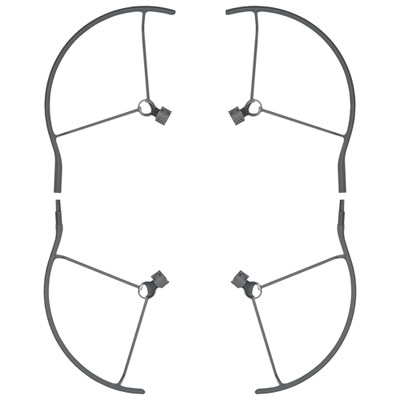
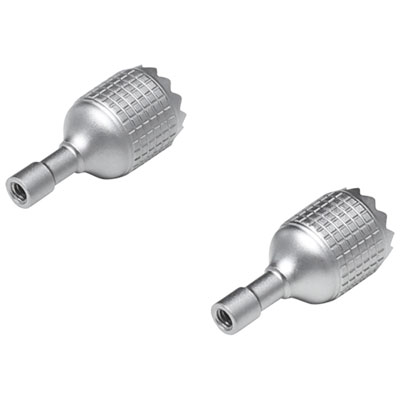
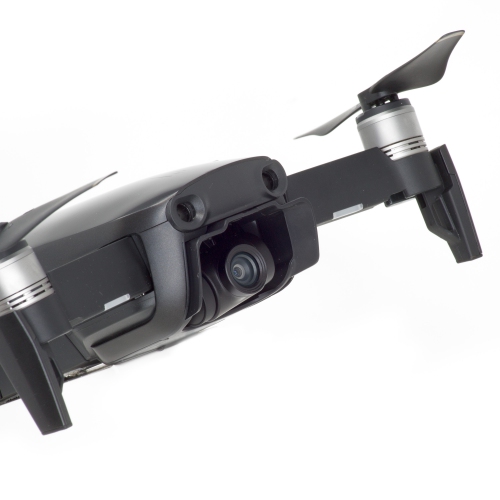
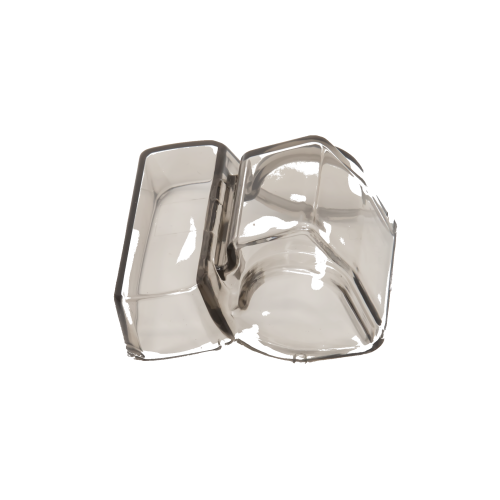
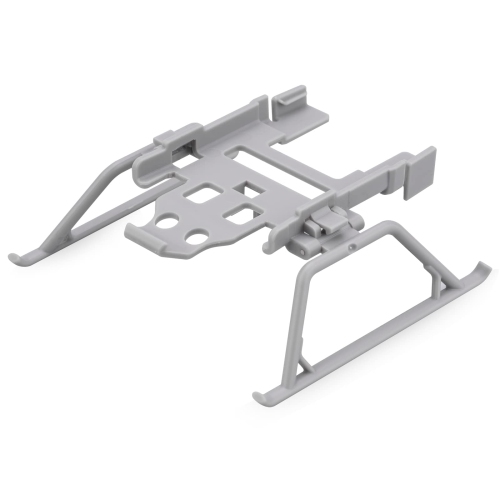
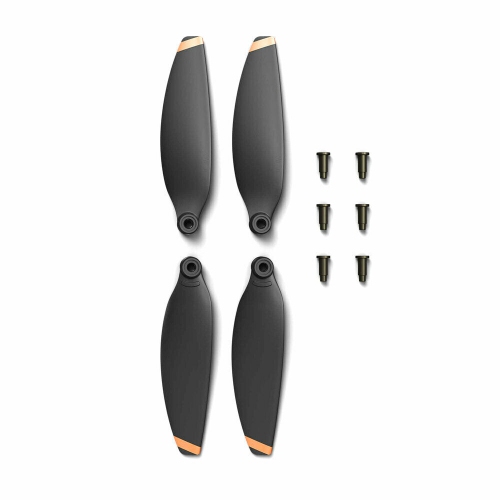
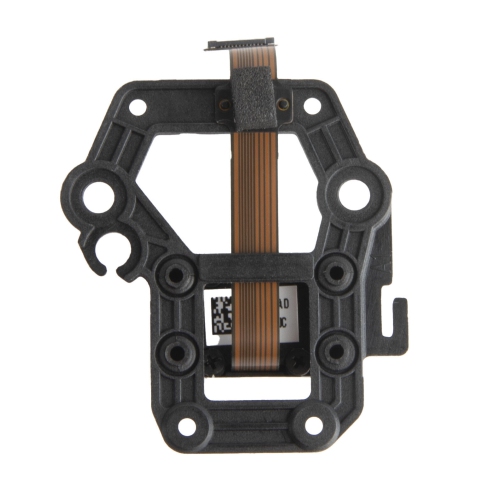
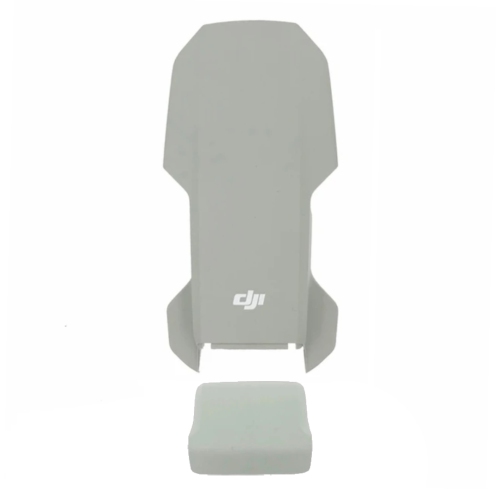
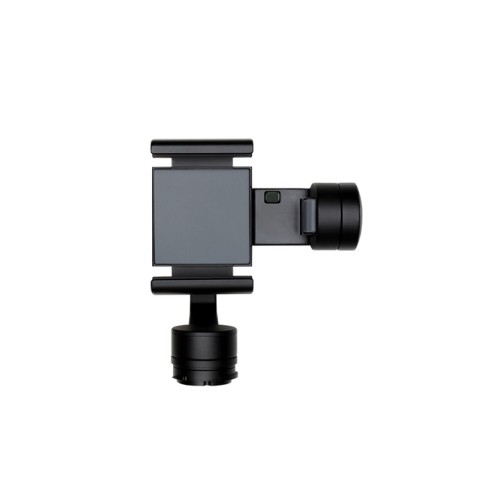
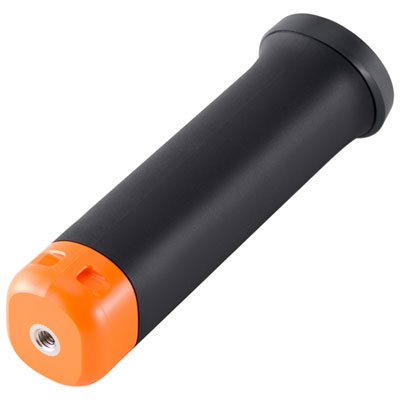
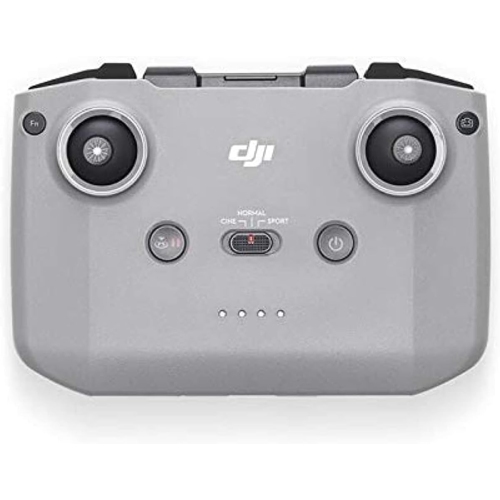
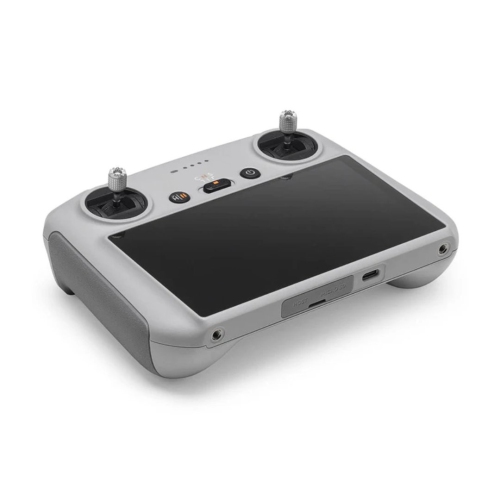
Controller accessories, protective attachments, and replacement components round out a flight kit by addressing comfort, handling, and ongoing care. A device holder needs to match both the controller and the dimensions of the phone or tablet it will support, with enough clearance for buttons, ports, and connecting cables. Secure mounting is particularly useful when checking framing or adjusting camera settings before takeoff, but added weight can change how the controller feels during a longer session. Straps and grips can improve handling for some pilots when they attach to suitable mounting points and leave controls unobstructed. Propeller guards may provide a protective barrier in certain supported uses, although they add weight, can affect aircraft performance, and do not make contact with people or obstacles safe. Landing pads provide a defined surface that helps separate the aircraft from loose grit during takeoff and landing. Their usefulness depends on a stable placement and sufficient space for the aircraft, rather than the printed markings alone. When a component needs replacing, the related DJI Drone Parts page provides a focused place to explore parts for this equipment. Replacement propellers and other flight-related components must match the aircraft’s specifications, including any position or rotation requirements. Durable materials are valuable throughout a kit, but condition matters just as much: cracked plastic, frayed straps, loose fittings, or damaged padding can compromise an accessory’s purpose. Routine care is usually straightforward, with gentle cleaning methods appropriate to each material, careful handling of optical surfaces, and inspection before packing. Protective covers should be fitted only as directed and removed before operation where required. For gifting, an organized carrying solution or compatible accessory can suit someone who already enjoys aerial photography, provided the recipient’s exact equipment is known. Whether the goal is a compact recreational setup or a carefully arranged filming kit, well-matched accessories make the everyday steps around a flight easier to manage while supporting the aircraft’s intended use.
Power and charging accessories help organize flight sessions, especially when several flights are planned at the same location. A spare battery supports another flight after landing and changing batteries, rather than extending the capacity of the battery already installed. Battery compatibility includes more than physical dimensions: the aircraft must support the battery’s electrical specifications and communication features. Charging hubs also differ in how they operate. Some charge batteries in sequence rather than simultaneously, and the connected power adapter can affect charging performance. A hub, cable, and adapter therefore work as a system, with each component needing the appropriate connection and power capability. Portable charging options require the same attention to supported output and manufacturer requirements; a connector that fits does not by itself establish compatibility. Good battery care includes keeping contacts clean and dry, protecting terminals during transport, and following the manufacturer’s charging and storage directions. Batteries showing swelling, leakage, or physical damage should not remain in use. Camera accessories address a different set of needs, helping pilots work with available light and capture footage that suits the project. Neutral density filters reduce the amount of light entering the lens, allowing more flexibility with exposure settings when filming bright scenes. Polarizing filters can help manage reflections from surfaces such as water or glass, though their effect changes with the camera’s angle to the light. Neither filter type automatically improves every shot, and both need to fit the camera without interfering with its movement. Optical glass, coatings, frame construction, and secure attachment all contribute to handling and durability. A lightweight filter designed for the correct camera assembly is more appropriate than an improvised attachment that could obstruct the gimbal. For footage storage, supported memory card format, capacity, and sustained writing speed matter more than a headline transfer-speed figure alone. A card suited to the aircraft’s recording requirements helps support reliable capture, while a protective card case keeps small storage media separated from loose cables and other equipment.
Controller accessories, protective attachments, and replacement components round out a flight kit by addressing comfort, handling, and ongoing care. A device holder needs to match both the controller and the dimensions of the phone or tablet it will support, with enough clearance for buttons, ports, and connecting cables. Secure mounting is particularly useful when checking framing or adjusting camera settings before takeoff, but added weight can change how the controller feels during a longer session. Straps and grips can improve handling for some pilots when they attach to suitable mounting points and leave controls unobstructed. Propeller guards may provide a protective barrier in certain supported uses, although they add weight, can affect aircraft performance, and do not make contact with people or obstacles safe. Landing pads provide a defined surface that helps separate the aircraft from loose grit during takeoff and landing. Their usefulness depends on a stable placement and sufficient space for the aircraft, rather than the printed markings alone. When a component needs replacing, the related DJI Drone Parts page provides a focused place to explore parts for this equipment. Replacement propellers and other flight-related components must match the aircraft’s specifications, including any position or rotation requirements. Durable materials are valuable throughout a kit, but condition matters just as much: cracked plastic, frayed straps, loose fittings, or damaged padding can compromise an accessory’s purpose. Routine care is usually straightforward, with gentle cleaning methods appropriate to each material, careful handling of optical surfaces, and inspection before packing. Protective covers should be fitted only as directed and removed before operation where required. For gifting, an organized carrying solution or compatible accessory can suit someone who already enjoys aerial photography, provided the recipient’s exact equipment is known. Whether the goal is a compact recreational setup or a carefully arranged filming kit, well-matched accessories make the everyday steps around a flight easier to manage while supporting the aircraft’s intended use.
Top selling and popular products
-
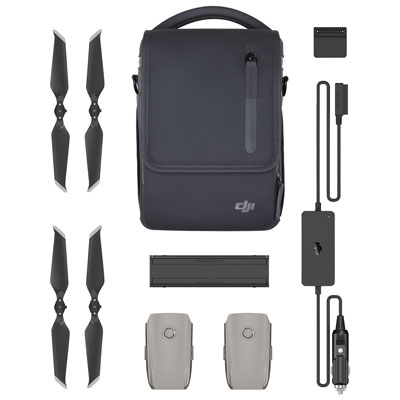 Your price for this item is $424.95
 -
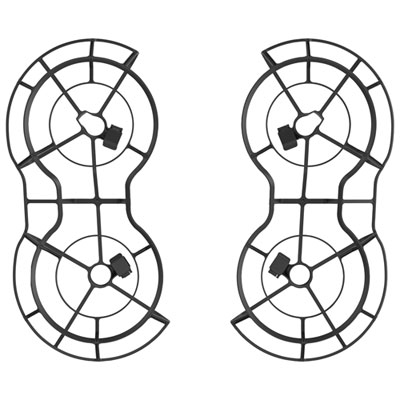 Your price for this item is $19.97
 -
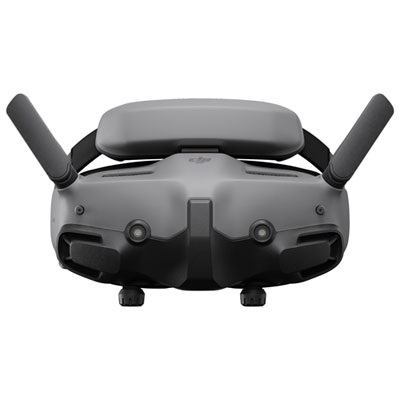 Your price for this item is $689.99
 -
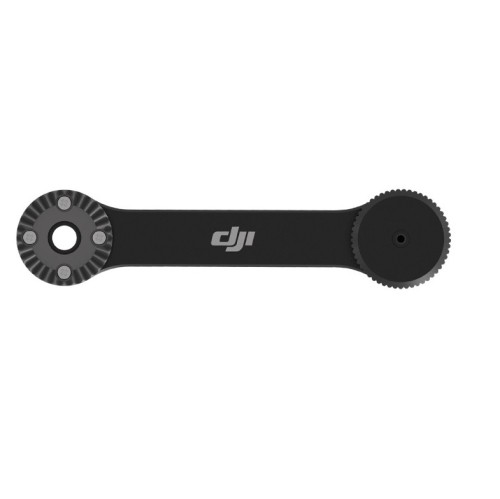 Your price for this item is $77.95
 -
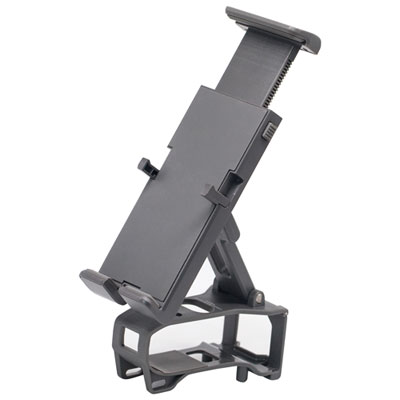 Your price for this item is $19.97
 -
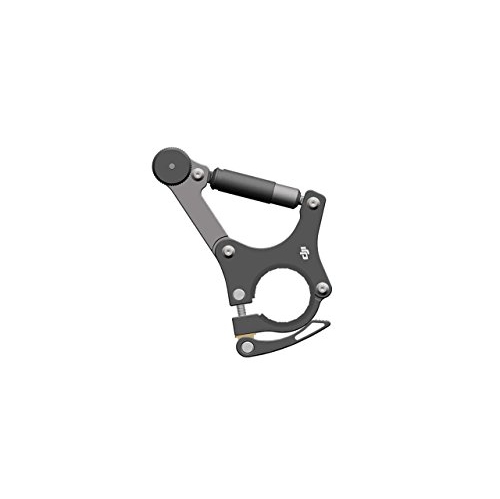 Your price for this item is $58.95
 -
 Your price for this item is $144.44
 -
 Your price for this item is $183.33
Discover more categories related to DJI Drone Accessories
Top Collections:
Pokemon Centers, Kindle Devices, Best Budget Office Chairs, Apple iPhones 16, Best Laptops for Writers, iPhone 15 Apple, Canon G7X Cameras, Refurbished Apple Laptops, Alarm Clock, Motorola Razr Phones
Some products may be subject to Environmental Handling Fees
(EHF) depending on your province.
Learn more about EHFs.