Drones With 30-Mins Flight Time
Looking to take your aerial photography and videography to new heights? Look no further than our selection of drones with an impressive 30-minutes flight time. These high-performance flying machines are equipped with advanced technology and powerful batteries, allowing you to capture breathtaking shots and explore the skies for an extended period. Whether you're a professional photographer or a hobbyist looking to unleash your creativity, our range of drones with 30-minutes flight time will elevate your experience to new heights. Get ready to soar and capture stunning aerial footage like never before!
Sort
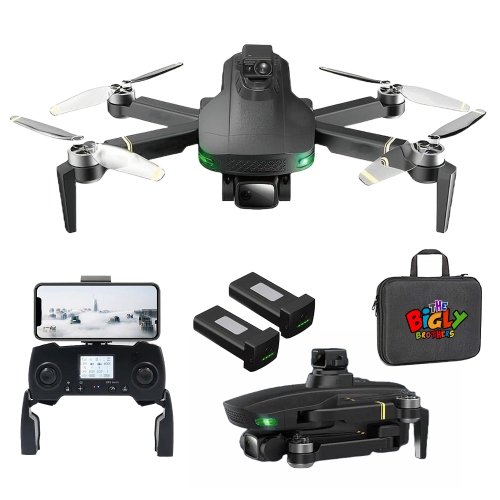
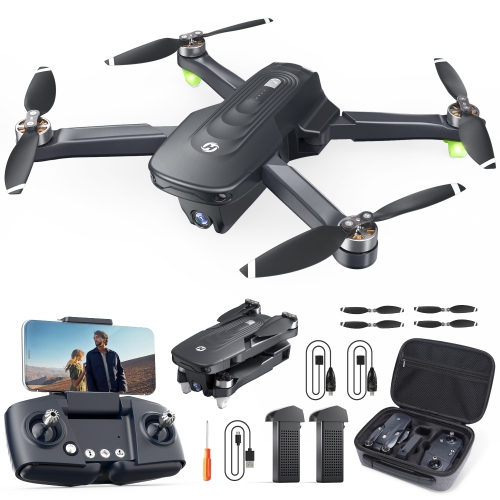
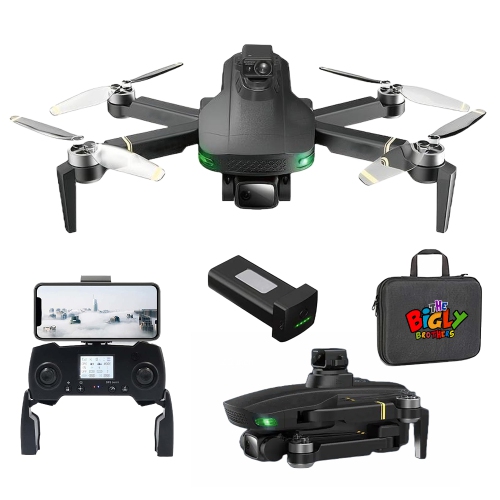
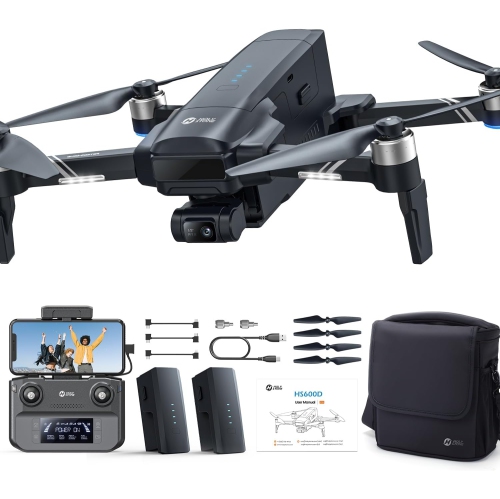
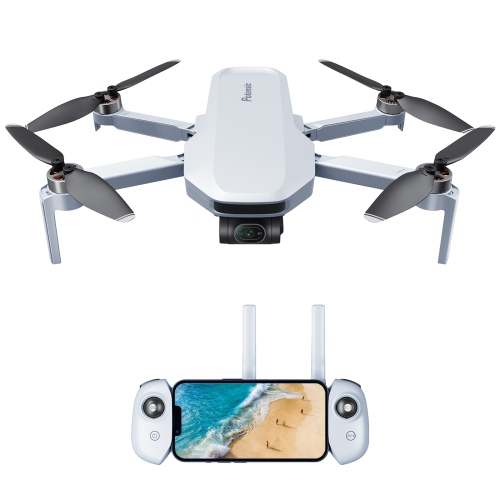
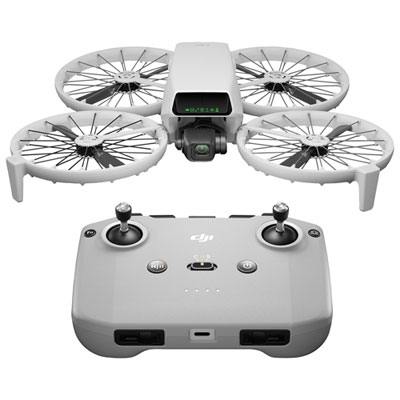
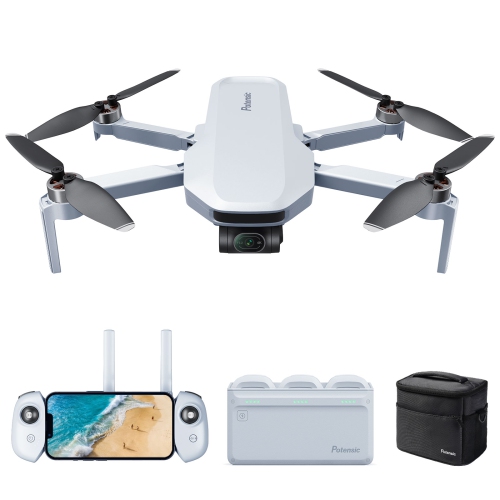
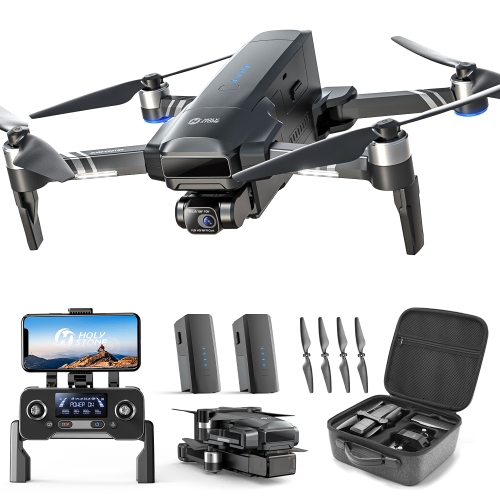
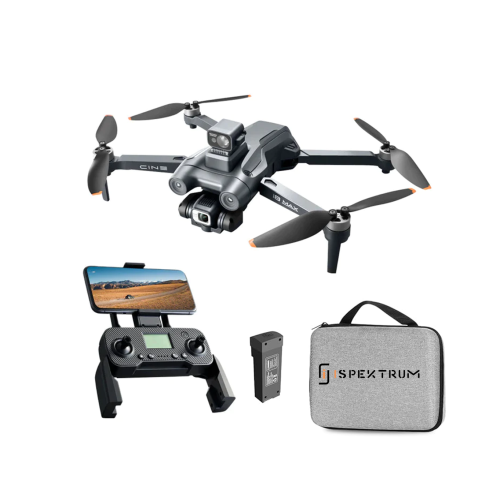
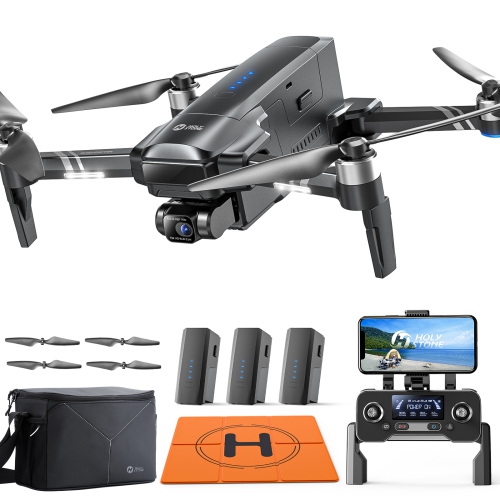
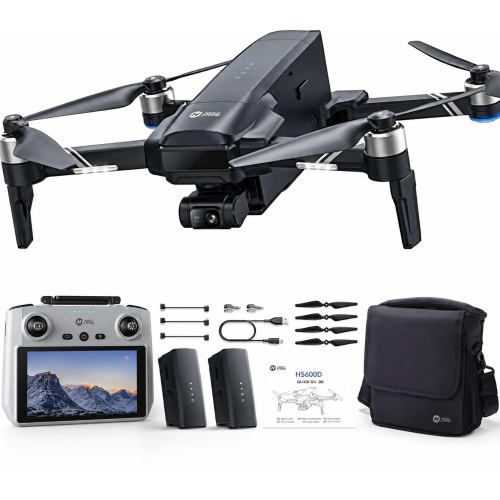
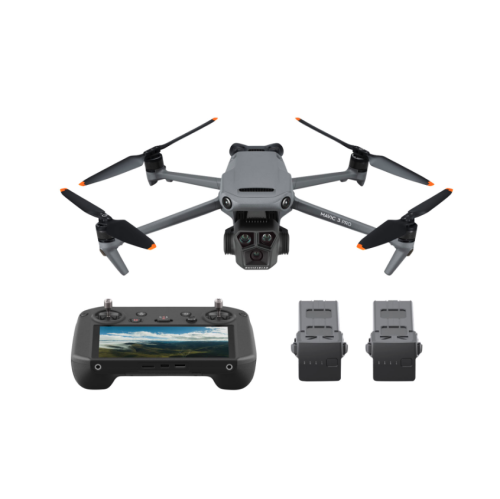
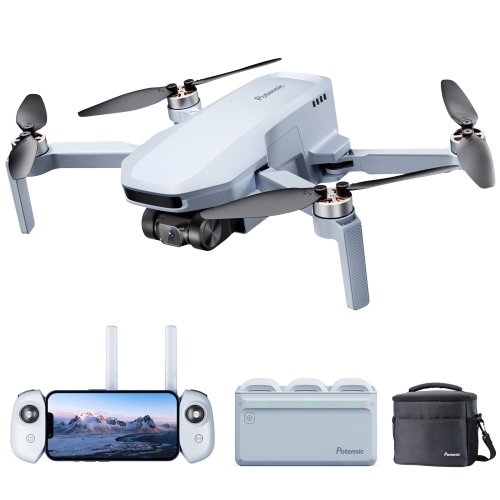
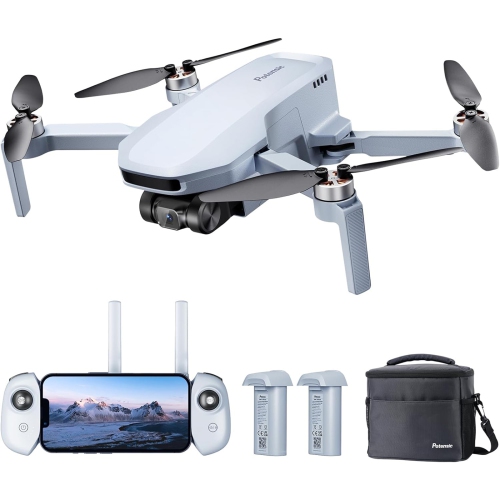
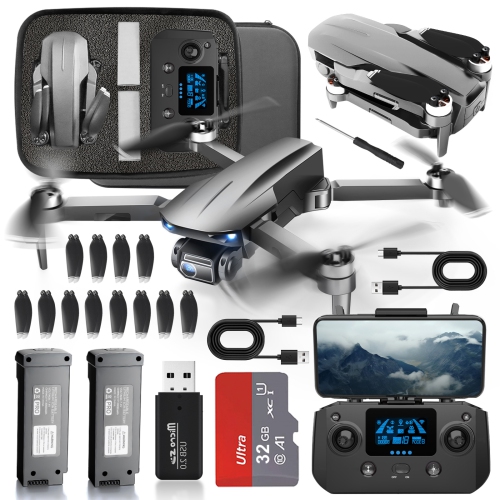

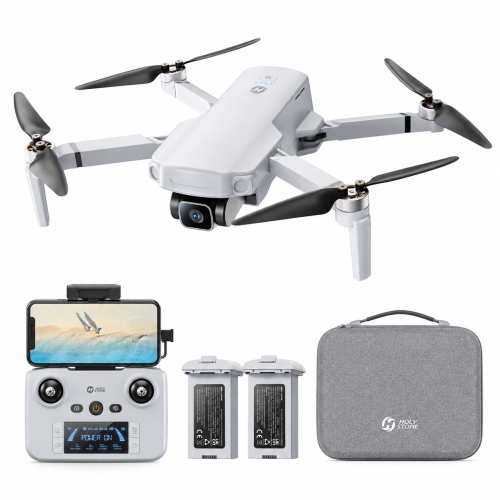
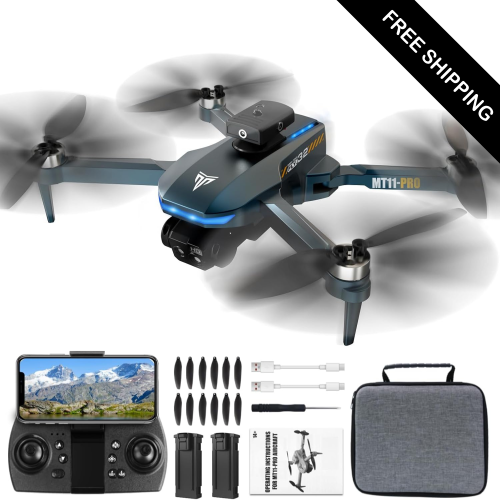

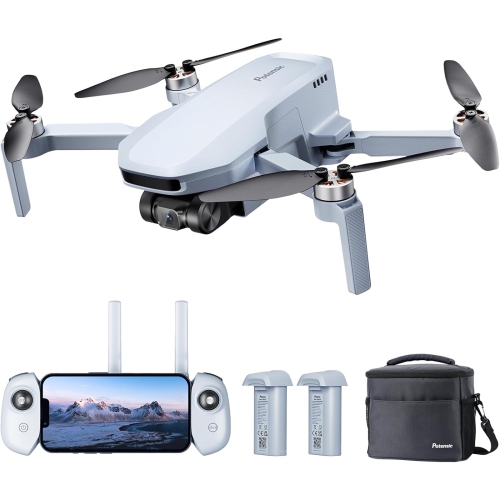
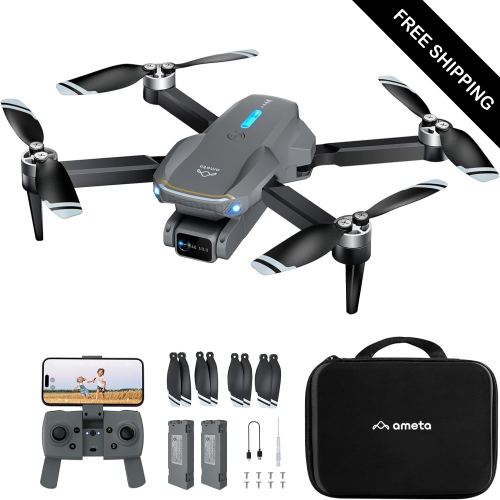
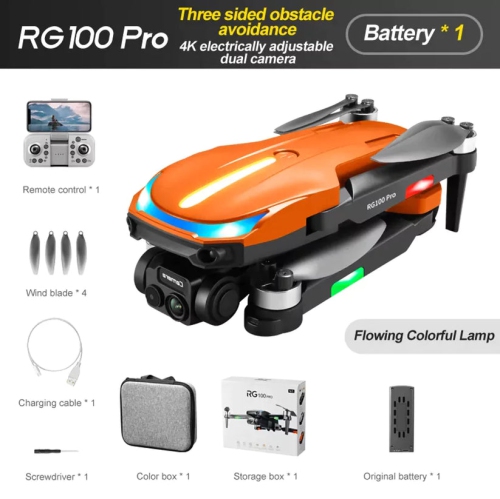
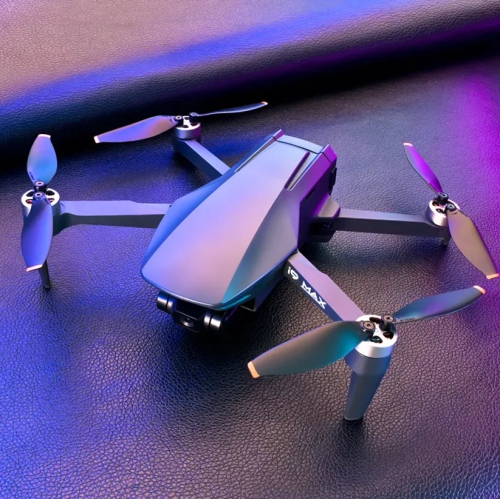
Real-world flight time depends on batteries, weather and safety
Drones with 30-minute flight time offer a practical balance between portability, control and time in the air. For many pilots, half an hour is long enough to reach a viewpoint, compose several photos or video clips, and return to the launch area without feeling rushed. The actual flight duration depends on the battery configuration and the conditions, so it is useful to compare the advertised maximum with the type of flying you expect to do. Manufacturer testing is generally performed in calm conditions with limited hovering, while everyday flights may involve wind, frequent changes in direction, camera use and return-to-home reserves. Cold weather can also reduce battery performance, making it especially important to keep batteries charged, store them properly and allow them to reach a suitable operating temperature before takeoff. A drone advertised for 30 minutes may provide closer to 20–25 minutes of usable flight time once a safety reserve is included, while models with spare batteries can support longer outings with a pause for a battery change. Explore this selection of 30-Minute Flight Time Drones to compare options designed for more time above the landscape.
Flight time is only one part of choosing the right drone. Consider the camera resolution, stabilisation system and image sensors if you plan to record smooth aerial footage of trails, shorelines, fields or family gatherings. A three-axis gimbal can help keep the horizon level while the drone moves, while obstacle sensing and automated flight modes may make it easier to frame a subject and maintain a steady route. Beginners may appreciate intuitive controls, assisted takeoff and landing, a dependable return-to-home function and clear battery warnings. A lighter, foldable design can be convenient for travel, day trips and storage in a small backpack, while a larger aircraft may offer stronger wind resistance and more advanced camera controls. Check the controller range and remember that the published figure is measured in open conditions; buildings, trees, terrain and interference can reduce the practical distance. A 30-minute flight may allow a consumer drone to travel roughly 1.6 to 8 kilometres in favourable circumstances, but pilots should always keep the aircraft within the required visual range and leave sufficient power for the trip home. People buying a drone as a gift should also consider the recipient’s experience, the space available for practice and whether they are interested in photography, exploring, learning flight skills or capturing action from above. For a first-time pilot, simple controls and protective features can be more valuable than the highest video specification. For an experienced hobbyist, manual camera settings, intelligent tracking, high-resolution recording and extra batteries may be more important.
Before each flight, inspect the propellers, battery, landing area and controller connection, and check the forecast for wind, rain and visibility. Even a light breeze can feel stronger at altitude, and gusts around buildings, ridgelines or open water can affect stability. During the cooler months, plan shorter flights, keep spare batteries close to your body rather than in an exposed bag and avoid taking off from wet, icy or loose surfaces. As the weather warms, early-morning or late-afternoon light can create long shadows and rich detail, although changing conditions still call for careful planning. In Canada, pilots should review Transport Canada rules that apply to their drone and intended operation, including requirements related to registration, pilot certification, airspace, airports, emergency sites, people and controlled areas. Local restrictions may also apply in parks, conservation areas and other public spaces. Respecting privacy is equally important: avoid recording into homes or private spaces, ask permission when people can be identified and be mindful of noise near neighbours, wildlife and gatherings. A spare set of propellers, a compact carrying case, memory cards and additional batteries can help keep a flying session moving, but no accessory replaces a safe launch plan and a clear landing area. With realistic expectations about battery life and a thoughtful approach to weather, regulations and camera use, drones with approximately 30 minutes of flight time can support relaxed practice flights, creative photography and memorable outdoor footage without requiring a large or cumbersome setup.
Flight time is only one part of choosing the right drone. Consider the camera resolution, stabilisation system and image sensors if you plan to record smooth aerial footage of trails, shorelines, fields or family gatherings. A three-axis gimbal can help keep the horizon level while the drone moves, while obstacle sensing and automated flight modes may make it easier to frame a subject and maintain a steady route. Beginners may appreciate intuitive controls, assisted takeoff and landing, a dependable return-to-home function and clear battery warnings. A lighter, foldable design can be convenient for travel, day trips and storage in a small backpack, while a larger aircraft may offer stronger wind resistance and more advanced camera controls. Check the controller range and remember that the published figure is measured in open conditions; buildings, trees, terrain and interference can reduce the practical distance. A 30-minute flight may allow a consumer drone to travel roughly 1.6 to 8 kilometres in favourable circumstances, but pilots should always keep the aircraft within the required visual range and leave sufficient power for the trip home. People buying a drone as a gift should also consider the recipient’s experience, the space available for practice and whether they are interested in photography, exploring, learning flight skills or capturing action from above. For a first-time pilot, simple controls and protective features can be more valuable than the highest video specification. For an experienced hobbyist, manual camera settings, intelligent tracking, high-resolution recording and extra batteries may be more important.
Before each flight, inspect the propellers, battery, landing area and controller connection, and check the forecast for wind, rain and visibility. Even a light breeze can feel stronger at altitude, and gusts around buildings, ridgelines or open water can affect stability. During the cooler months, plan shorter flights, keep spare batteries close to your body rather than in an exposed bag and avoid taking off from wet, icy or loose surfaces. As the weather warms, early-morning or late-afternoon light can create long shadows and rich detail, although changing conditions still call for careful planning. In Canada, pilots should review Transport Canada rules that apply to their drone and intended operation, including requirements related to registration, pilot certification, airspace, airports, emergency sites, people and controlled areas. Local restrictions may also apply in parks, conservation areas and other public spaces. Respecting privacy is equally important: avoid recording into homes or private spaces, ask permission when people can be identified and be mindful of noise near neighbours, wildlife and gatherings. A spare set of propellers, a compact carrying case, memory cards and additional batteries can help keep a flying session moving, but no accessory replaces a safe launch plan and a clear landing area. With realistic expectations about battery life and a thoughtful approach to weather, regulations and camera use, drones with approximately 30 minutes of flight time can support relaxed practice flights, creative photography and memorable outdoor footage without requiring a large or cumbersome setup.
Top selling and popular products
-
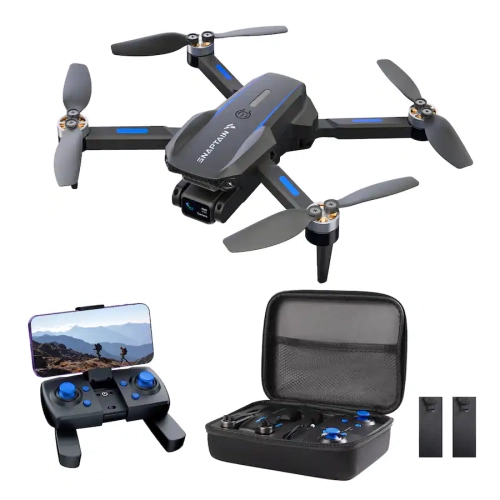 Your price for this item is $109.98
 -
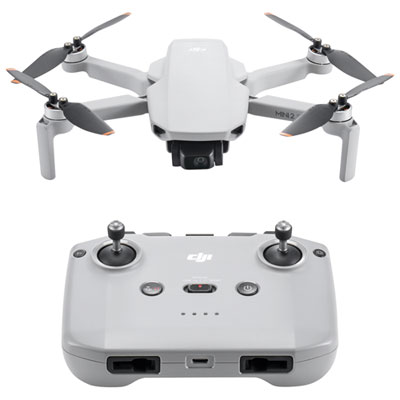 Your price for this item is $359.99
 -
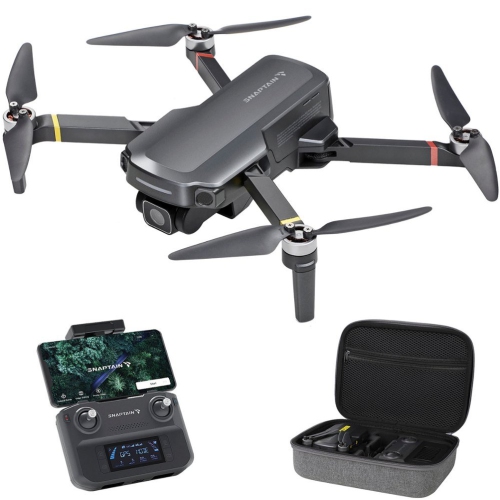 Your price for this item is $279.9
 -
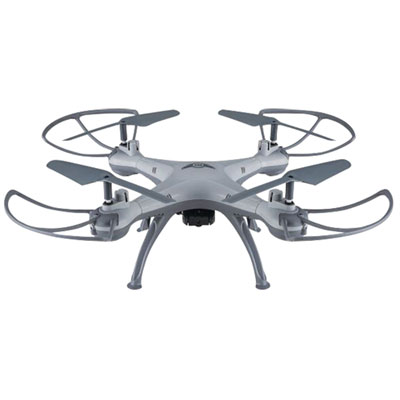 Your price for this item is $49.99
 -
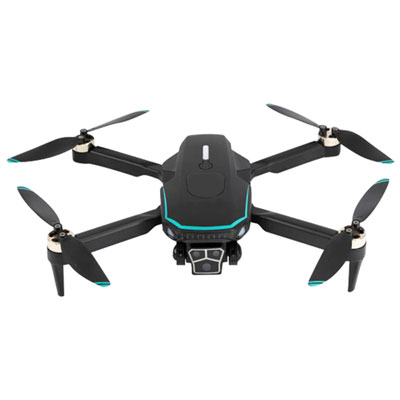 Your price for this item is $79.99
 -
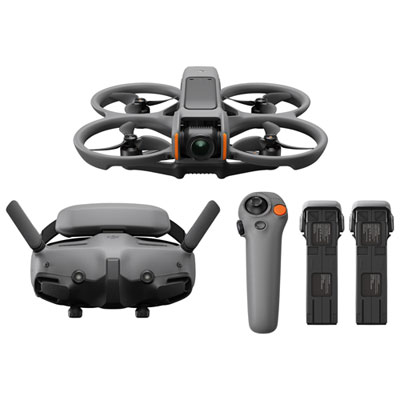 Your price for this item is $1279.99
 -
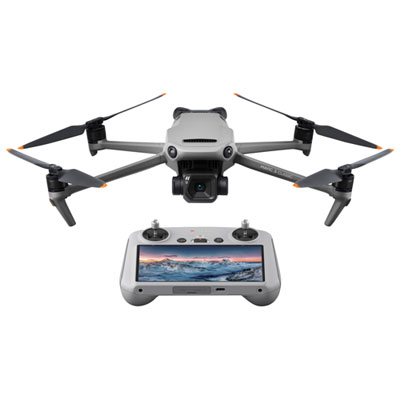 Your price for this item is $1759.99
 -
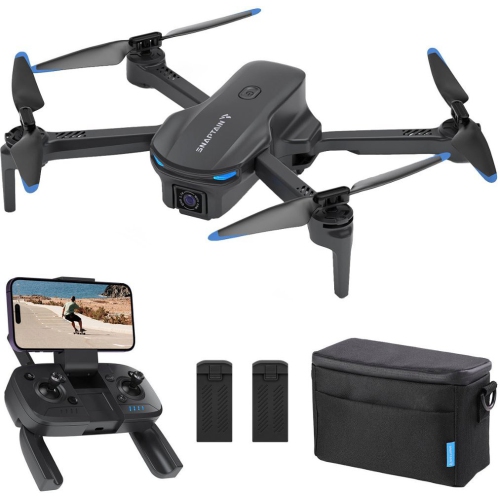 Your price for this item is $189.9
Discover more categories related to Drones With 30-Mins Flight Time
Top Collections:
Pokemon Centers, Kindle Devices, Best Budget Office Chairs, Apple iPhones 16, Best Laptops for Writers, iPhone 15 Apple, Canon G7X Cameras, Refurbished Apple Laptops, Alarm Clock, Motorola Razr Phones
Some products may be subject to Environmental Handling Fees
(EHF) depending on your province.
Learn more about EHFs.