Foldable Drones
Looking to take your aerial photography and videography skills to new heights? Look no further than our collection of foldable drones. These compact and portable flying machines are perfect for capturing breathtaking shots from impossible angles. Whether you're a professional photographer or an adventure enthusiast, our foldable drones offer the perfect blend of convenience and performance. With advanced features and innovative designs, these drones are ready to accompany you on almost all your outdoor adventures.
Sort
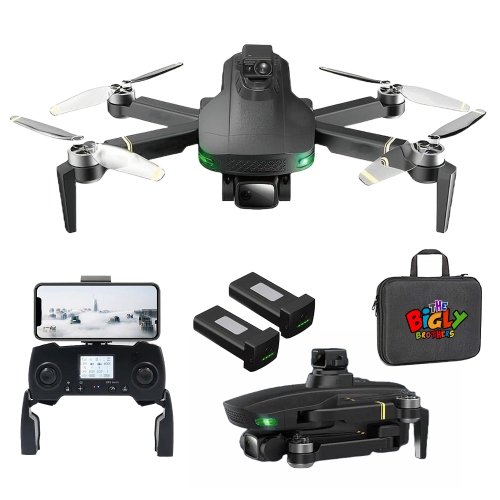
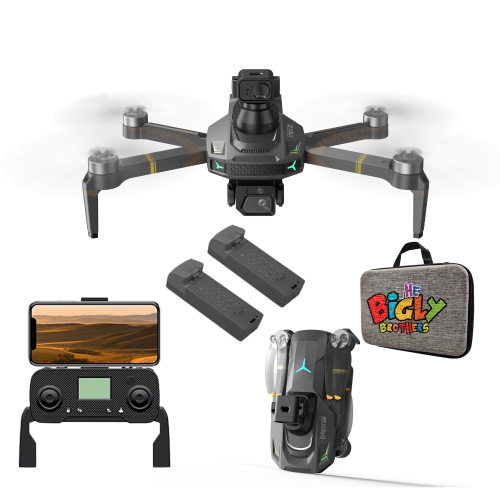
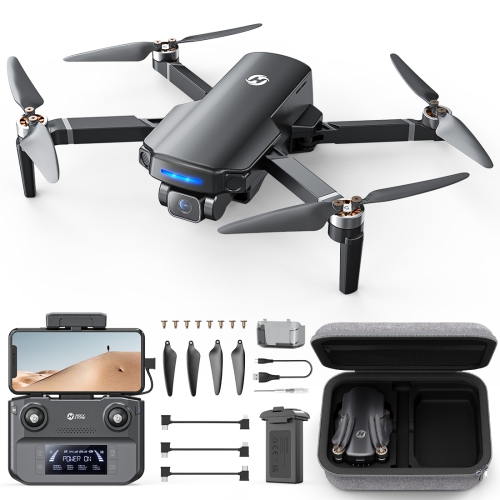
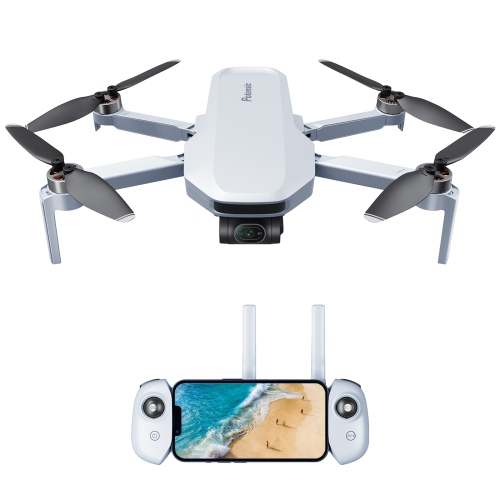
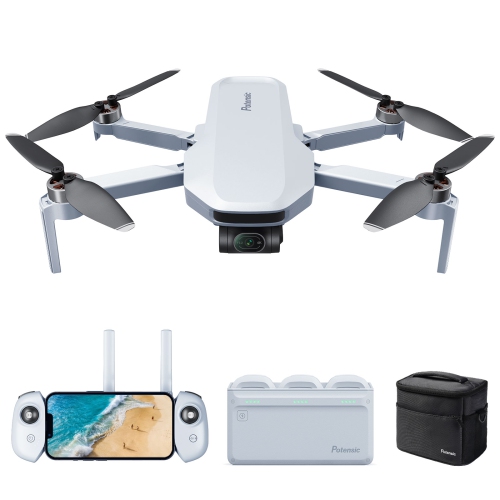
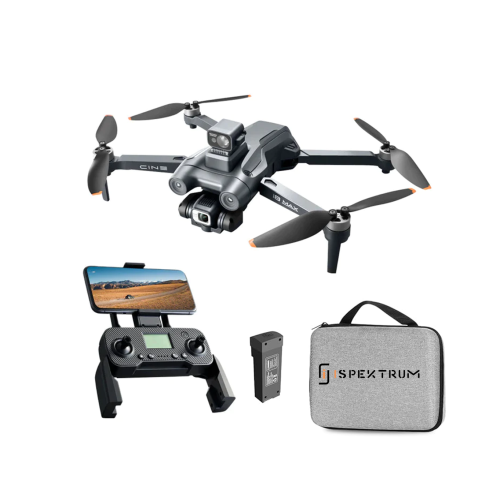
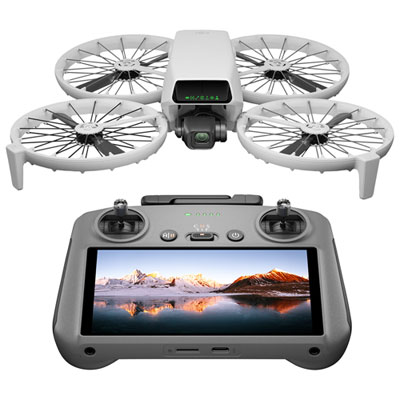
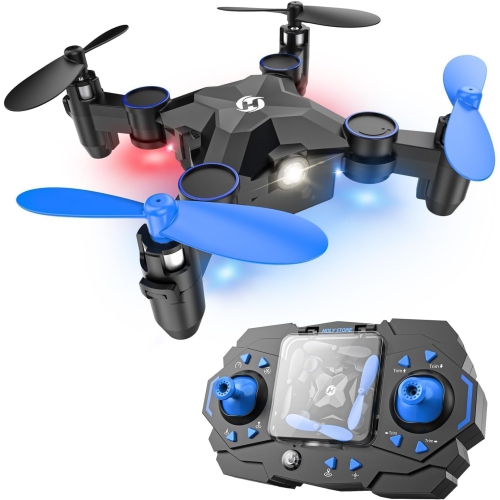
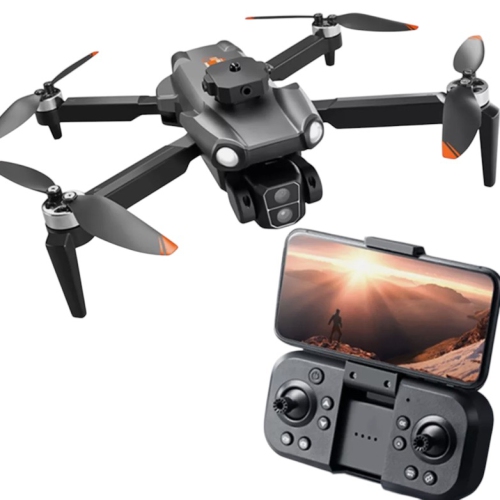
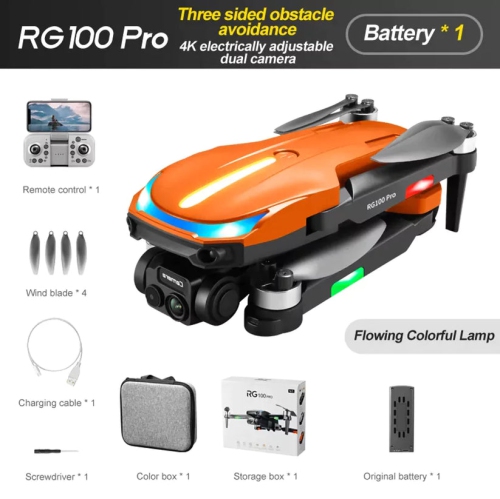
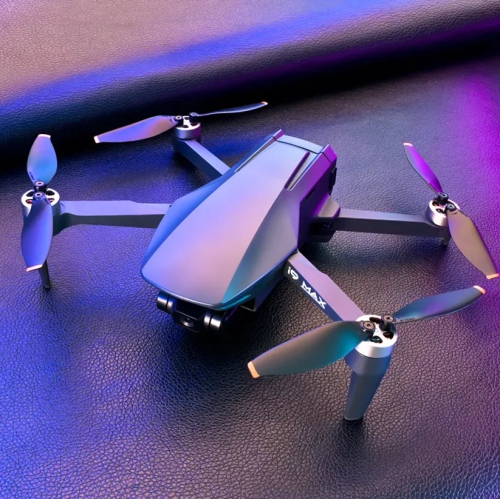
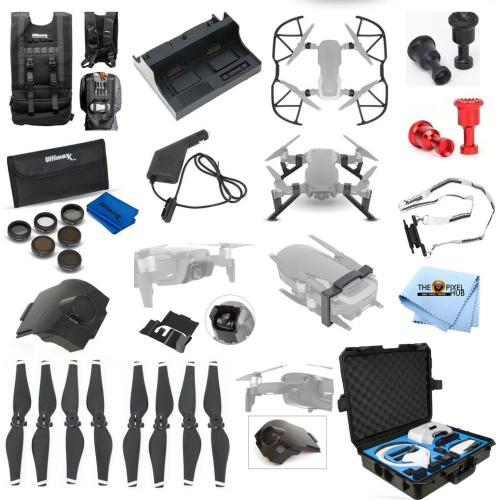
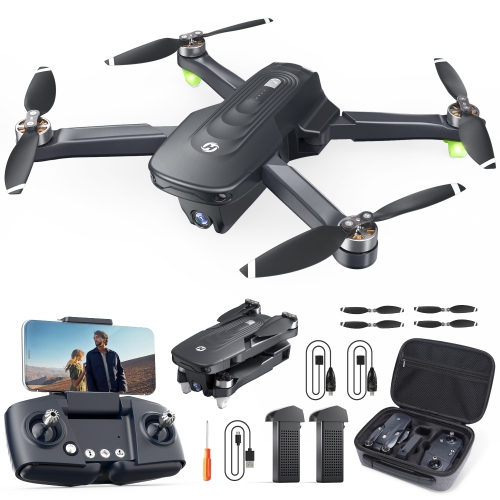
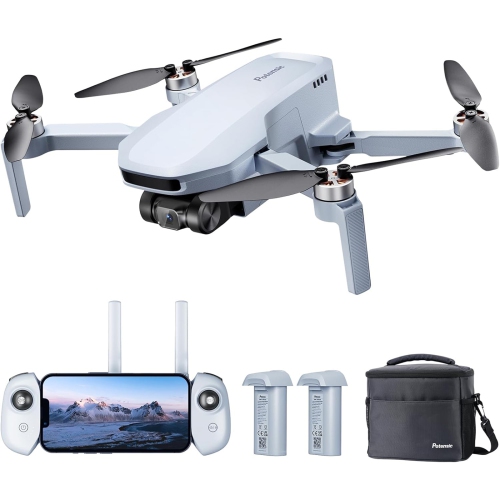
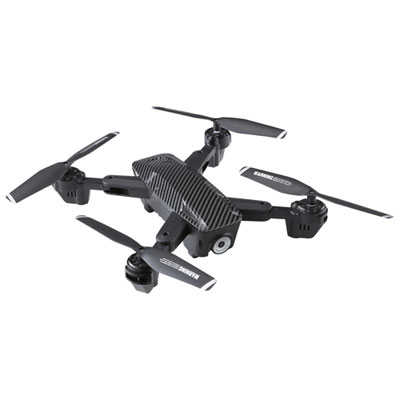
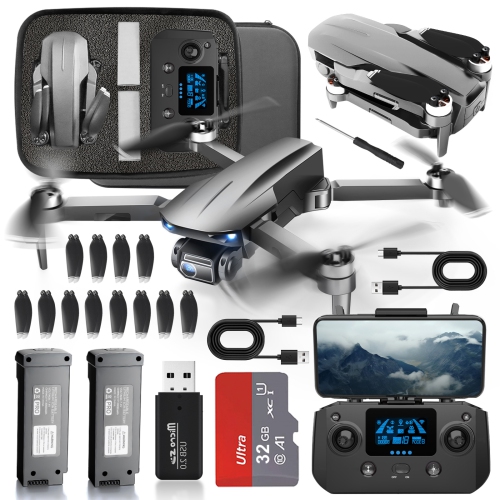
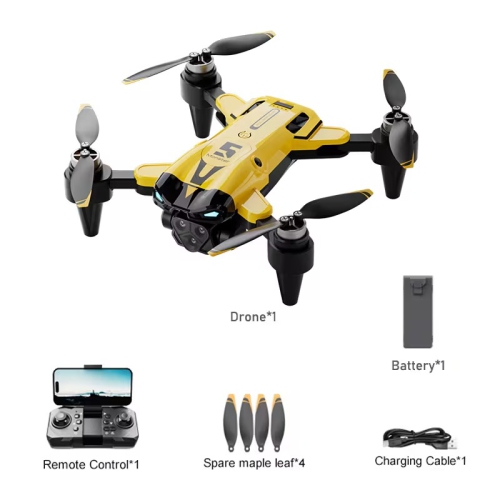
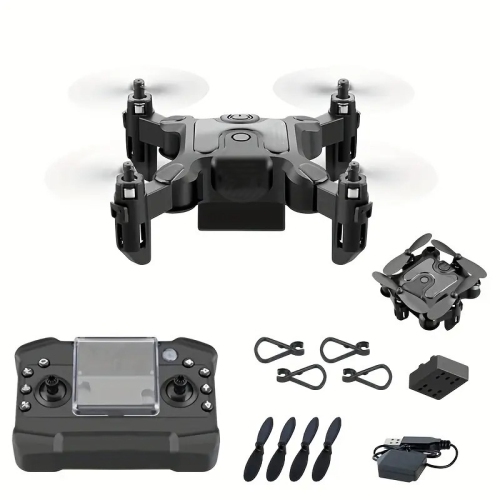
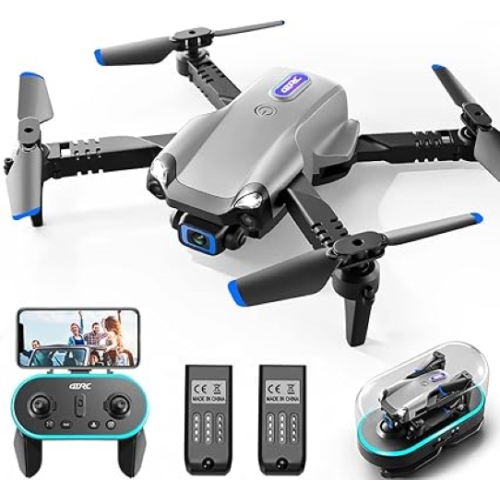
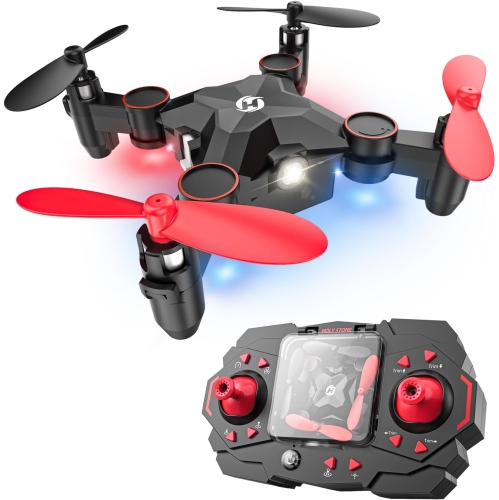
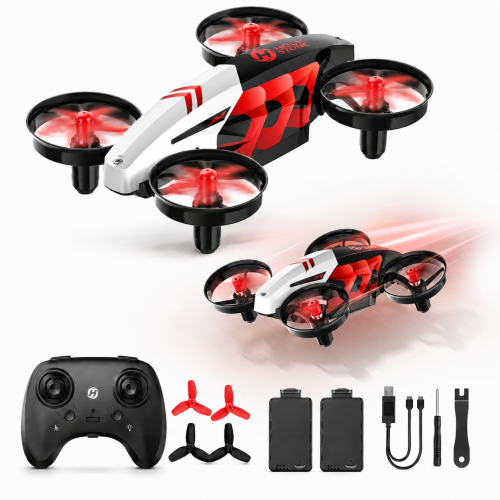
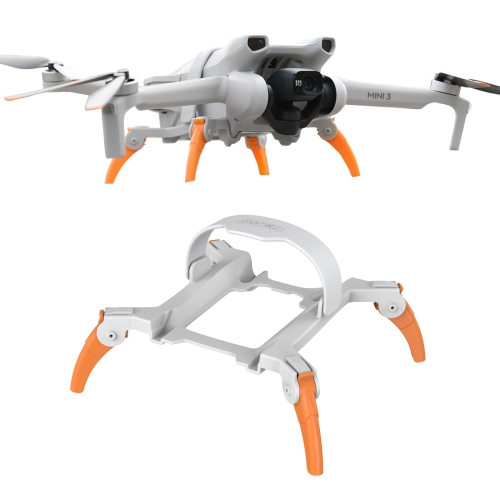
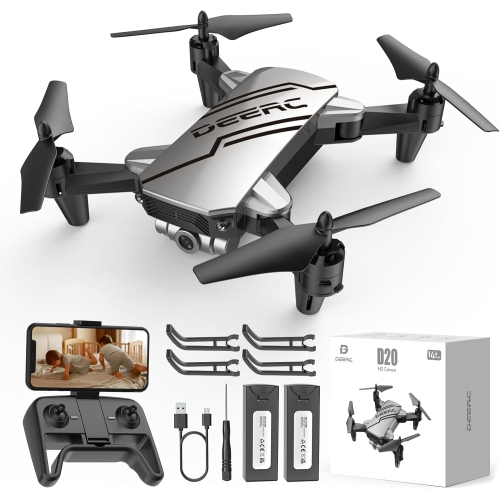
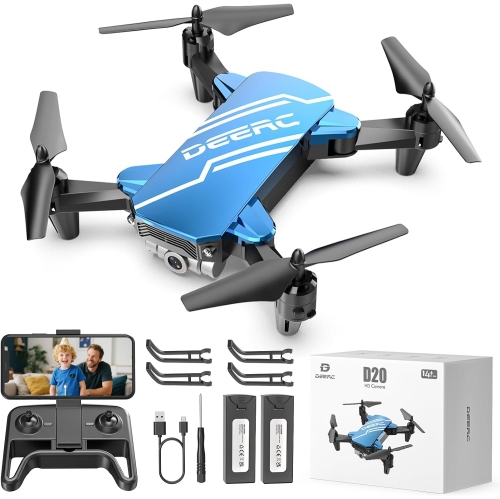
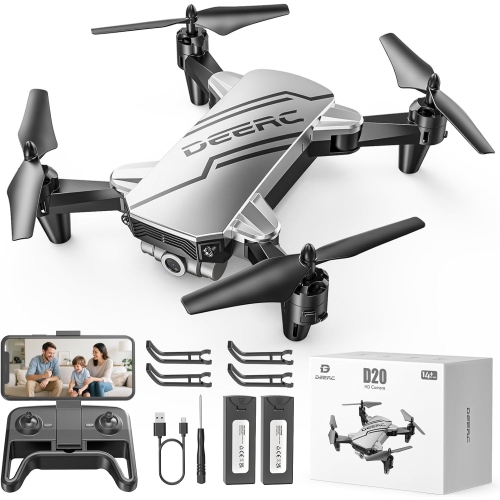
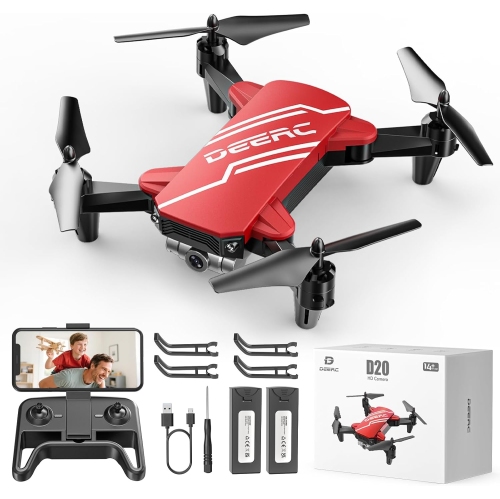
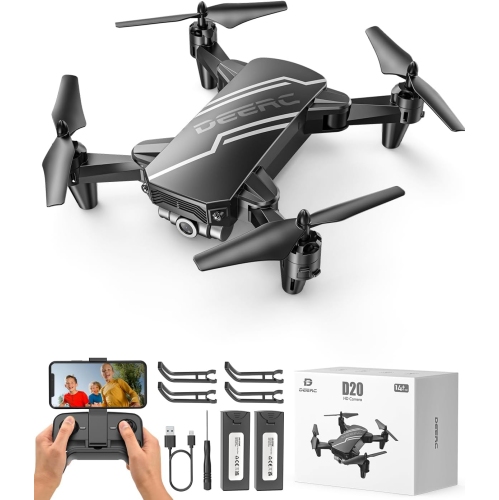
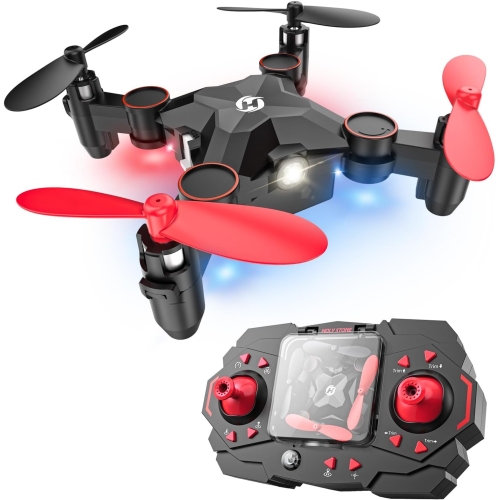
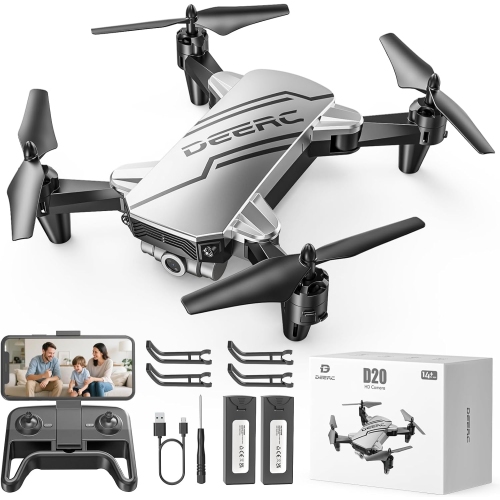
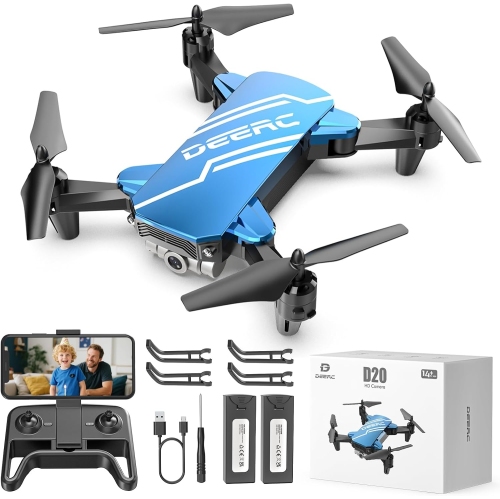
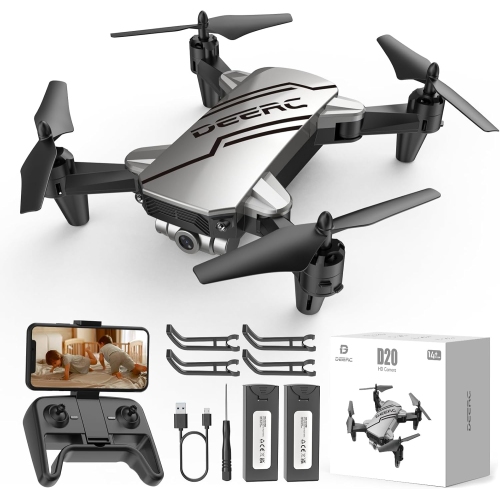
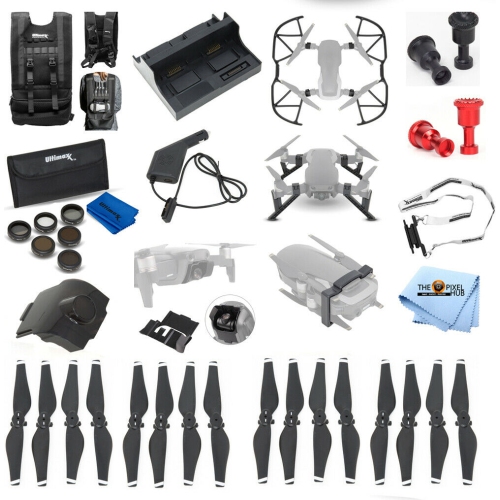
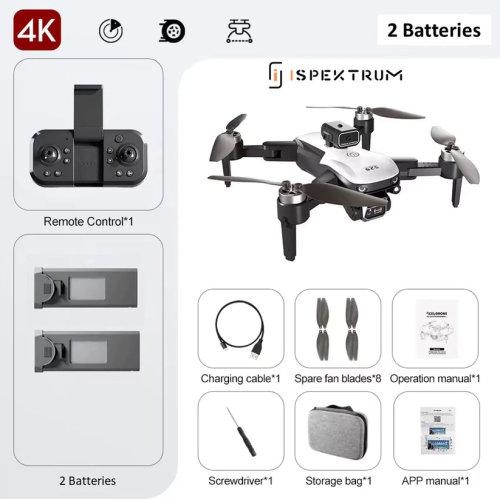
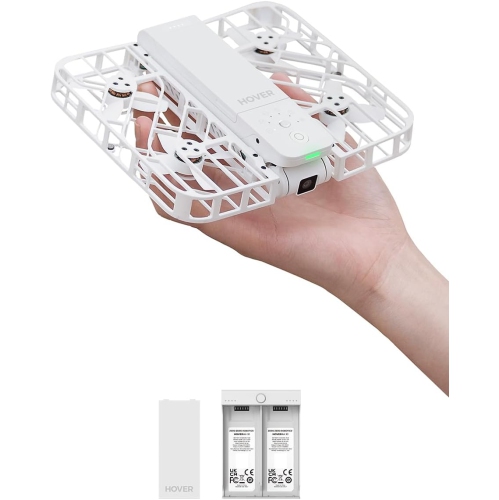
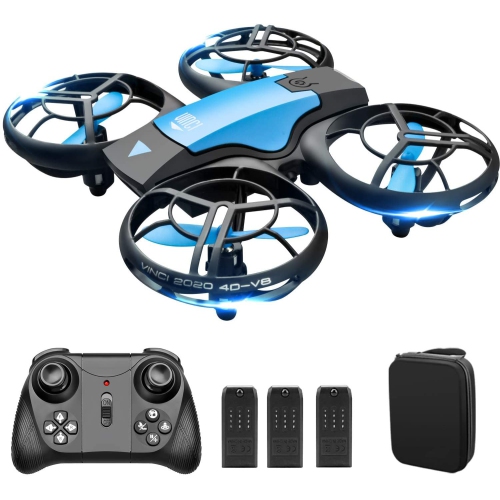

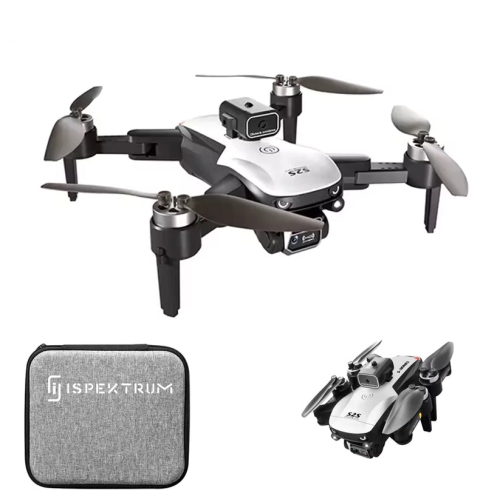
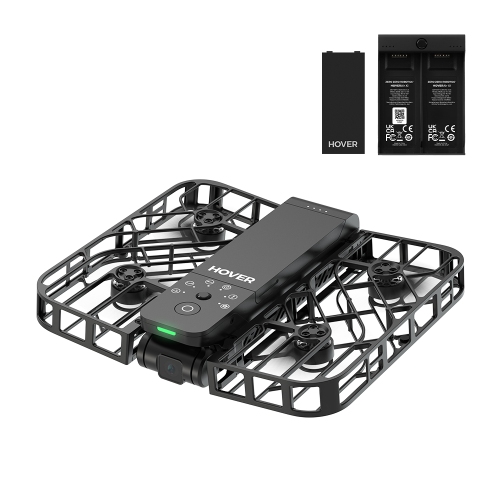
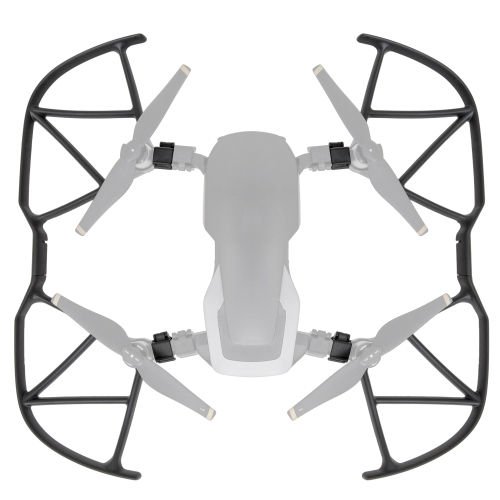
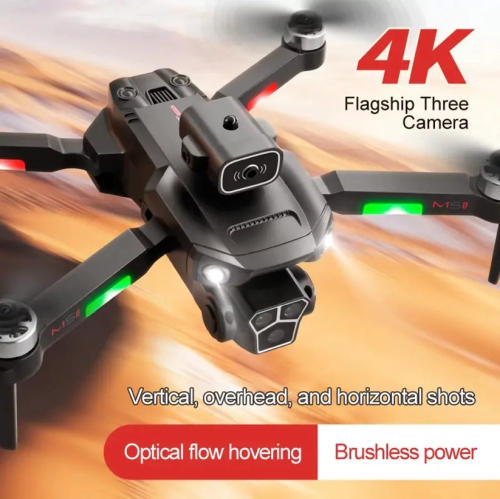
Compact designs support travel, filming, and beginner-friendly flying
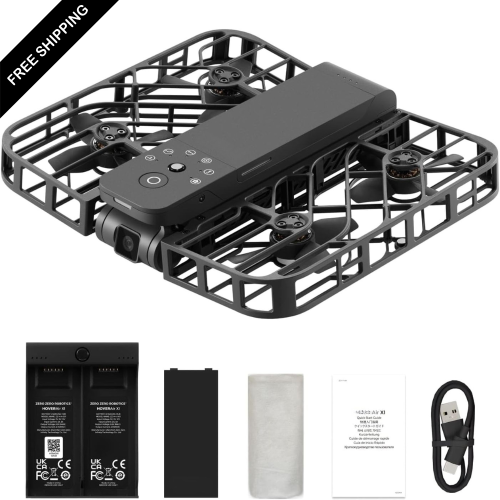
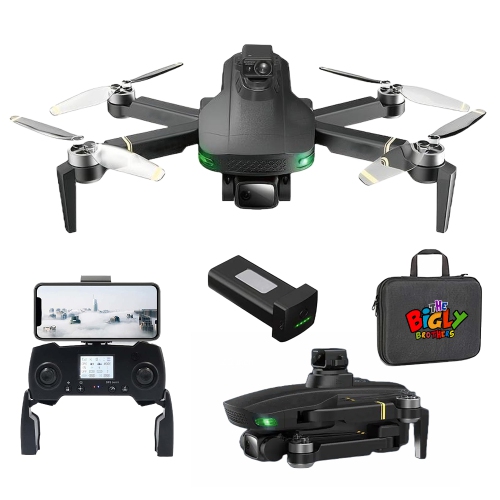
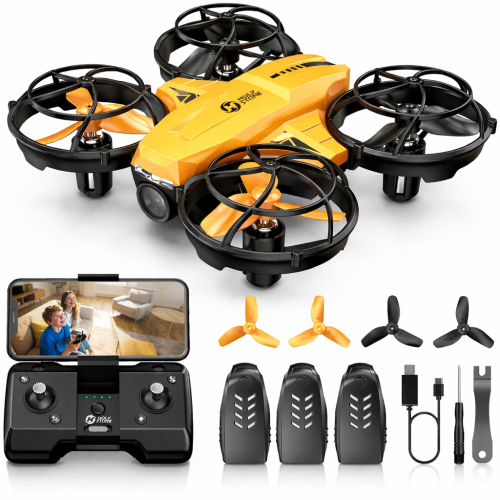
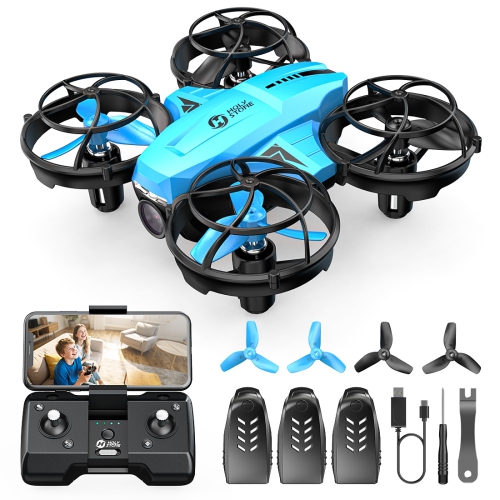
Foldable drones combine the aerial perspective of a camera drone with a compact design that is easier to carry, store, and set up. Their arms fold inward, and some models also have collapsible propeller assemblies, allowing the aircraft to fit into a backpack, camera bag, or travel case without taking up the space of a full-size quadcopter. This makes them useful for travellers, hikers, real estate photographers, outdoor enthusiasts, and anyone who wants to capture a broader view without carrying a large kit. A foldable drone can follow a scenic trail from above, reveal the shape of a shoreline, record a family gathering in an open field, or add smooth overhead footage to a personal travel video. Many models are controlled through a smartphone app, while others pair with a dedicated remote controller for more precise handling. Features such as altitude hold, automated takeoff and landing, return-to-home functions, and GPS positioning can make flying more approachable for beginners. Some also include subject tracking, preset flight paths, panoramic modes, and one-touch video effects that help create polished footage with less manual camera work. For a first-time pilot, these assisted features can provide reassurance while learning how the drone responds to throttle, direction, and wind. For a more experienced flyer, they can simplify repeatable shots and leave more attention available for framing the scene. Foldable drones can also make thoughtful gifts for photography fans, tech enthusiasts, students exploring video production, or families looking for an engaging outdoor activity. A compact design is especially convenient when the recipient has limited storage space or enjoys bringing cameras and other equipment on weekend trips. For a related category of compact flying products, explore Hover Drones.
When comparing foldable drones, start with the intended use rather than choosing features based only on the camera resolution listed on the box. A casual flyer may be well served by a lightweight model with intuitive app controls, altitude hold, a basic camera, and protective guards around the propellers. These options are often easier to practise with in a backyard or open park and may be more forgiving when learning to judge distance. A traveller or content creator may prefer a more advanced camera system with a larger sensor, higher-resolution video, high frame rates for smooth motion, and a three-axis gimbal that keeps footage steady when the aircraft moves. Electronic image stabilization can help, but a mechanical gimbal generally provides more consistent results during turns, acceleration, and breezy conditions. Check the camera’s field of view, photo format, video frame rates, internal storage, memory card compatibility, and whether the app makes it simple to transfer files. Battery performance deserves equal attention. Flight time figures are measured under controlled conditions, so real-world use can be shorter when the drone is flying in wind, carrying a heavier accessory, recording continuously, or operating in cooler air. Extra batteries or a charging hub can reduce interruptions, particularly when filming a sequence that cannot easily be repeated. Look at the charging method, battery replacement cost, remote-controller range, and the availability of replacement propellers. A hard case or padded carrying bag is useful for protecting folded arms, camera lenses, and spare batteries between flights. Obstacle-sensing systems can help identify objects in the drone’s path, but they are not a substitute for keeping the aircraft within sight and actively monitoring its surroundings. Trees with fine branches, wires, reflective surfaces, and low light can still be difficult for sensors to detect. Propeller guards may provide additional protection for indoor practice or close-range flying, although they can affect weight, battery life, and handling.
Weight and local operating requirements are important parts of choosing a foldable drone in Canada. Some very lightweight drones fall below the 250-gram threshold, which can change whether registration or a pilot certificate is required; however, weight does not remove the need to fly safely, respect privacy, avoid restricted airspace, and follow applicable Transport Canada rules. Drones at or above 250 grams generally require registration, and the pilot may need the appropriate certificate depending on where and how the drone is operated. Always confirm the current requirements before the first flight, since permissions can vary near airports, emergency response areas, national parks, and other controlled or restricted locations. A drone should be flown where it can be kept in sight, away from people and property when required, and with enough open space for a safe landing. Weather also affects performance. During the cooler months, batteries may lose capacity more quickly, so keeping spare batteries at a moderate temperature until they are needed can help preserve flight time. Wind can be stronger above rooftops and ridgelines than it feels at ground level, while rain, snow, mist, and blowing dust can damage electronics or reduce visibility. Check the manufacturer’s operating limits, allow the drone to reach a suitable temperature before takeoff, and avoid launching from loose snow, wet grass, or uneven ground. As the weather shifts between crisp afternoons and colder mornings, careful preparation, a clear flight area, and a charged controller can make each outing more enjoyable. Foldable drones reward a patient approach: practise basic movements first, learn how the aircraft reacts to wind, review local flight rules, and keep a safe landing plan in mind before capturing the view from above.
When comparing foldable drones, start with the intended use rather than choosing features based only on the camera resolution listed on the box. A casual flyer may be well served by a lightweight model with intuitive app controls, altitude hold, a basic camera, and protective guards around the propellers. These options are often easier to practise with in a backyard or open park and may be more forgiving when learning to judge distance. A traveller or content creator may prefer a more advanced camera system with a larger sensor, higher-resolution video, high frame rates for smooth motion, and a three-axis gimbal that keeps footage steady when the aircraft moves. Electronic image stabilization can help, but a mechanical gimbal generally provides more consistent results during turns, acceleration, and breezy conditions. Check the camera’s field of view, photo format, video frame rates, internal storage, memory card compatibility, and whether the app makes it simple to transfer files. Battery performance deserves equal attention. Flight time figures are measured under controlled conditions, so real-world use can be shorter when the drone is flying in wind, carrying a heavier accessory, recording continuously, or operating in cooler air. Extra batteries or a charging hub can reduce interruptions, particularly when filming a sequence that cannot easily be repeated. Look at the charging method, battery replacement cost, remote-controller range, and the availability of replacement propellers. A hard case or padded carrying bag is useful for protecting folded arms, camera lenses, and spare batteries between flights. Obstacle-sensing systems can help identify objects in the drone’s path, but they are not a substitute for keeping the aircraft within sight and actively monitoring its surroundings. Trees with fine branches, wires, reflective surfaces, and low light can still be difficult for sensors to detect. Propeller guards may provide additional protection for indoor practice or close-range flying, although they can affect weight, battery life, and handling.
Weight and local operating requirements are important parts of choosing a foldable drone in Canada. Some very lightweight drones fall below the 250-gram threshold, which can change whether registration or a pilot certificate is required; however, weight does not remove the need to fly safely, respect privacy, avoid restricted airspace, and follow applicable Transport Canada rules. Drones at or above 250 grams generally require registration, and the pilot may need the appropriate certificate depending on where and how the drone is operated. Always confirm the current requirements before the first flight, since permissions can vary near airports, emergency response areas, national parks, and other controlled or restricted locations. A drone should be flown where it can be kept in sight, away from people and property when required, and with enough open space for a safe landing. Weather also affects performance. During the cooler months, batteries may lose capacity more quickly, so keeping spare batteries at a moderate temperature until they are needed can help preserve flight time. Wind can be stronger above rooftops and ridgelines than it feels at ground level, while rain, snow, mist, and blowing dust can damage electronics or reduce visibility. Check the manufacturer’s operating limits, allow the drone to reach a suitable temperature before takeoff, and avoid launching from loose snow, wet grass, or uneven ground. As the weather shifts between crisp afternoons and colder mornings, careful preparation, a clear flight area, and a charged controller can make each outing more enjoyable. Foldable drones reward a patient approach: practise basic movements first, learn how the aircraft reacts to wind, review local flight rules, and keep a safe landing plan in mind before capturing the view from above.
Top selling and popular products
-
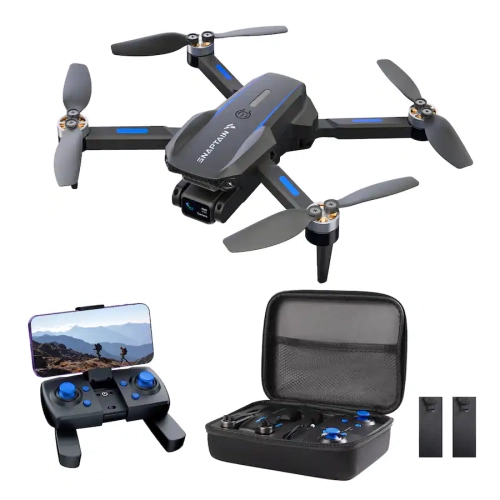 Your price for this item is $109.98
 -
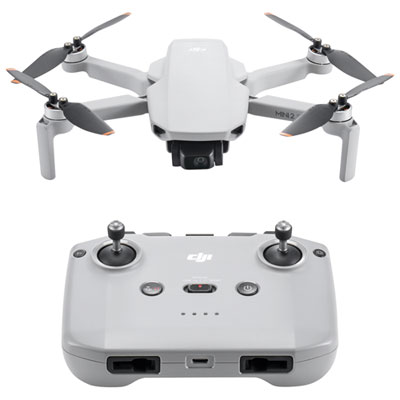 Your price for this item is $359.99
 -
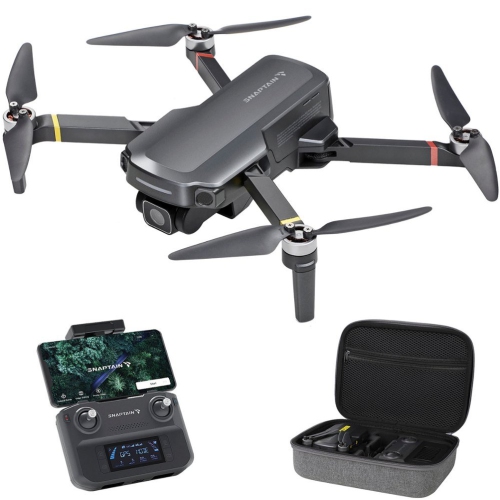 Your price for this item is $279.9
 -
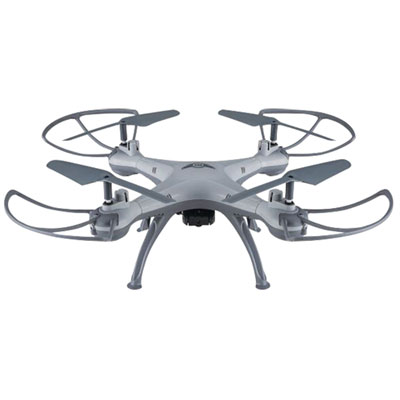 Your price for this item is $49.99
 -
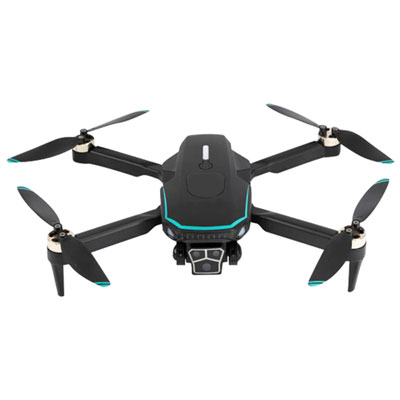 Your price for this item is $79.99
 -
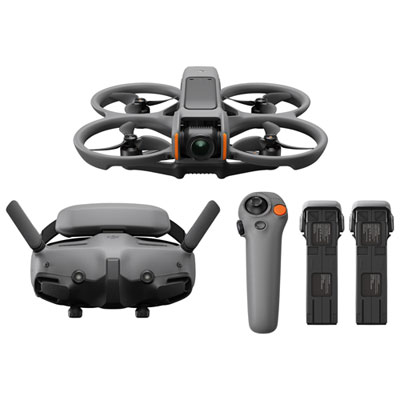 Your price for this item is $1279.99
 -
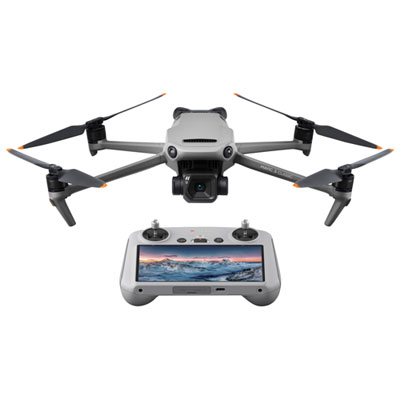 Your price for this item is $1759.99
 -
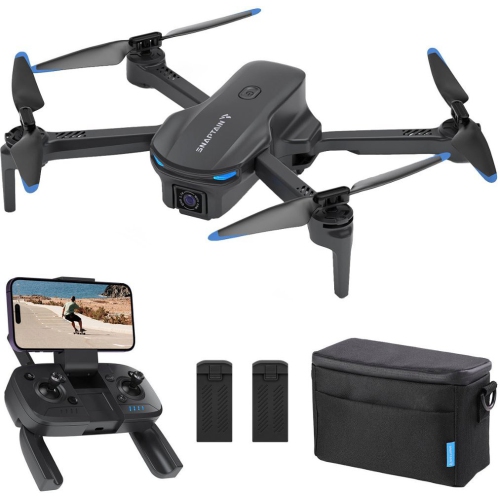 Your price for this item is $189.9
Discover more categories related to Foldable Drones
Top Collections:
Pokemon Centers, Kindle Devices, Best Budget Office Chairs, Apple iPhones 16, Best Laptops for Writers, iPhone 15 Apple, Canon G7X Cameras, Refurbished Apple Laptops, Alarm Clock, Motorola Razr Phones
Some products may be subject to Environmental Handling Fees
(EHF) depending on your province.
Learn more about EHFs.