Phones for Content Creators
Phones for content creators are designed to keep up with your creative vision, whether you're capturing high-quality photos, filming videos, or sharing your latest projects on social media. Find the perfect device to match your workflow and help you stay productive on the go. Explore a wide range of options that offer powerful performance, stunning displays, and advanced tools tailored for today’s digital storytellers. Elevate your creative process with phones for content creators that make it easier to produce, edit, and share from anywhere.
Sort
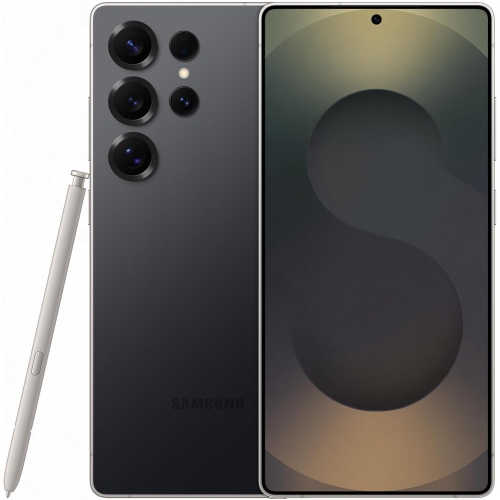
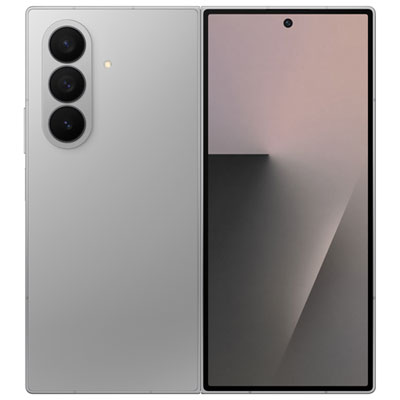
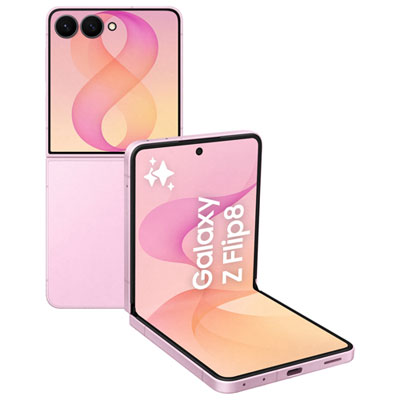
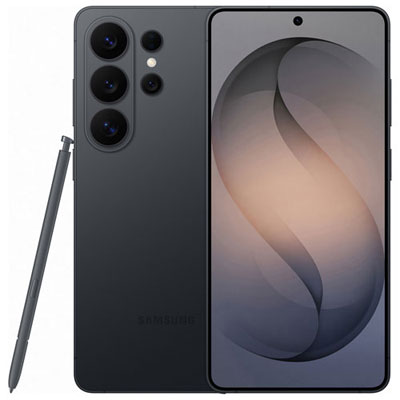
Key features for a smoother mobile content workflow
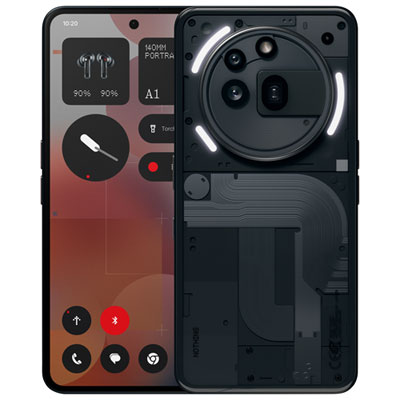
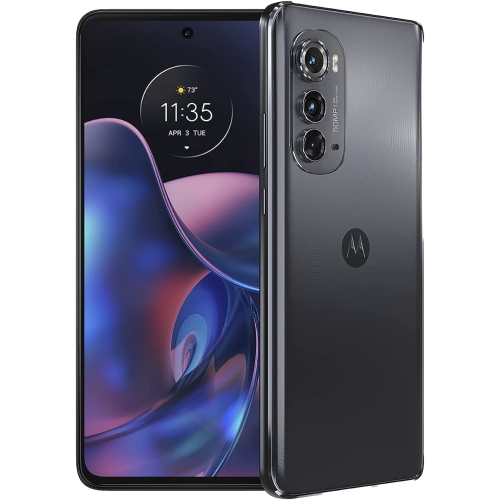
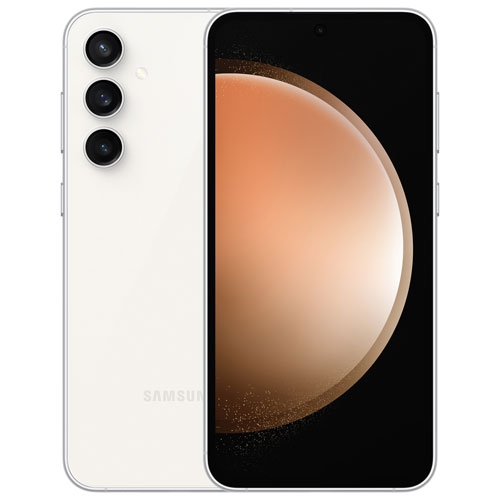
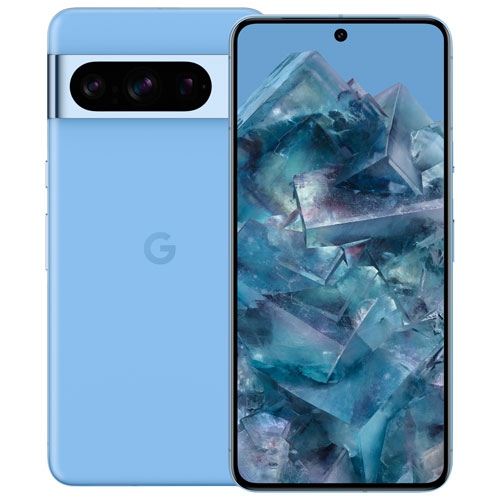
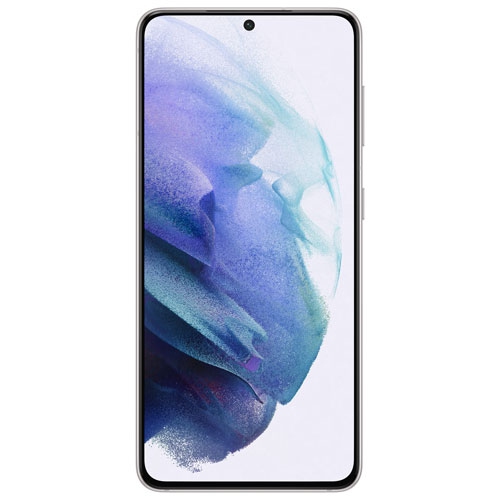
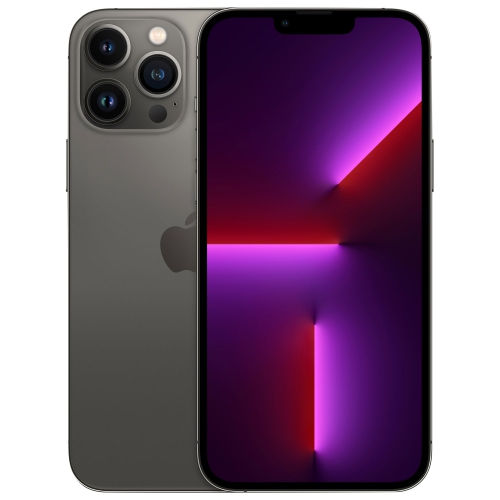
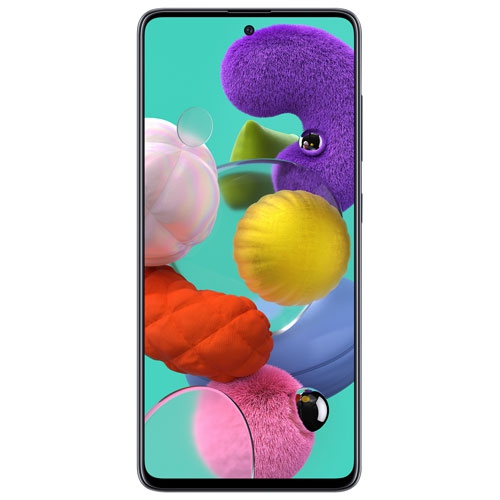
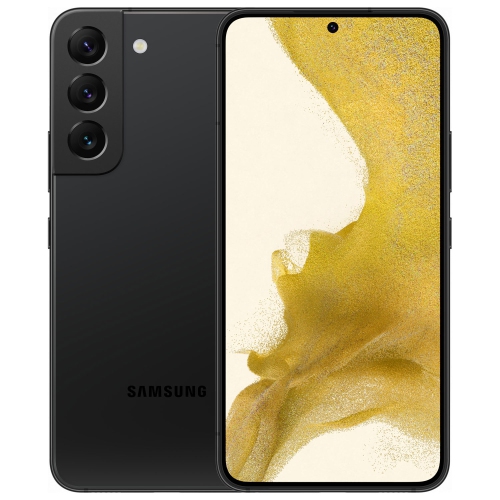
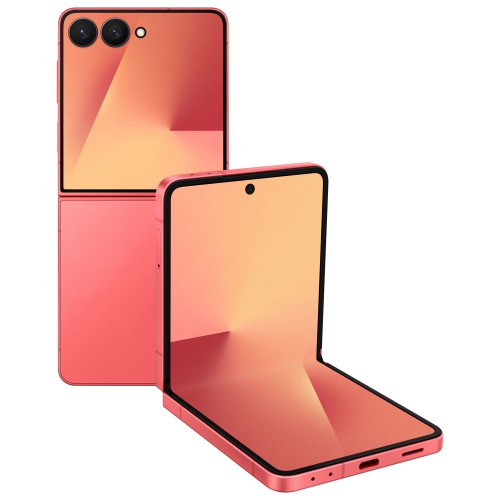
Phones for content creators are designed for more than everyday calls, messages, and casual snapshots. They serve as compact production tools for recording, editing, and publishing photos and videos wherever an idea takes shape. A capable phone can help capture a quick behind-the-scenes clip at a local event, a polished product demonstration at home, a travel diary during a weekend away, or a short-form video while exploring a new neighbourhood. When comparing phones for content creators, start with the type of content you plan to make most often. Vloggers may place greater value on a bright, responsive front-facing camera, accurate skin tones, face tracking, and reliable image stabilization while walking. Creators who focus on food, fashion, crafts, fitness, or travel may prefer a strong rear camera system with multiple focal lengths, detailed still photography, and the ability to switch between wide, standard, and telephoto views without interrupting a scene. A wide-angle lens can include more of a room or landscape, while a telephoto lens can bring a distant subject closer without requiring the creator to step into the scene. A larger, high-resolution display also makes it easier to frame shots, review focus, trim clips, and read captions outdoors or in brightly lit rooms. Look for a phone with a responsive processor and generous memory so camera apps, editing tools, cloud storage, and social platforms can work smoothly together. These details matter when a creative idea arrives unexpectedly and there is no time to transfer footage to another device before posting.
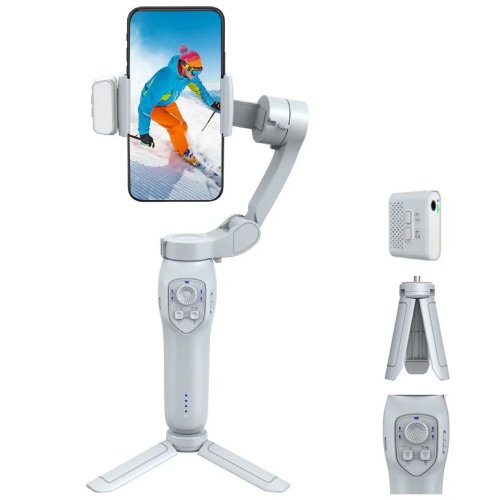
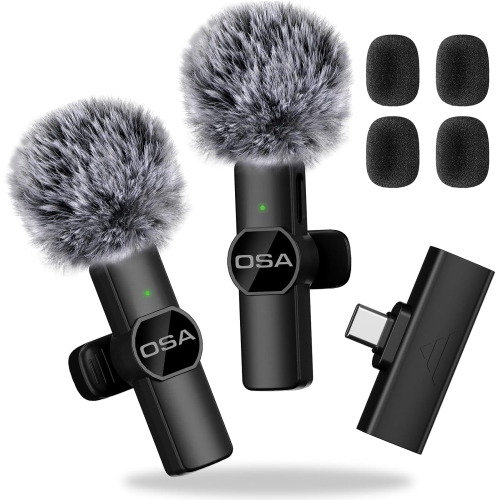
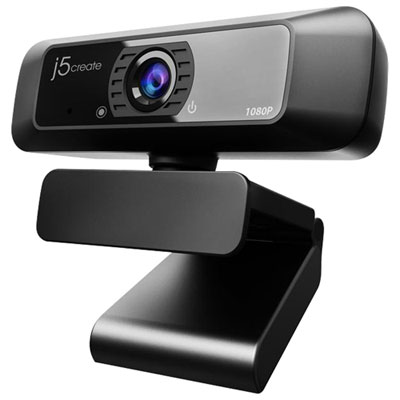
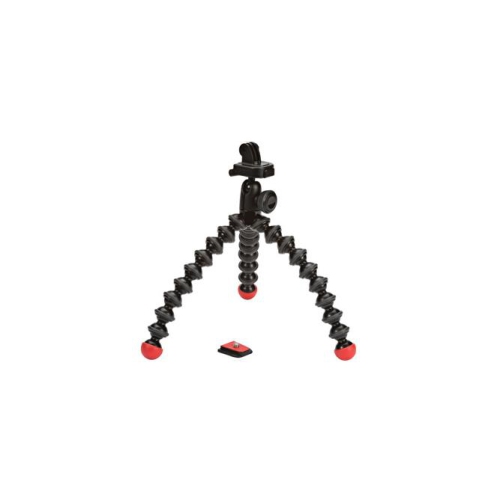
Video capability deserves particular attention because recorded clips can look very different from one phone to another, even when both advertise a high megapixel count. Phones for content creators may offer 4K video recording at frame rates such as 24, 30, and 60 frames per second, giving you flexibility for cinematic-looking footage, everyday social clips, or smoother action. Electronic or optical stabilization can help reduce the small shakes that appear when filming handheld, walking through a market, or following a pet across a living room. Some phones also offer log or other flat colour profiles that preserve more information for colour grading, which can be useful for creators who want to shape the mood of a scene during editing. Good low-light performance is equally valuable during the cooler months, when daylight fades earlier and indoor gatherings become a natural setting for content. Look for cameras that retain detail in shadows without making the image look overly grainy, as well as automatic exposure and focus controls that respond gracefully when a subject moves from a bright window into a dim room. Audio should be treated as part of image quality rather than an afterthought. Built-in microphones can be suitable for quick clips, but support for an external microphone can make spoken content sound clearer in busy kitchens, echoing rooms, or windy outdoor spaces. Compatibility with small tripods, phone grips, lights, gimbals, and wireless microphones can turn a handheld phone into a more controlled setup. A simple tripod placed near a window can provide a steadier talking-head shot, while a compact light can add definition to a face when overhead lighting creates harsh shadows.
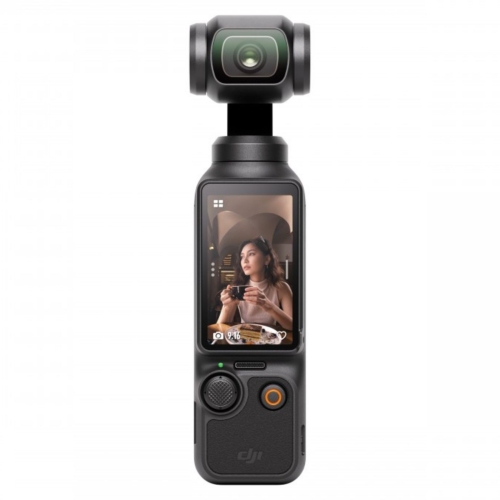
Storage and battery life can shape the entire creative workflow. High-resolution photos and 4K video files use space quickly, particularly when a creator records multiple takes, saves edited versions, and keeps original footage for future projects. A capacity of at least 256GB may be a practical starting point for frequent video creation, while users who record long-form content or travel without regular access to a computer may benefit from even more storage. It is also worth checking whether the phone supports convenient file transfers, expandable storage, cloud backups, or direct connections to external drives. Battery capacity, charging speed, and heat management are important for outdoor filming, live streaming, navigation, and extended editing sessions. A phone that remains comfortable to hold and use over several takes can be just as helpful as one with advanced camera specifications. Operating system features may influence the choice as well, especially if you already use particular editing, publishing, or cloud-storage apps. Social platforms can process video differently depending on the device and app, so creators should consider how easily a phone records, edits, captions, exports, and uploads without reducing quality. For a broader look at dedicated camera options that can complement a phone-based setup, explore Cameras for Content Creators. A phone for content creation can also make a thoughtful gift for a student building a portfolio, a small-business owner creating demonstrations, a family member who enjoys travel photography, or an aspiring creator developing a presence on video and social platforms. The best choice balances camera performance with the way the recipient actually works: short vertical clips, long landscape videos, still images, livestreams, or a mixture of everything. During early fall outings, indoor celebrations, and the cooler months that follow, a well-equipped phone keeps a camera, editing suite, and publishing tool close at hand, ready to preserve a moment or turn an idea into something worth sharing.
Video capability deserves particular attention because recorded clips can look very different from one phone to another, even when both advertise a high megapixel count. Phones for content creators may offer 4K video recording at frame rates such as 24, 30, and 60 frames per second, giving you flexibility for cinematic-looking footage, everyday social clips, or smoother action. Electronic or optical stabilization can help reduce the small shakes that appear when filming handheld, walking through a market, or following a pet across a living room. Some phones also offer log or other flat colour profiles that preserve more information for colour grading, which can be useful for creators who want to shape the mood of a scene during editing. Good low-light performance is equally valuable during the cooler months, when daylight fades earlier and indoor gatherings become a natural setting for content. Look for cameras that retain detail in shadows without making the image look overly grainy, as well as automatic exposure and focus controls that respond gracefully when a subject moves from a bright window into a dim room. Audio should be treated as part of image quality rather than an afterthought. Built-in microphones can be suitable for quick clips, but support for an external microphone can make spoken content sound clearer in busy kitchens, echoing rooms, or windy outdoor spaces. Compatibility with small tripods, phone grips, lights, gimbals, and wireless microphones can turn a handheld phone into a more controlled setup. A simple tripod placed near a window can provide a steadier talking-head shot, while a compact light can add definition to a face when overhead lighting creates harsh shadows.
Storage and battery life can shape the entire creative workflow. High-resolution photos and 4K video files use space quickly, particularly when a creator records multiple takes, saves edited versions, and keeps original footage for future projects. A capacity of at least 256GB may be a practical starting point for frequent video creation, while users who record long-form content or travel without regular access to a computer may benefit from even more storage. It is also worth checking whether the phone supports convenient file transfers, expandable storage, cloud backups, or direct connections to external drives. Battery capacity, charging speed, and heat management are important for outdoor filming, live streaming, navigation, and extended editing sessions. A phone that remains comfortable to hold and use over several takes can be just as helpful as one with advanced camera specifications. Operating system features may influence the choice as well, especially if you already use particular editing, publishing, or cloud-storage apps. Social platforms can process video differently depending on the device and app, so creators should consider how easily a phone records, edits, captions, exports, and uploads without reducing quality. For a broader look at dedicated camera options that can complement a phone-based setup, explore Cameras for Content Creators. A phone for content creation can also make a thoughtful gift for a student building a portfolio, a small-business owner creating demonstrations, a family member who enjoys travel photography, or an aspiring creator developing a presence on video and social platforms. The best choice balances camera performance with the way the recipient actually works: short vertical clips, long landscape videos, still images, livestreams, or a mixture of everything. During early fall outings, indoor celebrations, and the cooler months that follow, a well-equipped phone keeps a camera, editing suite, and publishing tool close at hand, ready to preserve a moment or turn an idea into something worth sharing.
Top selling and popular products
-
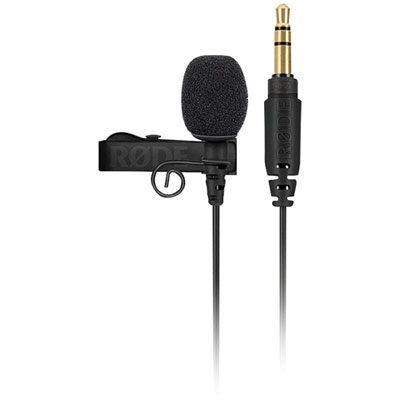 Your price for this item is $109.99
 -
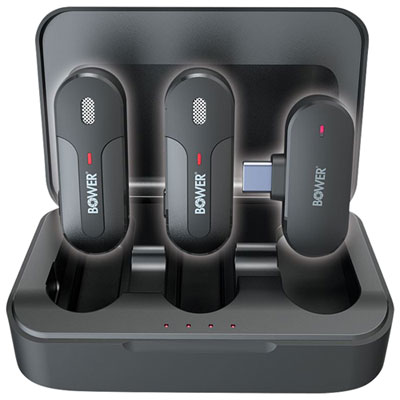 Your price for this item is $75.99
 -
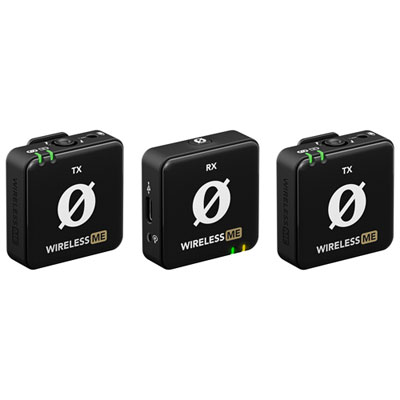 Your price for this item is $260.98
 -
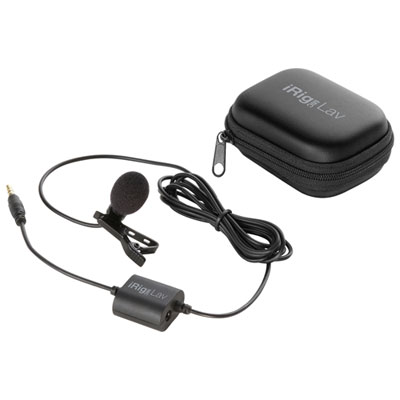 Your price for this item is $59.99
 -
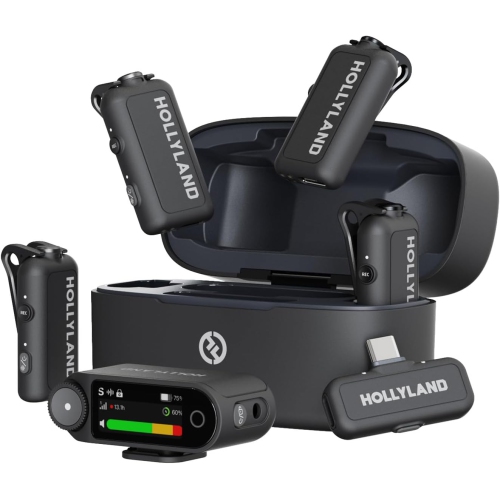 Your price for this item is $447
 -
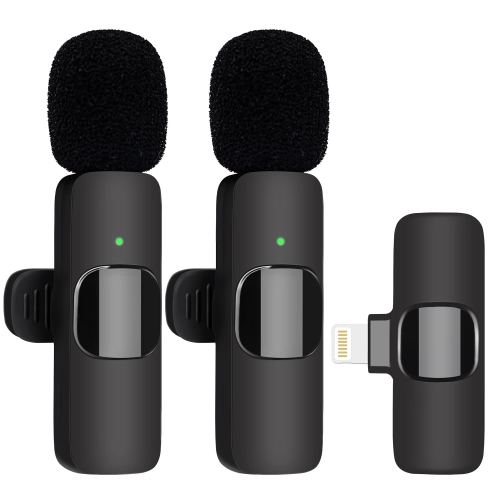 Your price for this item is $29.89
 -
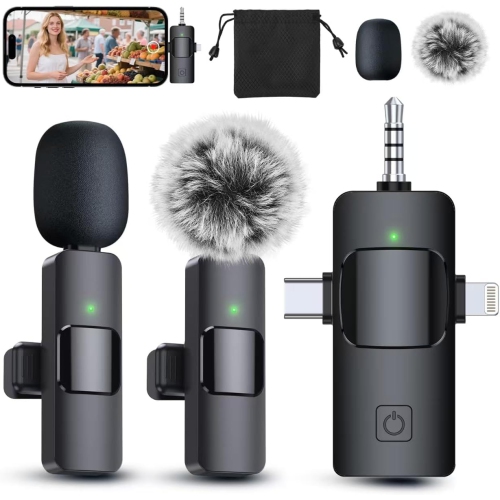 Your price for this item is $38.99
 -
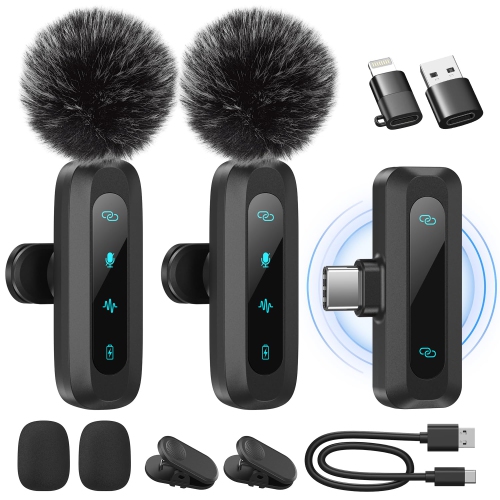 Your price for this item is $39.99
Discover more categories related to Phones for Content Creators
Top Collections:
Pokemon Centers, Kindle Devices, Best Budget Office Chairs, Apple iPhones 16, Best Laptops for Writers, iPhone 15 Apple, Canon G7X Cameras, Refurbished Apple Laptops, Alarm Clock, Motorola Razr Phones
Some products may be subject to Environmental Handling Fees
(EHF) depending on your province.
Learn more about EHFs.