Camcorders With Night Vision
Capture every moment, day or night, with our selection of camcorders featuring night vision capabilities. Whether you're documenting your child's first steps in dimly lit rooms or capturing stunning nocturnal wildlife encounters, these camcorders are designed to deliver exceptional video quality in low-light conditions. With advanced night vision technology, you can now enjoy crystal-clear footage even in the darkest environments. Explore our range of camcorders with night vision and never miss a detail, no matter how dark the scene may be.
Sort
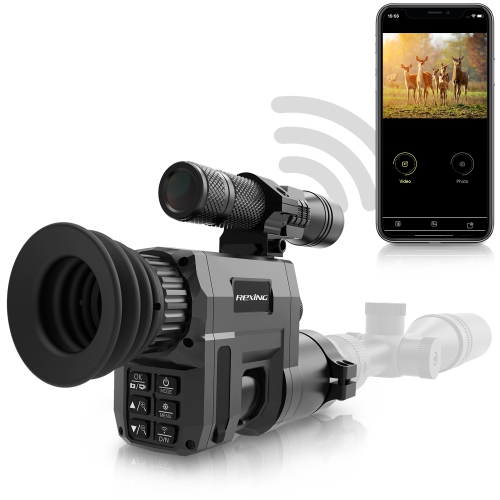
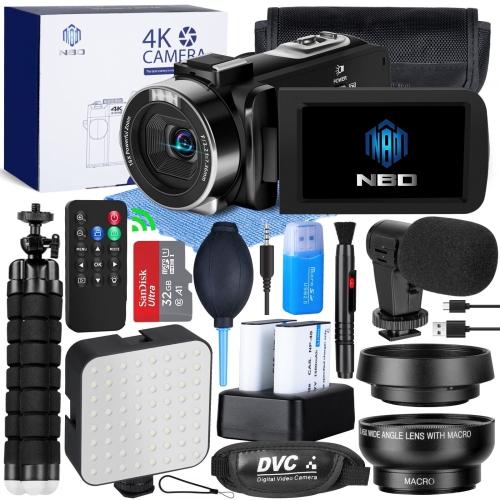
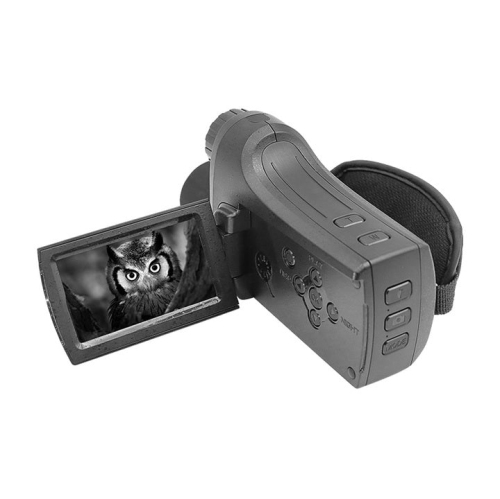
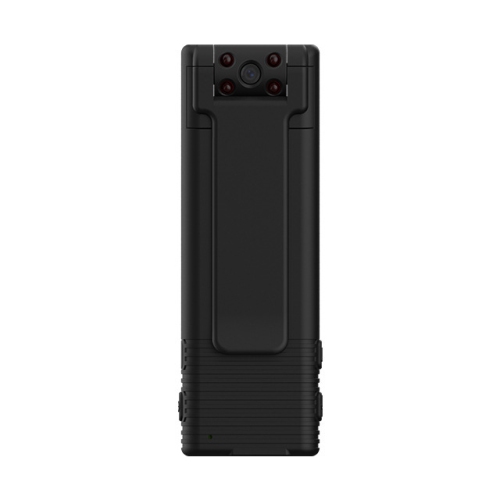
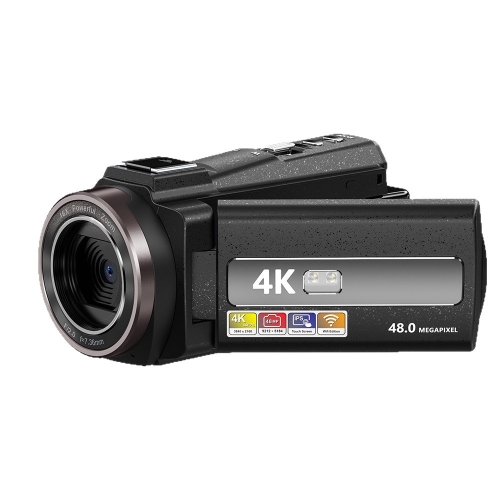
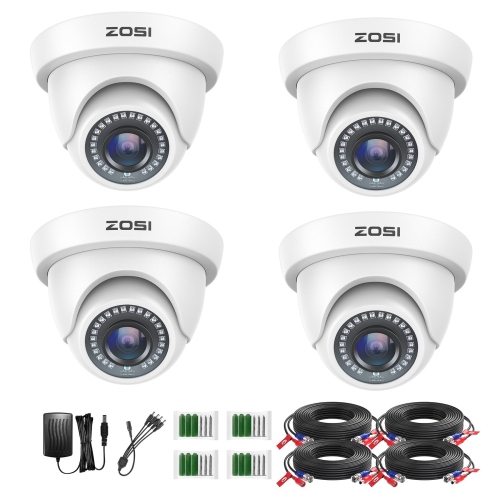
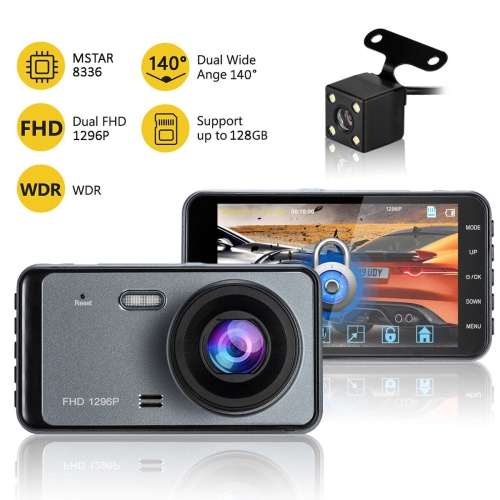
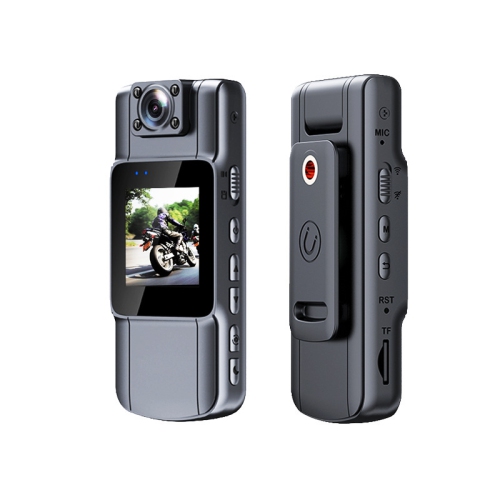
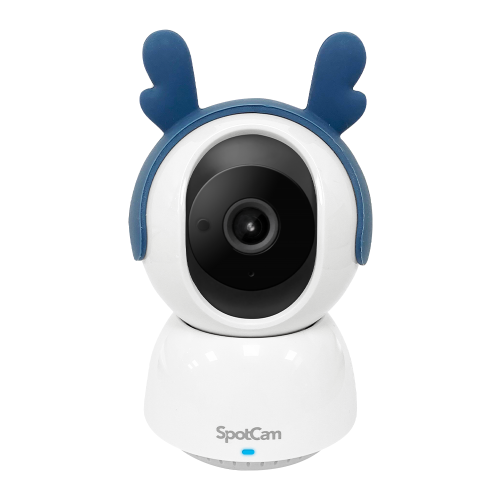
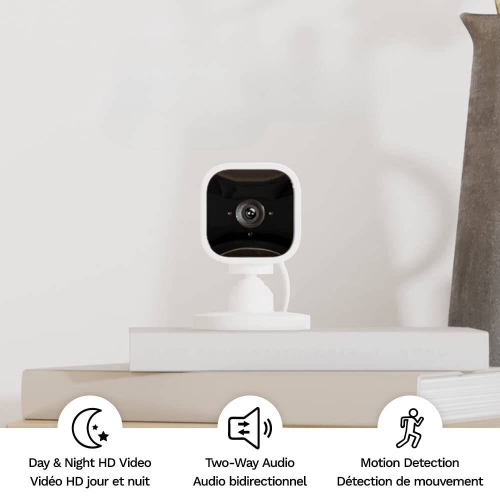
What infrared can reveal in complete darkness
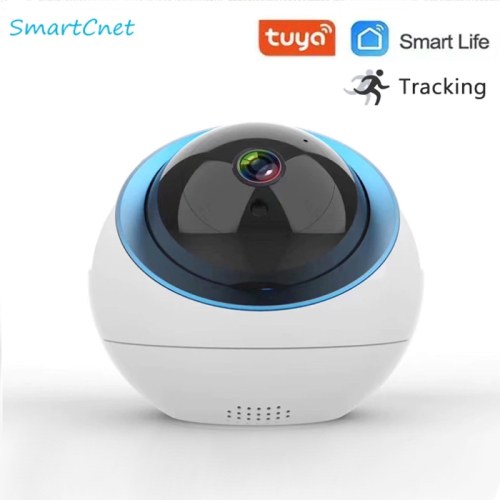
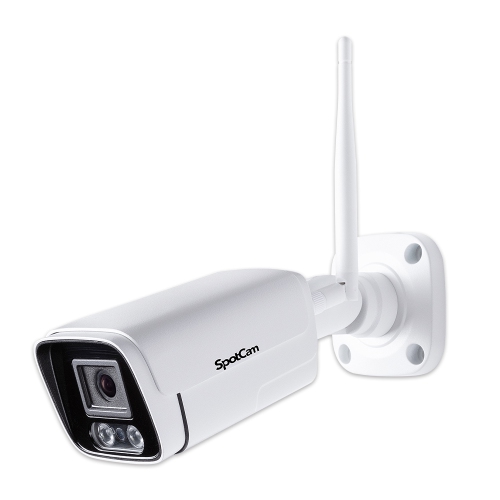
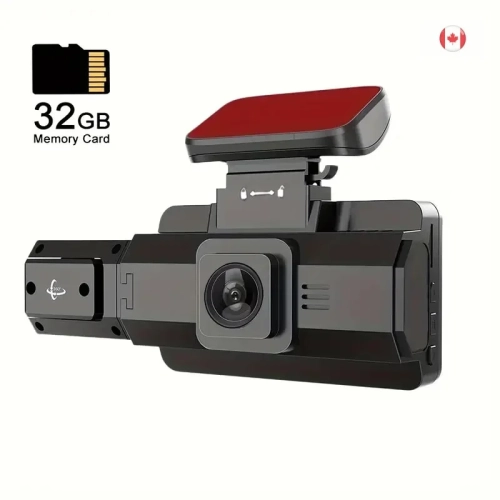
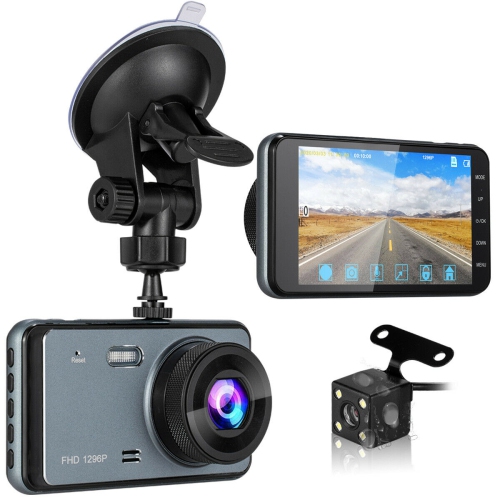
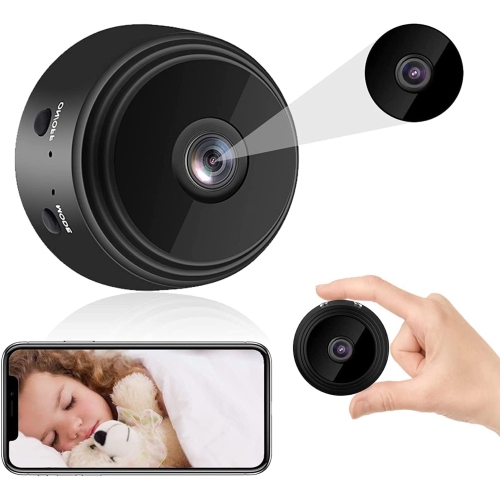
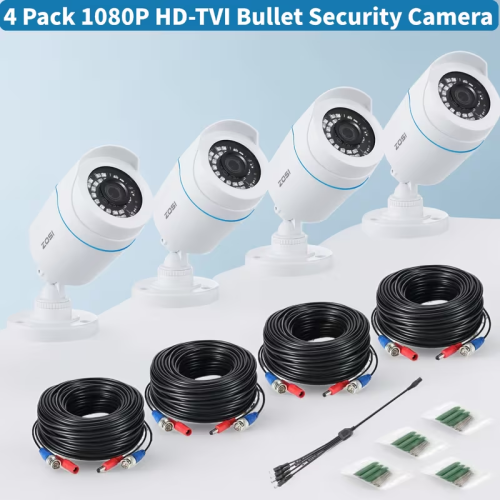
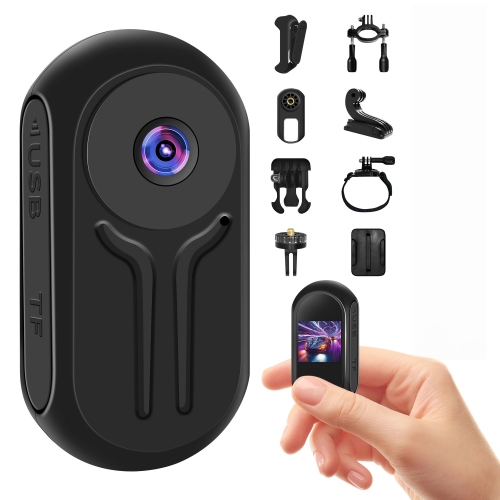
Camcorders with night vision capture video where visible light is limited, using infrared-sensitive imaging and, on equipped models, infrared illumination to reveal nearby subjects in darkness. This makes them useful for filming nocturnal wildlife, documenting a darkened room, or creating the distinctive monochrome footage associated with night-time documentaries and paranormal-themed filmmaking. Infrared night vision is different from an ordinary low-light mode: a low-light mode needs some visible light, while an infrared-capable camcorder can work in complete darkness when compatible infrared illumination reaches the subject. It is also different from thermal imaging, which detects heat rather than reflected infrared light. These distinctions matter more than a resolution label alone. A camcorder capable of 4K video in daylight does not necessarily deliver equally detailed footage with night vision enabled, and night-mode resolution, frame rate, focus behaviour, and illumination range can vary. Typical infrared footage appears in shades of grey or with a green tint rather than showing natural colours. For a close view of an animal near a feeding area or a person speaking a few steps from the lens, a built-in infrared light may provide sufficient coverage. A subject across a large clearing may remain indistinct or disappear into the background altogether. Useful night vision range depends on the illuminator, lens, sensor sensitivity, subject reflectivity, and surrounding light, so a stated maximum range is not a guarantee of recognizable detail at that distance. Infrared illumination also does not make a camera entirely invisible: some emitters produce a faint red glow, and screens or status lights may draw attention. For video enthusiasts, student filmmakers, and anyone interested in observing activity after dark, the appeal is the ability to keep shooting beyond the limits of ordinary lighting. The most useful match depends on the scene, the distance to the subject, and whether the goal is a clear visual record or an atmospheric creative effect.
Image quality in a night vision camcorder comes from several features working together. Sensor performance, lens aperture, infrared sensitivity, and illumination coverage all affect how much detail appears in shadows and how cleanly moving subjects are rendered. Slower shutter speeds can brighten a dim scene but may turn a moving hand or passing animal into a blur. Higher sensitivity can reveal more of the scene while introducing visible grain or noise. A tripod keeps a stationary view steady and makes longer clips easier to watch, but it cannot stop subject movement or remove sensor noise. Optical image stabilization can help with small handheld movements when supported in the selected mode; digital stabilization may crop the frame, and its effectiveness varies. Optical zoom is generally more useful for preserving distant detail than digital enlargement, although zooming in also magnifies camera shake and does not extend the reach of an infrared light. Autofocus can struggle on low-contrast subjects, making accessible manual focus valuable for a fixed view of a doorway, a trail, or a tabletop demonstration in darkness. Screen brightness matters, too: a bright display can be distracting beside an otherwise dark scene, while a tilting or rotating screen makes low-angle framing more comfortable. For spoken commentary, an external microphone input can be more useful than another increase in video resolution, especially when the camera is mounted away from the speaker. A headphone connection, where fitted, allows audio checks during filming. Storage requirements depend on resolution, compression, and bitrate, not simply the length of a clip, so supported memory card capacity and speed are practical considerations for extended sessions. Battery runtime also changes with screen use, recording settings, and infrared illumination. Replaceable batteries, compatible external power, and support for operation while connected to power can help with longer recordings, but those capabilities should be confirmed for the camcorder rather than assumed. An external infrared illuminator may improve coverage when its wavelength and mounting arrangement are compatible, though extra illumination will not correct missed focus or an obstructed view.
Physical design becomes especially noticeable when operating a camcorder by touch. A well-positioned hand strap, balanced grip, and distinct controls make it easier to start filming without fumbling, while a compact body is convenient for carrying between locations. For someone with smaller hands, the distance between the grip and zoom control may matter as much as overall weight. Lightweight moulded housings are easy to carry, but durability also depends on the strength of the screen hinge, lens cover, accessory mounts, and tripod socket. A rugged appearance does not establish resistance to dust or splashes; protection should be supported by the stated specifications. A padded case helps protect the lens and hinged display in transit, and separate compartments keep spare batteries, cards, and cables from rubbing against the camera body. Lens care is particularly important for night footage because dust, fingerprints, and smears can scatter light and reduce contrast. Loose particles are best removed with an appropriate blower before gently cleaning with lens-safe materials, following the manufacturer’s care directions. Reflections deserve attention during setup as well. Filming through a window with a built-in infrared light can illuminate the glass instead of the scene beyond it, while a nearby branch or pale wall may reflect enough light to leave a more distant subject difficult to see. Clear sightlines and thoughtful camera placement often improve footage more than extra digital zoom. For wildlife observation, keeping a respectful distance and avoiding disturbance remain important even when visible lighting is unnecessary. Recording people also calls for attention to consent, privacy, and any applicable rules. As a gift, a night vision camcorder can suit a budding filmmaker or a keen hobbyist who enjoys hands-on video projects, particularly when its controls and file-transfer options fit their experience. It is not automatically a substitute for a dedicated security camera: unattended monitoring may require motion alerts, remote viewing, continuous power, and recording management that a handheld camcorder does not provide. For that separate use, Best Night Vision Cameras offers a related category to explore. A camcorder’s particular strength is portable, deliberate filmmaking, with direct control over framing, sound, and the moments captured after dark.
Image quality in a night vision camcorder comes from several features working together. Sensor performance, lens aperture, infrared sensitivity, and illumination coverage all affect how much detail appears in shadows and how cleanly moving subjects are rendered. Slower shutter speeds can brighten a dim scene but may turn a moving hand or passing animal into a blur. Higher sensitivity can reveal more of the scene while introducing visible grain or noise. A tripod keeps a stationary view steady and makes longer clips easier to watch, but it cannot stop subject movement or remove sensor noise. Optical image stabilization can help with small handheld movements when supported in the selected mode; digital stabilization may crop the frame, and its effectiveness varies. Optical zoom is generally more useful for preserving distant detail than digital enlargement, although zooming in also magnifies camera shake and does not extend the reach of an infrared light. Autofocus can struggle on low-contrast subjects, making accessible manual focus valuable for a fixed view of a doorway, a trail, or a tabletop demonstration in darkness. Screen brightness matters, too: a bright display can be distracting beside an otherwise dark scene, while a tilting or rotating screen makes low-angle framing more comfortable. For spoken commentary, an external microphone input can be more useful than another increase in video resolution, especially when the camera is mounted away from the speaker. A headphone connection, where fitted, allows audio checks during filming. Storage requirements depend on resolution, compression, and bitrate, not simply the length of a clip, so supported memory card capacity and speed are practical considerations for extended sessions. Battery runtime also changes with screen use, recording settings, and infrared illumination. Replaceable batteries, compatible external power, and support for operation while connected to power can help with longer recordings, but those capabilities should be confirmed for the camcorder rather than assumed. An external infrared illuminator may improve coverage when its wavelength and mounting arrangement are compatible, though extra illumination will not correct missed focus or an obstructed view.
Physical design becomes especially noticeable when operating a camcorder by touch. A well-positioned hand strap, balanced grip, and distinct controls make it easier to start filming without fumbling, while a compact body is convenient for carrying between locations. For someone with smaller hands, the distance between the grip and zoom control may matter as much as overall weight. Lightweight moulded housings are easy to carry, but durability also depends on the strength of the screen hinge, lens cover, accessory mounts, and tripod socket. A rugged appearance does not establish resistance to dust or splashes; protection should be supported by the stated specifications. A padded case helps protect the lens and hinged display in transit, and separate compartments keep spare batteries, cards, and cables from rubbing against the camera body. Lens care is particularly important for night footage because dust, fingerprints, and smears can scatter light and reduce contrast. Loose particles are best removed with an appropriate blower before gently cleaning with lens-safe materials, following the manufacturer’s care directions. Reflections deserve attention during setup as well. Filming through a window with a built-in infrared light can illuminate the glass instead of the scene beyond it, while a nearby branch or pale wall may reflect enough light to leave a more distant subject difficult to see. Clear sightlines and thoughtful camera placement often improve footage more than extra digital zoom. For wildlife observation, keeping a respectful distance and avoiding disturbance remain important even when visible lighting is unnecessary. Recording people also calls for attention to consent, privacy, and any applicable rules. As a gift, a night vision camcorder can suit a budding filmmaker or a keen hobbyist who enjoys hands-on video projects, particularly when its controls and file-transfer options fit their experience. It is not automatically a substitute for a dedicated security camera: unattended monitoring may require motion alerts, remote viewing, continuous power, and recording management that a handheld camcorder does not provide. For that separate use, Best Night Vision Cameras offers a related category to explore. A camcorder’s particular strength is portable, deliberate filmmaking, with direct control over framing, sound, and the moments captured after dark.
Top selling and popular products
-
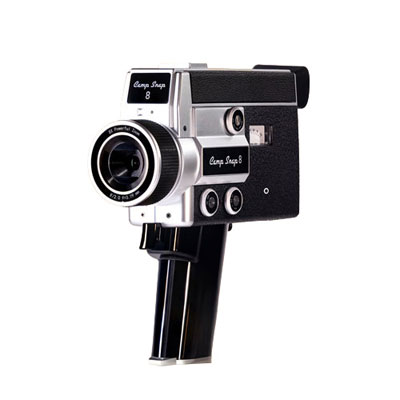 Your price for this item is $279.99
 -
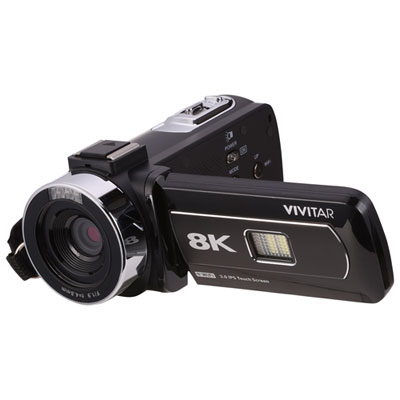 Your price for this item is $174.99
 -
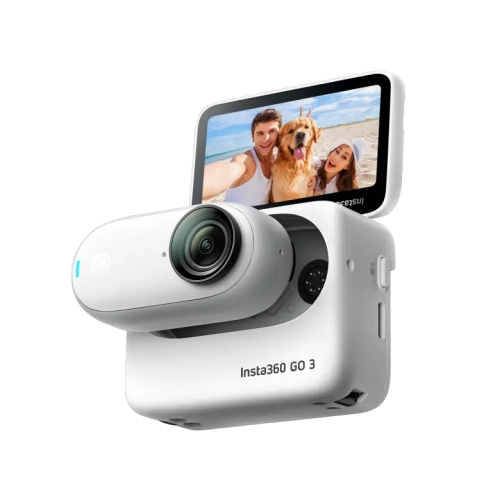 Your price for this item is $521.37
 -
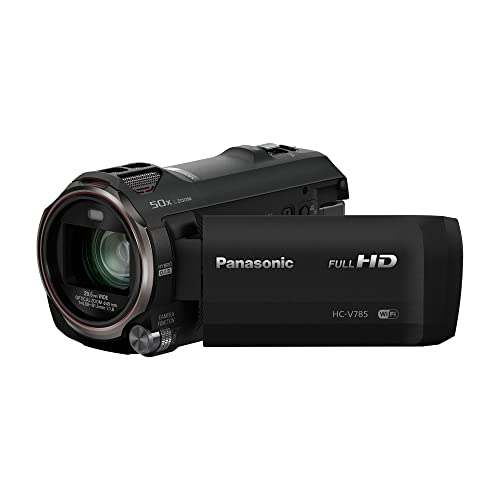 Your price for this item is $839.98
 -
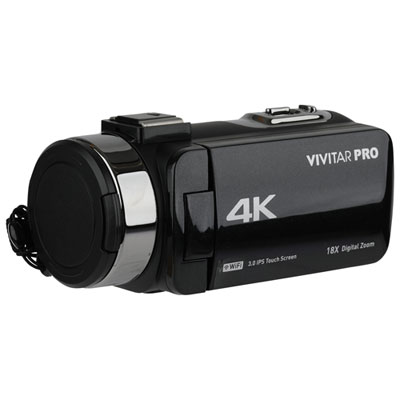 Your price for this item is $149.99
 -
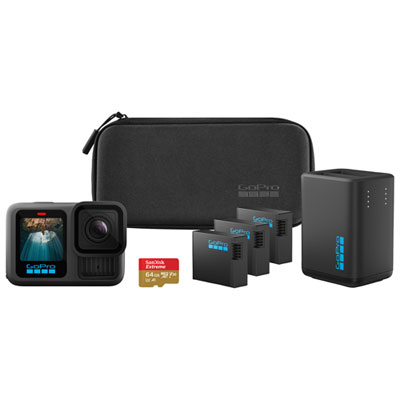 Your price for this item is $679.97
 -
 Your price for this item is $49.99
 -
 Your price for this item is $44.99
Discover more categories related to Camcorders With Night Vision
Top Collections:
Pokemon Centers, Kindle Devices, Best Budget Office Chairs, Apple iPhones 16, Best Laptops for Writers, iPhone 15 Apple, Canon G7X Cameras, Refurbished Apple Laptops, Alarm Clock, Motorola Razr Phones
Some products may be subject to Environmental Handling Fees
(EHF) depending on your province.
Learn more about EHFs.