High Quality Video Cameras
A video camera is a great tool for capturing memories. Whether you're recording your kids' first steps or documenting a special trip, a video camera can help you preserve those moments and share them with friends and family. Here are some of the best video cameras on the market.
Sort
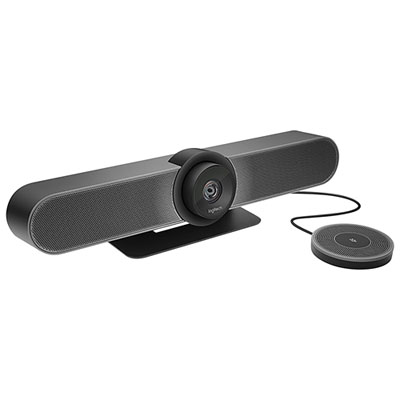
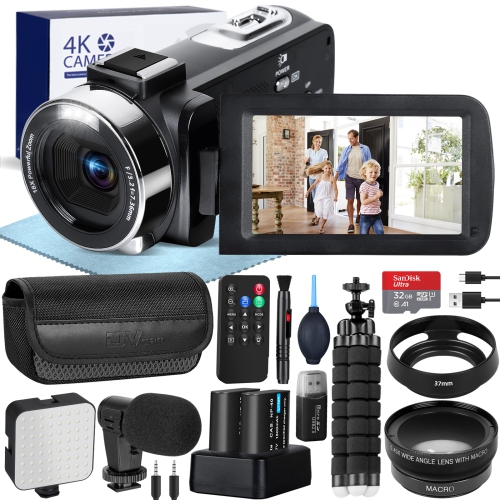
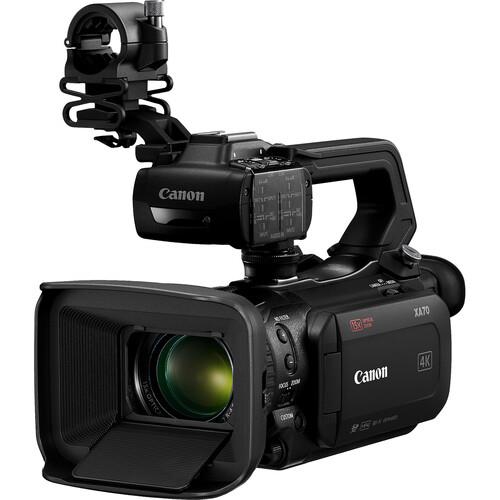
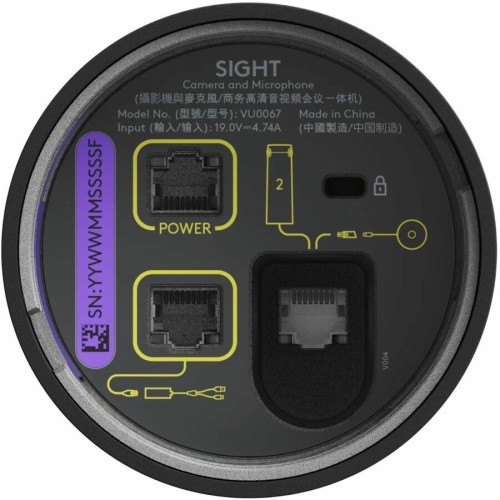
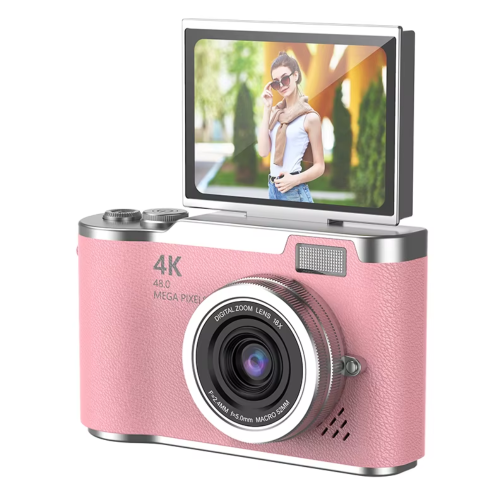
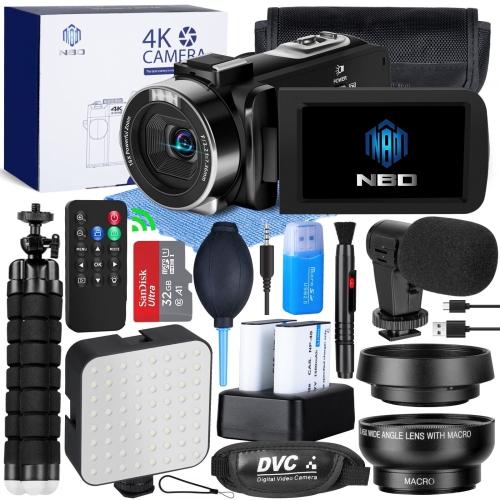
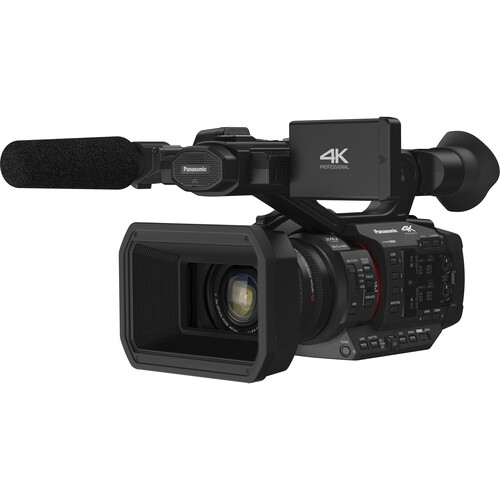
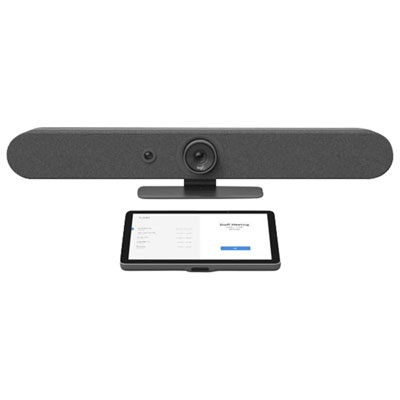
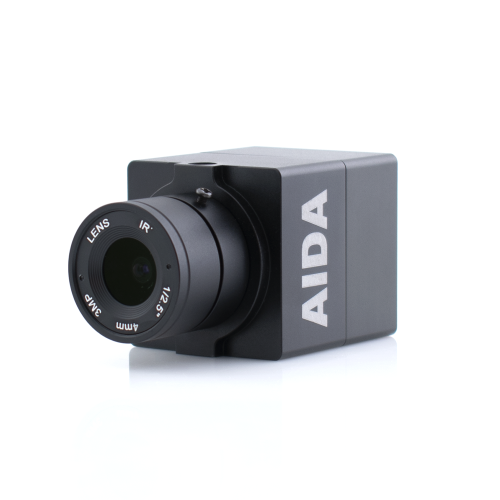
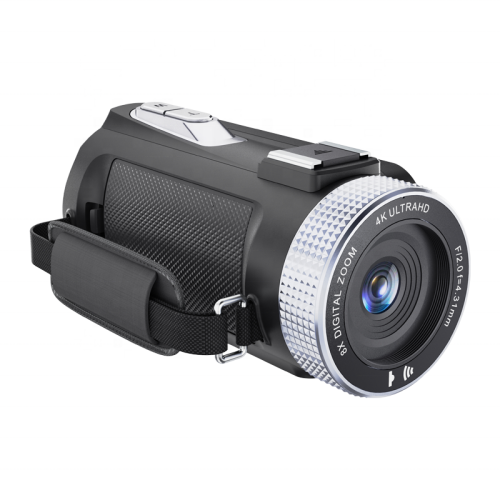
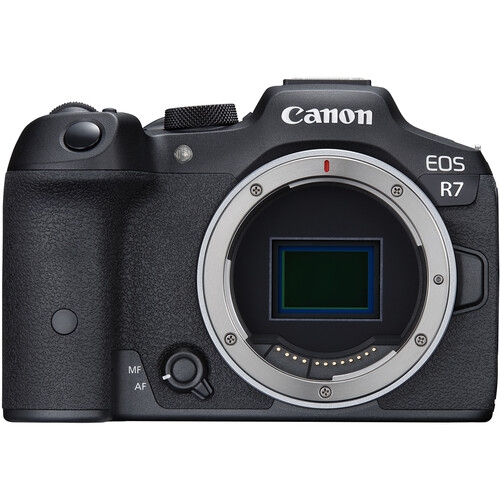
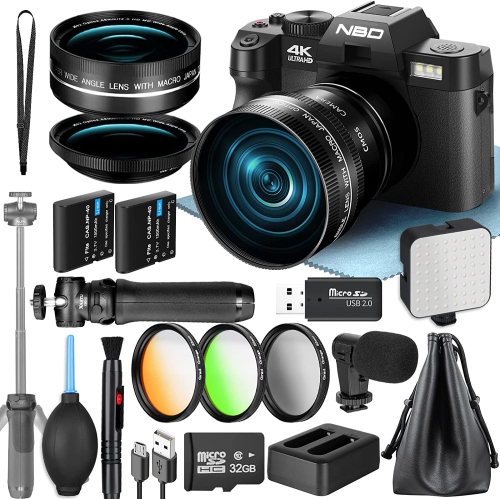
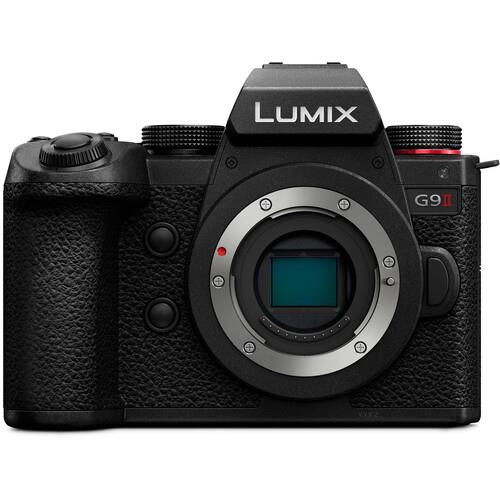
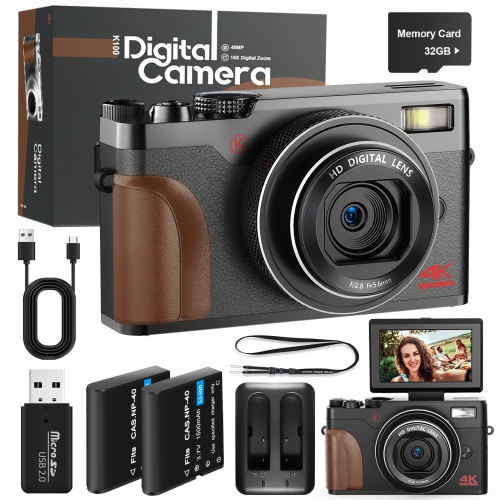
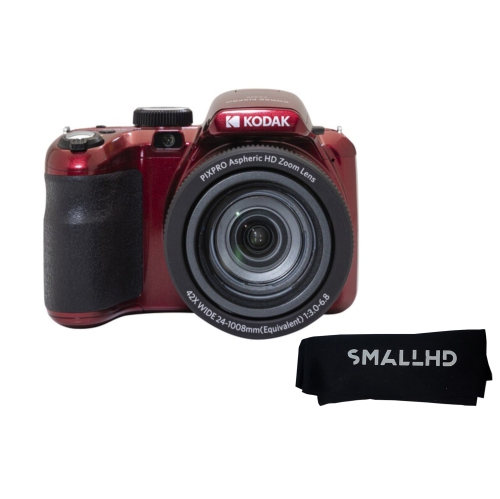
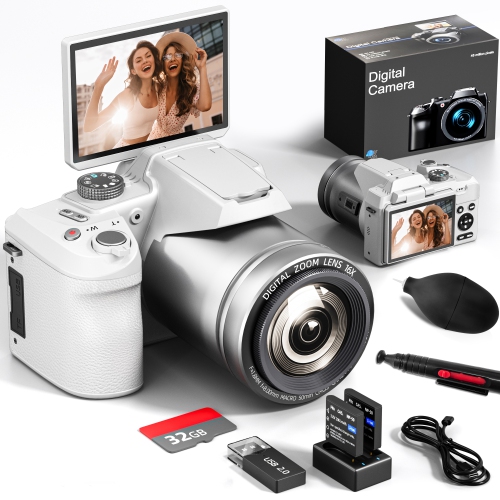

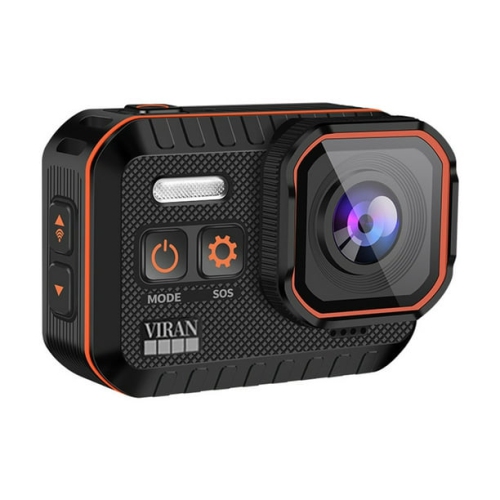
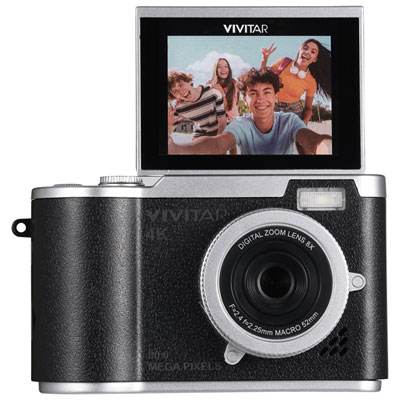
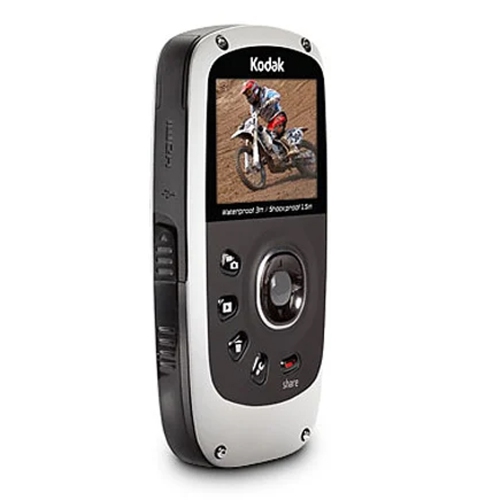
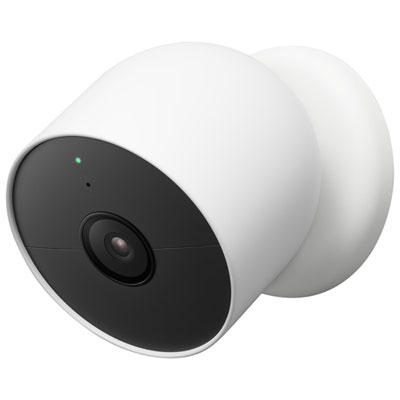
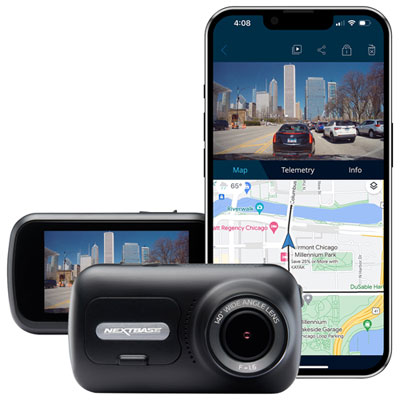
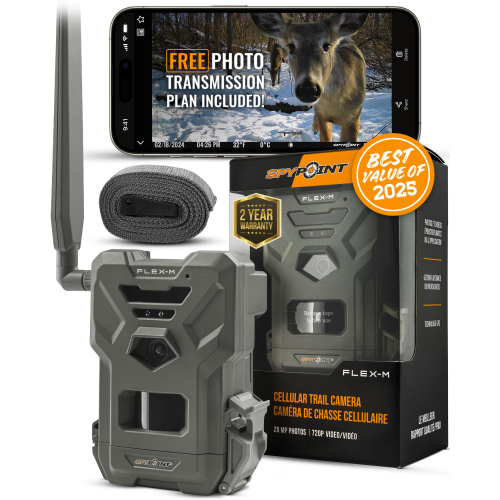
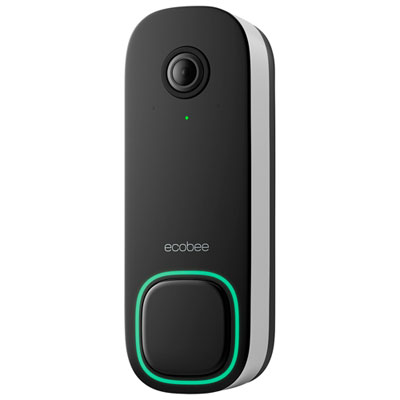
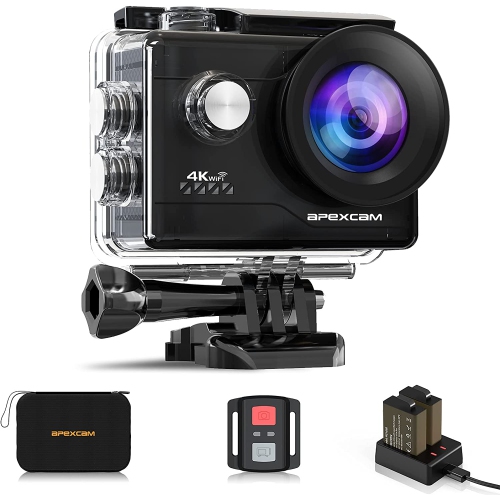
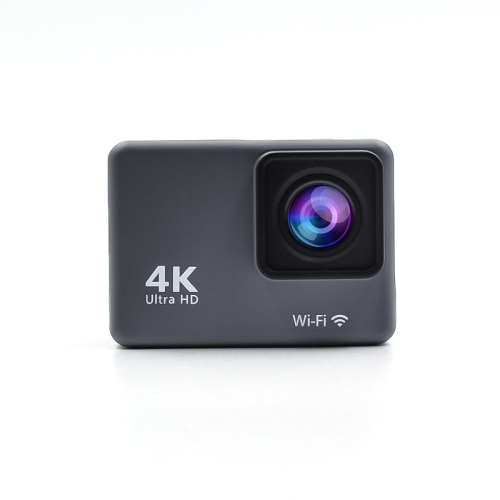
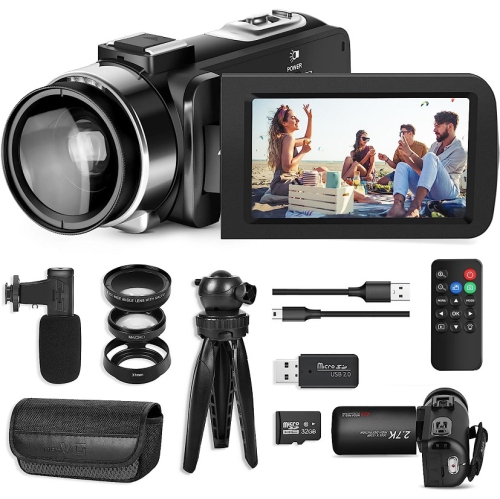
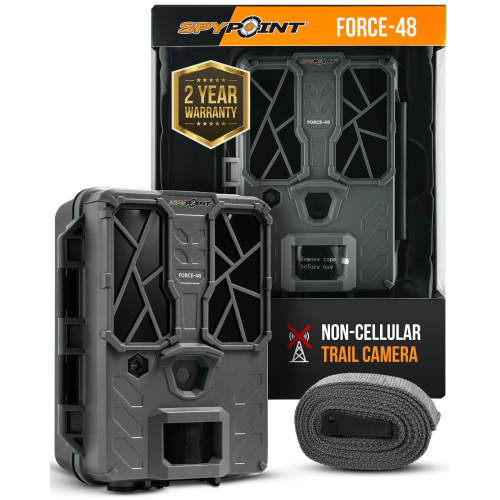
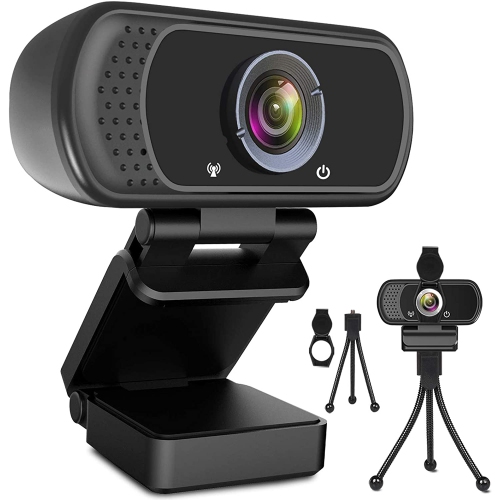
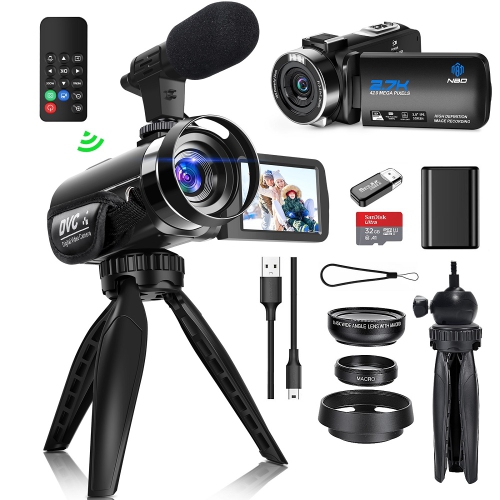
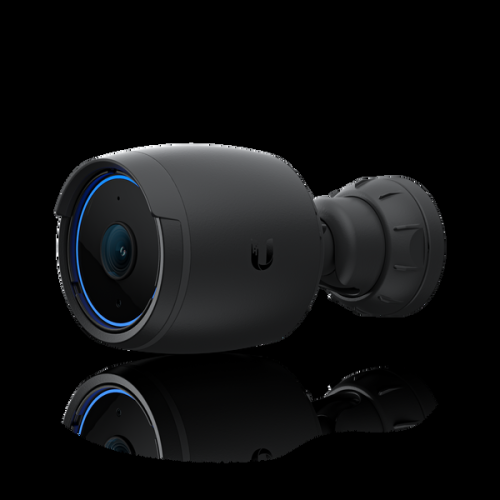
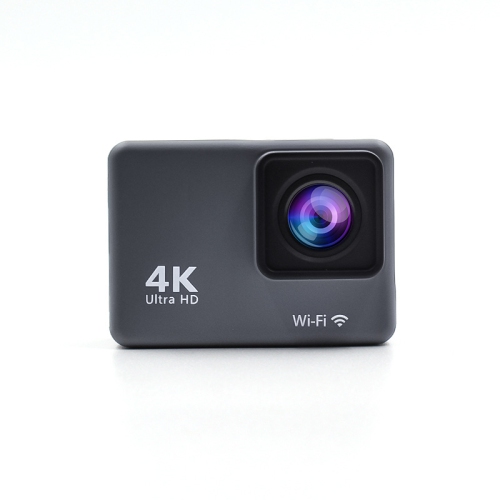
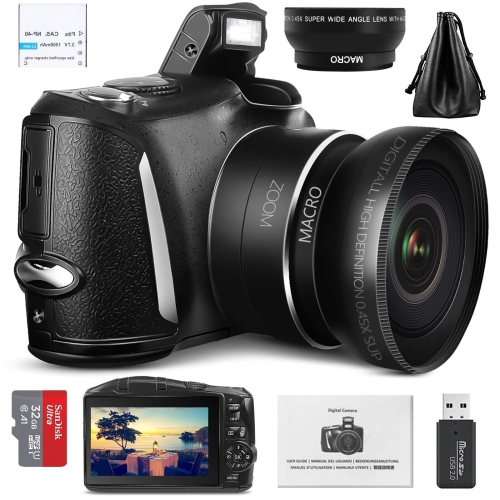
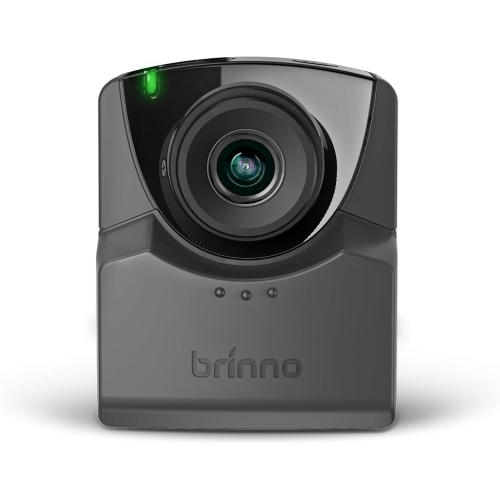
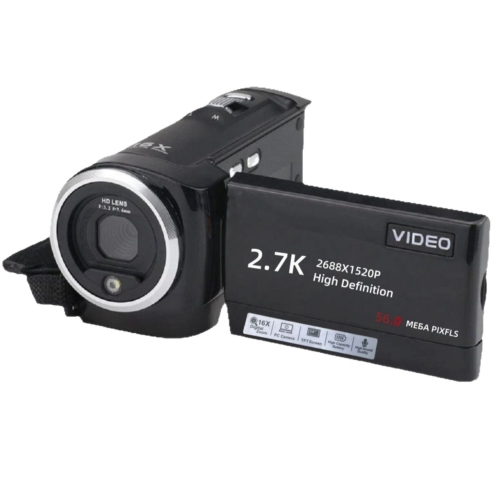
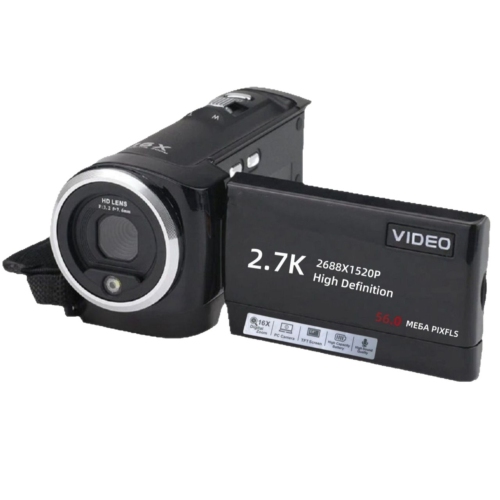
![GREEN SCENIC Thumb Camera 2.7K Quality 180° Rotating Dv HD Outdoor Sports Magnetic Camera [128GB] In Black](https://multimedia.bbycastatic.ca/multimedia/products/500x500/192/19283/19283890.jpeg)
![GREEN SCENIC [Without Memory Card] Back Clip Type HD Night Vision Sports Camera Law Enforcement Recorder Recording And Video Recording Integrated](https://multimedia.bbycastatic.ca/multimedia/products/500x500/192/19283/19283864.jpeg)
![GREEN SCENIC [64GB] Thumb Camera 2.7K Quality 180° Rotating Dv HD Outdoor Sports Magnetic Camera (White)](https://multimedia.bbycastatic.ca/multimedia/products/500x500/192/19283/19283860.jpeg)
![GREEN SCENIC [64GB] Thumb Camera 2.7K Quality 180° Rotating Dv HD Outdoor Sports Magnetic Camera (White)](https://multimedia.bbycastatic.ca/multimedia/products/500x500/192/19283/19283871.jpeg)
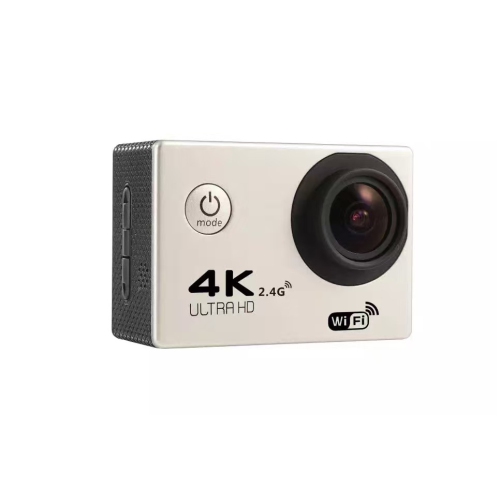
![GREEN SCENIC Thumb Camera 2.7K Quality 180° Rotating Dv HD Outdoor Sports Magnetic Camera [128GB] In White](https://multimedia.bbycastatic.ca/multimedia/products/500x500/192/19283/19283858.jpeg)
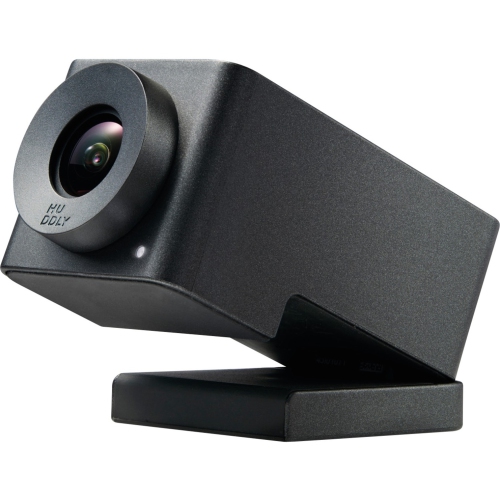
What matters most for polished footage in any setting
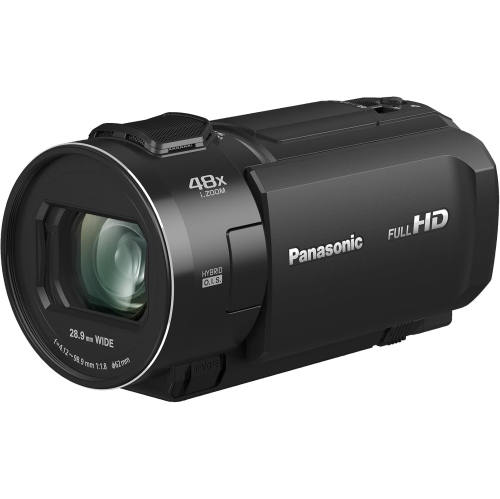
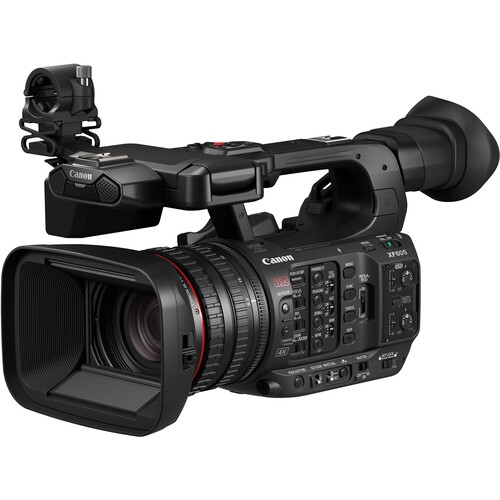
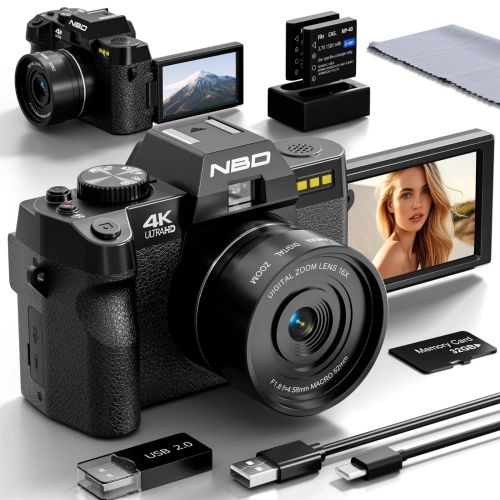
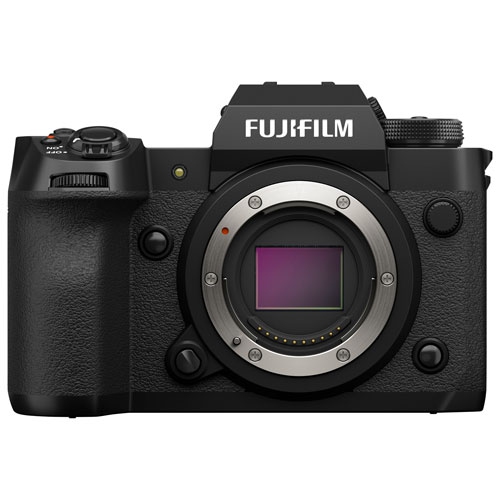
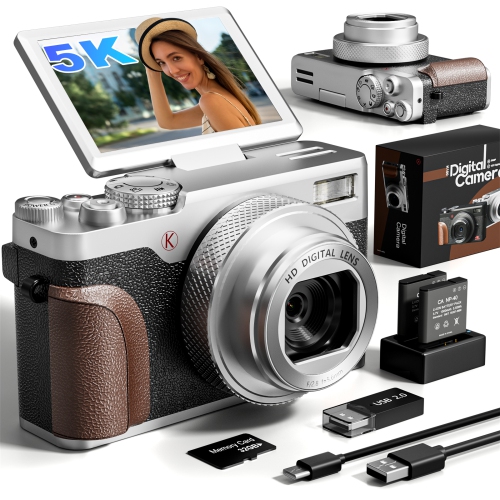
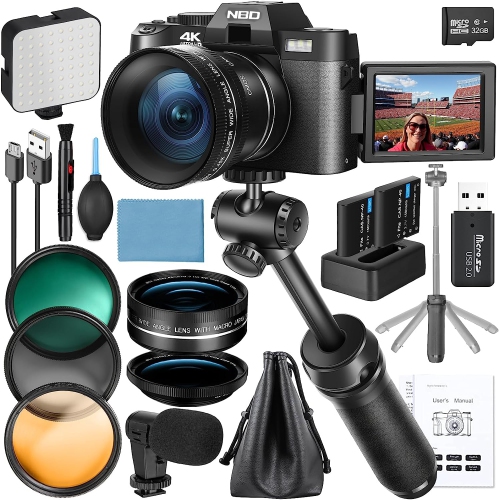
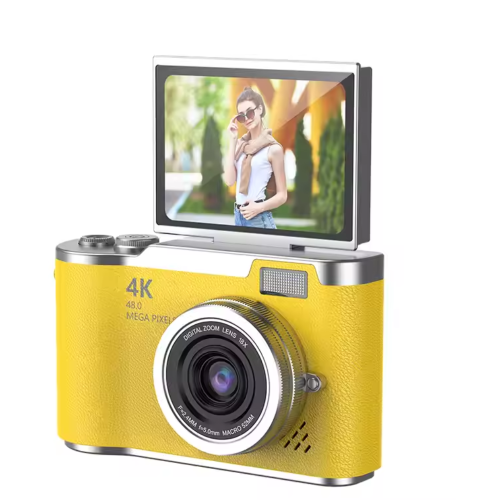
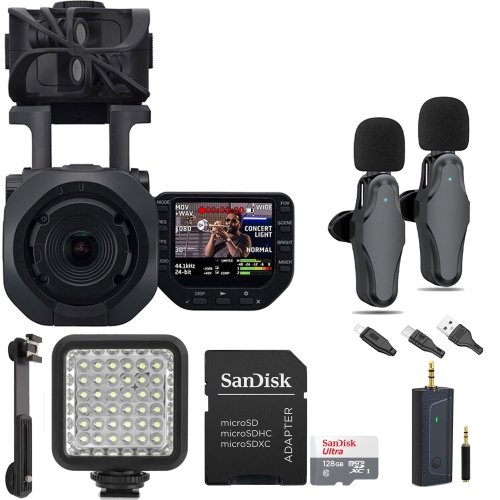
High quality video cameras are designed for people who want more control, detail, and consistency than a typical phone or basic point-and-shoot device can provide. They can be used to record family milestones, travel memories, interviews, live performances, school activities, sports, online videos, short films, and professional productions, with the right model offering the tools needed to create footage that looks polished in a wide range of conditions. When comparing high quality video cameras, start by considering the type of content you plan to capture and the way you prefer to work. A compact camera with a built-in lens may be convenient for travel, events, and handheld recording, while a model with interchangeable lenses can provide greater creative flexibility for filmmaking, portraits, product videos, and low-light scenes. Resolution is another important consideration. 4K video captures four times the detail of Full HD, allowing footage to look crisp on modern televisions and monitors while giving you room to crop or reframe clips during editing. Some advanced cameras record at even higher resolutions, such as 6K, which can be useful for professional post-production, visual effects, or creating a final 4K video with added flexibility. Resolution is only one part of image quality, however. Sensor size, lens quality, image processing, colour performance, and recording settings all influence the final result. A larger full-frame sensor can help produce a natural background blur and cleaner images in dim surroundings, while a smaller sensor may allow for a more compact design and greater depth of field. Cameras with strong dynamic range can retain detail in bright skies, sunlit windows, and deep shadows within the same scene, helping footage look more balanced when lighting changes quickly. This is especially useful for outdoor gatherings, wedding venues, concerts, and documentary-style filming where you cannot always control the surroundings.
The lens and zoom system should match the subjects you expect to record. A wide-angle lens is helpful for interiors, landscapes, group shots, and self-recording, while a telephoto lens can bring distant performers, athletes, or wildlife closer without requiring you to move into the action. Optical zoom uses the lens to magnify the subject while preserving image detail, making it preferable to digital zoom for events and long-distance recording. A versatile built-in zoom lens can be an excellent choice for someone who wants to move quickly between wide establishing shots and close-up details without changing equipment. Interchangeable-lens cameras offer more options over time, including wide, standard, telephoto, macro, and fast-aperture lenses, though adding lenses increases the overall cost and the amount of gear you need to carry. Autofocus performance also deserves close attention. Face and eye detection can help keep people sharp as they move, while subject tracking is useful for sports, performances, pets, and active children. For manual control, look for features such as focus peaking, zebra patterns, waveform displays, and exposure controls that make it easier to judge focus and brightness before recording. Image stabilization can reduce the small movements that make handheld footage look shaky, particularly when filming while walking or using a longer lens. Audio is equally important. Built-in microphones may be suitable for casual clips, but a microphone input, headphone output, wind protection, and support for an external microphone can make voices, interviews, and live performances sound much clearer. If you plan to record long events, dual memory card slots can provide additional capacity or automatic backup, while a camera that supports extended recording times can be more practical for ceremonies, lectures, rehearsals, and presentations. Keep in mind that high-resolution video files require fast, compatible memory cards and ample storage for transferring and editing your footage.
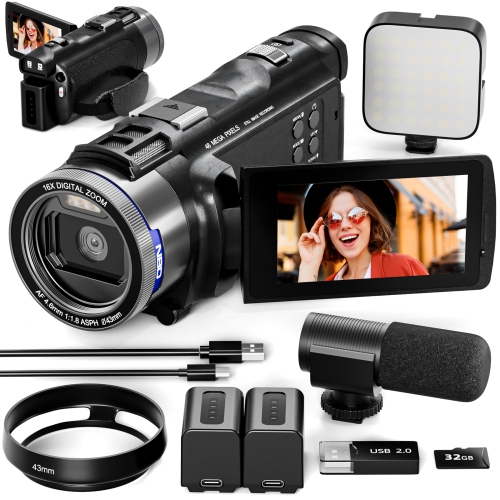
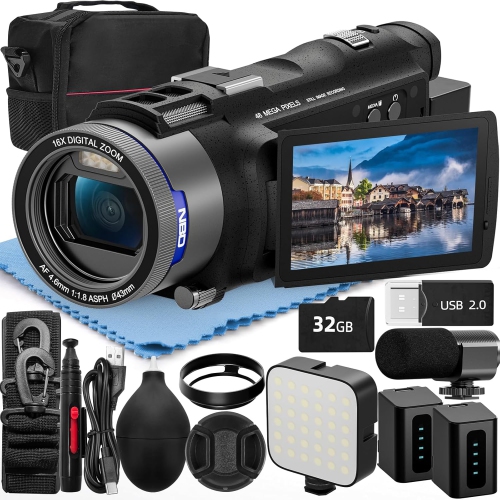
The best high quality video camera is the one that suits your experience, setup, and subjects rather than simply having the longest feature list. Beginners may appreciate an easy-to-carry model with automatic modes, a built-in lens, dependable autofocus, and straightforward controls, especially when recording family gatherings or learning the basics of composition. Enthusiast filmmakers may prefer manual exposure, interchangeable lenses, flat or log picture profiles, high frame-rate recording, and multiple connection options for building a more deliberate production workflow. A camera that records at a higher frame rate can create smooth slow-motion footage, which is useful for sports, dance, action scenes, pouring drinks, moving water, or adding visual emphasis to a special moment. For online creators, consider a model with a tilting or fully articulating screen, clean HDMI output, USB connectivity, reliable autofocus, and convenient charging options. People filming travel or outdoor activities may place greater value on low weight, long battery life, weather-resistant construction, and a flexible zoom range. A high quality video camera can also make a thoughtful gift for a new parent documenting early milestones, a student exploring film and media, a musician recording performances, or a family member who enjoys creating travel videos during the cooler months and throughout the year. Before choosing, think about the complete kit: extra batteries, memory cards, a comfortable strap, a tripod, a camera bag, lighting, and a suitable microphone can all affect how enjoyable the camera is to use. If still photography matters as much as video, browsing High Quality Digital Cameras can help you compare options that balance detailed photos with capable video recording. Whether you are preserving a child’s first steps, capturing a stage performance from the back of a venue, recording a carefully planned short film, or building a library of travel memories, selecting the right combination of resolution, sensor performance, lens range, stabilization, autofocus, audio, and storage support will help you create footage that remains enjoyable to watch and share.
The lens and zoom system should match the subjects you expect to record. A wide-angle lens is helpful for interiors, landscapes, group shots, and self-recording, while a telephoto lens can bring distant performers, athletes, or wildlife closer without requiring you to move into the action. Optical zoom uses the lens to magnify the subject while preserving image detail, making it preferable to digital zoom for events and long-distance recording. A versatile built-in zoom lens can be an excellent choice for someone who wants to move quickly between wide establishing shots and close-up details without changing equipment. Interchangeable-lens cameras offer more options over time, including wide, standard, telephoto, macro, and fast-aperture lenses, though adding lenses increases the overall cost and the amount of gear you need to carry. Autofocus performance also deserves close attention. Face and eye detection can help keep people sharp as they move, while subject tracking is useful for sports, performances, pets, and active children. For manual control, look for features such as focus peaking, zebra patterns, waveform displays, and exposure controls that make it easier to judge focus and brightness before recording. Image stabilization can reduce the small movements that make handheld footage look shaky, particularly when filming while walking or using a longer lens. Audio is equally important. Built-in microphones may be suitable for casual clips, but a microphone input, headphone output, wind protection, and support for an external microphone can make voices, interviews, and live performances sound much clearer. If you plan to record long events, dual memory card slots can provide additional capacity or automatic backup, while a camera that supports extended recording times can be more practical for ceremonies, lectures, rehearsals, and presentations. Keep in mind that high-resolution video files require fast, compatible memory cards and ample storage for transferring and editing your footage.
The best high quality video camera is the one that suits your experience, setup, and subjects rather than simply having the longest feature list. Beginners may appreciate an easy-to-carry model with automatic modes, a built-in lens, dependable autofocus, and straightforward controls, especially when recording family gatherings or learning the basics of composition. Enthusiast filmmakers may prefer manual exposure, interchangeable lenses, flat or log picture profiles, high frame-rate recording, and multiple connection options for building a more deliberate production workflow. A camera that records at a higher frame rate can create smooth slow-motion footage, which is useful for sports, dance, action scenes, pouring drinks, moving water, or adding visual emphasis to a special moment. For online creators, consider a model with a tilting or fully articulating screen, clean HDMI output, USB connectivity, reliable autofocus, and convenient charging options. People filming travel or outdoor activities may place greater value on low weight, long battery life, weather-resistant construction, and a flexible zoom range. A high quality video camera can also make a thoughtful gift for a new parent documenting early milestones, a student exploring film and media, a musician recording performances, or a family member who enjoys creating travel videos during the cooler months and throughout the year. Before choosing, think about the complete kit: extra batteries, memory cards, a comfortable strap, a tripod, a camera bag, lighting, and a suitable microphone can all affect how enjoyable the camera is to use. If still photography matters as much as video, browsing High Quality Digital Cameras can help you compare options that balance detailed photos with capable video recording. Whether you are preserving a child’s first steps, capturing a stage performance from the back of a venue, recording a carefully planned short film, or building a library of travel memories, selecting the right combination of resolution, sensor performance, lens range, stabilization, autofocus, audio, and storage support will help you create footage that remains enjoyable to watch and share.
Top selling and popular products
-
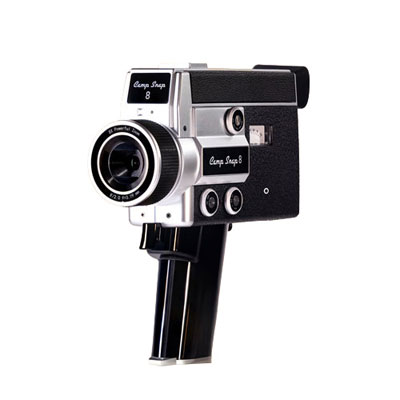 Your price for this item is $279.99
 -
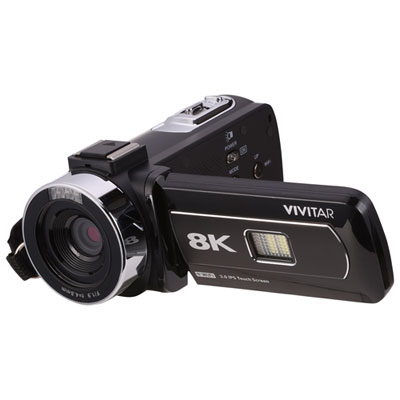 Your price for this item is $174.99
 -
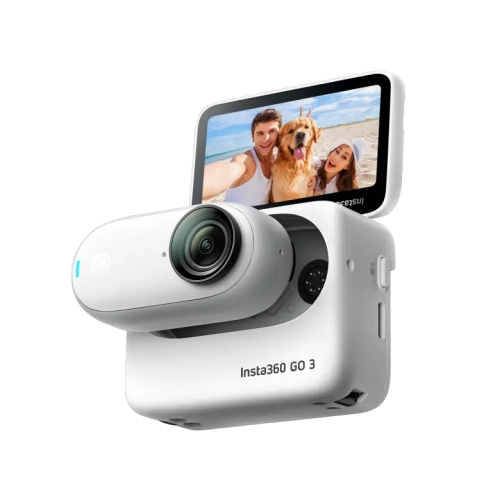 Your price for this item is $521.37
 -
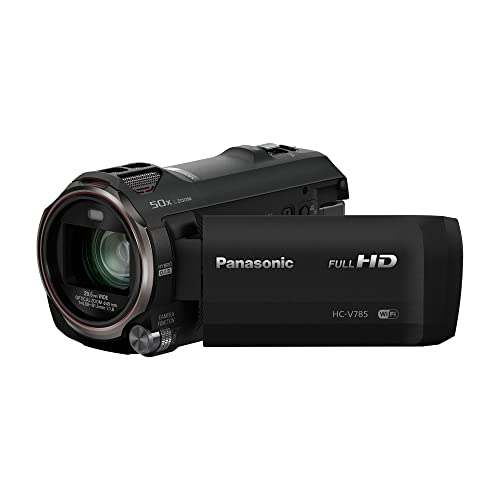 Your price for this item is $839.98
 -
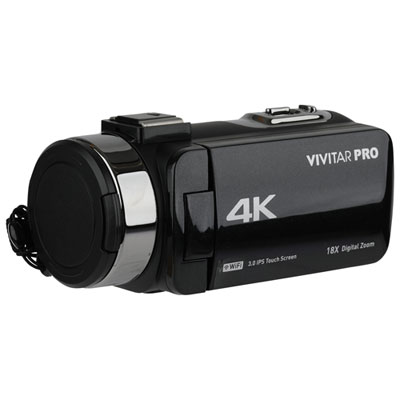 Your price for this item is $149.99
 -
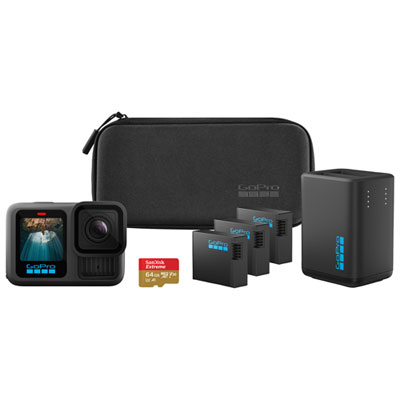 Your price for this item is $679.97
 -
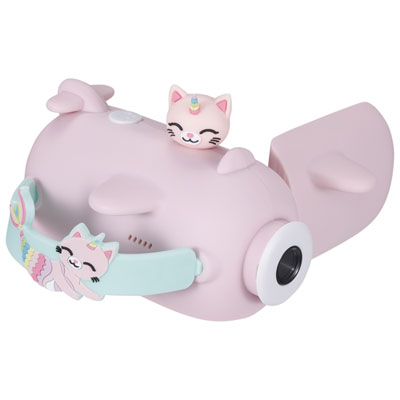 Your price for this item is $49.99
 -
 Your price for this item is $44.99
Discover more categories related to High Quality Video Cameras
Top Collections:
Pokemon Centers, Kindle Devices, Best Budget Office Chairs, Apple iPhones 16, Best Laptops for Writers, iPhone 15 Apple, Canon G7X Cameras, Refurbished Apple Laptops, Alarm Clock, Motorola Razr Phones
Some products may be subject to Environmental Handling Fees
(EHF) depending on your province.
Learn more about EHFs.