Truck Roof Top Tent
A truck rooftop tent is a new type of vehicle accessory that can be installed on the roof of a truck. It is designed to provide a space for camping and outdoor activities. These truck rooftop tents are made of high-quality materials, which can protect the user from the elements. It also has a waterproof membrane, which makes it possible to use it on rainy days.
Sort
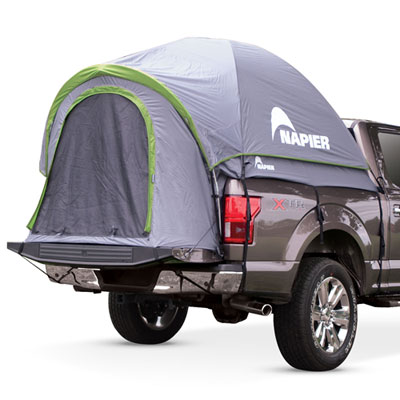
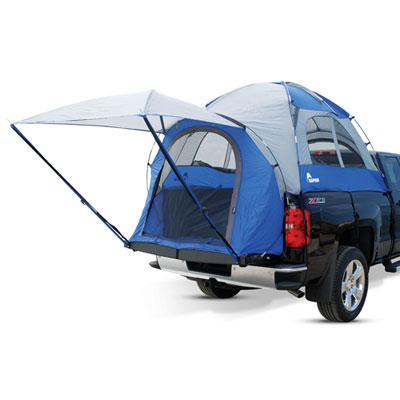
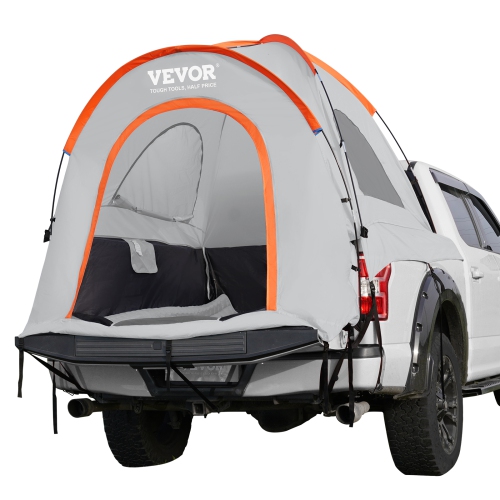
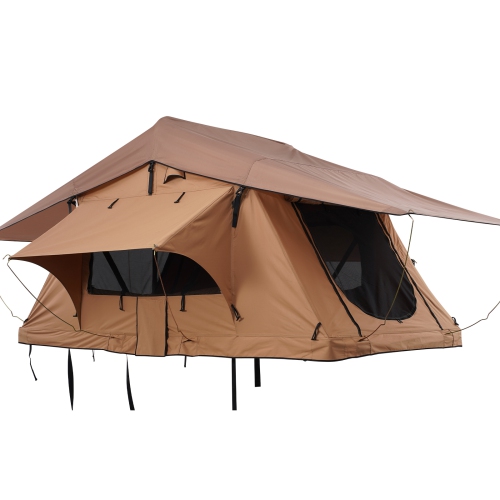
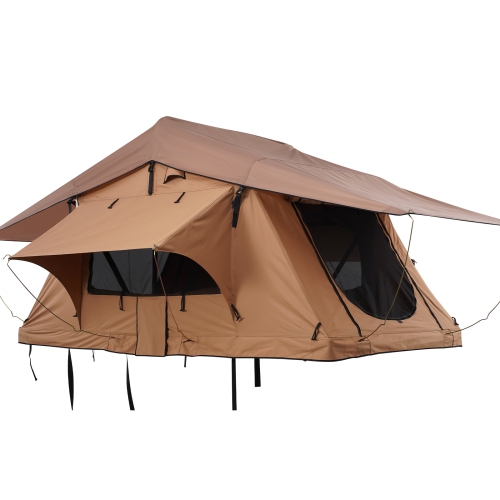
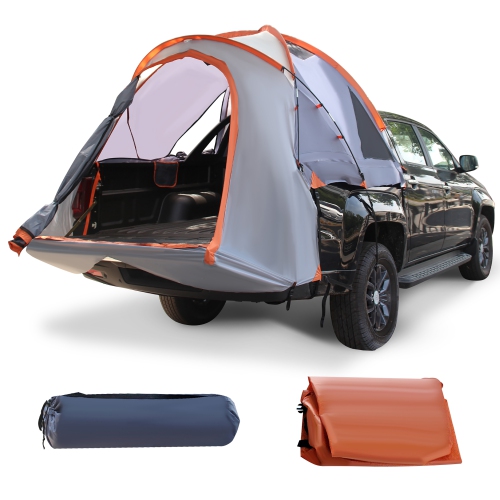
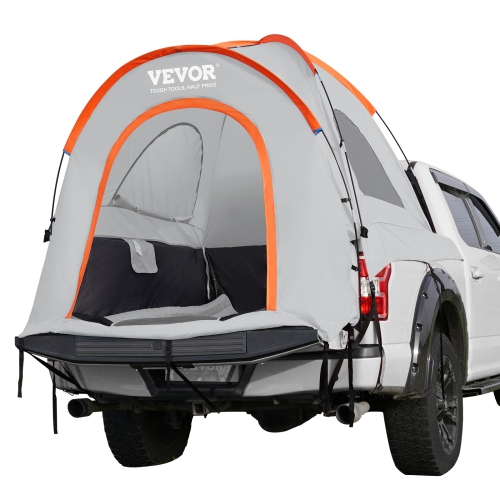
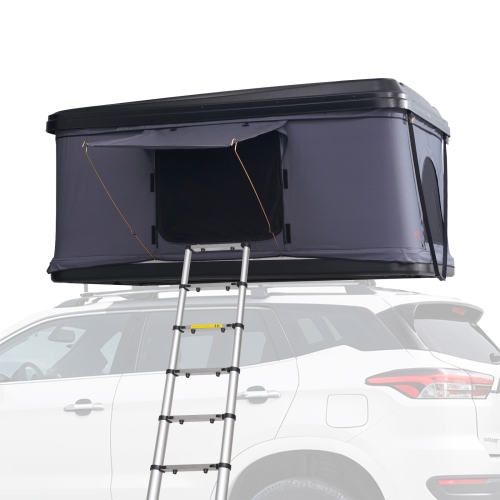
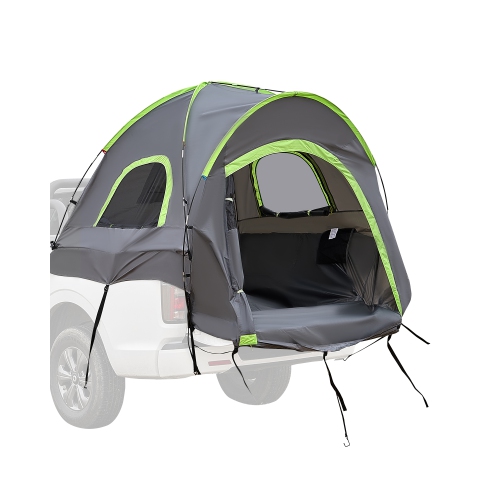
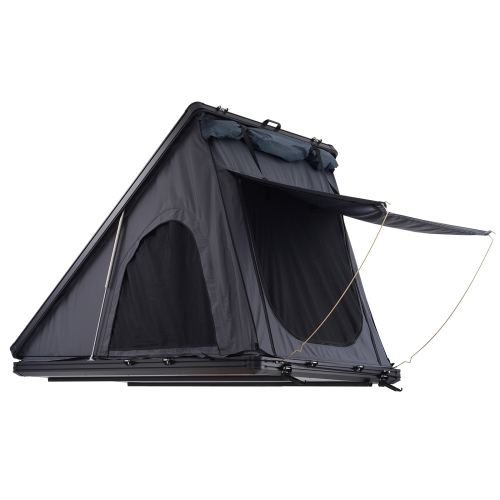
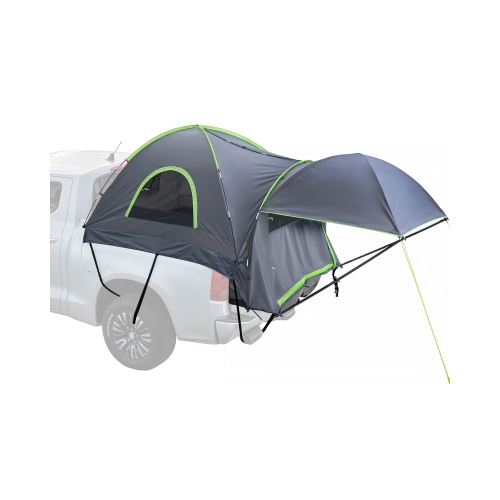
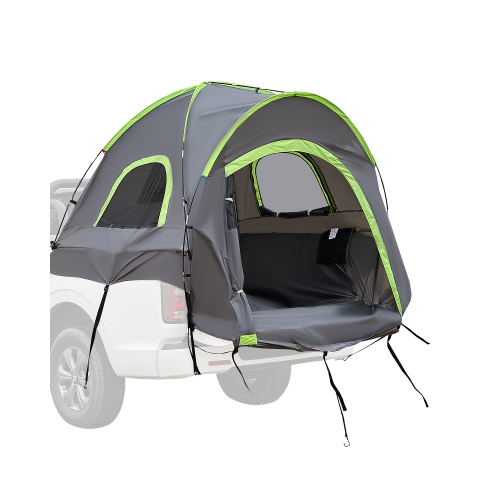
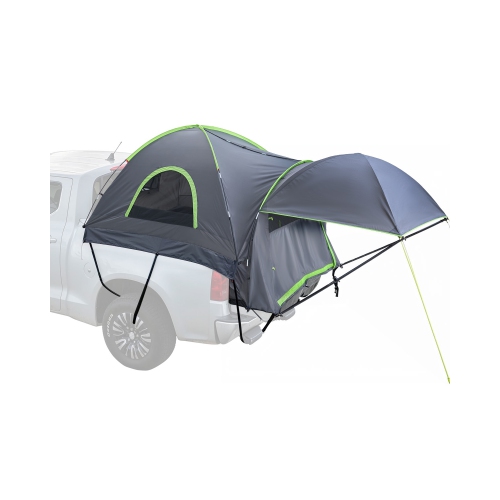
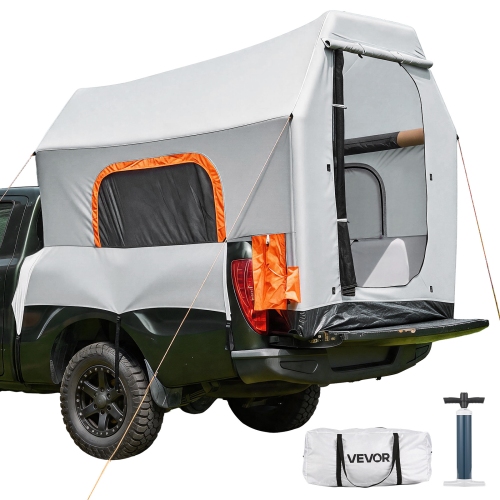
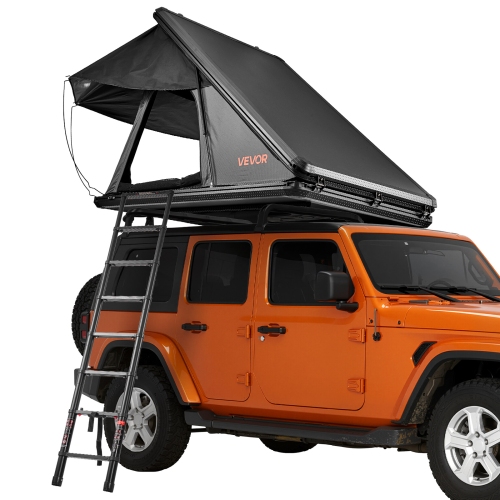
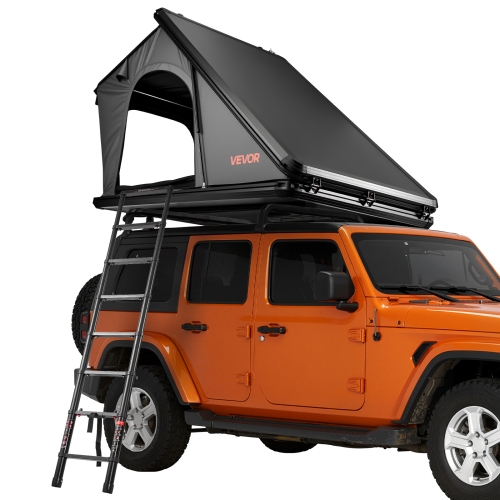
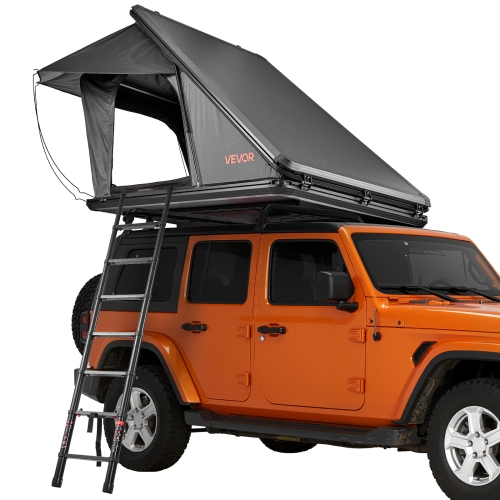
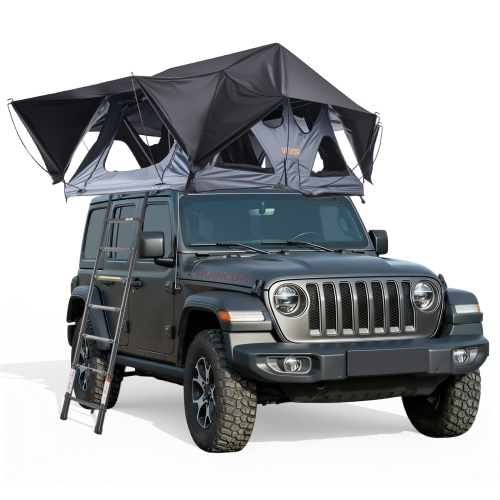
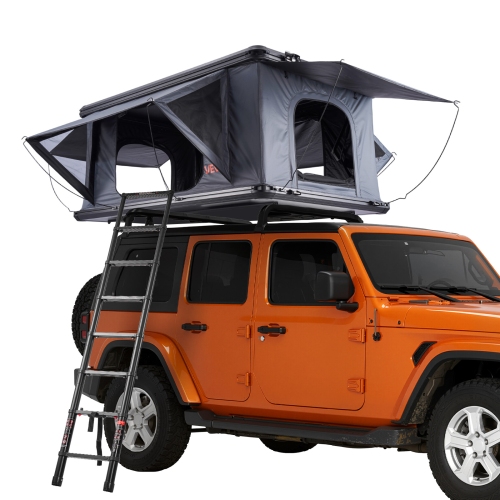
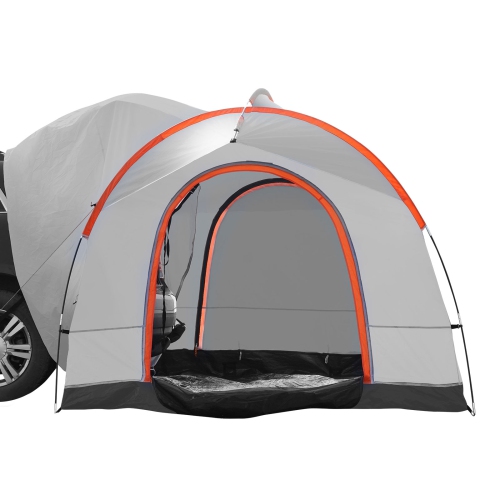
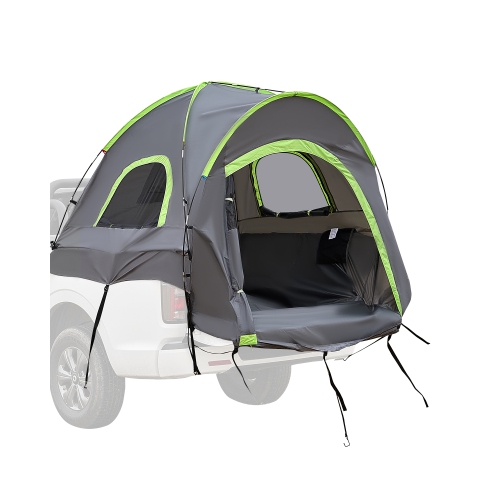
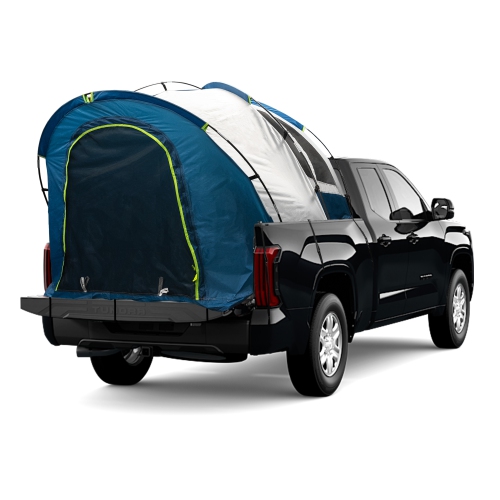

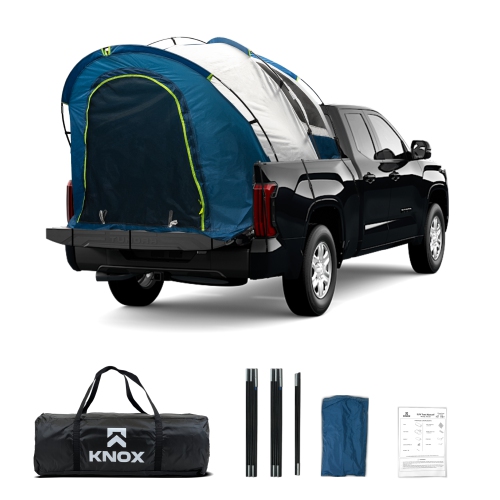
Comfortable overnight shelter that travels with your truck
Truck rooftop tents bring a comfortable sleeping space to the backcountry without requiring a trailer, cabin, or permanent campsite setup. Designed to mount above the bed of a compatible pickup truck, these tents can turn a weekend drive into an overnight escape while keeping the sleeping area raised above damp ground, uneven terrain, and some of the mud and debris found around a campsite. Many campers appreciate the practical layout: a built-in sleeping platform, a mattress area that stays packed with the tent, and a setup that can be opened once the truck is parked. That convenience is especially useful when travelling between campsites, exploring remote roads, or planning short overnight stops during the cooler months. A truck rooftop tent can also make a thoughtful gift for someone who enjoys road trips, fishing excursions, photography, hiking, or spending quiet evenings near a lake. Before choosing one, consider the truck’s roof or bed-mounted load capacity, the mounting system, the available space in the truck bed, and the tent’s packed dimensions. Compatibility matters because the support structure must be secure when the vehicle is moving and stable when the tent is occupied. Shoppers should also compare the sleeping capacity, mattress dimensions, ladder design, ventilation features, windows, and weather-resistant construction to find a setup that suits the way they travel.
The best fit depends on how much room campers need and how often they expect to set up and pack down. A compact tent may be easier to handle and leave more space for bins, coolers, or outdoor equipment, while a larger model can offer more sleeping room for two adults or a small family. Pay attention to the tent’s total weight, particularly when the truck already carries a canopy, toolboxes, bicycles, or other cargo. The packed height can affect garage clearance, low branches, and the ease of lifting the tent into position, while the footprint should work with the dimensions and layout of the truck bed. A sturdy ladder with a comfortable angle can make climbing in and out simpler, especially when the ground is dark or wet. Interior pockets, hanging points, skylights, and zippered windows can add everyday convenience without taking up much room. Good airflow is valuable during warmer evenings, while a well-designed rainfly, sealed seams, and durable fabric help create a more comfortable shelter when wind and rain arrive. For shoulder-season camping, look at the insulation beneath the sleeping area, the mattress thickness, and the ability to close vents without trapping too much condensation. Even a well-made tent benefits from thoughtful preparation: park on level ground, allow clearance for the opened tent, check that all mounting hardware is tightened, and give wet fabric time to dry before storing it. Keeping straps, poles, ladders, and fasteners clean and in good condition can make setup smoother on the next trip.
Truck rooftop tents work particularly well for travellers who prefer flexible itineraries and want their sleeping quarters to move with them. A couple might use one for a scenic drive with no fixed hotel bookings, while a family could use it as a compact base for daytime walks and evening meals beside the truck. They can also suit solo adventurers who value a ready-to-use sleeping area after a long day on the road. During cooler weather, a rooftop tent can provide a cosy place to settle in after sunset, with the raised platform offering a dry separation from the ground and a broad view through the windows when conditions are clear. It is still important to match the tent to the intended season and to follow the manufacturer’s guidance for wind, rain, snow, temperature, and maximum occupancy. A rooftop tent is not a substitute for safe parking practices, and it should never be opened where branches, power lines, unstable surfaces, or vehicle movement could create a hazard. Truck owners who need additional space for kayaks, cargo boxes, bikes, or other equipment may also want to explore compatible Car Roof Racks and confirm that multiple accessories will not exceed the vehicle’s limits. With the right fit and careful setup, a truck rooftop tent can make ordinary weekends feel more adventurous, from misty lakeside mornings to crisp evenings surrounded by forest, while keeping travel arrangements simple and adaptable through changing seasons.
The best fit depends on how much room campers need and how often they expect to set up and pack down. A compact tent may be easier to handle and leave more space for bins, coolers, or outdoor equipment, while a larger model can offer more sleeping room for two adults or a small family. Pay attention to the tent’s total weight, particularly when the truck already carries a canopy, toolboxes, bicycles, or other cargo. The packed height can affect garage clearance, low branches, and the ease of lifting the tent into position, while the footprint should work with the dimensions and layout of the truck bed. A sturdy ladder with a comfortable angle can make climbing in and out simpler, especially when the ground is dark or wet. Interior pockets, hanging points, skylights, and zippered windows can add everyday convenience without taking up much room. Good airflow is valuable during warmer evenings, while a well-designed rainfly, sealed seams, and durable fabric help create a more comfortable shelter when wind and rain arrive. For shoulder-season camping, look at the insulation beneath the sleeping area, the mattress thickness, and the ability to close vents without trapping too much condensation. Even a well-made tent benefits from thoughtful preparation: park on level ground, allow clearance for the opened tent, check that all mounting hardware is tightened, and give wet fabric time to dry before storing it. Keeping straps, poles, ladders, and fasteners clean and in good condition can make setup smoother on the next trip.
Truck rooftop tents work particularly well for travellers who prefer flexible itineraries and want their sleeping quarters to move with them. A couple might use one for a scenic drive with no fixed hotel bookings, while a family could use it as a compact base for daytime walks and evening meals beside the truck. They can also suit solo adventurers who value a ready-to-use sleeping area after a long day on the road. During cooler weather, a rooftop tent can provide a cosy place to settle in after sunset, with the raised platform offering a dry separation from the ground and a broad view through the windows when conditions are clear. It is still important to match the tent to the intended season and to follow the manufacturer’s guidance for wind, rain, snow, temperature, and maximum occupancy. A rooftop tent is not a substitute for safe parking practices, and it should never be opened where branches, power lines, unstable surfaces, or vehicle movement could create a hazard. Truck owners who need additional space for kayaks, cargo boxes, bikes, or other equipment may also want to explore compatible Car Roof Racks and confirm that multiple accessories will not exceed the vehicle’s limits. With the right fit and careful setup, a truck rooftop tent can make ordinary weekends feel more adventurous, from misty lakeside mornings to crisp evenings surrounded by forest, while keeping travel arrangements simple and adaptable through changing seasons.
Top selling and popular products
-
 Your price for this item is $26.99
 -
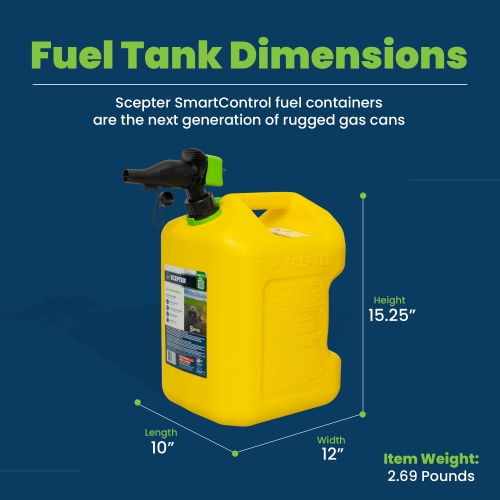 Your price for this item is $104.99
 -
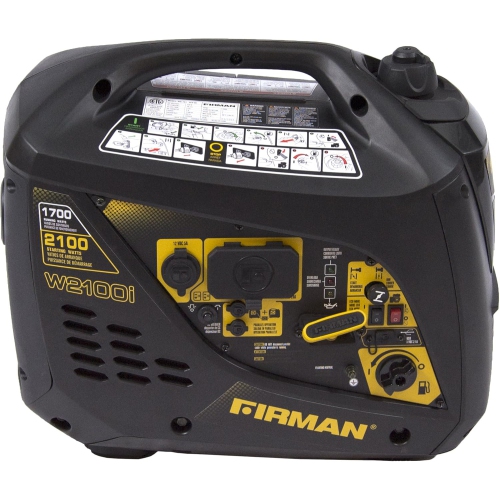 Your price for this item is $854.05
 -
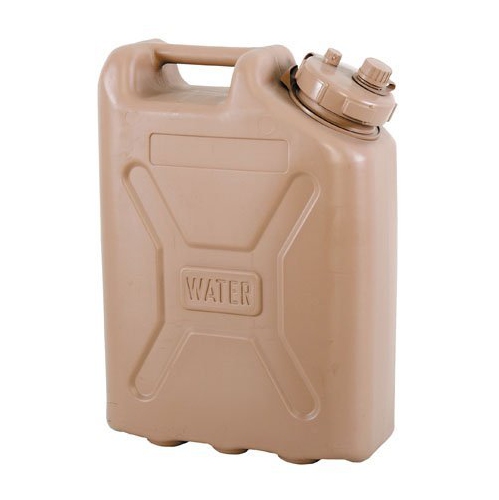 Your price for this item is $130.99
 -
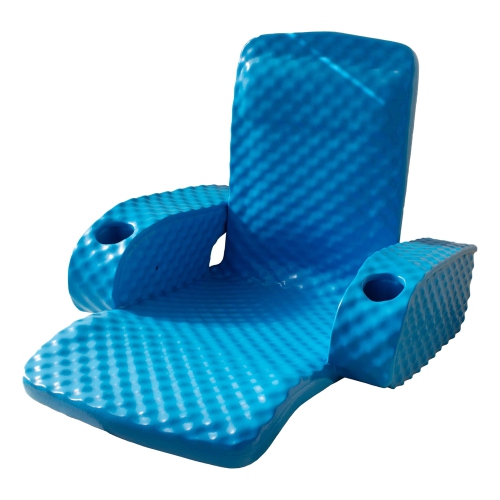 Your price for this item is $1505.99
 -
 Your price for this item is $232.99
 -
 Your price for this item is $46.71
 -
 Your price for this item is $161.99
Discover more categories related to Truck Roof Top Tent
Top Collections:
Pokemon Centers, Kindle Devices, Best Budget Office Chairs, Apple iPhones 16, Best Laptops for Writers, iPhone 15 Apple, Canon G7X Cameras, Refurbished Apple Laptops, Alarm Clock, Motorola Razr Phones
Some products may be subject to Environmental Handling Fees
(EHF) depending on your province.
Learn more about EHFs.