Tents for SUV
Tents for SUVs offer a convenient and comfortable camping experience for outdoor enthusiasts who want to stay close to their vehicle. They provide a sheltered and elevated sleeping area that protects campers from the elements while they enjoy the great outdoors. Here are some of the tents that fit your SUV that we offer.
Sort

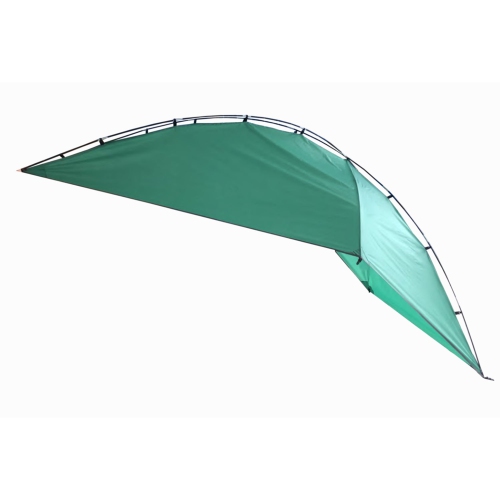
How SUV tents connect campsite comfort with vehicle access
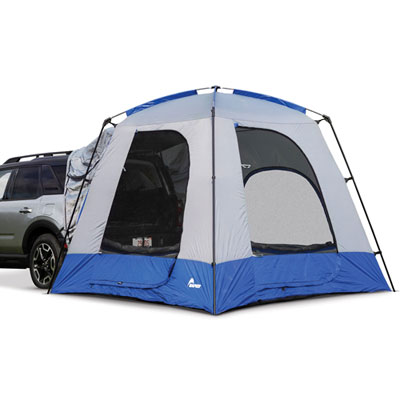
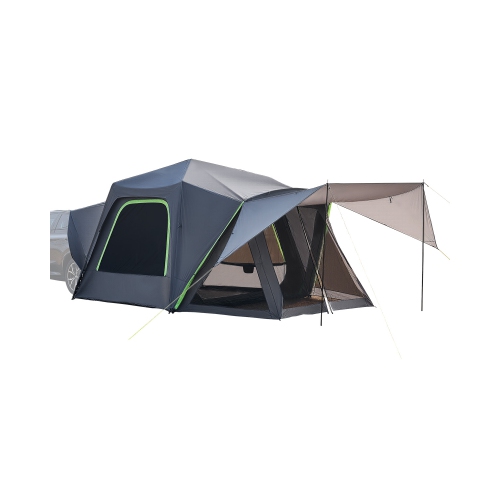
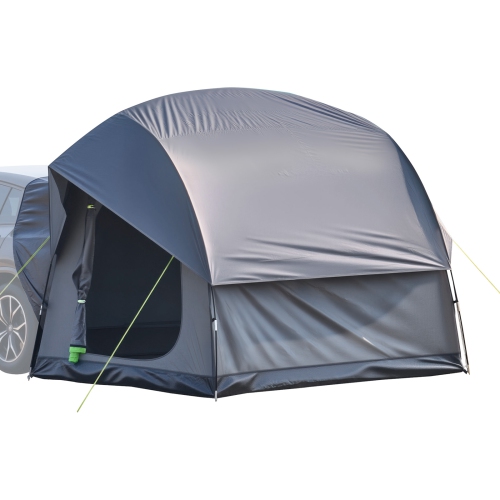
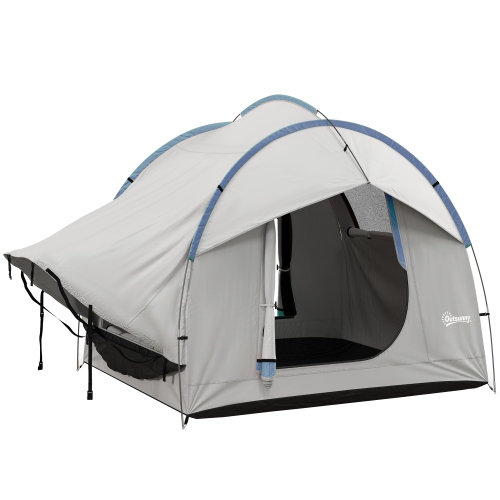
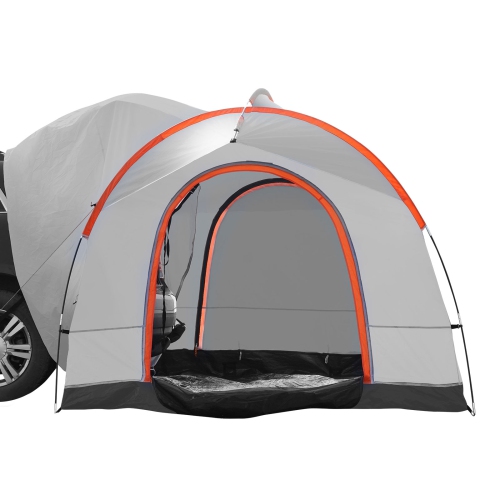
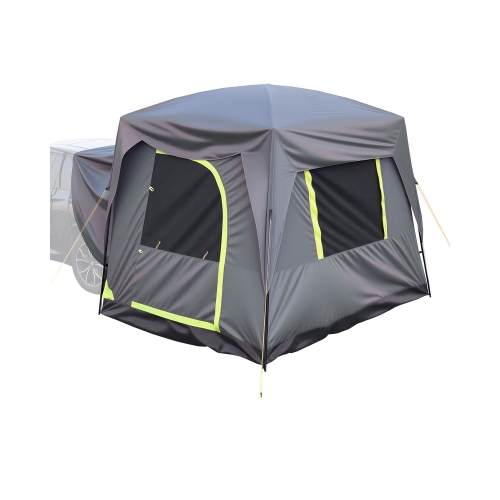
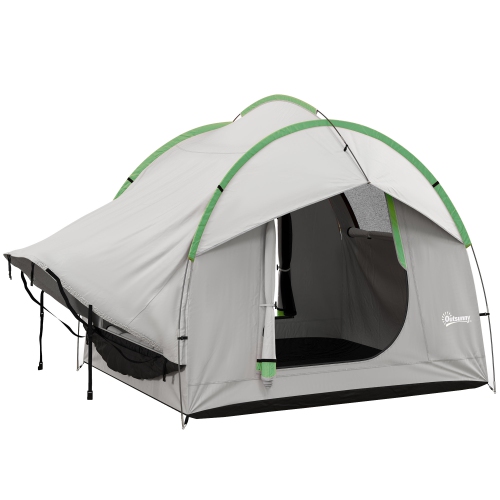
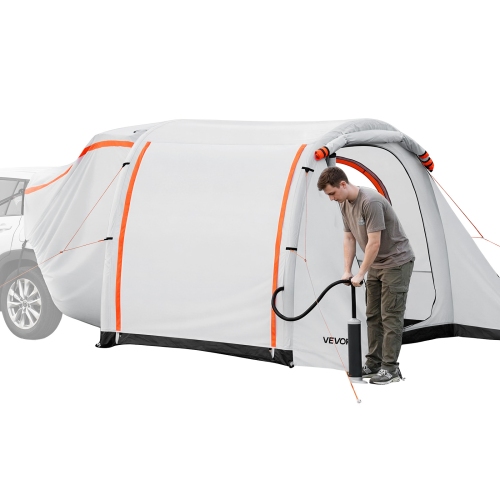
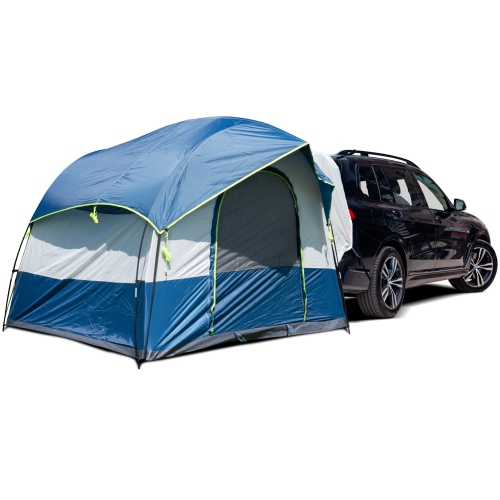
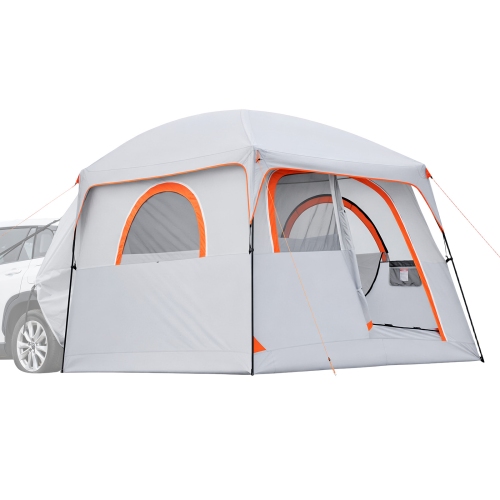
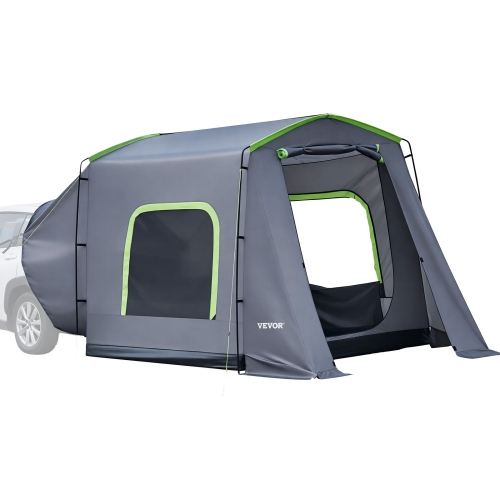
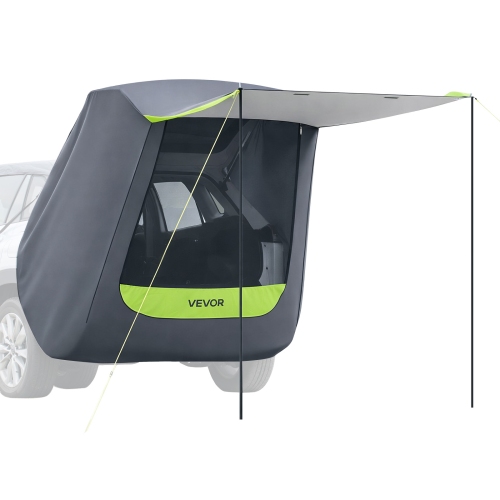
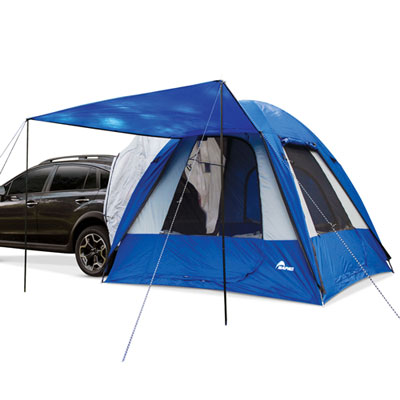
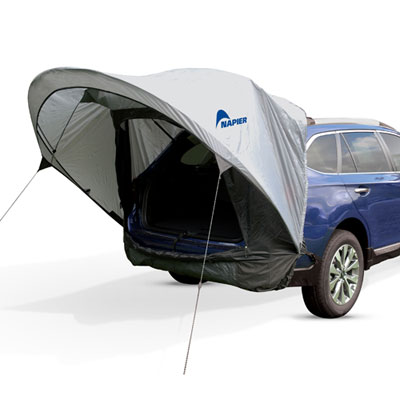
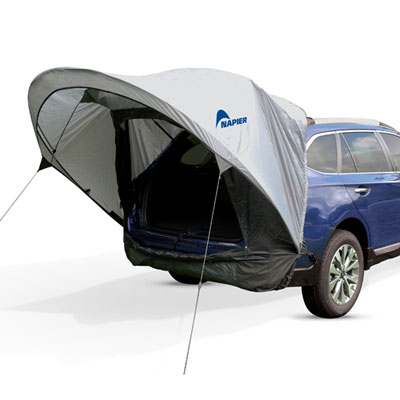
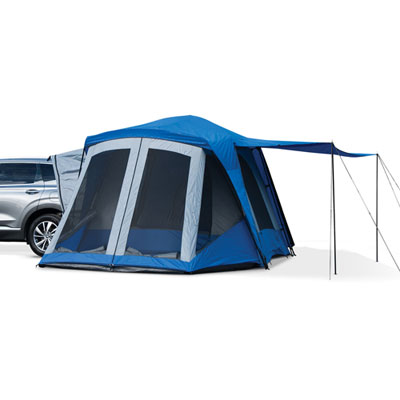
Tents for SUV are designed to extend the usable space of a crossover, SUV, or minivan by connecting a shelter to the open rear hatch or cargo area. Instead of treating the vehicle as a separate part of the campsite, an SUV tent can create a practical transition between the back of the vehicle and the tent interior, giving campers easier access to stored gear, blankets, food containers, clothing, and other essentials. Many designs include a vehicle sleeve that zips, straps, or fits around the raised hatch to help close gaps and limit the entry of insects, light rain, and cool air. Some models also include a full sewn-in floor, while others use a floorless connection area so the cargo compartment can remain accessible. Stand-alone capability is another useful feature: certain SUV tents can be detached from the vehicle and used as traditional ground tents when the vehicle needs to leave the campsite for supplies, sightseeing, or a day on the trail. When comparing options, measure the rear hatch height and width, check the recommended vehicle types, and review the attachment method before making a selection. Roof racks, spoilers, spare tires, side-opening tailgates, and unusual hatch shapes can affect the fit, so vehicle compatibility details deserve close attention. Campers who enjoy road trips often appreciate having a flexible shelter that works alongside their existing vehicle, while families may value the extra room for changing, relaxing, or keeping younger children close to familiar belongings. For a related style of vehicle-based shelter, browse Truck Tent options as well.
Comfort and protection depend on more than the number of people listed in a tent’s capacity. Consider the floor dimensions, peak height, sleeping arrangement, and amount of room needed for bags or camp furniture. A tent advertised for several occupants may feel more comfortable for fewer people when everyone has sleeping pads, duffel bags, boots, and outer layers inside. A larger footprint can be helpful for family camping, but it also requires a level, clear site with enough room behind the vehicle for the sleeve and enough space around the sides for guy lines. Look for a rainfly that provides broad coverage, taped seams that help limit water entry, and a durable bathtub-style floor with raised edges to reduce the chance of runoff reaching the sleeping area. Mesh windows and roof panels can improve airflow during warmer conditions, while closable panels help retain warmth during cooler months. A screened rear opening can make it easier to reach the cargo area without opening the entire tent, and interior pockets or hanging points help keep headlamps, keys, phones, and small items off the floor. Setup details matter as well. Colour-coded poles, clear instructions, sturdy buckles, and a manageable packed size can make arrival at a campsite much less frustrating, especially when daylight is fading or the ground is damp. Before heading out, practise assembling the tent at home and confirm that the hatch can open fully without placing strain on the fabric. The vehicle should be parked securely, with the tent properly staked and guy lines positioned away from walking paths. Never drive with the shelter attached, and follow the manufacturer’s instructions for disconnecting the sleeve, lowering the hatch, and packing the tent so it is dry and free of debris.
SUV tents can suit weekend campers, families travelling between parks, anglers who want convenient access to equipment, and road-trippers who prefer a campsite that feels connected to the vehicle. They can also be a thoughtful gift for someone who spends time at campgrounds but does not want to invest in a trailer or permanently modify a vehicle. A gift buyer may want to confirm the recipient’s vehicle type, typical group size, and preferred camping style before choosing a size, since a tent intended for occasional solo trips may not offer enough space for a family. These shelters are useful for more than sleeping: the covered area can provide a place to change out of wet clothing, organize equipment, sit out a passing shower, or enjoy a meal away from the sleeping area. As the weather moves through cooler conditions, campers should pay close attention to the tent’s temperature guidance and plan appropriate sleeping bags, insulated mats, blankets, and clothing. Many tents are intended for three-season use rather than severe cold, heavy snowfall, or exposed winter conditions, and a rainfly is not a substitute for proper site selection or suitable camping equipment. Choose a dry, level location away from low ground where water may collect, clear sharp stones and branches before pitching, and keep cooking equipment and open flames outside the tent. After each outing, allow the shelter to dry completely before storing it in its carry bag to help prevent odours and fabric damage. With the right fit, thoughtful setup, and realistic expectations about capacity and weather, tents for SUV can make vehicle-based camping more comfortable, organized, and adaptable.
Comfort and protection depend on more than the number of people listed in a tent’s capacity. Consider the floor dimensions, peak height, sleeping arrangement, and amount of room needed for bags or camp furniture. A tent advertised for several occupants may feel more comfortable for fewer people when everyone has sleeping pads, duffel bags, boots, and outer layers inside. A larger footprint can be helpful for family camping, but it also requires a level, clear site with enough room behind the vehicle for the sleeve and enough space around the sides for guy lines. Look for a rainfly that provides broad coverage, taped seams that help limit water entry, and a durable bathtub-style floor with raised edges to reduce the chance of runoff reaching the sleeping area. Mesh windows and roof panels can improve airflow during warmer conditions, while closable panels help retain warmth during cooler months. A screened rear opening can make it easier to reach the cargo area without opening the entire tent, and interior pockets or hanging points help keep headlamps, keys, phones, and small items off the floor. Setup details matter as well. Colour-coded poles, clear instructions, sturdy buckles, and a manageable packed size can make arrival at a campsite much less frustrating, especially when daylight is fading or the ground is damp. Before heading out, practise assembling the tent at home and confirm that the hatch can open fully without placing strain on the fabric. The vehicle should be parked securely, with the tent properly staked and guy lines positioned away from walking paths. Never drive with the shelter attached, and follow the manufacturer’s instructions for disconnecting the sleeve, lowering the hatch, and packing the tent so it is dry and free of debris.
SUV tents can suit weekend campers, families travelling between parks, anglers who want convenient access to equipment, and road-trippers who prefer a campsite that feels connected to the vehicle. They can also be a thoughtful gift for someone who spends time at campgrounds but does not want to invest in a trailer or permanently modify a vehicle. A gift buyer may want to confirm the recipient’s vehicle type, typical group size, and preferred camping style before choosing a size, since a tent intended for occasional solo trips may not offer enough space for a family. These shelters are useful for more than sleeping: the covered area can provide a place to change out of wet clothing, organize equipment, sit out a passing shower, or enjoy a meal away from the sleeping area. As the weather moves through cooler conditions, campers should pay close attention to the tent’s temperature guidance and plan appropriate sleeping bags, insulated mats, blankets, and clothing. Many tents are intended for three-season use rather than severe cold, heavy snowfall, or exposed winter conditions, and a rainfly is not a substitute for proper site selection or suitable camping equipment. Choose a dry, level location away from low ground where water may collect, clear sharp stones and branches before pitching, and keep cooking equipment and open flames outside the tent. After each outing, allow the shelter to dry completely before storing it in its carry bag to help prevent odours and fabric damage. With the right fit, thoughtful setup, and realistic expectations about capacity and weather, tents for SUV can make vehicle-based camping more comfortable, organized, and adaptable.
Top selling and popular products
-
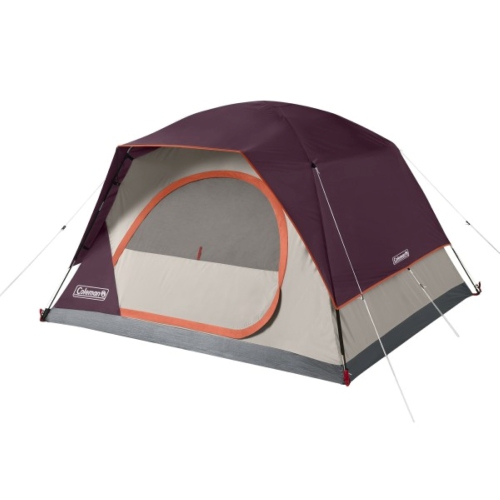 Your price for this item is $240.99
 -
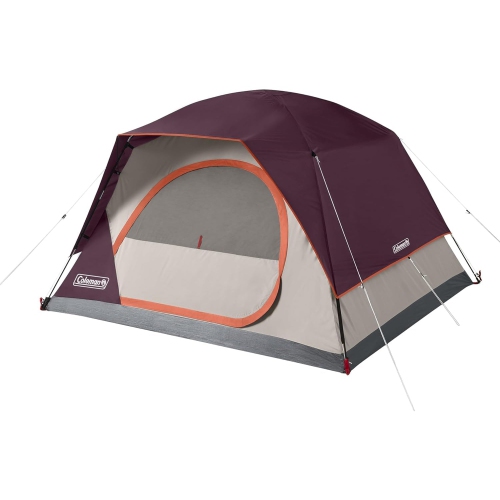 Your price for this item is $239.97
 -
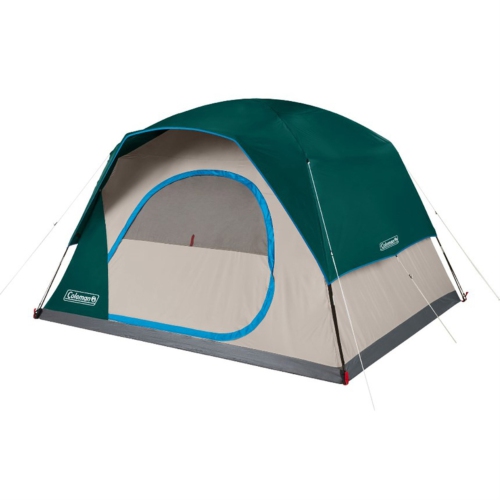 Your price for this item is $241.12
 -
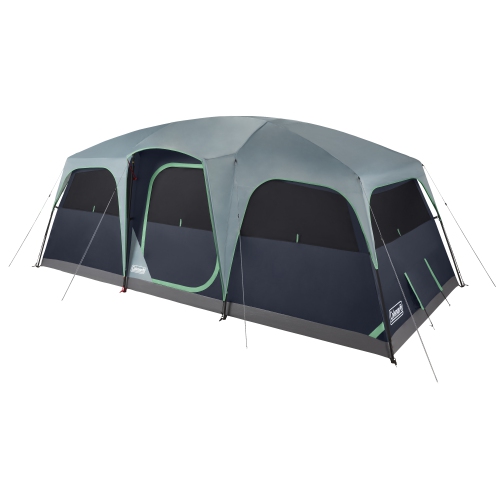 Your price for this item is $509.99
 -
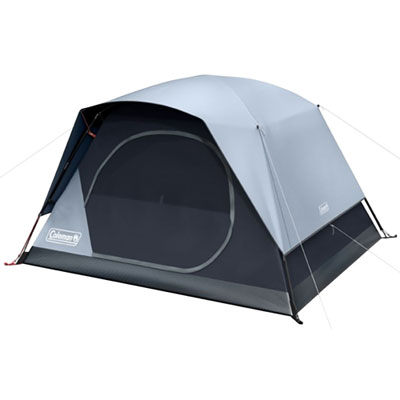 Your price for this item is $199.99
 -
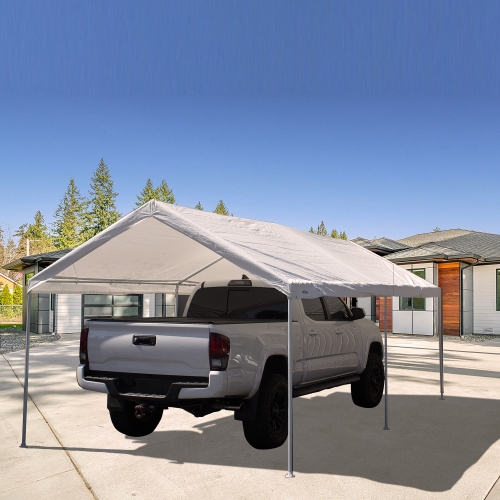 Your price for this item is $727.99
 -
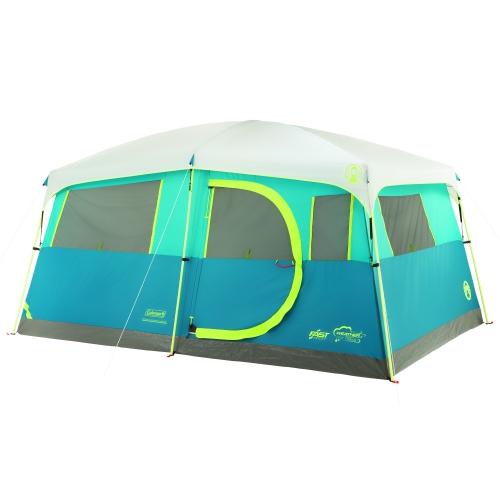 Your price for this item is $427.99
 -
 Your price for this item is $499.99
Discover more categories related to Tents for SUV
Top Collections:
Pokemon Centers, Kindle Devices, Best Budget Office Chairs, Apple iPhones 16, Best Laptops for Writers, iPhone 15 Apple, Canon G7X Cameras, Refurbished Apple Laptops, Alarm Clock, Motorola Razr Phones
Some products may be subject to Environmental Handling Fees
(EHF) depending on your province.
Learn more about EHFs.