Automotive Diagnostic Tools
Looking to diagnose and troubleshoot issues with your vehicle? Look no further than our collection of automotive diagnostic tools. Equipped with advanced technology and precision, these tools are designed to help you identify problems quickly and accurately. Whether you're a professional mechanic or a DIY enthusiast, our range of automotive diagnostic tools will empower you to take control of your vehicle's health. From code readers and scan tools to multimeters and oscilloscopes, we have everything you need to keep your car running smoothly. Explore our selection today and discover the power of automotive diagnostics.
Sort

From warning codes to deeper vehicle troubleshooting
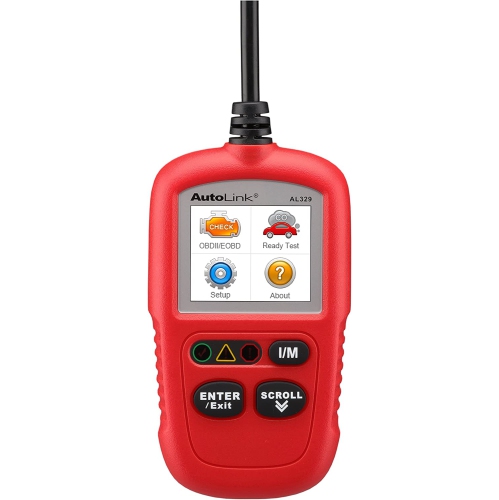
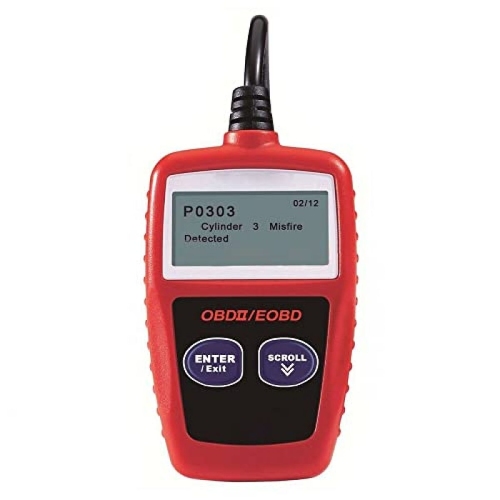
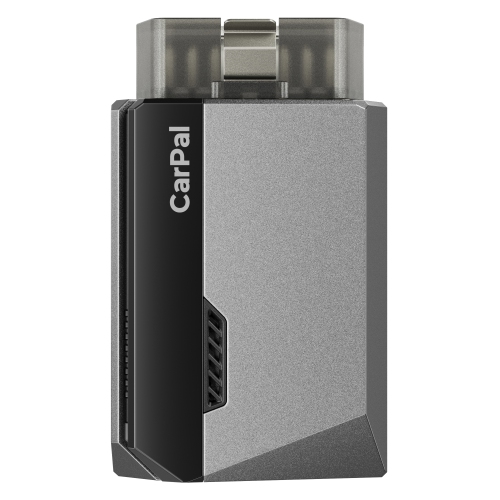
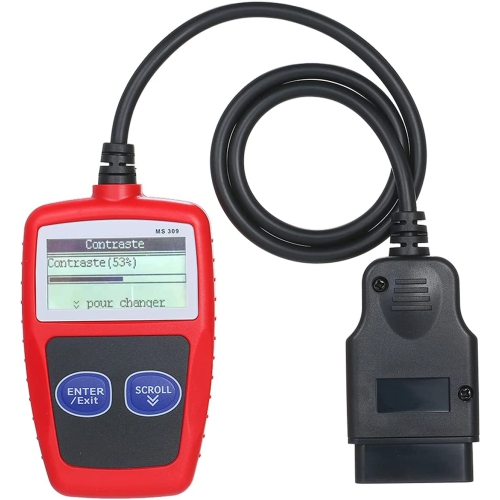
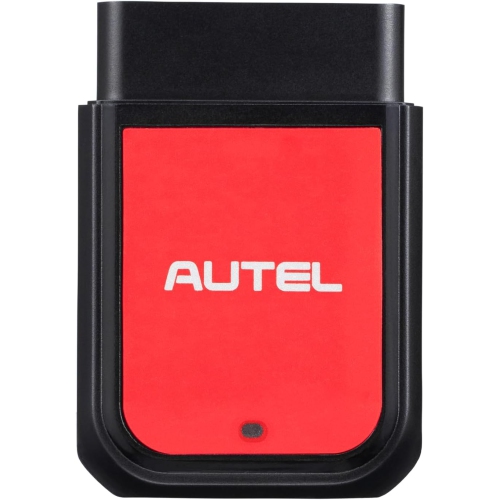
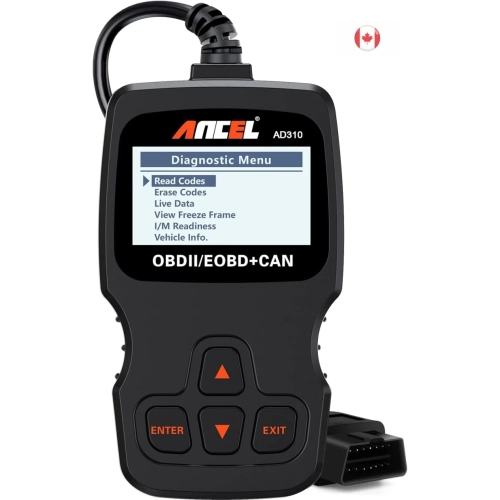
Automotive diagnostic tools help drivers, home mechanics, and professional technicians understand what may be happening inside a vehicle before replacing parts or booking a repair. The range begins with compact OBD2 code readers that plug into the diagnostic port beneath the dashboard and retrieve standard check engine light codes. These straightforward devices are useful for identifying whether a warning relates to an engine, emissions, or sensor system, and many can display basic live data such as engine speed, coolant temperature, or oxygen sensor readings. More capable automotive scan tools can access multiple vehicle systems, including the transmission, anti-lock braking system, airbag system, body control module, and more. This broader coverage can make a significant difference when a warning light appears without an obvious change in how the vehicle drives. A code is a starting point rather than a complete diagnosis: it points toward a system or condition, but further testing is often needed to confirm the cause. A loose connector, weak battery, damaged wiring, vacuum leak, or failing component can sometimes produce similar symptoms. For shoppers comparing tools, vehicle compatibility is one of the most important details to check. Look for support for the vehicle’s model year, engine, communication protocols, and required functions, particularly when working with European, Asian, domestic, hybrid, or newer vehicles. A device with a clear screen, plain-language descriptions, stored code information, and an intuitive menu can be easier to use beside a vehicle in a dim garage or driveway. Wireless connectivity may make it convenient to view results on a phone or tablet, while a dedicated handheld unit can be quick to pick up and use without opening another app. Browse related options in [Automotive Tools] to compare diagnostic equipment alongside other useful vehicle accessories.
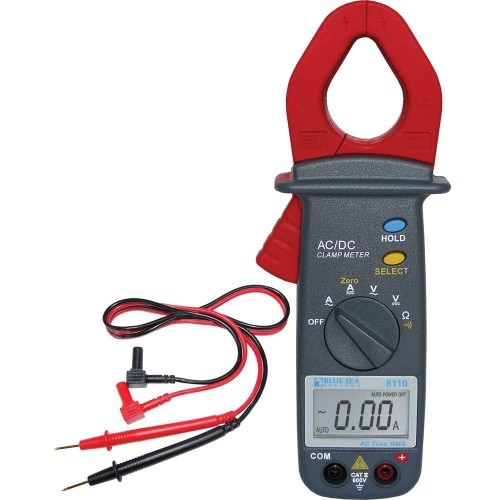
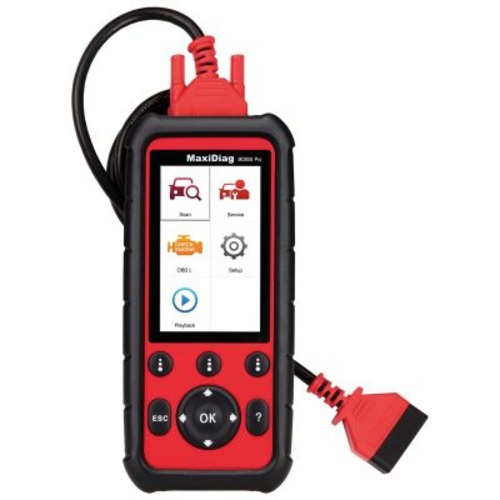
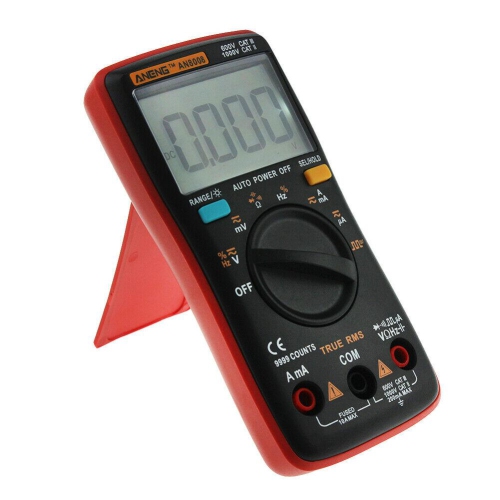
More advanced automotive diagnostic tools are designed for deeper troubleshooting and service work. Full-system scanners can read and clear faults across several modules, display detailed live data, record information during a test drive, and perform maintenance resets after approved service has been completed. Depending on the vehicle and the tool, supported functions may include oil-life resets, battery registration, electronic parking brake service, steering angle calibration, diesel particulate filter procedures, throttle relearns, and airbag or ABS-related checks. Always confirm that a function is supported for the specific vehicle before beginning a procedure, since capabilities can vary by make, model, year, trim, and software version. Bi-directional scanners take diagnostics another step by allowing the user to send commands to selected vehicle components and observe their response. A technician may use this capability to activate a cooling fan, fuel pump, injector, relay, window motor, or other system during testing, helping separate a control problem from a component or wiring problem. These tools are particularly useful for experienced DIY users, mobile technicians, and repair shops that need more than stored fault codes. Digital multimeters are another valuable part of a diagnostic setup, especially for electrical problems. They can measure battery voltage, charging output, resistance, continuity, and voltage drops that may reveal a poor ground or corroded connection. Automotive oscilloscopes provide a more detailed view of changing electrical signals and can help evaluate sensors, ignition patterns, injectors, and communication networks such as CAN bus systems. Because advanced testing can affect vehicle systems, it is important to follow the service information for the vehicle, connect the tool correctly, and avoid sending commands when the vehicle is in an unsafe position or when moving parts could create a hazard.
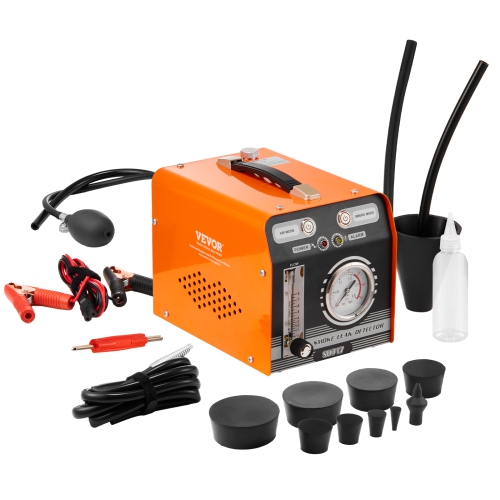
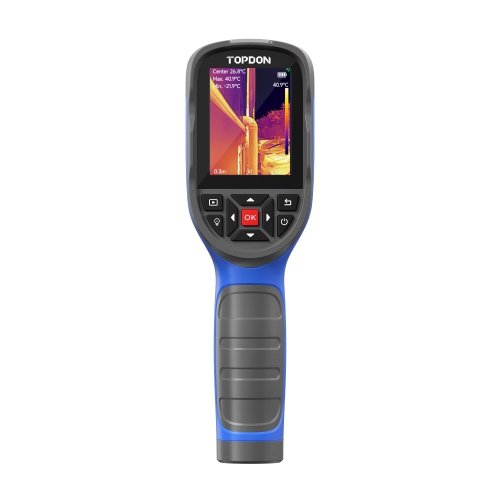
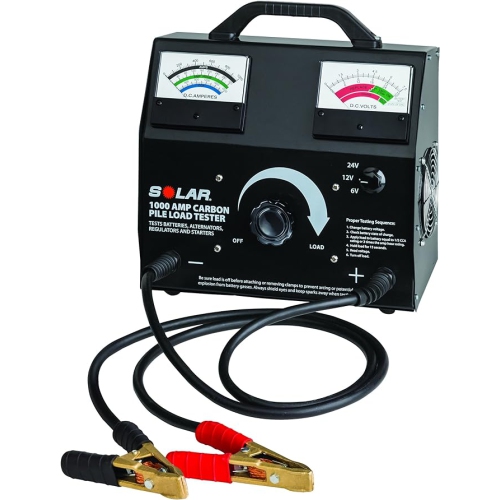
Specialized automotive testers can help investigate issues that a scan tool alone cannot locate. Battery and charging-system analyzers can assess starting batteries, alternators, and cranking performance, which is especially helpful when a vehicle turns over slowly or struggles after sitting during cooler weather. A thermal imaging camera can reveal unusual heat patterns around wheel hubs, electrical connections, fuses, relays, exhaust components, or cooling-system areas without relying only on touch. Smoke machines can help locate small intake, vacuum, evaporative-emissions, or exhaust leaks by filling a sealed system with visible smoke under controlled conditions. These tools are often chosen by serious home mechanics who enjoy maintaining their own vehicles, as well as by professionals who need to trace intermittent faults efficiently. They can also make practical gifts for a new driver, a hands-on vehicle owner, or someone setting up a home garage, provided the recipient’s vehicle compatibility and experience level are considered. For occasional use, a basic code reader may be enough to understand a warning and decide whether a vehicle should be driven to a service centre. Someone maintaining an older vehicle, managing several cars, or diagnosing recurring electrical problems may benefit from live-data support, broader system coverage, battery testing, and regular software updates. A professional user may prioritize fast navigation, secure vehicle communication, extensive coverage, guided tests, report sharing, and ongoing access to updated databases. Keep the tool, cables, and instructions organized, and record the original codes and symptoms before clearing anything; that simple habit preserves useful information for follow-up testing. Whether a dashboard light appears during a familiar commute, a vehicle behaves differently during a cold start, or an intermittent fault returns after a repair, the right automotive diagnostic tool can turn vague symptoms into measurable information and help guide the next sensible step.
More advanced automotive diagnostic tools are designed for deeper troubleshooting and service work. Full-system scanners can read and clear faults across several modules, display detailed live data, record information during a test drive, and perform maintenance resets after approved service has been completed. Depending on the vehicle and the tool, supported functions may include oil-life resets, battery registration, electronic parking brake service, steering angle calibration, diesel particulate filter procedures, throttle relearns, and airbag or ABS-related checks. Always confirm that a function is supported for the specific vehicle before beginning a procedure, since capabilities can vary by make, model, year, trim, and software version. Bi-directional scanners take diagnostics another step by allowing the user to send commands to selected vehicle components and observe their response. A technician may use this capability to activate a cooling fan, fuel pump, injector, relay, window motor, or other system during testing, helping separate a control problem from a component or wiring problem. These tools are particularly useful for experienced DIY users, mobile technicians, and repair shops that need more than stored fault codes. Digital multimeters are another valuable part of a diagnostic setup, especially for electrical problems. They can measure battery voltage, charging output, resistance, continuity, and voltage drops that may reveal a poor ground or corroded connection. Automotive oscilloscopes provide a more detailed view of changing electrical signals and can help evaluate sensors, ignition patterns, injectors, and communication networks such as CAN bus systems. Because advanced testing can affect vehicle systems, it is important to follow the service information for the vehicle, connect the tool correctly, and avoid sending commands when the vehicle is in an unsafe position or when moving parts could create a hazard.
Specialized automotive testers can help investigate issues that a scan tool alone cannot locate. Battery and charging-system analyzers can assess starting batteries, alternators, and cranking performance, which is especially helpful when a vehicle turns over slowly or struggles after sitting during cooler weather. A thermal imaging camera can reveal unusual heat patterns around wheel hubs, electrical connections, fuses, relays, exhaust components, or cooling-system areas without relying only on touch. Smoke machines can help locate small intake, vacuum, evaporative-emissions, or exhaust leaks by filling a sealed system with visible smoke under controlled conditions. These tools are often chosen by serious home mechanics who enjoy maintaining their own vehicles, as well as by professionals who need to trace intermittent faults efficiently. They can also make practical gifts for a new driver, a hands-on vehicle owner, or someone setting up a home garage, provided the recipient’s vehicle compatibility and experience level are considered. For occasional use, a basic code reader may be enough to understand a warning and decide whether a vehicle should be driven to a service centre. Someone maintaining an older vehicle, managing several cars, or diagnosing recurring electrical problems may benefit from live-data support, broader system coverage, battery testing, and regular software updates. A professional user may prioritize fast navigation, secure vehicle communication, extensive coverage, guided tests, report sharing, and ongoing access to updated databases. Keep the tool, cables, and instructions organized, and record the original codes and symptoms before clearing anything; that simple habit preserves useful information for follow-up testing. Whether a dashboard light appears during a familiar commute, a vehicle behaves differently during a cold start, or an intermittent fault returns after a repair, the right automotive diagnostic tool can turn vague symptoms into measurable information and help guide the next sensible step.
Top selling and popular products
-
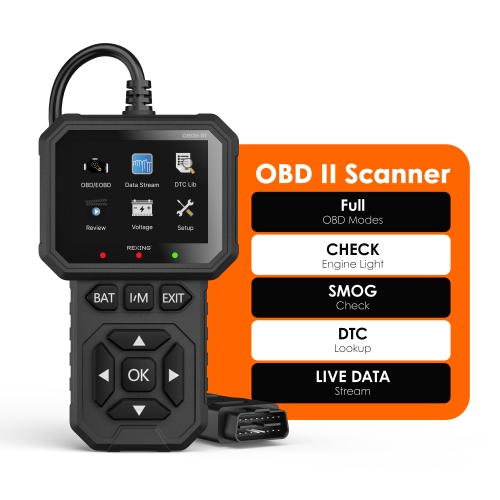 Your price for this item is $59.99
 -
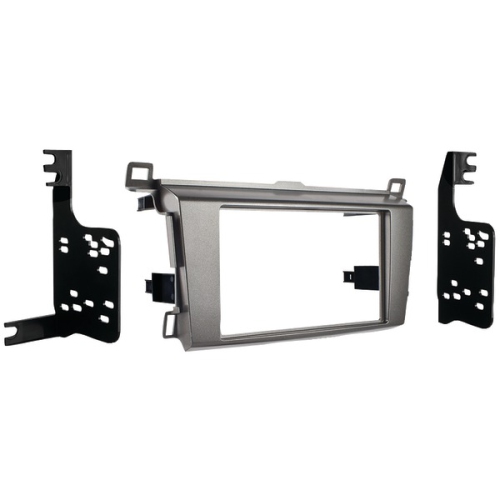 Your price for this item is $78.93
 -
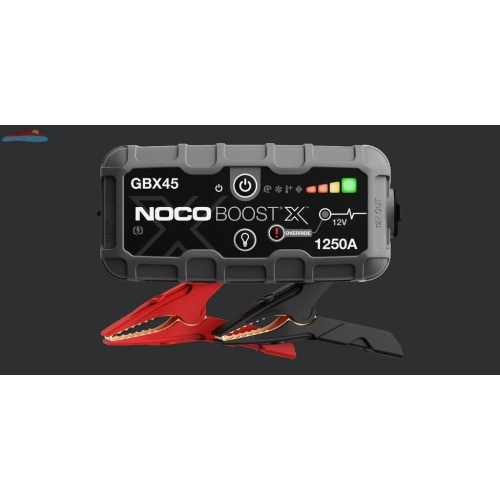 Your price for this item is $185.95
 -
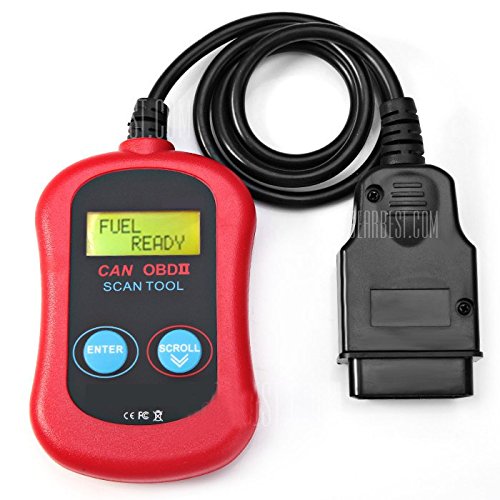 Your price for this item is $16.99
 -
 Your price for this item is $14.99
 -
 Your price for this item is $413.95
 -
 Your price for this item is $52.99
 -
 Your price for this item is $59.99
Discover more categories related to Automotive Diagnostic Tools
Top Collections:
Pokemon Centers, Kindle Devices, Best Cell Phones Under $500, Alarm Clock, Canon G7X Cameras, iPhone 15 Apple, Laptops for Students, Budget Smartphones, iPhone 14 256GB, Best Camera Tripods Under $100
Some products may be subject to Environmental Handling Fees
(EHF) depending on your province.
Learn more about EHFs.