Automotive Diagnostic Scanners
Our automotive diagnostic scanners are designed to help you identify and troubleshoot any issues with your vehicle's engine, transmission, electrical system, and more. With their advanced technology and user-friendly interfaces, these scanners make it easy for both professional mechanics and DIY enthusiasts to diagnose problems quickly and accurately. Whether you're looking to maintain your car's performance or want to be prepared for any unexpected breakdowns on the road, our range of automotive diagnostic scanners has got you covered.
Sort




















What warning lights can reveal before a repair visit
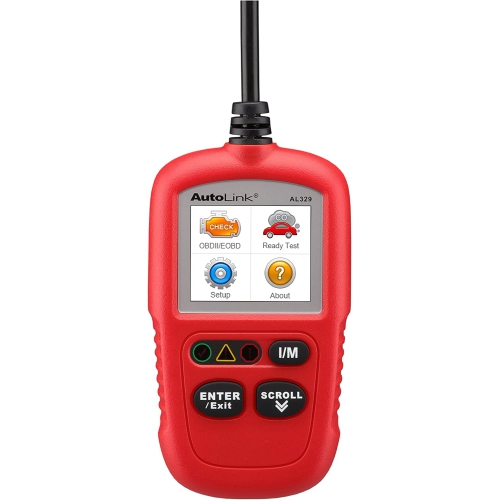
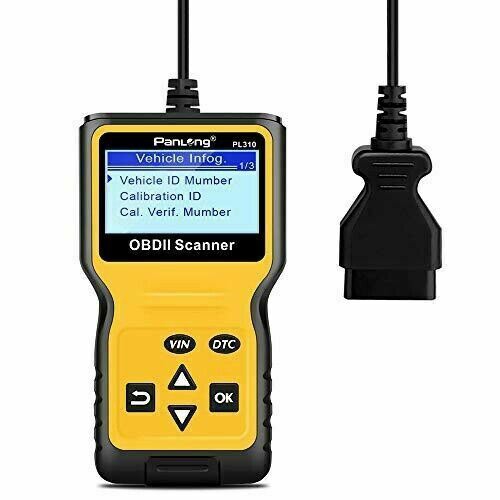
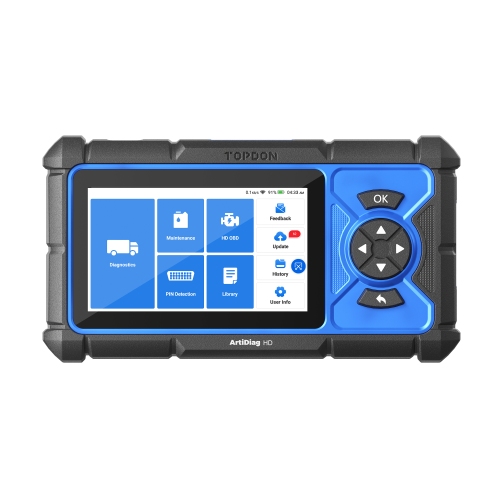
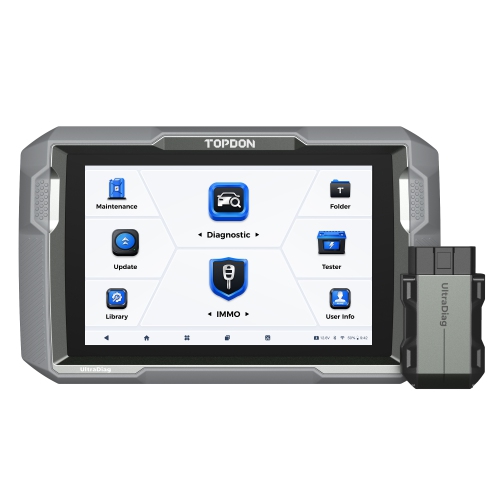
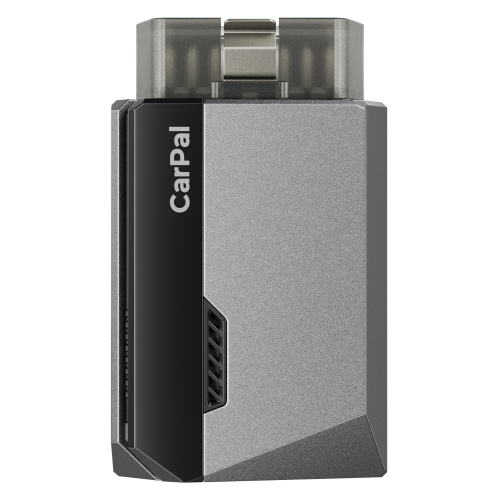
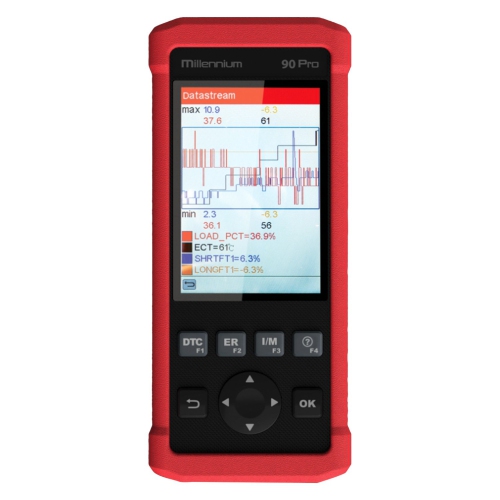
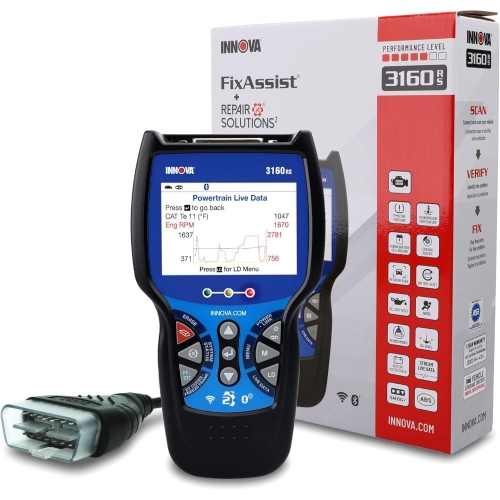
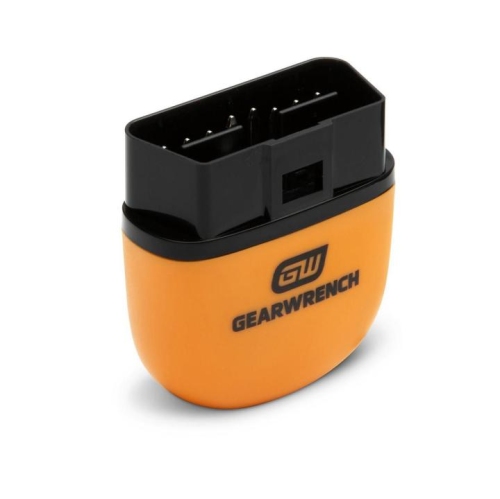
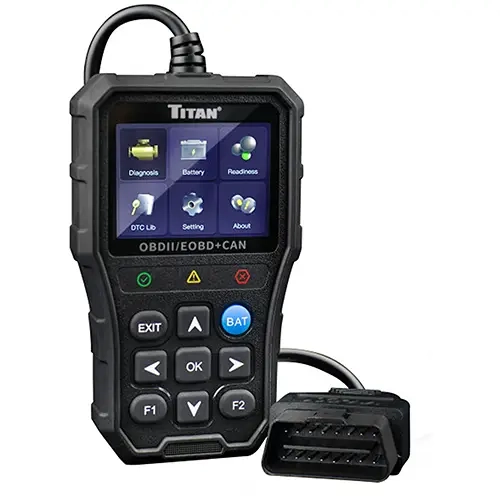
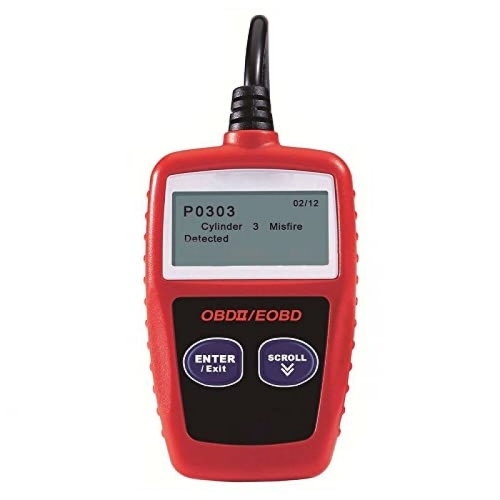
Automotive diagnostic scanners are practical tools for understanding what is happening inside a vehicle when a warning light appears, the engine behaves differently, or a routine inspection calls for more information. Most scanners connect to the vehicle’s OBD2 port, commonly located beneath the dashboard near the steering column, and communicate with the onboard computer. Depending on the scanner’s capabilities and the vehicle’s year, make, and model, it may read and clear diagnostic trouble codes, display live engine data, show freeze-frame information captured when a fault occurred, and indicate whether certain readiness checks have been completed. A basic code reader is often a useful starting point for a driver who wants to identify the general cause of a check engine light before arranging service. These entry-level models typically focus on engine and emissions-related codes, making them suitable for straightforward checks and occasional home use. When a warning light comes on during a cold start, for example, a scanner can provide an initial code to share with a technician rather than relying on a vague description of the dashboard symbol. For a broader selection of compact tools designed for this purpose, browse OBD II Code Readers. Before choosing a scanner, confirm that it supports the vehicle’s system and model year. Most vehicles sold in Canada use an OBD2 connection, but the functions available through that connection can vary considerably between vehicles. It is also helpful to consider whether the scanner displays plain-language descriptions, stores previous readings, offers multilingual menus, or connects to a phone or tablet through Bluetooth or Wi-Fi. A bright screen and clearly labelled controls can make a noticeable difference when checking a vehicle in a dim garage or at the roadside during the cooler months.
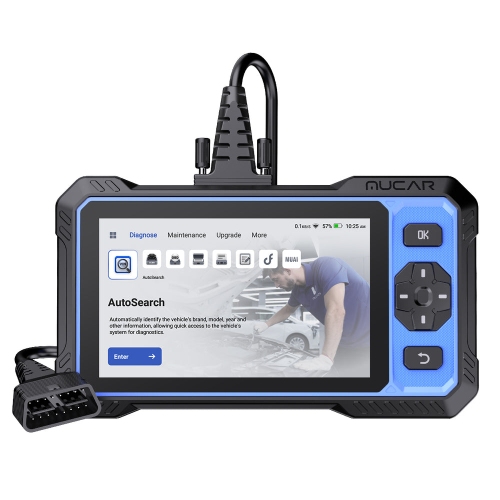
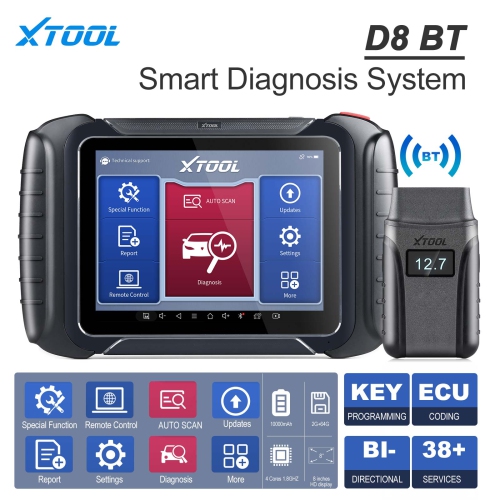
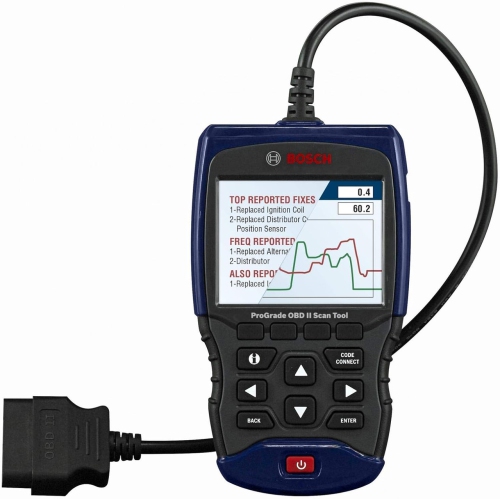
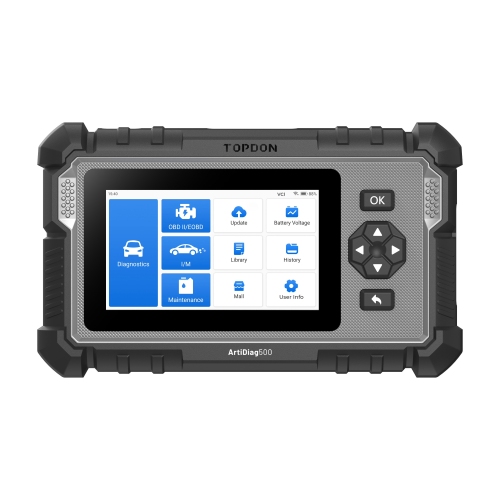
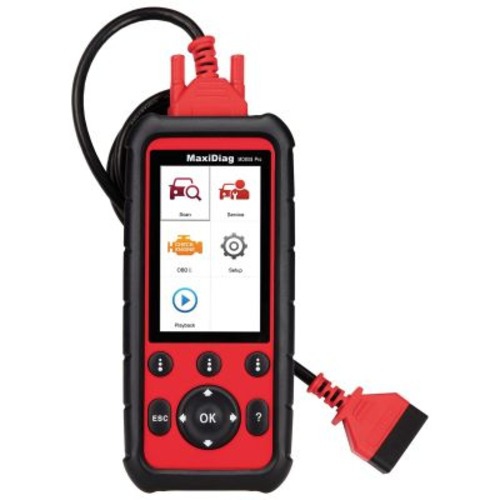
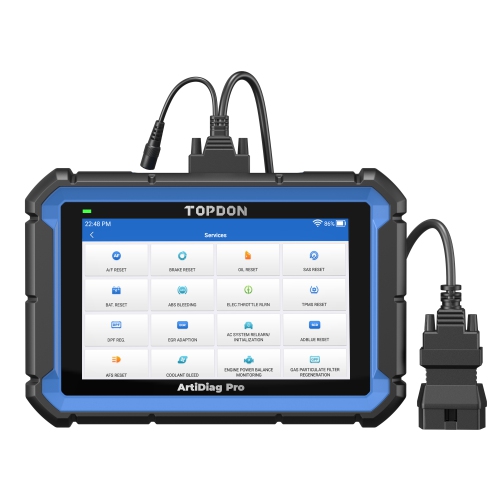
The right level of diagnostic capability depends on how much information the user needs and how involved they expect to be with vehicle maintenance. Basic scanners generally read and clear check engine codes and may show simple emissions-readiness information. Mid-range scanners can provide access to additional systems such as anti-lock braking and transmission modules, along with live data, freeze-frame details, and more detailed code descriptions. This added information can help identify patterns, such as an engine temperature reading that remains unusually low or a sensor value that changes erratically while the vehicle is running. Advanced and bidirectional scanners are intended for more experienced users, professional technicians, and serious home garages. In addition to reading several vehicle systems, these tools may perform active tests, allowing the user to command certain components and observe their response. Some also support service functions such as oil-life resets, electronic parking brake service, steering-angle calibration, battery registration, diesel particulate filter procedures, or other manufacturer-specific tasks. Features differ widely, so a scanner that performs a reset on one vehicle may not offer the same function on another. ECU coding and advanced programming may require additional subscriptions, security access, or professional knowledge, and should be approached carefully. A scanner’s stated coverage is therefore just as important as its number of features. Look for information about supported systems, software update policies, data cables, battery requirements, and whether updates are included or purchased separately. For occasional troubleshooting, a simple unit may be easier to use than a feature-heavy model with functions that are unlikely to be needed. For someone maintaining several vehicles, a wider range of system coverage and regular software updates may offer better long-term value. Always follow the vehicle manufacturer’s instructions, keep the vehicle parked safely while connecting the tool, and never use a scanner as a substitute for inspection when a warning light is accompanied by smoke, unusual noise, overheating, loss of braking, or a change in steering.
Automotive diagnostic scanners can suit a wide range of users, from new drivers learning the basics of vehicle ownership to experienced do-it-yourselfers who like to gather information before visiting a repair shop. They can also be thoughtful gifts for someone who spends weekends working in a garage, commutes long distances, manages a household with several vehicles, or wants a clearer understanding of maintenance costs. A compact scanner can stay in a glove compartment or roadside kit, while a larger diagnostic tool may have a natural place on a workbench beside a socket set, battery charger, and service manual. During the transition from warmer weather into colder driving conditions, a scanner can be useful for checking a persistent warning light, reviewing battery or charging-system data where supported, and confirming that a recent repair has resolved the original fault. It is important to remember that clearing a code does not repair the underlying problem. Once a code is erased, the vehicle may need to be driven through several normal cycles before readiness monitors run again, and some monitors may not complete until specific driving conditions are met. A scanner can help record the code, review the circumstances in which it appeared, and provide useful information for a qualified technician, but it should not be used to conceal a serious fault or bypass required repairs. When comparing options, consider screen size, menu layout, cable length, storage, update access, vehicle coverage, and the diagnostic systems that matter most to the intended user. Choosing a tool that matches the driver’s comfort level and the vehicle’s actual needs makes everyday troubleshooting more manageable, whether the scanner is used beside a driveway, in a home garage, or as part of a professional service routine.
Top selling and popular products
-
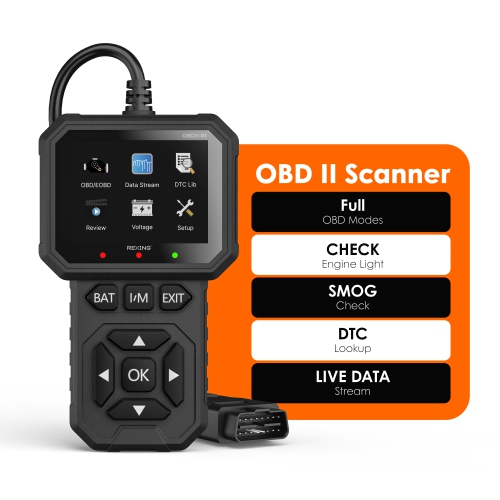 Your price for this item is $119.99
-
 Your price for this item is $78.93
-
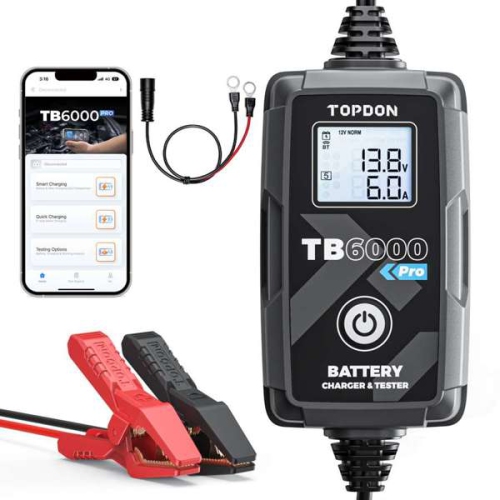 Your price for this item is $144.95
-
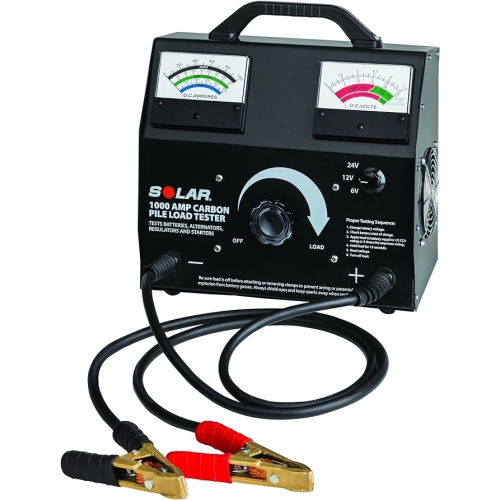 Your price for this item is $413.95
-
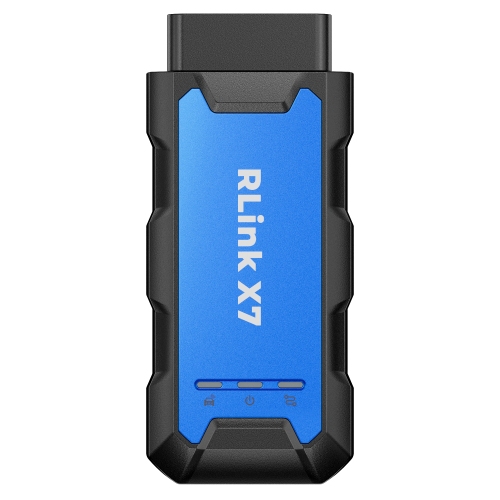 Your price for this item is $259.95
-
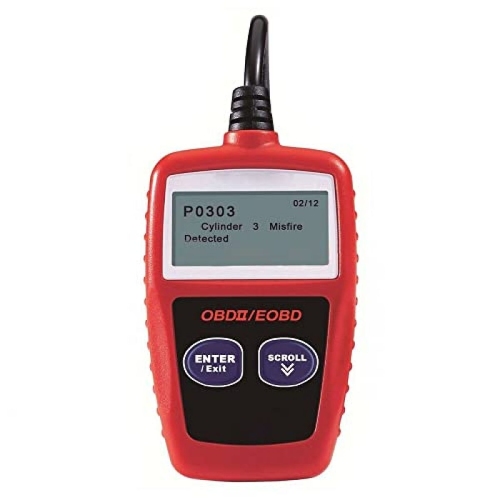 Your price for this item is $26.38
-
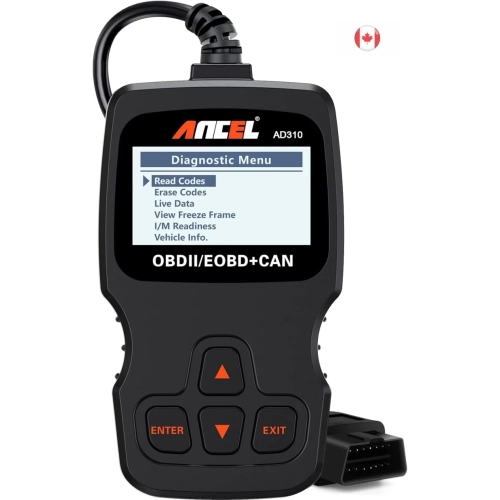 Your price for this item is $59.99
-
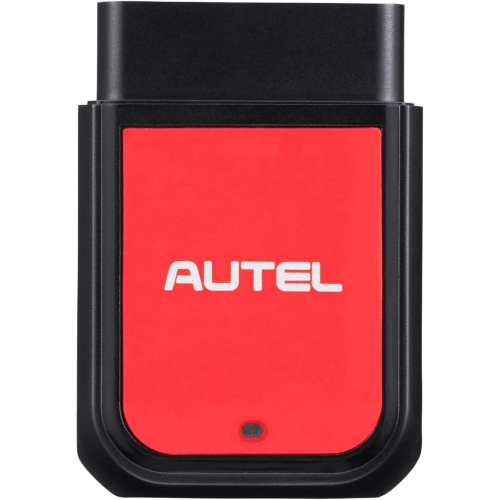 Your price for this item is $52.99
Discover more categories related to Automotive Diagnostic Scanners
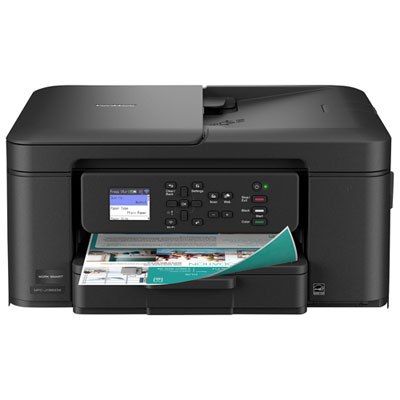
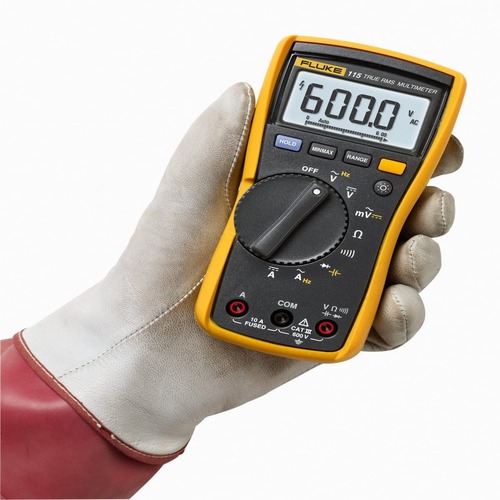
Top Collections:
Pokemon Centers, Best Budget Office Chairs, Kindle Devices, Best Cameras for Sports Photography, Pokémon 30th Celebration Cards, Best Laptops for Writers, Apple iPhones 16, Laptops for Business Work, Canon G7X Cameras, iPhone 15 Apple
Some products may be subject to Environmental Handling Fees
(EHF) depending on your province.
Learn more about EHFs.