Automotive Strobe Lights
Looking to add some extra flair to your vehicle? Look no further than our collection of automotive strobe lights. These powerful and attention-grabbing lights are perfect for adding an extra level of visibility and style to your car, truck, or motorcycle. Whether you're a first responder looking for emergency lighting or simply want to make a statement on the road, our selection of automotive strobe lights has got you covered. With a variety of options to choose from, you're sure to find the perfect strobe lights to suit your needs and make heads turn wherever you go.
Sort
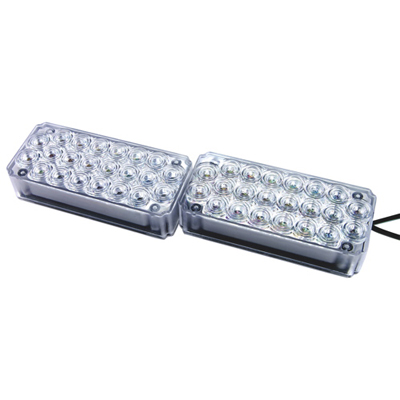
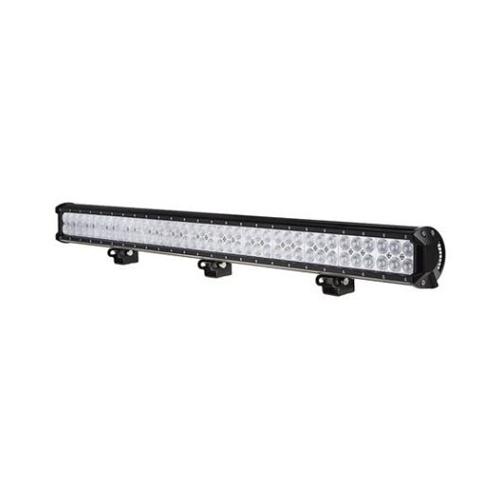
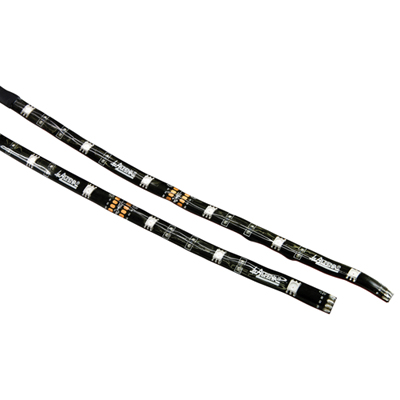
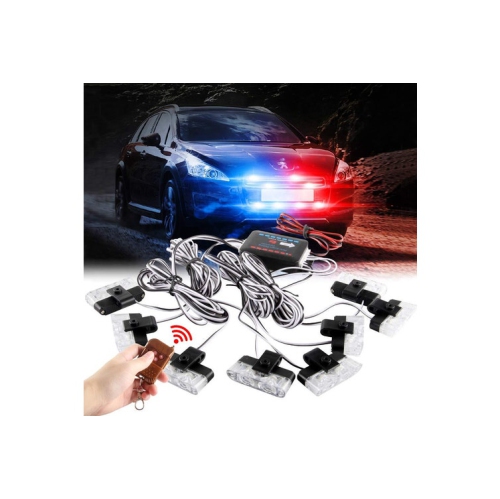
What to know about visibility, regulations, and installation
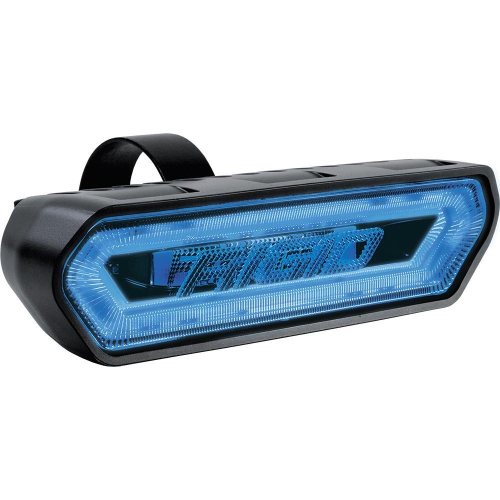
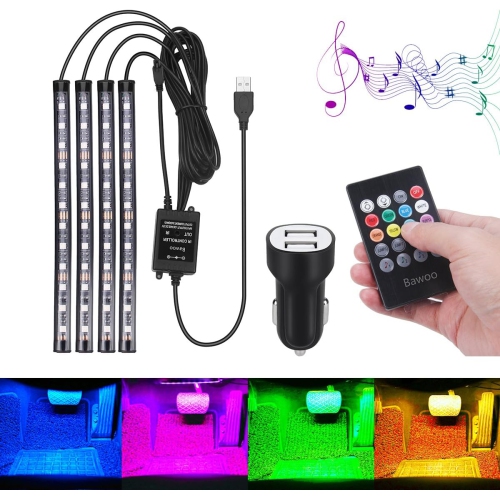
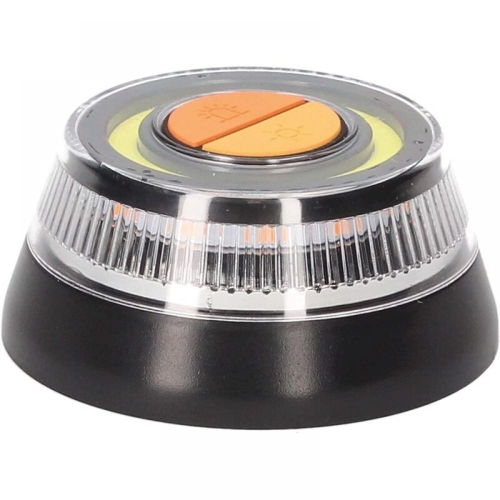
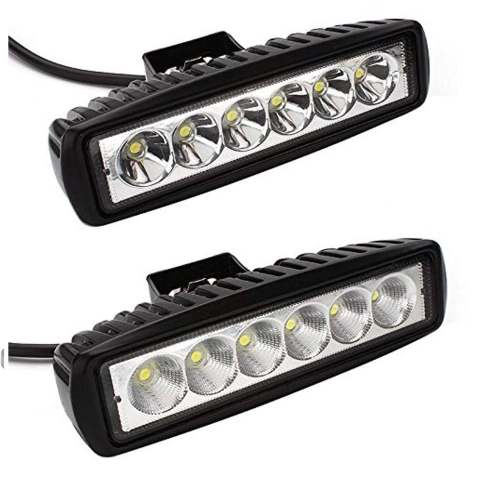
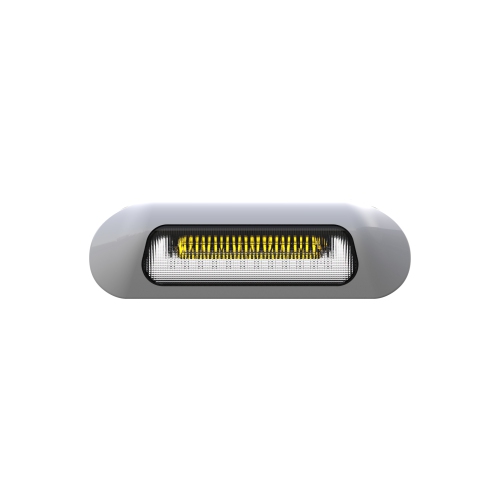
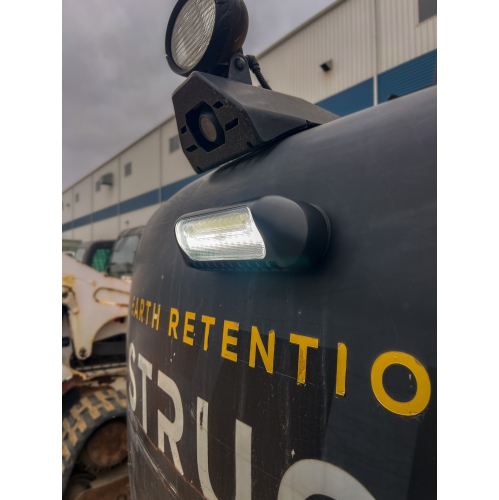
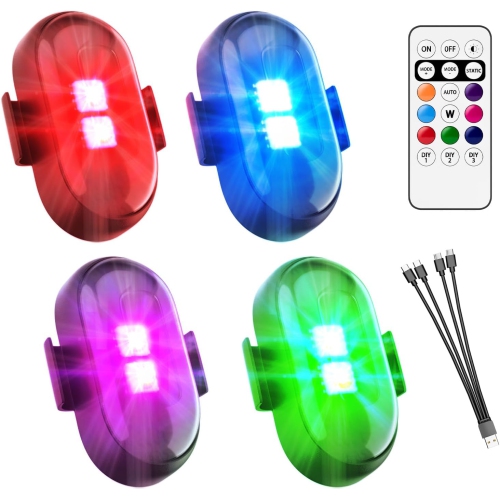
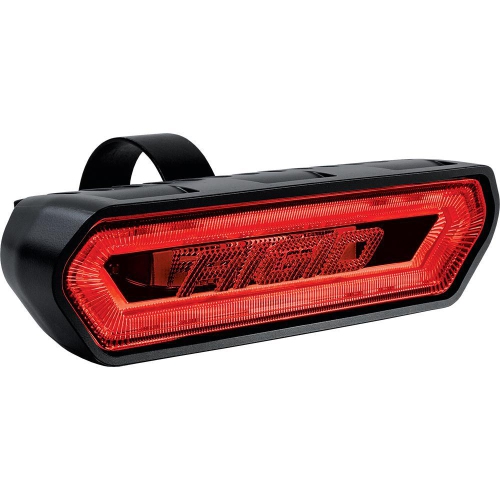
Automotive strobe lights can help improve a vehicle’s visibility when it is stopped, moving slowly, or operating around traffic, equipment, and changing work conditions. They are commonly used on service vehicles, roadside assistance vehicles, tow trucks, utility vehicles, construction equipment, snow-removal equipment, agricultural machinery, security vehicles, and off-road vehicles. During the cooler months, earlier sunsets, changing weather, blowing snow, rain, and mist can make it more difficult for other drivers to notice a vehicle or work area, so a well-planned lighting setup may provide an additional visual warning. Automotive strobe lights are available in several formats, including surface-mount LED modules, grille-mounted lights, interior dash or windshield units, light bars, and wiring modules that control existing vehicle lights. Surface-mount and grille lights offer a clean, permanent installation and can be positioned at the front, rear, or sides of a vehicle, while interior units can be useful for temporary or occasional use without modifying the exterior. Some systems offer multiple flash patterns, adjustable brightness, synchronized operation, and separate controls for different light zones. When comparing options, consider the vehicle’s size, the areas that need to be visible, how often the lights will be used, and whether the installation should be permanent or removable. A compact car used for occasional roadside assistance may need a different arrangement than a full-size work truck, trailer, loader, or service van that must be seen from several directions. For related products designed specifically to signal emergency or response situations, explore Emergency Strobe Lights.
Choosing automotive strobe lights starts with matching the light’s design to the job. Amber is widely associated with work, maintenance, towing, roadside assistance, and slow-moving vehicles, making it a common choice for visibility around active work areas. White, red, and blue lights can be subject to strict rules, and their use may be reserved for police, fire, ambulance, or other authorized vehicles depending on the province, territory, municipality, and intended setting. Regulations may also cover flash patterns, mounting height, lens colour, brightness, whether a light can be used while driving on public roads, and whether a permit or vehicle designation is required. Before purchasing or installing a strobe system, check the applicable transportation and traffic laws in the area where the vehicle will operate, and confirm requirements with the relevant provincial or municipal authority. A light that is suitable for a private work site may not be permitted on public roads, and a configuration that is legal for a designated utility vehicle may not be legal for a personal vehicle. It is also important to avoid using lighting that could be mistaken for an official emergency response signal. From a practical standpoint, review the number of LEDs, viewing angle, weather resistance, operating voltage, wiring length, control layout, and mounting method. Waterproof or weather-resistant construction can be valuable for vehicles exposed to spray, road salt, dust, and snow, while a wide-angle design can make the light more noticeable from the sides. Flash patterns should be easy to select without distracting the driver, and controls should be mounted where they can be reached safely while parked. If the system connects to the vehicle’s electrical wiring, verify compatibility with the vehicle’s voltage and electrical architecture, and consider professional installation when routing wires through the firewall, connecting to a fuse panel, or integrating with factory lighting.
Installation quality has a direct effect on visibility, reliability, and the vehicle’s appearance. Before drilling or fastening anything, identify the best mounting points and confirm that the lights will not block the licence plate, headlights, taillights, mirrors, sensors, cameras, grilles, ventilation openings, or other required equipment. Lights should be positioned so that their output is not unnecessarily directed into the driver’s line of sight or toward nearby road users at close range. Surface mounts need a solid, clean mounting area, while interior dash or windshield lights should be secured so they do not shift during braking or sharp turns. Wiring should be protected from heat, moving components, sharp metal edges, water entry, and areas where it may be pinched by a bonnet, hatch, door, or seat. An inline fuse and a properly installed switch can help support safer operation, while connectors should remain accessible for inspection and maintenance. After installation, test each light from the front, rear, and sides of the vehicle, both in daylight and in lower-light conditions, to check for dead LEDs, uneven coverage, loose mounts, and excessive glare. Automotive strobe lights can be a practical addition for contractors, tradespeople, fleet operators, roadside workers, rural property owners, and drivers who regularly operate equipment near traffic. They can also make a thoughtful gift for someone who maintains a work truck, assists with roadside calls, operates a plow or utility vehicle, or spends time on private land with machinery, provided the lighting is chosen and used within local regulations. The most suitable setup is one that fits the vehicle, clearly communicates a work or hazard presence, and supports safe visibility without creating confusion for other drivers.
Choosing automotive strobe lights starts with matching the light’s design to the job. Amber is widely associated with work, maintenance, towing, roadside assistance, and slow-moving vehicles, making it a common choice for visibility around active work areas. White, red, and blue lights can be subject to strict rules, and their use may be reserved for police, fire, ambulance, or other authorized vehicles depending on the province, territory, municipality, and intended setting. Regulations may also cover flash patterns, mounting height, lens colour, brightness, whether a light can be used while driving on public roads, and whether a permit or vehicle designation is required. Before purchasing or installing a strobe system, check the applicable transportation and traffic laws in the area where the vehicle will operate, and confirm requirements with the relevant provincial or municipal authority. A light that is suitable for a private work site may not be permitted on public roads, and a configuration that is legal for a designated utility vehicle may not be legal for a personal vehicle. It is also important to avoid using lighting that could be mistaken for an official emergency response signal. From a practical standpoint, review the number of LEDs, viewing angle, weather resistance, operating voltage, wiring length, control layout, and mounting method. Waterproof or weather-resistant construction can be valuable for vehicles exposed to spray, road salt, dust, and snow, while a wide-angle design can make the light more noticeable from the sides. Flash patterns should be easy to select without distracting the driver, and controls should be mounted where they can be reached safely while parked. If the system connects to the vehicle’s electrical wiring, verify compatibility with the vehicle’s voltage and electrical architecture, and consider professional installation when routing wires through the firewall, connecting to a fuse panel, or integrating with factory lighting.
Installation quality has a direct effect on visibility, reliability, and the vehicle’s appearance. Before drilling or fastening anything, identify the best mounting points and confirm that the lights will not block the licence plate, headlights, taillights, mirrors, sensors, cameras, grilles, ventilation openings, or other required equipment. Lights should be positioned so that their output is not unnecessarily directed into the driver’s line of sight or toward nearby road users at close range. Surface mounts need a solid, clean mounting area, while interior dash or windshield lights should be secured so they do not shift during braking or sharp turns. Wiring should be protected from heat, moving components, sharp metal edges, water entry, and areas where it may be pinched by a bonnet, hatch, door, or seat. An inline fuse and a properly installed switch can help support safer operation, while connectors should remain accessible for inspection and maintenance. After installation, test each light from the front, rear, and sides of the vehicle, both in daylight and in lower-light conditions, to check for dead LEDs, uneven coverage, loose mounts, and excessive glare. Automotive strobe lights can be a practical addition for contractors, tradespeople, fleet operators, roadside workers, rural property owners, and drivers who regularly operate equipment near traffic. They can also make a thoughtful gift for someone who maintains a work truck, assists with roadside calls, operates a plow or utility vehicle, or spends time on private land with machinery, provided the lighting is chosen and used within local regulations. The most suitable setup is one that fits the vehicle, clearly communicates a work or hazard presence, and supports safe visibility without creating confusion for other drivers.
Top selling and popular products
-
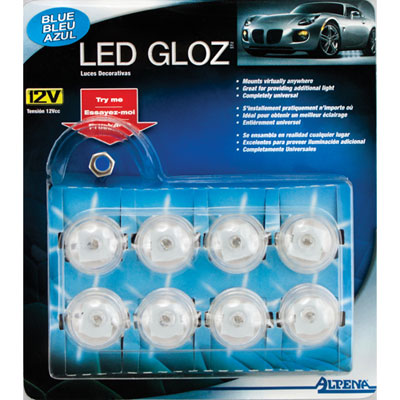 Your price for this item is $16.99
 -
 Your price for this item is $36.99
 -
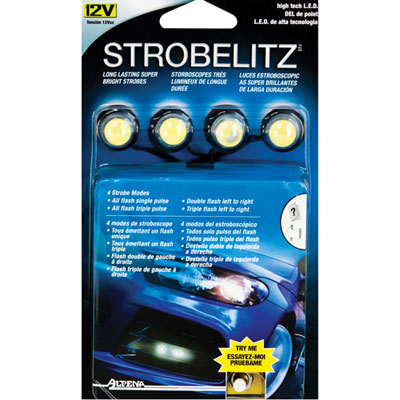 Your price for this item is $31.99
 -
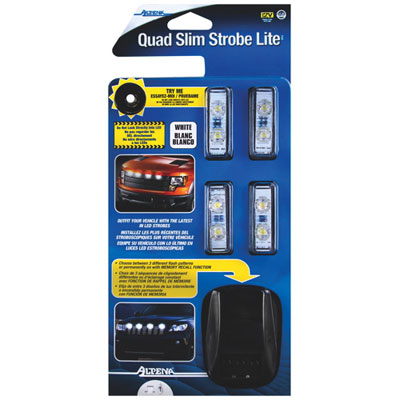 Your price for this item is $48.99
 -
 Your price for this item is $36.96
 -
 Your price for this item is $52.96
 -
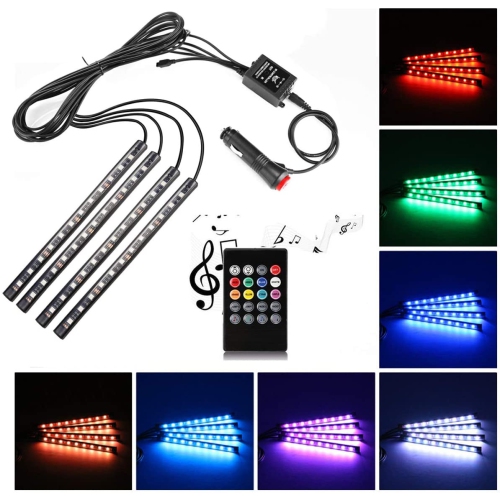 Your price for this item is $29.99
 -
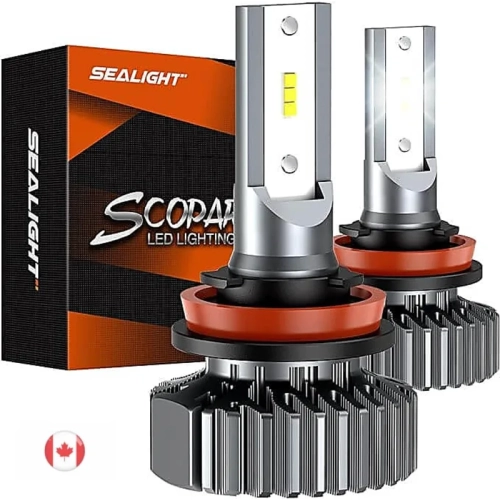 Your price for this item is $59.99
Discover more categories related to Automotive Strobe Lights
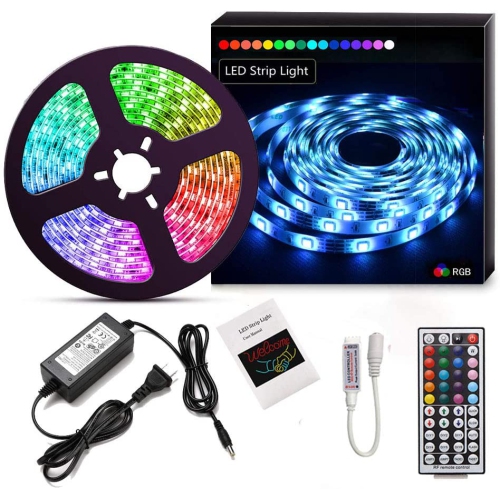
Top Collections:
Pokemon Centers, Kindle Devices, Best Budget Office Chairs, Apple iPhones 16, Canon G7X Cameras, iPhone 15 Apple, Alarm Clock, Refurbished Apple Laptops, Flip Phones, Best Laptops for Writers
Some products may be subject to Environmental Handling Fees
(EHF) depending on your province.
Learn more about EHFs.