Emergency Strobe Lights
When it comes to safety, being prepared is key. That's why having emergency strobe lights on hand is a must-have for any situation that requires enhanced visibility. Whether you're a first responder, a road worker, or simply want to be prepared for emergencies at home or on the road, these powerful lights are designed to grab attention and alert others to your presence. With a variety of options available, finding the perfect emergency strobe light to suit your needs has never been easier. Discover the range of features and benefits these lights offer and ensure you're equipped for any unexpected situation.
Sort
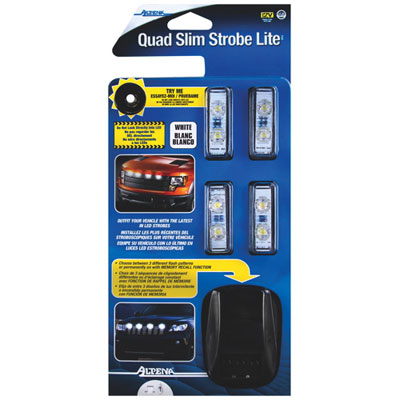
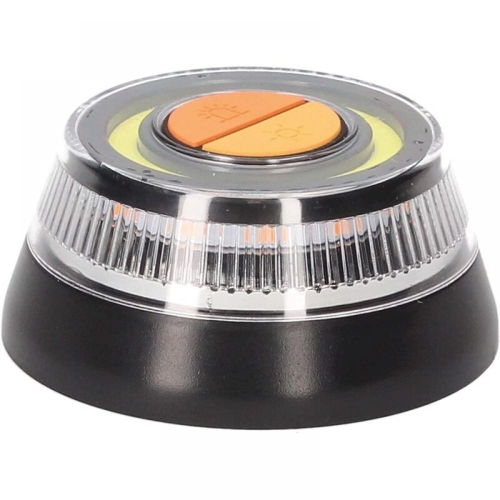
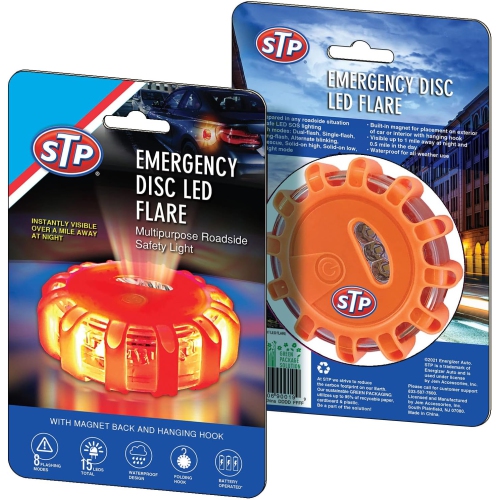
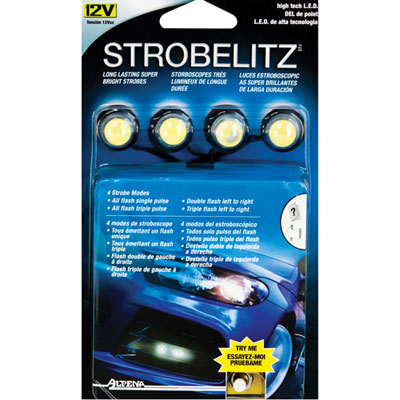
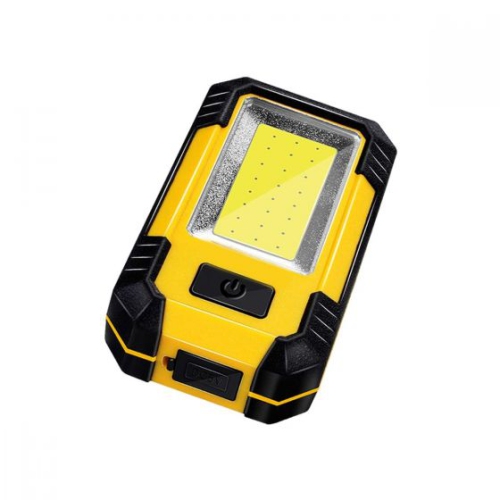
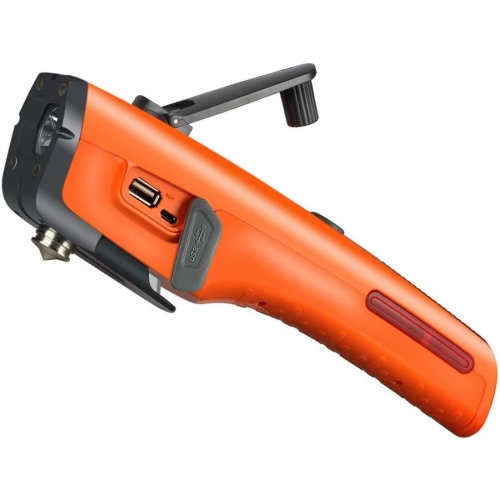
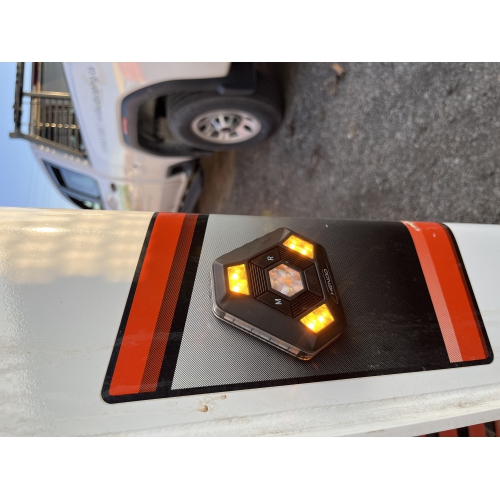
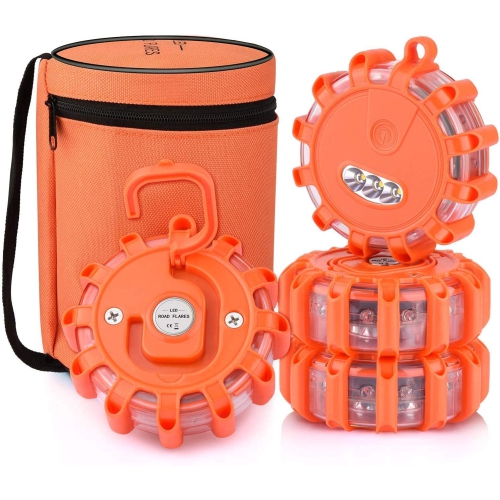
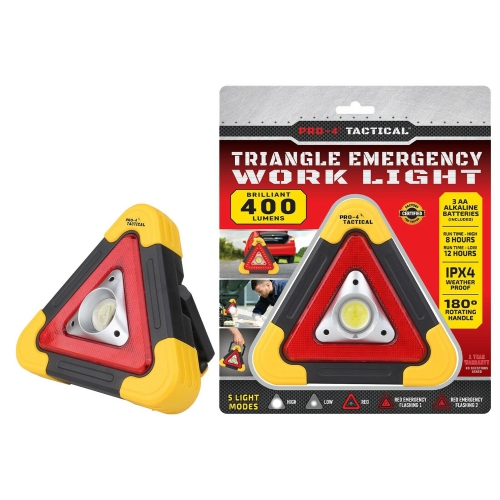
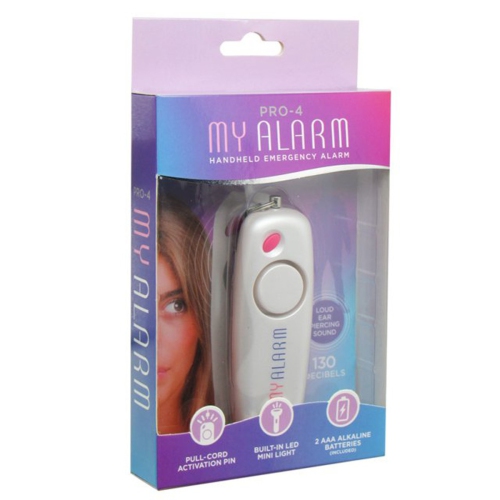
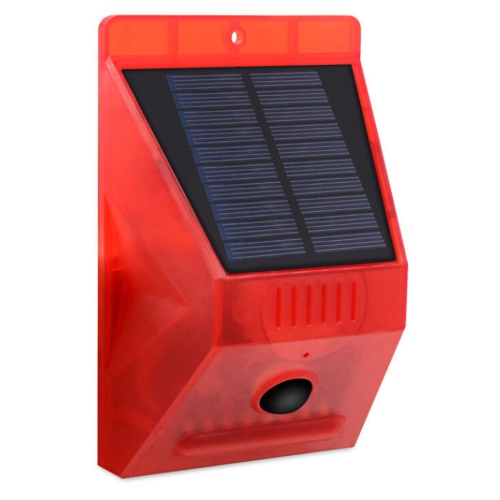
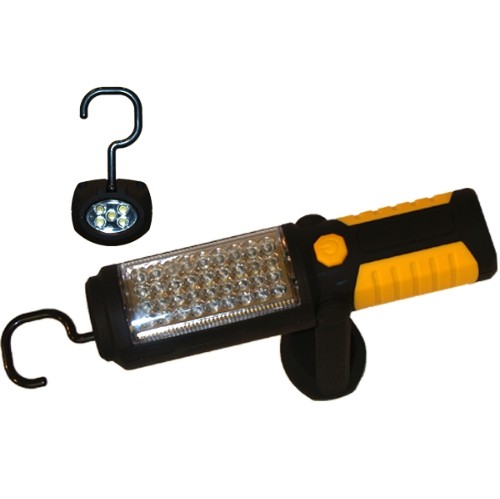
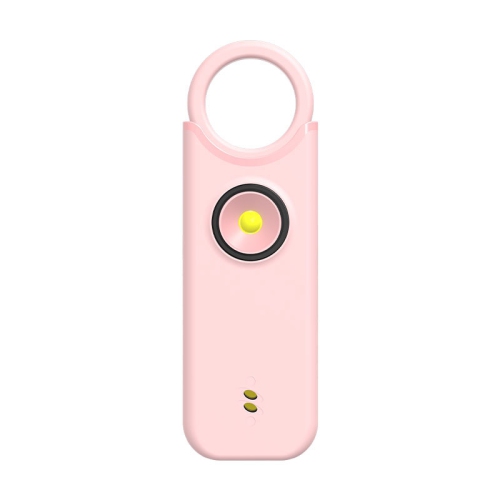
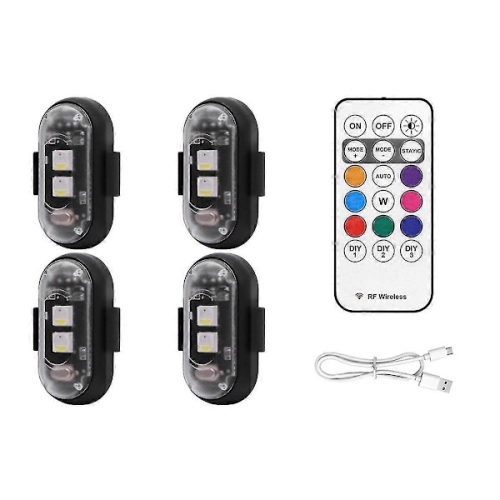
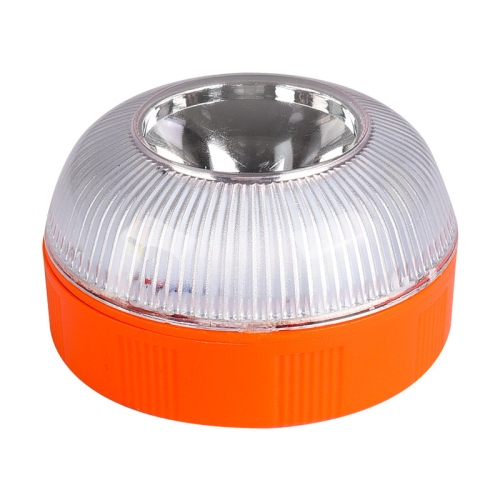
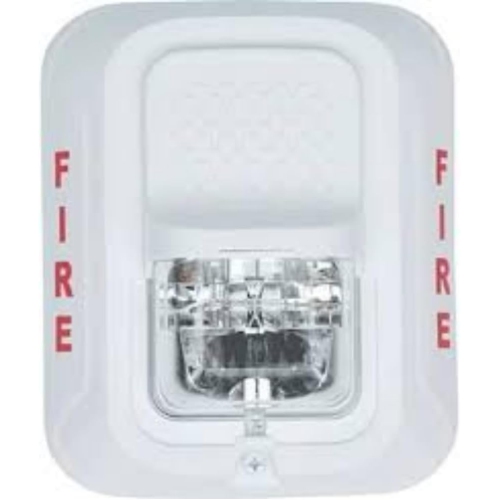
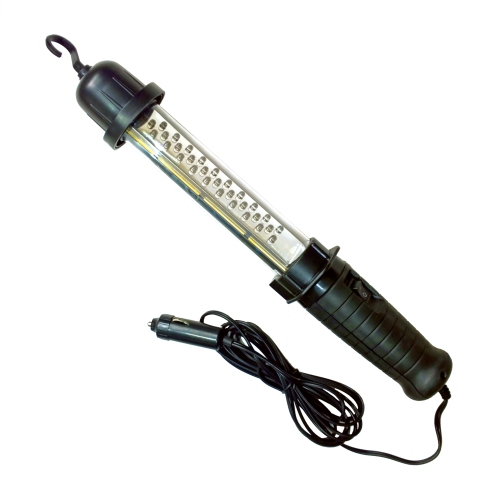
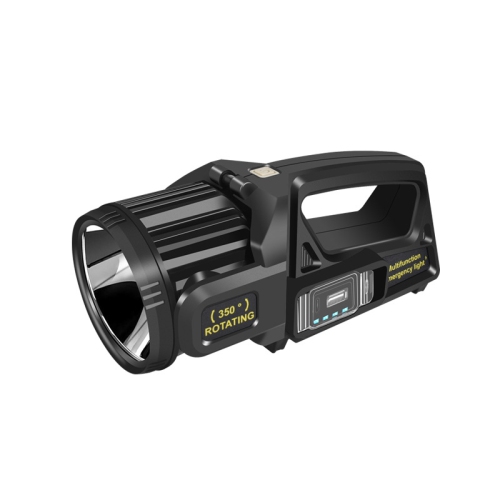
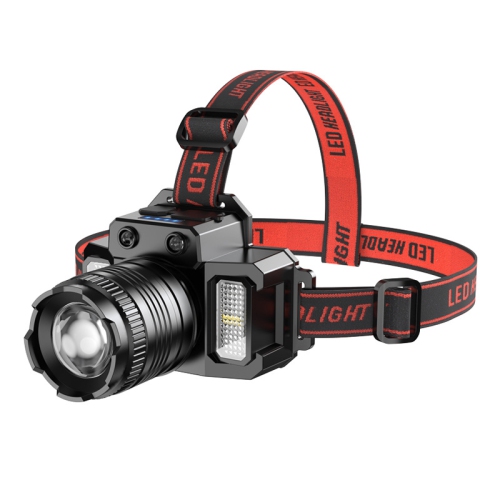
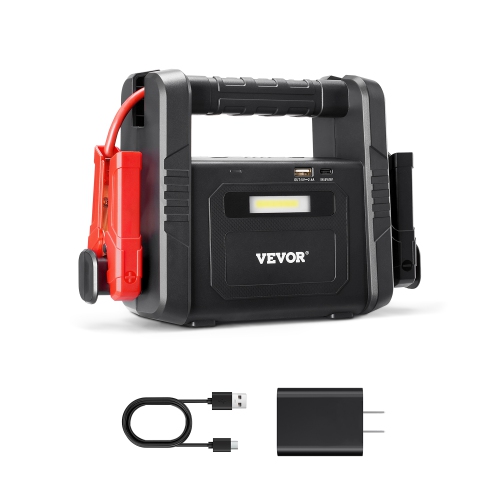
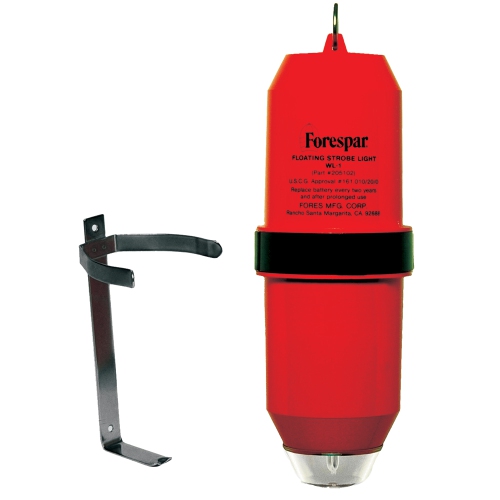

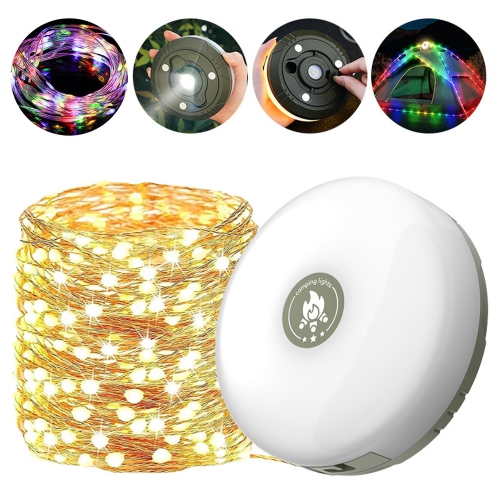
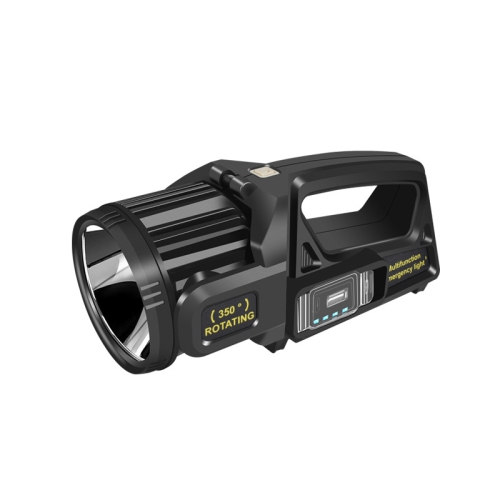
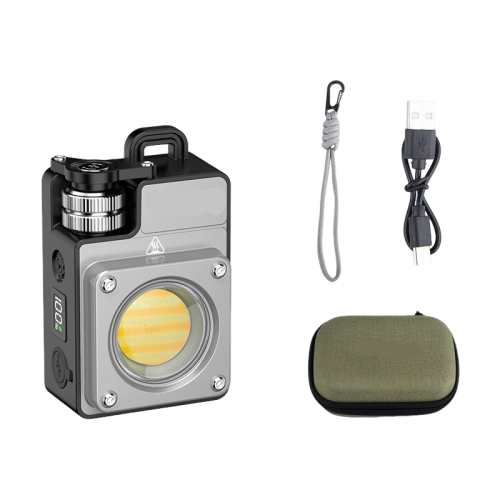
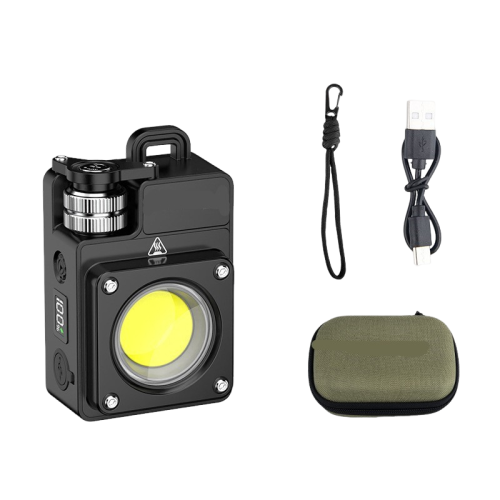
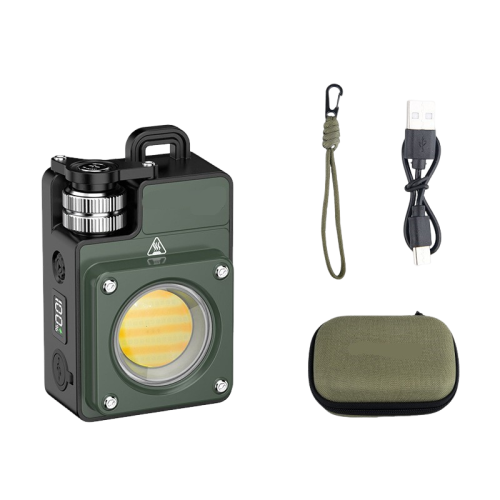
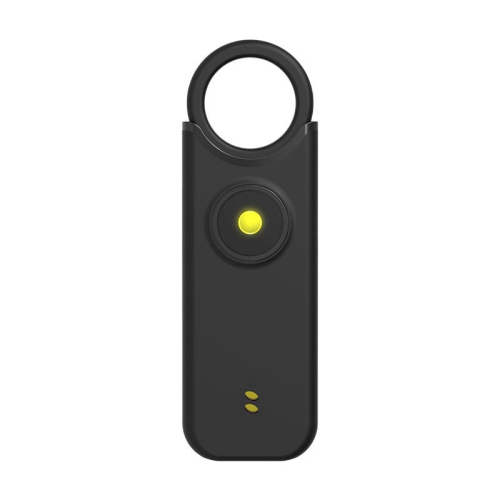
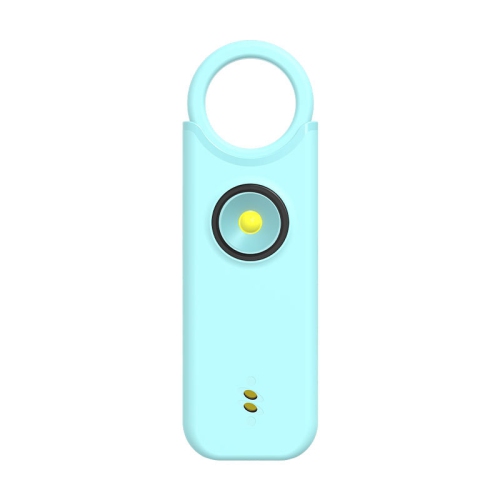
Effective roadside warnings take more than bright flashes
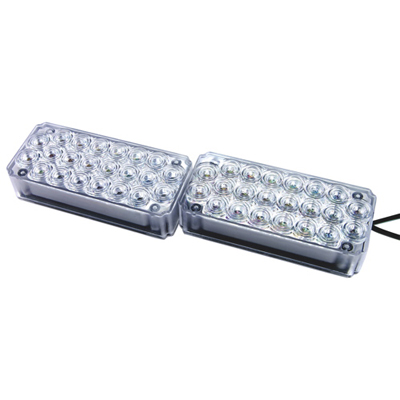
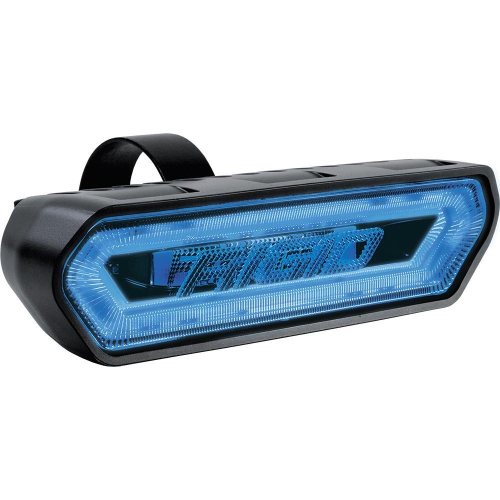
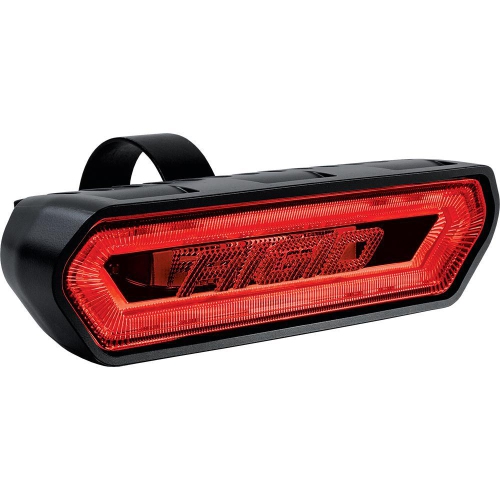
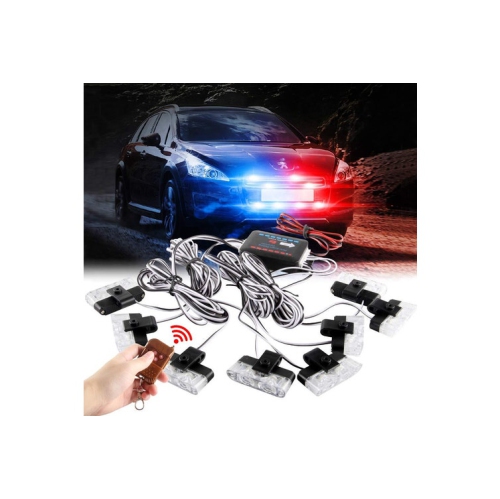
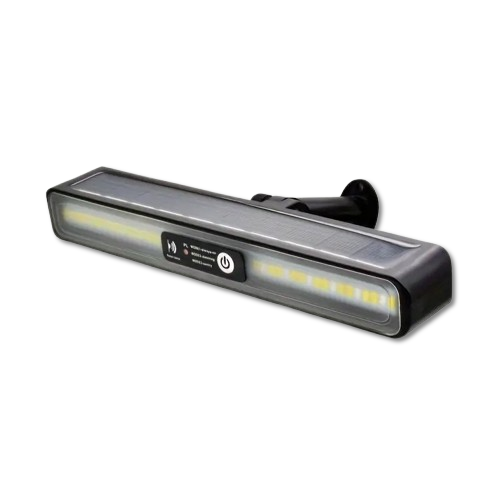
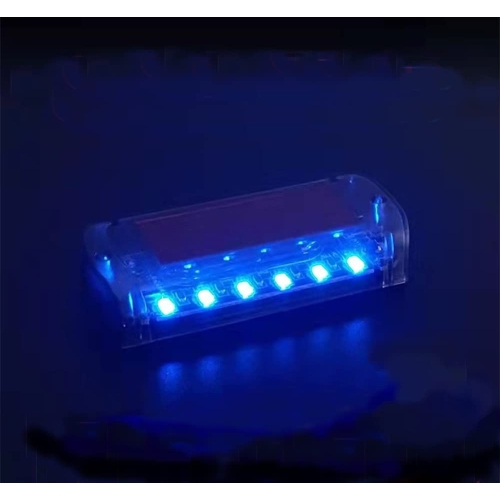
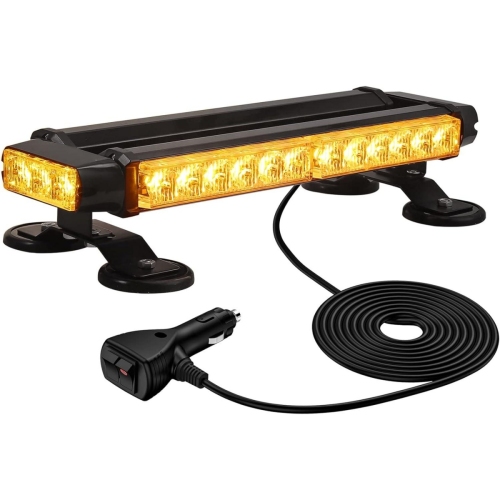
Emergency strobe lights provide a flashing visual warning that helps draw attention to a vehicle, a roadside obstruction, or an active work area. They are used by authorized emergency responders, roadside assistance crews, construction teams, maintenance workers, and other operators whose vehicles need to be visible while stopped or working near traffic. Unlike headlights, which illuminate the road ahead, strobe lights are designed primarily to attract notice through repeated flashes. That distinction matters when choosing lighting: a warning light does not replace task lighting, a vehicle’s hazard flashers, or required traffic-control equipment. Common formats include roof-mounted beacons, light bars, dash and windshield lights, surface-mounted modules, and hideaway systems integrated into compatible vehicle lamp housings. Each format offers a different balance of visibility, installation effort, and discretion when switched off. A roof-mounted beacon may provide broad visibility around a vehicle, while a windshield-mounted light usually directs its output towards the front. Surface-mounted lights can add warning coverage at selected points, provided their placement complies with applicable rules and does not interfere with the vehicle’s original lighting. For vehicle-focused options, Automotive Strobe Lights brings the search closer to that intended use. During the cooler months, shorter daylight hours, wet pavement, and snow-covered shoulders can make clear visual signalling especially important. Picture a maintenance truck stopped beside a dark access road: the useful feature is not simply how bright a lamp looks up close, but whether its signal is visible from the directions in which others approach. Buyers should consider the whole vehicle, including ladders, racks, open doors, and cargo that could block a light. Strobes are an additional warning measure, not a guarantee that another driver will notice or respond. Their value depends on suitable equipment, sensible placement, lawful operation, and the other precautions required for the job.
Choosing emergency strobe lights starts with the intended application and the rules where the vehicle will operate. In Canada, permitted colours, mounting positions, and operating conditions depend on provincial or territorial requirements, the vehicle’s role, and sometimes additional local or workplace requirements. Red and blue warning lights are commonly reserved for designated emergency or other authorized vehicles; purchasing a light does not grant permission to use it. Amber is associated with many maintenance, service, and roadside applications, but neither amber nor white should be assumed legal for every vehicle or situation. Check the applicable requirements before selecting a colour or installing equipment, particularly if a work vehicle travels between jurisdictions. From there, compare visibility and light distribution rather than relying only on LED count or a claim of high brightness. Lens design, viewing angle, flash pattern, and mounting height all influence how clearly a signal can be seen. A light that appears striking in a dim garage may perform differently in daylight, through tinted glass, or at an angle. Where performance certifications are listed, verify that the stated standard and rating meet the requirements of the intended application; certification alone does not authorize road use. Selectable flash patterns can be useful, but more patterns do not necessarily mean better warning performance. Fleet operators may need compatible controllers and synchronization features to keep multiple modules working together as intended. For dash and windshield installations, look at how the light fits against the glass and whether its design limits reflections into the cabin. Reflected flashes can distract the driver, especially after dark. Controls should be easy to identify, with wiring routed away from pedals, steering components, airbags, and sightlines. A clearly labelled switch and a suitable location are practical details that matter when someone is wearing gloves or moving between work tasks. If night-time intensity adjustment is available, confirm how it works and whether it suits the application. The aim is a recognizable warning signal without unnecessary glare for the operator or nearby road users.
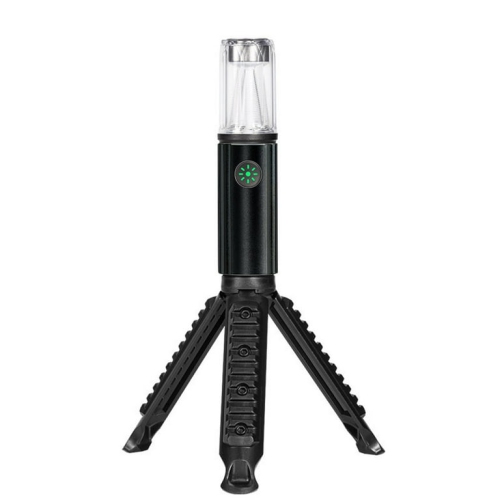
Power supply, mounting hardware, and weather resistance are just as important as the light itself. Vehicle-powered strobes may be designed for a particular voltage or a stated voltage range, so compatibility with a passenger vehicle, commercial truck, or equipment electrical system needs to be confirmed in the specifications. An accessory-socket connection can simplify installation for some portable setups, while hardwired equipment generally requires appropriate circuit protection, secure connections, and careful cable routing. Permanent installations, especially hideaway systems that modify existing lamp housings, are best assessed by a qualified installer to avoid compromising factory lighting, seals, or vehicle systems. Magnetic and suction-cup mounts offer convenience, but their suitability depends on the mounting surface and the manufacturer’s operating limits. A magnetic base will not attach securely to every roof material, and a suction mount needs compatible, clean glass. Never assume a removable mount is approved for use while driving. For exterior lights, review the stated ingress-protection rating, operating temperature range, corrosion resistance, and cable-connector protection rather than relying on a general “weatherproof” description. Slush, road salt, vibration, and repeated temperature changes place different demands on equipment than occasional sheltered use. Portable, battery-powered warning lights may suit some stationary applications where vehicle power is unavailable, subject to applicable rules. Compare runtime at the intended flash setting, battery replacement or charging needs, and any limits on charging or operating in cold temperatures. Storage matters as well: a warning light is more useful when its cable, controller, and mounting parts are kept together and it can be reached without unloading the vehicle. For tradespeople, property-maintenance teams, snow-clearing operators, and fleet managers, the right choice often comes down to dependable fit and straightforward daily use rather than the largest housing or the most elaborate controls. Before each use, check the mount, lens, cable, and light operation according to the manufacturer’s instructions. Clean lenses and secure hardware help maintain the intended performance. Emergency strobe lights work best as part of a broader safety setup, alongside appropriate positioning, high-visibility clothing, and any required roadside warning equipment.
Choosing emergency strobe lights starts with the intended application and the rules where the vehicle will operate. In Canada, permitted colours, mounting positions, and operating conditions depend on provincial or territorial requirements, the vehicle’s role, and sometimes additional local or workplace requirements. Red and blue warning lights are commonly reserved for designated emergency or other authorized vehicles; purchasing a light does not grant permission to use it. Amber is associated with many maintenance, service, and roadside applications, but neither amber nor white should be assumed legal for every vehicle or situation. Check the applicable requirements before selecting a colour or installing equipment, particularly if a work vehicle travels between jurisdictions. From there, compare visibility and light distribution rather than relying only on LED count or a claim of high brightness. Lens design, viewing angle, flash pattern, and mounting height all influence how clearly a signal can be seen. A light that appears striking in a dim garage may perform differently in daylight, through tinted glass, or at an angle. Where performance certifications are listed, verify that the stated standard and rating meet the requirements of the intended application; certification alone does not authorize road use. Selectable flash patterns can be useful, but more patterns do not necessarily mean better warning performance. Fleet operators may need compatible controllers and synchronization features to keep multiple modules working together as intended. For dash and windshield installations, look at how the light fits against the glass and whether its design limits reflections into the cabin. Reflected flashes can distract the driver, especially after dark. Controls should be easy to identify, with wiring routed away from pedals, steering components, airbags, and sightlines. A clearly labelled switch and a suitable location are practical details that matter when someone is wearing gloves or moving between work tasks. If night-time intensity adjustment is available, confirm how it works and whether it suits the application. The aim is a recognizable warning signal without unnecessary glare for the operator or nearby road users.
Power supply, mounting hardware, and weather resistance are just as important as the light itself. Vehicle-powered strobes may be designed for a particular voltage or a stated voltage range, so compatibility with a passenger vehicle, commercial truck, or equipment electrical system needs to be confirmed in the specifications. An accessory-socket connection can simplify installation for some portable setups, while hardwired equipment generally requires appropriate circuit protection, secure connections, and careful cable routing. Permanent installations, especially hideaway systems that modify existing lamp housings, are best assessed by a qualified installer to avoid compromising factory lighting, seals, or vehicle systems. Magnetic and suction-cup mounts offer convenience, but their suitability depends on the mounting surface and the manufacturer’s operating limits. A magnetic base will not attach securely to every roof material, and a suction mount needs compatible, clean glass. Never assume a removable mount is approved for use while driving. For exterior lights, review the stated ingress-protection rating, operating temperature range, corrosion resistance, and cable-connector protection rather than relying on a general “weatherproof” description. Slush, road salt, vibration, and repeated temperature changes place different demands on equipment than occasional sheltered use. Portable, battery-powered warning lights may suit some stationary applications where vehicle power is unavailable, subject to applicable rules. Compare runtime at the intended flash setting, battery replacement or charging needs, and any limits on charging or operating in cold temperatures. Storage matters as well: a warning light is more useful when its cable, controller, and mounting parts are kept together and it can be reached without unloading the vehicle. For tradespeople, property-maintenance teams, snow-clearing operators, and fleet managers, the right choice often comes down to dependable fit and straightforward daily use rather than the largest housing or the most elaborate controls. Before each use, check the mount, lens, cable, and light operation according to the manufacturer’s instructions. Clean lenses and secure hardware help maintain the intended performance. Emergency strobe lights work best as part of a broader safety setup, alongside appropriate positioning, high-visibility clothing, and any required roadside warning equipment.
Top selling and popular products
-
 Your price for this item is $669.99
 -
 Your price for this item is $278.7
 -
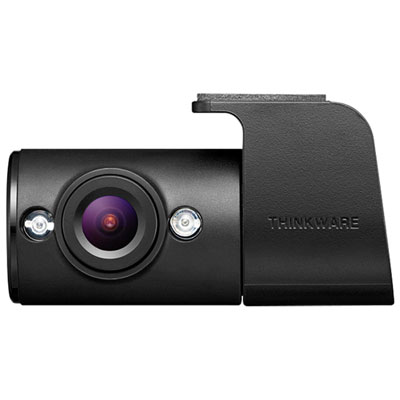 Your price for this item is $79.99
 -
 Your price for this item is $14.99
 -
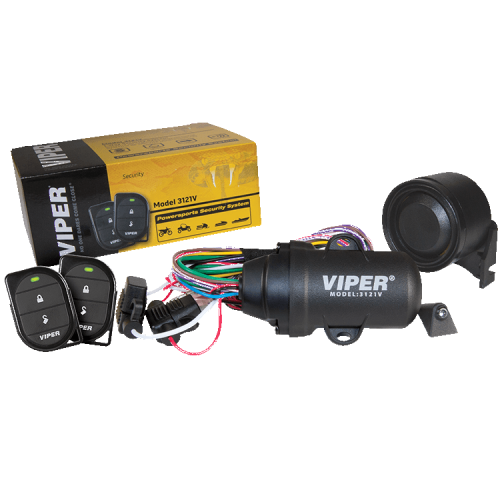 Your price for this item is $199.98
 -
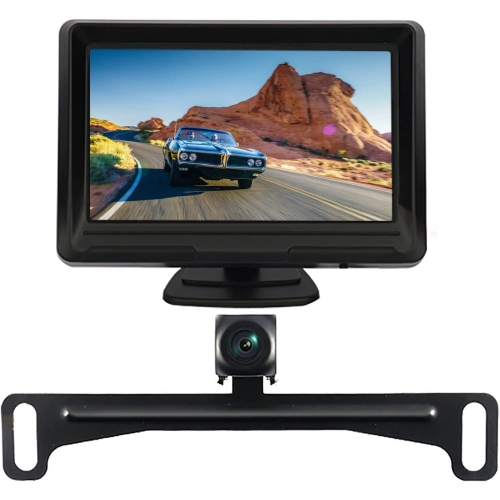 Your price for this item is $79.99
 -
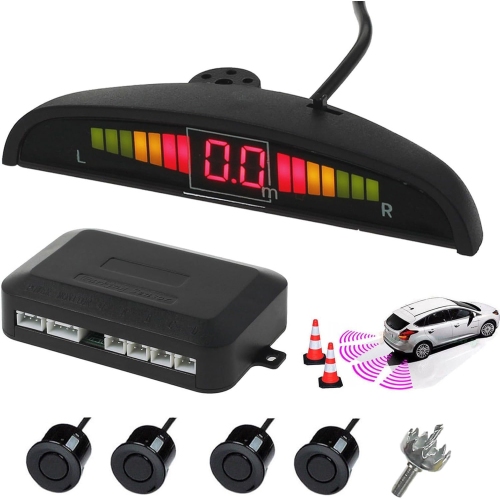 Your price for this item is $27.99
 -
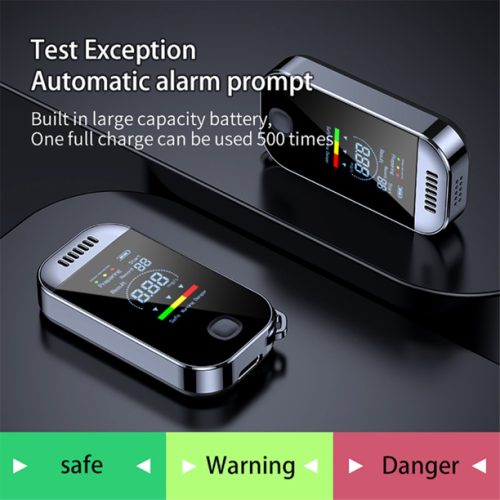 Your price for this item is $38.95
Discover more categories related to Emergency Strobe Lights
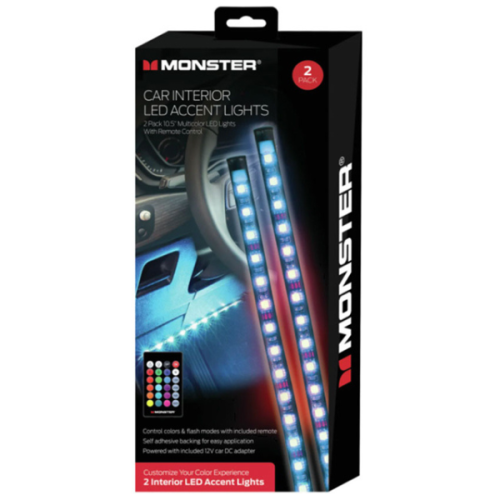
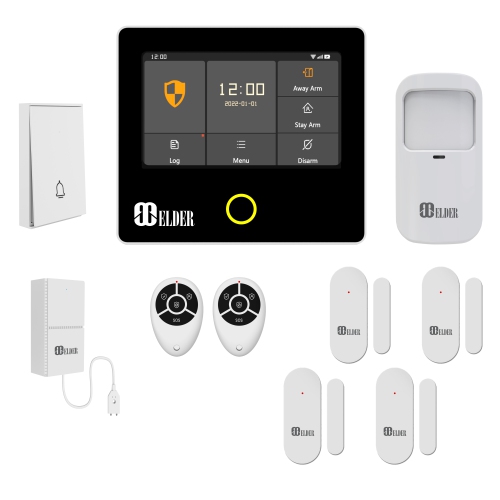
Top Collections:
Pokemon Centers, Kindle Devices, Best Budget Office Chairs, Apple iPhones 16, Canon G7X Cameras, iPhone 15 Apple, Alarm Clock, Refurbished Apple Laptops, Flip Phones, Best Laptops for Writers
Some products may be subject to Environmental Handling Fees
(EHF) depending on your province.
Learn more about EHFs.