Boat Antennas
Upgrade your boating experience with high-quality boat antennas. Whether you're a seasoned sailor or a weekend adventurer, having a reliable antenna is crucial for staying connected and enjoying uninterrupted communication while out on the water. With this range of options, you can find the perfect boat antenna to suit your needs and ensure smooth sailing on every voyage.
Sort
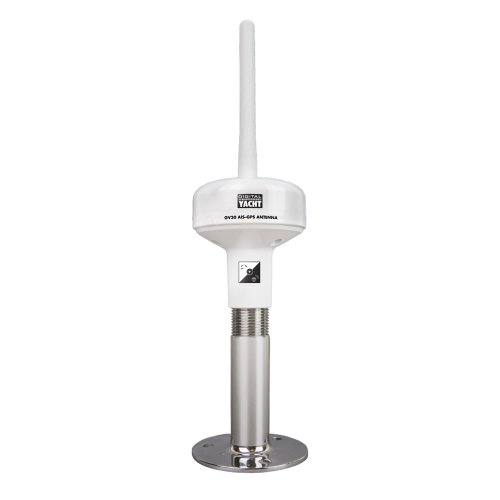
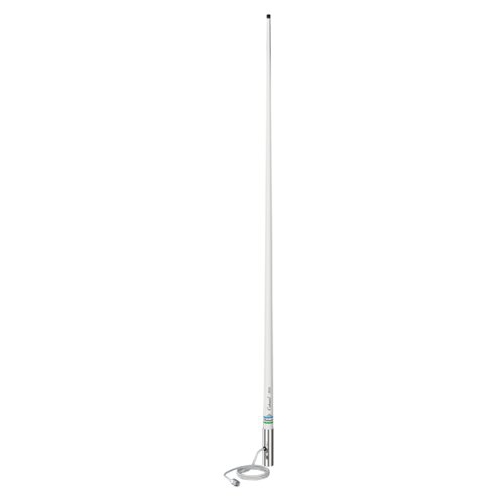
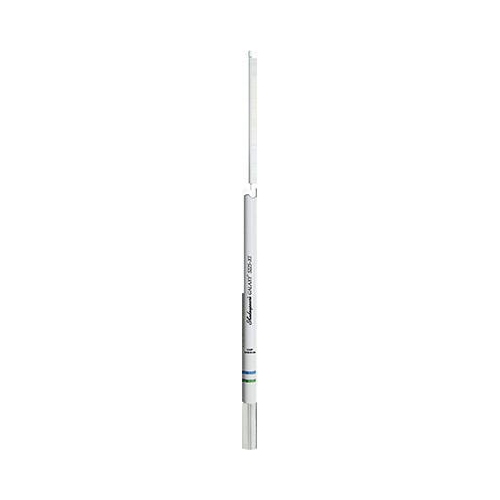
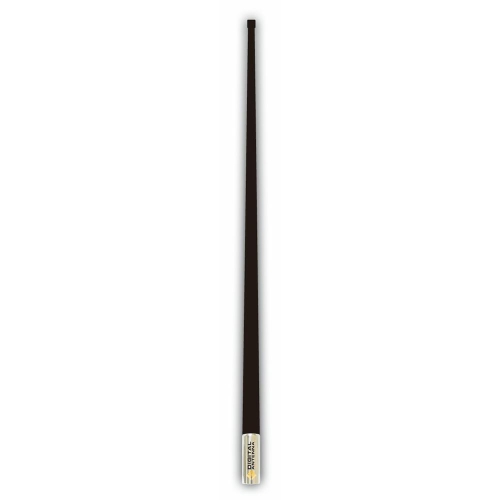
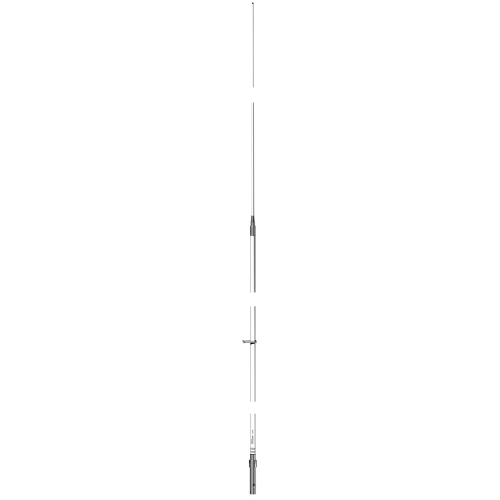
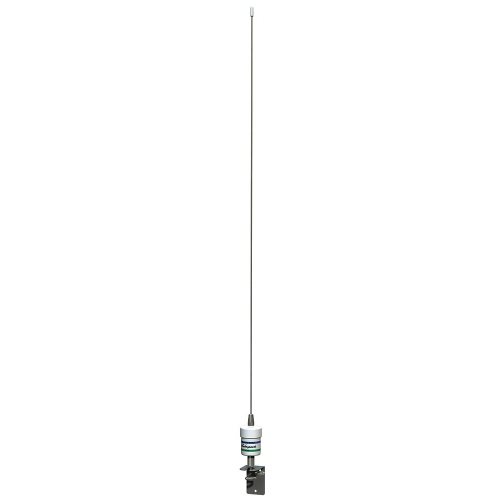
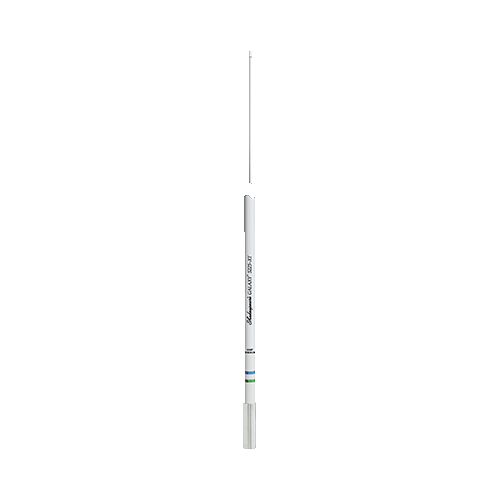
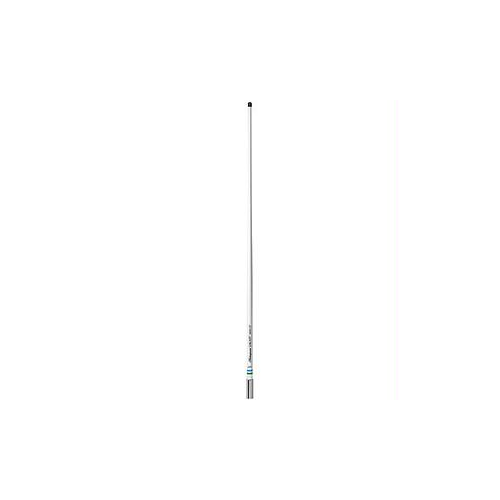
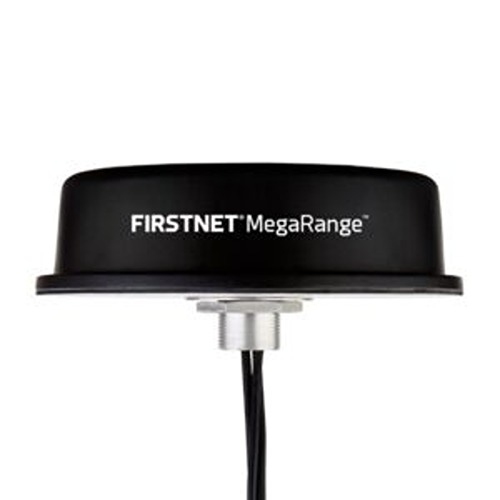
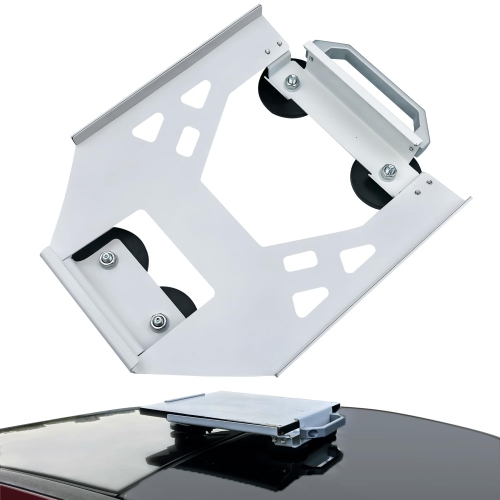
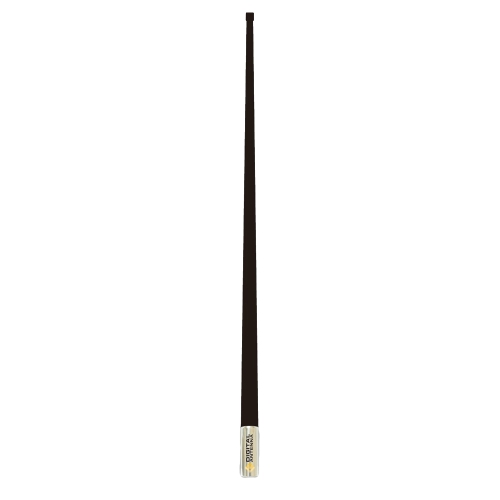
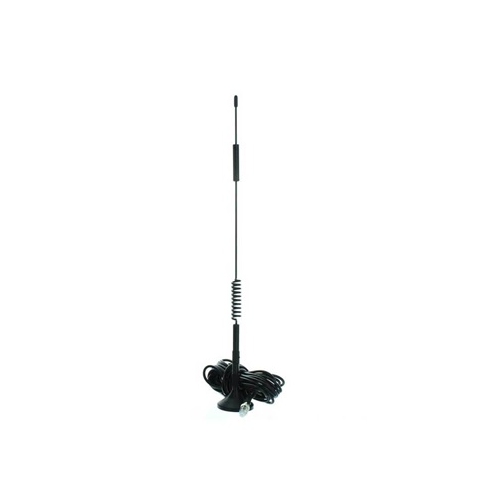
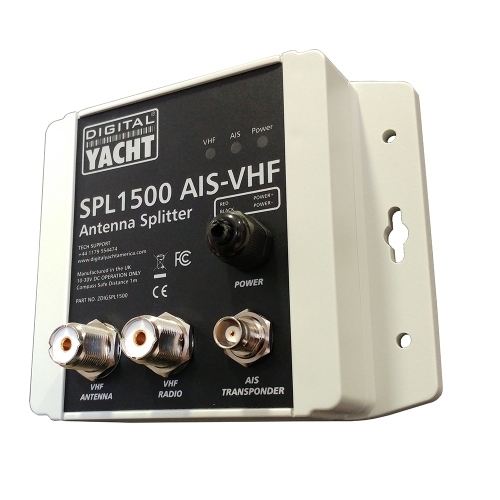
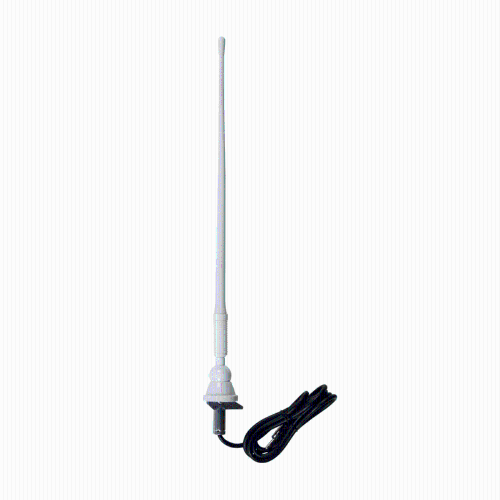
Antenna choices depend on your boat’s radio and mounting needs
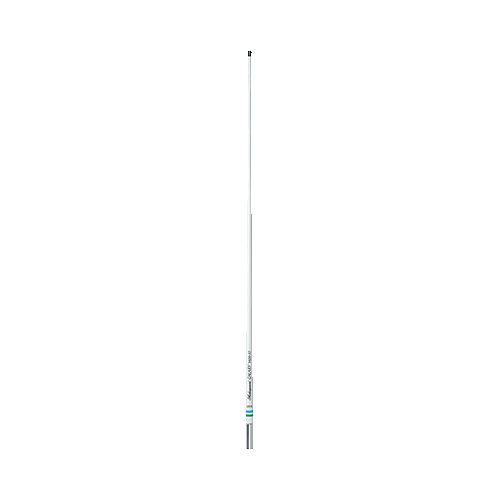
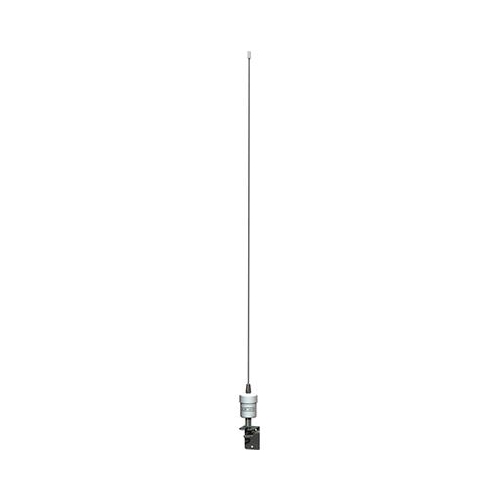
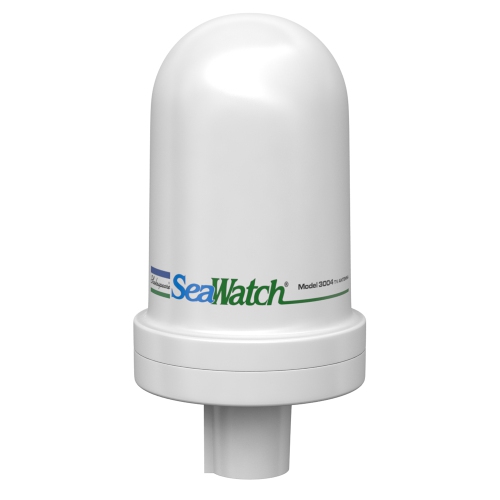
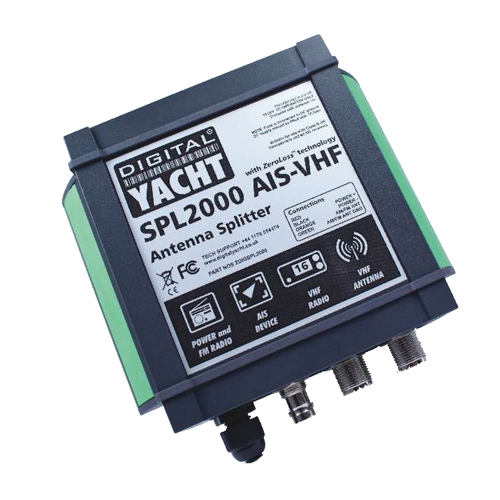
Boat antennas help keep essential communication and onboard entertainment within reach, whether you spend weekends cruising inland lakes, travelling along the coast, or heading out for a day of fishing. The right antenna depends first on the type of signal you need. VHF antennas are designed for marine radio communication, including contact with nearby boats, marinas, bridges, and rescue services, while AM/FM antennas are intended for listening to local radio stations, news, music, and weather updates. Some boaters choose one antenna for communication and another for audio, especially when the boat is used for longer trips or has a dedicated sound system. VHF radio remains an important part of a well-equipped boat because it can support routine communication as well as urgent calls when mobile phone coverage is weak or unavailable. Since VHF signals generally travel by line of sight, antenna height has a direct effect on practical range. A higher mounting position can help the signal travel farther, although the best location must also provide a clear path, secure support, and safe separation from other equipment. Powerboats often use a vertical antenna mounted on a hardtop, cabin, arch, or other elevated point, while sailboats may use a different mounting arrangement to accommodate rigging and movement. Before choosing a replacement or adding a new antenna, check the boat’s existing mount, cable route, connector type, radio frequency requirements, and available installation space. The antenna should be compatible with the radio and secured firmly enough to handle vibration, spray, and the motion created by waves. A practical installation also leaves enough room to inspect connections and remove the antenna when the boat is stored or transported.
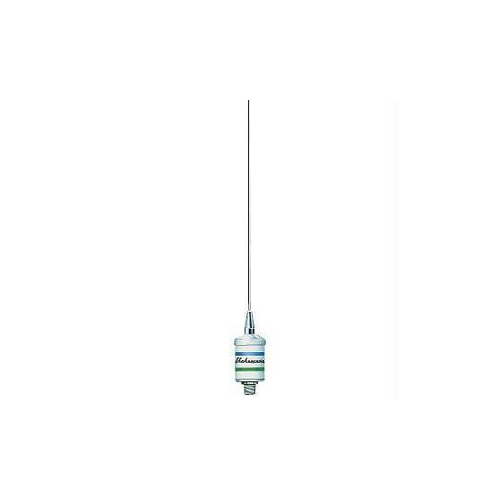
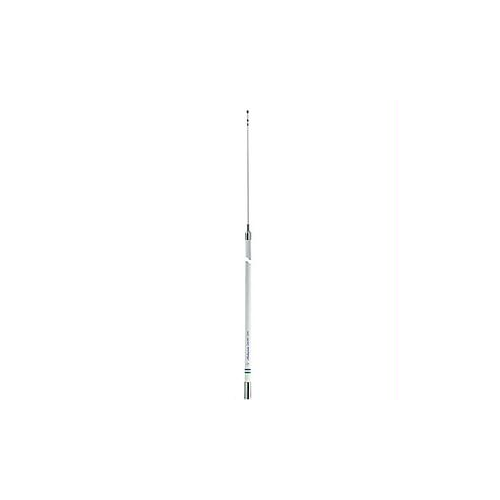
Antenna length and gain are important considerations, but they should be matched to the vessel rather than selected by size alone. Shorter antennas in the range of roughly 3 to 4 feet can suit smaller powerboats and some sailboats, particularly where a compact profile is useful or where frequent rocking makes a very focused signal less practical. A standard antenna around 8 feet is a common choice for many medium-sized powerboats because it offers a useful balance of height, coverage, and manageable installation. Taller antennas, including models measuring 12 feet or more, can be suitable for larger boats and commercial vessels that need focused distance and have the structure to support them. Gain describes how strongly the antenna concentrates its signal. Lower-gain options spread coverage more broadly and can work well on boats that pitch and roll, while higher-gain antennas can project farther when mounted high on a stable vessel. A high-gain antenna is not automatically the best option for every boat; excessive height or an unsuitable mounting point can make installation awkward, increase movement at the top, or create clearance concerns near bridges, docks, and storage facilities. For AM/FM reception, flexible wire-style antennas can be convenient where a rigid marine antenna is not practical, particularly on smaller boats, open runabouts, and compact cabins. These antennas are often easier to route and can be placed discreetly, but they still need to be positioned away from sources of electrical interference when possible. Look for marine-suitable construction, sealed connections, durable insulation, and hardware that will not loosen with repeated vibration. When comparing options, consider the boat’s overall length, cruising area, radio type, usual speed, storage arrangements, and how often the antenna will be exposed to spray. A careful match can improve reception, reduce installation complications, and make the radio easier to rely on from the helm.
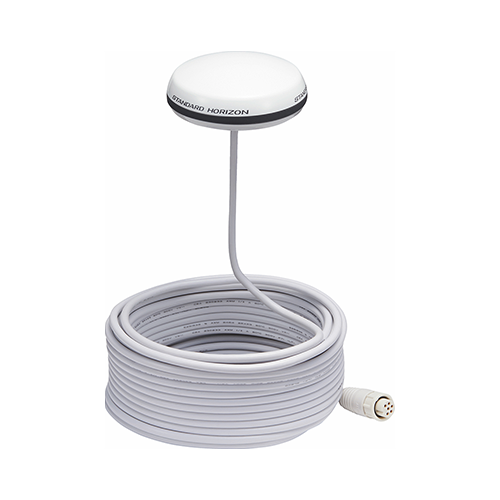
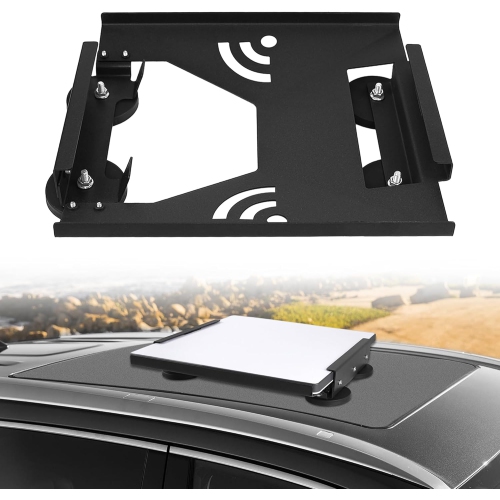
Boat antennas can be a practical upgrade for owners who are preparing a recently purchased vessel, replacing a damaged setup, or improving an older sound and communication system before the next outing. They may also make a thoughtful gift for someone who spends time boating, fishing, sailing, or guiding friends on the water, especially when paired with other useful marine accessories. A first-time boat owner may appreciate an antenna that is straightforward to mount and compatible with existing equipment, while an experienced skipper may be more focused on gain, cable quality, connector details, and the antenna’s height above the waterline. Before ordering, measure the available mounting area and cable path, then confirm whether the boat requires a rail mount, deck mount, ratchet mount, or another fitting. Inspect the coaxial cable for cracks, corrosion, kinks, or loose ends, since a capable antenna cannot perform well when the cable or connector is compromised. It is also worth checking the radio’s manual for recommended impedance and power specifications, and confirming that the antenna will not interfere with navigation lights, radar, GPS equipment, rigging, or other electronics. During the cooler months, rinse away salt and residue with fresh water, allow connections to dry, and store removable components in a dry place when the boat is out of service. A protective cover can help reduce wear during transport and storage, while a quick inspection before launching can reveal loose hardware or damaged cable jackets. If your main goal is entertainment rather than two-way communication, explore compatible Boat Radios alongside the antenna to create a complete audio setup. With the boat’s size, radio purpose, mounting location, and installation requirements in mind, it becomes easier to choose an antenna that fits naturally into the helm and performs reliably from one trip to the next.
Antenna length and gain are important considerations, but they should be matched to the vessel rather than selected by size alone. Shorter antennas in the range of roughly 3 to 4 feet can suit smaller powerboats and some sailboats, particularly where a compact profile is useful or where frequent rocking makes a very focused signal less practical. A standard antenna around 8 feet is a common choice for many medium-sized powerboats because it offers a useful balance of height, coverage, and manageable installation. Taller antennas, including models measuring 12 feet or more, can be suitable for larger boats and commercial vessels that need focused distance and have the structure to support them. Gain describes how strongly the antenna concentrates its signal. Lower-gain options spread coverage more broadly and can work well on boats that pitch and roll, while higher-gain antennas can project farther when mounted high on a stable vessel. A high-gain antenna is not automatically the best option for every boat; excessive height or an unsuitable mounting point can make installation awkward, increase movement at the top, or create clearance concerns near bridges, docks, and storage facilities. For AM/FM reception, flexible wire-style antennas can be convenient where a rigid marine antenna is not practical, particularly on smaller boats, open runabouts, and compact cabins. These antennas are often easier to route and can be placed discreetly, but they still need to be positioned away from sources of electrical interference when possible. Look for marine-suitable construction, sealed connections, durable insulation, and hardware that will not loosen with repeated vibration. When comparing options, consider the boat’s overall length, cruising area, radio type, usual speed, storage arrangements, and how often the antenna will be exposed to spray. A careful match can improve reception, reduce installation complications, and make the radio easier to rely on from the helm.
Boat antennas can be a practical upgrade for owners who are preparing a recently purchased vessel, replacing a damaged setup, or improving an older sound and communication system before the next outing. They may also make a thoughtful gift for someone who spends time boating, fishing, sailing, or guiding friends on the water, especially when paired with other useful marine accessories. A first-time boat owner may appreciate an antenna that is straightforward to mount and compatible with existing equipment, while an experienced skipper may be more focused on gain, cable quality, connector details, and the antenna’s height above the waterline. Before ordering, measure the available mounting area and cable path, then confirm whether the boat requires a rail mount, deck mount, ratchet mount, or another fitting. Inspect the coaxial cable for cracks, corrosion, kinks, or loose ends, since a capable antenna cannot perform well when the cable or connector is compromised. It is also worth checking the radio’s manual for recommended impedance and power specifications, and confirming that the antenna will not interfere with navigation lights, radar, GPS equipment, rigging, or other electronics. During the cooler months, rinse away salt and residue with fresh water, allow connections to dry, and store removable components in a dry place when the boat is out of service. A protective cover can help reduce wear during transport and storage, while a quick inspection before launching can reveal loose hardware or damaged cable jackets. If your main goal is entertainment rather than two-way communication, explore compatible Boat Radios alongside the antenna to create a complete audio setup. With the boat’s size, radio purpose, mounting location, and installation requirements in mind, it becomes easier to choose an antenna that fits naturally into the helm and performs reliably from one trip to the next.
Top selling and popular products
-
 Your price for this item is $30.59
 -
 Your price for this item is $30.54
 -
 Your price for this item is $38.85
 -
 Your price for this item is $92.99
 -
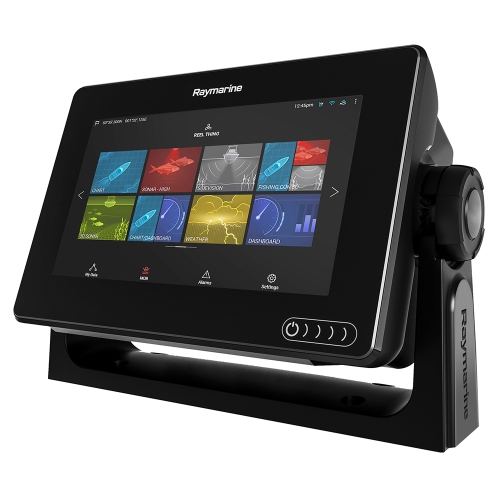 Your price for this item is $844.91
 -
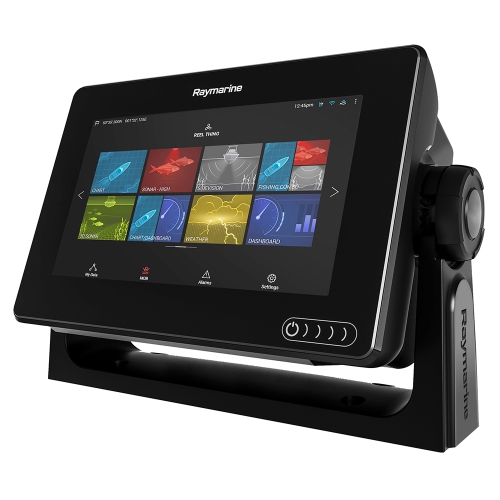 Your price for this item is $909.33
 -
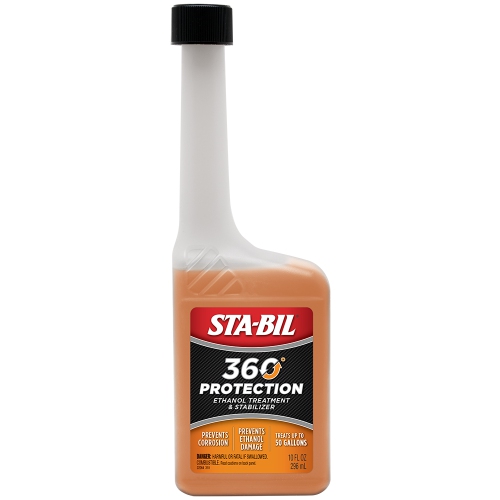 Your price for this item is $30.62
 -
 Your price for this item is $34.93
Discover more categories related to Boat Antennas
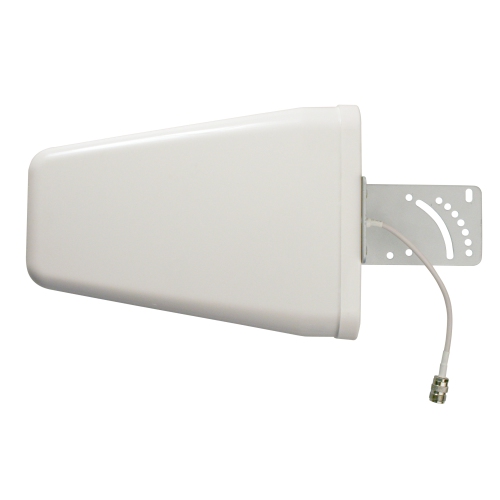
Top Collections:
Pokemon Centers, Kindle Devices, Best Budget Office Chairs, Apple iPhones 16, Best Laptops for Writers, iPhone 15 Apple, Canon G7X Cameras, Refurbished Apple Laptops, Alarm Clock, Motorola Razr Phones
Some products may be subject to Environmental Handling Fees
(EHF) depending on your province.
Learn more about EHFs.