Marine Antennas
Enhance your boating experience with our extensive collection of marine antennas. Whether you're an avid sailor or a fishing enthusiast, having reliable antennas is crucial for staying connected on the water. From VHF antennas for clear communication to satellite TV antennas for uninterrupted entertainment, our diverse range of options ensures that you'll find the perfect solution to meet your specific needs.
Sort
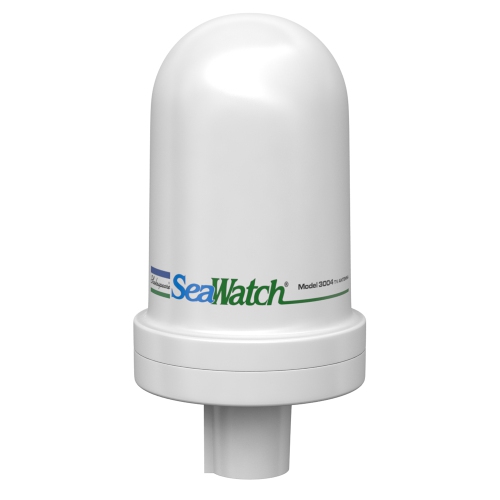
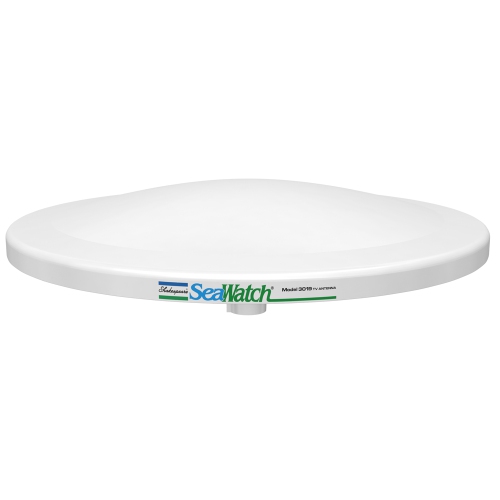
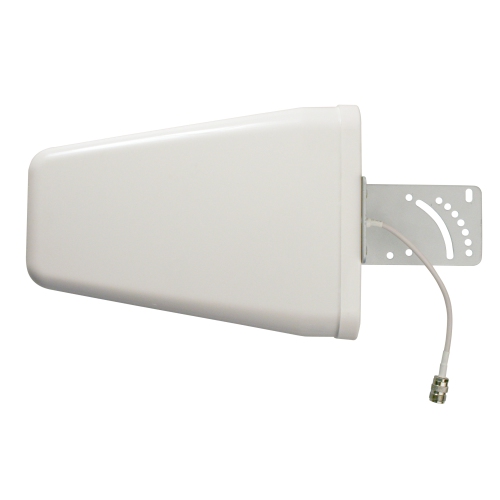
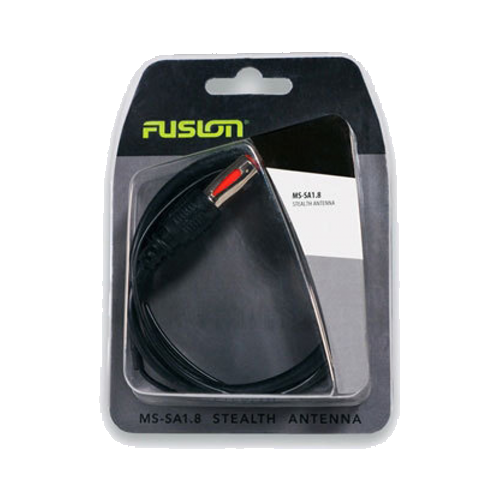

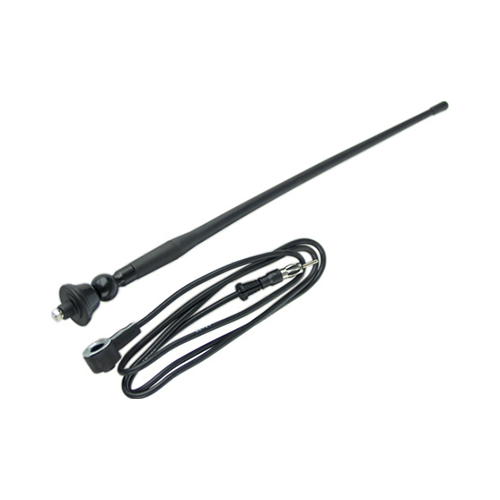
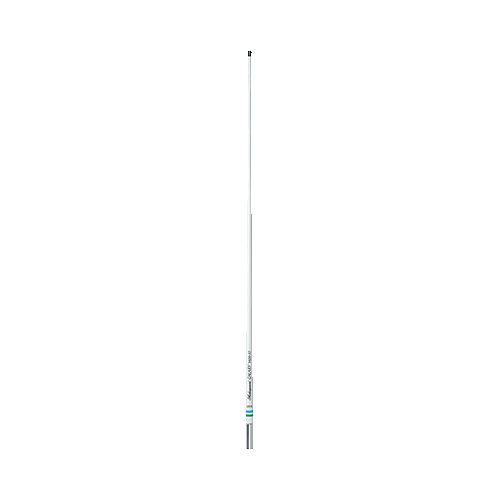
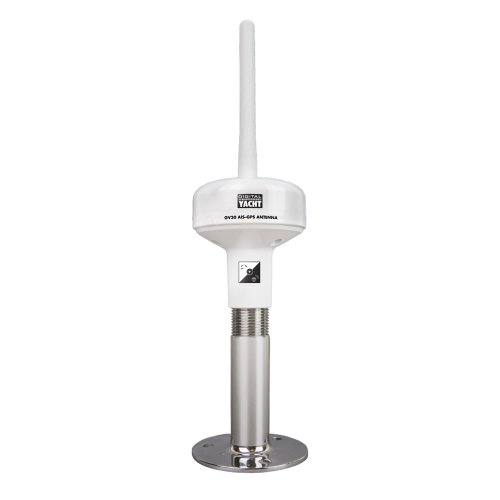
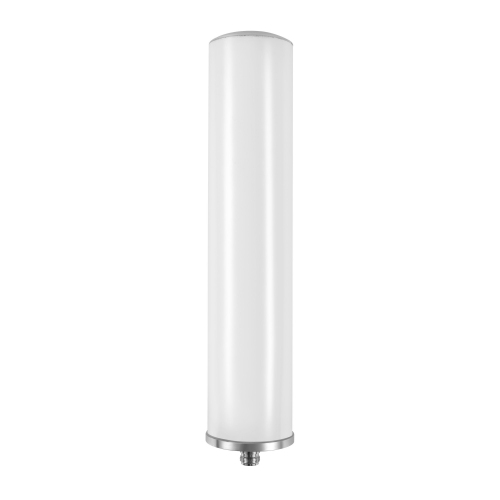
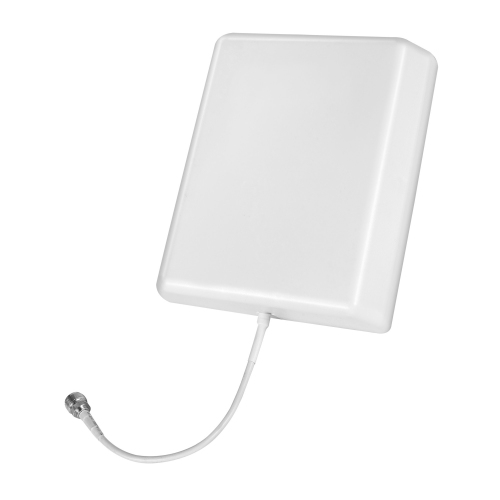
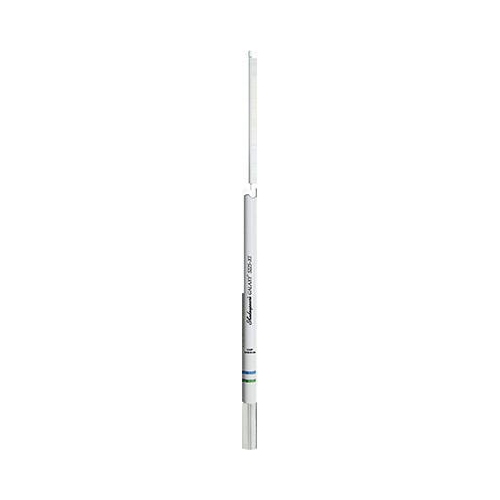
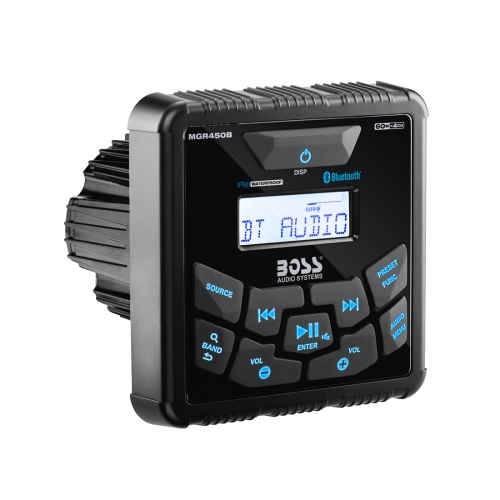

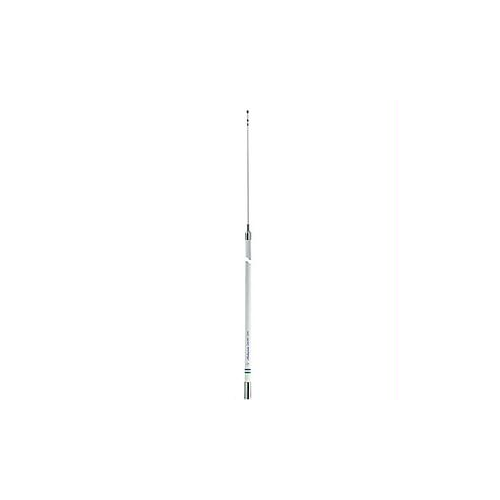
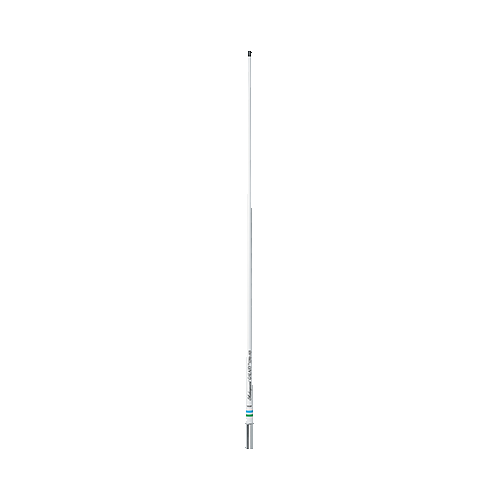
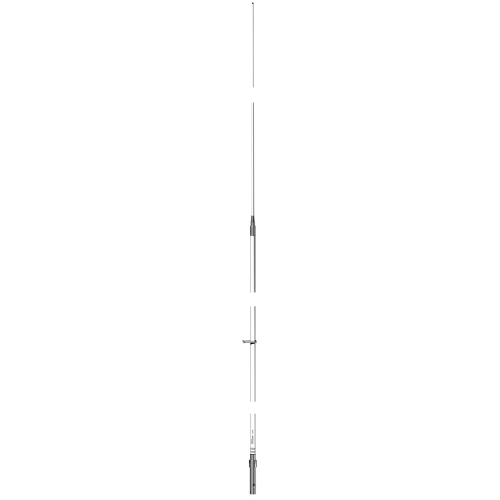
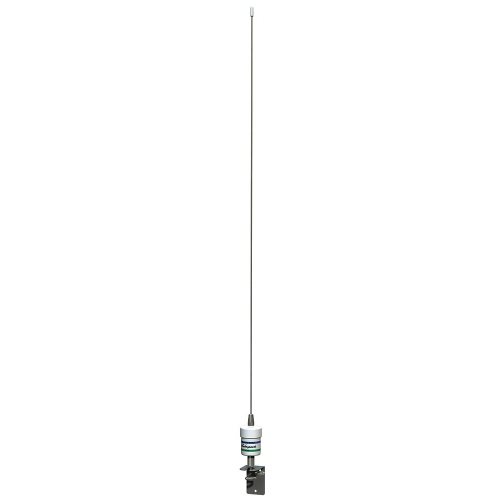
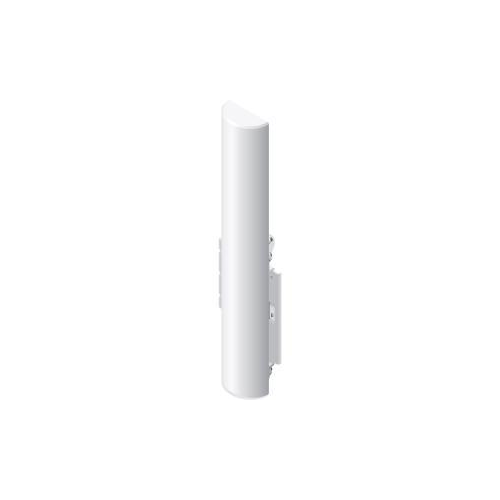
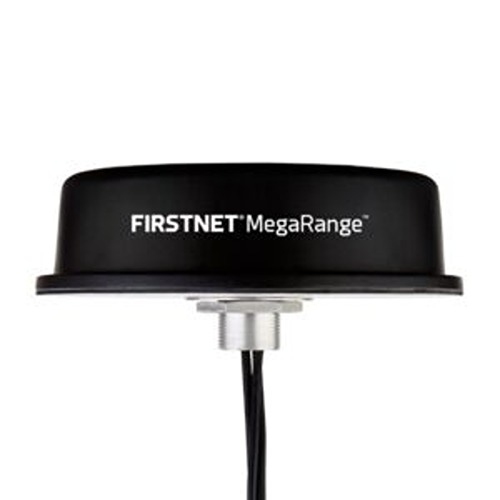
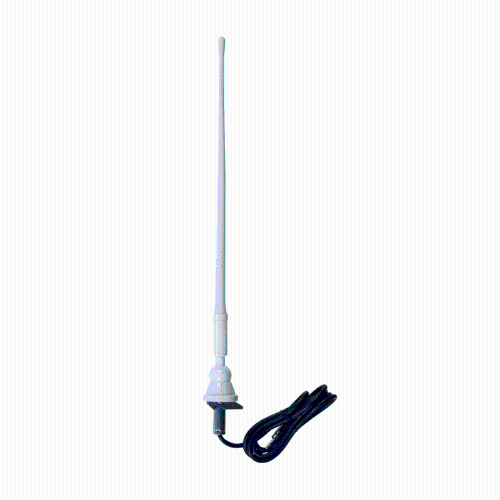
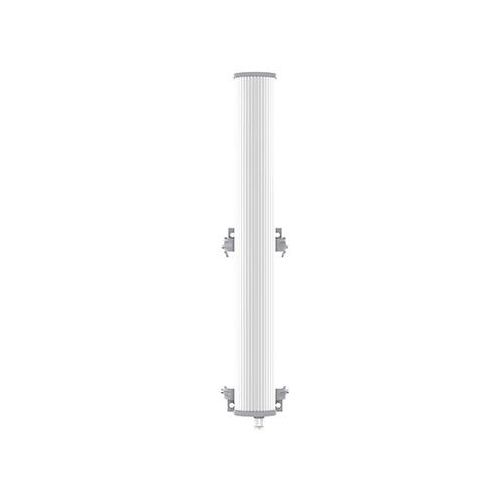

Why antenna placement matters for communication on the water
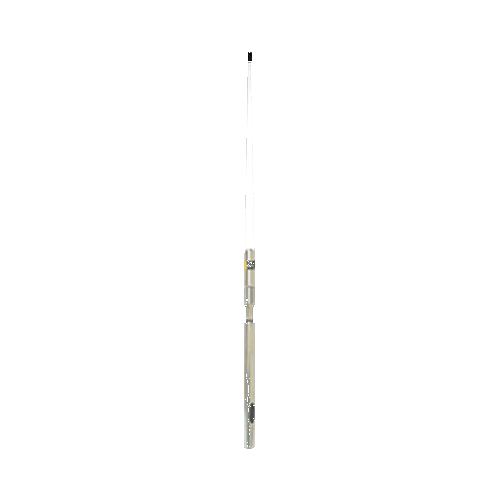
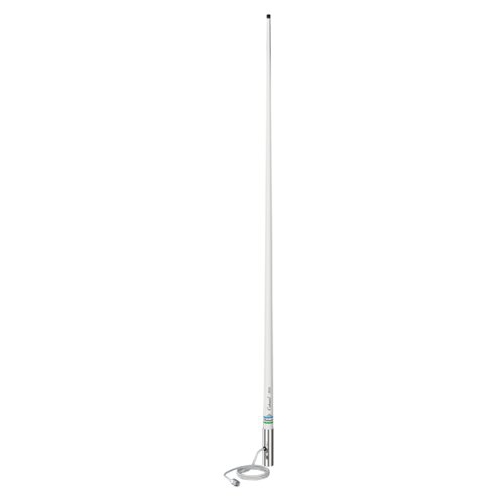
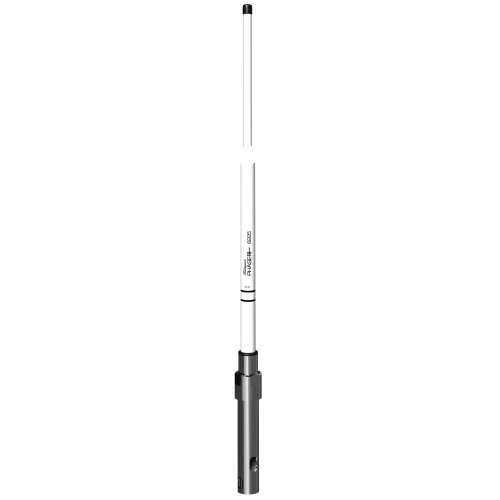
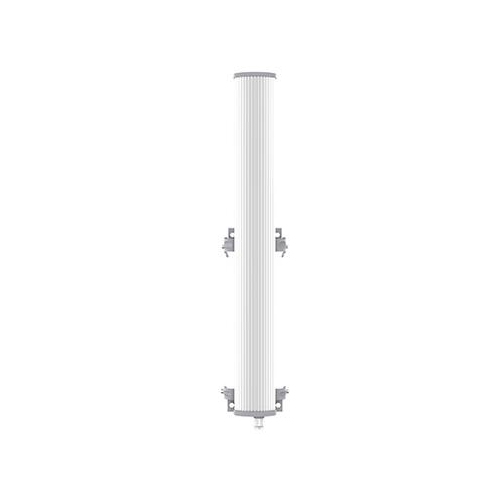
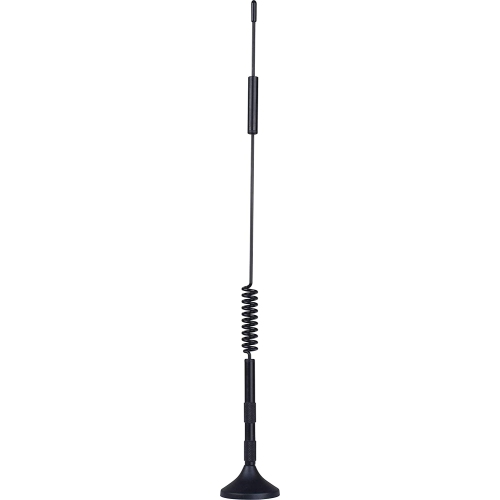
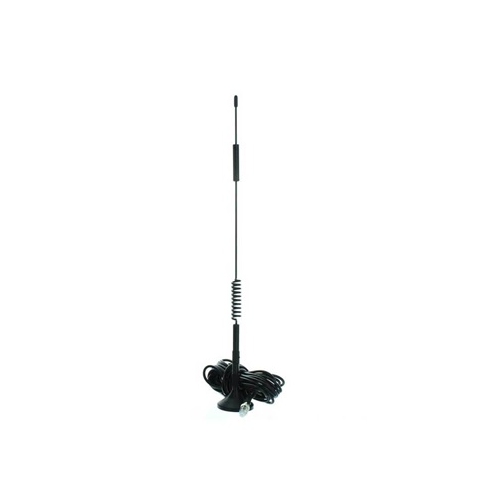
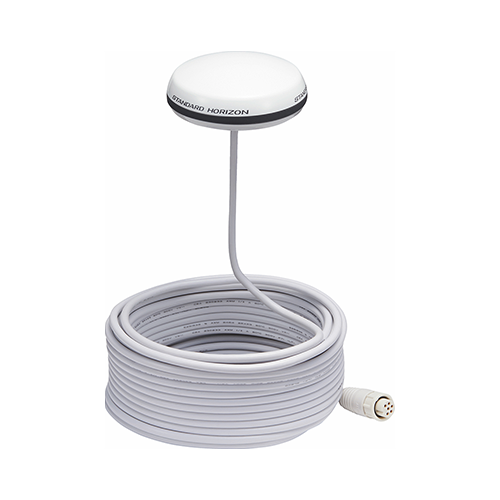
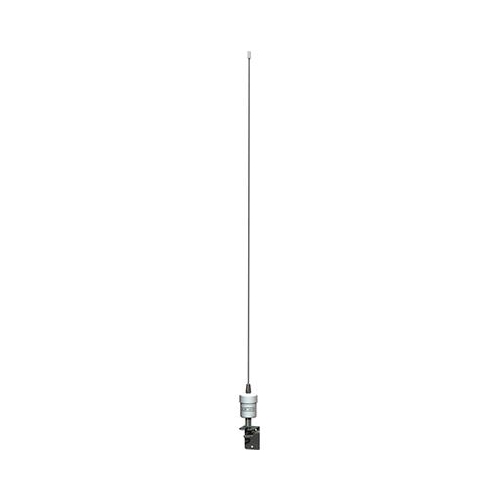
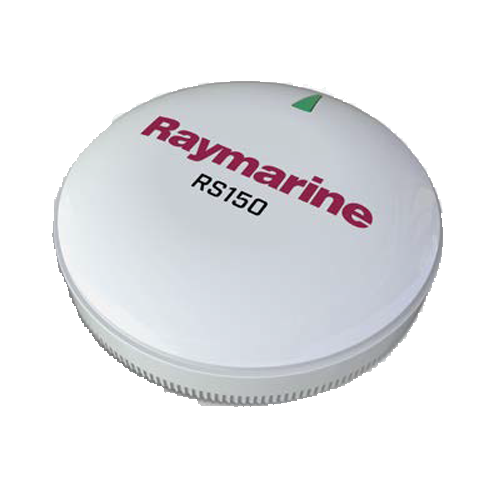
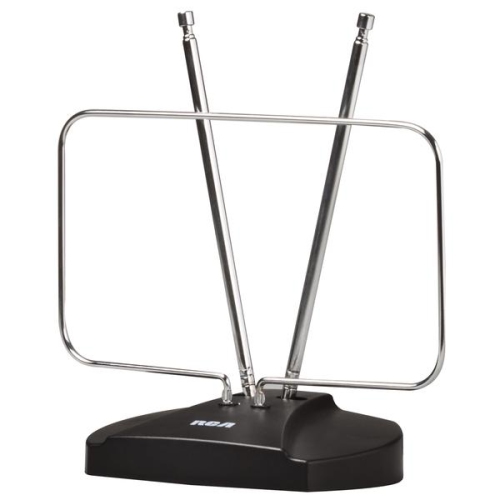
Marine antennas connect onboard electronics with the signals used for boat-to-boat communication, navigation, vessel identification, and entertainment. A marine antenna is designed for use on a boat, with construction and mounting options suited to exposure to water, vibration, and movement. The right type depends on the equipment it serves: a marine VHF antenna supports a compatible two-way radio, an AM/FM antenna receives broadcast stations, and dedicated antennas work with GPS receivers, Automatic Identification System (AIS) equipment, or satellite systems. These functions are distinct, so one antenna should not be assumed to support every device at the helm. For recreational boaters, anglers, sailors, and operators of working vessels, VHF radio antennas are particularly important for communicating with nearby boats, contacting marinas, and transmitting distress calls through a connected radio. Marine VHF communication is largely line of sight, which makes antenna height and a clear mounting location important to practical range. An antenna positioned above nearby obstructions generally has a better signal path than one tucked behind a cabin or surrounded by metal fittings. Actual range also depends on the height of the other station’s antenna, radio performance, cable losses, and the surrounding terrain; no antenna can guarantee a fixed communication distance in every setting. Entertainment antennas serve a different purpose, bringing local AM/FM broadcasts to compatible marine stereos while passengers relax at anchor or travel between stops. The broader Radio Antennas category provides context for other radio applications, while marine antenna selection centres on onboard compatibility and the demands of boat installation. GPS antennas help compatible navigation equipment receive positioning signals, while AIS antennas support equipment that receives or exchanges vessel information. Satellite antennas belong to their own compatible systems and may require dedicated hardware and service. Matching the antenna’s stated frequency range and purpose to the connected equipment is the starting point for a useful onboard setup.
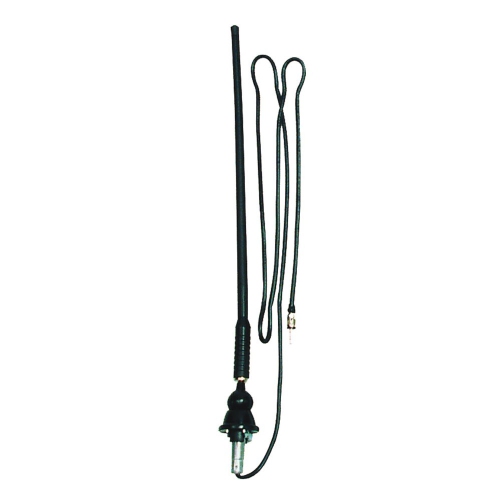
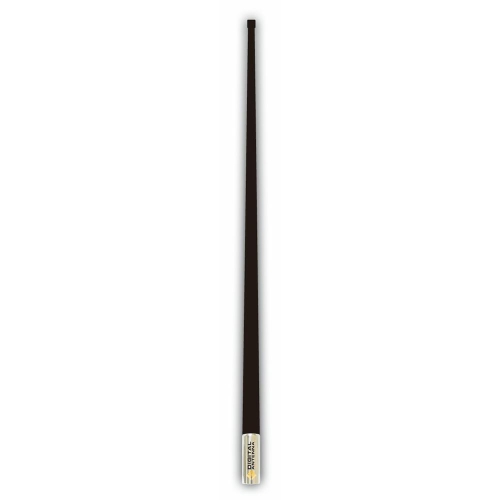
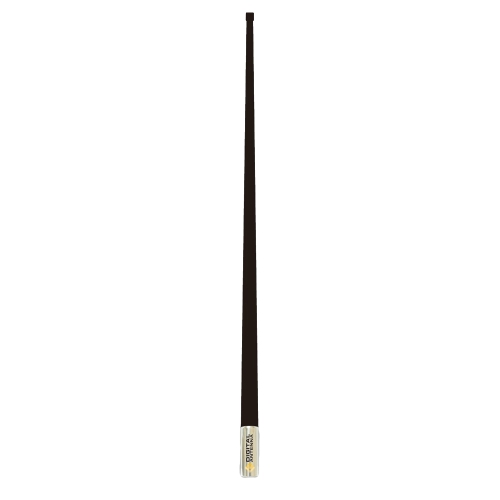
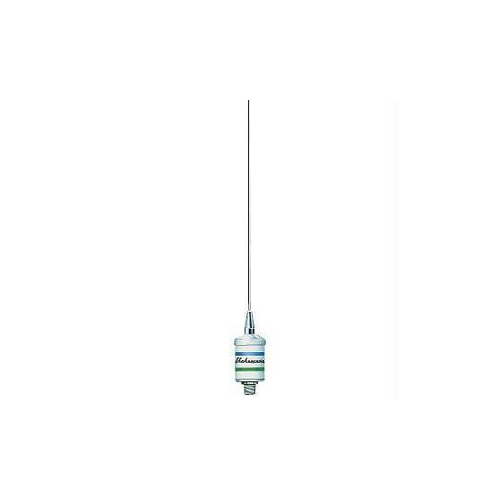
The physical shape of a marine antenna reflects both its electrical design and the space it needs aboard. Common constructions include fibreglass-covered antennas that protect internal elements and stainless steel whips that offer a slender, flexible profile. Corrosion-resistant mounting hardware, sealed connections, and a durable outer finish matter wherever fittings encounter salt spray, splashes, or repeated handling. Length alone does not establish quality, but antenna design, height, and gain work together to influence performance. Antenna gain, often expressed in decibels, describes how strongly an antenna concentrates its signal in particular directions rather than adding transmitter power. Higher-gain designs typically concentrate more energy towards the horizon in a narrower vertical pattern. That can suit a relatively stable powerboat installation, but it may be less forgiving when a boat heels or pitches enough to move that pattern away from the receiving station. Lower-gain antennas generally have a broader vertical pattern, which can be useful on sailboats and smaller boats that move through wider angles. Gain ratings are most meaningful when compared using the same reference, such as dBi or dBd, and should be considered alongside the manufacturer’s intended application. A masthead installation on a sailboat, a rail-mounted antenna on a compact fishing boat, and a longer antenna on a cabin cruiser each involve different clearance and mounting needs. Ratchet mounts allow compatible antennas to fold down for bridge clearance, trailering, or storage, while fixed, rail, and mast mounts suit other layouts. The mount’s thread, fastening method, load capacity, and support requirements must match the antenna rather than merely look compatible. On a crowded helm or upper deck, the full antenna length also needs clearance from walking areas, lines, canvas, and moving equipment. For a boat owner replacing an existing antenna, checking the mounting arrangement and cable route can be just as important as comparing electrical specifications. A replacement that fits the old bracket may still require different cable connections or additional support.
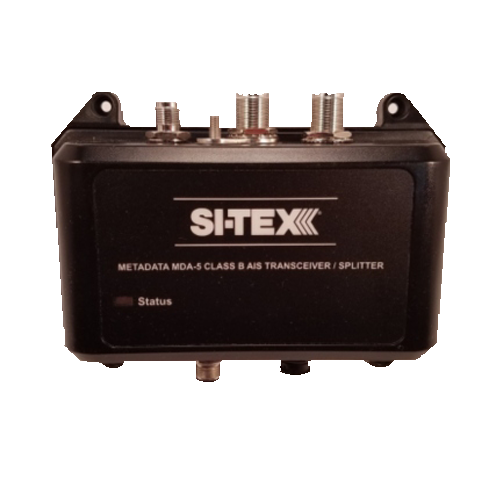
Cables and connectors are part of the antenna system, not incidental accessories. Marine VHF installations commonly use coaxial cable, and signal loss increases with cable length and depends on the cable’s construction and the operating frequency. A long run from a masthead to a radio therefore calls for particular attention to the specified cable type and connection quality. Connector styles vary across radios, navigation receivers, and entertainment equipment, so matching the antenna connector to the device helps avoid unnecessary adapters and extra connection points. Cable routing should protect against sharp edges, pinching, and tight bends, with properly sealed deck penetrations and strain relief where needed. Separation from sources of electrical interference can also help reception. For installations involving both VHF radio and AIS, a shared antenna requires a splitter specifically designed for the connected equipment; an ordinary splitter is not a substitute. AIS operates near the upper end of the marine VHF band, making the antenna’s stated frequency coverage particularly relevant. Transmitting antennas also need the separation from people and other equipment specified by their manufacturers. Routine care is straightforward but valuable: a fresh-water rinse can remove salt deposits, while gentle cleaning helps preserve the finish without damaging seals or protective coatings. Periodic checks can reveal loose mounts, cracked fibreglass, damaged cable jackets, or corrosion around exposed connections before those issues interrupt communication. Folding mounts should lock securely in their operating position, and antennas should never serve as handholds when boarding or moving around the boat. A sudden decline in performance may come from a connector or cable fault rather than the antenna itself, so assessing the complete installation can prevent an unnecessary replacement. Marine antennas can also make practical gifts for boat owners upgrading onboard communication or entertainment, provided the recipient’s radio type, mounting details, and vessel layout are known. Whether intended for conversations with a marina, broadcast listening at the dock, or integration with navigation equipment, a well-matched antenna brings together suitable construction, secure fit, and the electrical specifications its connected system requires.
The physical shape of a marine antenna reflects both its electrical design and the space it needs aboard. Common constructions include fibreglass-covered antennas that protect internal elements and stainless steel whips that offer a slender, flexible profile. Corrosion-resistant mounting hardware, sealed connections, and a durable outer finish matter wherever fittings encounter salt spray, splashes, or repeated handling. Length alone does not establish quality, but antenna design, height, and gain work together to influence performance. Antenna gain, often expressed in decibels, describes how strongly an antenna concentrates its signal in particular directions rather than adding transmitter power. Higher-gain designs typically concentrate more energy towards the horizon in a narrower vertical pattern. That can suit a relatively stable powerboat installation, but it may be less forgiving when a boat heels or pitches enough to move that pattern away from the receiving station. Lower-gain antennas generally have a broader vertical pattern, which can be useful on sailboats and smaller boats that move through wider angles. Gain ratings are most meaningful when compared using the same reference, such as dBi or dBd, and should be considered alongside the manufacturer’s intended application. A masthead installation on a sailboat, a rail-mounted antenna on a compact fishing boat, and a longer antenna on a cabin cruiser each involve different clearance and mounting needs. Ratchet mounts allow compatible antennas to fold down for bridge clearance, trailering, or storage, while fixed, rail, and mast mounts suit other layouts. The mount’s thread, fastening method, load capacity, and support requirements must match the antenna rather than merely look compatible. On a crowded helm or upper deck, the full antenna length also needs clearance from walking areas, lines, canvas, and moving equipment. For a boat owner replacing an existing antenna, checking the mounting arrangement and cable route can be just as important as comparing electrical specifications. A replacement that fits the old bracket may still require different cable connections or additional support.
Cables and connectors are part of the antenna system, not incidental accessories. Marine VHF installations commonly use coaxial cable, and signal loss increases with cable length and depends on the cable’s construction and the operating frequency. A long run from a masthead to a radio therefore calls for particular attention to the specified cable type and connection quality. Connector styles vary across radios, navigation receivers, and entertainment equipment, so matching the antenna connector to the device helps avoid unnecessary adapters and extra connection points. Cable routing should protect against sharp edges, pinching, and tight bends, with properly sealed deck penetrations and strain relief where needed. Separation from sources of electrical interference can also help reception. For installations involving both VHF radio and AIS, a shared antenna requires a splitter specifically designed for the connected equipment; an ordinary splitter is not a substitute. AIS operates near the upper end of the marine VHF band, making the antenna’s stated frequency coverage particularly relevant. Transmitting antennas also need the separation from people and other equipment specified by their manufacturers. Routine care is straightforward but valuable: a fresh-water rinse can remove salt deposits, while gentle cleaning helps preserve the finish without damaging seals or protective coatings. Periodic checks can reveal loose mounts, cracked fibreglass, damaged cable jackets, or corrosion around exposed connections before those issues interrupt communication. Folding mounts should lock securely in their operating position, and antennas should never serve as handholds when boarding or moving around the boat. A sudden decline in performance may come from a connector or cable fault rather than the antenna itself, so assessing the complete installation can prevent an unnecessary replacement. Marine antennas can also make practical gifts for boat owners upgrading onboard communication or entertainment, provided the recipient’s radio type, mounting details, and vessel layout are known. Whether intended for conversations with a marina, broadcast listening at the dock, or integration with navigation equipment, a well-matched antenna brings together suitable construction, secure fit, and the electrical specifications its connected system requires.
Top selling and popular products
-
 Your price for this item is $30.58
 -
 Your price for this item is $30.54
 -
 Your price for this item is $38.85
 -
 Your price for this item is $92.99
 -
 Your price for this item is $917.79
 -
 Your price for this item is $844.31
 -
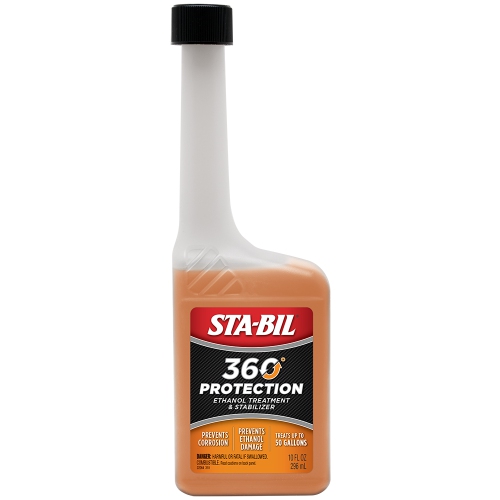 Your price for this item is $30.62
 -
 Your price for this item is $34.93
Discover more categories related to Marine Antennas
Top Collections:
Pokemon Centers, Kindle Devices, Best Budget Office Chairs, Apple iPhones 16, Canon G7X Cameras, iPhone 15 Apple, Alarm Clock, Refurbished Apple Laptops, Flip Phones, Best Laptops for Writers
Some products may be subject to Environmental Handling Fees
(EHF) depending on your province.
Learn more about EHFs.