Brakes And Rotors
Ensure your vehicle stops smoothly and safely with our wide selection of brakes and rotors. Whether you're in need of a brake pad replacement or rotor repair, we have everything you need to maintain optimal braking performance for your car, truck, or SUV. Browse through our range of high-quality brake pads, rotors, and brake kits to find the perfect fit for your vehicle's make and model. Keep your brakes in top condition and drive with confidence knowing you have reliable stopping power at your fingertips.
Sort
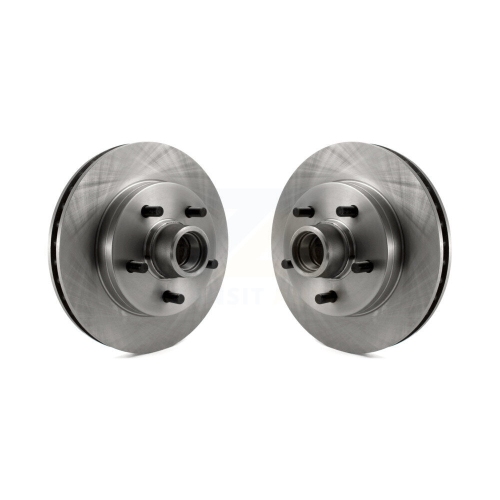
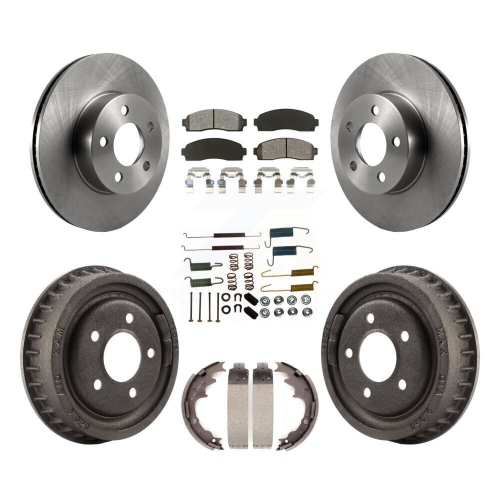
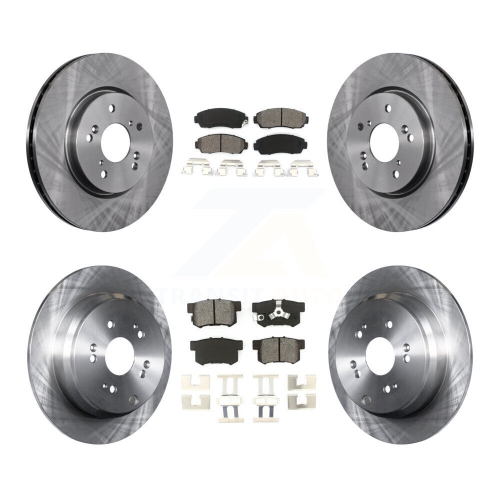
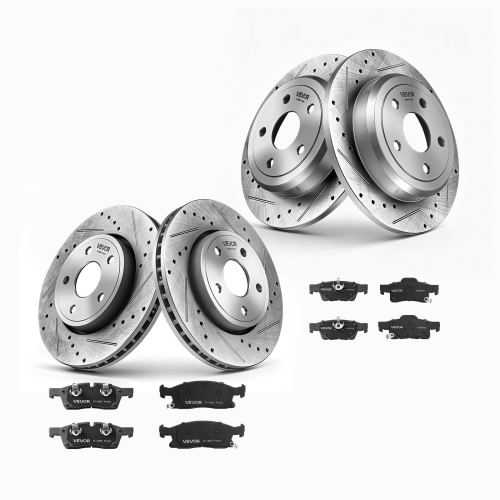
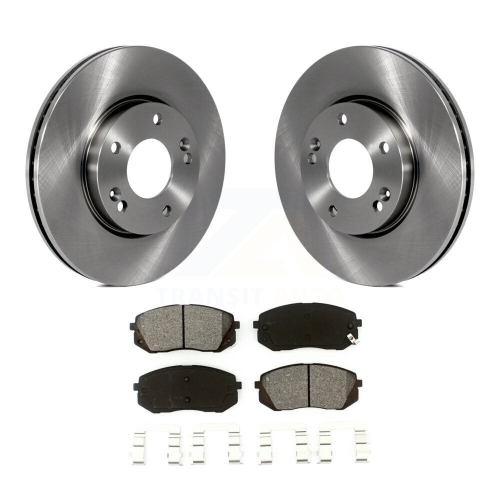
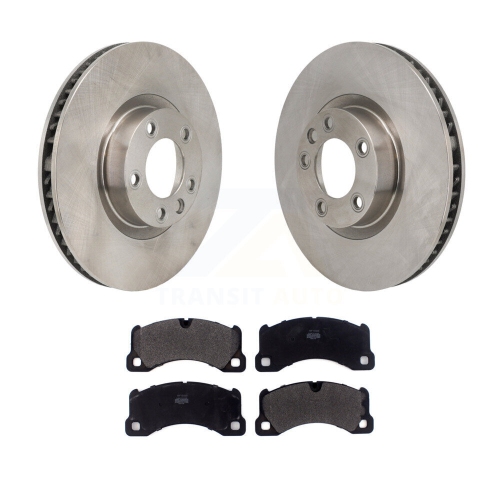
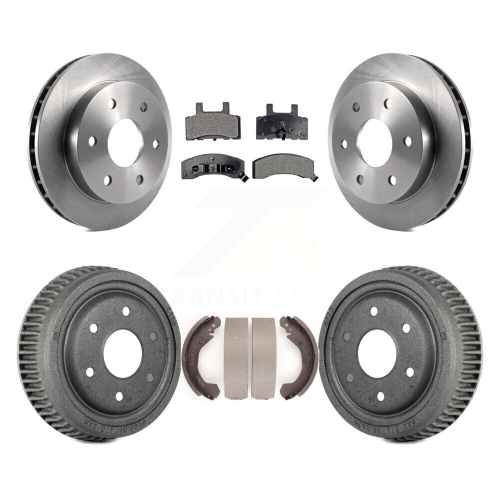
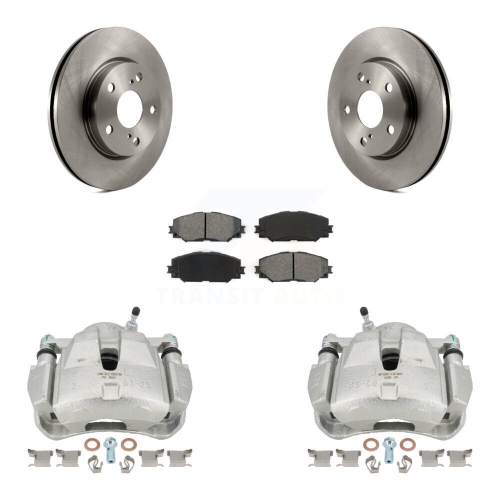
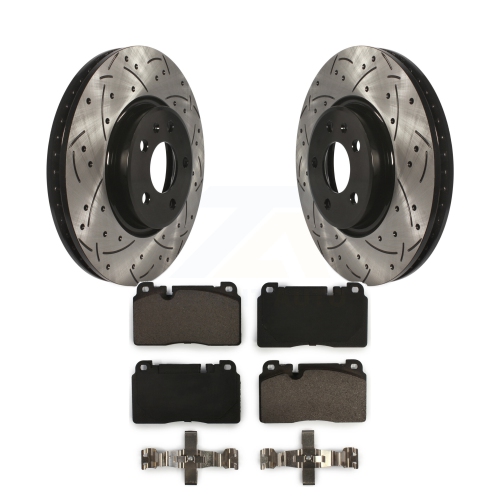
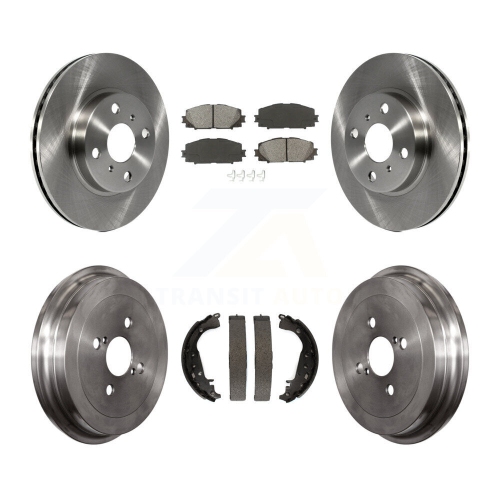
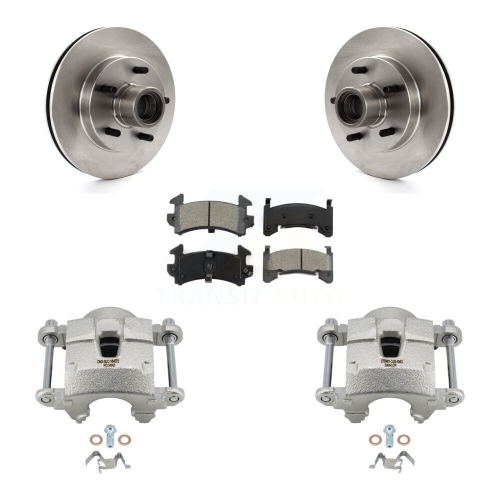
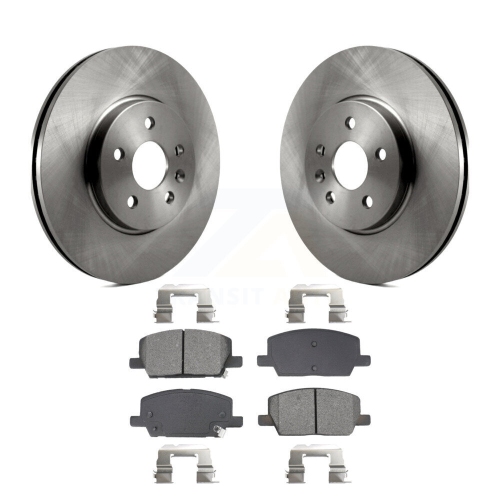
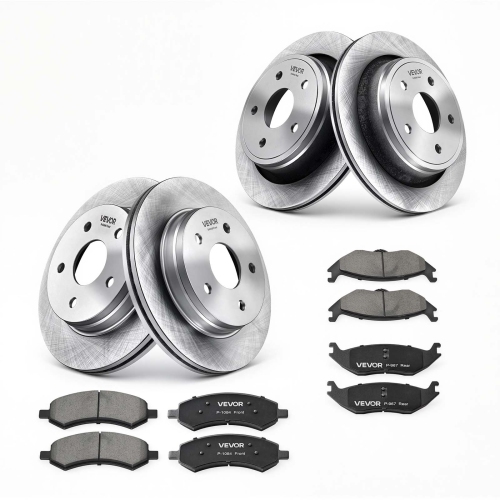


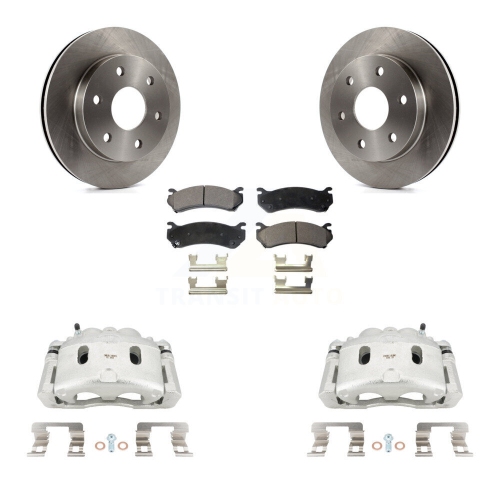
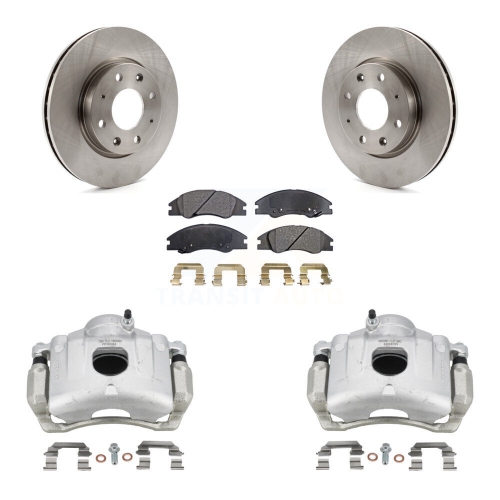
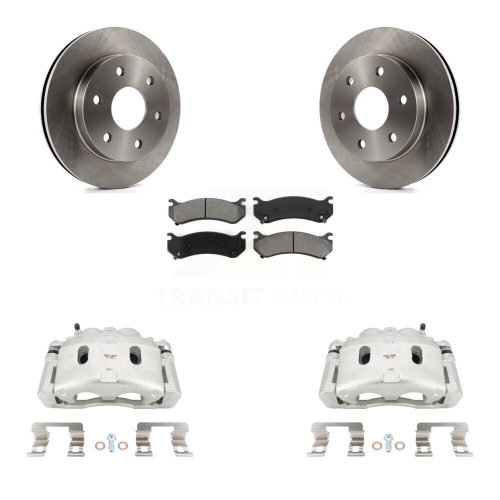
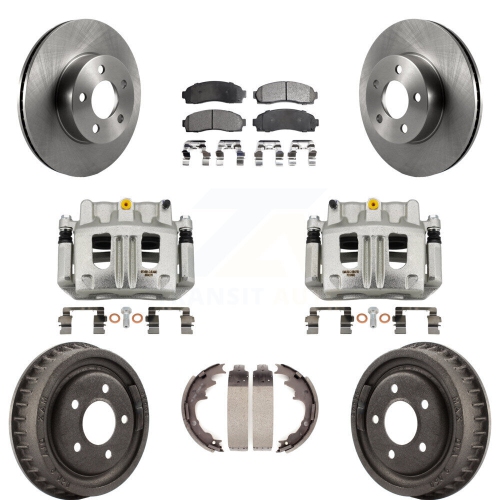

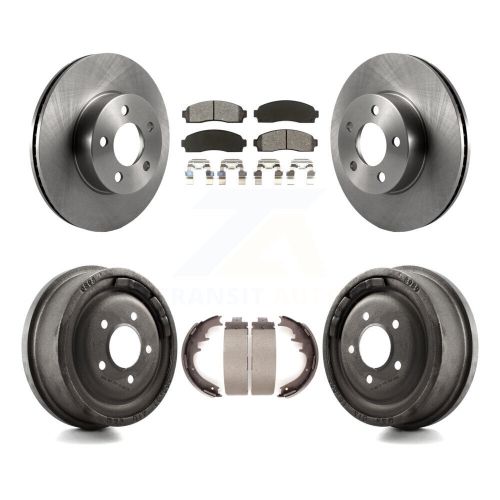

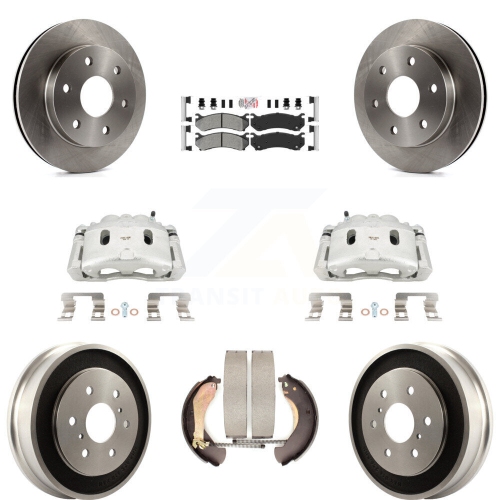
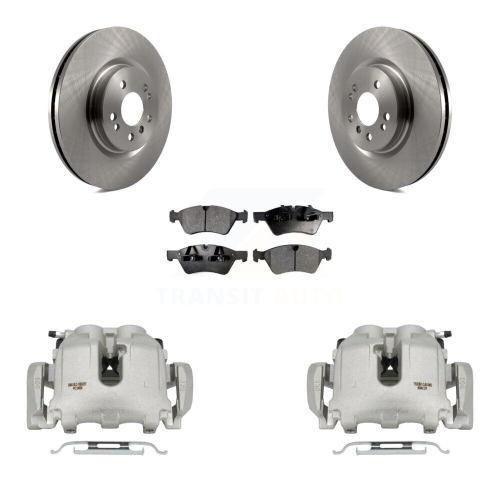



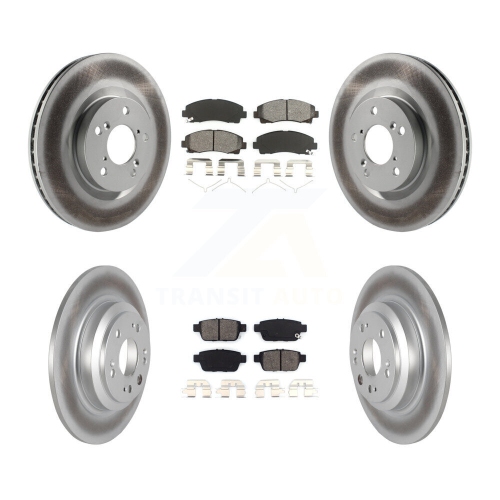

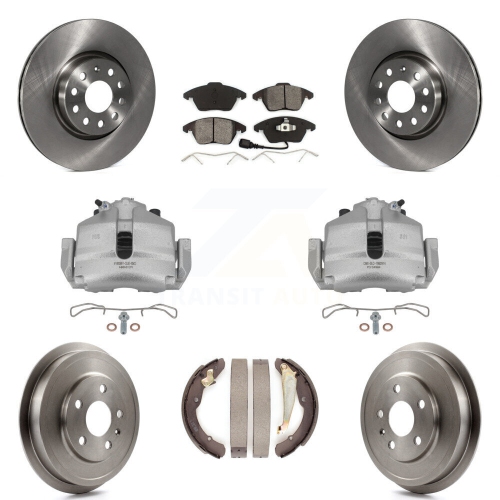
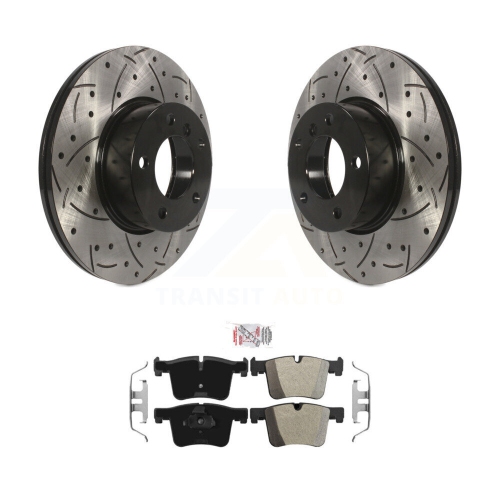
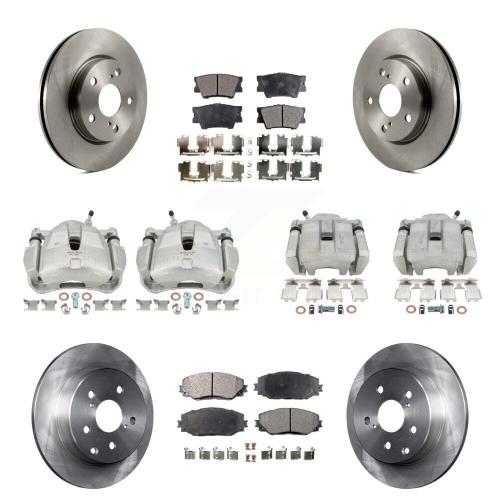
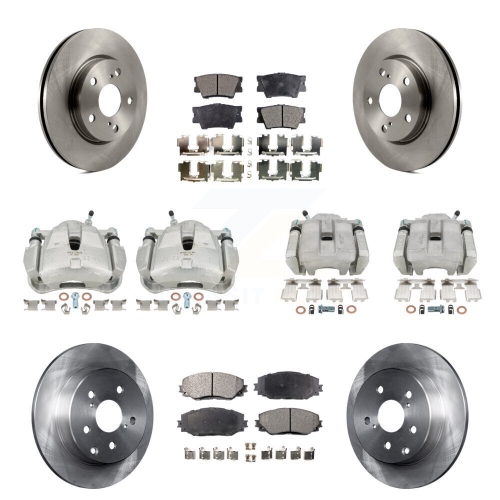

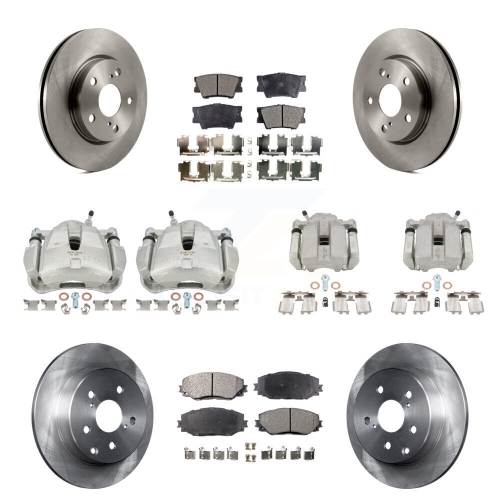
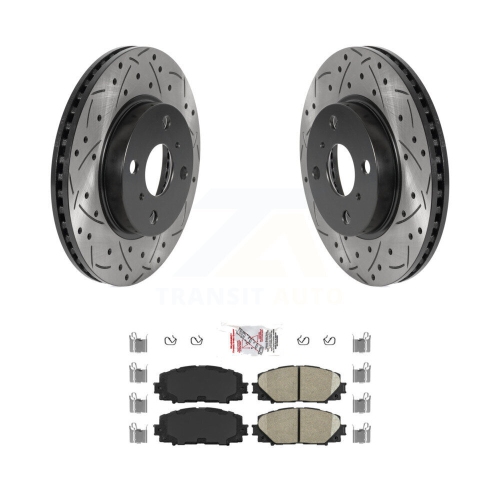
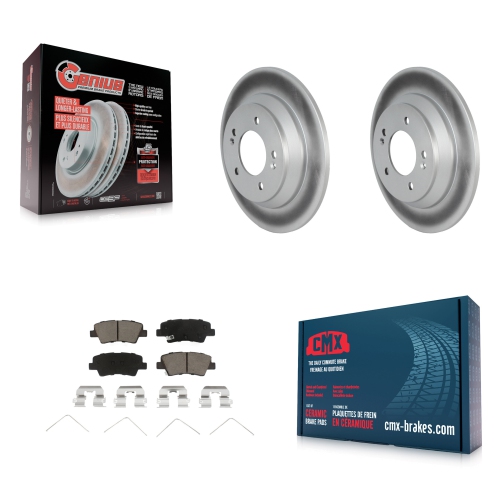
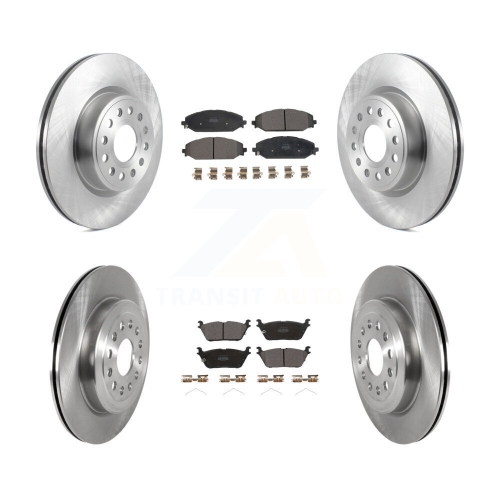

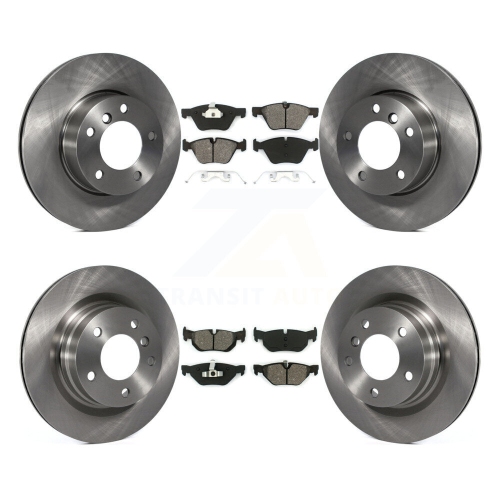
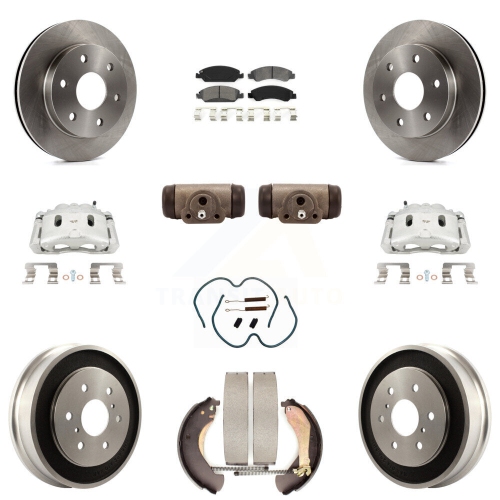
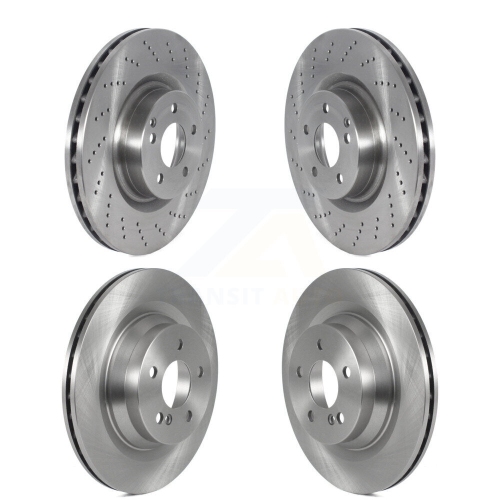
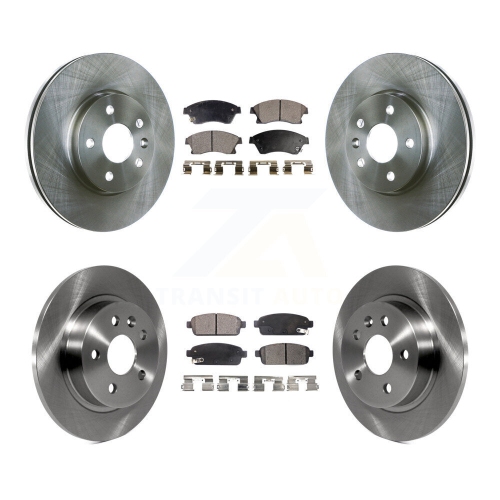

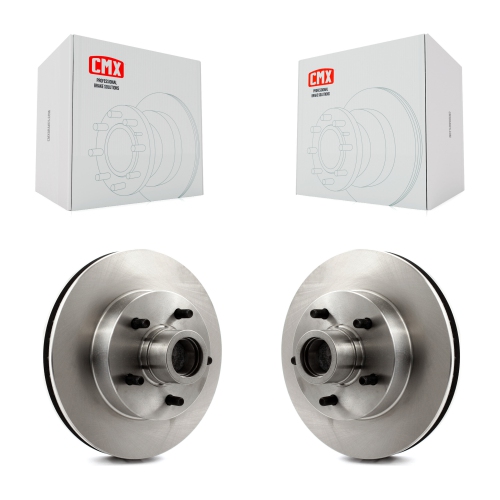
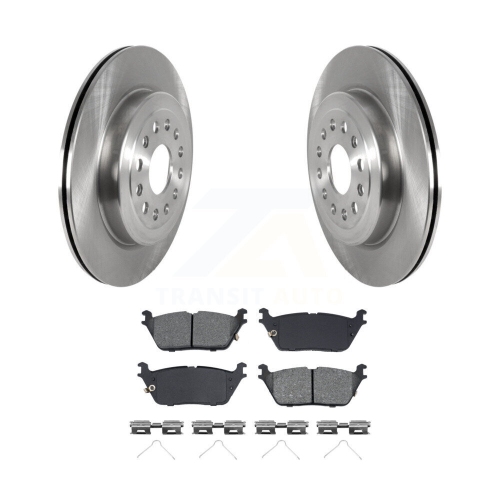

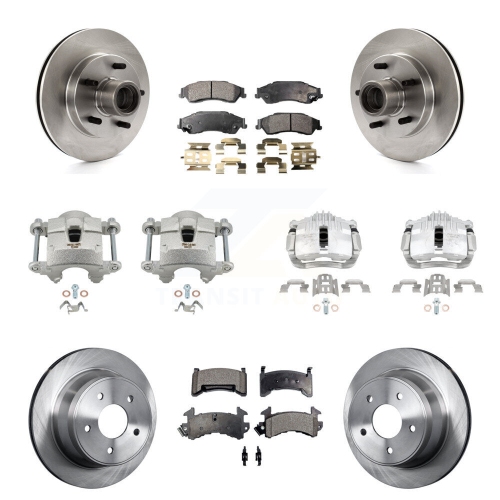

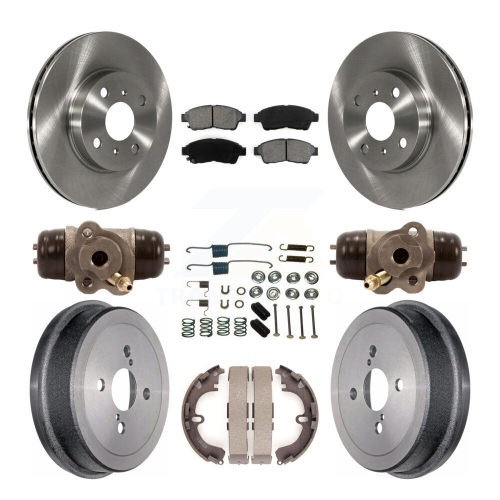
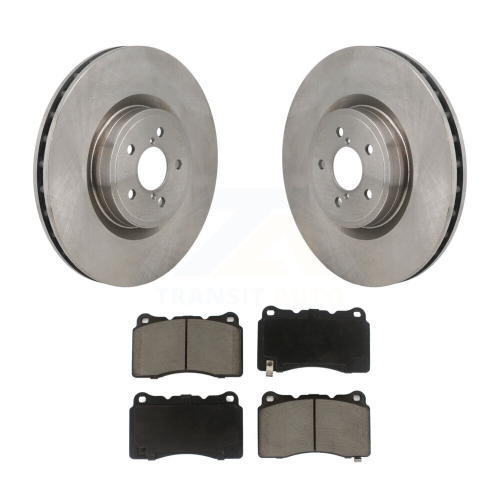
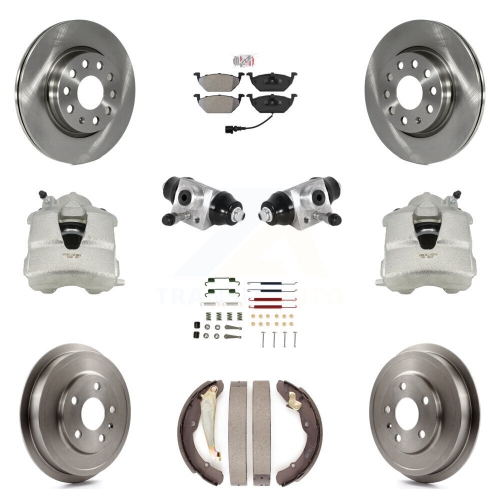
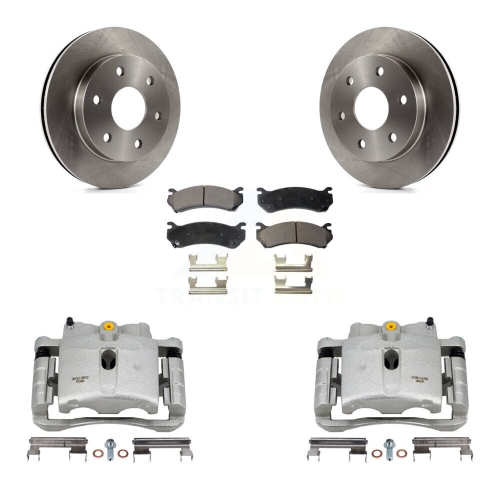
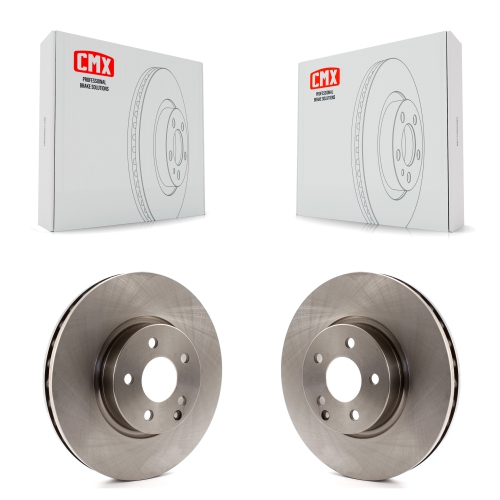
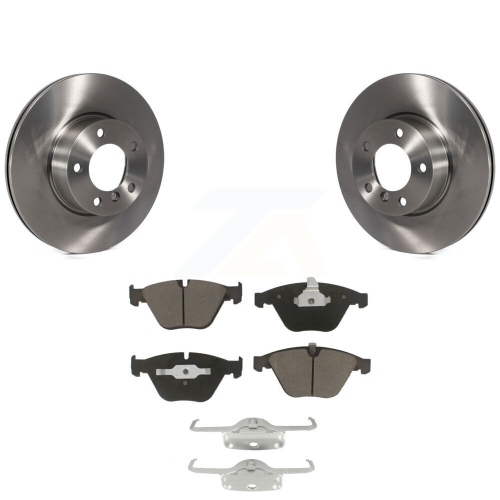
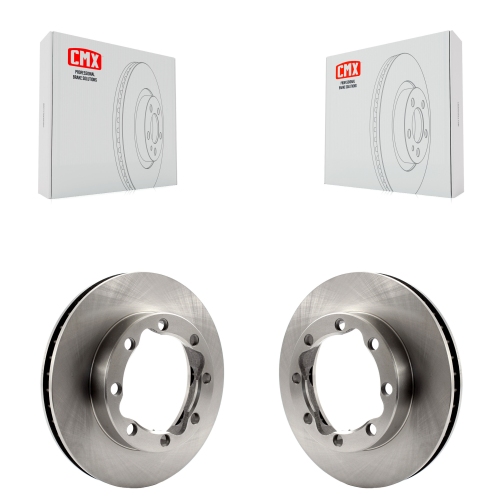
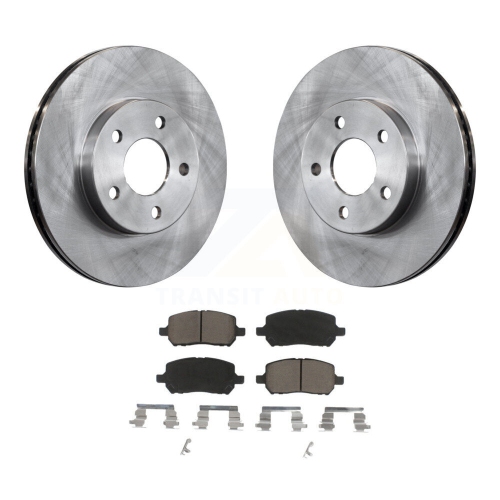

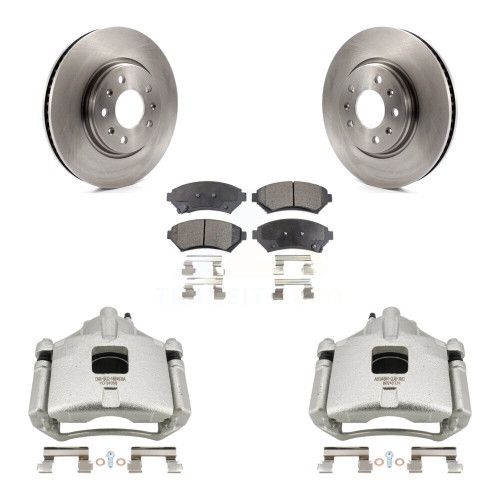
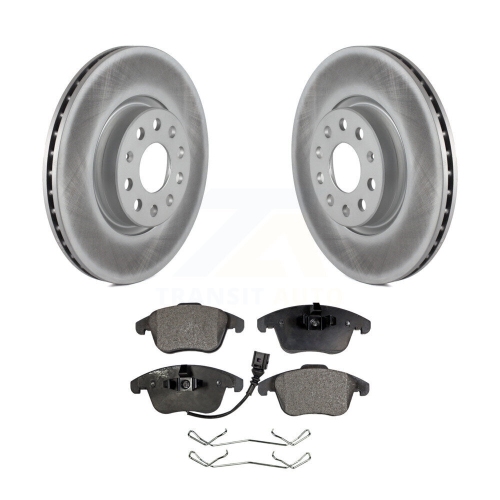
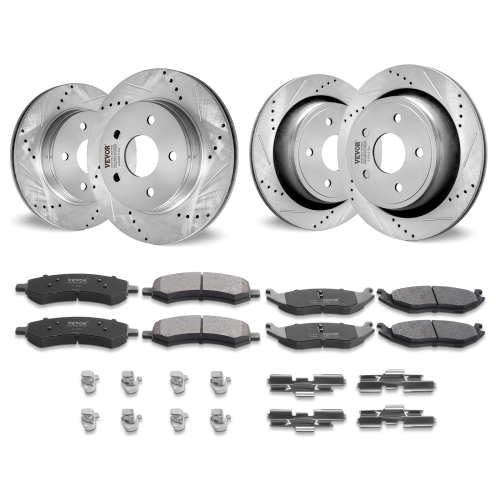
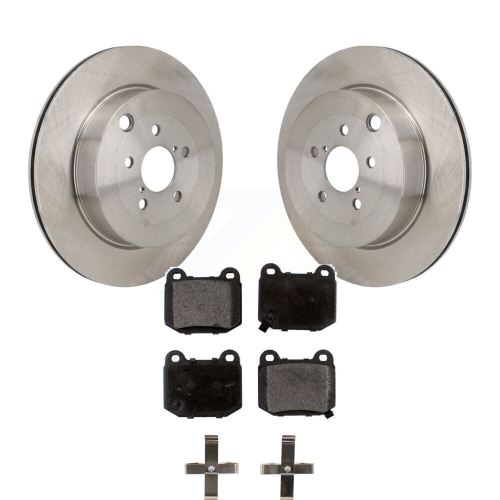
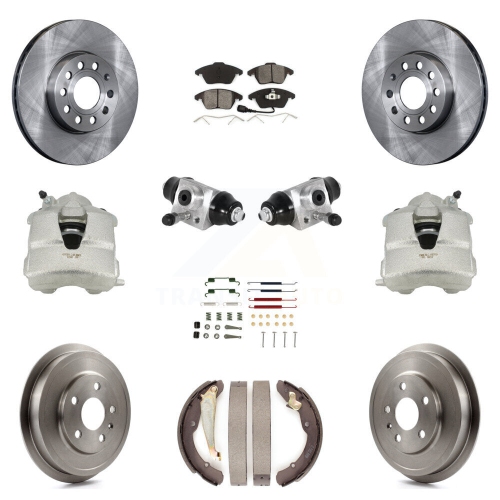
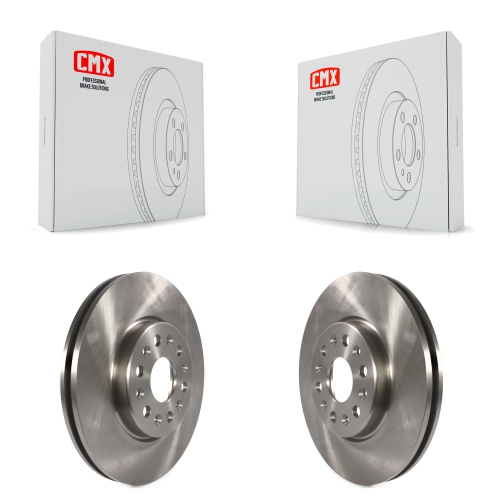
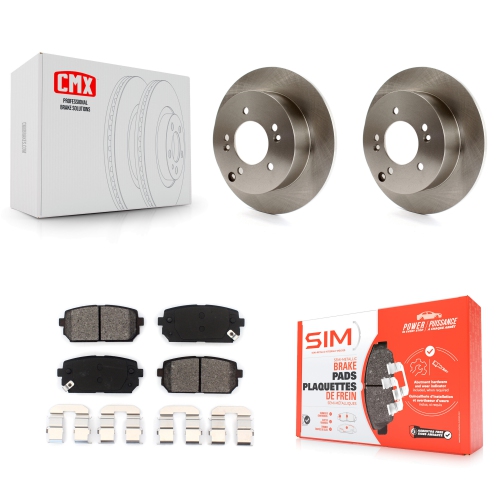
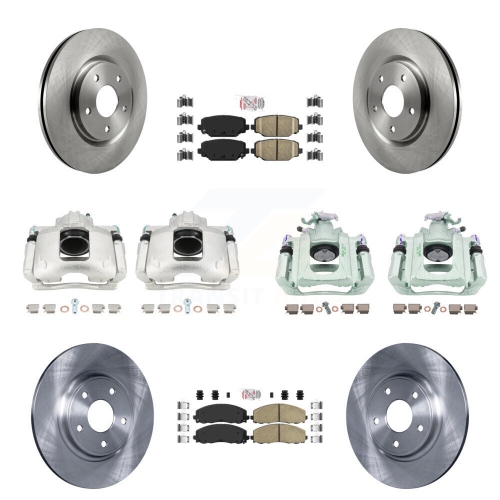
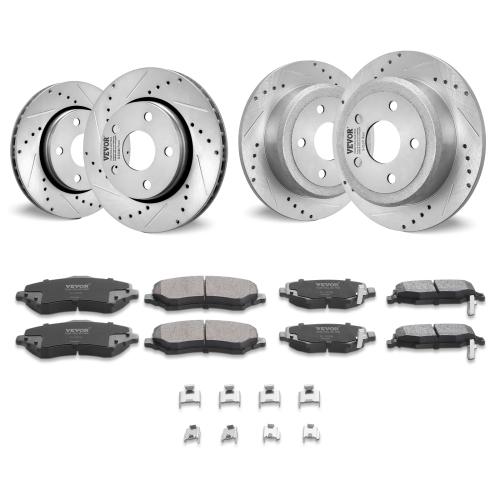
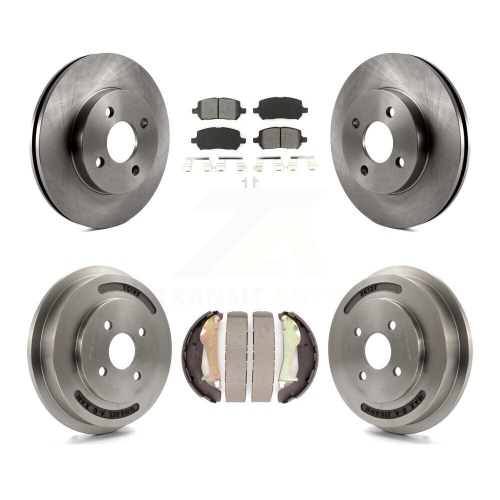

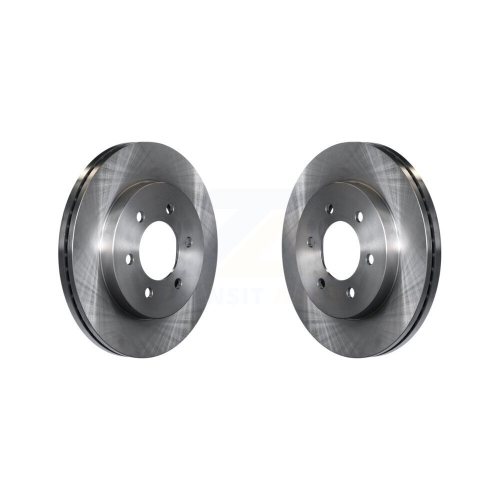
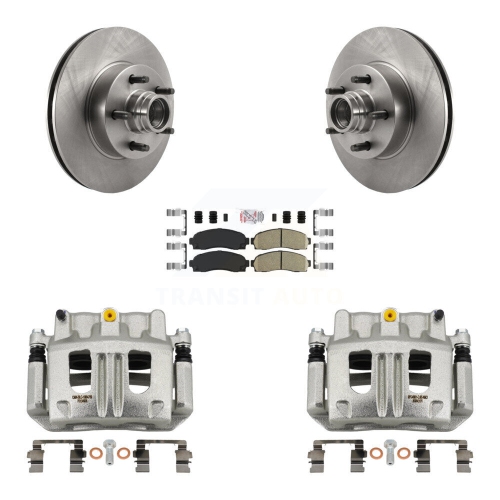
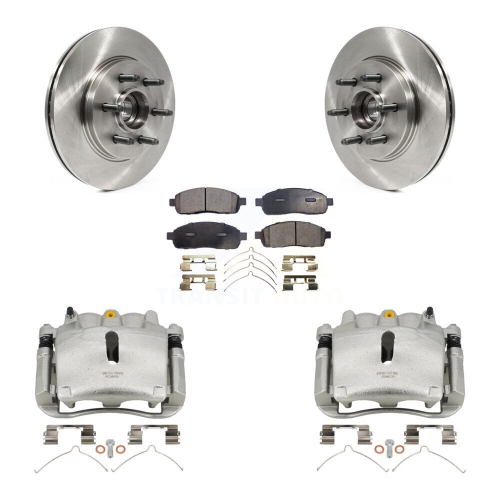
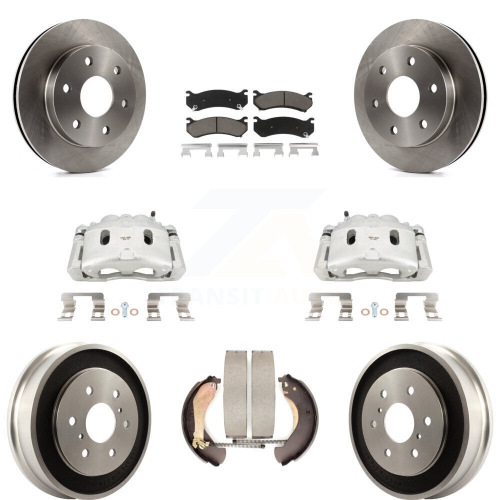
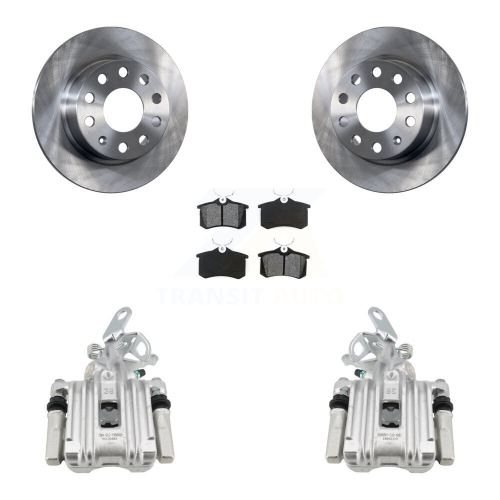
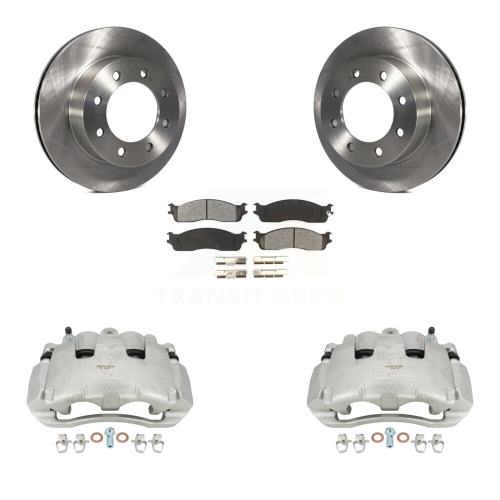

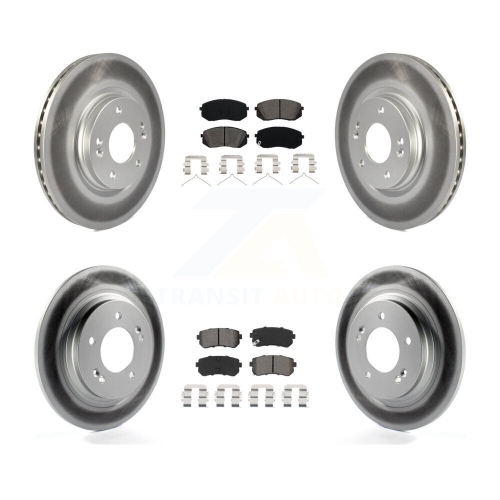

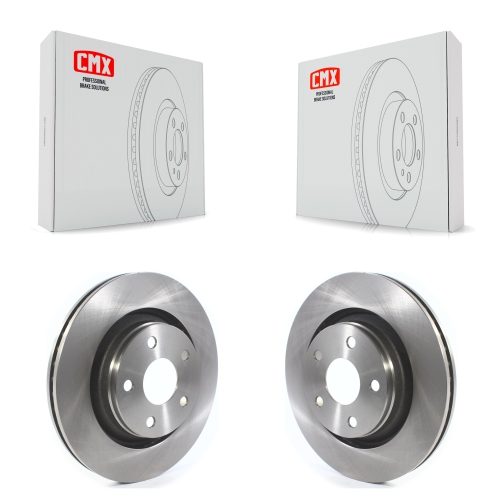
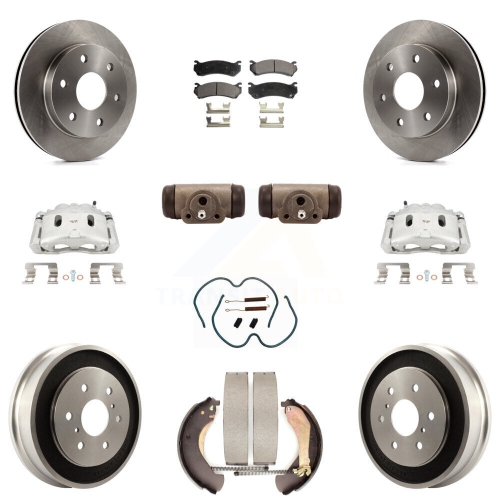
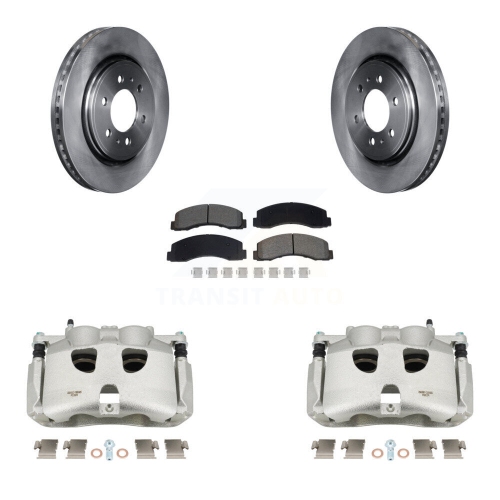
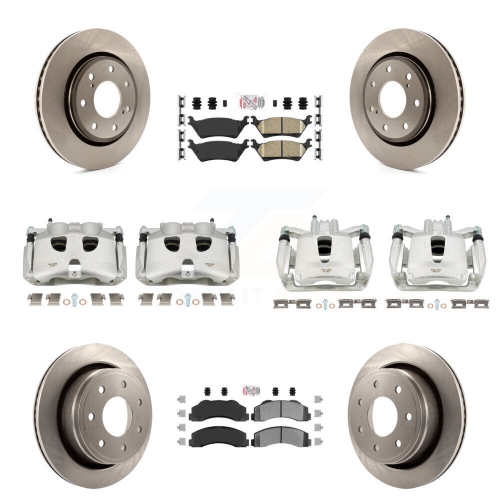
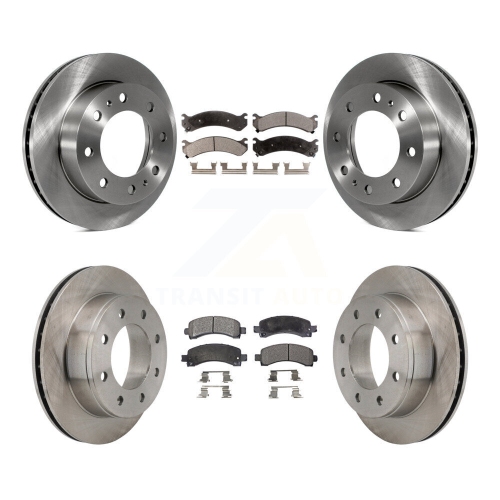
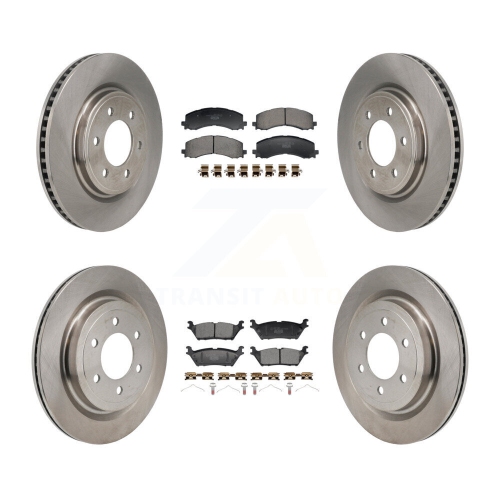
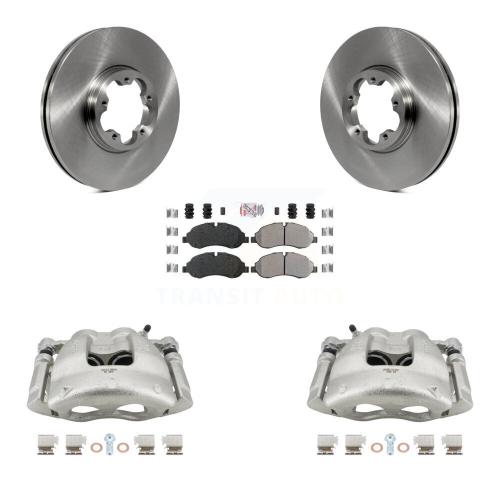
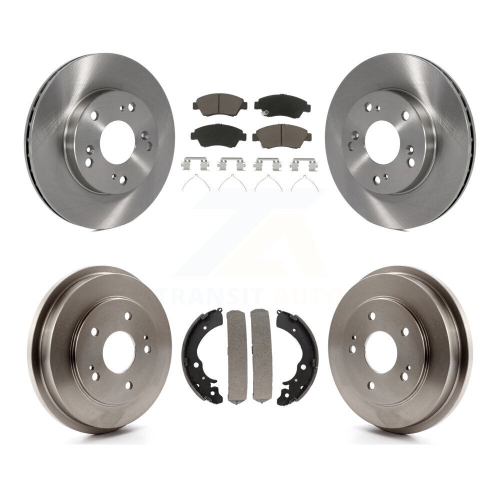
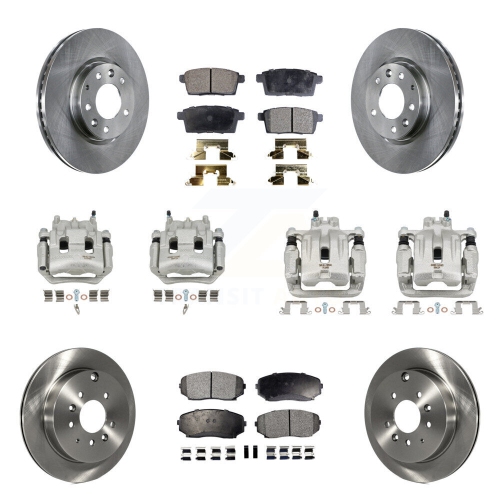
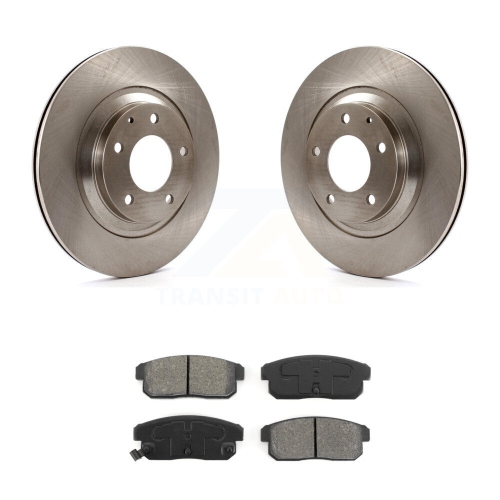
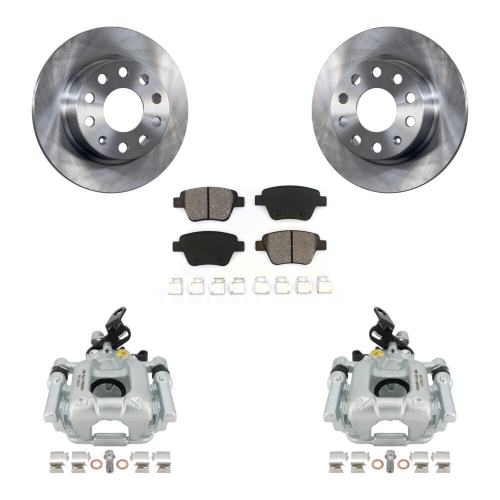

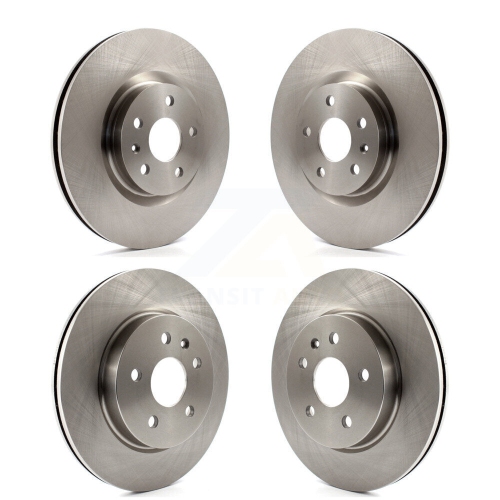
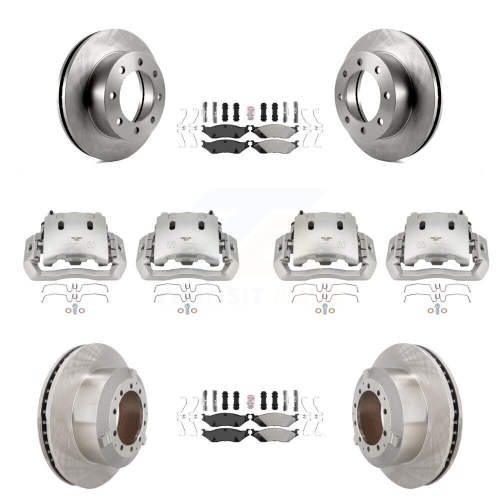
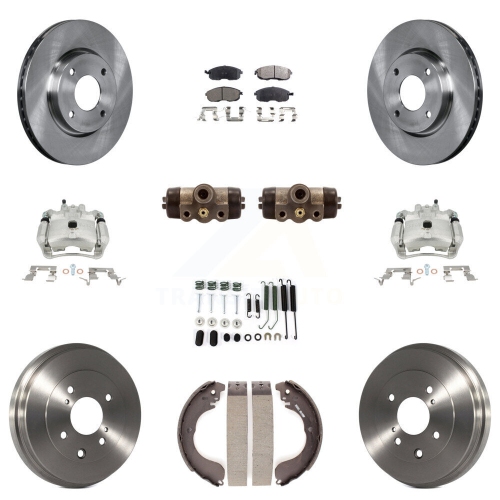
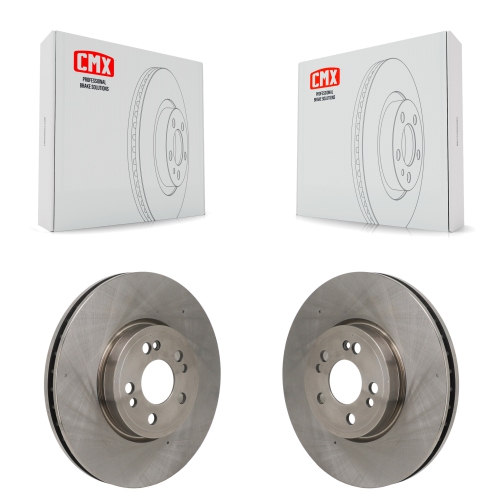
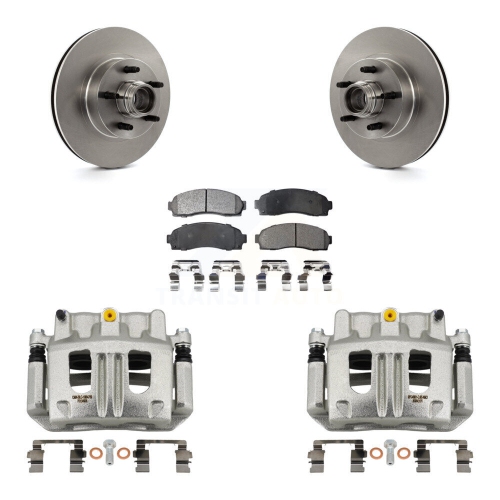
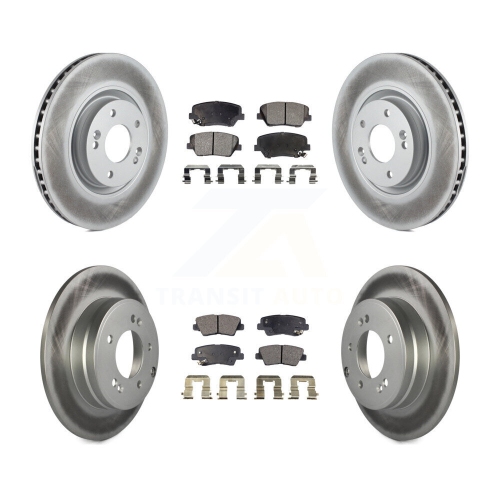
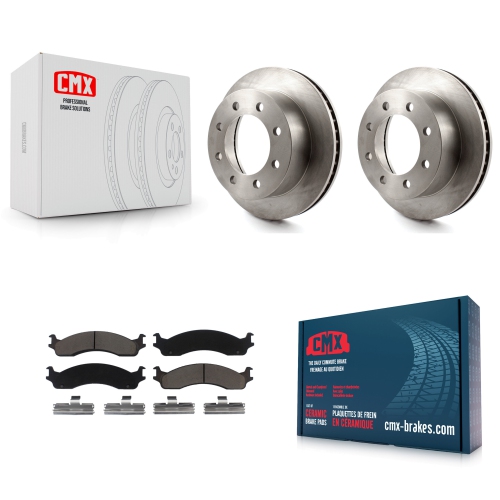


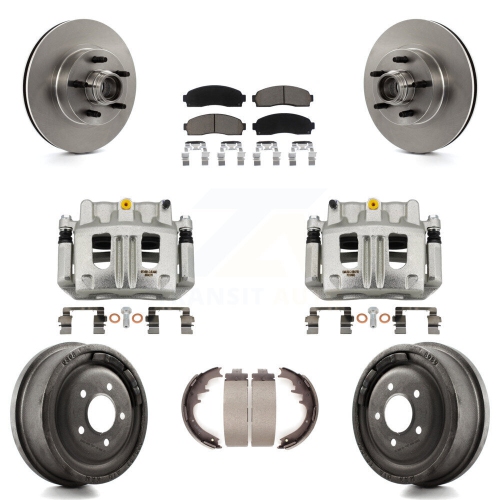
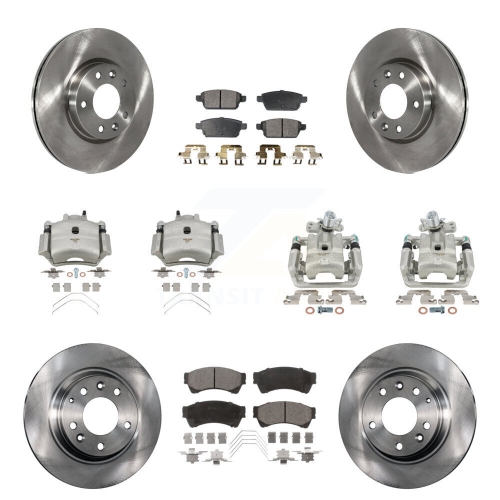
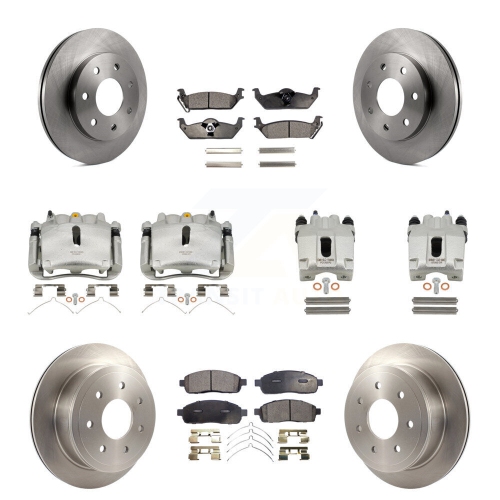
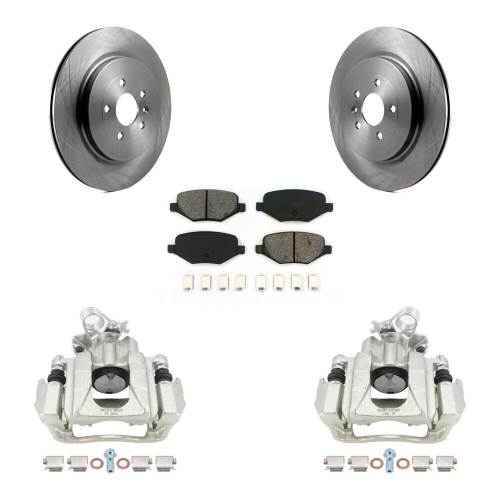
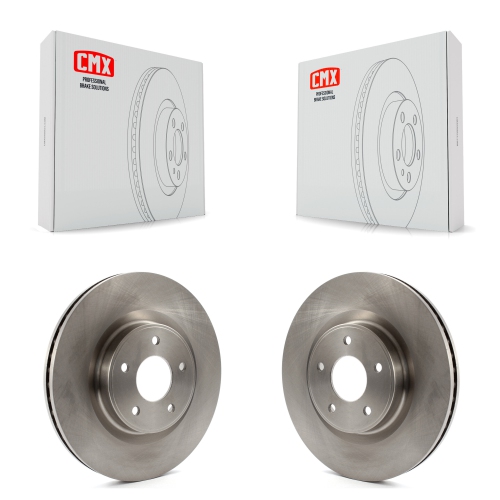
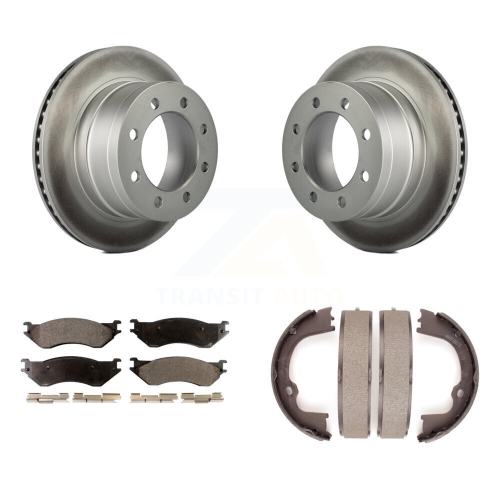
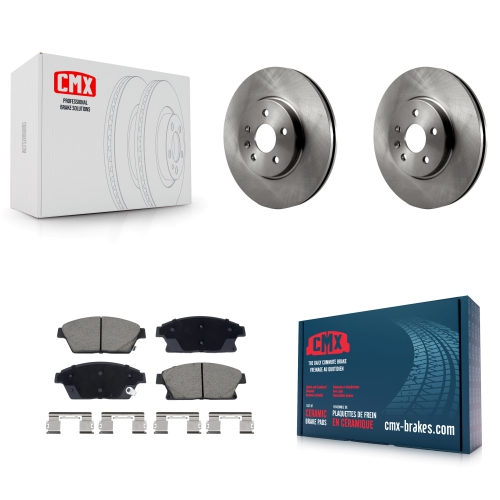

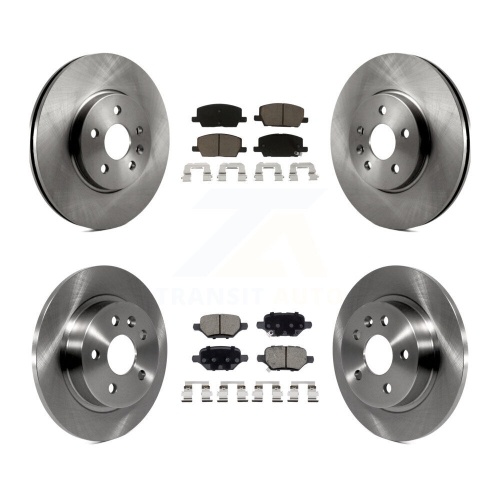


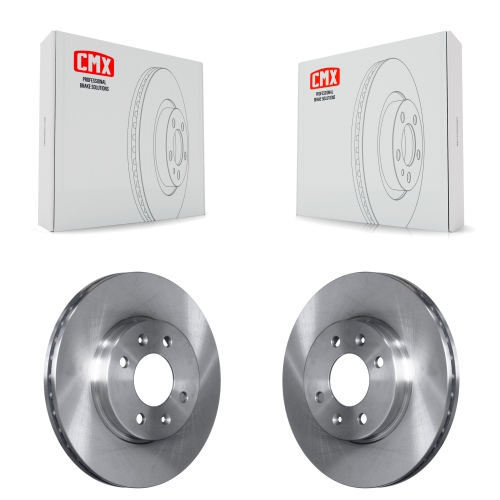
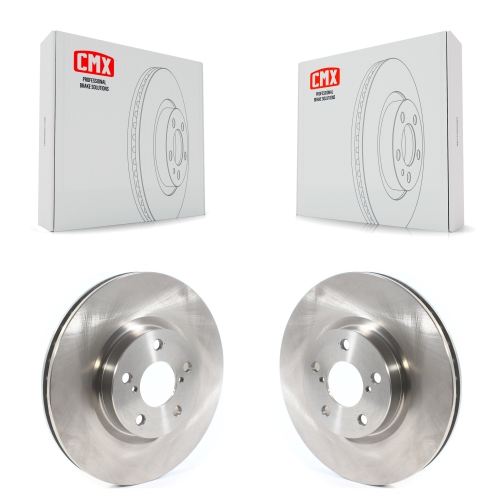
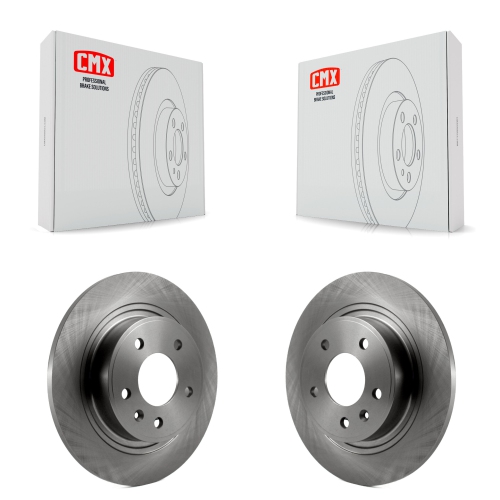
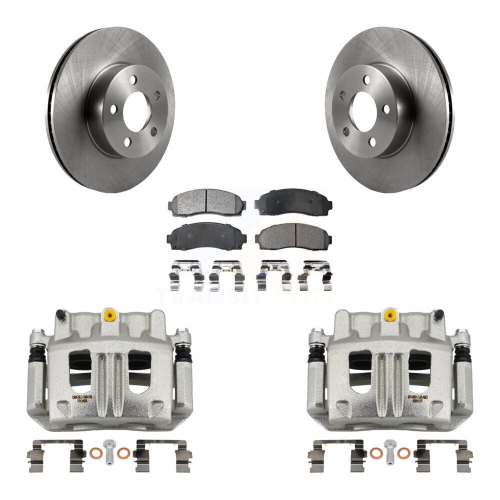
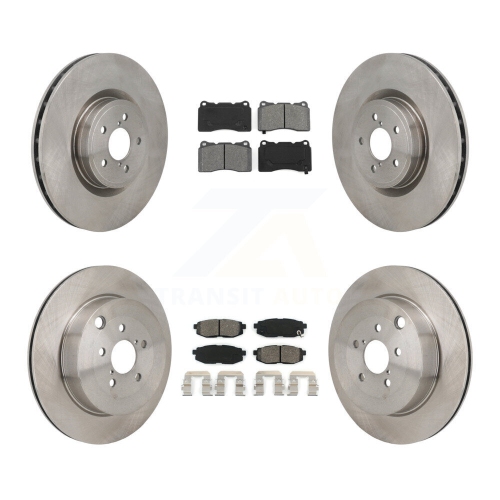


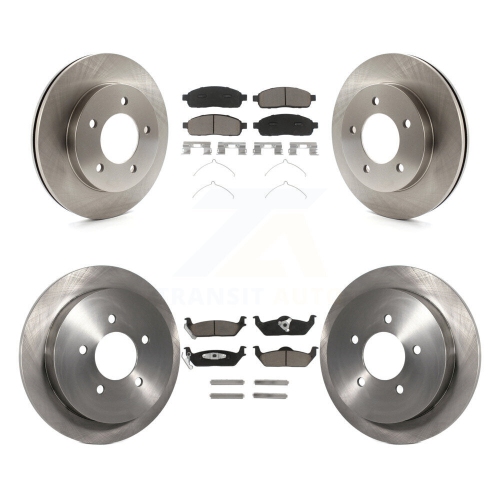
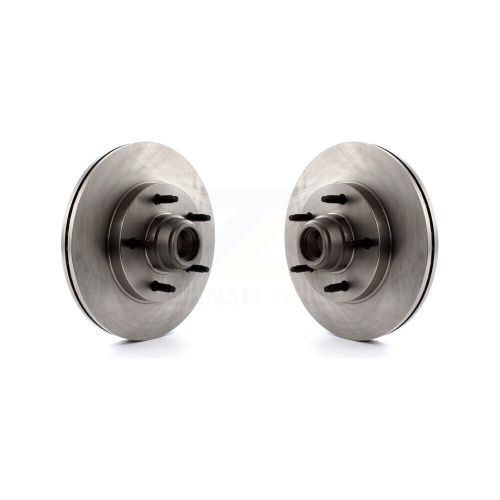
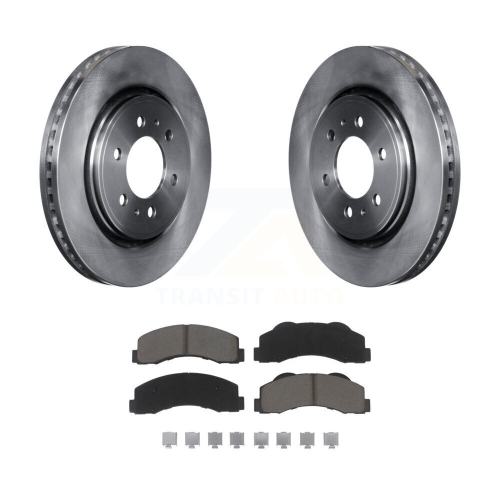

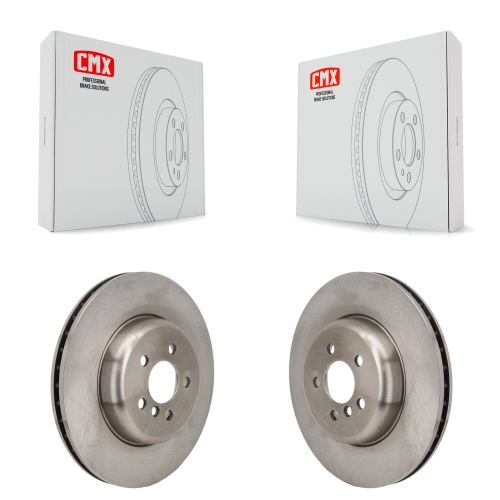
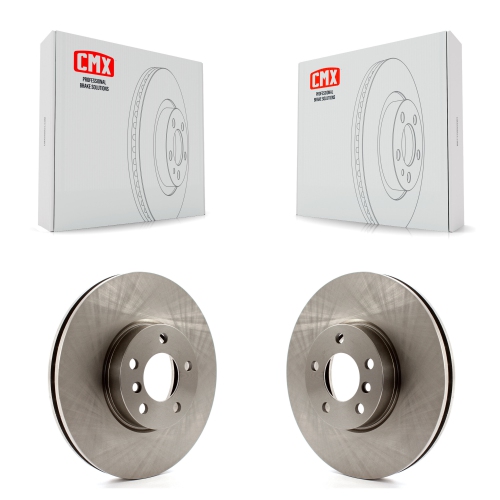
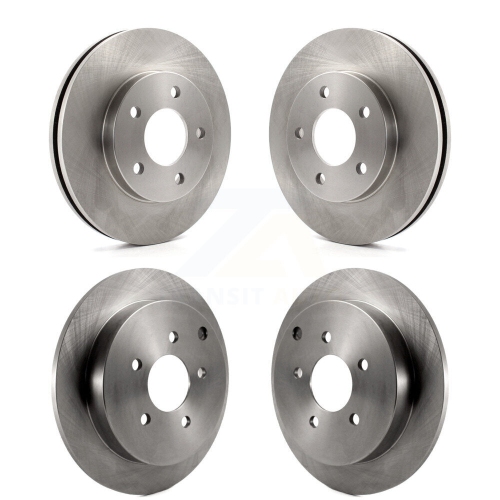
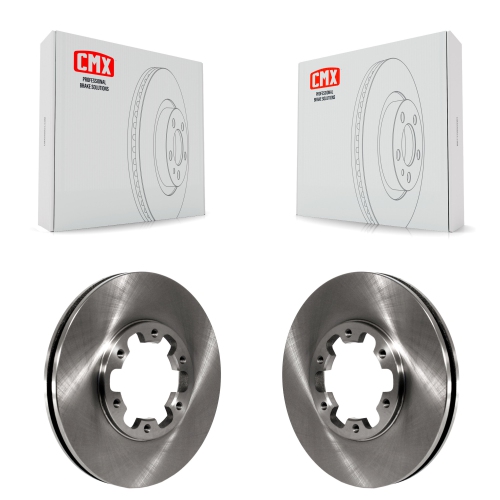
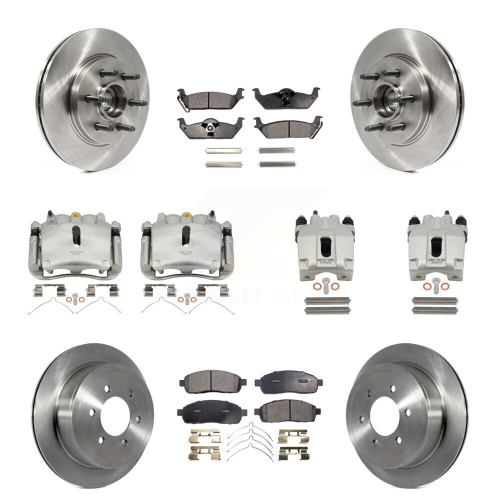
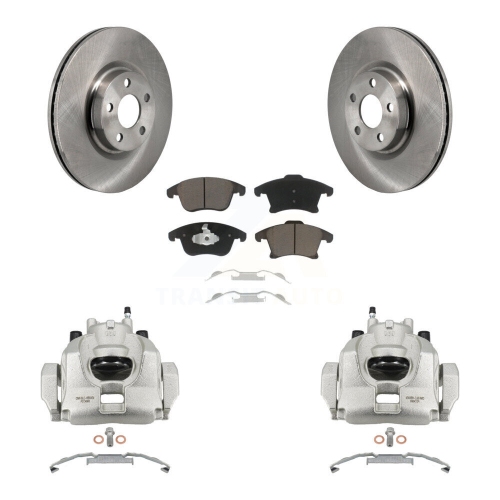

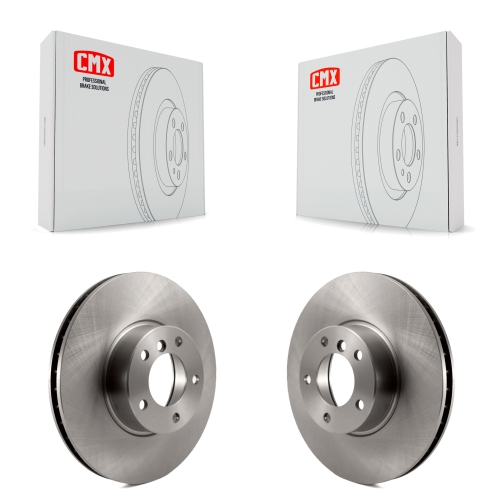
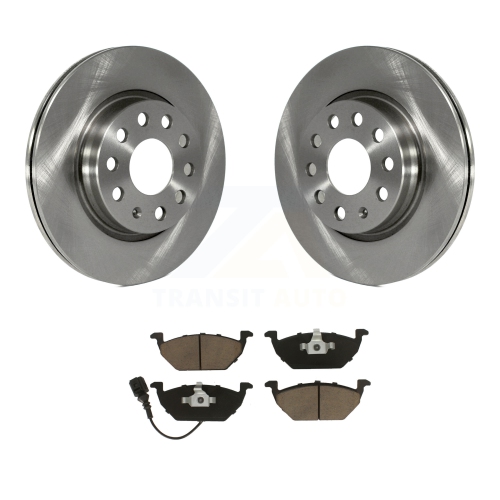
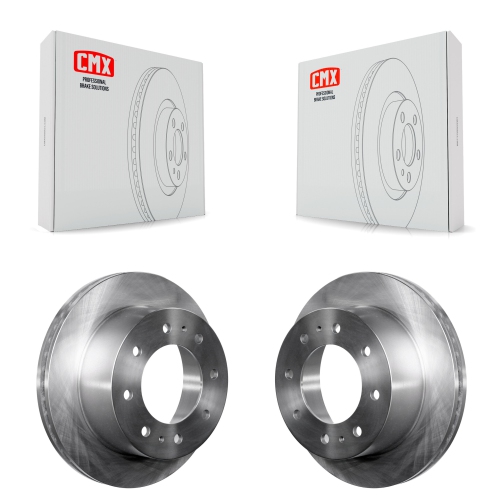
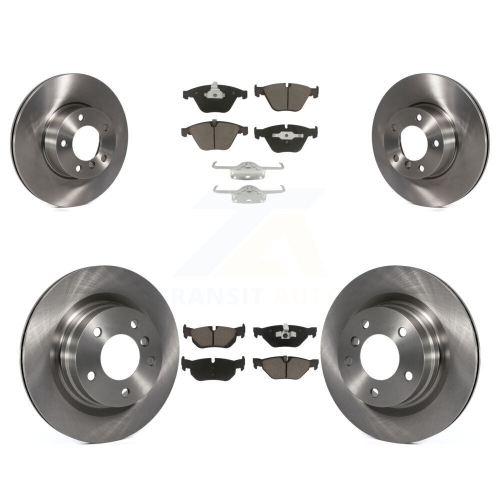
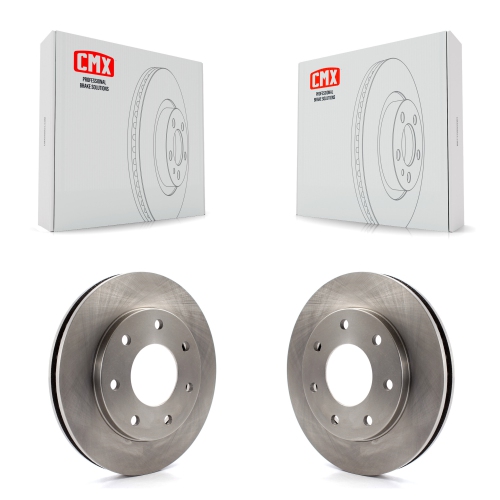
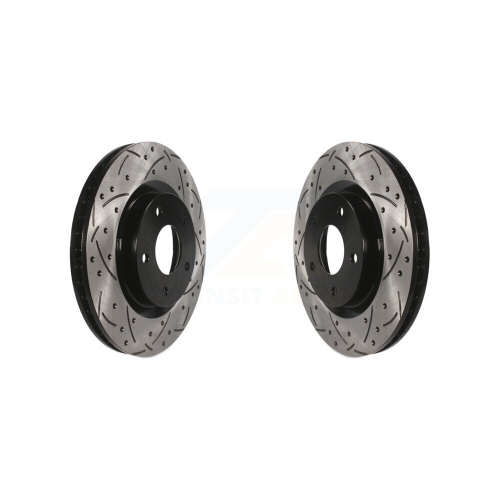

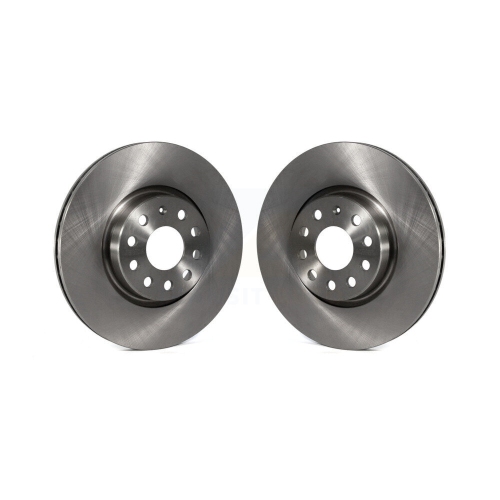

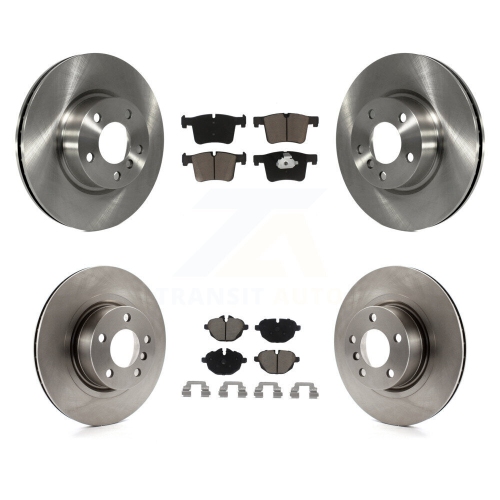
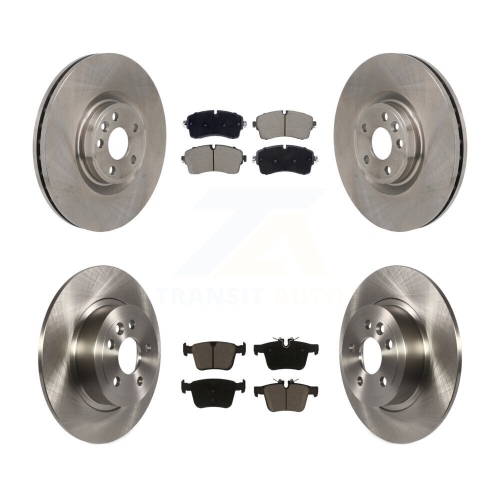
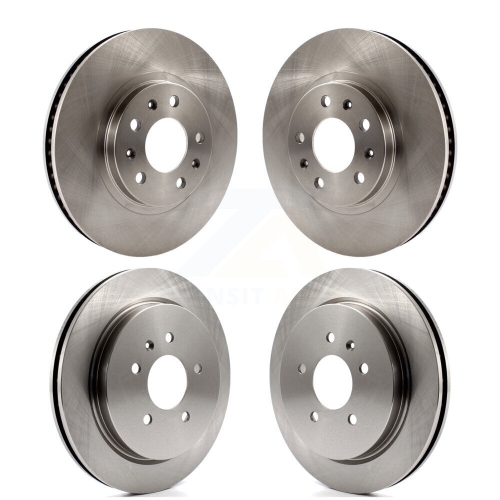

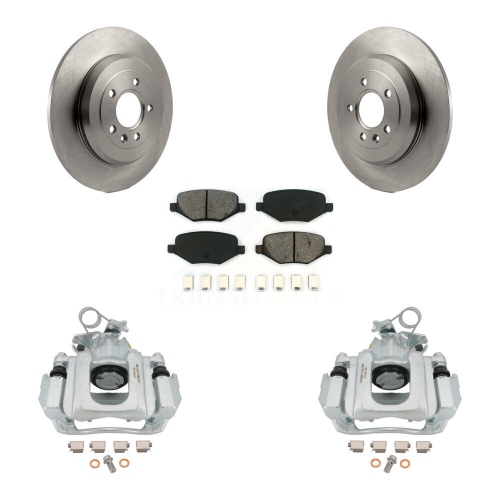

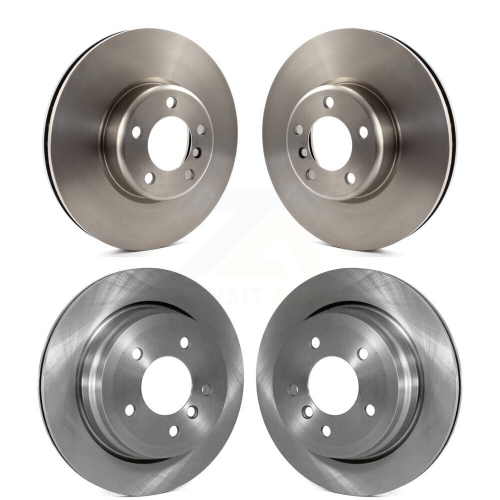

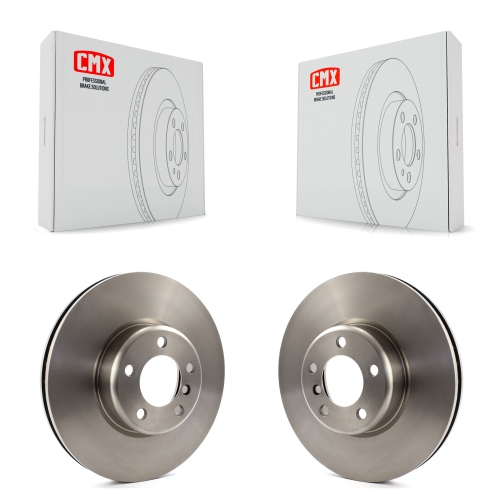
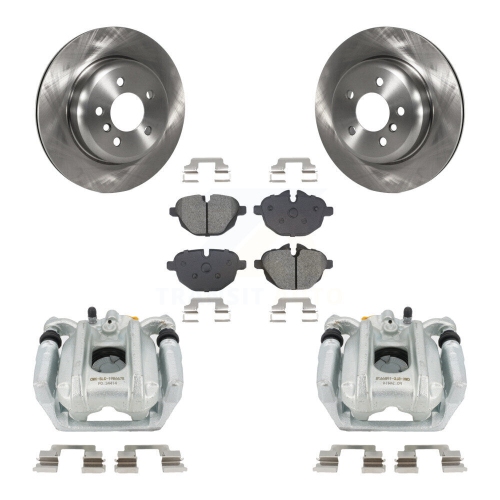
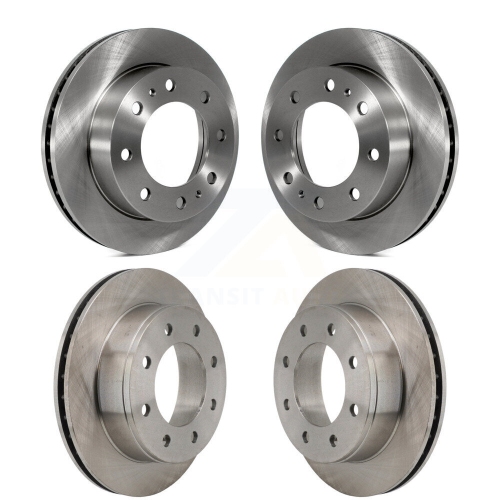
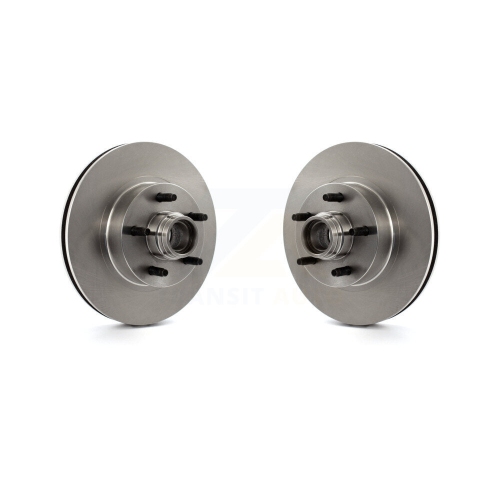
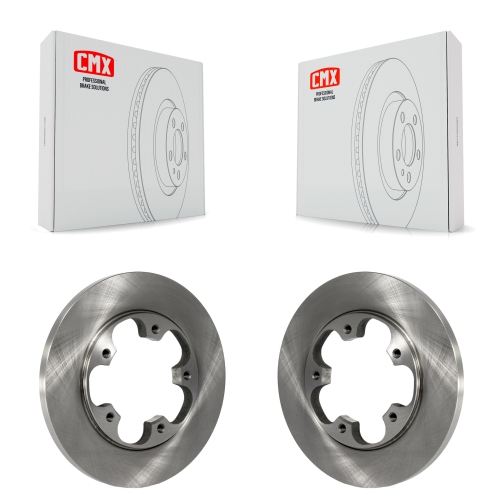
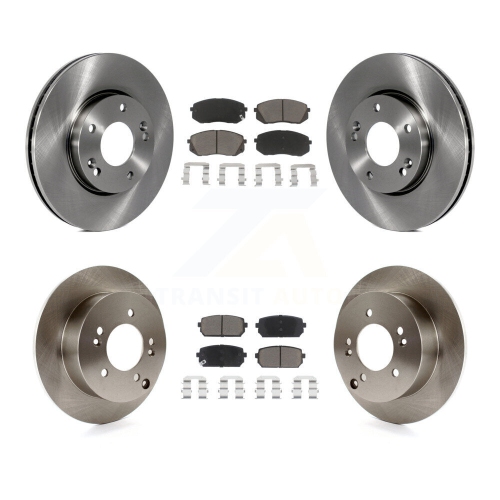
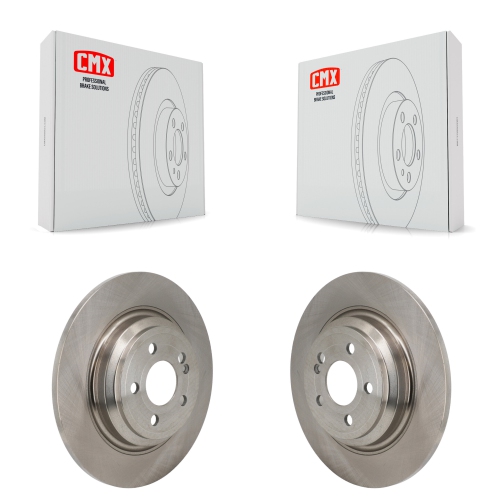
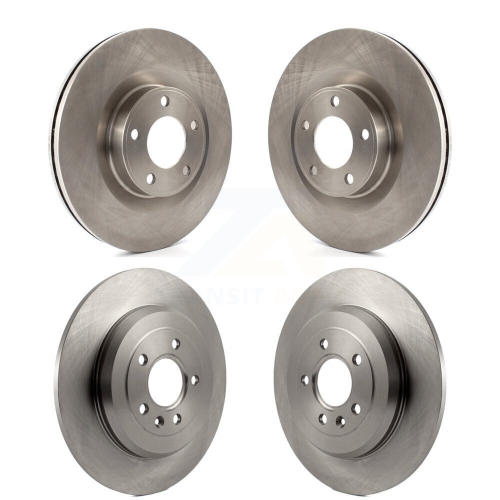
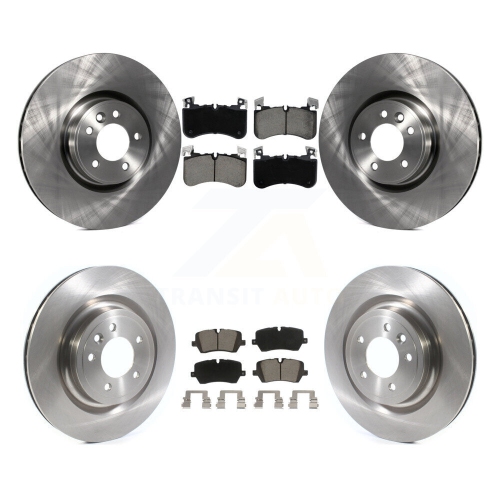
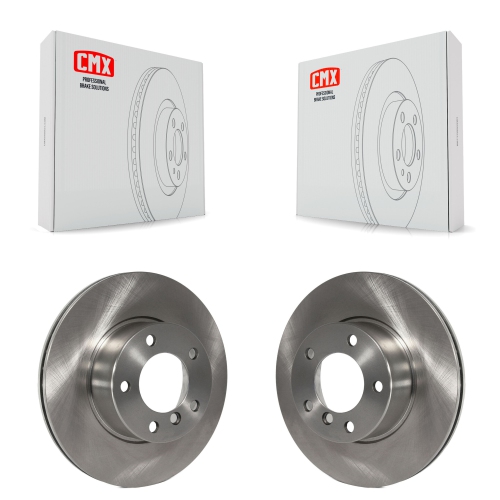
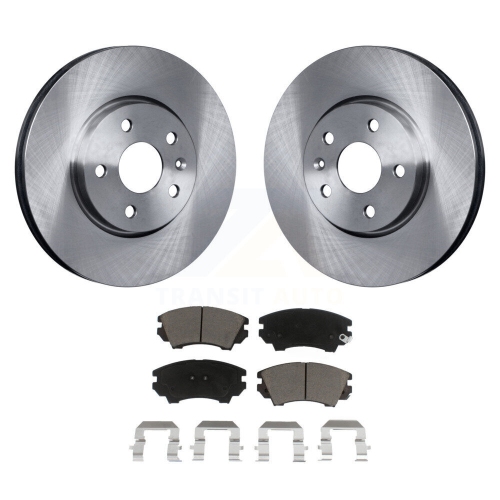
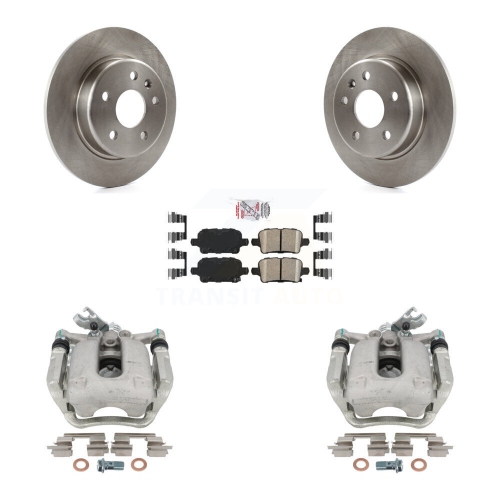
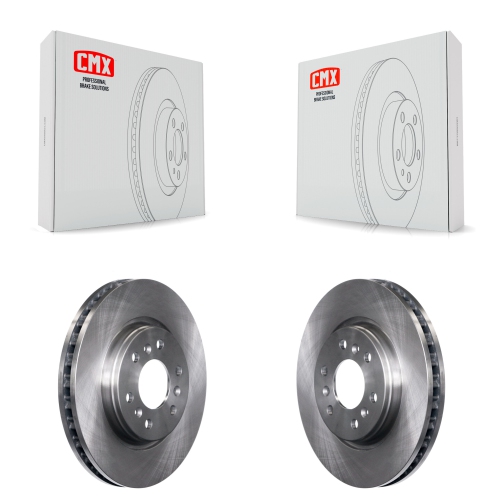

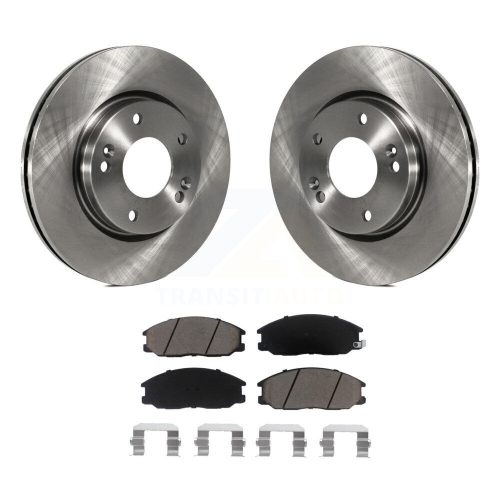

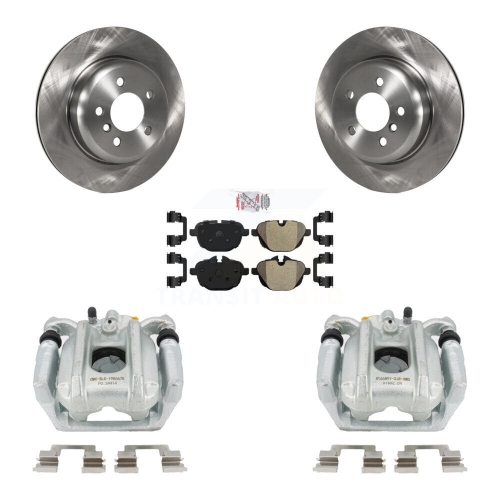
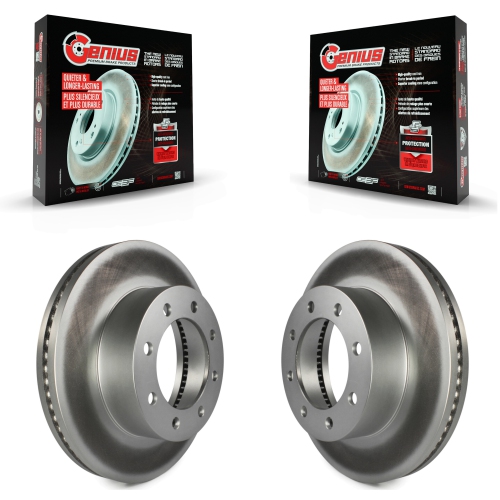
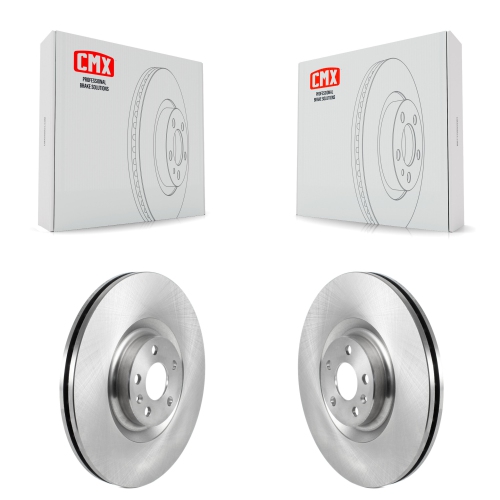
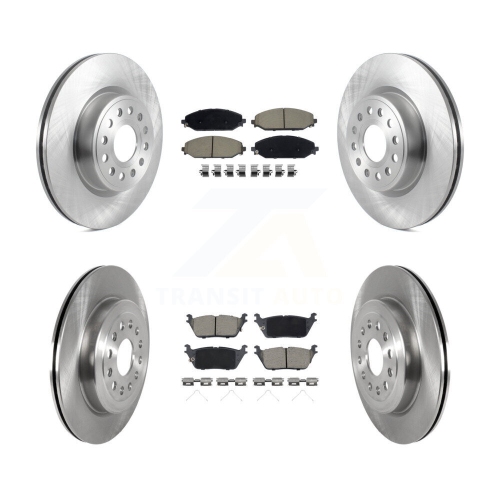

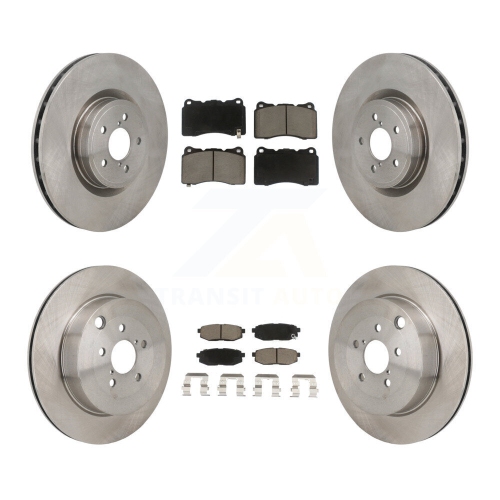
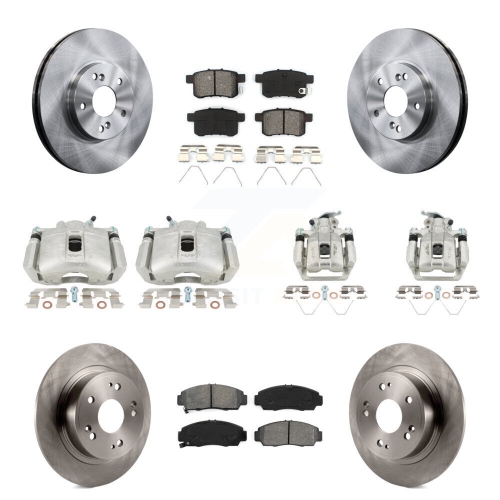

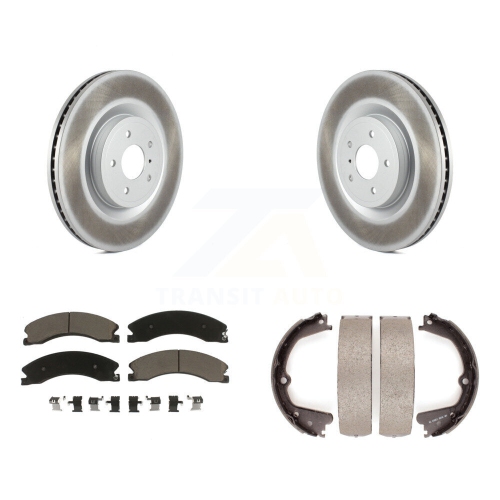
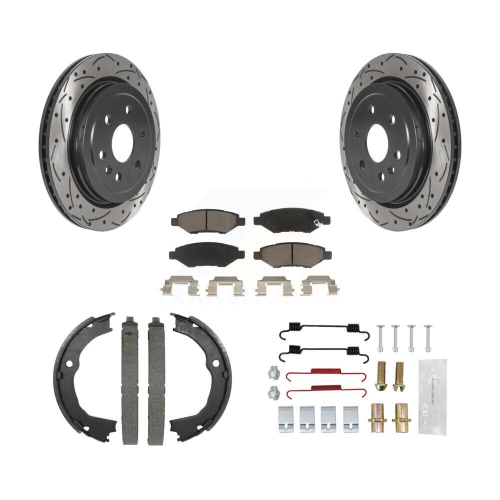

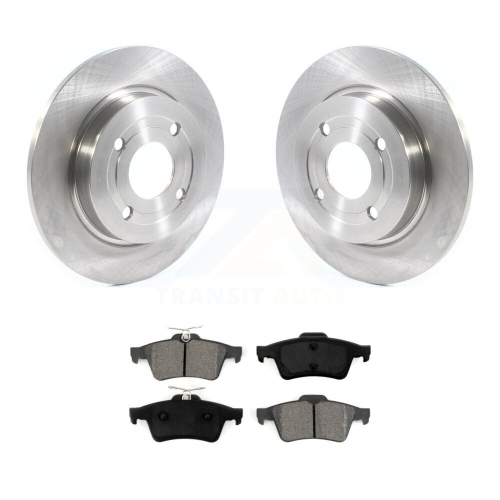
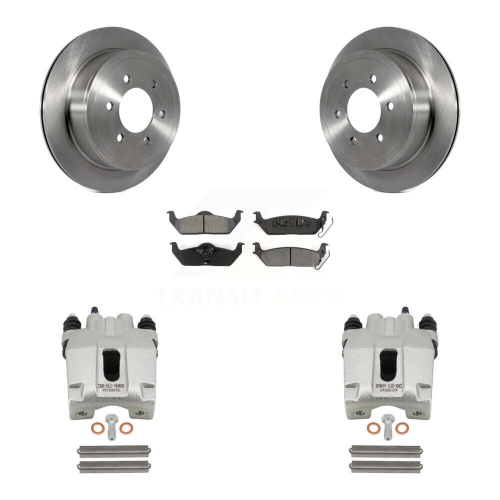
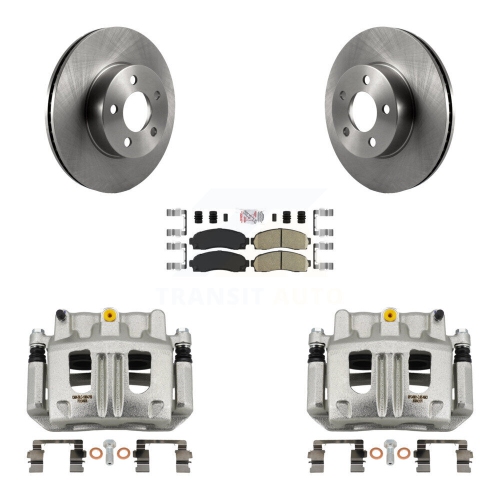
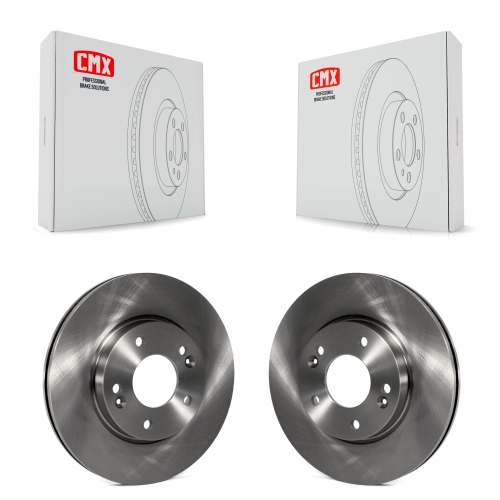
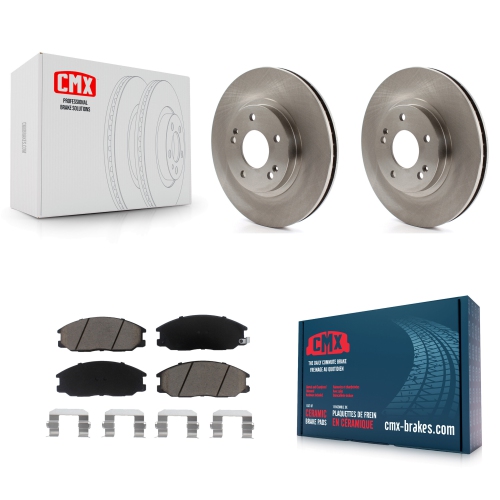
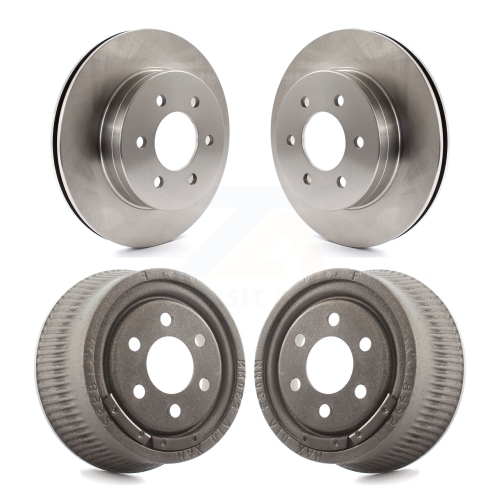

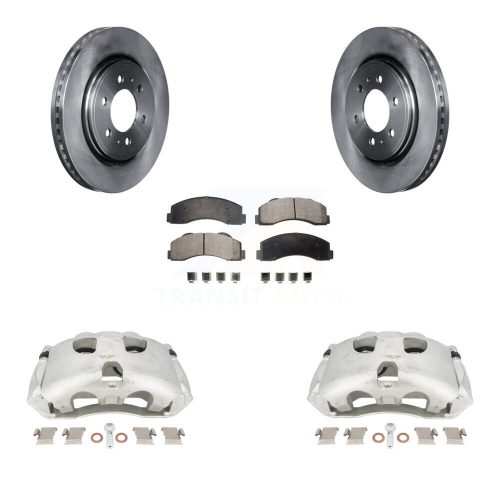
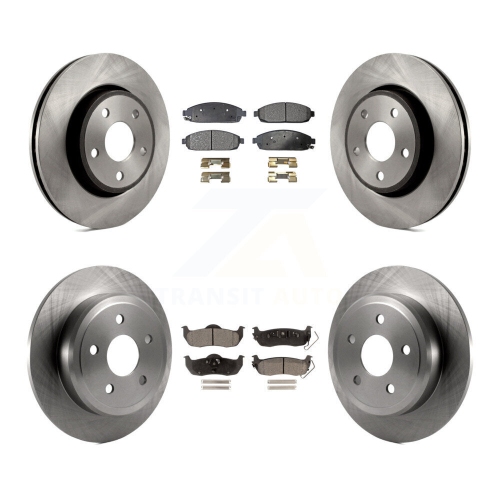
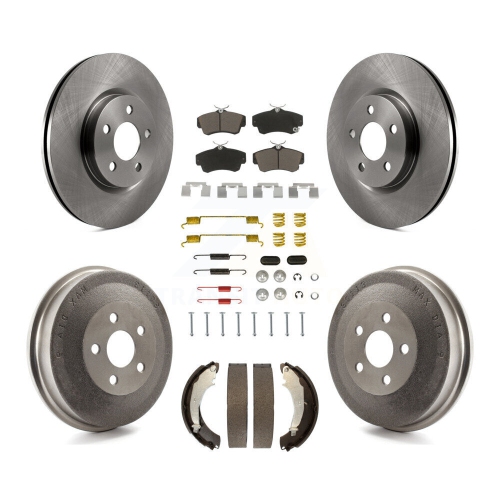
Why matched brake components matter for consistent stopping
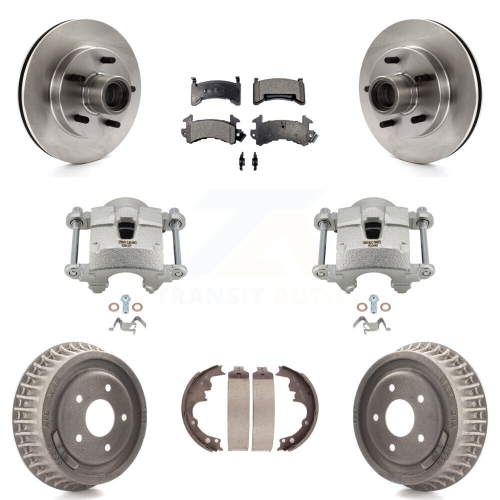
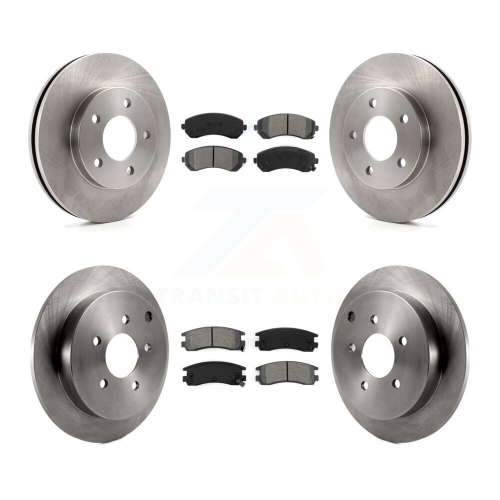
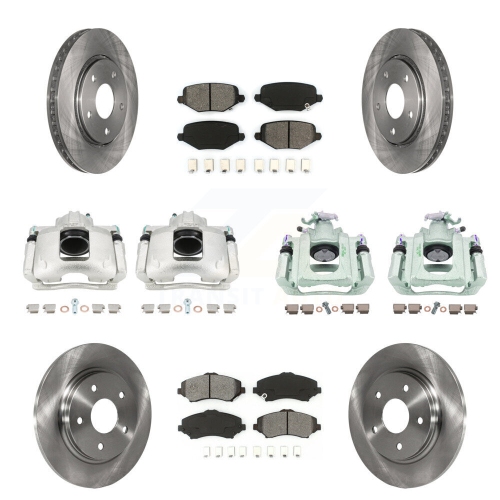
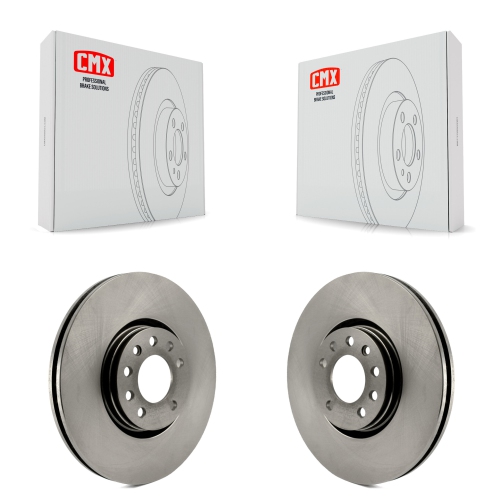
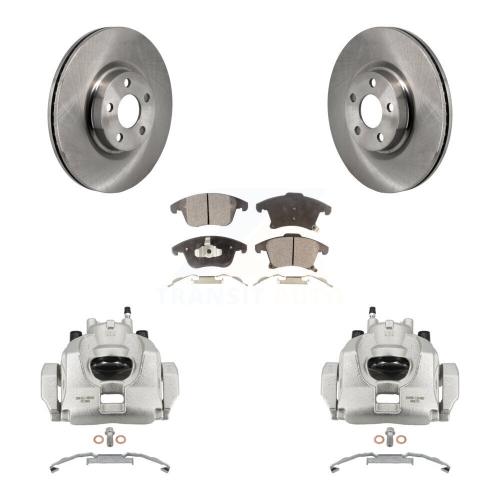
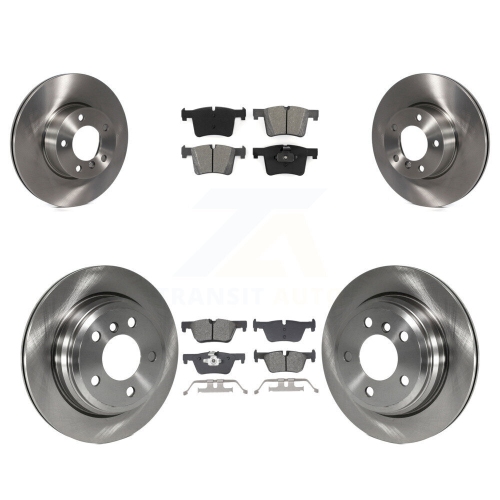
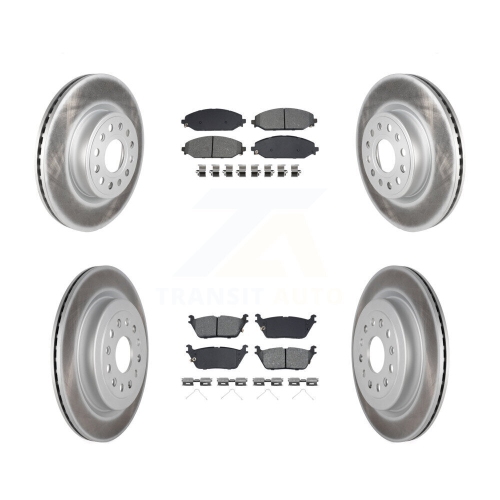
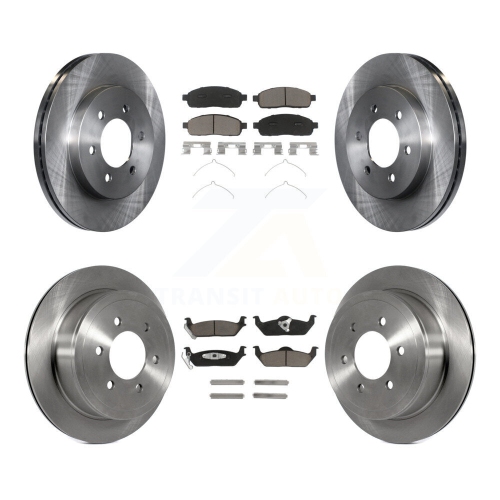
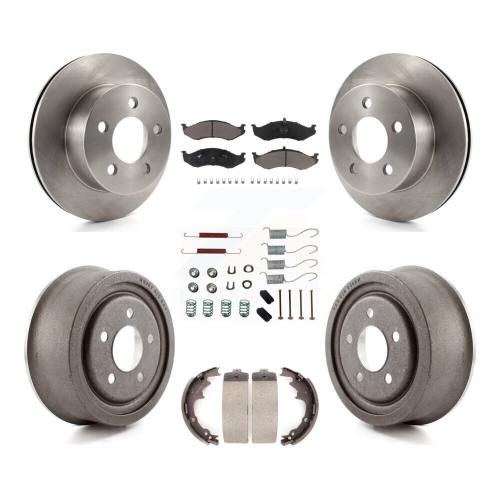
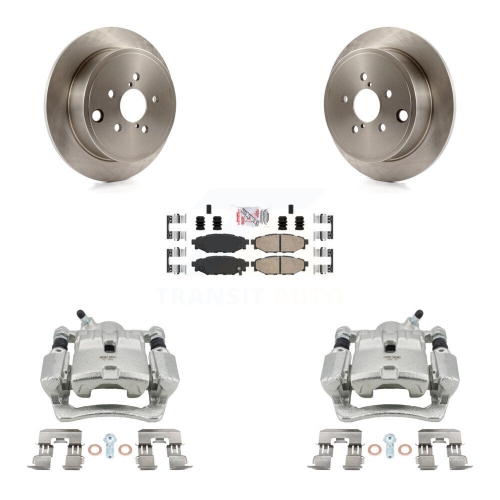
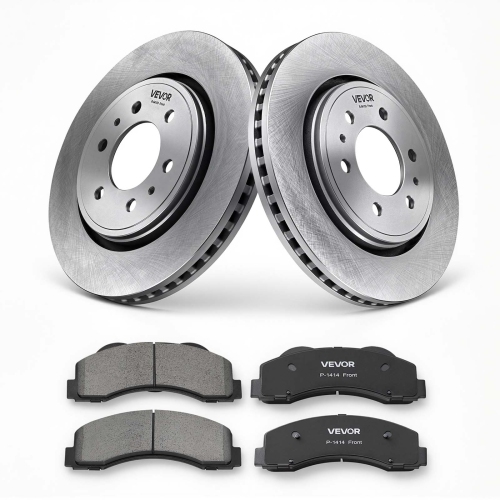
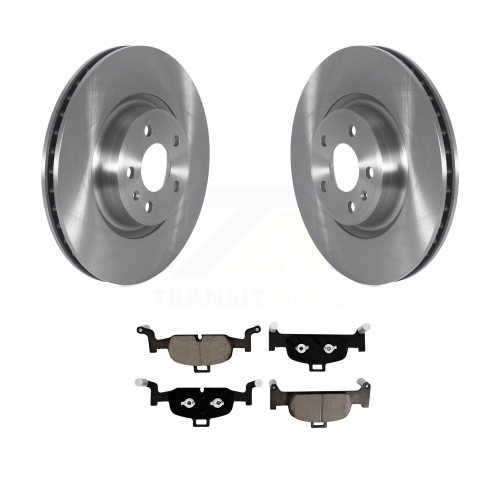
Brakes and rotors work together to turn a moving vehicle’s energy into heat through friction, helping the driver slow down and stop with control. In a disc brake system, the caliper presses brake pads against the rotating metal disc, known as the brake rotor. The pads provide the friction material, while the rotor supplies the contact surface and helps manage the heat generated during braking. Because these parts wear together, their condition affects pedal feel, braking consistency, noise, and vibration. Automotive brake pads and rotors serve a wide range of vehicles, from compact commuter cars and family SUVs to pickup trucks used for hauling equipment. The appropriate parts depend on the vehicle’s original braking system and how it is driven, rather than appearance alone. A car making frequent stops on short errands has different demands from a truck towing within its rated capacity, although both need components that match the manufacturer’s specifications. For everyday driving, predictable response, manageable noise, and consistent performance are often more useful priorities than an aggressive rotor design. Brake component descriptions may refer to front or rear fitment, individual rotors, axle pairs, or matched pad-and-rotor sets; those distinctions matter because the contents and intended position are not interchangeable. Front and rear brakes can differ substantially in size and construction, even on the same vehicle. Some vehicles also use rear drum brakes rather than rear discs, so a general vehicle description is not enough to establish compatibility. Brake pads and rotors are typically serviced in matching sets across an axle to support balanced braking, with the actual replacement needs determined by inspection and measurements. Whether parts are being selected for a scheduled repair or a mechanic’s assessment, the goal is a properly matched braking system that responds consistently during familiar moments: slowing for a turn, approaching stopped traffic, or easing into a parking space.
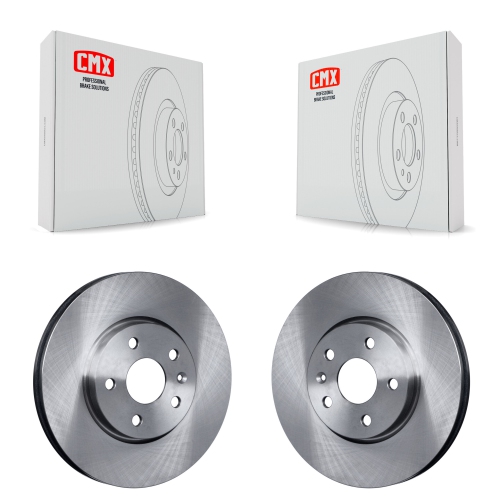
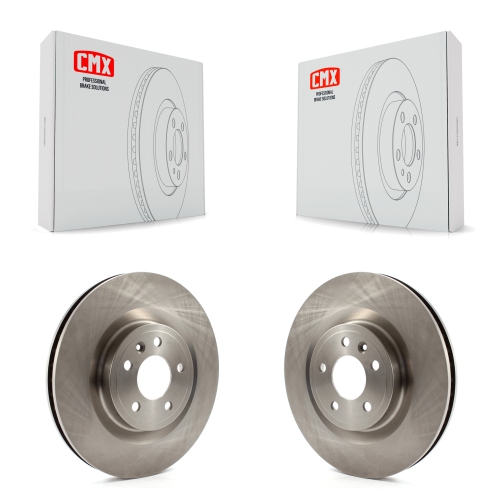
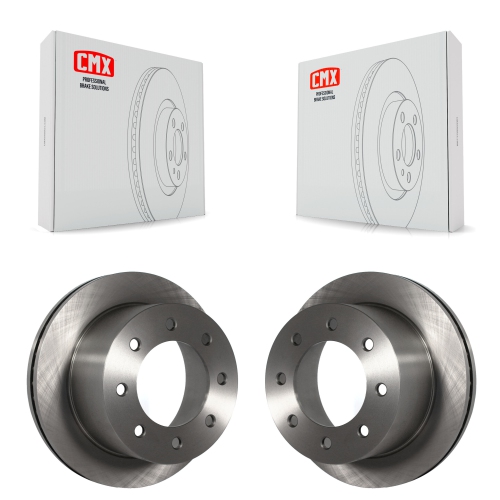
Materials and construction help explain the differences among brake pads and rotors. Most passenger-vehicle brake rotors are made from cast iron, which provides a durable friction surface and useful heat-handling properties. Some use higher-carbon iron formulations intended to improve thermal behaviour and reduce vibration, but performance still depends on the complete design, manufacturing quality, and suitability for the vehicle. Protective coatings can help limit corrosion on rotor hats, edges, and other exposed areas; they do not eliminate wear or make a rotor maintenance-free. The friction surface may be coated or uncoated, and preparation requirements vary by manufacturer. Plain, smooth-faced rotors are a common choice for daily driving because they offer a continuous pad-contact surface and generally suit vehicles designed around that configuration. Vented rotors contain internal passages between two friction faces to help dissipate heat, while solid rotors use a single disc section. This distinction is separate from whether the visible face is smooth, drilled, or slotted. Drilled holes and machined slots serve particular design purposes, but they are not an automatic improvement for every road vehicle. Depending on the application, they can involve trade-offs in noise, pad wear, or resistance to cracking under severe use. For shoppers comparing replacement brake rotors, dimensions and application details are more meaningful than a sporty-looking surface. Pad material is another consideration. Ceramic formulations are often selected for relatively quiet operation and lower visible dust, while semi-metallic formulations can provide strong heat handling but may produce more noise or dust. Organic formulations offer another balance of feel, wear, and operating characteristics. These are broad tendencies, not guarantees: formulations differ, and the vehicle manufacturer’s requirements remain the starting point. Pairing suitable pads with suitable rotors helps support even contact and consistent friction. A towing vehicle or a vehicle used for repeated demanding stops may require application-specific components, but replacing brake parts does not increase the vehicle’s rated towing or payload capacity.
Correct fit involves more than matching a vehicle’s name. Model year, trim, engine, drivetrain, production date, and factory brake package can all affect which brakes and rotors belong on a particular car or truck. Rotor diameter, thickness, overall height, centre bore, and mounting-hole pattern must match the application, along with the pad shape and caliper arrangement. Two vehicles that look identical from the outside may have different braking hardware behind their wheels. Rear systems can introduce further details, including electronic parking brakes or a parking-brake drum built into the rotor hat. Clear application information is especially useful for owners arranging a repair, experienced home mechanics confirming fitment, and drivers maintaining a vehicle they plan to keep for years. Durability depends on driving demands, component quality, installation, and the condition of surrounding parts, so there is no single replacement interval that applies to every vehicle. Frequent heavy braking, dragging calipers, or uneven pad contact can shorten service life. Inspection considers remaining pad material, rotor thickness relative to its specified minimum, surface condition, and measurements such as runout or thickness variation. Squealing can come from a wear indicator or other causes; grinding, a change in stopping performance, or a new vibration warrants prompt professional assessment. A pulsing pedal during ordinary braking may be associated with uneven rotor thickness or friction deposits, rather than a rotor simply being “warped,” while pulsing during an anti-lock braking event can be normal. Deep scoring, cracks, or severe pitting also require assessment rather than a diagnosis based on appearance alone. Care centres on regular inspections and keeping braking surfaces free of oil, grease, and unsuitable cleaners. Proper installation includes checking related hardware and caliper movement, preparing mating surfaces, and following specified tightening procedures. New pads and rotors may also require a manufacturer-defined bedding-in process to establish an even friction layer. Because braking is safety-critical, qualified installation is appropriate whenever the required tools, measurements, or procedures are unfamiliar. Those details help the selected parts deliver the fit, service life, and dependable operation they were designed to provide.
Top selling and popular products
-
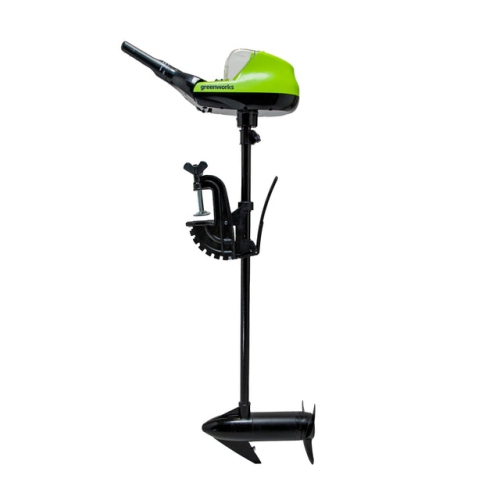 Your price for this item is $469.99
-
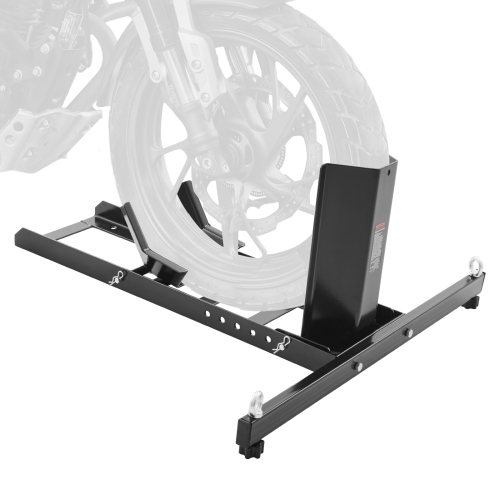 Your price for this item is $93.9
-
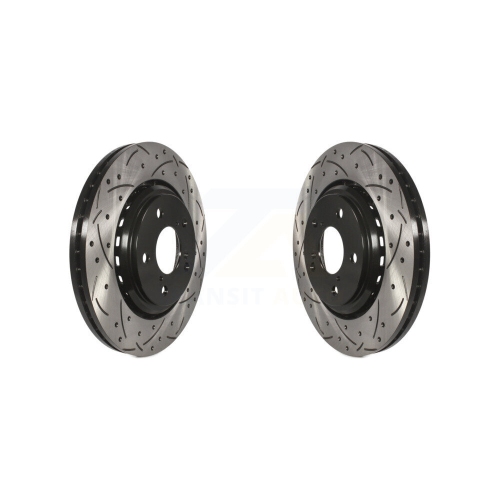 Your price for this item is $167.55
-
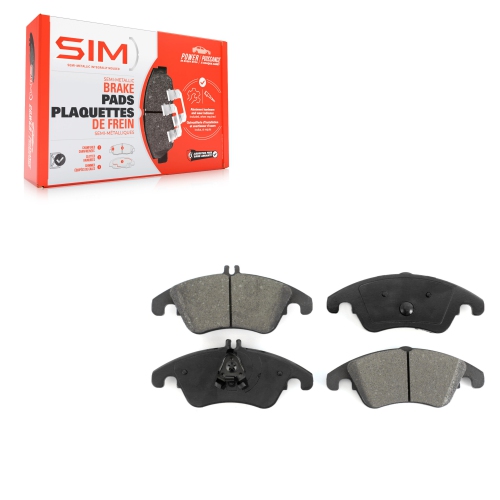 Your price for this item is $55.47
-
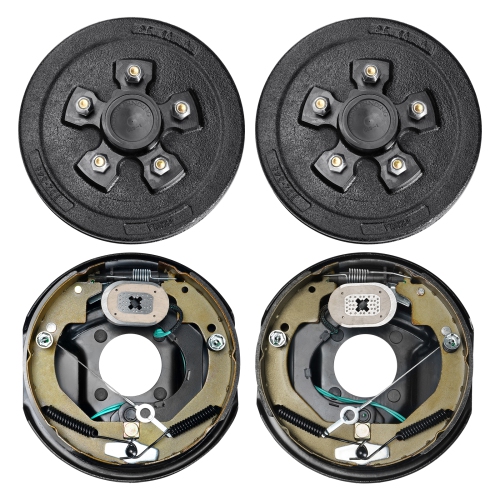 Your price for this item is $243.99
-
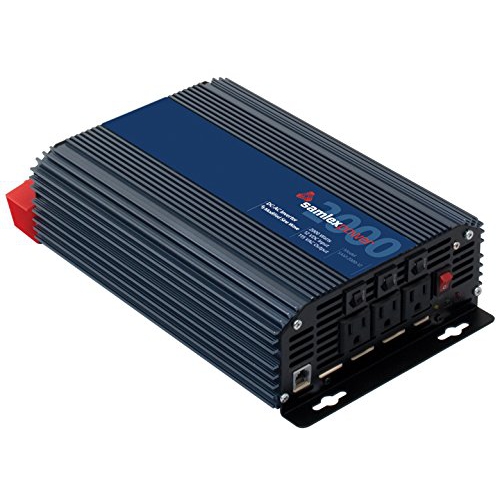 Your price for this item is $513.63
-
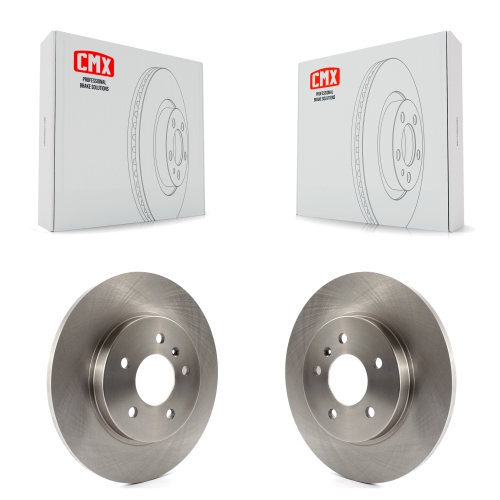 Your price for this item is $86.96
-
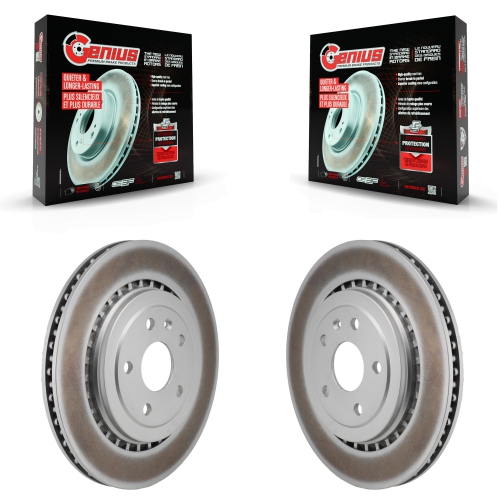 Your price for this item is $144.87
Discover more categories related to Brakes And Rotors
Top Collections:
Pokemon Centers, Kindle Devices, Best Cameras for Sports Photography, Best Budget Office Chairs, Pokémon 30th Celebration Cards, Apple iPhones 16, Canon G7X Cameras, iPhone 15 Apple, Flip Phones, Samsung Galaxy Phones
Some products may be subject to Environmental Handling Fees
(EHF) depending on your province.
Learn more about EHFs.