Car Door Lights
Illuminate your car with style and functionality using car door lights. These innovative accessories not only enhance the overall look of your vehicle but also provide added safety and convenience. Whether you're looking to make a statement with vibrant LED lights or simply want to improve visibility when entering or exiting your car, these car door lights have something for every driver's taste and preference.
Sort
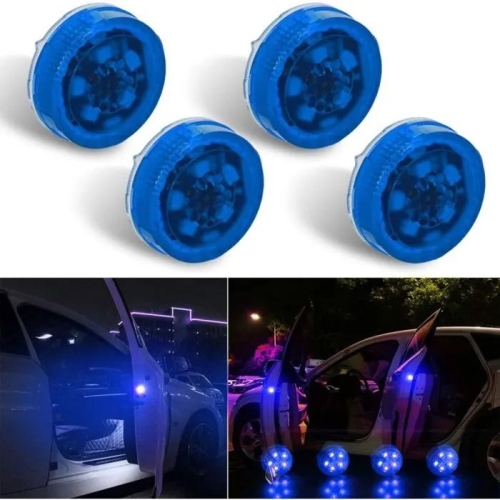
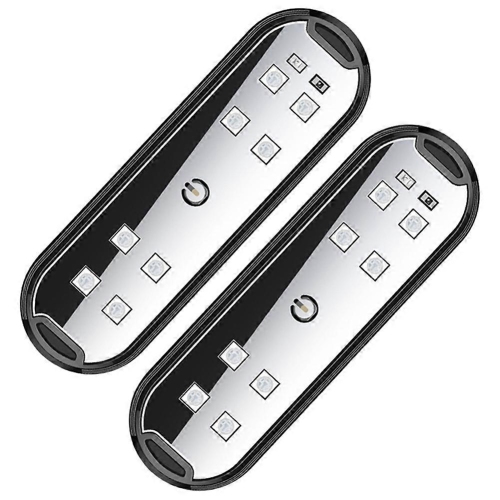
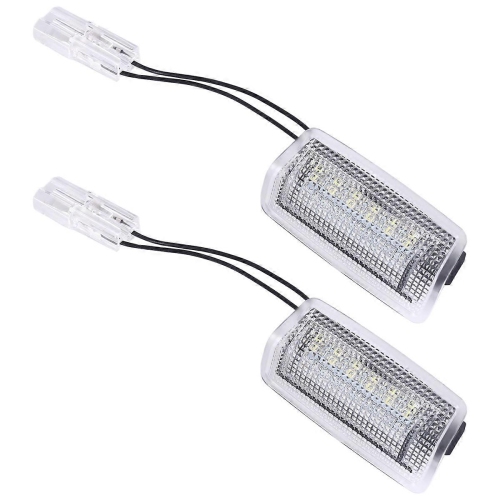
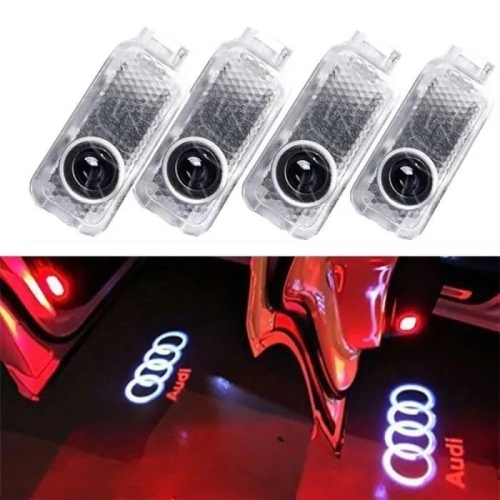
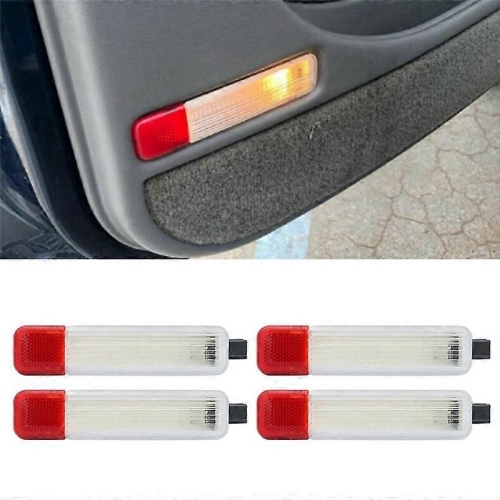
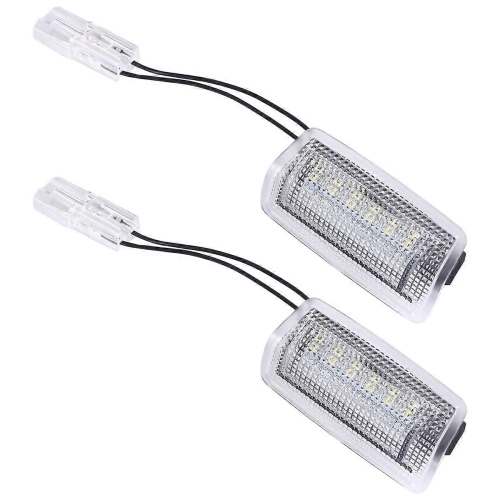
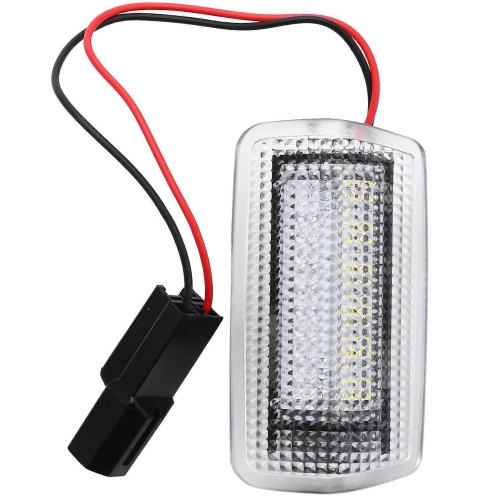
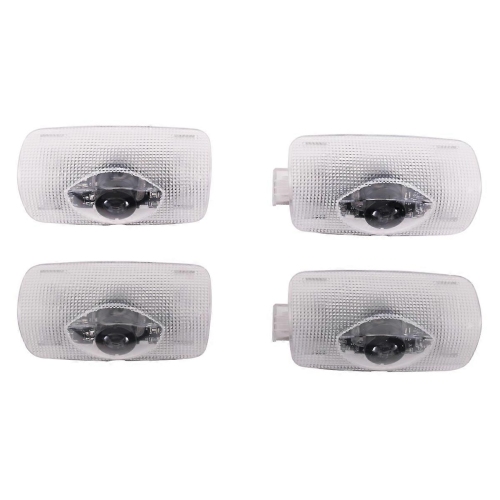
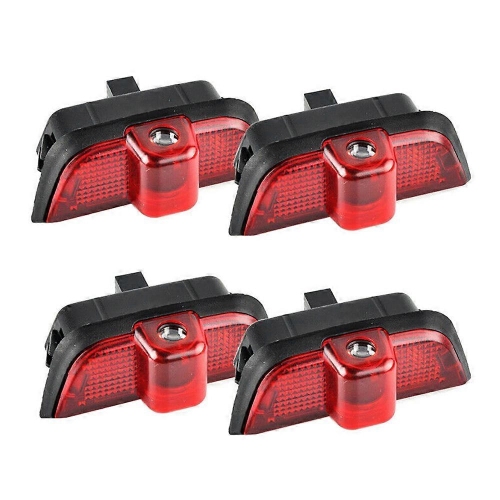
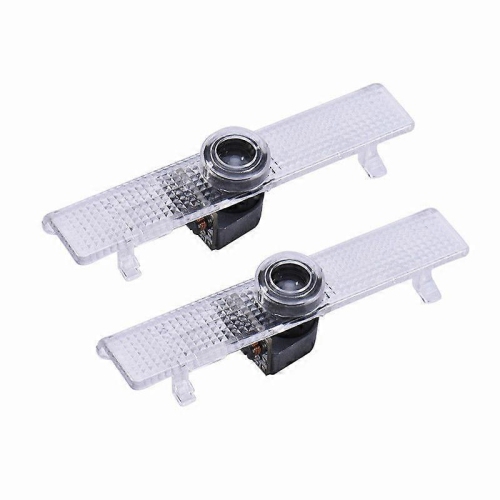
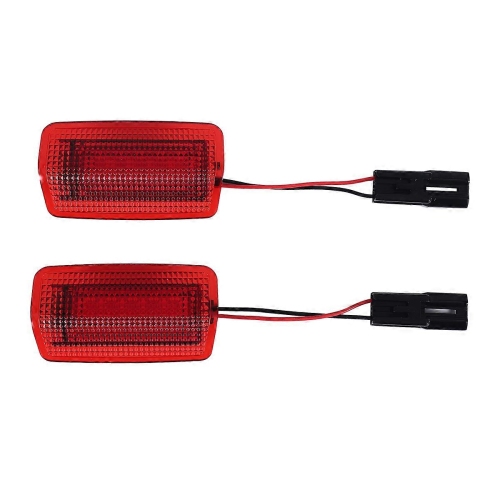
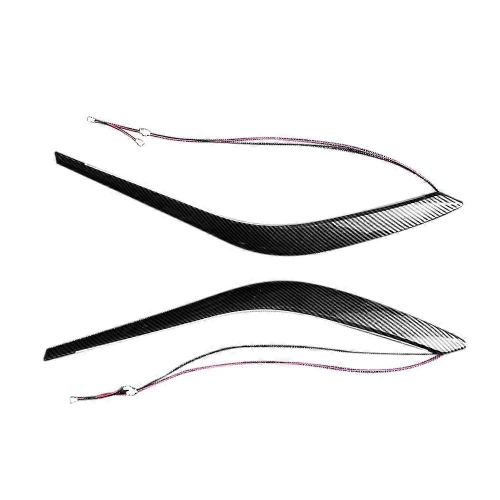
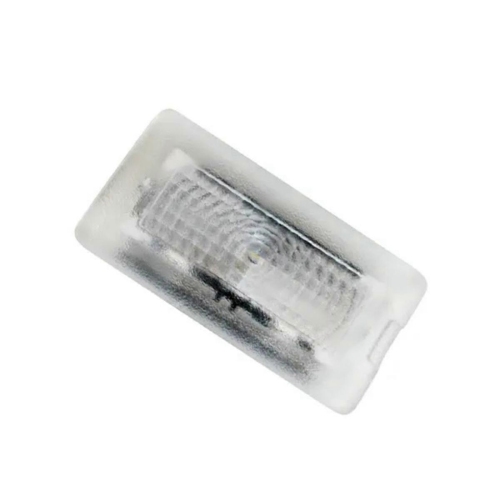
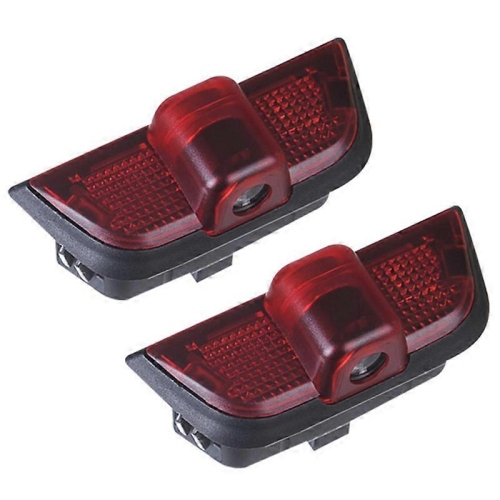
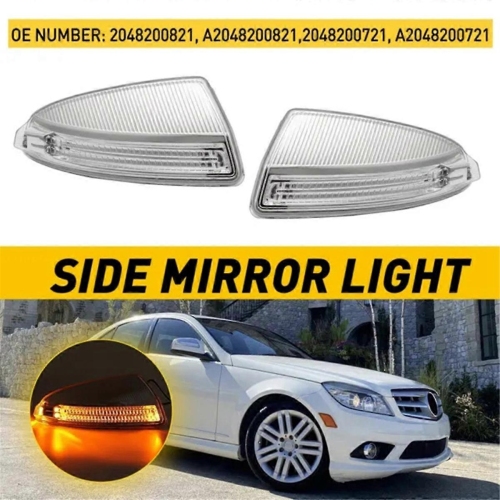
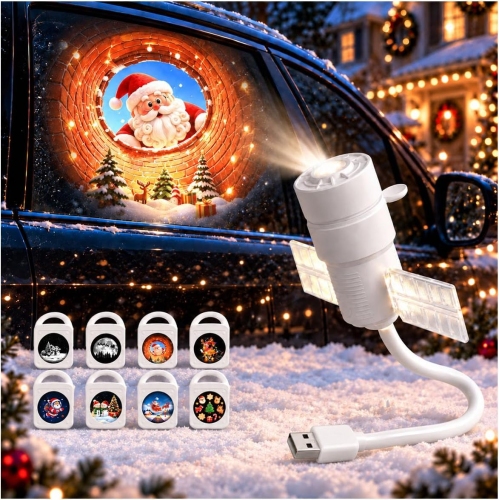
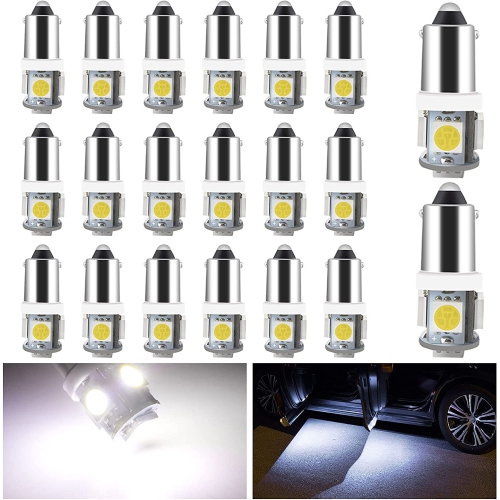
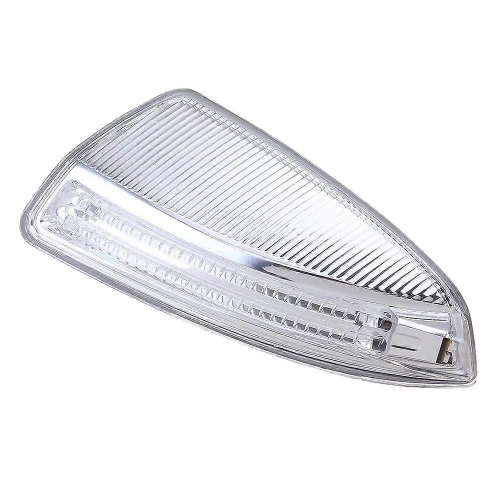
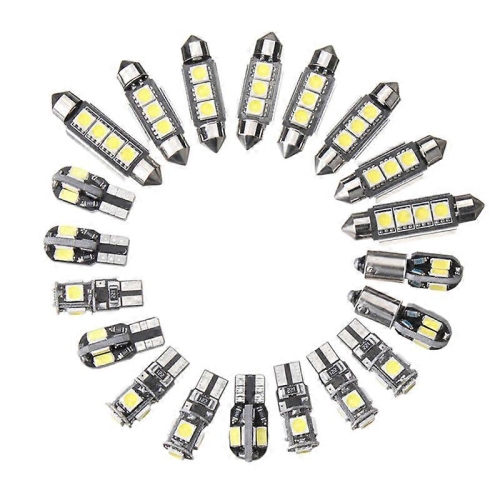
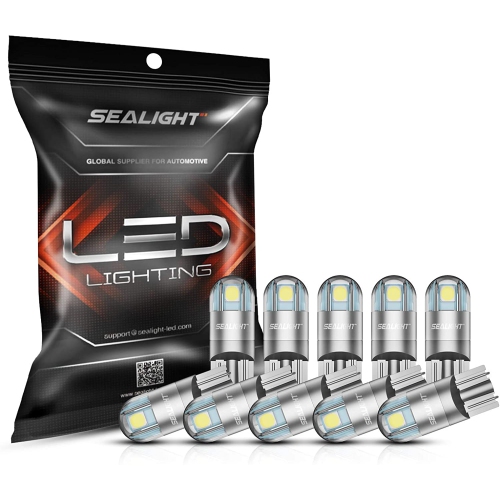
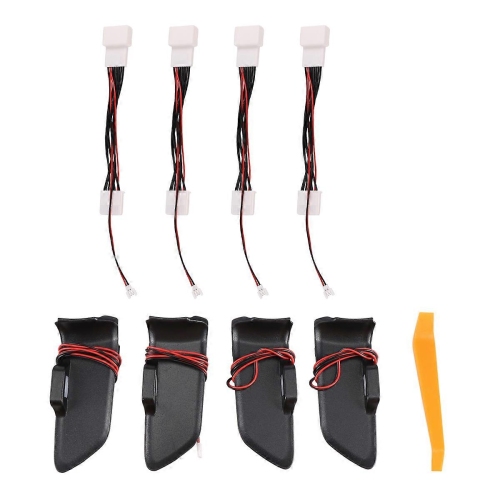
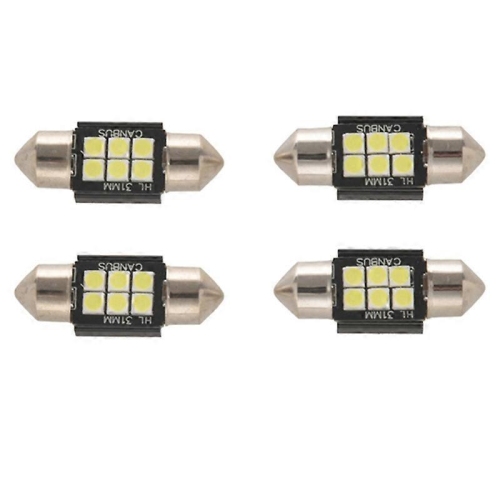
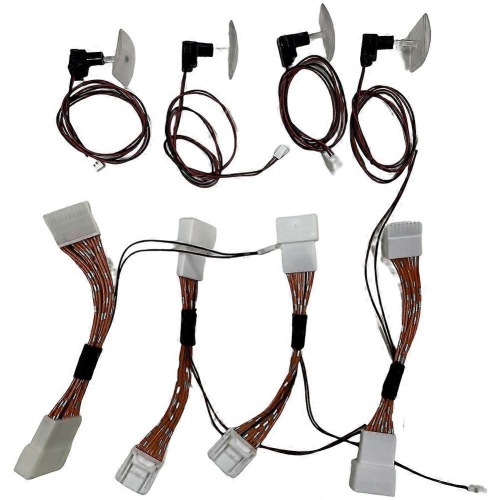
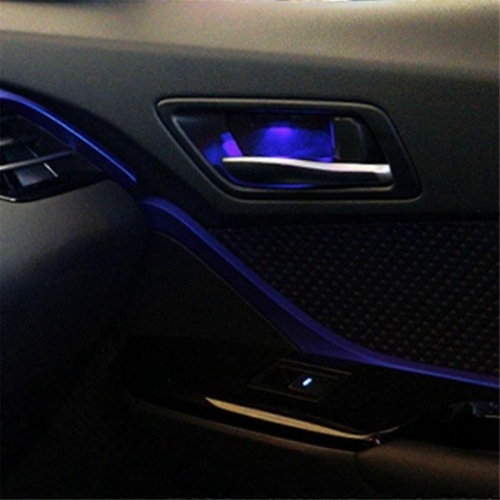
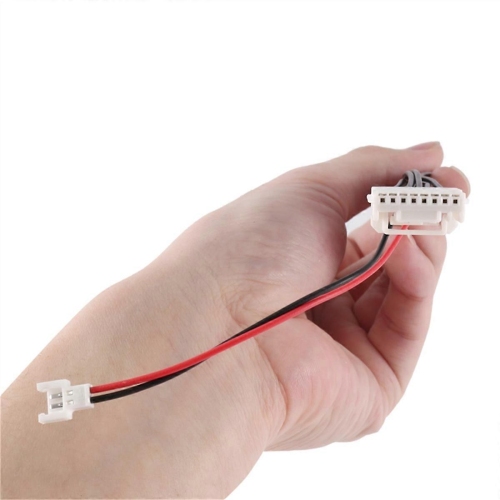
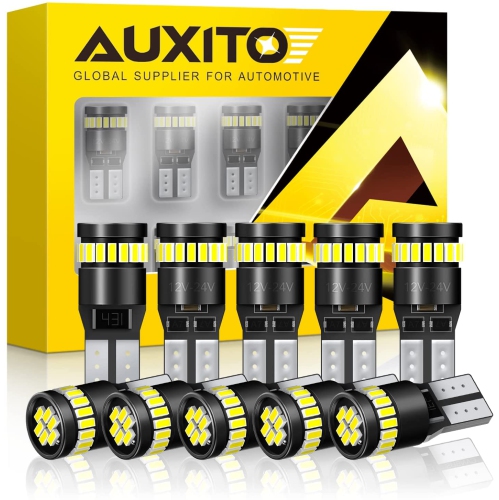
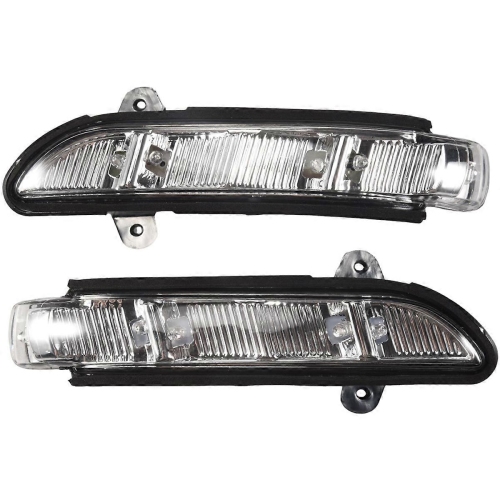
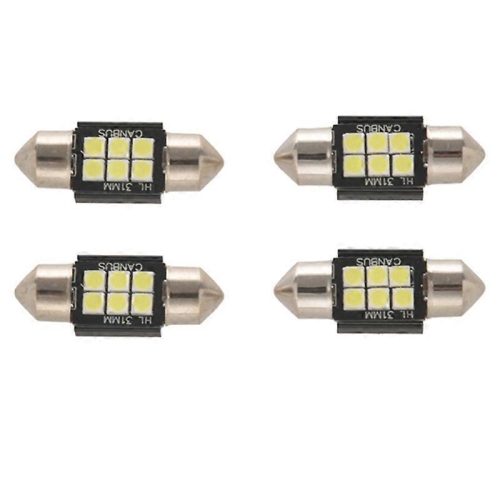
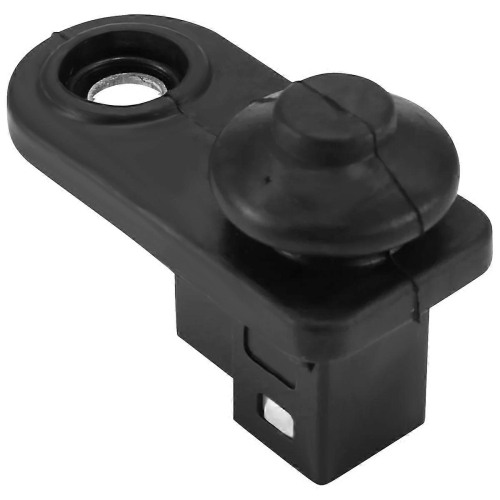
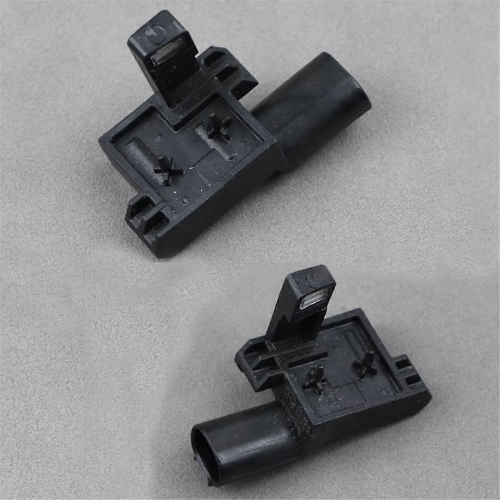
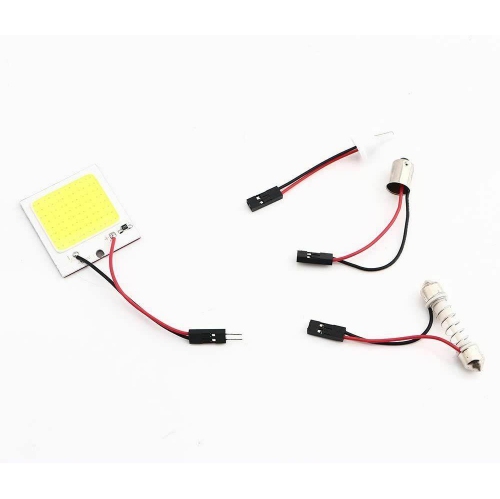
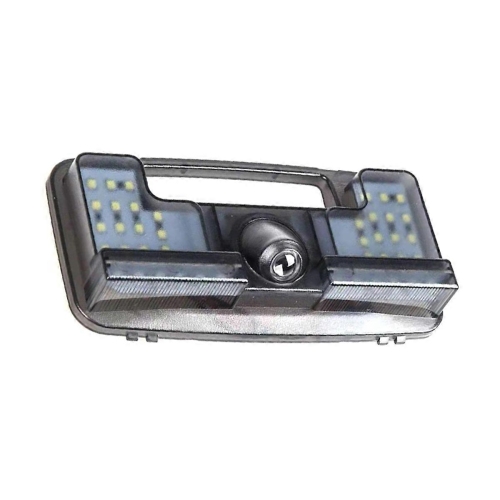
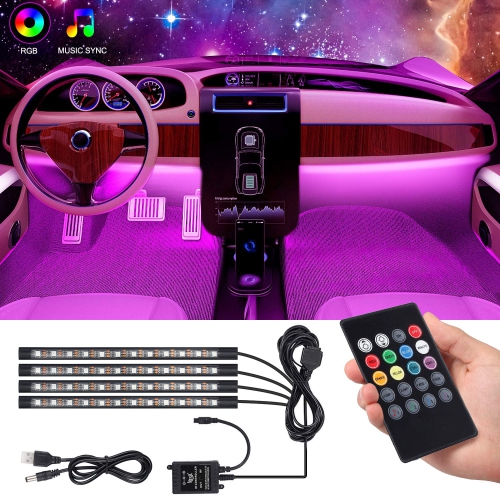
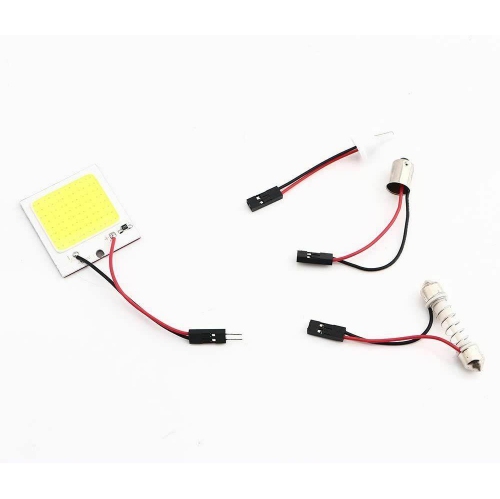
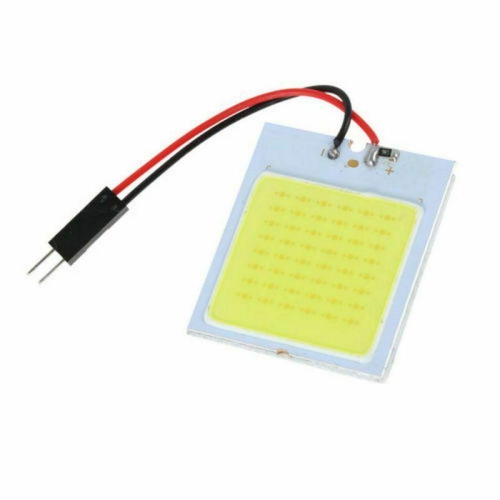
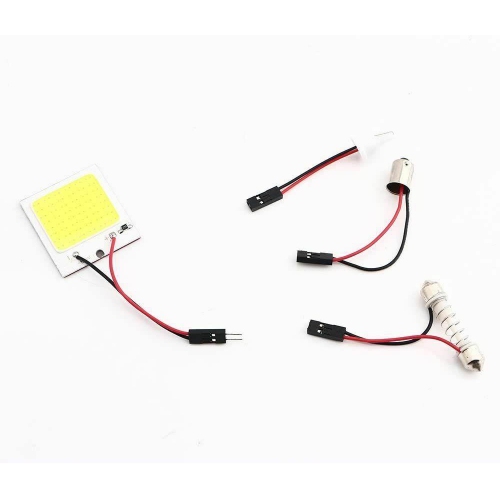
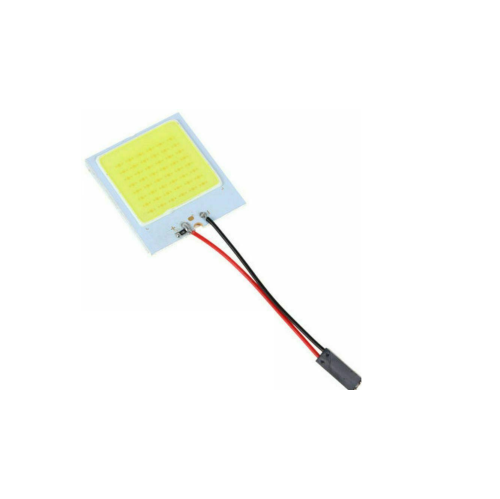
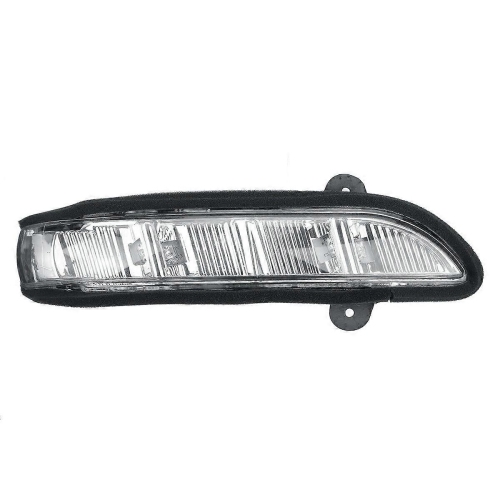
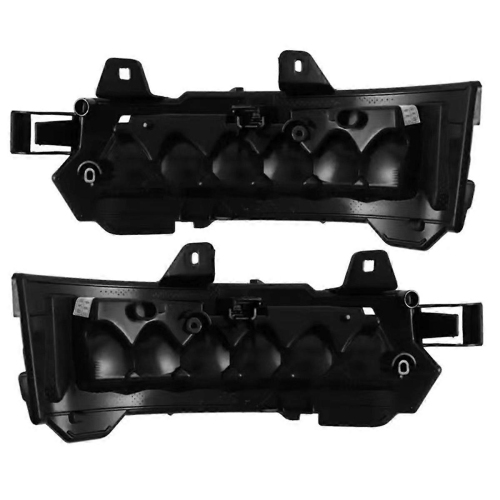
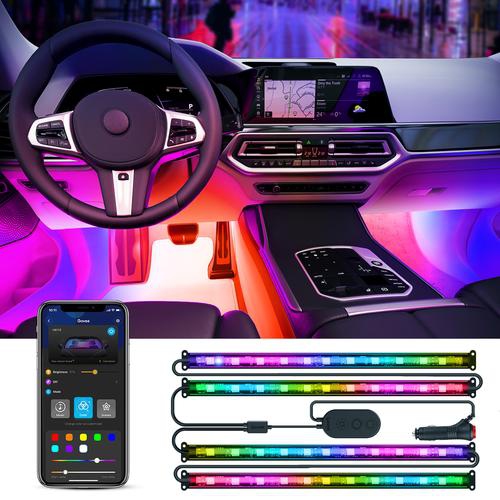

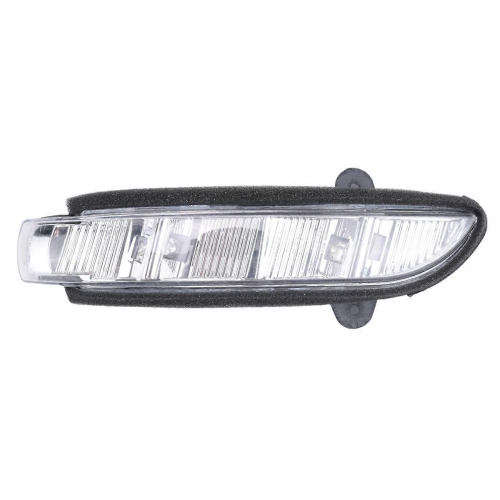
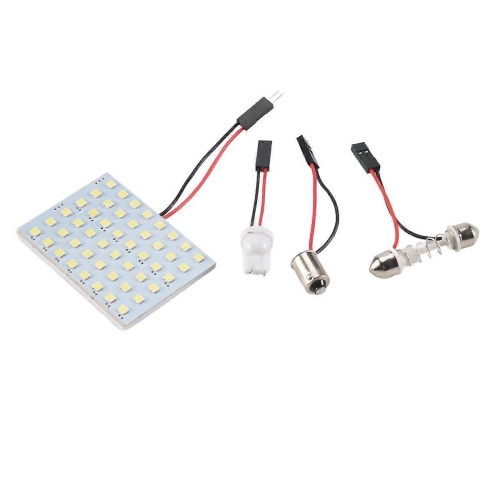
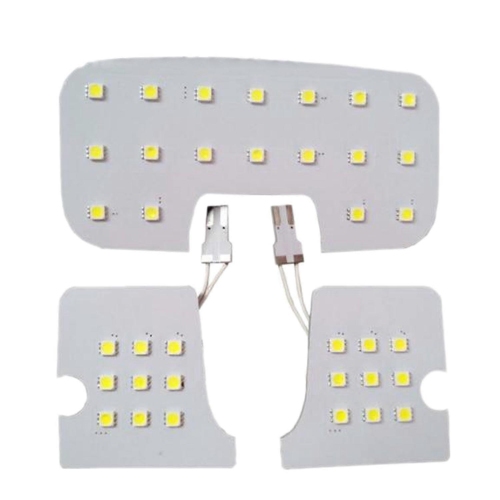

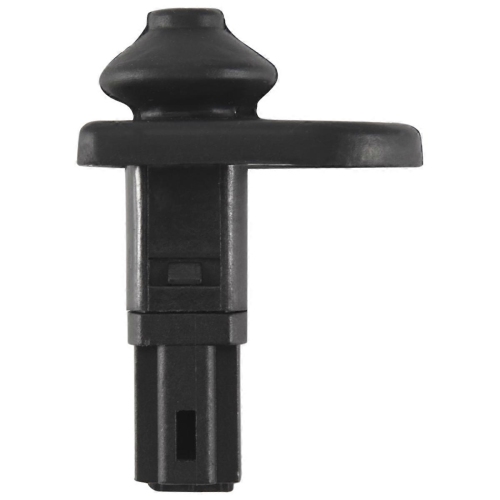

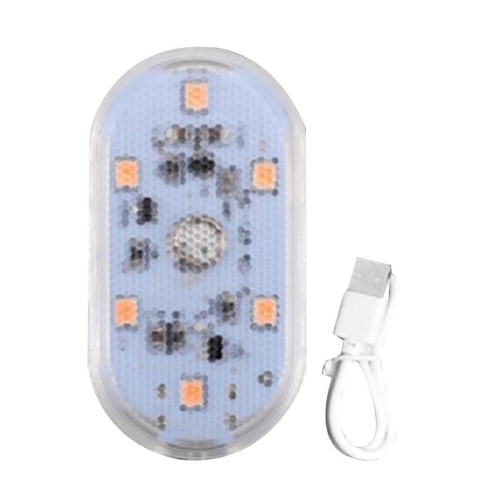
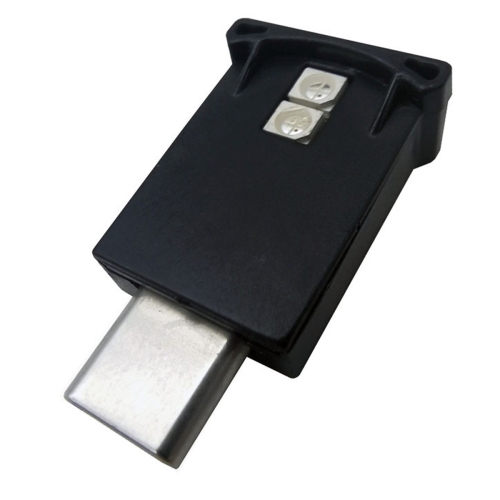
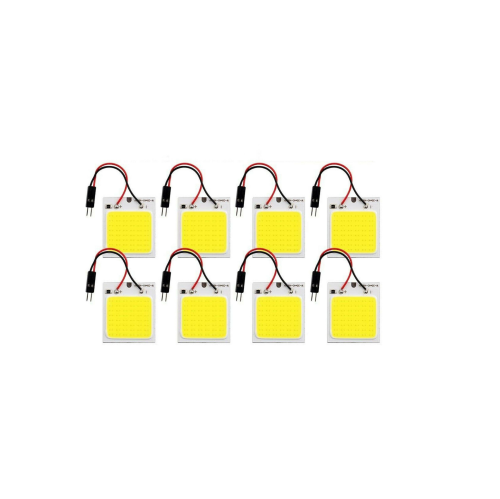
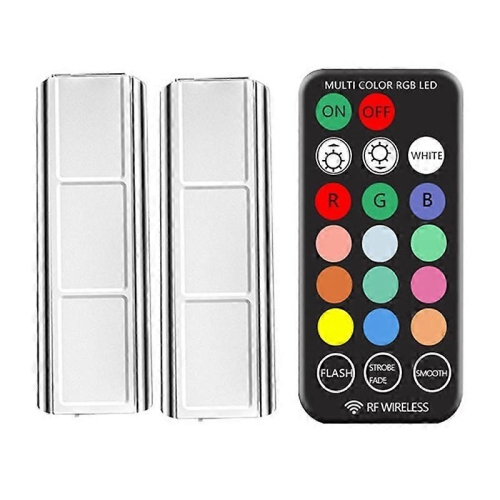

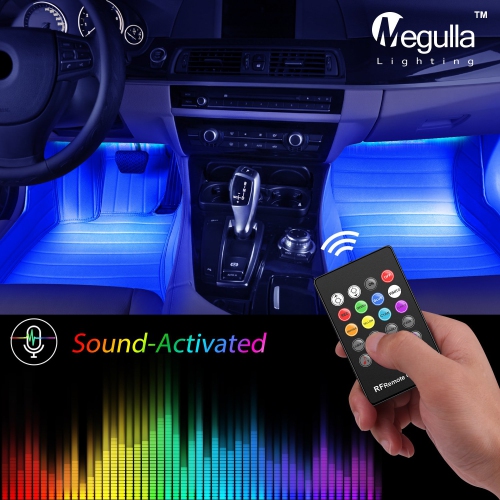
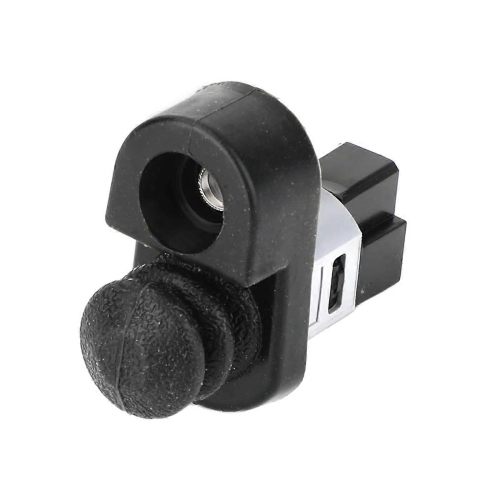
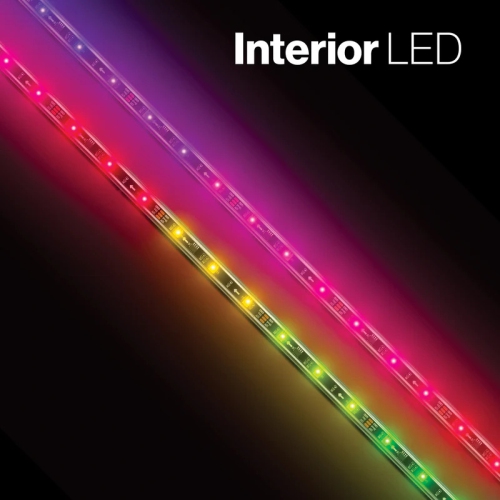
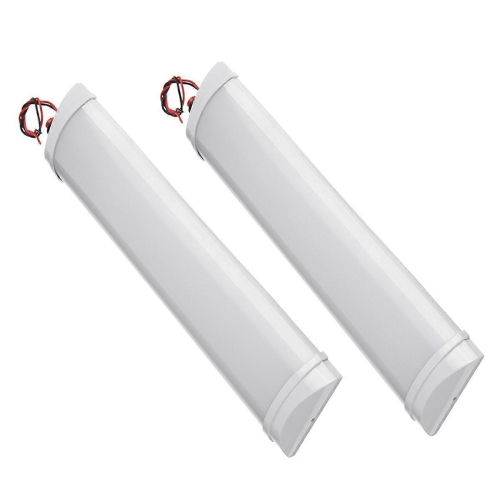
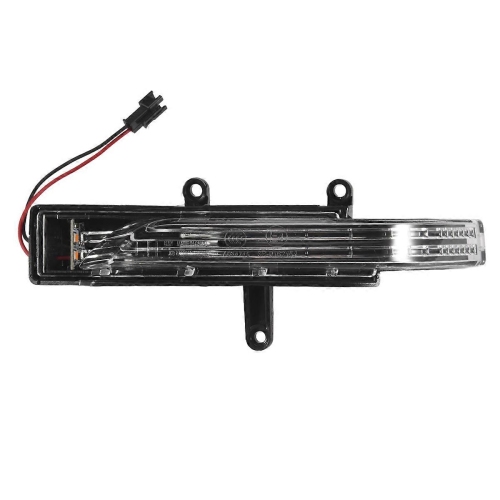
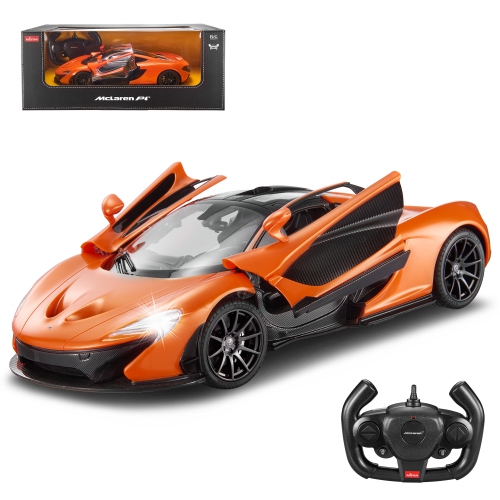
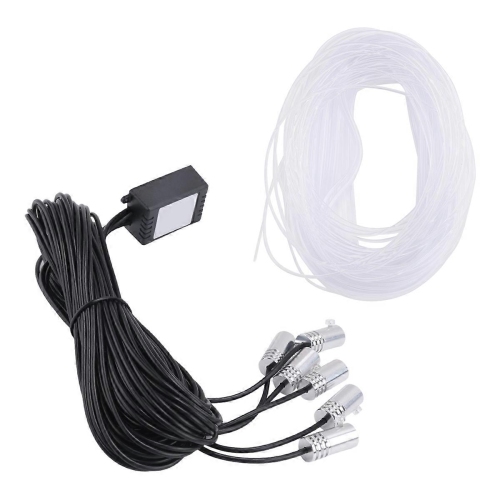
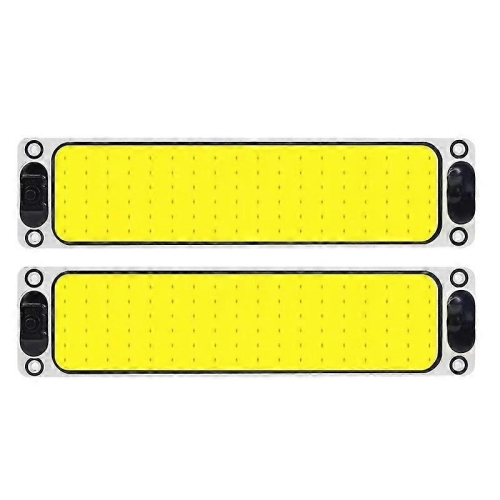
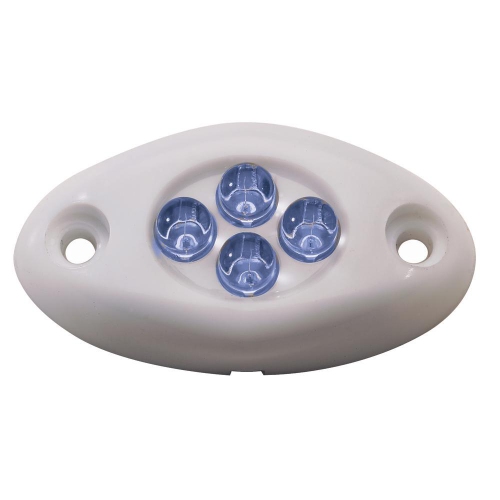
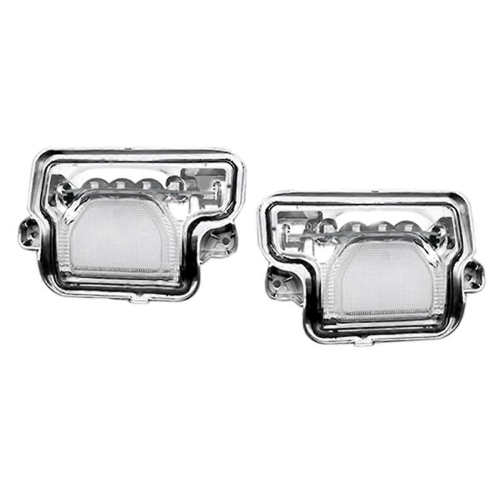
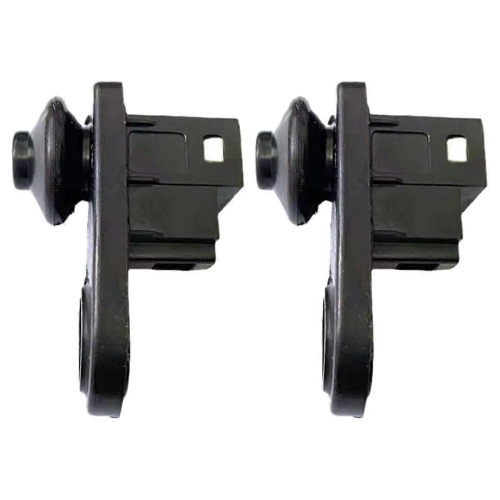
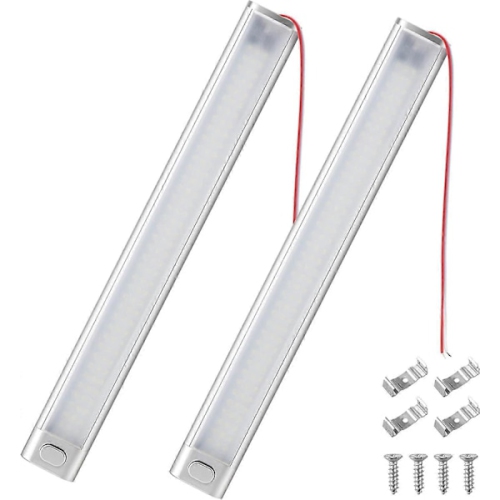
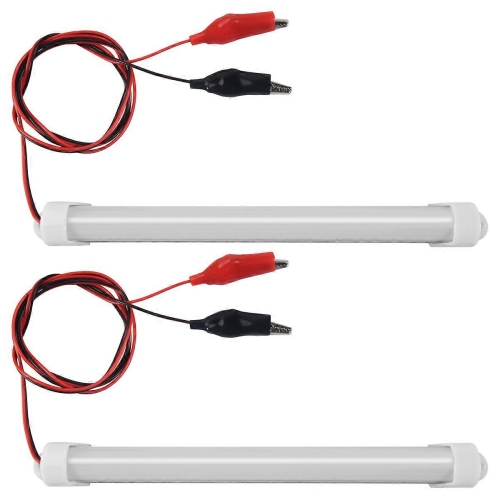
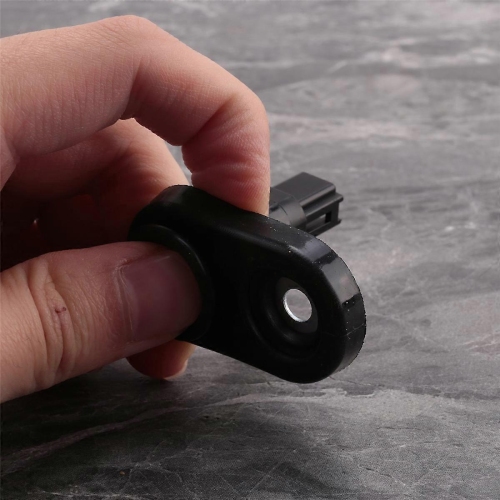
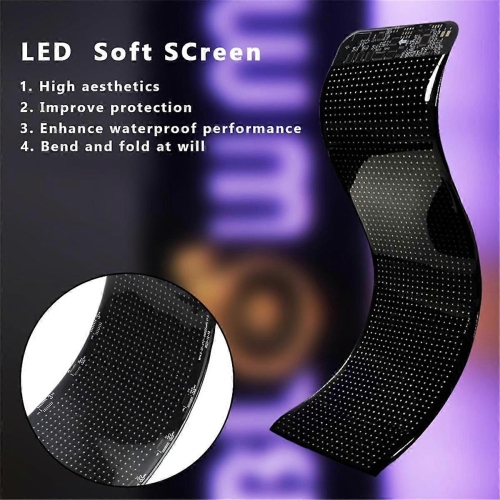
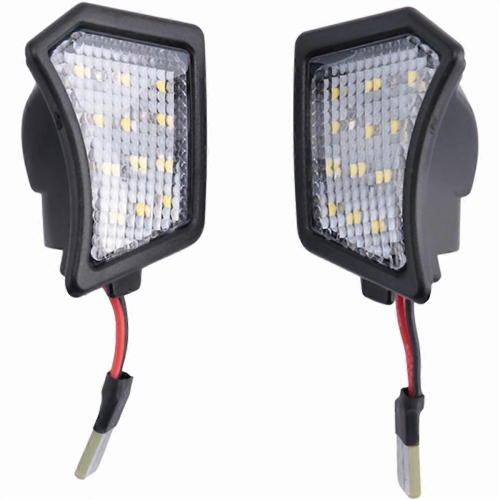
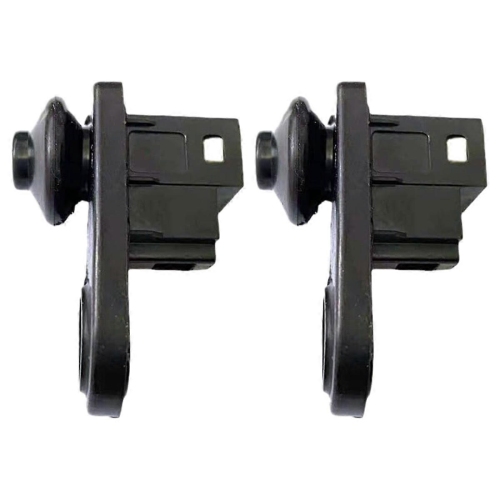
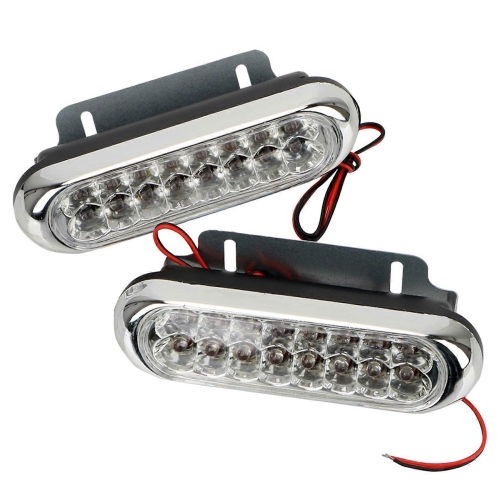
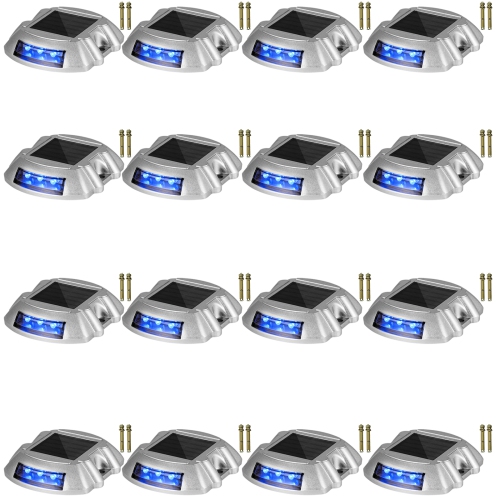
Why light direction matters when your door opens
Car door lights illuminate the area beside a vehicle when a door opens, adding useful visibility, a distinctive visual detail, or both. Often called puddle lights or courtesy lights, they can make the space around the sill easier to see when stepping out in a dim parking garage or getting into a car after an evening outing. The main styles serve different purposes. Standard courtesy lights cast a broad pool of light that can reveal uneven pavement, a dropped key, or belongings placed beside the vehicle. Projector door lights, sometimes called ghost shadow lights, direct a more defined image or pattern onto the ground. Door-edge warning lights face outward rather than downward, helping draw attention to an open door. These functions are not interchangeable: a crisp projected image may look striking without lighting as much ground as a plain courtesy lamp, while a warning light is intended to make the door more noticeable rather than illuminate a passenger’s footing. Light direction, coverage, and placement therefore matter as much as the appearance of the lamp itself. A driver who regularly carries work bags may appreciate clear illumination around the threshold, while someone personalizing a vehicle may prefer a subtle projected design. Passengers can also benefit from being able to distinguish the door sill from the surface below, although these lights do not replace mobility aids or careful footing. Brightness alone does not tell the whole story. A well-directed beam can be more useful than a brighter light that shines into passengers’ eyes or reflects strongly from nearby surfaces. For projection styles, image definition depends on the optics, mounting angle, distance from the ground, and the surface receiving the image. Smooth, pale pavement generally shows a pattern more clearly than rough or dark ground. The most suitable effect is one that remains pleasant to use during everyday entry and exit, not just when the vehicle is parked for display.
Fit is a central consideration because car door lights may use very different mounting methods and power sources. Vehicle-specific replacement lights are designed around particular lamp openings, electrical connections, and door configurations. Compatibility can depend on the vehicle’s make, model, model year, trim, and whether it already has working factory courtesy lights. A housing that looks similar is not necessarily the right size, and a matching connector does not by itself confirm that a light will function correctly with the vehicle’s electrical system. Front and rear doors may also use different fittings or provide different amounts of clearance. Universal battery-powered door lights offer another approach, often mounting to an interior door surface with an adhesive pad. Some use a separate magnet to detect when the door opens or closes, while others use different sensing arrangements. These designs reduce the need for a wired connection, but they still need enough space for the light housing and any sensor components. The door must close freely without pressing the lamp against the seat, sill, trim, or bodywork. A clear downward path is equally important for a projector; a storage pocket or projecting trim edge can block the image even when the housing fits. Adhesive mounting works best on a suitable clean, smooth surface, and textured panels, flexible materials, or treated trim can affect the bond. Battery access also deserves attention, since a neatly placed light becomes less convenient if routine battery replacement requires removing it from the door. Rechargeable designs need accessible charging arrangements, while replaceable-battery designs require the specified battery type. Wired lights avoid separate battery changes but depend on compatible power requirements and secure connections. Where installation involves altering wiring, cutting trim, or working near door-mounted safety components, professional fitting may be appropriate. No installation should obstruct a latch, seal, drainage opening, airbag area, or moving window mechanism. A tidy fit preserves normal door operation and keeps the lighting positioned where it can perform its intended function.
Materials and construction influence how well car door lights stand up to repeated use. Housings may use moulded plastic or metal, with a clear lens protecting the light source and, in projector designs, the image-forming components. Plastic can offer a lightweight, low-profile shape, while metal construction may provide a more rigid housing; neither material alone establishes durability. Secure clips, sound seals, protected electrical contacts, and a lens that stays firmly seated are just as important. Door-mounted accessories experience vibration and repeated closing forces, so loose fittings can lead to rattles, misalignment, or an interrupted connection. Any stated resistance to dust or water should be understood according to the manufacturer’s rating rather than assumed from the light’s appearance. Care is generally straightforward: a soft cloth can remove surface dirt, while cleaning methods should remain suitable for the lens, housing, adhesive, and surrounding vehicle trim. Abrasive cleaners can mark clear surfaces, and moisture should not be forced into seams or connectors. A cloudy or dirty lens may soften a projected image or reduce useful illumination even when the light itself is working. For a cohesive appearance, the light’s colour and intensity can complement the cabin lighting without overwhelming it. The broader Car Led Lights category provides a related starting point for coordinating lighting across different parts of a vehicle. Door-edge warning colours and flashing effects require particular care, since local rules may restrict their use; added lighting never replaces checking for approaching cyclists, pedestrians, or traffic before opening a door. As a gift, car door lights can suit a vehicle enthusiast or someone who enjoys practical personalization, provided the recipient’s vehicle details and preferred installation style are known. A restrained courtesy light and a bold projector create very different impressions. Matching the lighting to the driver’s taste, the vehicle’s fittings, and everyday use makes the addition feel intentional rather than intrusive.
Top selling and popular products
-
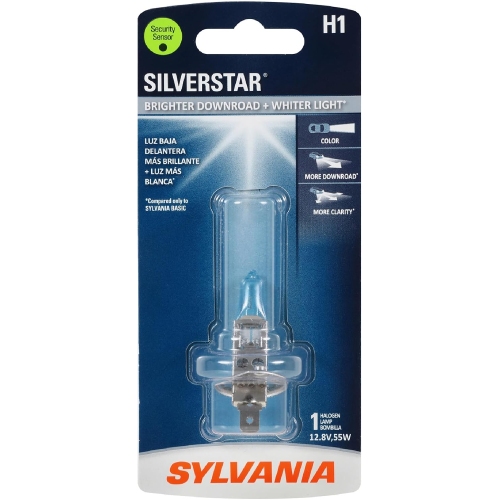 Your price for this item is $45.81
-
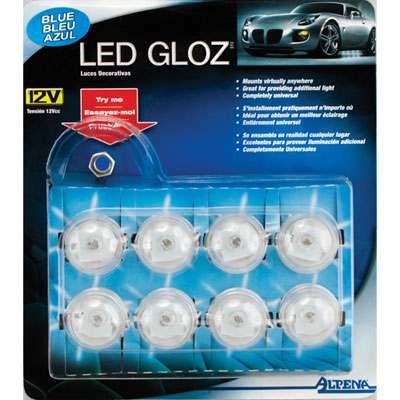 Your price for this item is $16.99
-
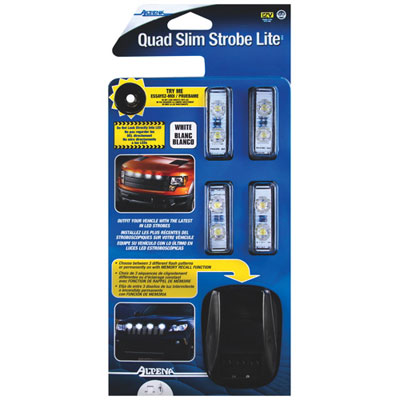 Your price for this item is $48.99
-
 Your price for this item is $36.99
-
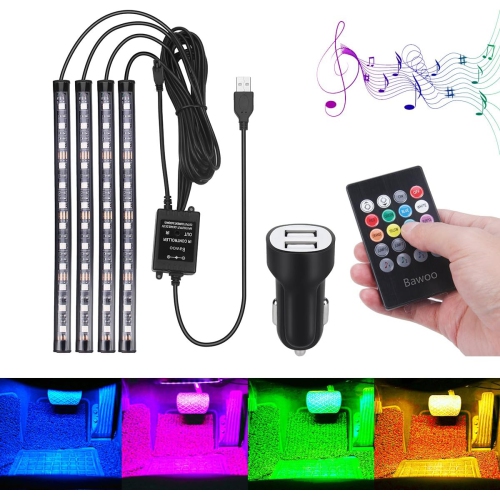 Your price for this item is $36.49
-
 Your price for this item is $30.99
-
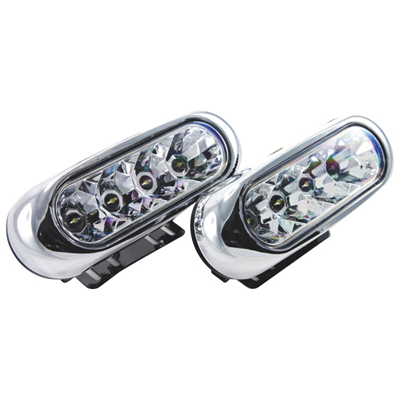 Your price for this item is $43.99
-
 Your price for this item is $59.9
Discover more categories related to Car Door Lights
Top Collections:
Best Black Friday Deals This Year, Best Black Friday Deals On Electronics, Kindle Devices, Best Black Friday Deals On Apple Products, Best Budget Office Chairs, Best Cameras for Sports Photography, Dyson Airwrap, Canon G7X Cameras, Best Laptops for Writers, Samsung Galaxy Phones
Some products may be subject to Environmental Handling Fees
(EHF) depending on your province.
Learn more about EHFs.