Car Parking Cameras
Looking to enhance your driving experience and improve safety on the road? Look no further than our selection of car parking cameras. These handy devices are designed to provide you with a clear view of what's behind your vehicle, making parking and reversing easier than ever before. With their advanced technology and high-resolution image quality, our car parking cameras offer peace of mind and help prevent accidents by eliminating blind spots. Whether you're a seasoned driver or just starting out, these cameras are a must-have addition to any vehicle. Browse our wide range of options and find the perfect car parking camera for your needs today.
Sort
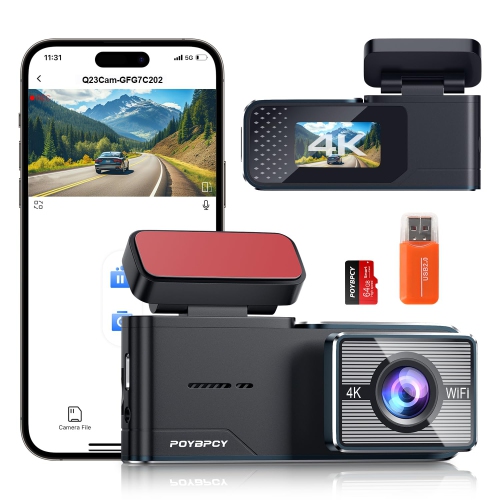
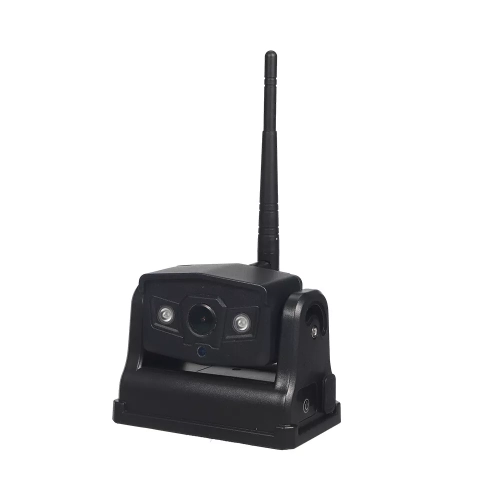
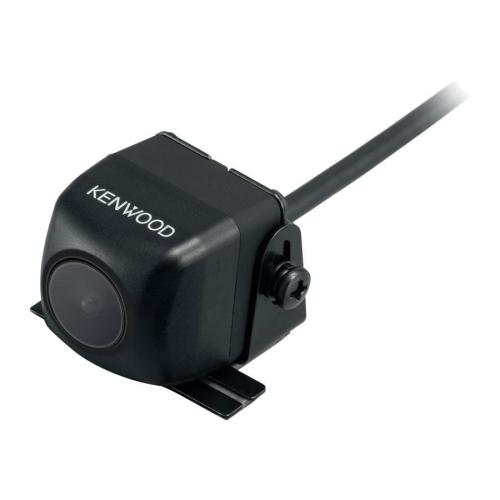
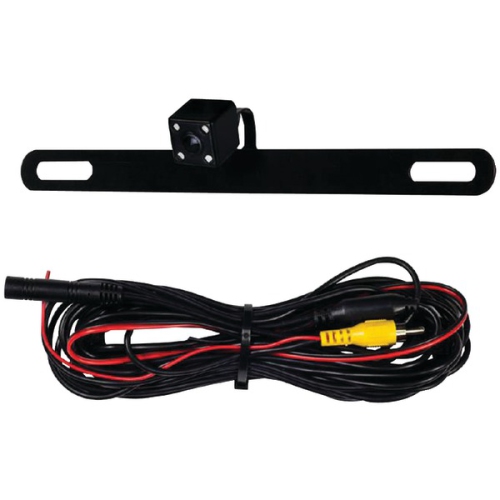
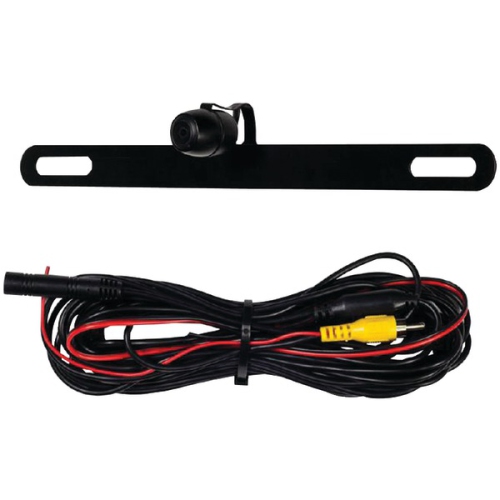
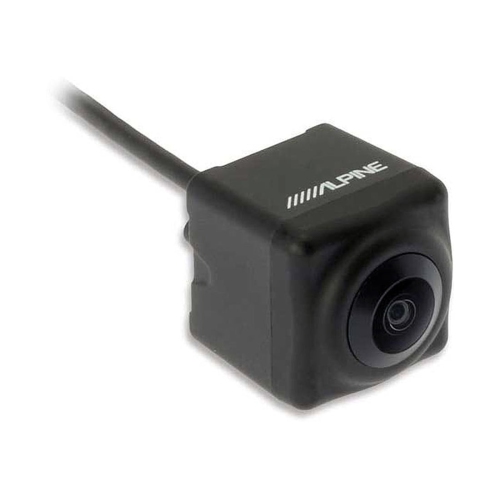
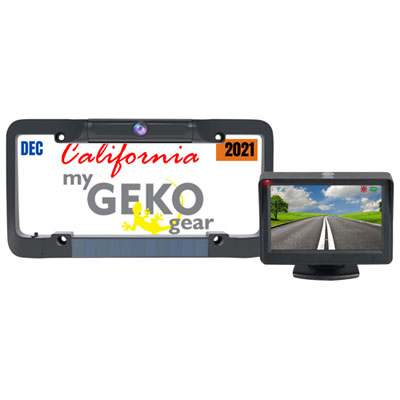
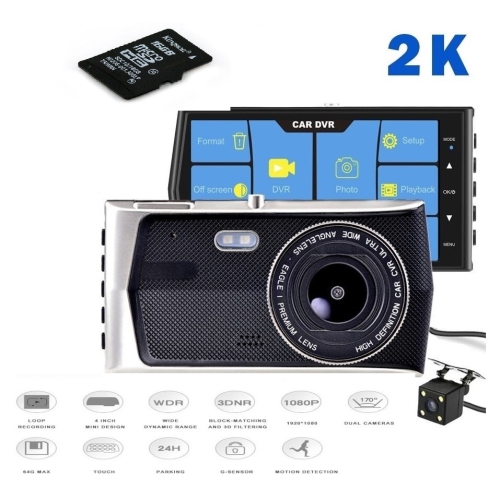
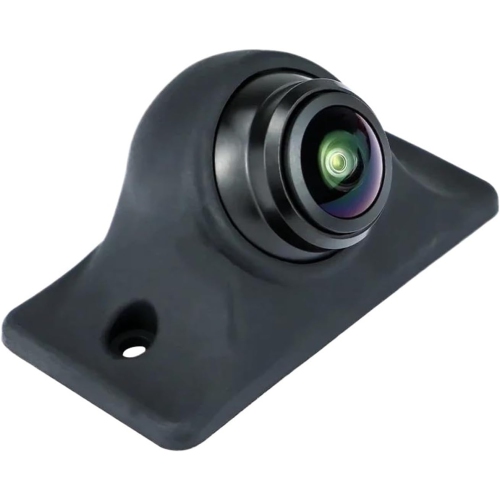
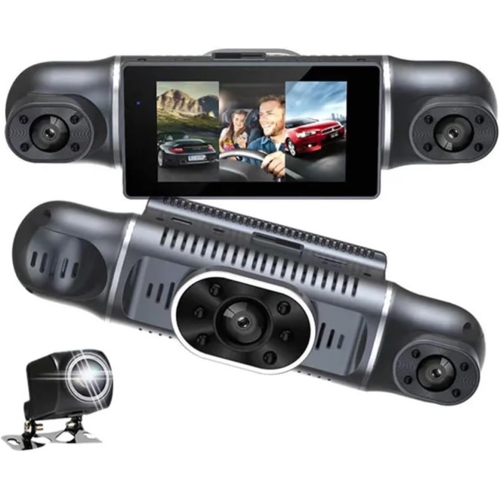
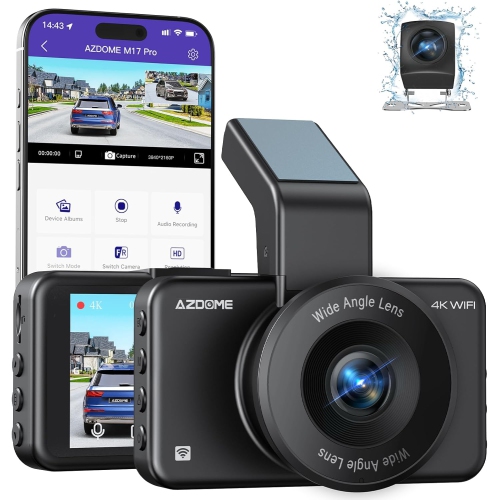
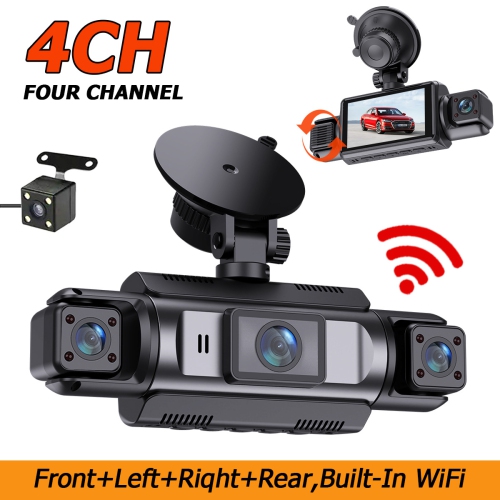
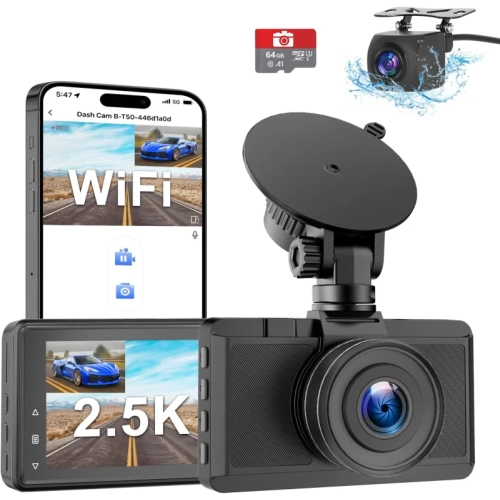
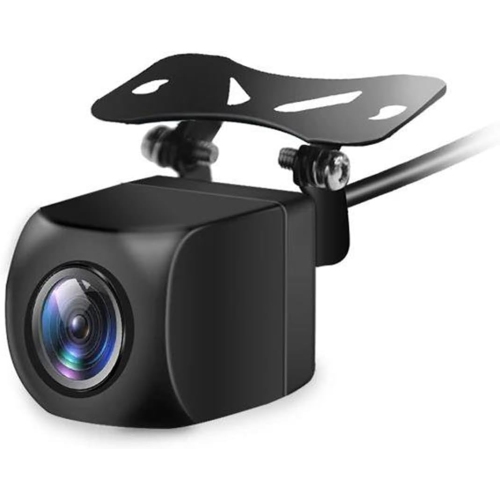
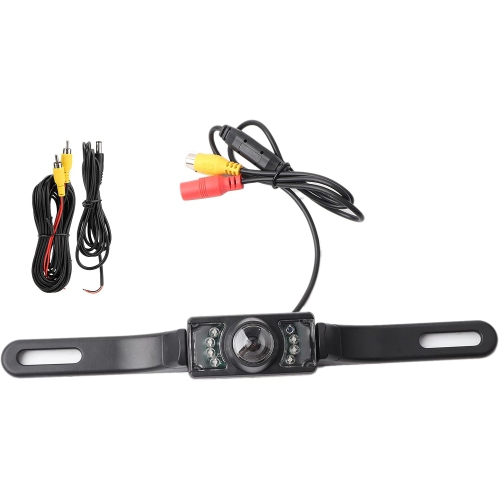
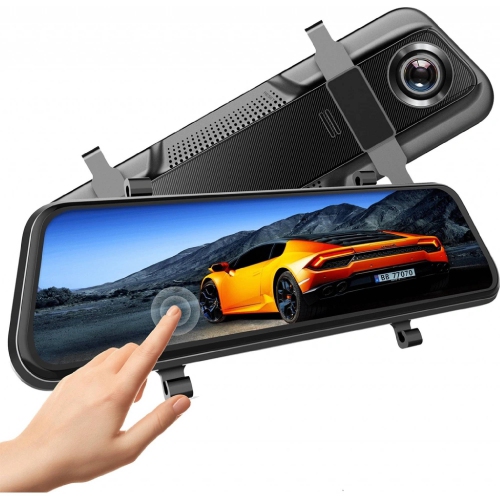
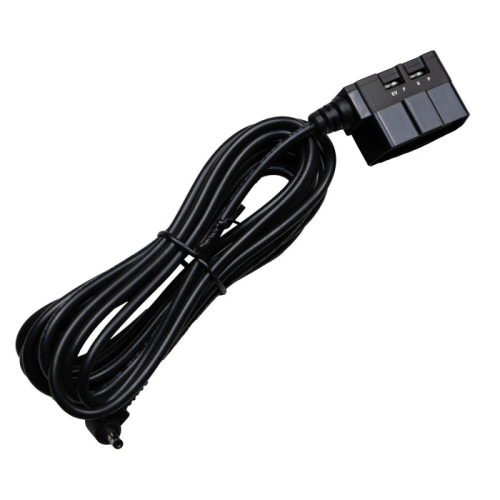
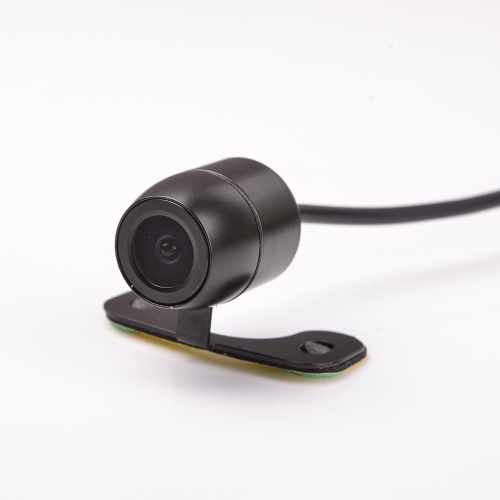
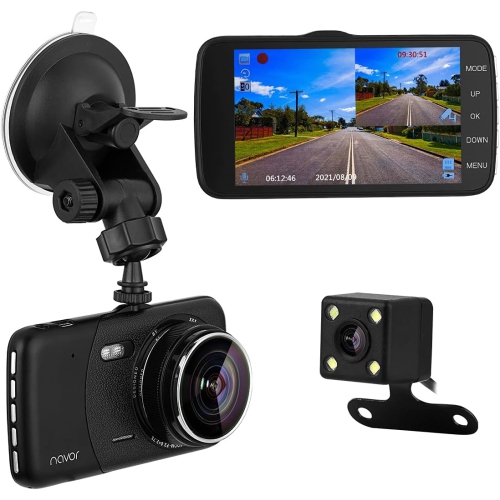
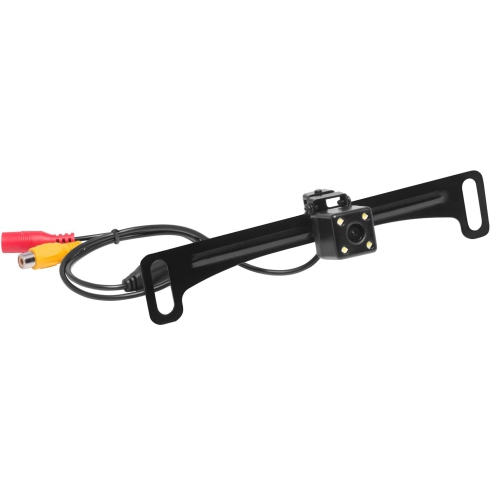
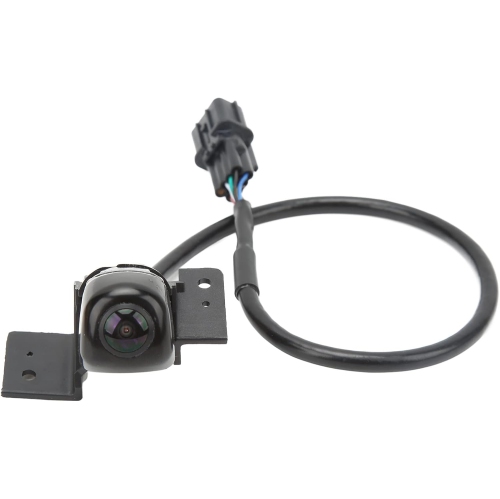
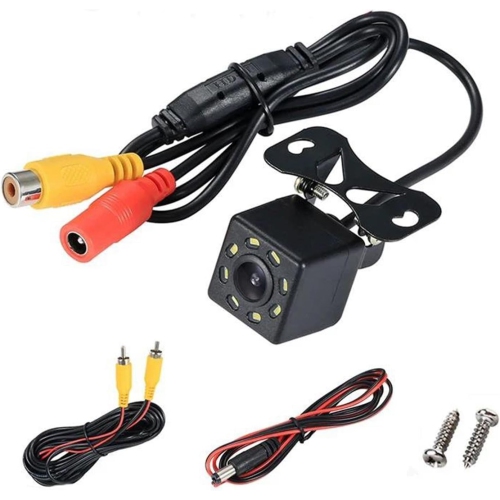
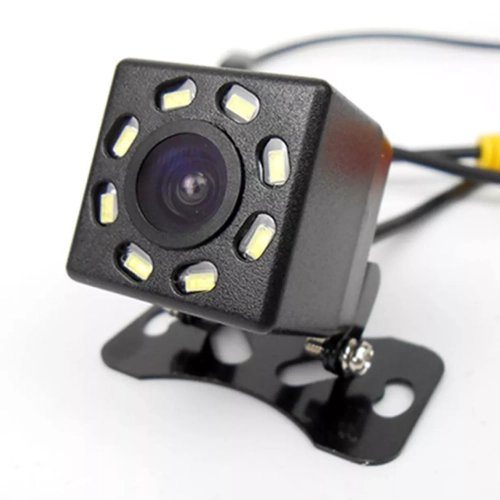
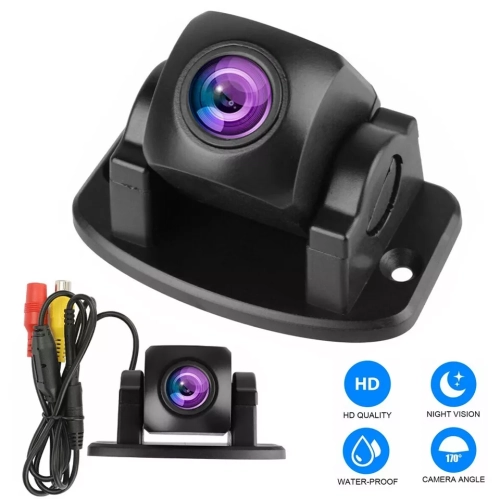
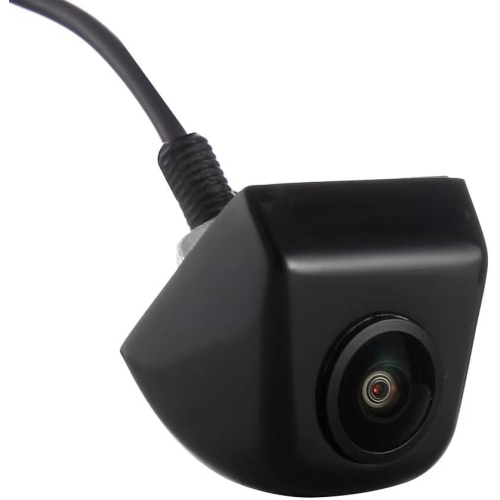
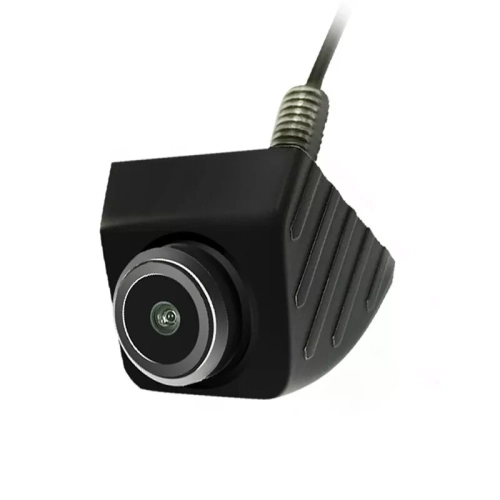
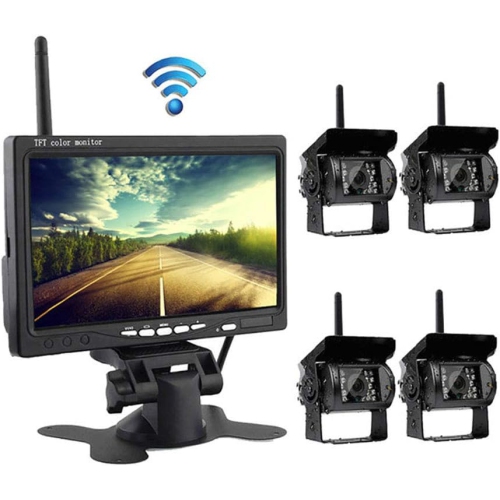
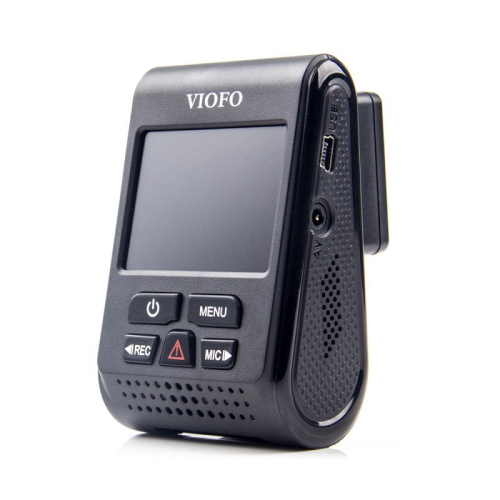

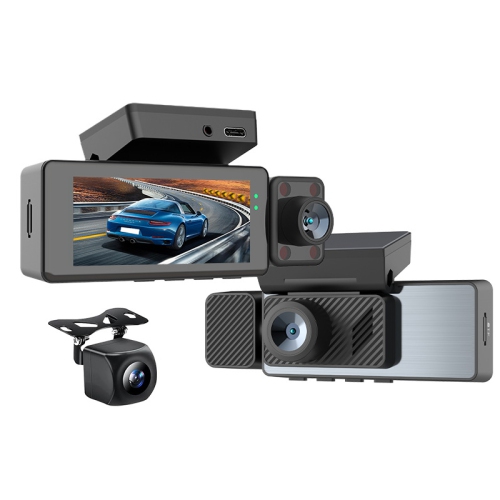
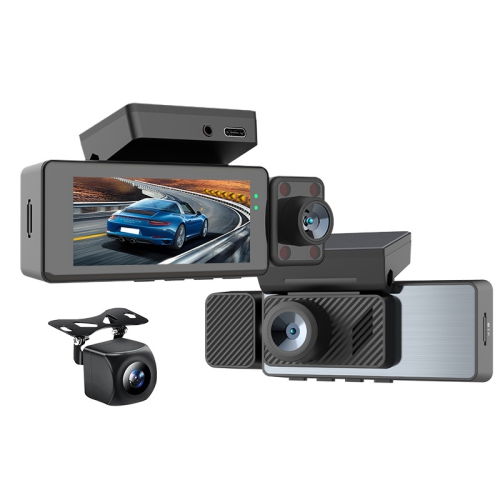
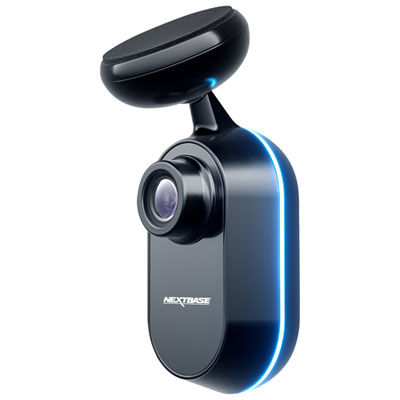

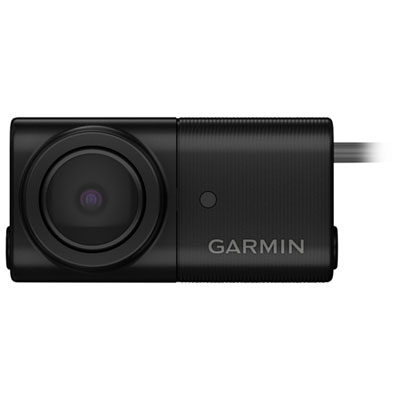
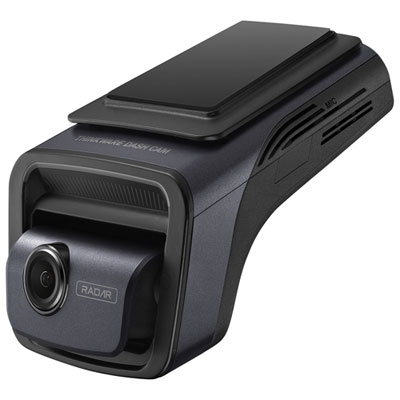
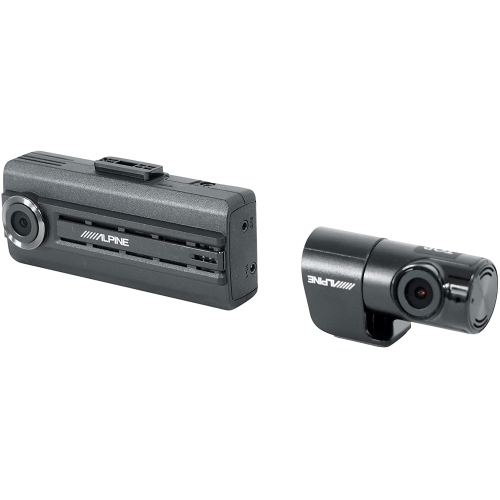
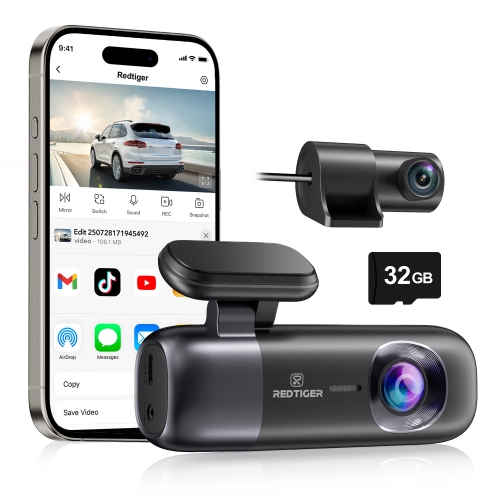
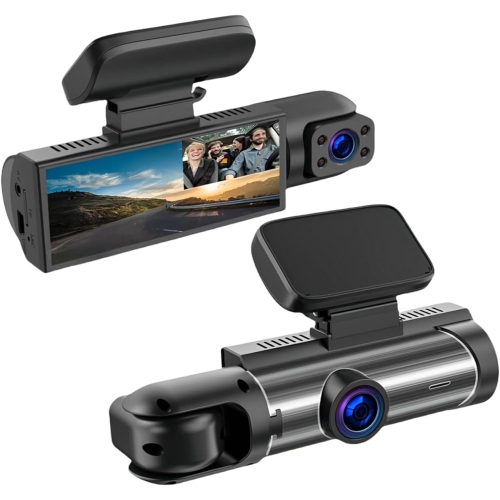
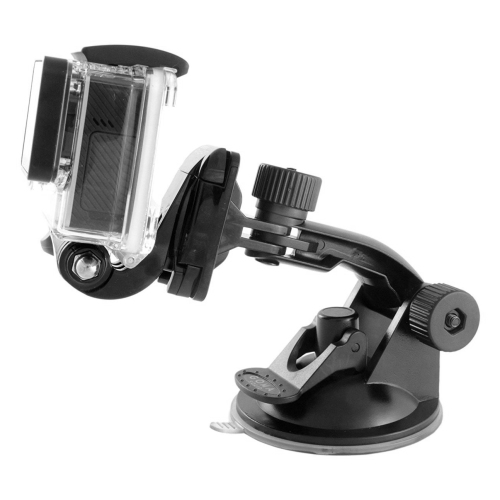
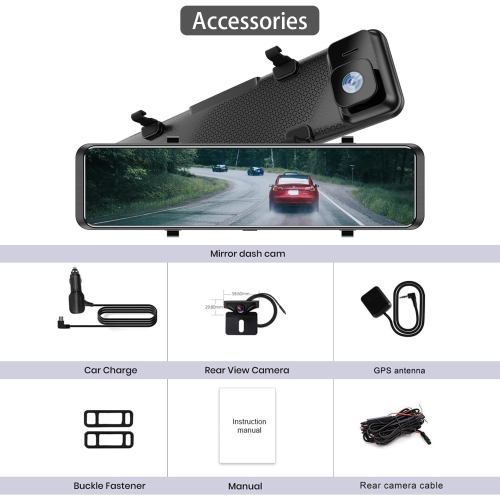
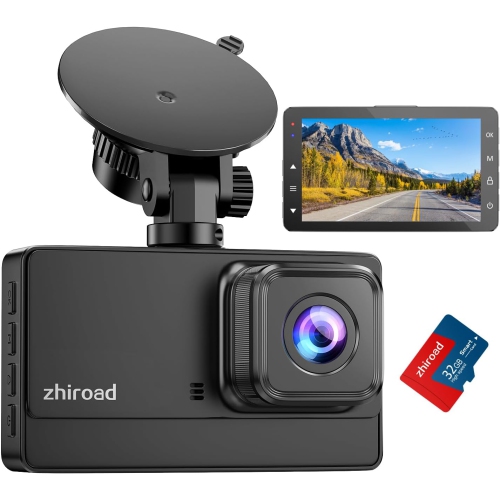
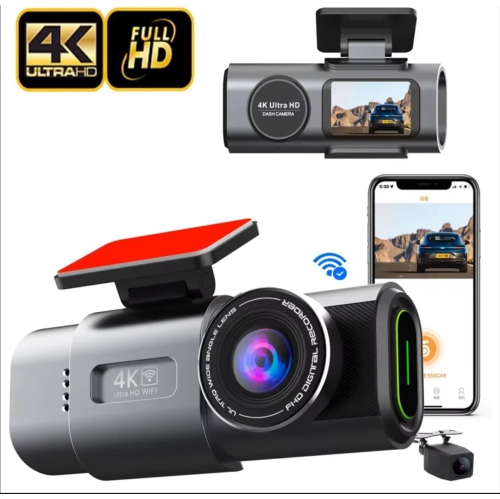
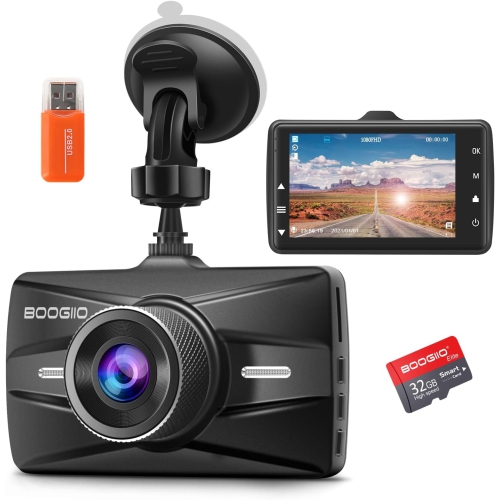
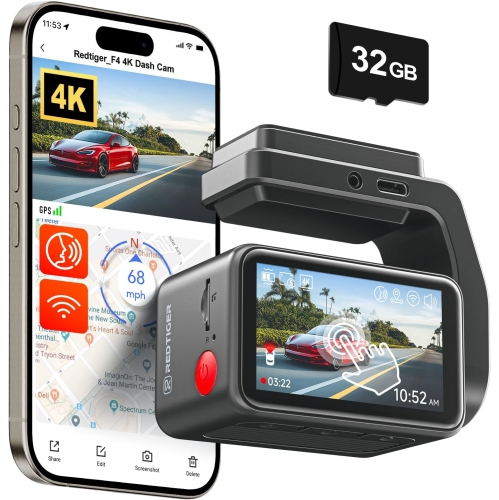
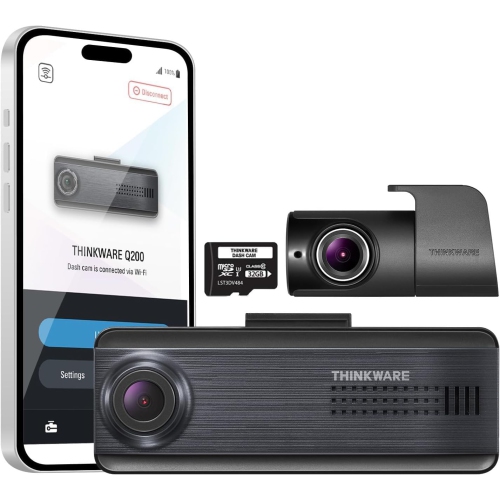
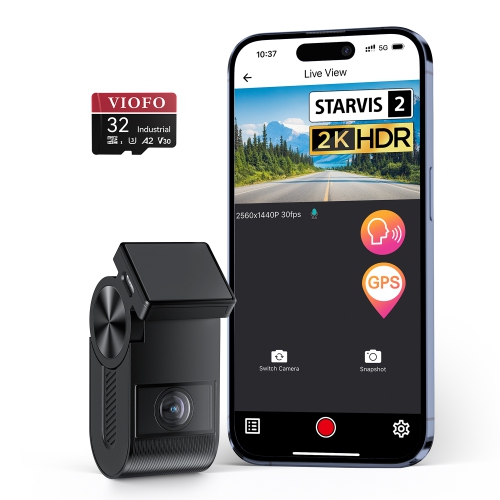
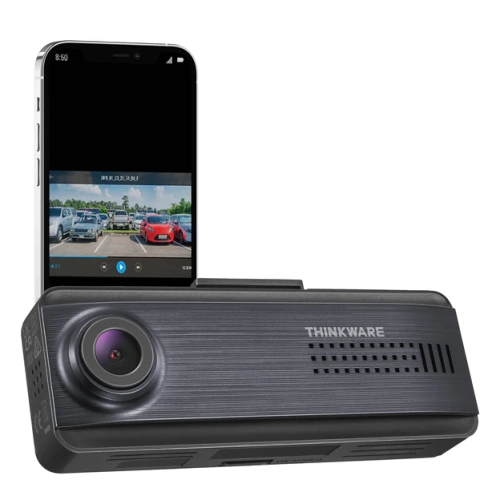
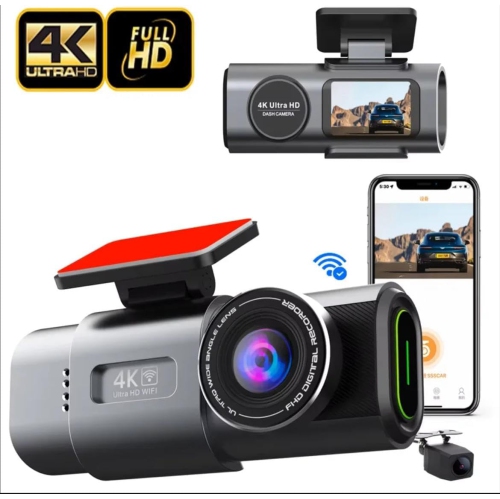
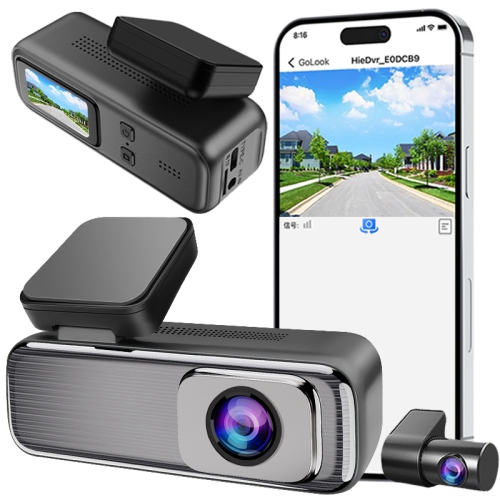
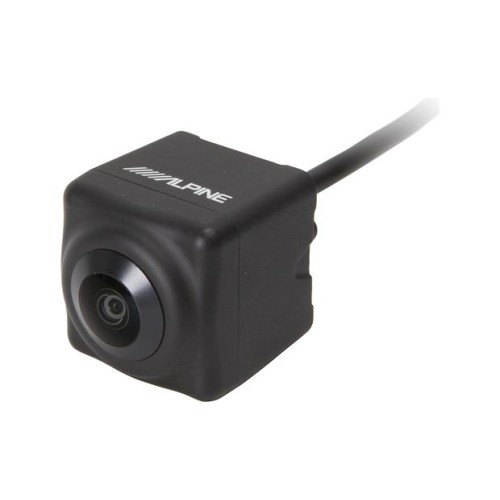
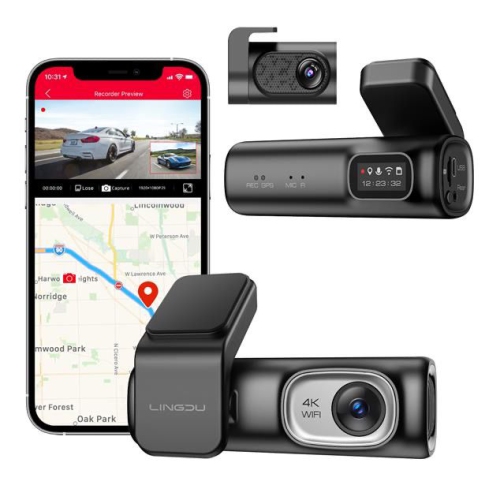
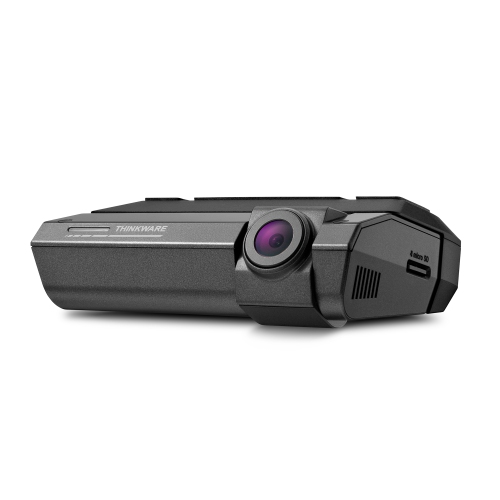
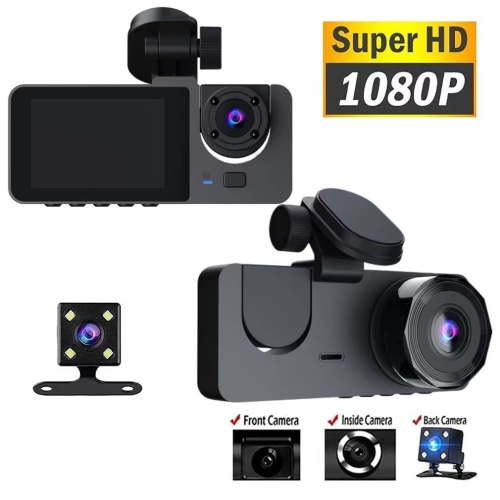
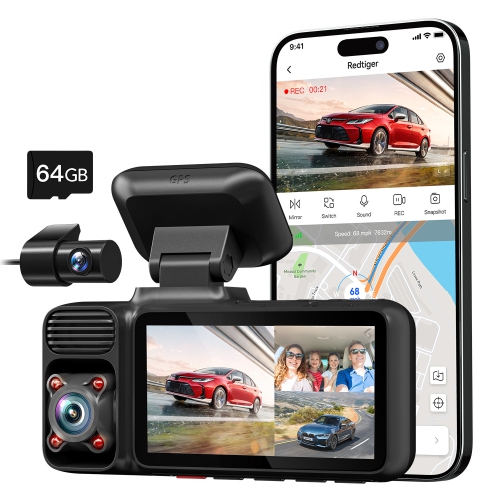
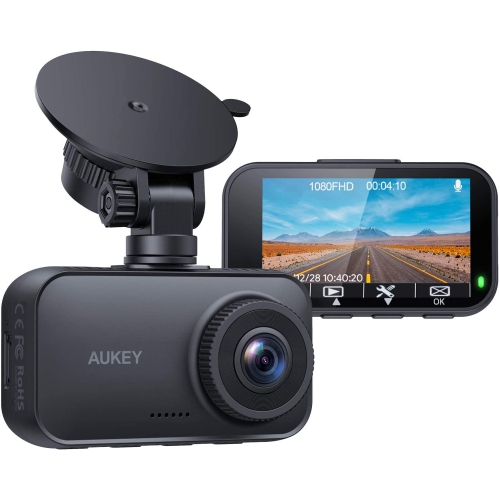
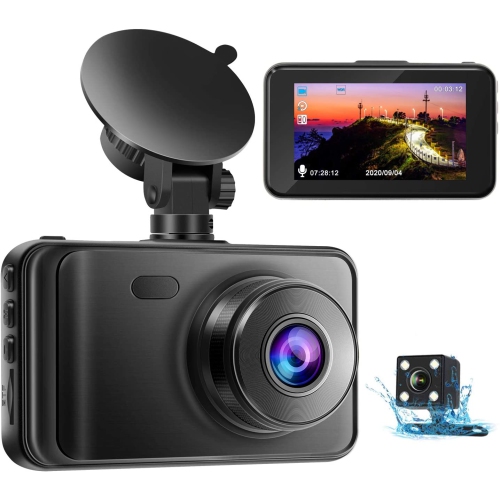
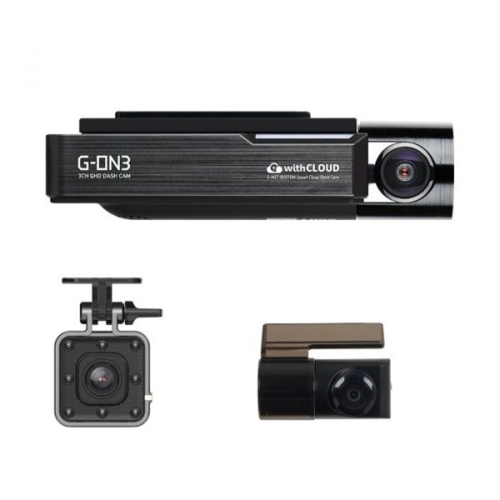
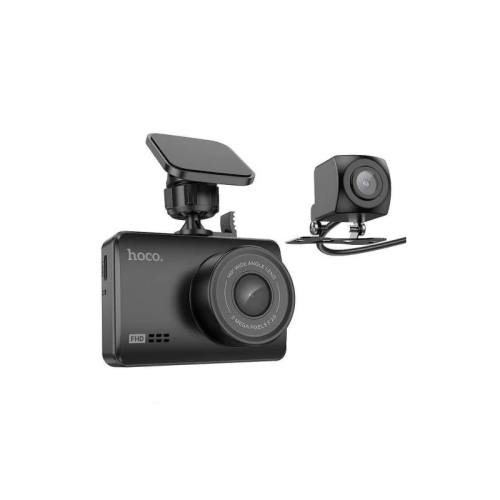
Extra visibility for reversing, parking, and monitoring your vehicle
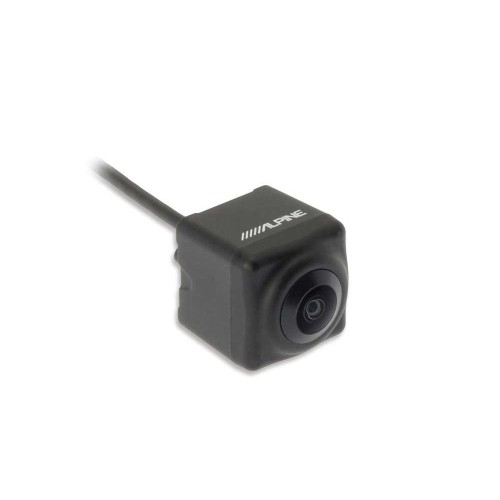
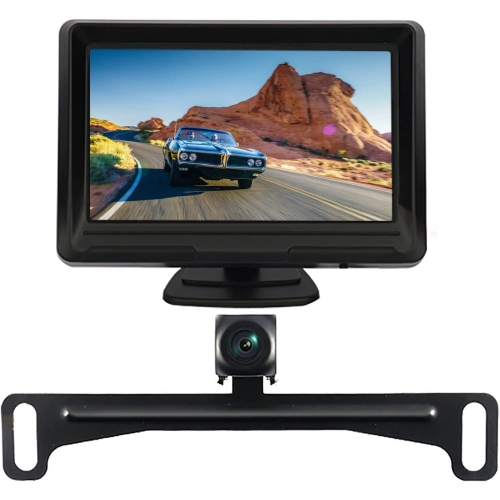
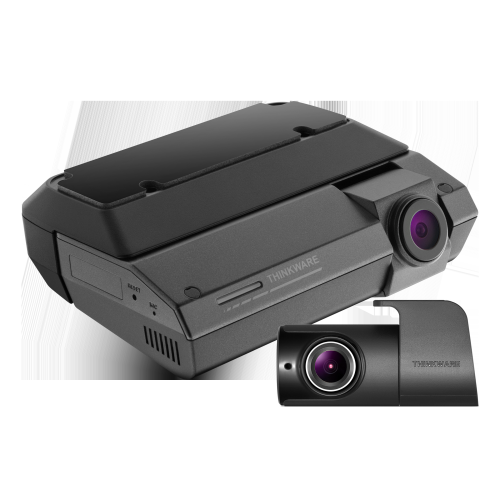
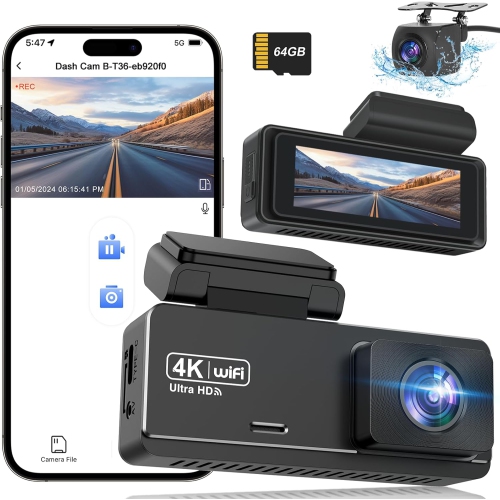
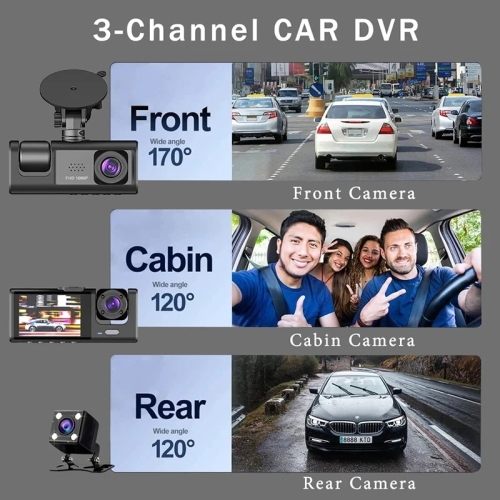
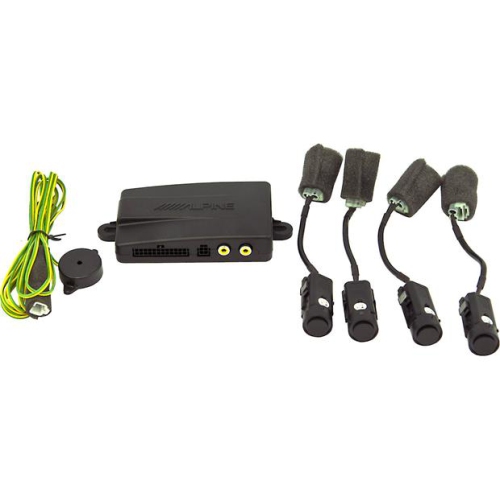
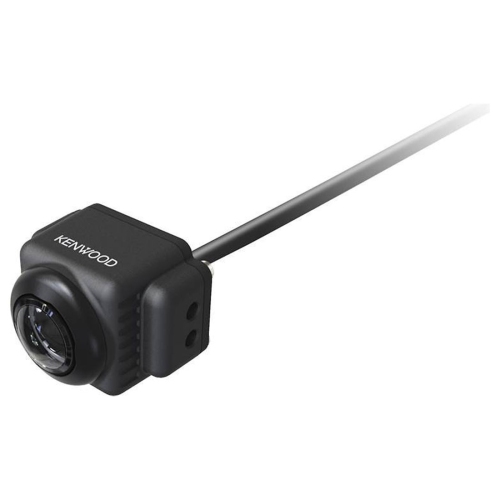
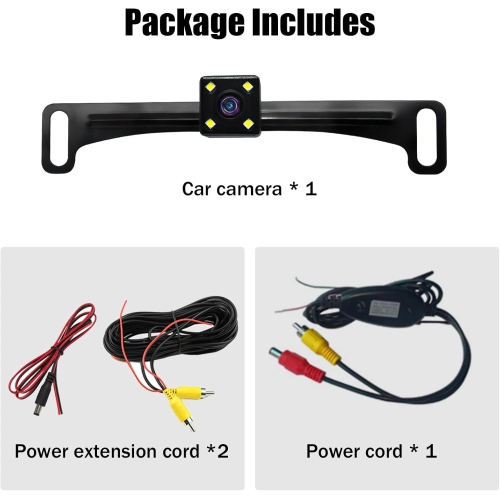
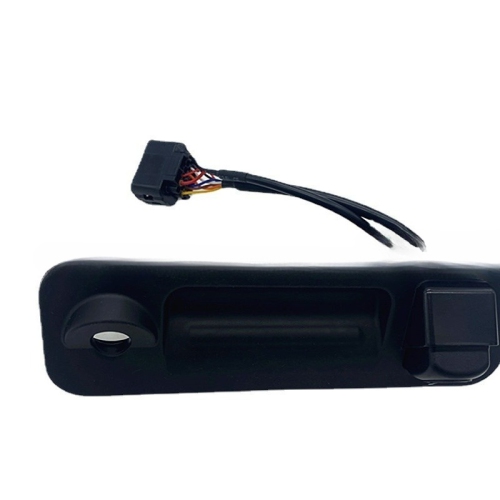
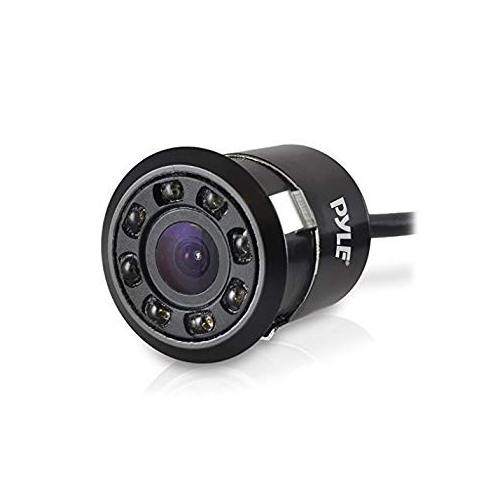
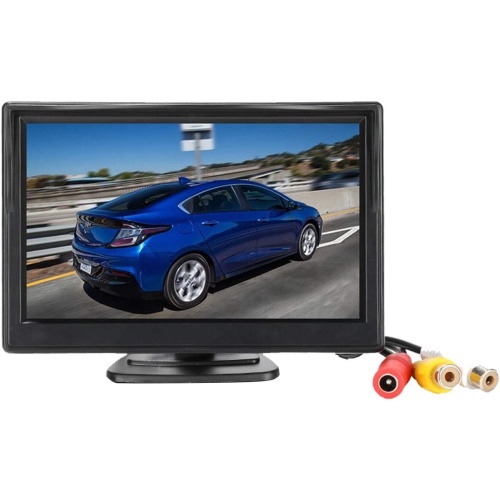
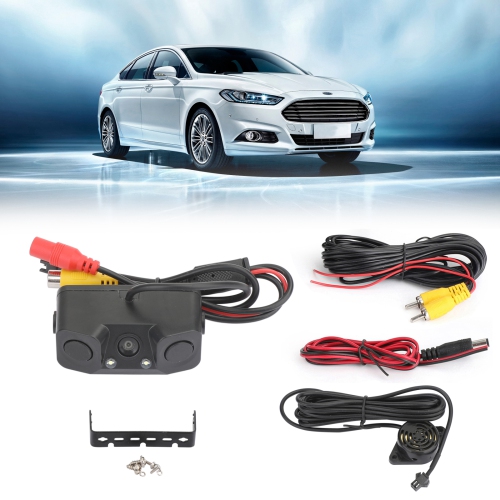
Car parking cameras help make everyday manoeuvring more visible, especially when a vehicle’s rear pillars, boot, headrests, or nearby objects create blind spots. A rear-view or backup camera typically mounts near the licence plate or another suitable point at the back of the vehicle and sends a live image to an in-dash display, rear-view mirror screen, or compatible multimedia system. This view can reveal low obstacles, shopping carts, posts, curbs, bicycles, and children who may be difficult to see through the windows alone. Front-facing and side-mounted cameras can add visibility when pulling out of a tight space, lining up with a garage, or easing through a narrow laneway. Some systems combine several camera feeds to create a 360-degree, bird’s-eye view around the vehicle, helping drivers judge the position of each corner rather than relying only on a single angle. Others include dynamic parking guidelines that move with the steering wheel, giving a clearer sense of where the vehicle is likely to travel as it turns. These features can be particularly helpful for new drivers, people moving from a smaller vehicle into a larger SUV, van, or truck, and anyone who regularly navigates compact underground garages or busy shopping-centre lots. They can also be a thoughtful gift for a family member who is upgrading an older vehicle, a student taking on a daily commute, or a driver who wants extra confidence while reversing. A camera does not replace mirrors, shoulder checks, or careful attention, but it can provide another useful perspective during the moments when a few extra centimetres make a difference.
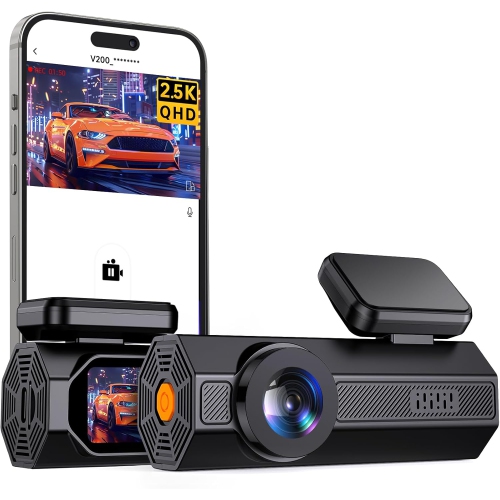
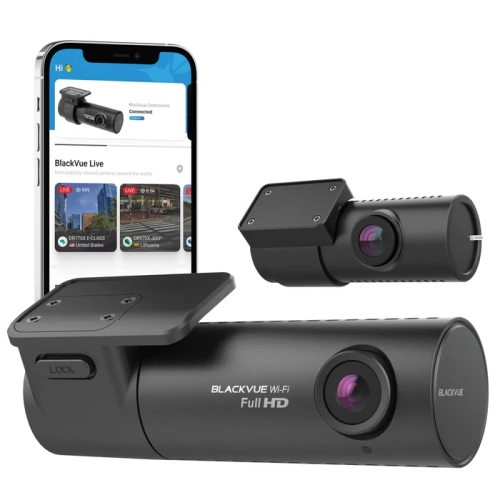
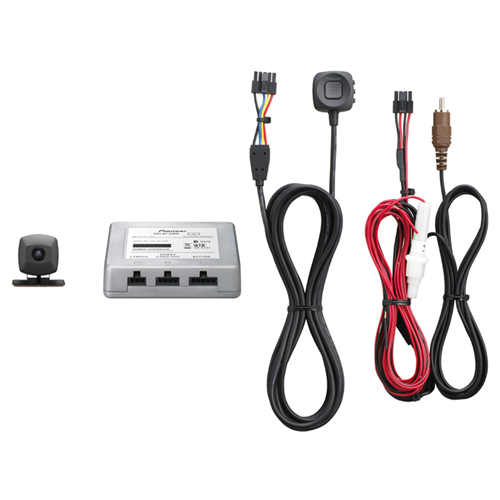
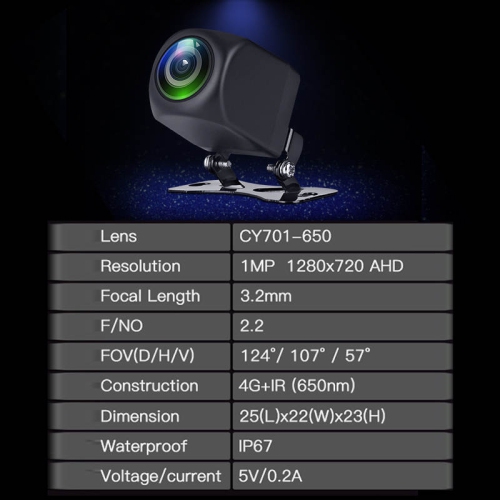
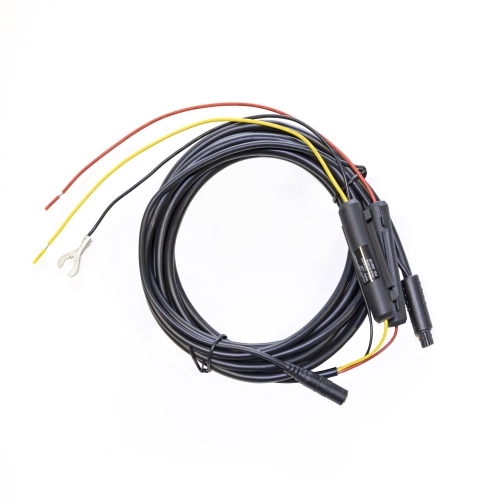
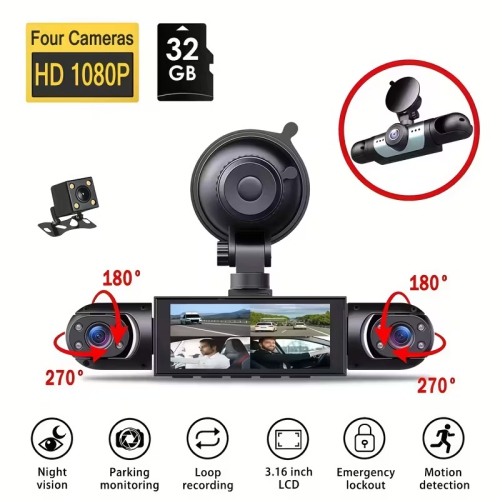
Choosing the right car parking camera starts with understanding what the vehicle already has. Some cars include a factory screen and may only need a compatible replacement or add-on camera, while older vehicles may require a complete kit with a dedicated display. Check the connection type, mounting method, display compatibility, power requirements, and available space around the licence plate or tailgate before purchasing. A wired system can offer a dependable connection, although installation may involve routing cable through trim panels and the vehicle interior. Wireless designs can simplify installation, but signal strength and interference may vary depending on the vehicle’s construction and the distance between the camera and display. A wide-angle lens is useful for seeing across a broader area behind or in front of the vehicle, while a narrower view may make distance and object size easier to judge. Consider image quality in bright sun, shade, rain, and low light rather than focusing only on daytime performance. Night vision or low-light capability can make a meaningful difference in unlit driveways and dim parking garages, where a standard image may appear grainy or lose detail. Weather resistance is also important for an exterior-mounted camera exposed to road spray, dust, snow, and changing temperatures. If the camera will be used with a dash cam or another recording device, look for parking surveillance features such as motion detection, impact sensing, time-lapse recording, or buffered capture. These modes can record activity around a parked vehicle after the ignition is switched off, which may be useful for reviewing a bump, attempted break-in, or unexpected movement. Continuous monitoring may require a hardwiring kit, an auxiliary power solution, or a setting designed to protect the vehicle battery from excessive drain; confirm that the required accessories are included or available separately. Drivers looking to monitor a broader property rather than the area immediately around one vehicle may also want to explore Parking Lot Security Cameras, which are designed for fixed outdoor coverage instead of in-car parking assistance.
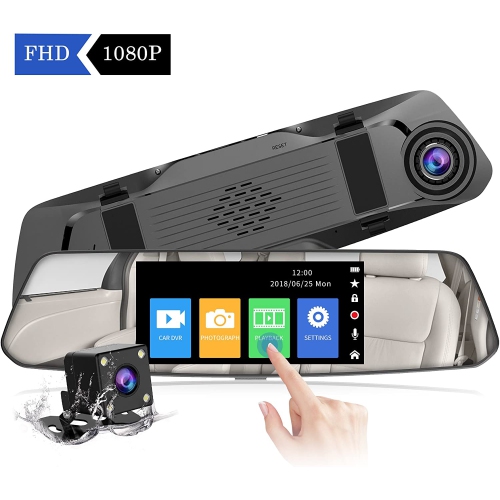
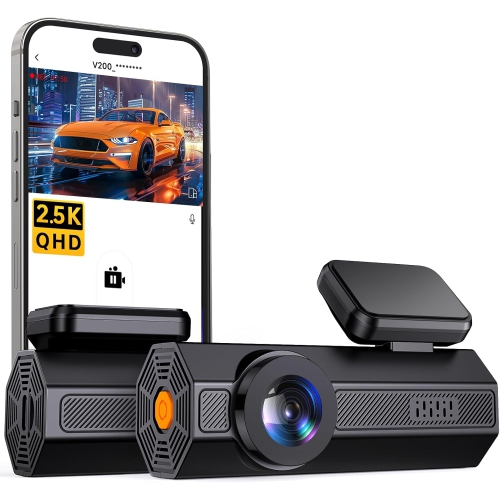
The best setup depends on where and how the vehicle is used. Someone who mainly reverses into a driveway may be well served by a clear rear-view camera with parking guidelines, while a driver who frequently parallel parks on busy streets may appreciate front and side views that help identify curbs, bicycles, and passing traffic. Larger vehicles often benefit from a multi-camera system or surround-view coverage because the distance between the driver’s seat and each corner can be difficult to judge. When a vehicle is used for deliveries, work visits, or long days away from home, a dash cam with parking mode can provide added documentation while it is unattended, provided the driver understands how recording, storage, and power settings work. Think about the display placement as well: a screen should be easy to see without blocking the road or becoming a distraction, and a rear-view mirror display may suit some dashboards better than a separate screen mounted on the console. Camera angle and alignment matter just as much as resolution; a lens aimed too high may miss low obstacles, while one aimed too low may reduce the useful view farther behind the vehicle. After installation, test the system in daylight and darkness, check that the guidelines match the vehicle’s actual path, and practise using the image alongside the mirrors and direct sightlines. Keep the lens clean, especially during the cooler months when road salt, moisture, and grit can collect around the rear of the vehicle. It is also worth checking storage requirements for recorded footage, including supported memory-card capacity, loop recording, file protection, and how easily clips can be viewed or transferred. With the right combination of camera coverage, display compatibility, low-light performance, installation method, and parking-mode features, a car parking camera can become a natural part of daily driving—from easing out of a crowded lot to positioning a vehicle neatly in a narrow garage.
Choosing the right car parking camera starts with understanding what the vehicle already has. Some cars include a factory screen and may only need a compatible replacement or add-on camera, while older vehicles may require a complete kit with a dedicated display. Check the connection type, mounting method, display compatibility, power requirements, and available space around the licence plate or tailgate before purchasing. A wired system can offer a dependable connection, although installation may involve routing cable through trim panels and the vehicle interior. Wireless designs can simplify installation, but signal strength and interference may vary depending on the vehicle’s construction and the distance between the camera and display. A wide-angle lens is useful for seeing across a broader area behind or in front of the vehicle, while a narrower view may make distance and object size easier to judge. Consider image quality in bright sun, shade, rain, and low light rather than focusing only on daytime performance. Night vision or low-light capability can make a meaningful difference in unlit driveways and dim parking garages, where a standard image may appear grainy or lose detail. Weather resistance is also important for an exterior-mounted camera exposed to road spray, dust, snow, and changing temperatures. If the camera will be used with a dash cam or another recording device, look for parking surveillance features such as motion detection, impact sensing, time-lapse recording, or buffered capture. These modes can record activity around a parked vehicle after the ignition is switched off, which may be useful for reviewing a bump, attempted break-in, or unexpected movement. Continuous monitoring may require a hardwiring kit, an auxiliary power solution, or a setting designed to protect the vehicle battery from excessive drain; confirm that the required accessories are included or available separately. Drivers looking to monitor a broader property rather than the area immediately around one vehicle may also want to explore Parking Lot Security Cameras, which are designed for fixed outdoor coverage instead of in-car parking assistance.
The best setup depends on where and how the vehicle is used. Someone who mainly reverses into a driveway may be well served by a clear rear-view camera with parking guidelines, while a driver who frequently parallel parks on busy streets may appreciate front and side views that help identify curbs, bicycles, and passing traffic. Larger vehicles often benefit from a multi-camera system or surround-view coverage because the distance between the driver’s seat and each corner can be difficult to judge. When a vehicle is used for deliveries, work visits, or long days away from home, a dash cam with parking mode can provide added documentation while it is unattended, provided the driver understands how recording, storage, and power settings work. Think about the display placement as well: a screen should be easy to see without blocking the road or becoming a distraction, and a rear-view mirror display may suit some dashboards better than a separate screen mounted on the console. Camera angle and alignment matter just as much as resolution; a lens aimed too high may miss low obstacles, while one aimed too low may reduce the useful view farther behind the vehicle. After installation, test the system in daylight and darkness, check that the guidelines match the vehicle’s actual path, and practise using the image alongside the mirrors and direct sightlines. Keep the lens clean, especially during the cooler months when road salt, moisture, and grit can collect around the rear of the vehicle. It is also worth checking storage requirements for recorded footage, including supported memory-card capacity, loop recording, file protection, and how easily clips can be viewed or transferred. With the right combination of camera coverage, display compatibility, low-light performance, installation method, and parking-mode features, a car parking camera can become a natural part of daily driving—from easing out of a crowded lot to positioning a vehicle neatly in a narrow garage.
Top selling and popular products
-
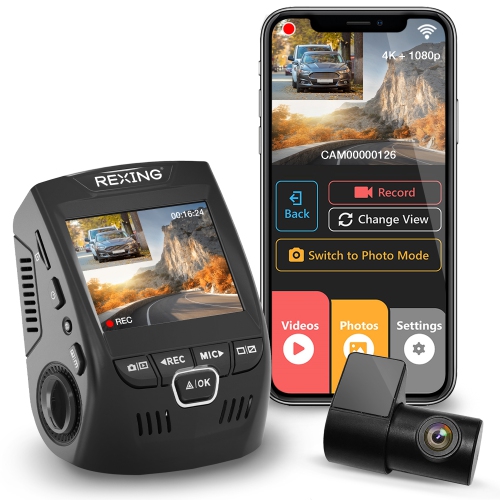 Your price for this item is $159.99
 -
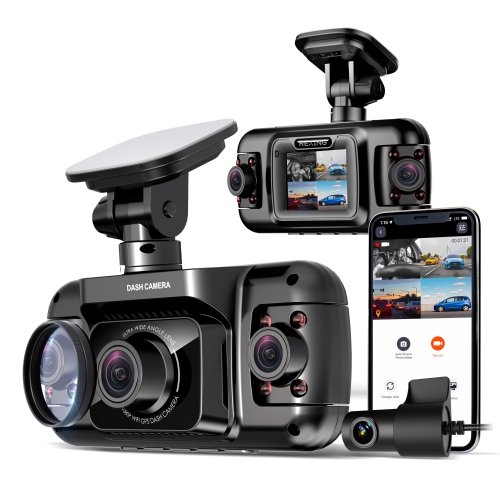 Your price for this item is $327.99
 -
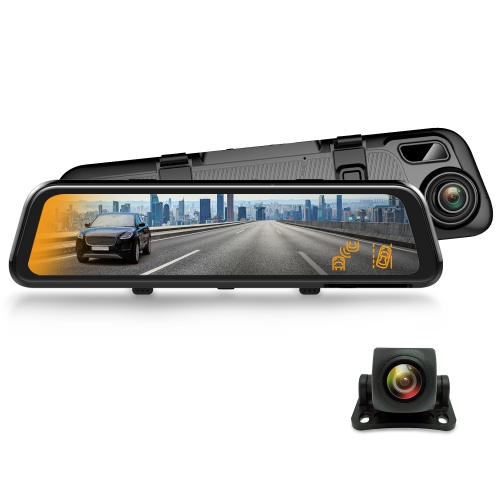 Your price for this item is $129.99
 -
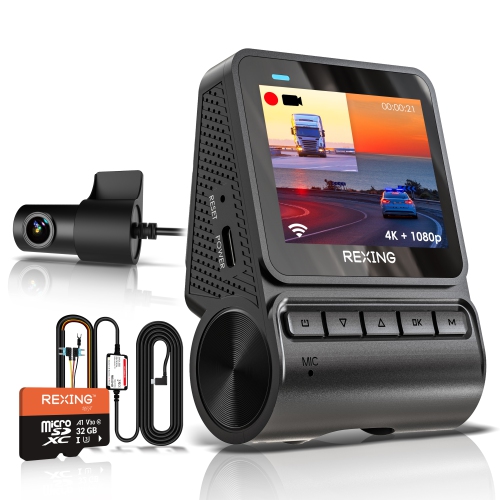 Your price for this item is $229.99
 -
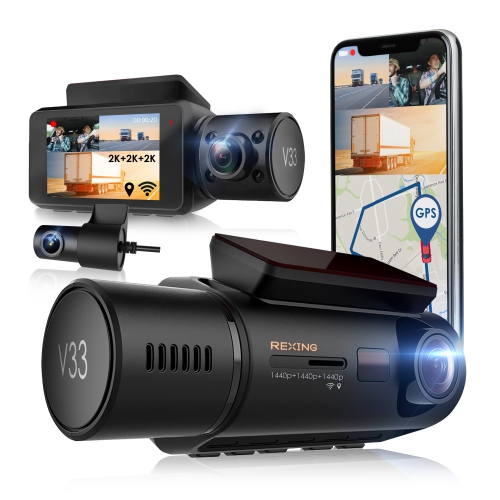 Your price for this item is $327.99
 -
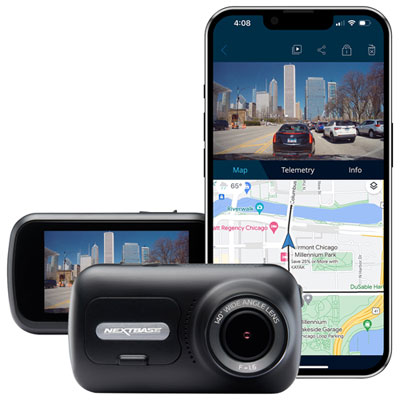 Your price for this item is $199.99
 -
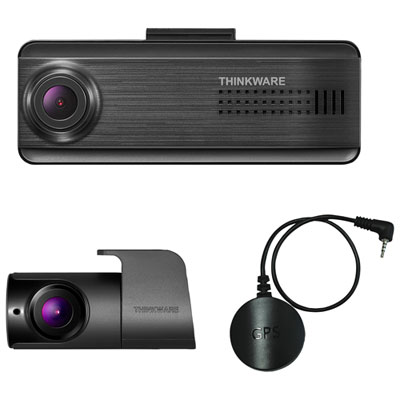 Your price for this item is $179.99
 -
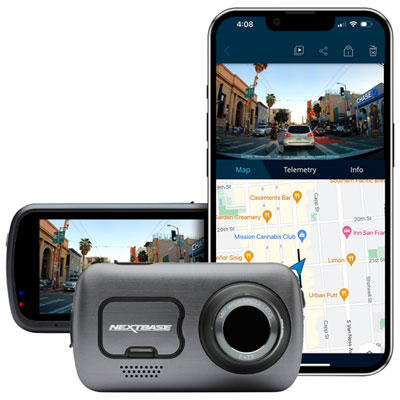 Your price for this item is $349.99
Discover more categories related to Car Parking Cameras
Top Collections:
Pokemon Centers, Kindle Devices, Best Budget Office Chairs, Apple iPhones 16, Best Laptops for Writers, iPhone 15 Apple, Canon G7X Cameras, Refurbished Apple Laptops, Alarm Clock, Motorola Razr Phones
Some products may be subject to Environmental Handling Fees
(EHF) depending on your province.
Learn more about EHFs.