Car Radio Wiring Harnesses
Upgrade your car audio system with ease using our wide selection of car radio wiring harnesses. Whether you're installing a new head unit or replacing a faulty harness, we have the perfect solution for you. These wiring harnesses are designed to seamlessly connect your car's factory wiring to your new stereo, ensuring a hassle-free installation process. With compatibility for various makes and models, you can find the right wiring harness for your vehicle and enjoy enhanced sound quality and functionality in no time. Say goodbye to tangled wires and complicated installations - shop our collection of car radio wiring harnesses today.
Sort

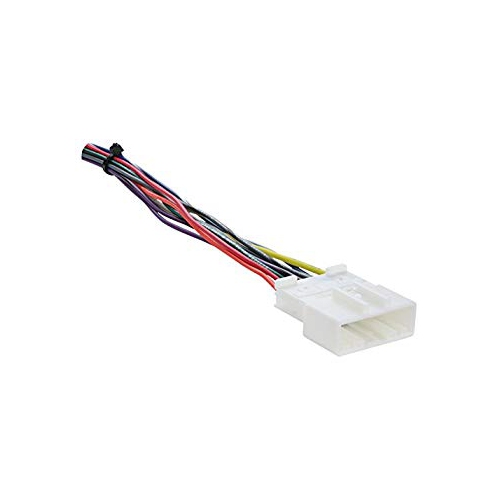
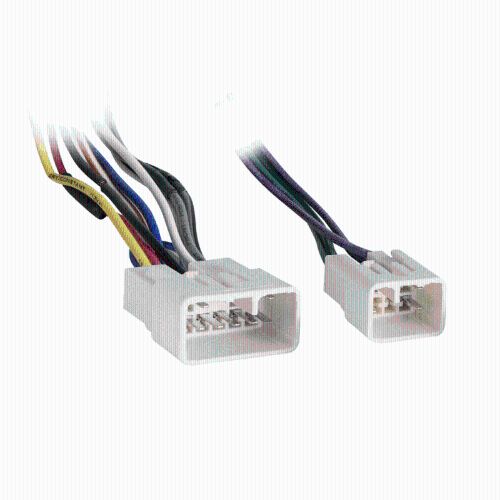
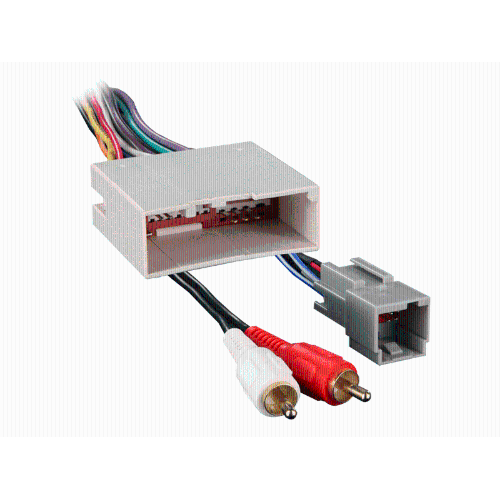
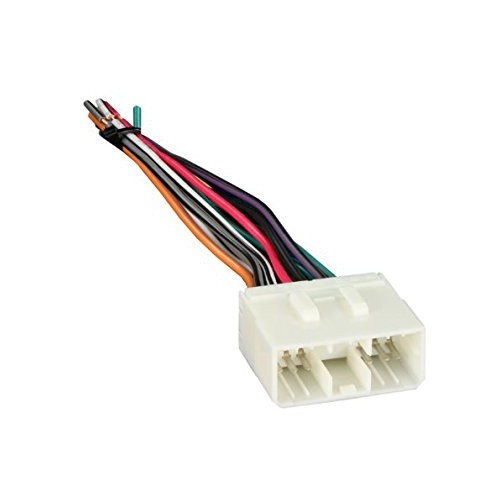








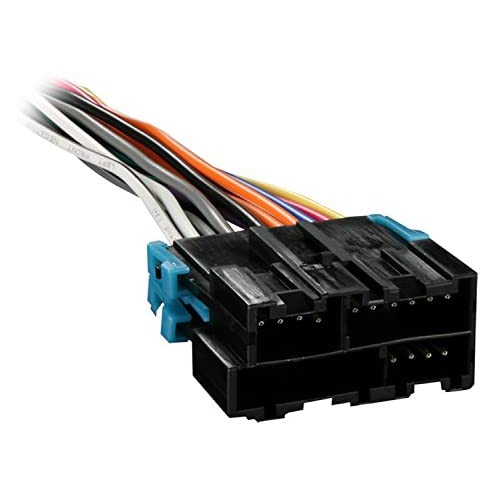


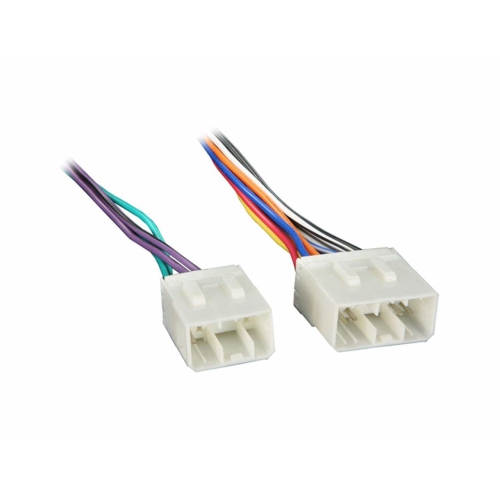


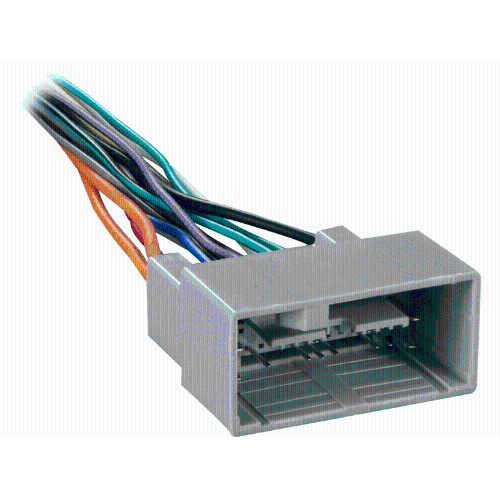


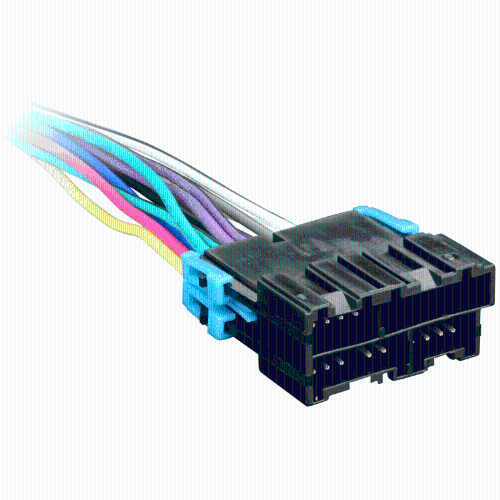






























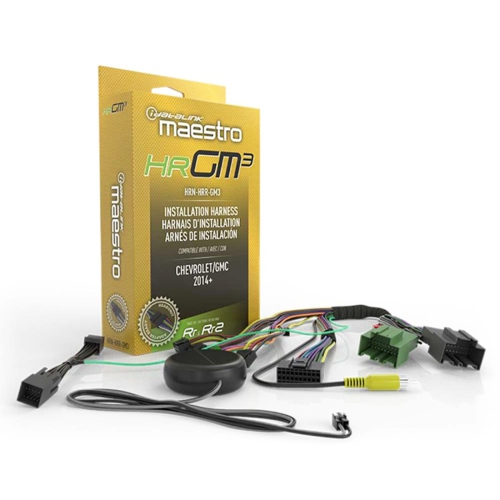

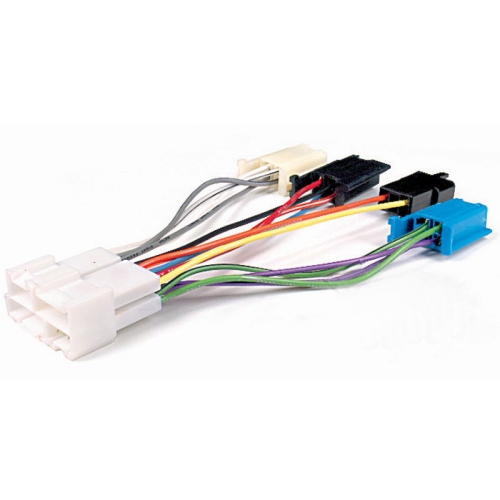


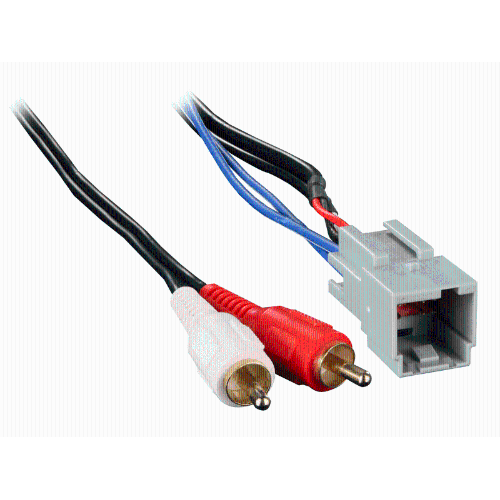


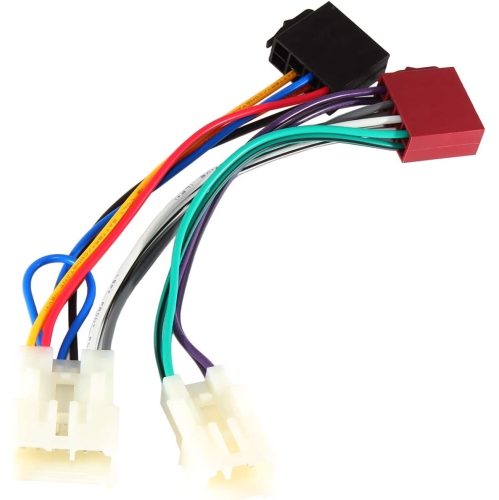
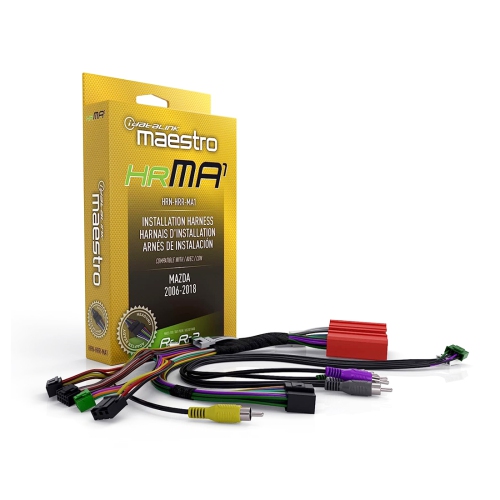


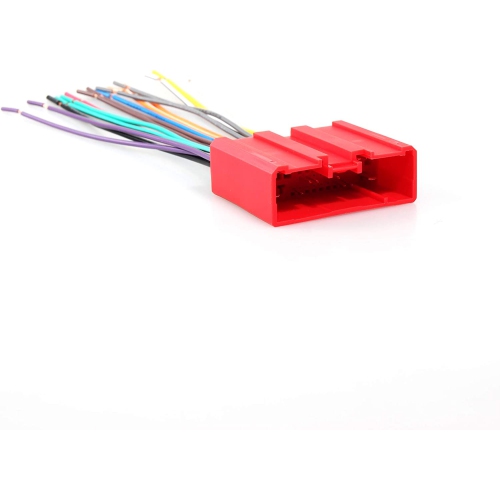


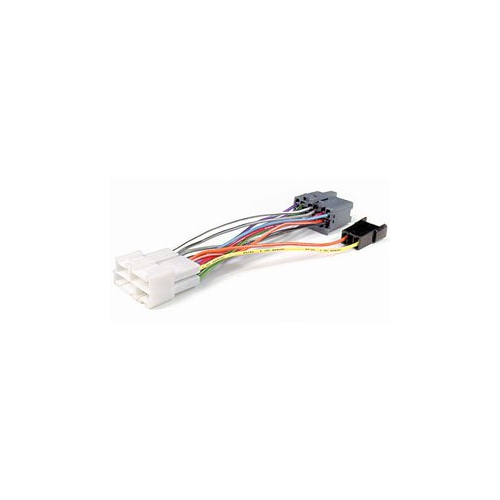


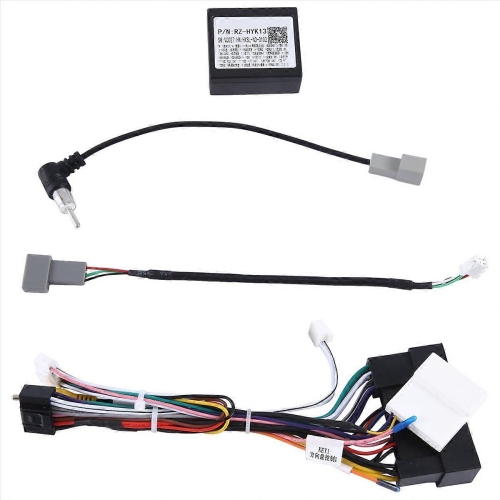




What to know before connecting a new car stereo
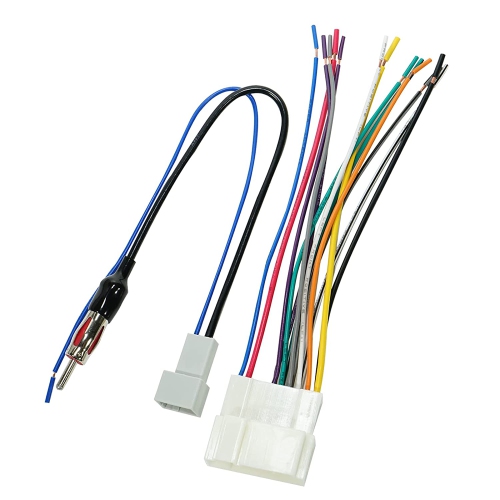
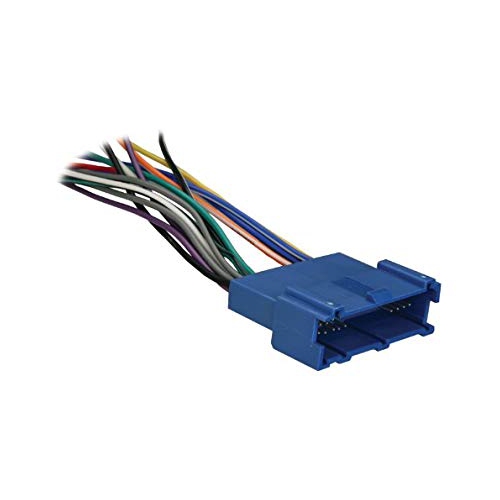
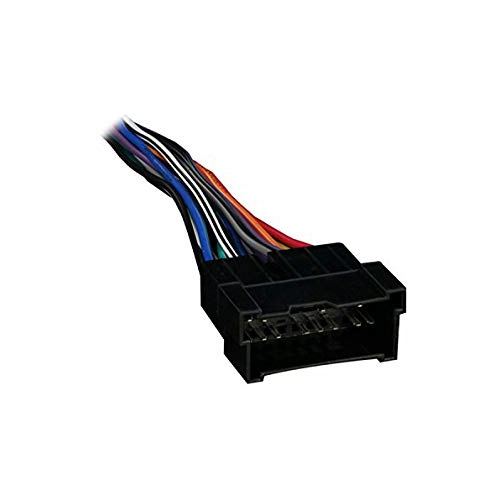
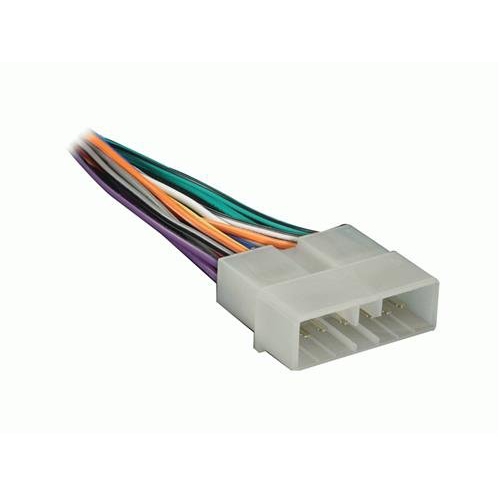
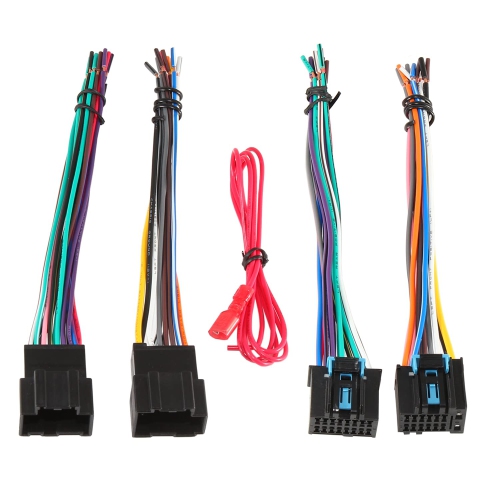
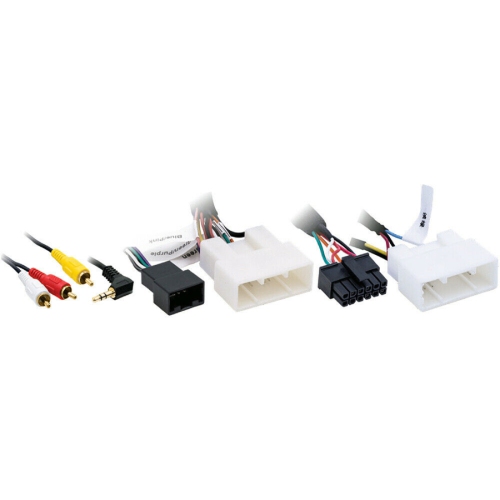
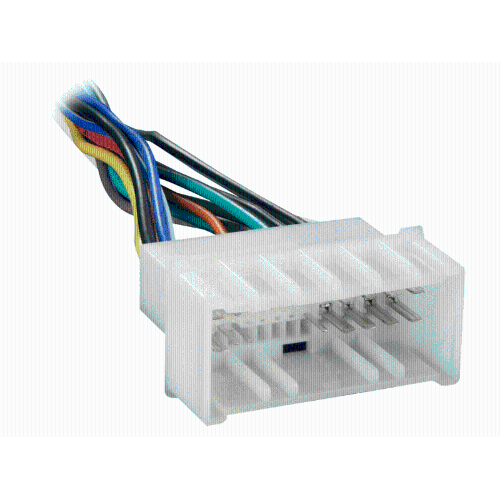
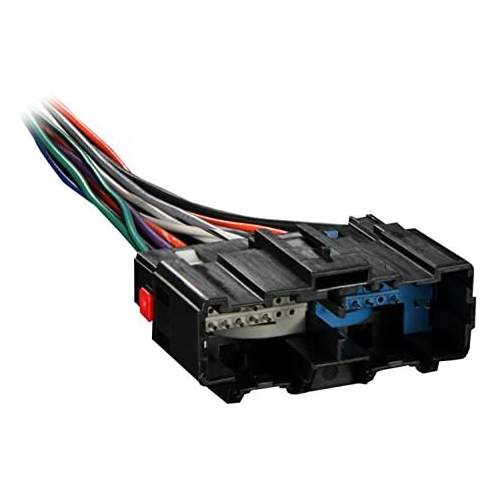
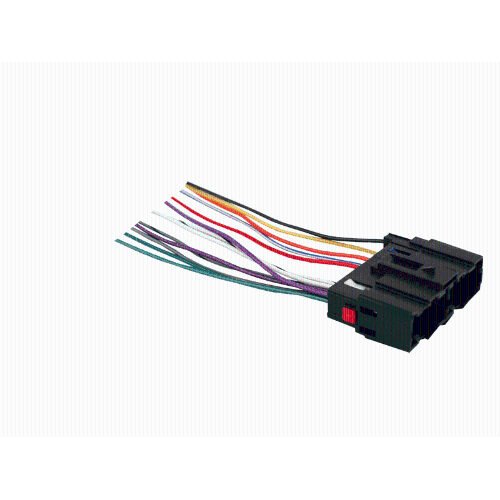
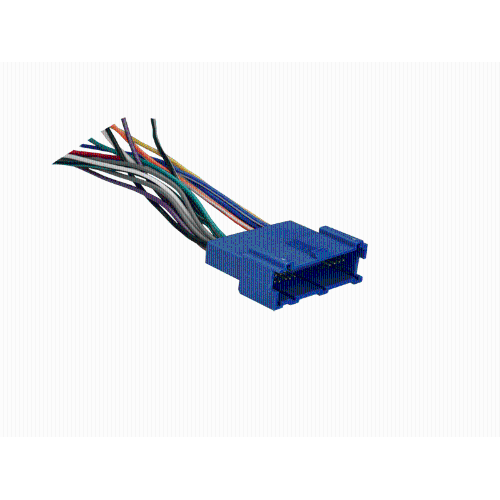
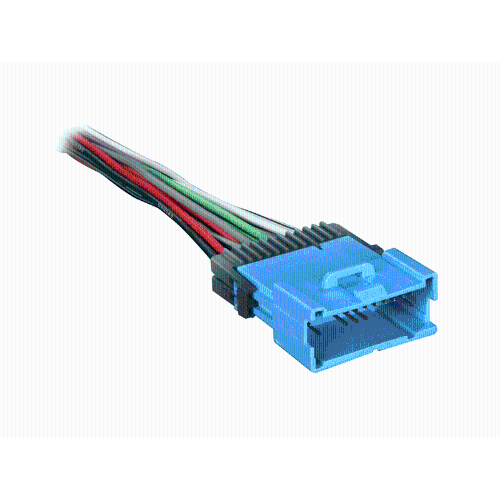
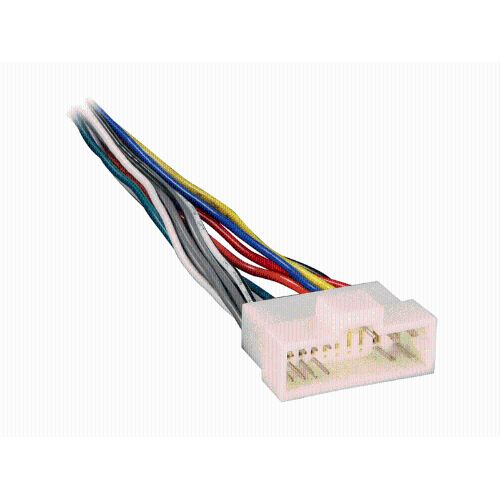
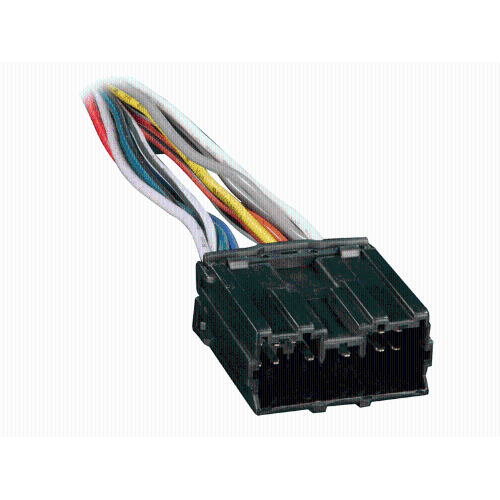
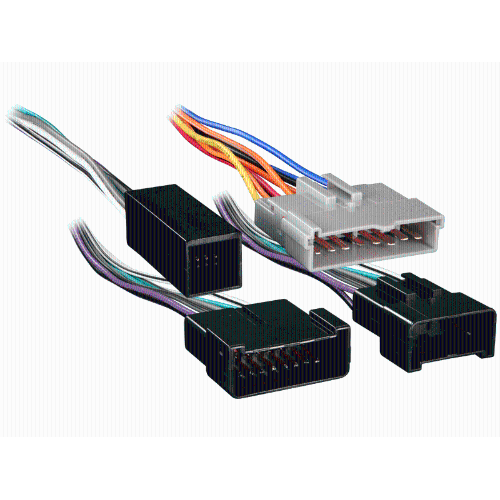
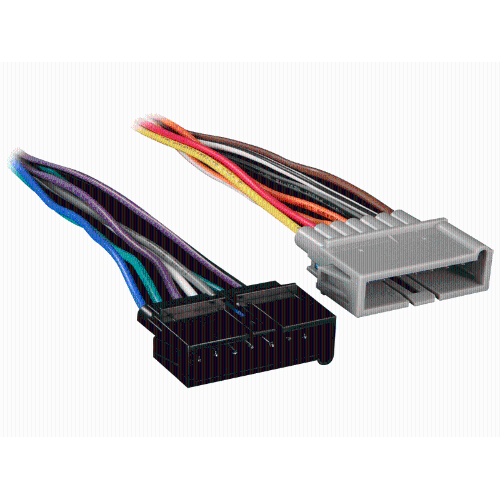
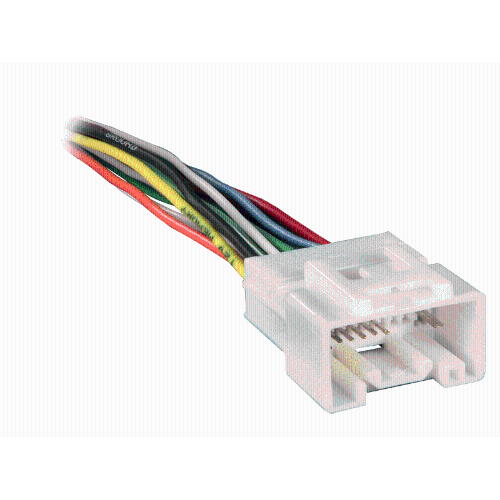
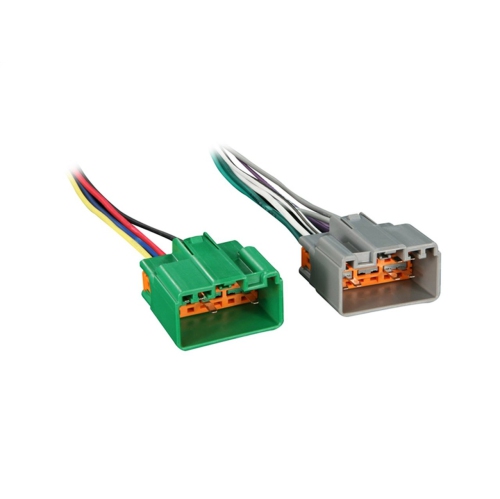
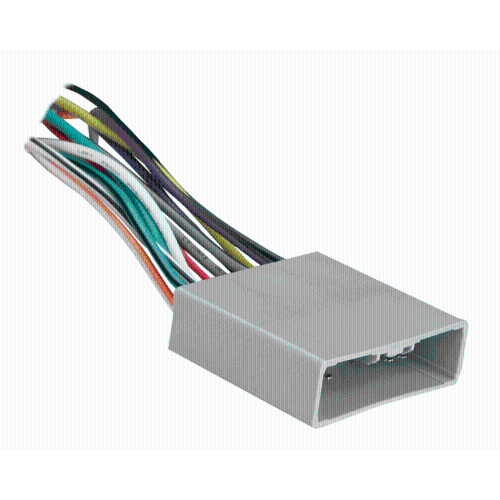
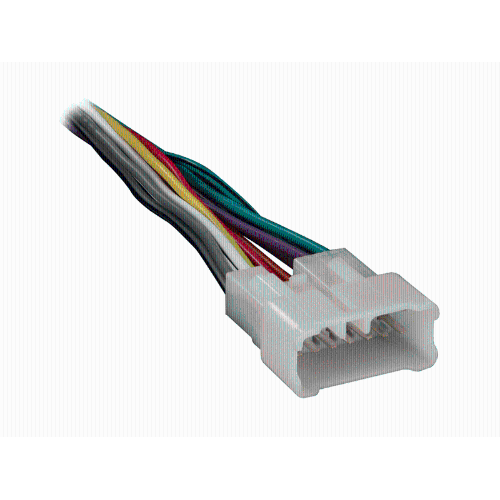
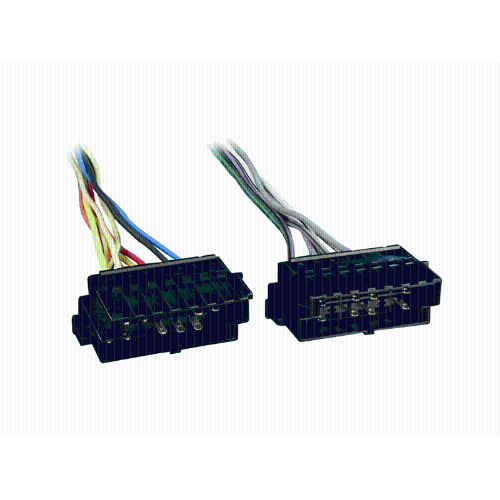
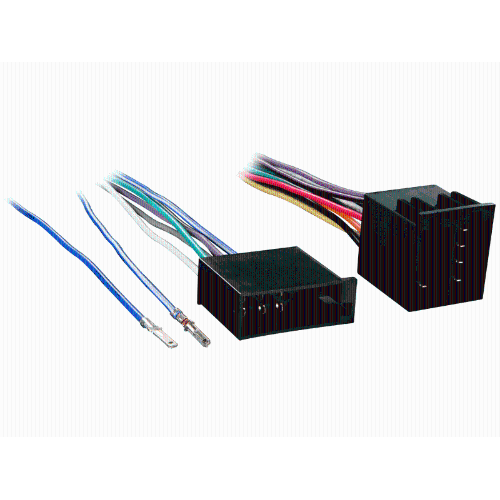
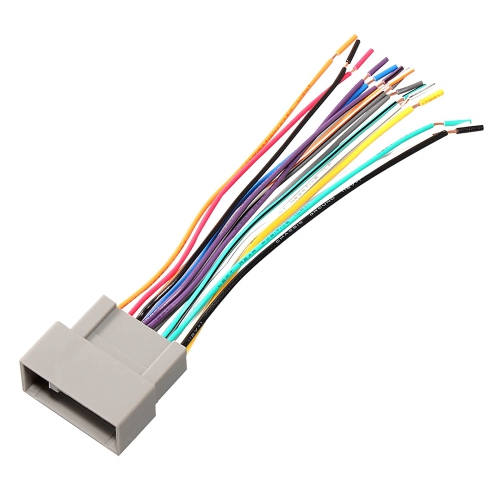
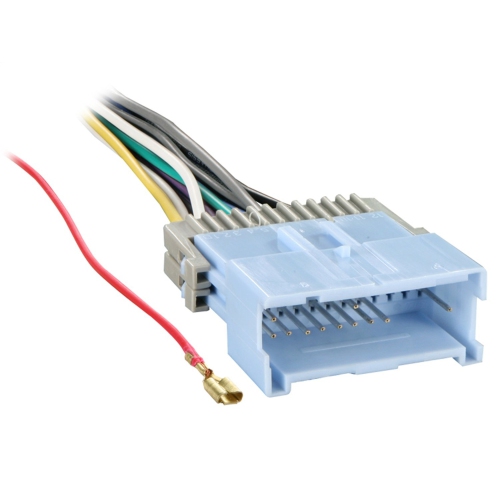
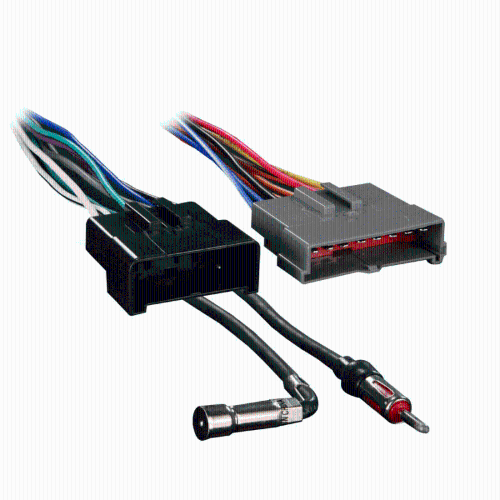
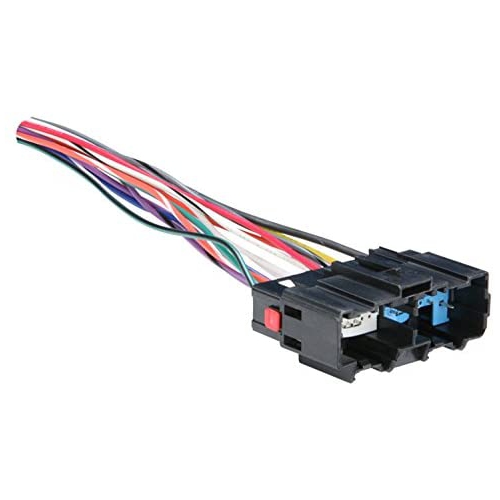
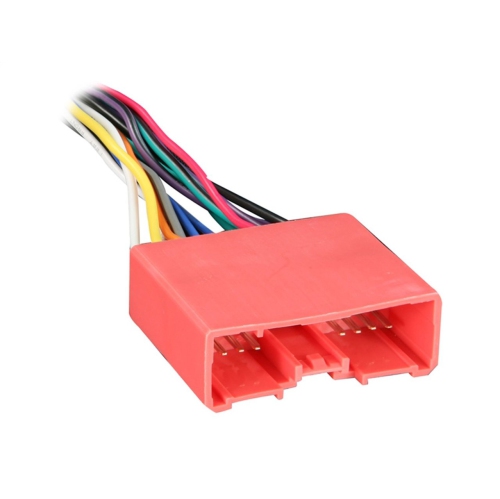
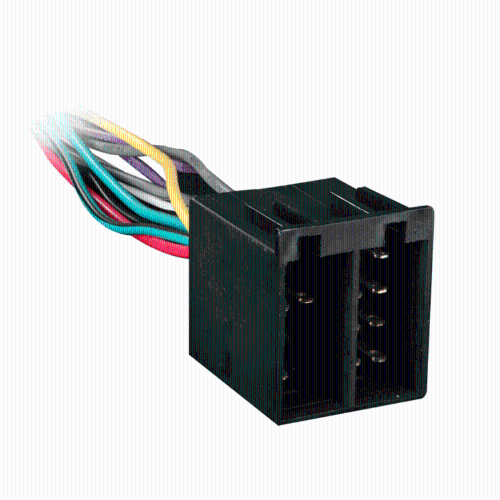
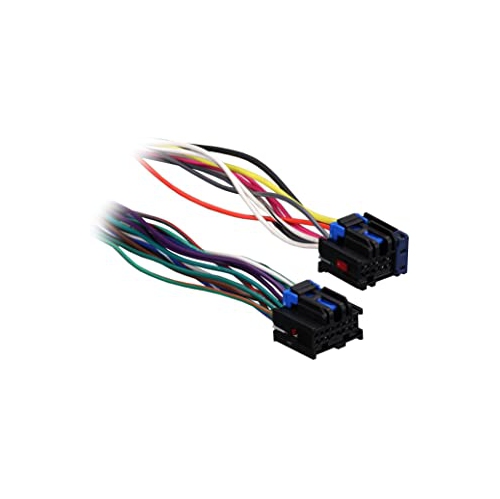
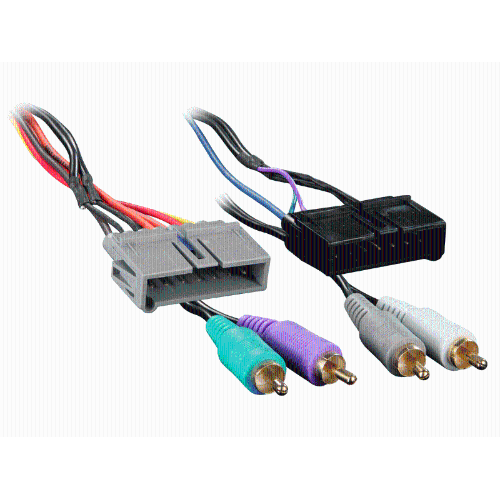
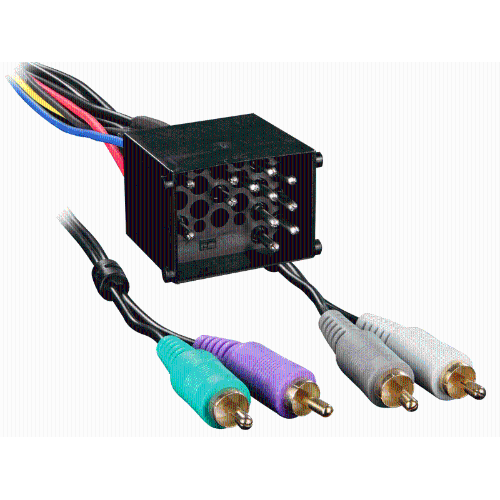
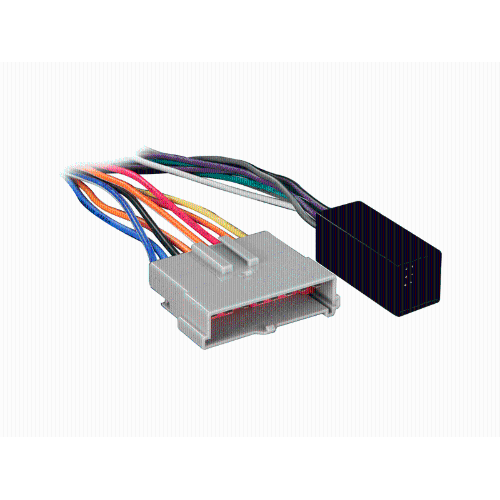
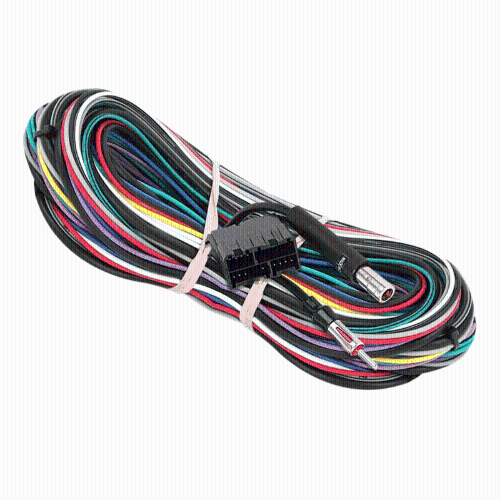
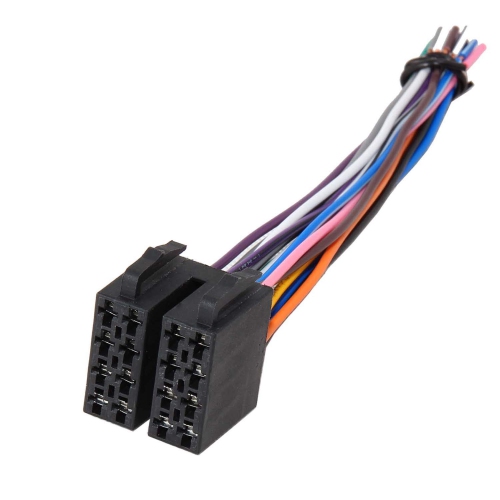
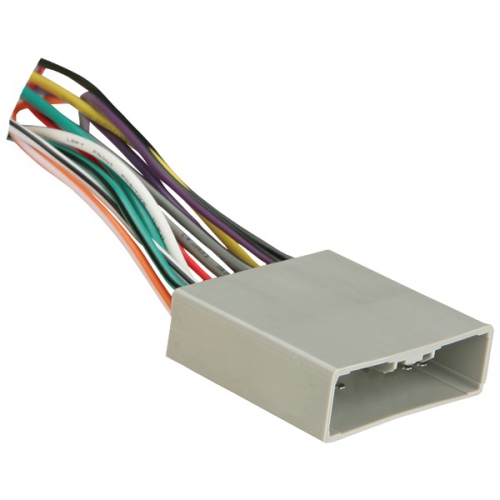
Car radio wiring harnesses are adapter cables designed to connect an aftermarket car stereo to a vehicle’s original dashboard wiring without cutting into the factory wires. One end plugs into the connector already fitted to the vehicle, while the other end provides loose, colour-coded wires for connection to the new radio. This straightforward design helps preserve the vehicle’s original wiring and makes future changes, servicing, or returning the dashboard to its previous configuration much easier. A wiring harness is commonly used when replacing a factory radio, adding a touchscreen receiver, upgrading to a system with Bluetooth or smartphone integration, or installing a stereo with additional amplifier and speaker connections. It can also be useful when repairing a damaged radio connection or completing a project car where the original stereo has been removed. Choosing the right harness starts with confirming the vehicle’s year, make, model, trim level, and factory audio configuration, since two vehicles from the same manufacturer may use different connectors or include features such as steering-wheel controls, a factory amplifier, a premium sound system, or an integrated display. Matching the harness to both the vehicle and the new radio is essential; a connector that looks similar may not support the same circuits or functions. Checking the product description, connector shape, wire count, and listed compatibility before purchase can help avoid delays during installation.
Most car radio wiring harnesses use familiar colour conventions, although the vehicle-side wiring may vary and should always be verified before making connections. Yellow is commonly used for constant 12-volt battery power, red for switched 12-volt ignition power, and black for ground. Blue may control a power antenna or provide an amplifier turn-on signal, while orange or orange-and-white may be used for illumination or dash-light dimming. Speaker circuits are often grouped by colour, with solid and striped wires identifying positive and negative leads; common pairs include white, grey, green, and purple. These conventions are helpful when preparing the connection, but they should not replace the wiring diagrams supplied with the stereo and harness. A clean installation typically involves matching the harness wires to the radio wires, securing each connection with suitable crimp connectors, solder and heat-shrink tubing, or another connector rated for automotive use, then insulating and arranging the finished wiring so it does not rattle behind the dashboard. Before the radio is fitted into place, it is wise to test power, ground, speaker output, illumination, antenna operation, and any amplifier or accessory lead. Disconnecting the vehicle battery before beginning can reduce the risk of short circuits, while careful routing helps keep wires away from sharp metal edges, moving mechanisms, and areas that may become warm. People who regularly work on their own vehicles may appreciate having an extra harness available for a future upgrade, and it can be a practical gift for a driver who enjoys hands-on car projects, restores older vehicles, or wants to improve the sound and connectivity of a daily commute.
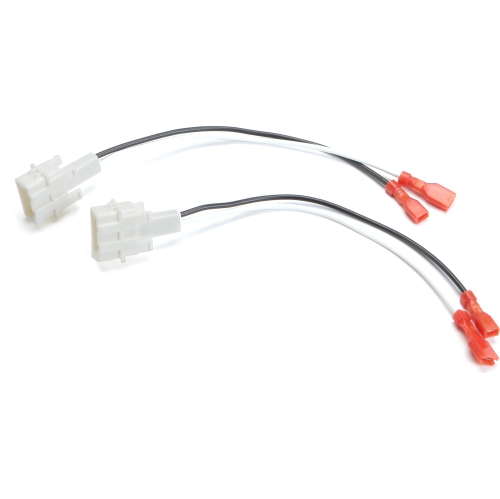
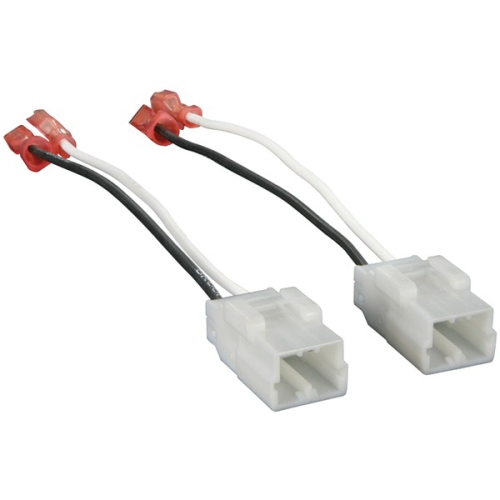
A suitable harness can make the difference between a tidy, reversible radio installation and a frustrating collection of mismatched wires. Consider whether the new stereo uses a standard connector or requires additional leads for features such as a factory amplifier, powered antenna, rear-seat audio, backup camera, USB extension, or steering-wheel controls. Some vehicles use data communication systems rather than a simple switched power wire, so a basic harness may not provide every original function on its own. In those cases, an additional interface may be needed, and the radio’s installation instructions should be reviewed alongside the vehicle wiring information. Harnesses with clearly labelled leads can make preparation easier, particularly when the radio is being installed at home or by someone completing their first dashboard project. A reliable connection should be firm, insulated, and protected from vibration, since a loose crimp or exposed wire can cause intermittent audio, loss of power, unwanted noise, or a radio that resets while driving. It is also worth comparing the harness length, connector fit, included terminals, and compatibility notes rather than choosing based only on appearance. For installations involving separate speakers, a related Speaker Wiring Harnesses option may help simplify connections at the speaker locations. During the cooler months, a dependable audio system can make longer drives, school runs, and daily commutes more comfortable, and a properly matched car radio wiring harness supports that upgrade while keeping the installation organised and serviceable.
Top selling and popular products
-
 Your price for this item is $36.66
-
 Your price for this item is $42.08
-
 Your price for this item is $42
-
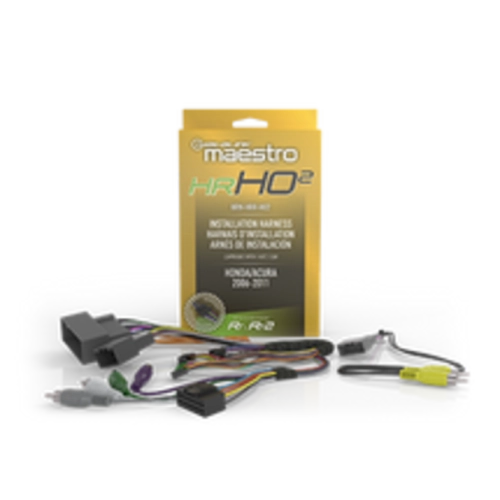 Your price for this item is $104.98
-
 Your price for this item is $169.99
-
 Your price for this item is $99.99
-
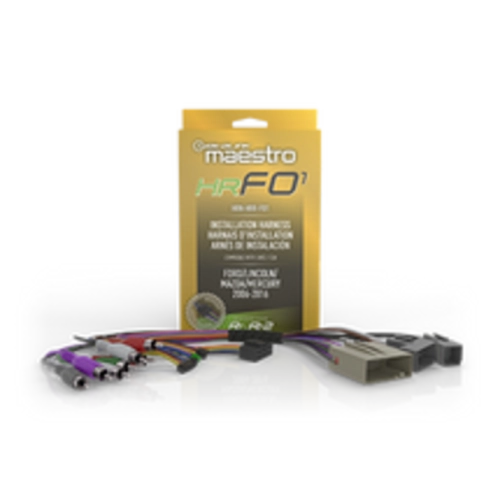 Your price for this item is $99.98
-
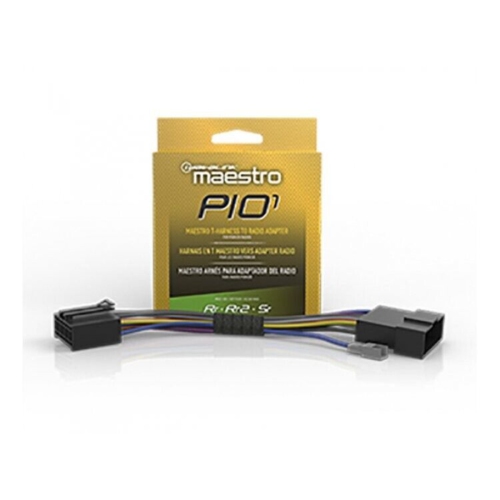 Your price for this item is $44.98
Discover more categories related to Car Radio Wiring Harnesses

Top Collections:
Pokemon Centers, Best Budget Office Chairs, Kindle Devices, Best Cameras for Sports Photography, Pokémon 30th Celebration Cards, Best Laptops for Writers, Apple iPhones 16, Laptops for Business Work, Canon G7X Cameras, iPhone 15 Apple
Some products may be subject to Environmental Handling Fees
(EHF) depending on your province.
Learn more about EHFs.