Car Repair Tools
Whether you're a seasoned mechanic or a DIY enthusiast, having the right car repair tools is essential for maintaining and fixing your vehicle. From wrenches and socket sets to diagnostic tools and jacks, our selection of high-quality automotive tools will help you tackle any repair or maintenance task with confidence. Explore our range of durable and reliable tools designed to make your automotive projects easier and more efficient. Gear up with the best car repair tools to keep your vehicle running smoothly for miles to come.
Sort
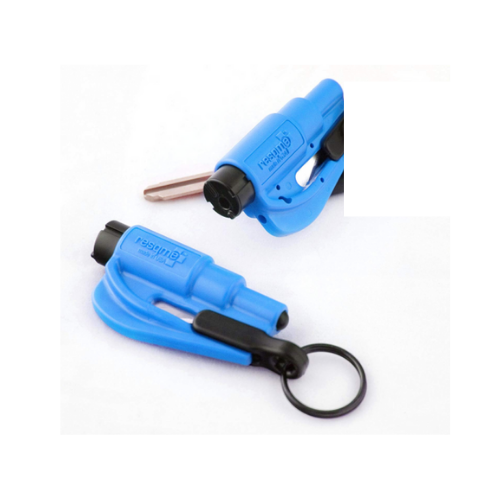
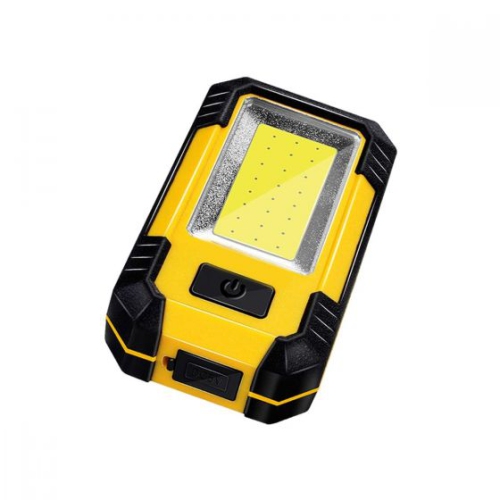
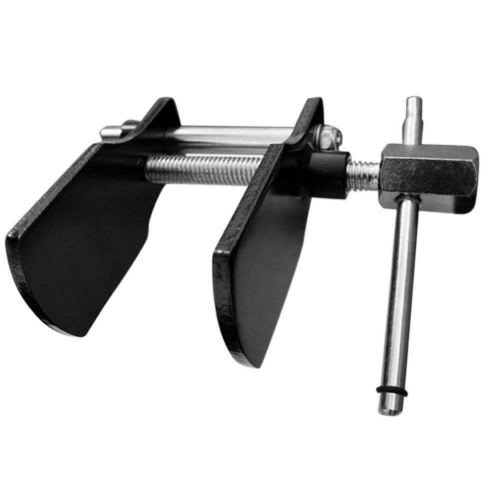
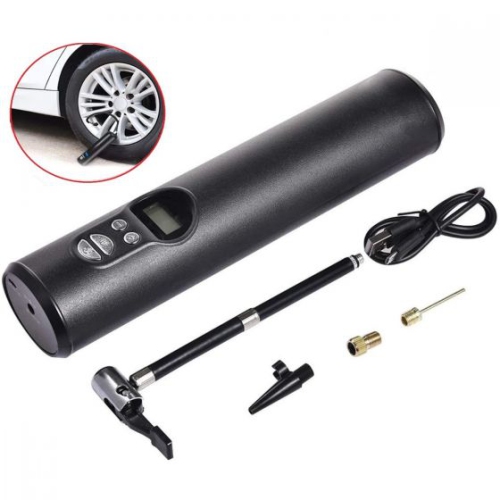



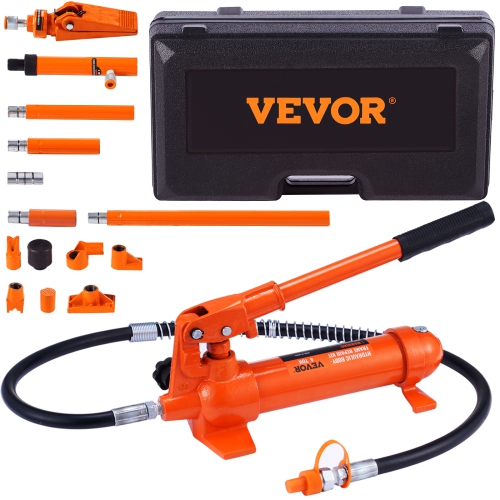
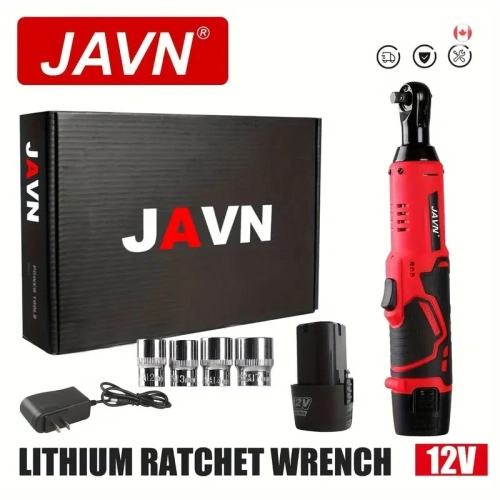


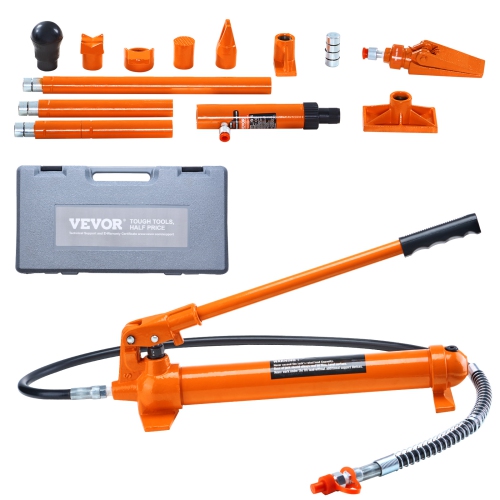

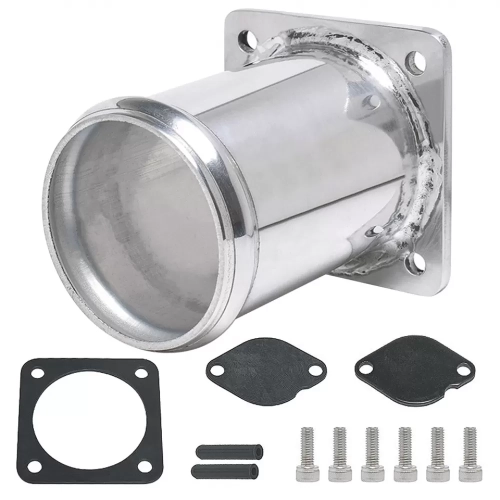














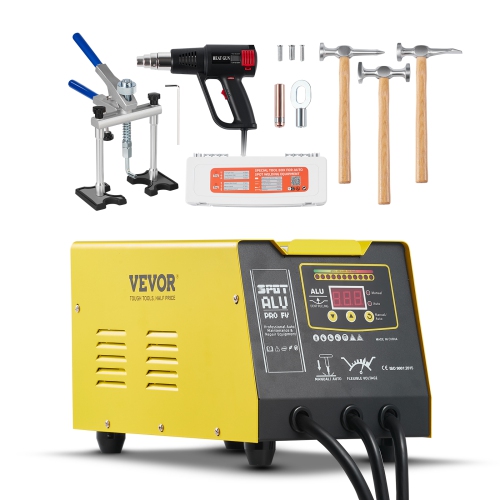
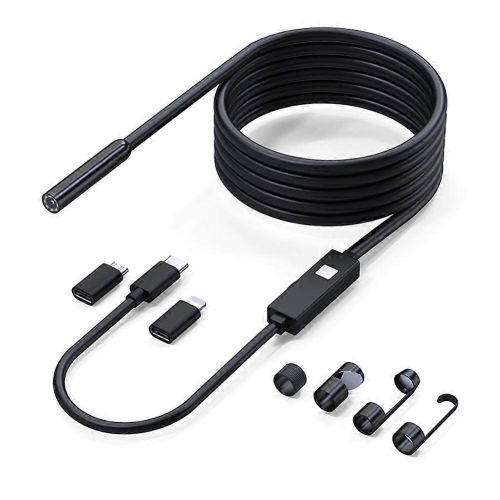
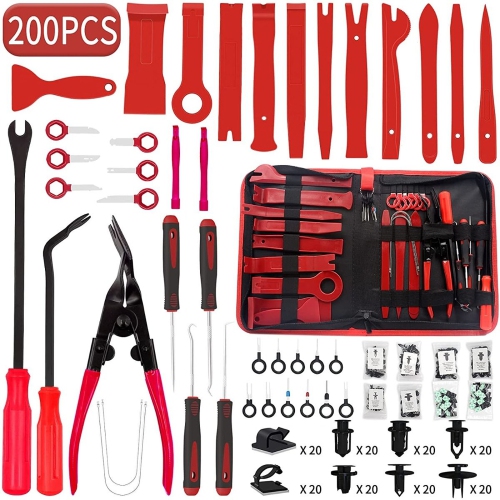

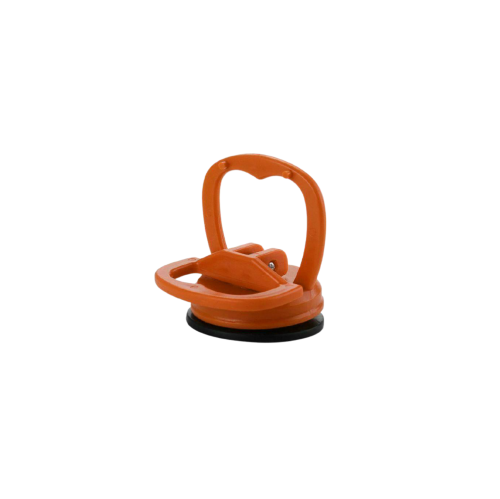































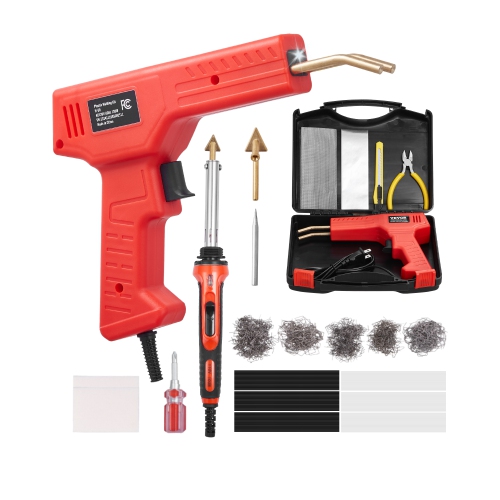
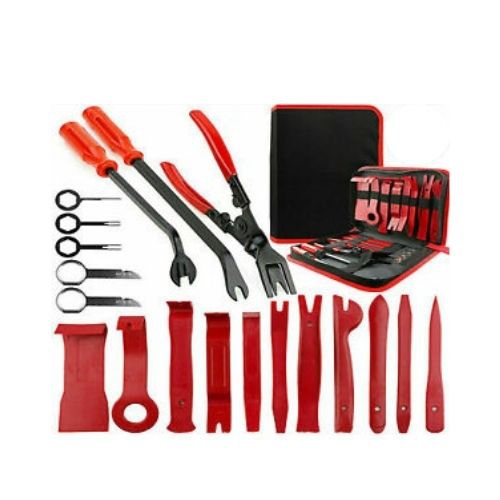
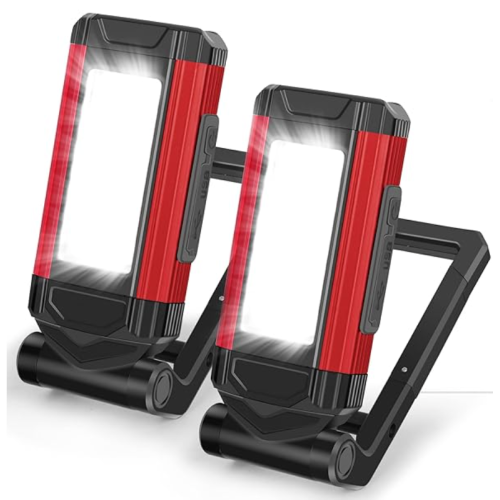


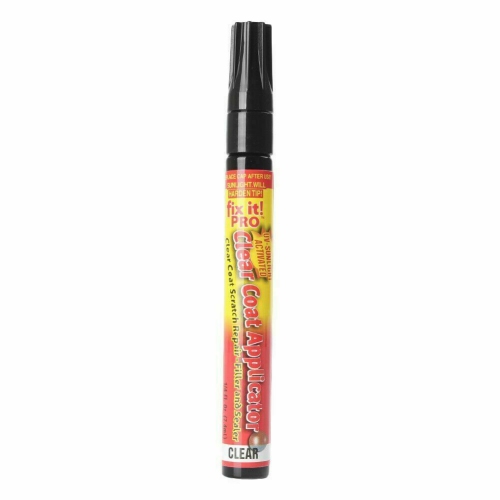
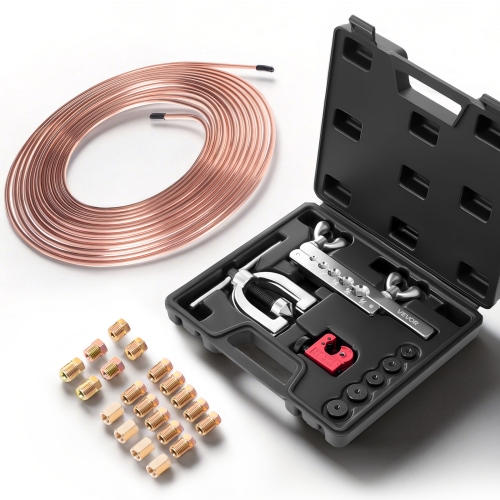


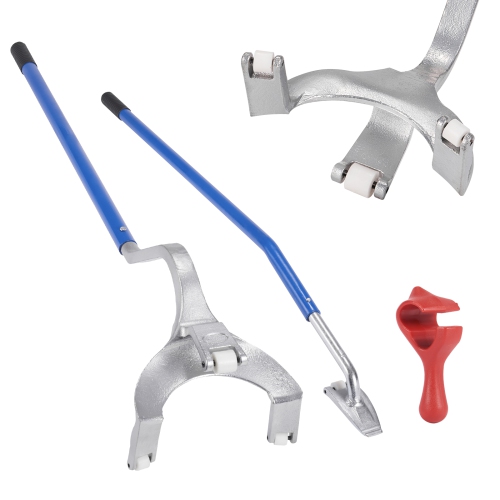
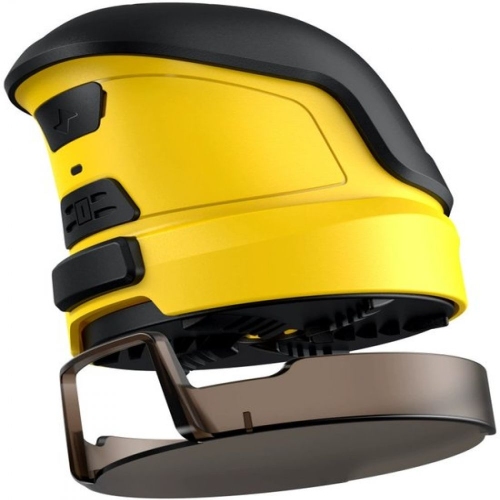
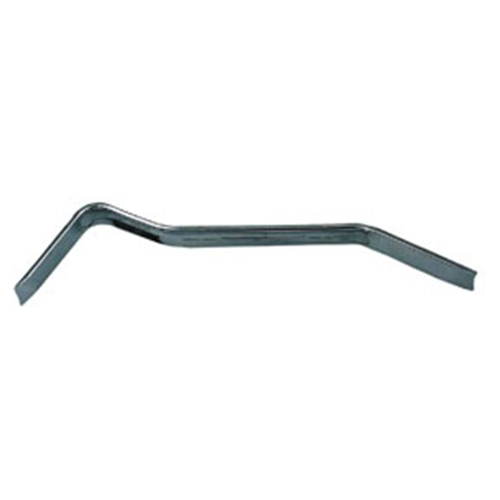







Practical guidance for safer maintenance and confident home repairs
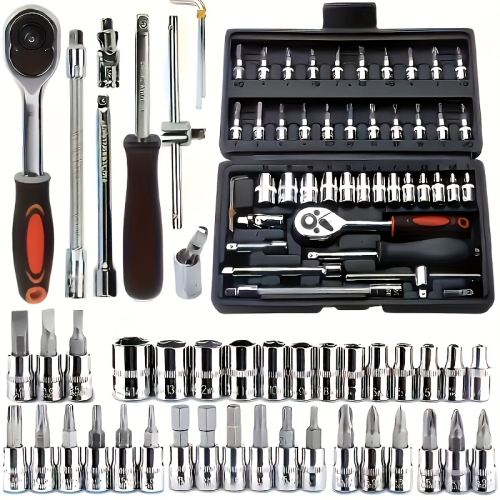
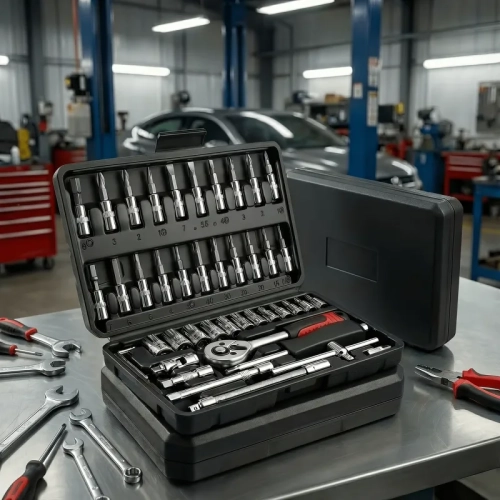
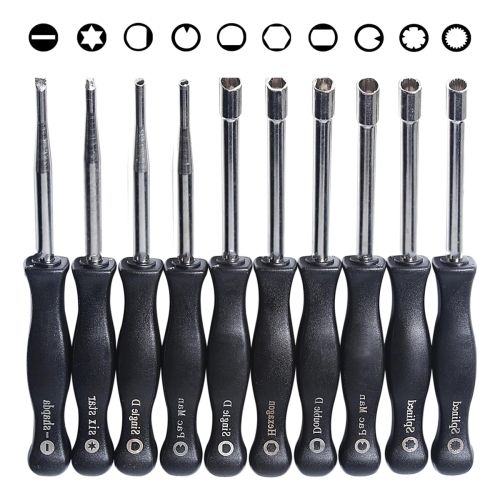
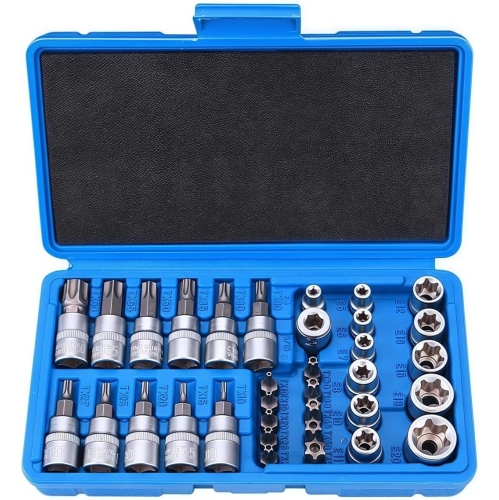
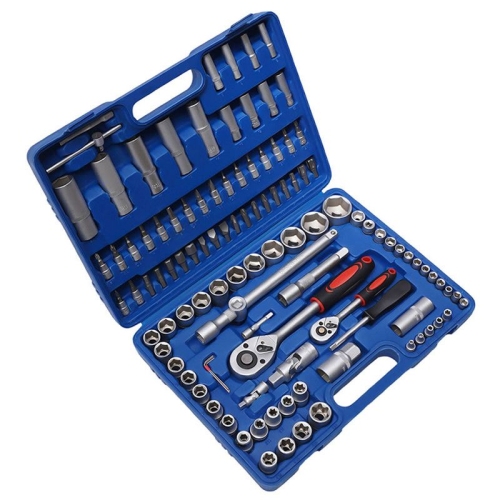
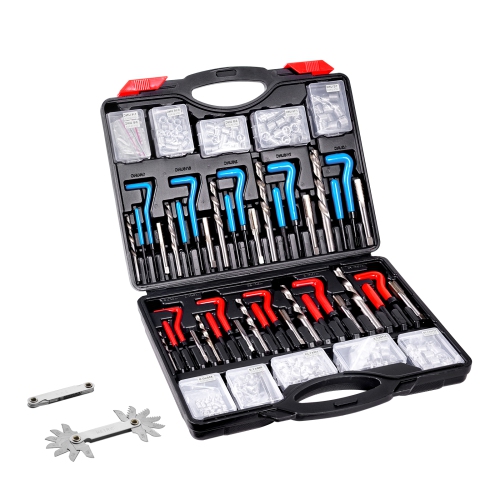
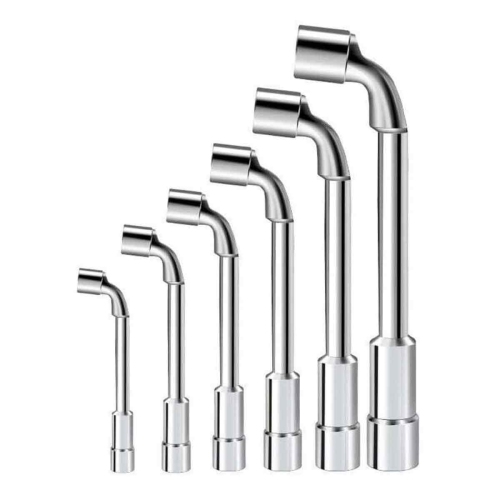
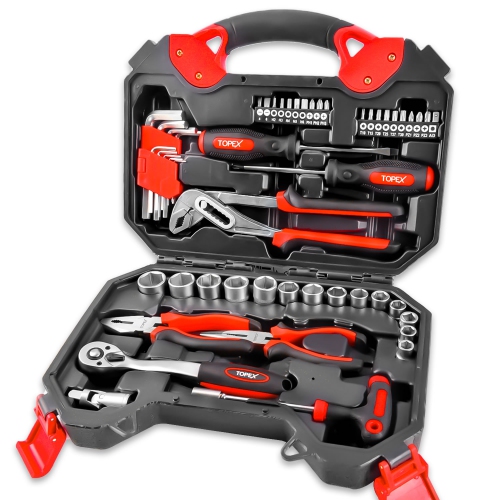
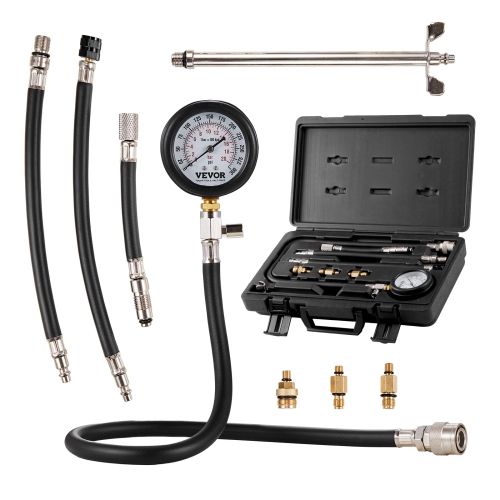
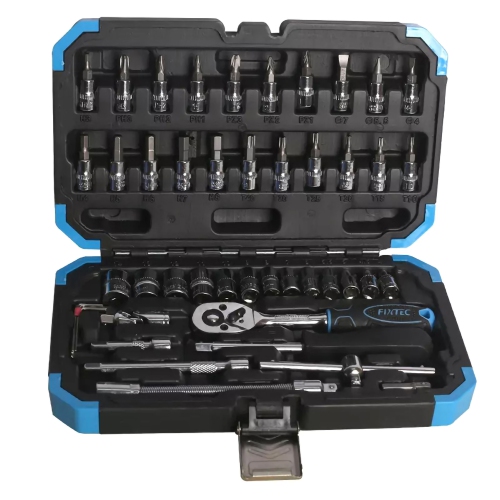
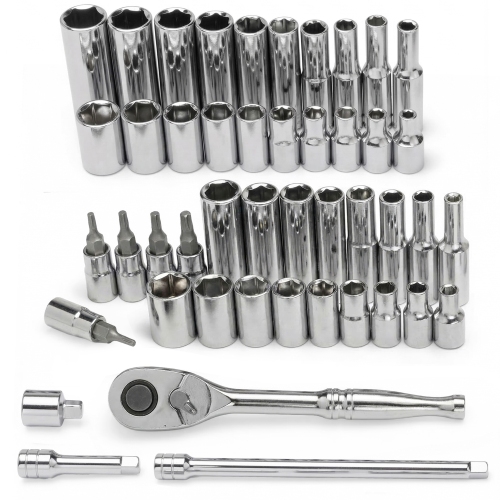
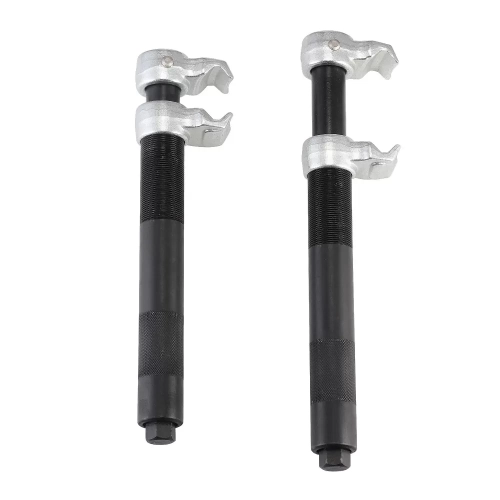
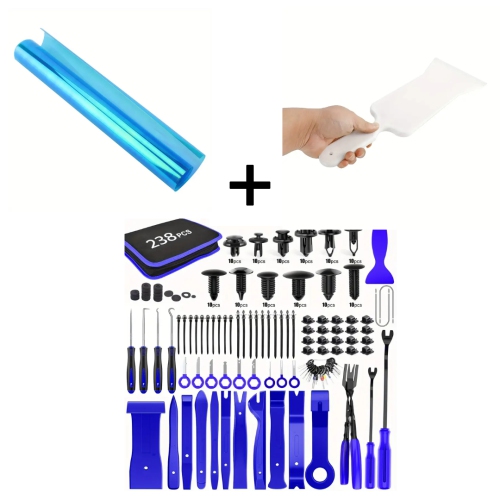
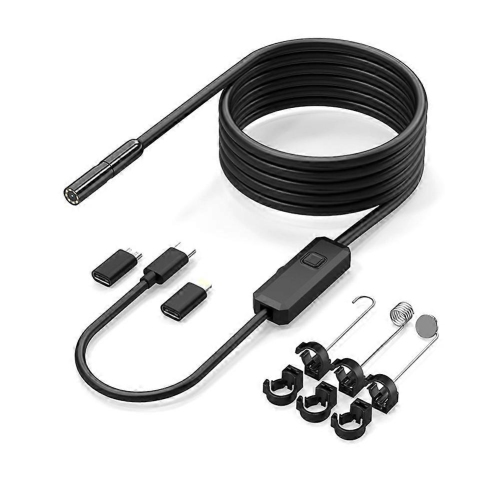
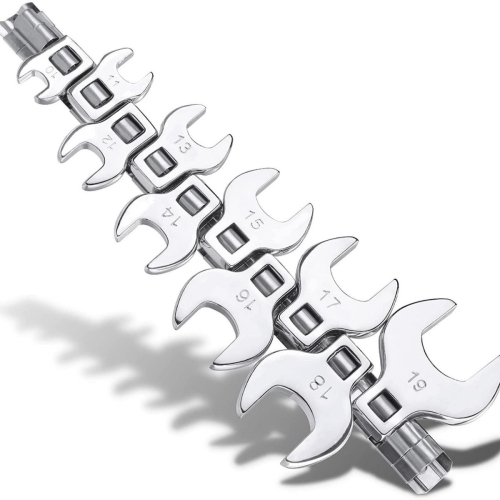
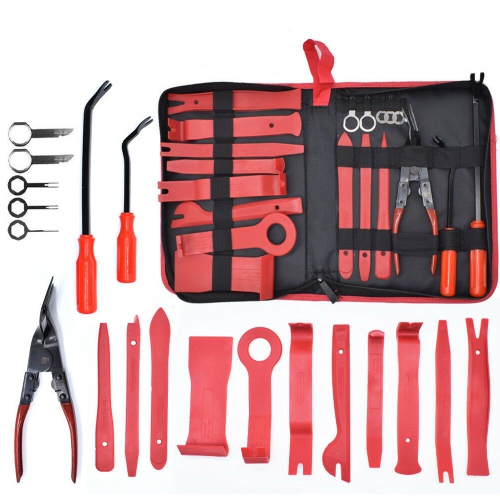
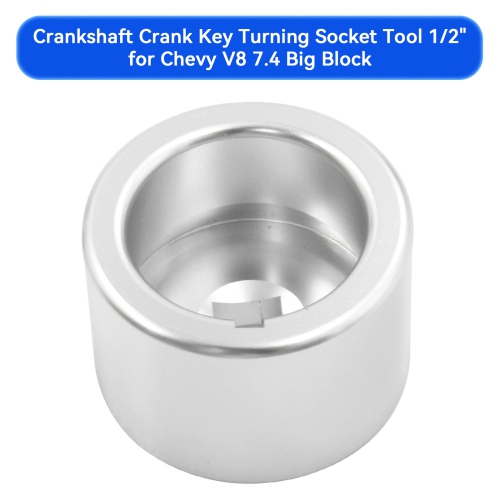
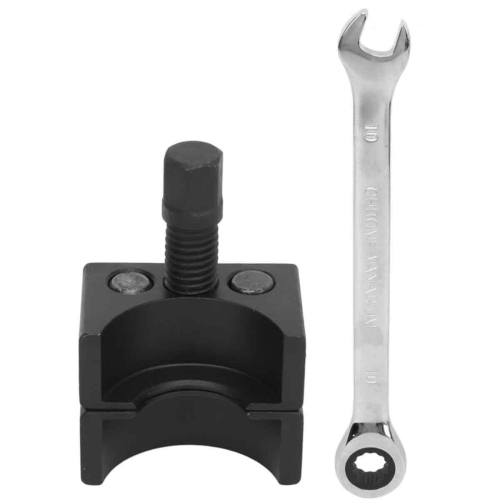
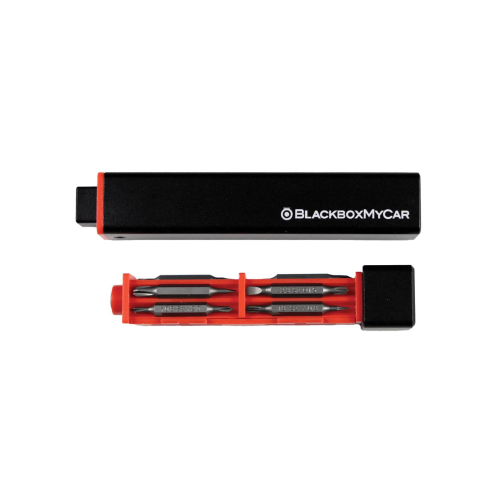
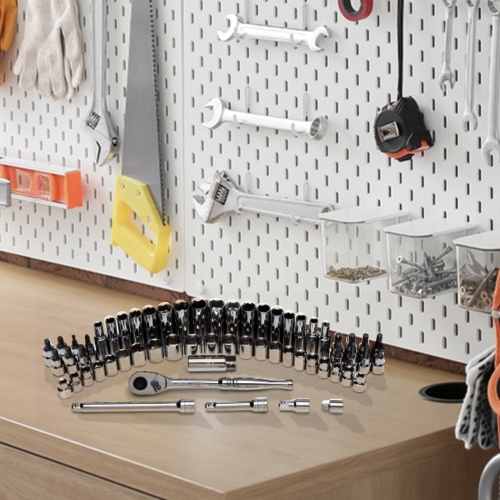
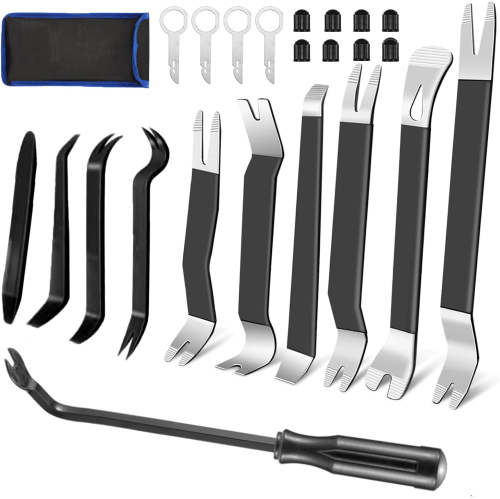
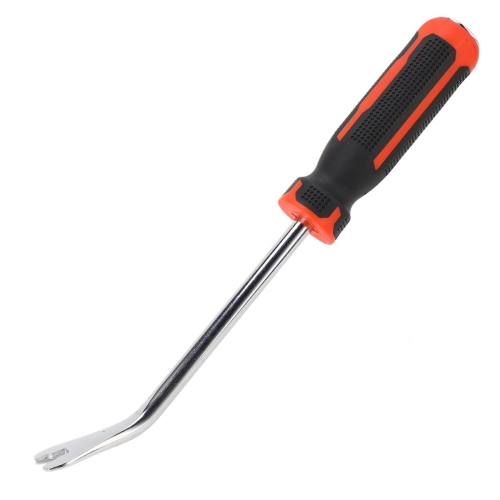
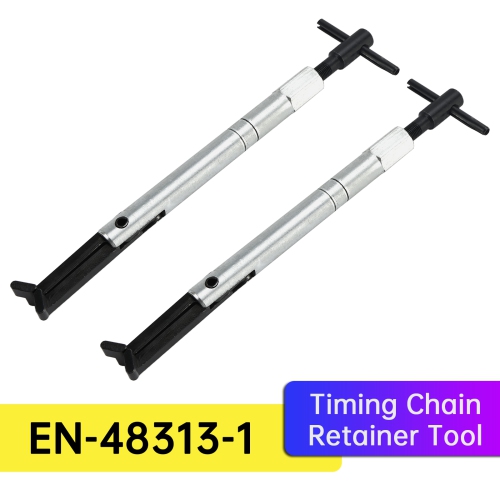
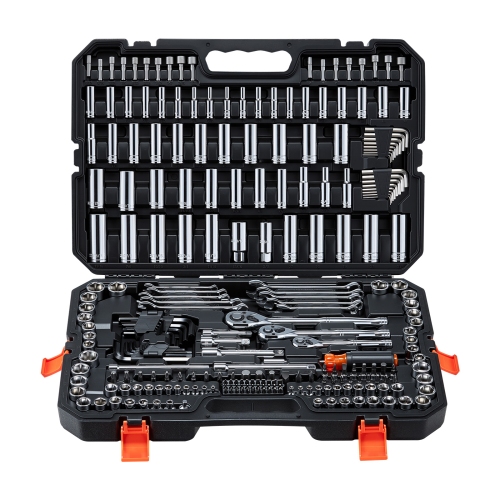
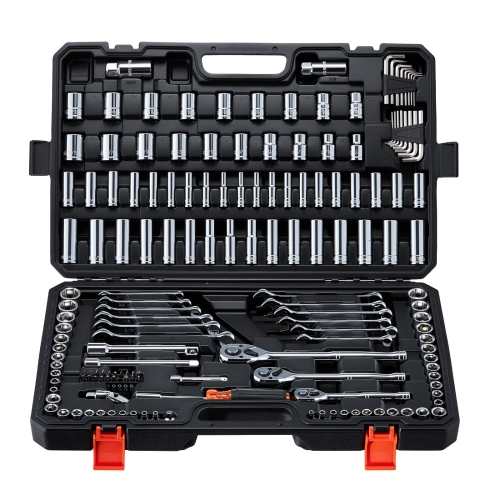
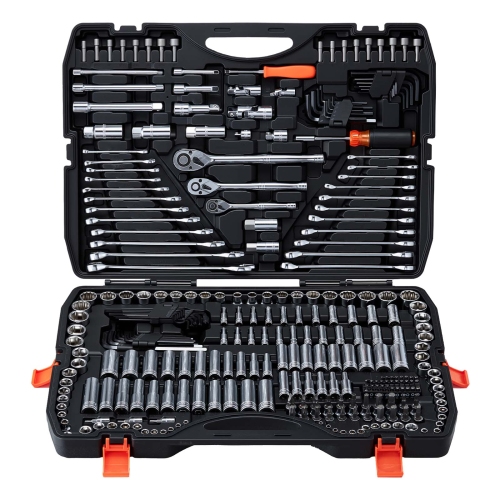
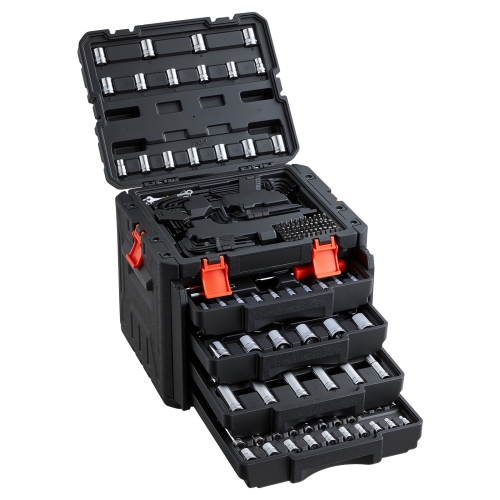
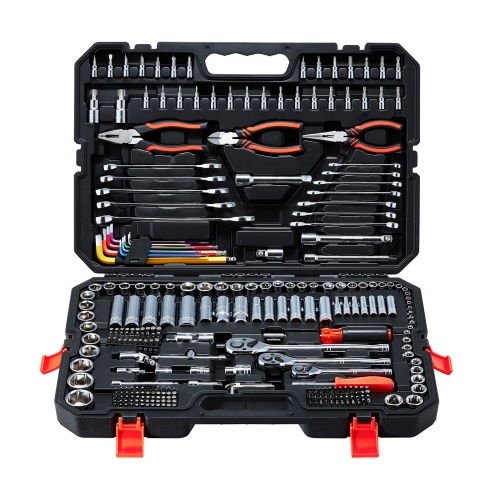
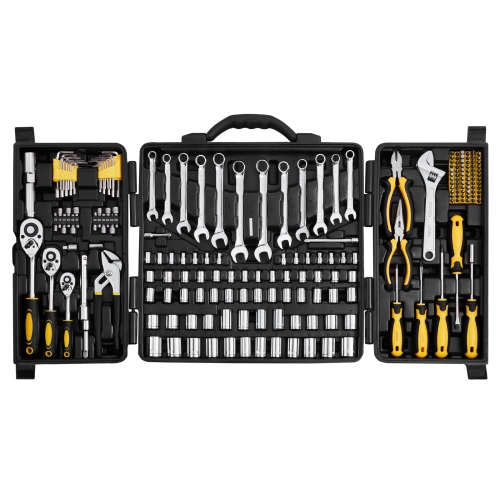
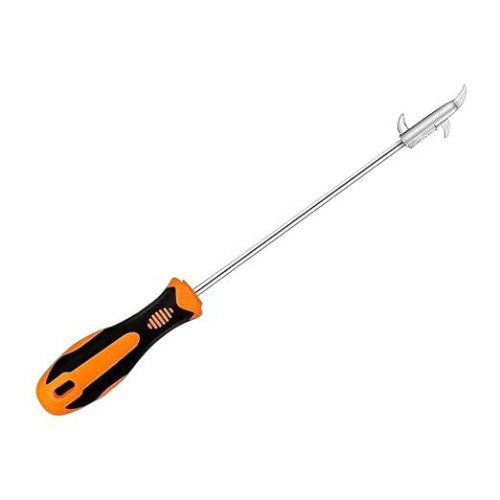
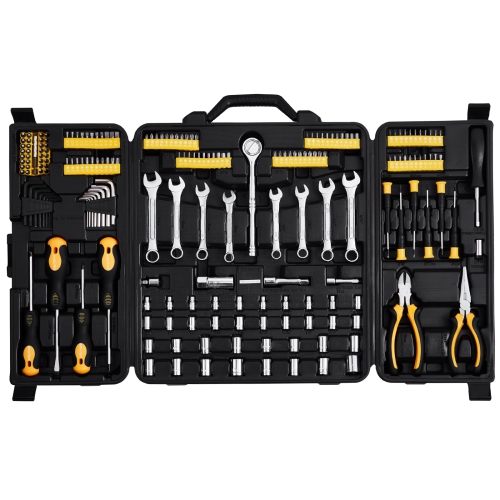
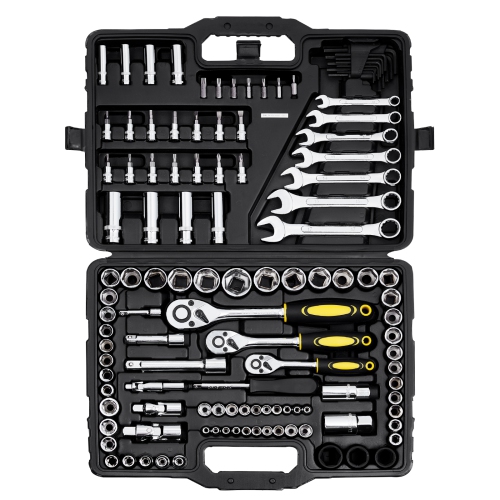
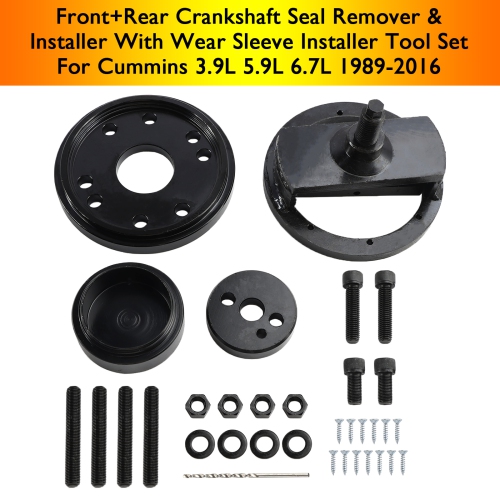
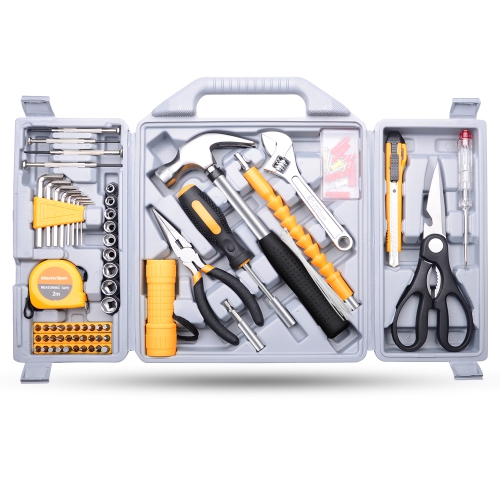
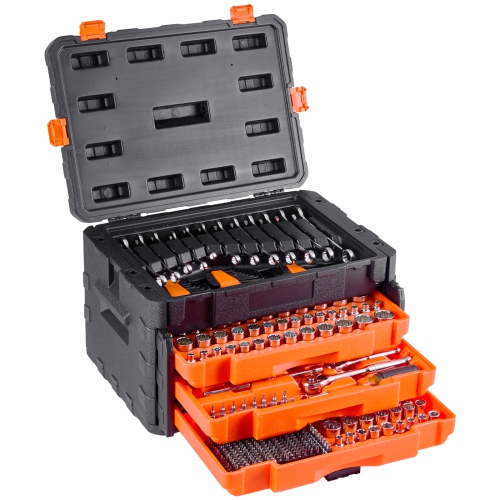
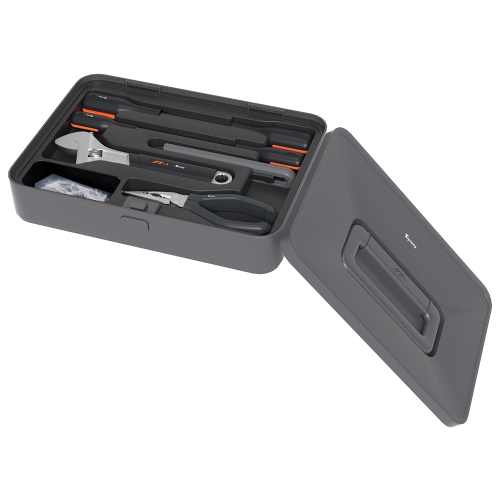
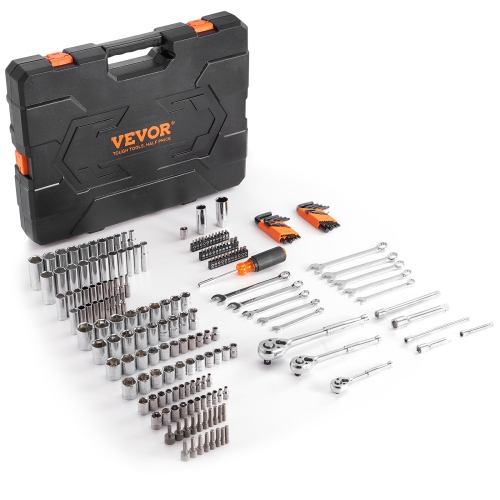
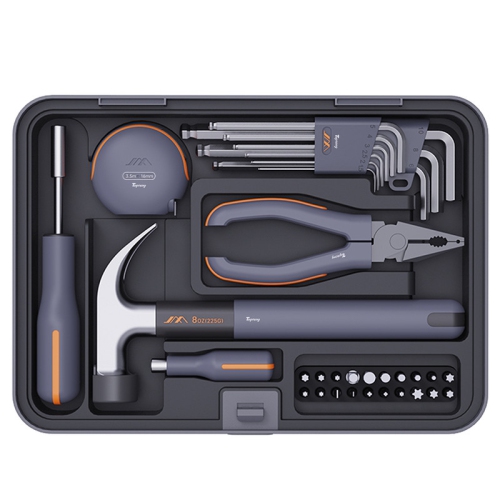
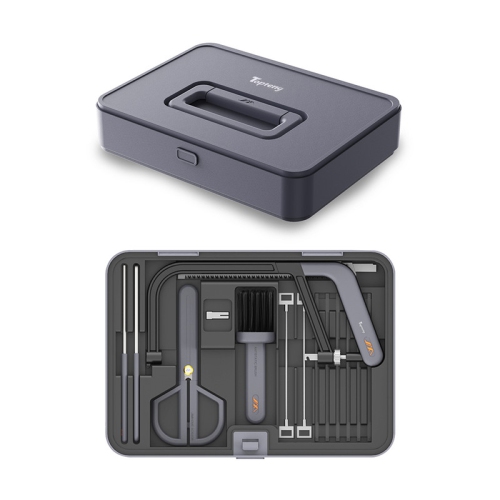
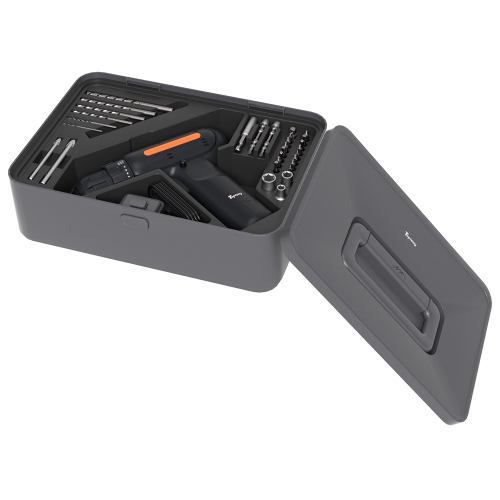
Car repair tools can help drivers handle routine maintenance, investigate warning lights, and complete small repairs with greater confidence at home. A well-rounded collection often starts with a socket and wrench set that includes both metric and imperial sizes, since vehicles may use different fasteners depending on the make, model, and component. Ratchets, extensions, universal joints, and combination wrenches make it easier to reach bolts in crowded engine bays, around suspension components, and beneath the vehicle. A selection of screwdrivers, including flathead and Phillips styles, is useful for clamps, covers, battery terminals, trim fasteners, and interior panels, while combination pliers, needle-nose pliers, locking pliers, and cutting pliers can grip, bend, hold, or remove small parts. A torque wrench is an important addition for jobs where tightening force matters, such as wheel lug nuts and selected engine or suspension fasteners. Following the vehicle manufacturer’s specifications helps prevent under-tightening, which can allow parts to loosen, or over-tightening, which can damage threads and components. For anyone building a home garage from the ground up, choosing durable hand tools with comfortable grips and clearly marked measurements can make a noticeable difference. Beginners may appreciate a coordinated set that keeps common sizes together, while experienced home mechanics may prefer adding specialist tools as their projects become more involved. These tools can also make practical gifts for new drivers, students setting up their first apartment garage, or someone restoring an older vehicle. A compact set may suit roadside adjustments and basic maintenance, while a larger assortment can support more ambitious work on brakes, steering, cooling systems, and engine accessories. Browse the wider selection of Automotive Tools to compare equipment for different vehicles, workspaces, and levels of experience.
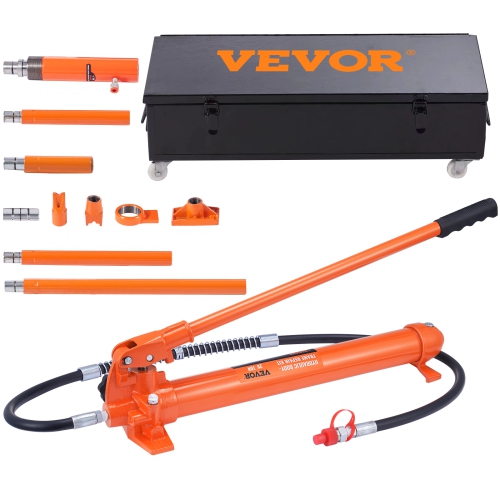
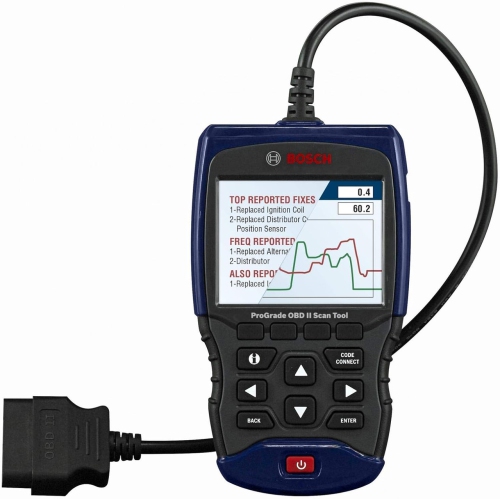
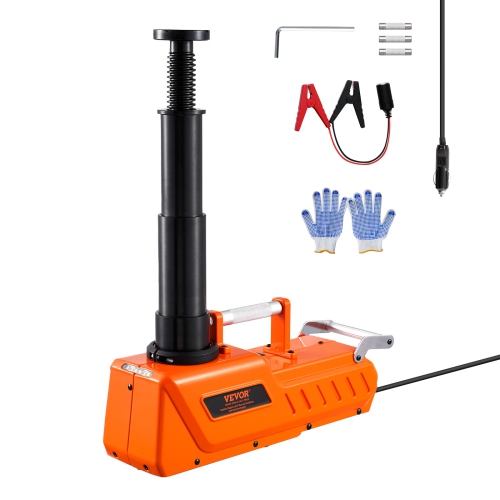
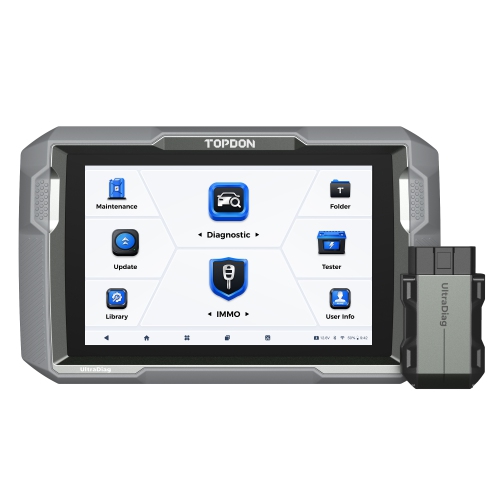
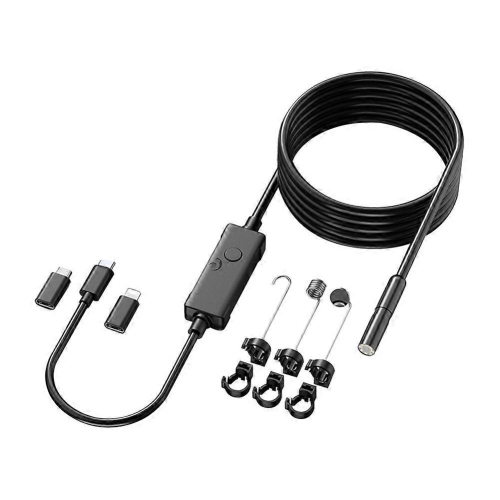
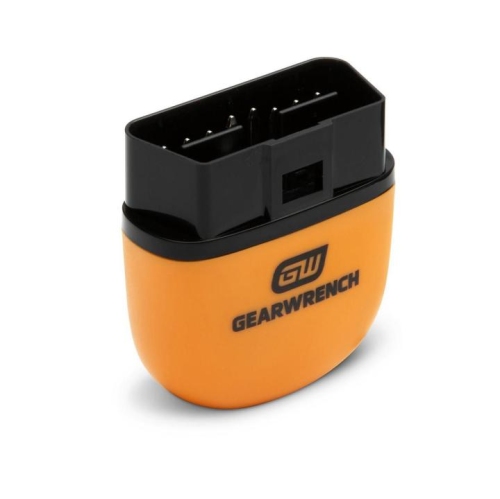
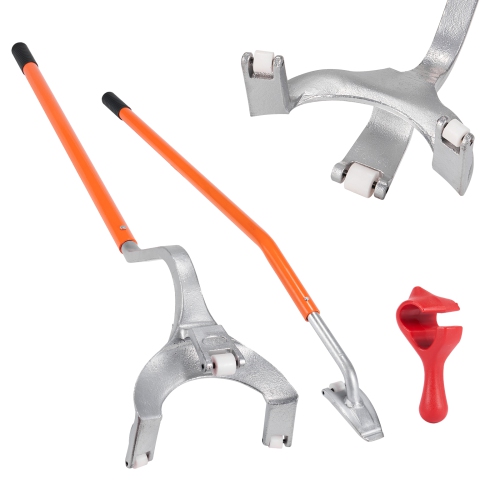
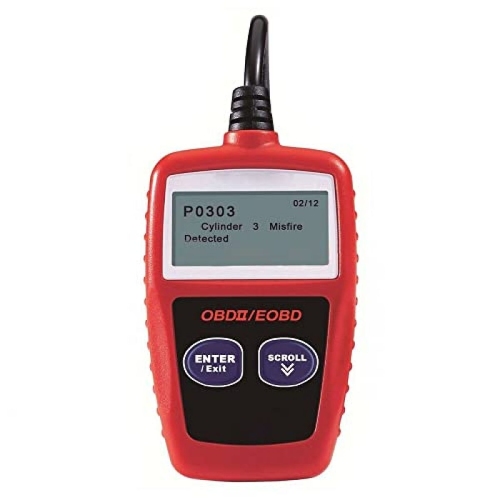
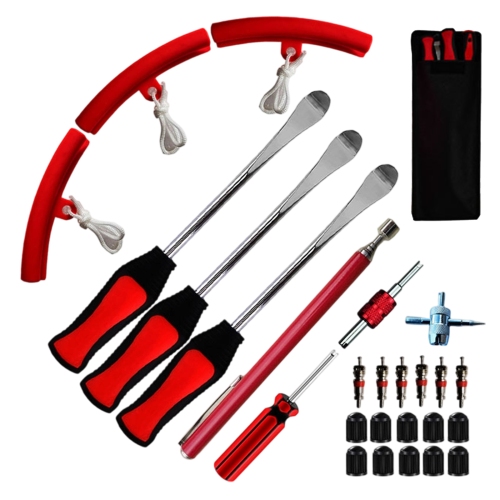
Safety equipment is just as important as the tools used to turn a fastener. When lifting a vehicle, select a floor jack and jack stands with weight ratings that meet or exceed the vehicle’s requirements, and use them on a firm, level surface according to the manufacturer’s instructions. A vehicle should never be supported by a hydraulic jack alone while someone is working underneath it. Wheel chocks help limit movement, particularly when one end of the vehicle is raised, and work gloves can protect hands from sharp edges, grime, and hot surfaces. Safety glasses are useful when loosening corroded parts, brushing debris, or working beneath a vehicle. A torque wrench, wheel chocks, and properly rated lifting equipment are especially valuable for seasonal tire changes and other work that involves the wheels. During cooler months, drivers often pay closer attention to tire pressure, battery performance, washer fluid, wiper blades, and starting reliability. A digital multimeter can help check battery voltage, charging output, continuity, and selected electrical circuits, although electrical testing should be performed carefully and with the vehicle’s service information close at hand. An OBD-II scanner can connect to the diagnostic port found in many modern vehicles and display trouble codes associated with a check-engine light. These codes can provide a useful starting point, but they do not always identify the failed part on their own; further testing may be needed before replacing anything. A tire repair kit may be useful for a simple tread puncture in an emergency, but it is not a substitute for a professional inspection or a proper tire replacement when the sidewall or internal structure is damaged. Keeping a flashlight, inspection mirror, funnel, measuring tools, and a basic organiser nearby can also make roadside checks and garage work more efficient, especially when daylight fades earlier or the vehicle is parked in a confined space.
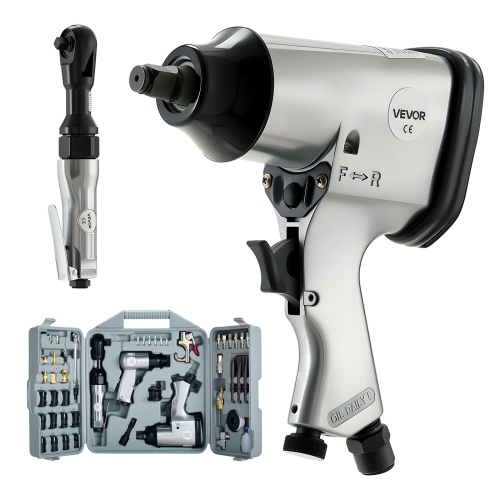
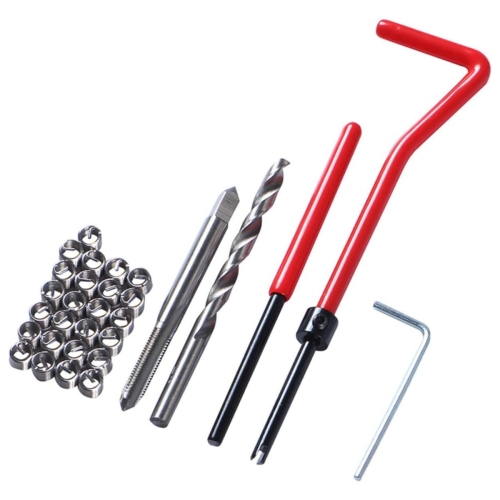
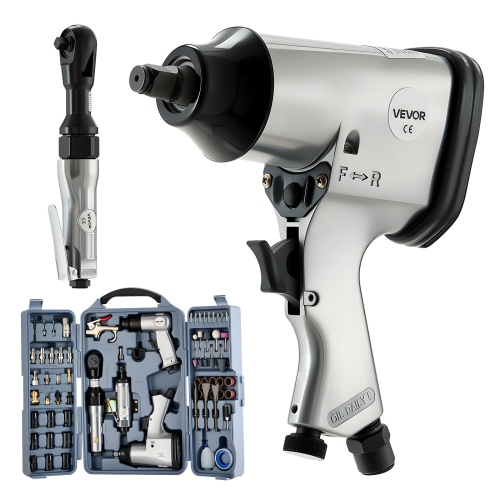
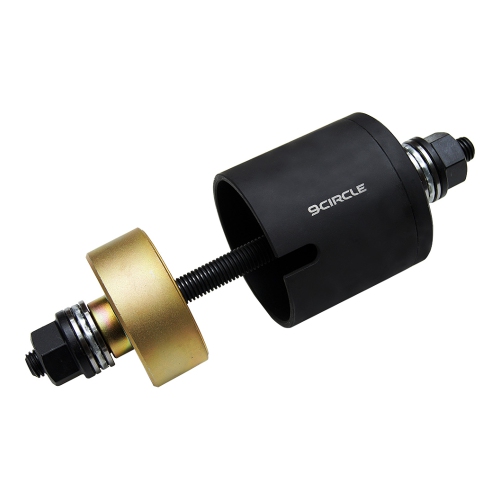
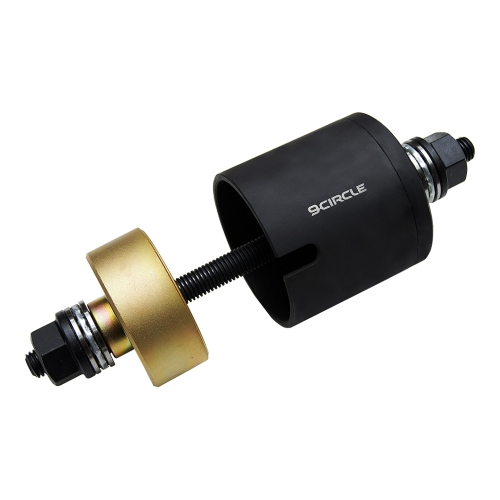
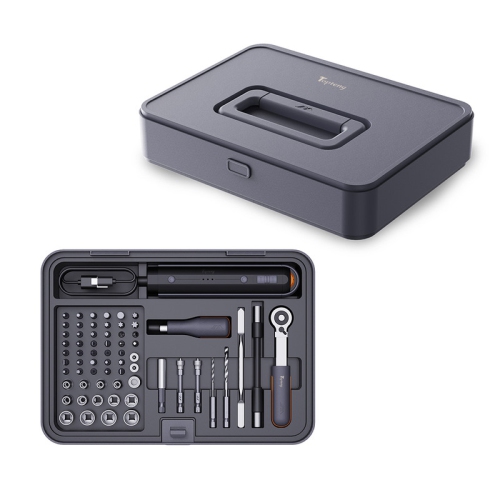
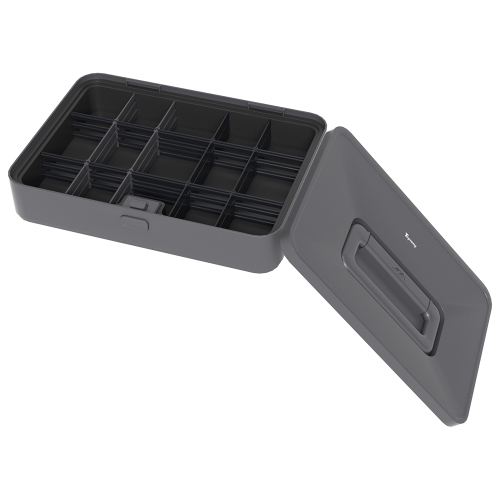
The right car repair tools depend on the vehicle, the task, the available workspace, and the user’s comfort with mechanical work. Before buying, check the owner’s manual or service information for required socket sizes, torque specifications, lifting points, fluid requirements, and any special procedures. It is helpful to consider whether a tool will be used for occasional maintenance, frequent repairs, roadside preparedness, or a longer-term project. A driver who mainly handles oil checks, battery inspections, wiper replacement, and tire changes may value a reliable general-purpose kit, while a home mechanic working on brakes or suspension may need additional extensions, specialty sockets, a torque wrench, and secure lifting equipment. Storage is another practical consideration: a case with labelled compartments helps prevent lost sockets and keeps tools protected between jobs, while a portable organiser can be convenient for carrying equipment to a driveway, garage, or track-side workspace. Power tools can speed up stubborn fasteners, but they should be used with suitable attachments and care around delicate threads; final tightening should follow the vehicle manufacturer’s specifications rather than relying on feel alone. When giving car repair tools as a present, match the selection to the recipient’s experience and vehicle type instead of choosing the largest assortment automatically. A new driver may benefit from a compact collection for basic checks and emergencies, whereas an experienced enthusiast may value a specialised diagnostic or fastening tool that complements what they already own. With the appropriate equipment, clear instructions, and a patient approach, many routine automotive tasks become easier to organise, inspect, and complete safely as the weather changes and driving conditions become more demanding.
Top selling and popular products
-
 Your price for this item is $674.99
-
 Your price for this item is $39.99
-
 Your price for this item is $90.99
-
 Your price for this item is $854.05
-
 Your price for this item is $116.99
-
 Your price for this item is $941.99
-
 Your price for this item is $99.99
-
 Your price for this item is $199.99
Discover more categories related to Car Repair Tools
Top Collections:
Pokemon Centers, Kindle Devices, Best Budget Office Chairs, Canon G7X Cameras, Apple iPhones 16, Samsung Galaxy Phones, Refurbished Apple Laptops, Laptops for Students, iPhone 15 Apple, Budget Smartphones
Some products may be subject to Environmental Handling Fees
(EHF) depending on your province.
Learn more about EHFs.