Auto Repair Kits
Auto repair kits are essential tools for any vehicle owner looking to tackle maintenance and repairs with ease. Whether you're dealing with minor fixes or more involved projects, these kits provide the necessary equipment to keep your car running smoothly. From basic hand tools to comprehensive sets, auto repair kits offer a convenient solution for handling various automotive tasks right in your garage. Explore our selection and find the perfect kit to suit your needs, ensuring you're always prepared for any unexpected issues on the road.
Sort

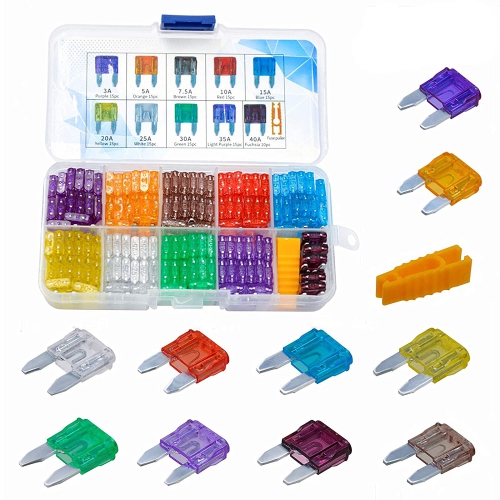
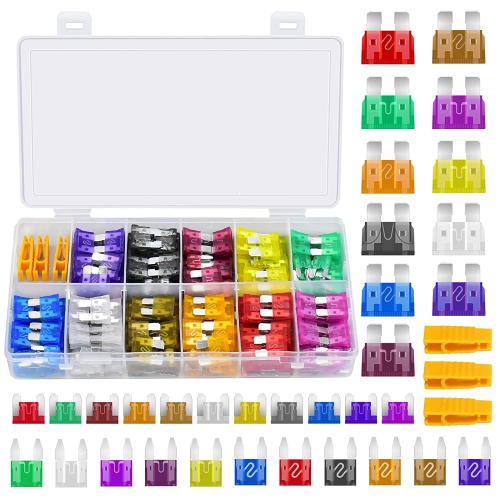
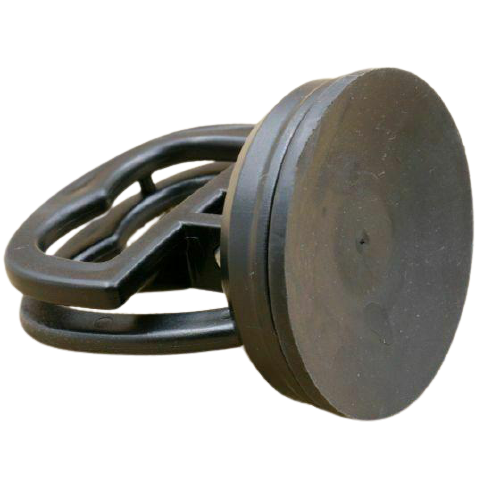
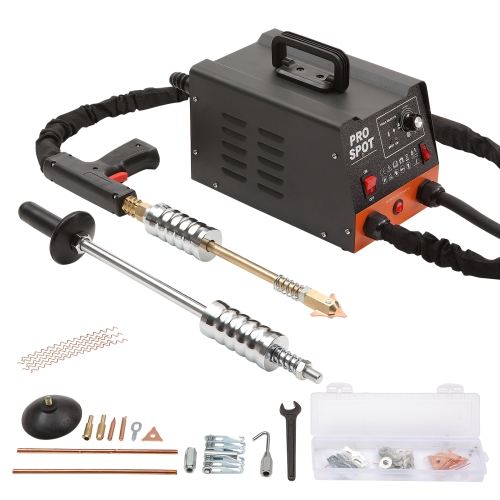



Vehicle compatibility matters more than a kit’s piece count
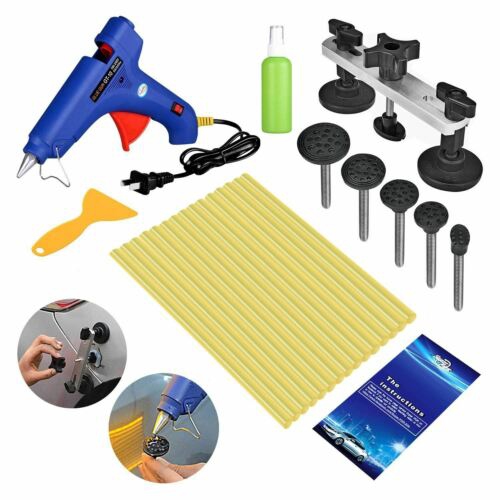
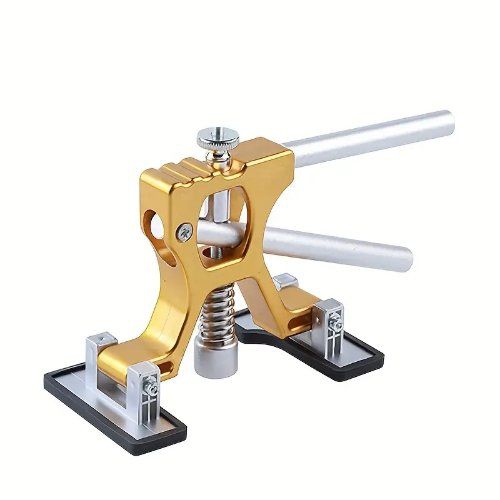
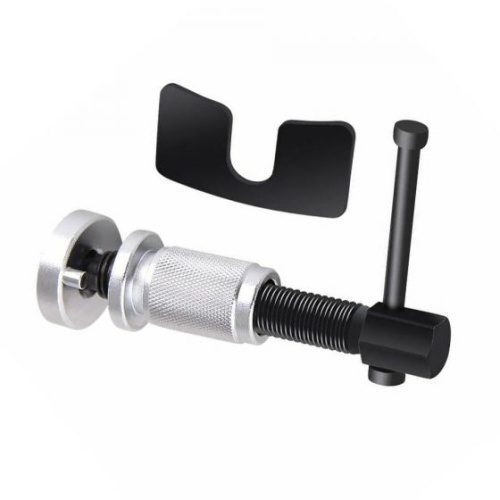
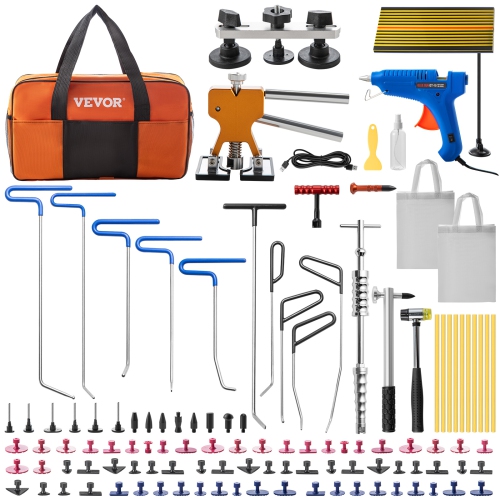
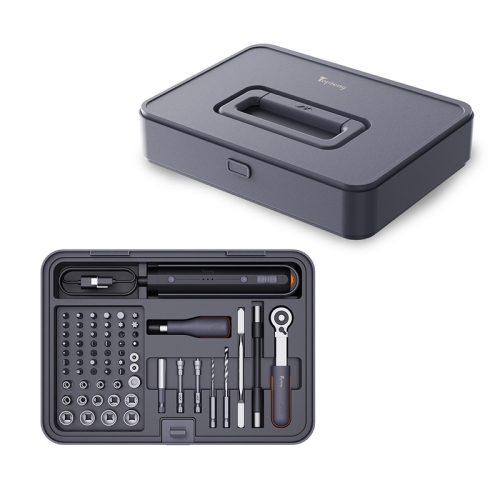
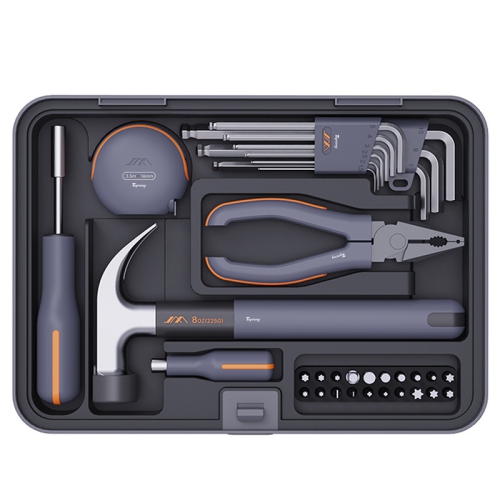
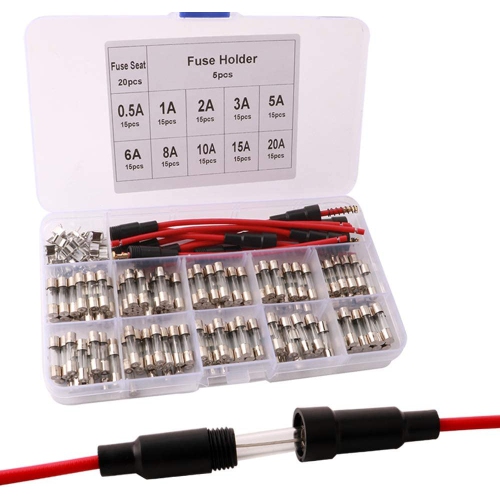
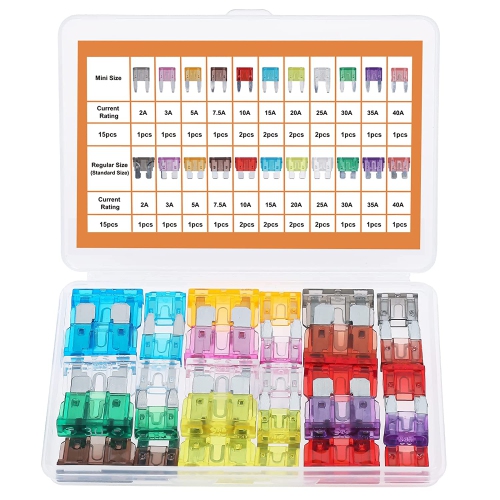
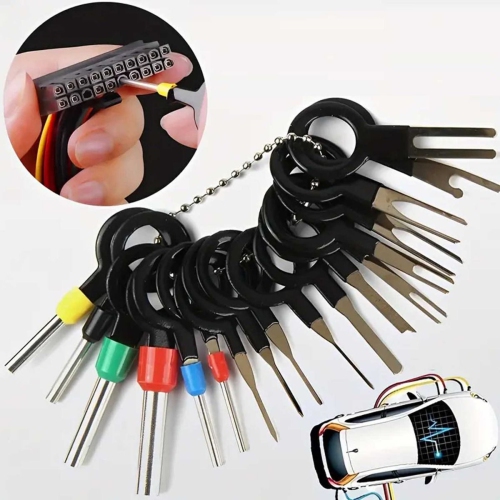
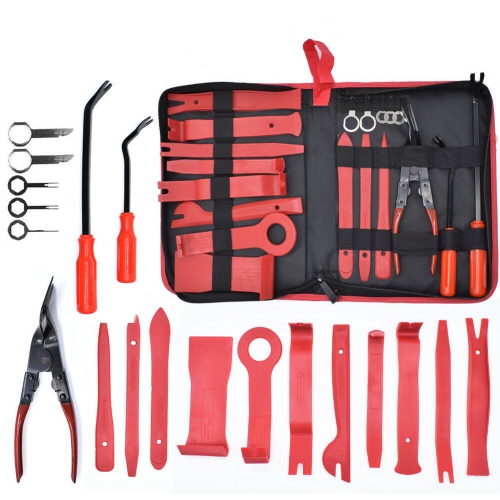
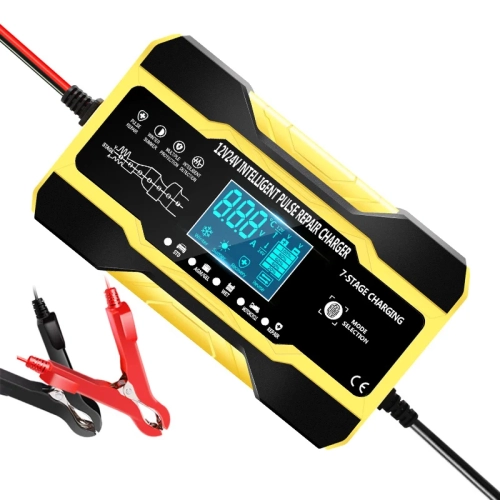
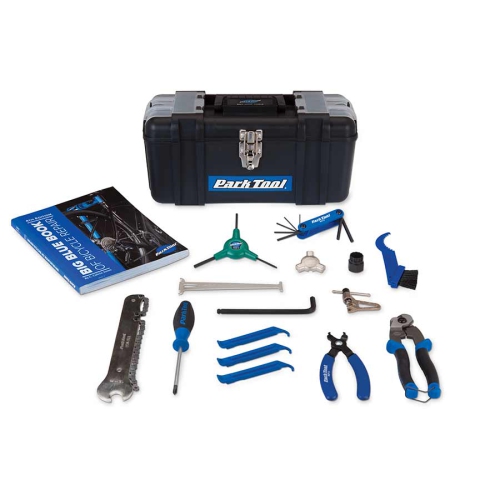
Auto repair kits bring together tools, materials, or both for a particular type of vehicle maintenance or repair. The main categories include general automotive tool sets, tyre puncture repair kits, windshield chip repair kits, body and dent repair kits, and interior repair kits for upholstery or trim. Each serves a different purpose: a socket and ratchet set helps with compatible fasteners, while a resin-based windshield kit is intended for certain small chips in laminated glass. A kit’s usefulness depends less on its piece count than on how closely its contents match the vehicle, the damaged material, and the work involved. For a driver keeping a compact case in the boot, portability and clear organization may matter most. For someone maintaining an older vehicle in a garage, a wider range of socket sizes, extensions, and accessible replacement supplies may be more useful. Vehicle compatibility can involve metric or imperial fasteners, electrical system requirements, tyre construction, and the type of paint, plastic, leather, or fabric being repaired. Even vehicles of a similar size can have different access points and fittings, making the owner’s manual and the kit’s stated applications important references. General-purpose sets suit minor maintenance and small adjustments, but they do not replace the specialized equipment or expertise needed for safety-critical work involving brakes, steering, airbags, or structural damage. The distinction between a temporary measure and a lasting repair is equally important, especially for anything intended to get a vehicle to a service location. Related DIY Repair Kits offer another way to explore repair supplies by task and material. For drivers, hobby mechanics, and households sharing more than one vehicle, a well-matched automotive repair kit can make it easier to keep suitable supplies together rather than searching through loose tools when a small problem appears. A clearly labelled case also makes it easier to see which components belong to the set and which consumables need replacing after use.
Materials and construction have a direct effect on how an auto repair kit feels in use and how well it holds up over time. In mechanical tool sets, hardened steel components, accurately sized sockets, and secure ratchet mechanisms help provide a dependable fit on compatible fasteners. Chrome finishes can make tools easier to wipe clean, although any protective finish still needs care after contact with moisture or road salt. Comfortable handles and clearly marked sizes are useful when working in a dim garage or reaching into a confined space under the bonnet. A sturdy case with fitted compartments keeps smaller bits from disappearing and prevents heavier tools from shifting during transport. For body repairs, the shape and finish of the tools matter as much as their strength. Paintless dent repair methods are suited to some dents where the paint remains intact, but sharp creases, stretched metal, panel edges, and previously refinished surfaces can limit suitability. Adhesives and pulling tools may also damage weak or compromised paint, so a small dent is not automatically a simple repair. Windshield repair materials have similarly specific limits: chip size, depth, location, contamination, and the glass manufacturer’s requirements all affect whether a repair is appropriate. Damage near an edge, within the driver’s critical viewing area, or affecting cameras and sensors warrants professional assessment. Interior repair kits depend heavily on surface compatibility. Leather, coated upholstery, vinyl, woven fabric, and hard plastic do not all respond to the same fillers, adhesives, or colour compounds. A colour that looks close under garage lighting may stand out in daylight, while a smooth patch can remain noticeable on a textured seat bolster. Flexible repair materials are particularly relevant where a surface bends or sees frequent contact, such as a seat edge or armrest. For cosmetic work, matching the original texture, sheen, and flexibility often matters just as much as filling the damaged area. These differences explain why a focused kit for one material can be more suitable than a broad assortment that does not clearly identify its intended surfaces.
Intended use also shapes the best balance of size, storage, and repair capability. A compact emergency kit should be easy to secure in the vehicle and accessible without unloading everything packed for a journey. A garage set can be larger, with space to spread out components and check that each tool is clean before it goes back into its compartment. Tyre repair kits deserve particular attention because sealants and plug-based systems have different applications and limitations. Many roadside options are temporary measures, are unsuitable for sidewall damage, and require prompt professional inspection; any stated speed or distance limits remain essential. Compatibility with tyre-pressure monitoring systems also matters. A kit cannot make roadside work safe on a narrow shoulder, in poor visibility, or beside moving traffic, where roadside assistance is the safer choice. During the cooler months, storage and application temperatures become especially relevant for resins, adhesives, fillers, and sealants. Materials left in a cold vehicle may not perform as intended until both the product and the repair surface are within the specified temperature range. Cure times can also vary with temperature, moisture, and exposure to light, depending on the formulation. Sealed containers, readable labels, and valid expiry dates help preserve the usefulness of consumable supplies between jobs. Tools benefit from being wiped dry after use, while cloths or applicators carrying repair chemicals need handling and disposal according to their labels. For gift giving, auto repair kits are a practical fit for hands-on vehicle owners, new drivers building an emergency supply collection, or enthusiasts who enjoy caring for an older car. The most thoughtful choice reflects the recipient’s vehicle, experience, workspace, and comfort with repairs rather than assuming a larger kit is always better. Clear instructions, organized storage, and a defined purpose make a kit easier to use confidently, whether it is kept for occasional cosmetic touch-ups, routine fastening tasks, or a limited roadside need.
Materials and construction have a direct effect on how an auto repair kit feels in use and how well it holds up over time. In mechanical tool sets, hardened steel components, accurately sized sockets, and secure ratchet mechanisms help provide a dependable fit on compatible fasteners. Chrome finishes can make tools easier to wipe clean, although any protective finish still needs care after contact with moisture or road salt. Comfortable handles and clearly marked sizes are useful when working in a dim garage or reaching into a confined space under the bonnet. A sturdy case with fitted compartments keeps smaller bits from disappearing and prevents heavier tools from shifting during transport. For body repairs, the shape and finish of the tools matter as much as their strength. Paintless dent repair methods are suited to some dents where the paint remains intact, but sharp creases, stretched metal, panel edges, and previously refinished surfaces can limit suitability. Adhesives and pulling tools may also damage weak or compromised paint, so a small dent is not automatically a simple repair. Windshield repair materials have similarly specific limits: chip size, depth, location, contamination, and the glass manufacturer’s requirements all affect whether a repair is appropriate. Damage near an edge, within the driver’s critical viewing area, or affecting cameras and sensors warrants professional assessment. Interior repair kits depend heavily on surface compatibility. Leather, coated upholstery, vinyl, woven fabric, and hard plastic do not all respond to the same fillers, adhesives, or colour compounds. A colour that looks close under garage lighting may stand out in daylight, while a smooth patch can remain noticeable on a textured seat bolster. Flexible repair materials are particularly relevant where a surface bends or sees frequent contact, such as a seat edge or armrest. For cosmetic work, matching the original texture, sheen, and flexibility often matters just as much as filling the damaged area. These differences explain why a focused kit for one material can be more suitable than a broad assortment that does not clearly identify its intended surfaces.
Intended use also shapes the best balance of size, storage, and repair capability. A compact emergency kit should be easy to secure in the vehicle and accessible without unloading everything packed for a journey. A garage set can be larger, with space to spread out components and check that each tool is clean before it goes back into its compartment. Tyre repair kits deserve particular attention because sealants and plug-based systems have different applications and limitations. Many roadside options are temporary measures, are unsuitable for sidewall damage, and require prompt professional inspection; any stated speed or distance limits remain essential. Compatibility with tyre-pressure monitoring systems also matters. A kit cannot make roadside work safe on a narrow shoulder, in poor visibility, or beside moving traffic, where roadside assistance is the safer choice. During the cooler months, storage and application temperatures become especially relevant for resins, adhesives, fillers, and sealants. Materials left in a cold vehicle may not perform as intended until both the product and the repair surface are within the specified temperature range. Cure times can also vary with temperature, moisture, and exposure to light, depending on the formulation. Sealed containers, readable labels, and valid expiry dates help preserve the usefulness of consumable supplies between jobs. Tools benefit from being wiped dry after use, while cloths or applicators carrying repair chemicals need handling and disposal according to their labels. For gift giving, auto repair kits are a practical fit for hands-on vehicle owners, new drivers building an emergency supply collection, or enthusiasts who enjoy caring for an older car. The most thoughtful choice reflects the recipient’s vehicle, experience, workspace, and comfort with repairs rather than assuming a larger kit is always better. Clear instructions, organized storage, and a defined purpose make a kit easier to use confidently, whether it is kept for occasional cosmetic touch-ups, routine fastening tasks, or a limited roadside need.
Top selling and popular products
-
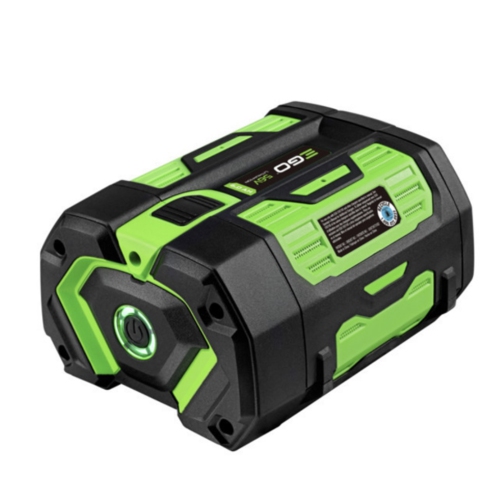 Your price for this item is $374.99
 -
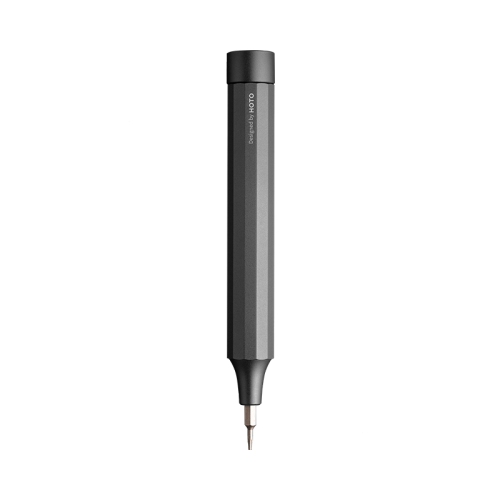 Your price for this item is $31.99
 -
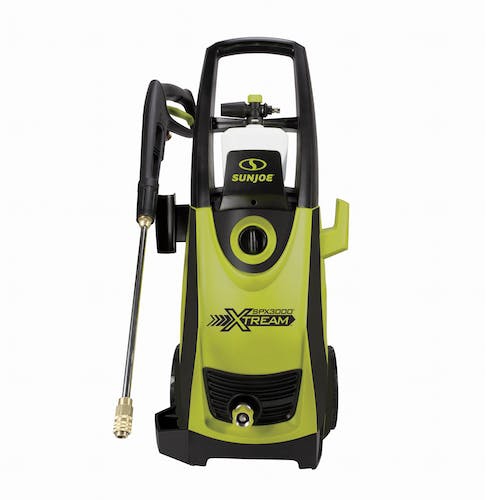 Your price for this item is $344.99
 -
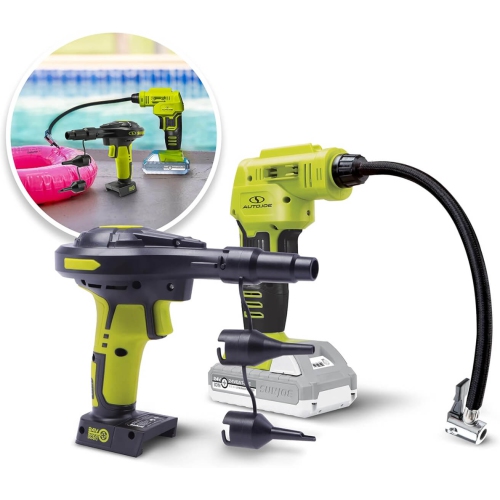 Your price for this item is $114.99
 -
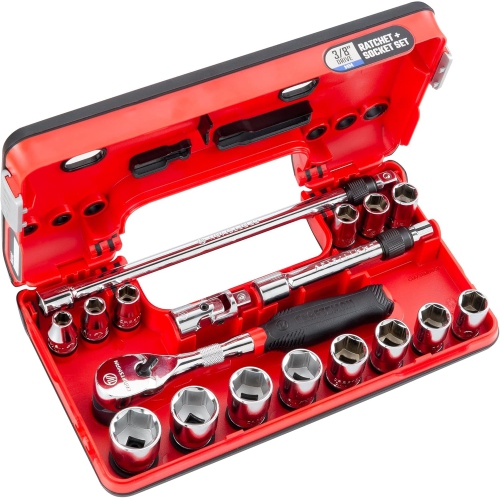 Your price for this item is $129.99
 -
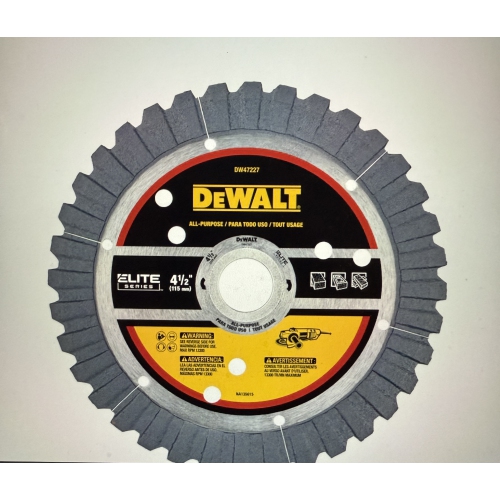 Your price for this item is $29.99
 -
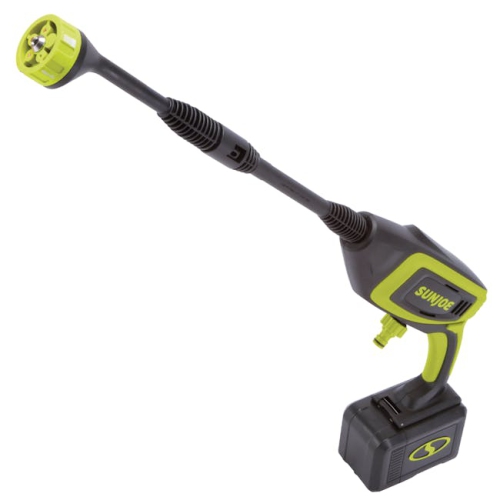 Your price for this item is $133.99
 -
 Your price for this item is $99.99
Discover more categories related to Auto Repair Kits

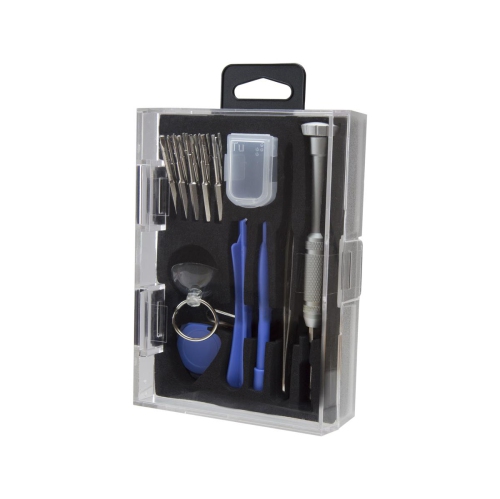
Top Collections:
Pokemon Centers, Kindle Devices, Best Budget Office Chairs, Apple iPhones 16, Best Laptops for Writers, iPhone 15 Apple, Canon G7X Cameras, Refurbished Apple Laptops, Alarm Clock, Motorola Razr Phones
Some products may be subject to Environmental Handling Fees
(EHF) depending on your province.
Learn more about EHFs.