Digital Media Receivers
Upgrade your entertainment experience with our wide selection of digital media receivers. Whether you're looking to stream your favorite music, watch movies and TV shows, or enhance your gaming sessions, these versatile devices are designed to bring endless possibilities to your living room. With advanced features and connectivity options, our digital media receivers allow you to effortlessly access and enjoy a world of digital content right from the comfort of your couch. Explore our collection today and discover the perfect companion for your home entertainment setup.
Sort
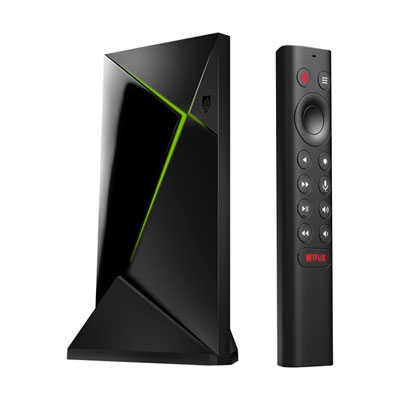
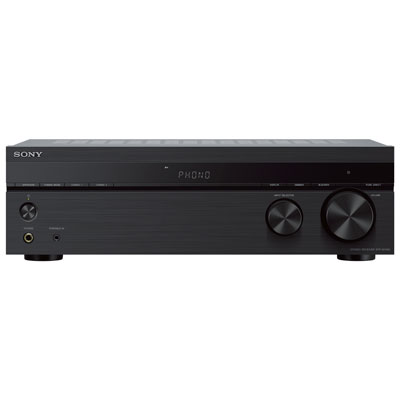
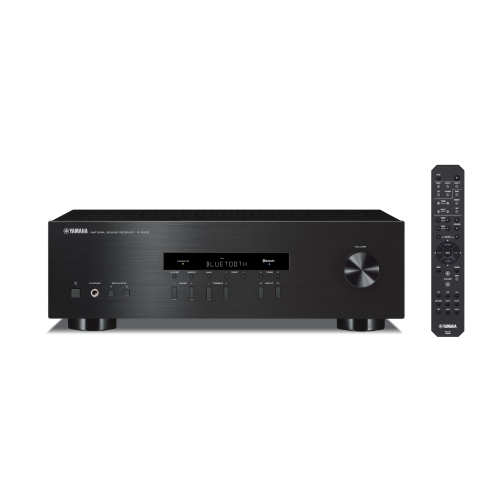
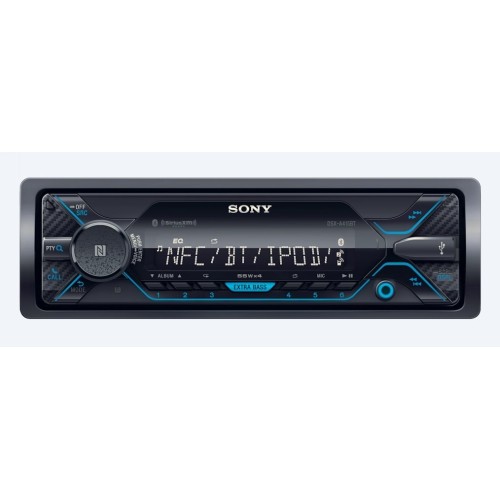
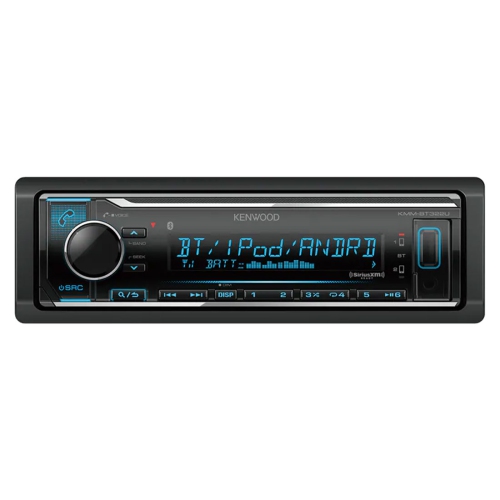
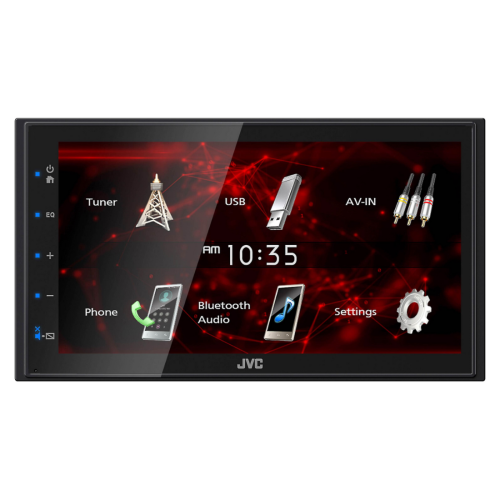
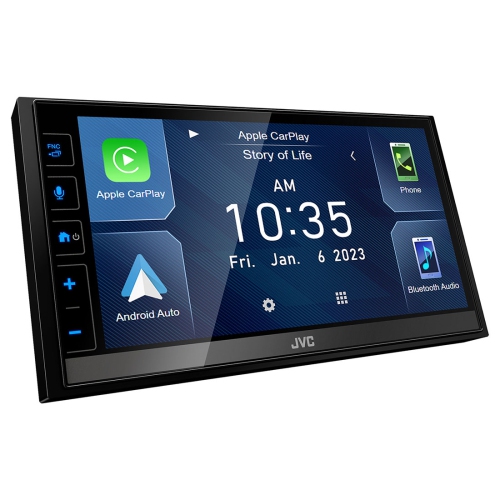
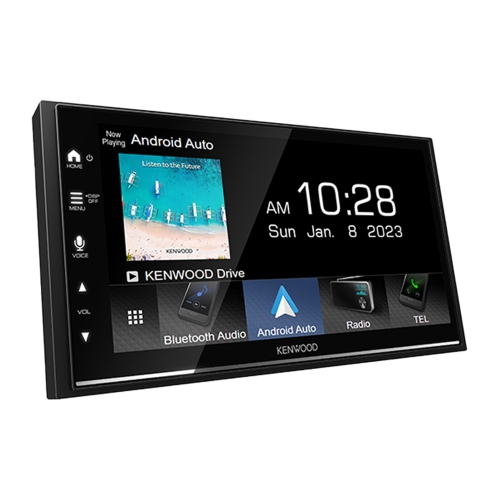
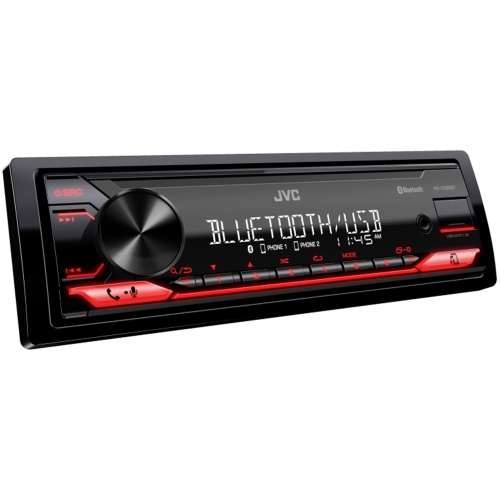
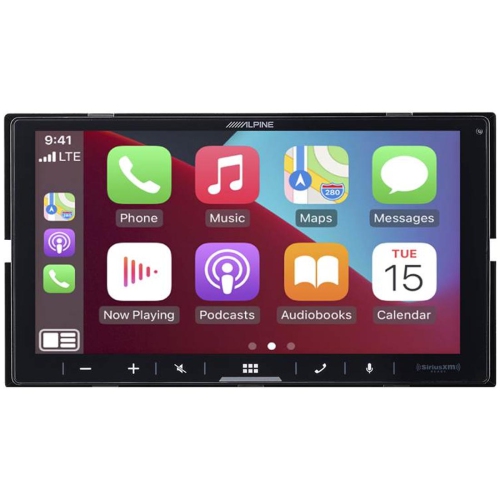
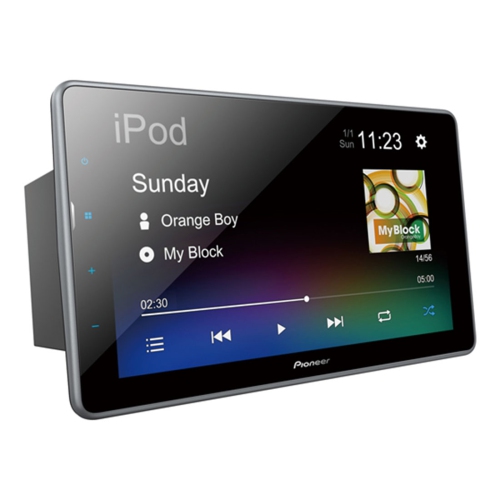
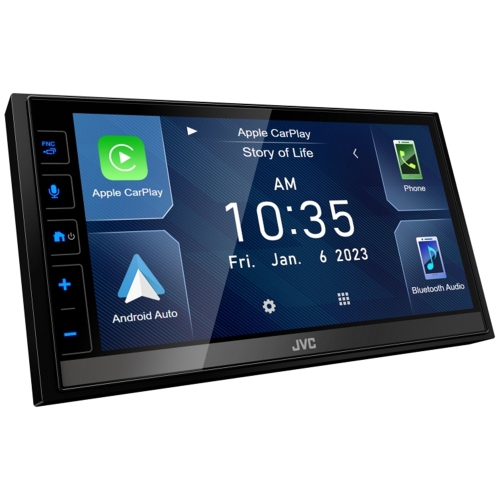
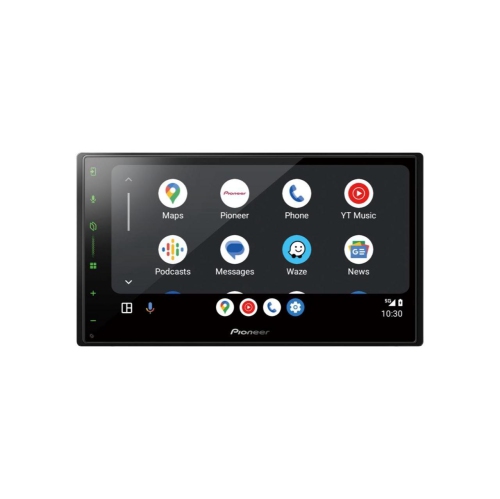
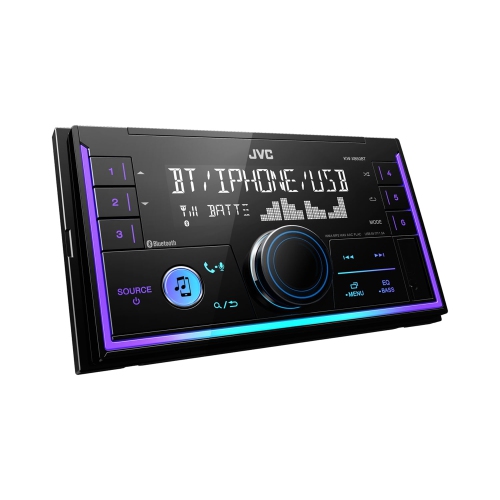
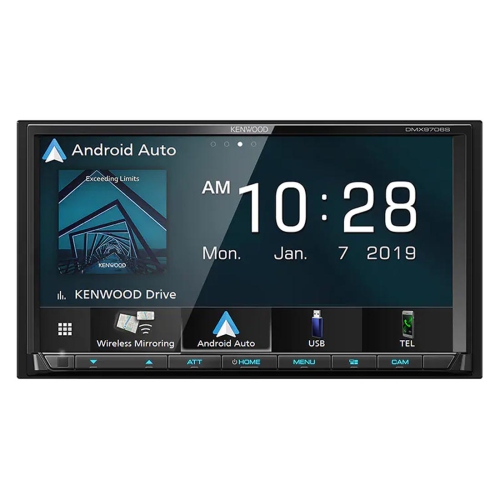
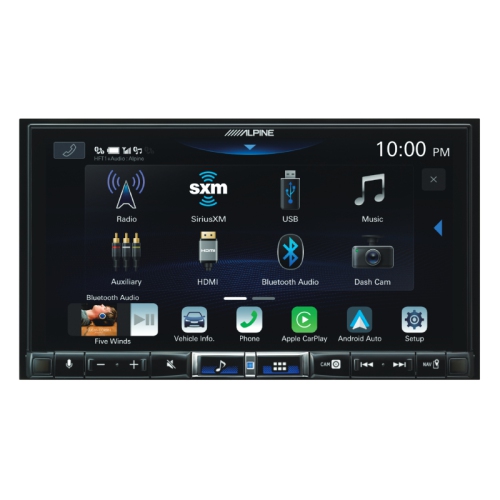
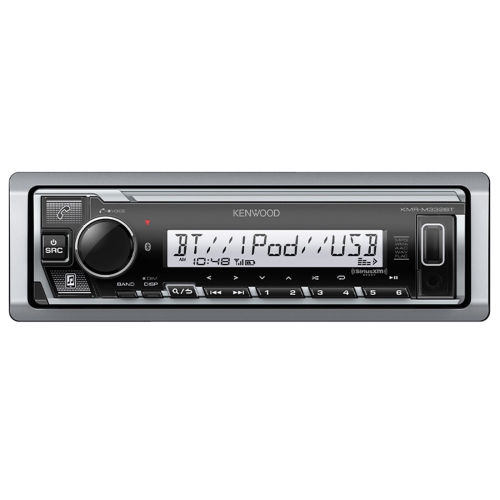

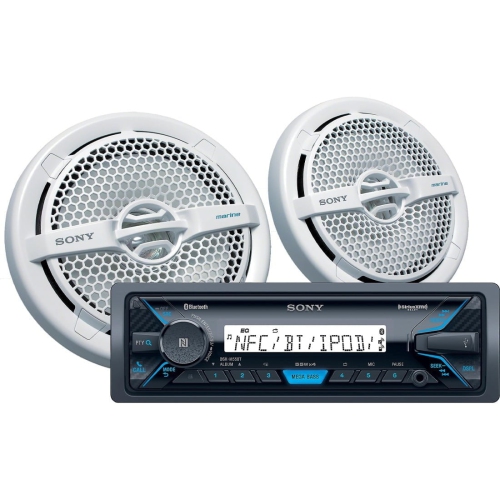
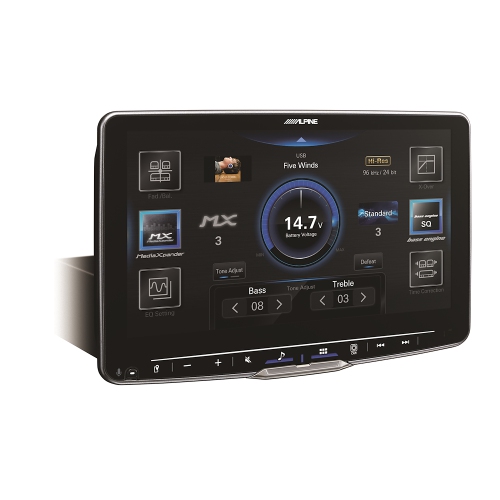
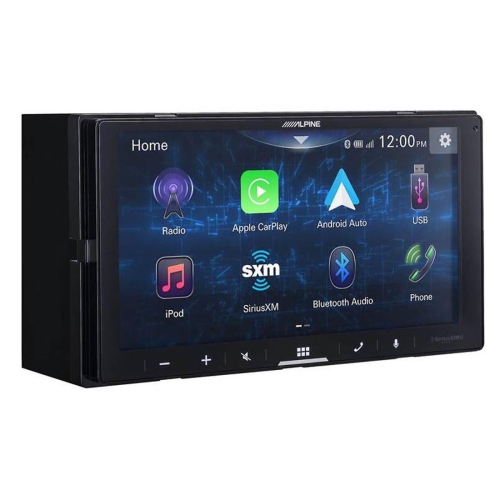
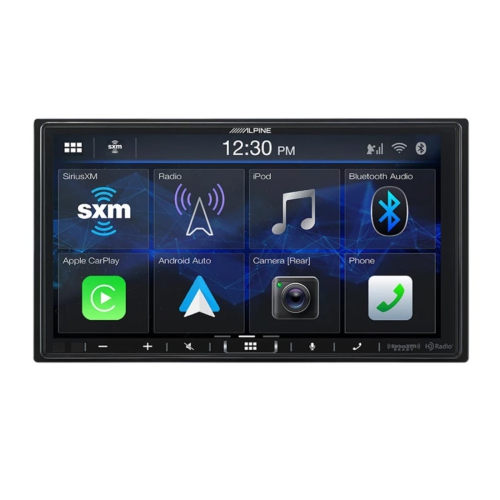

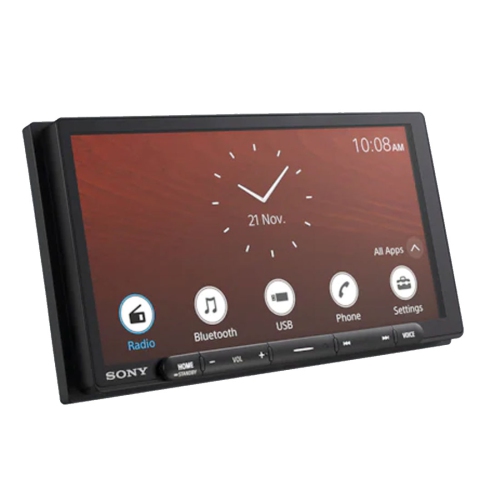
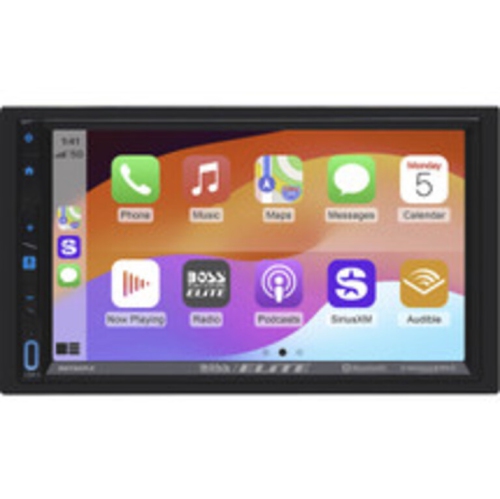
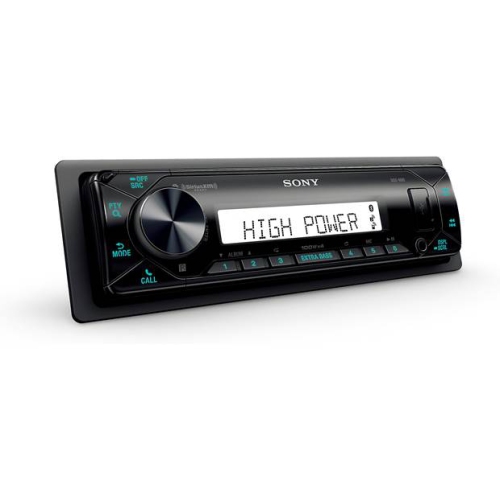

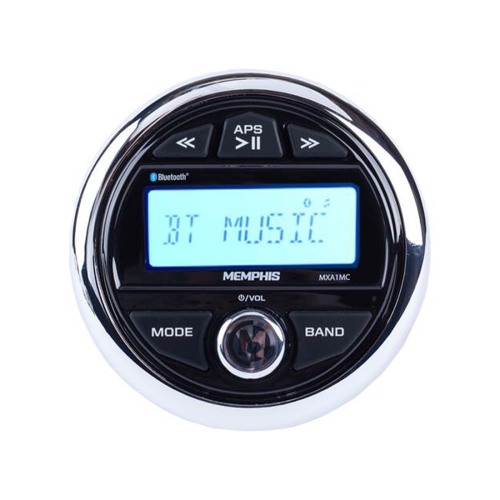
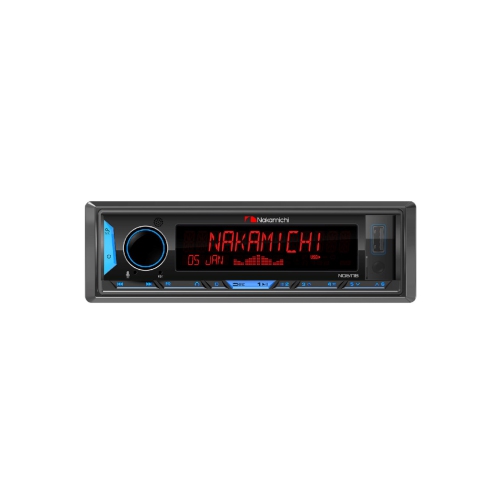
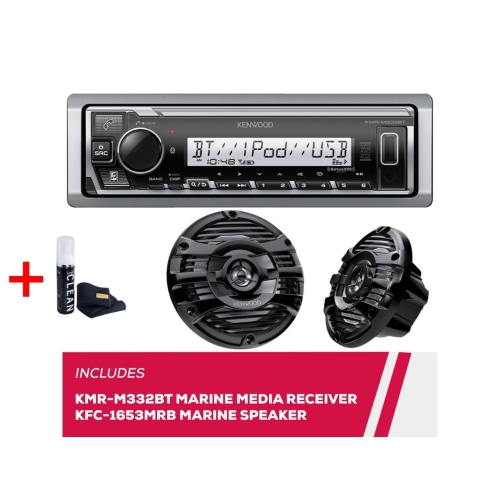
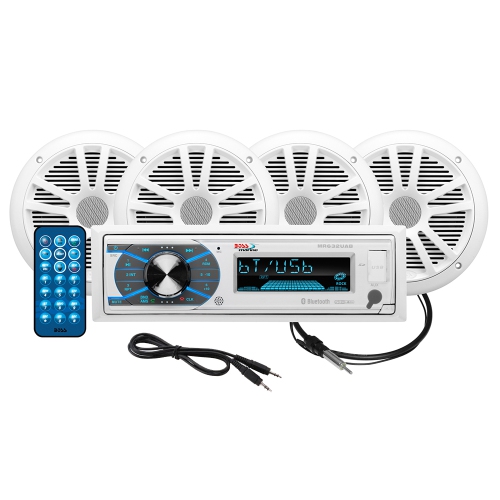
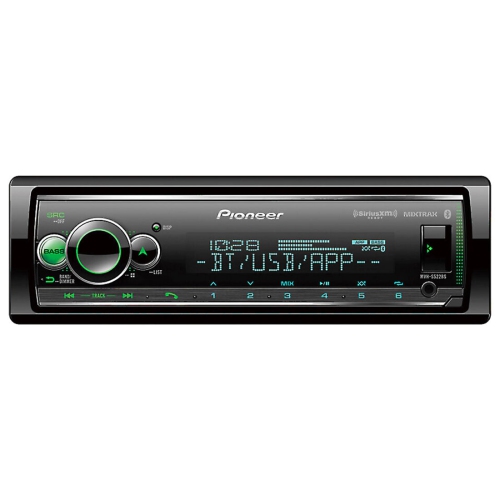
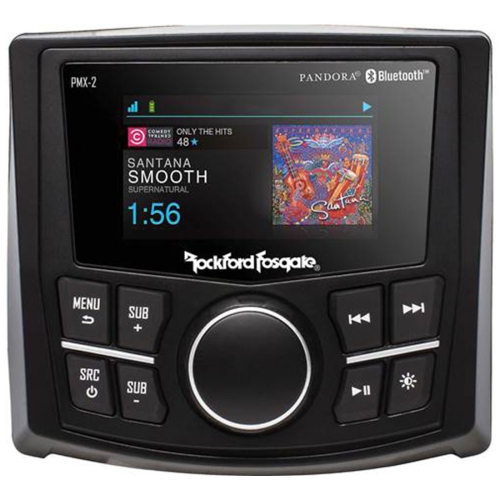
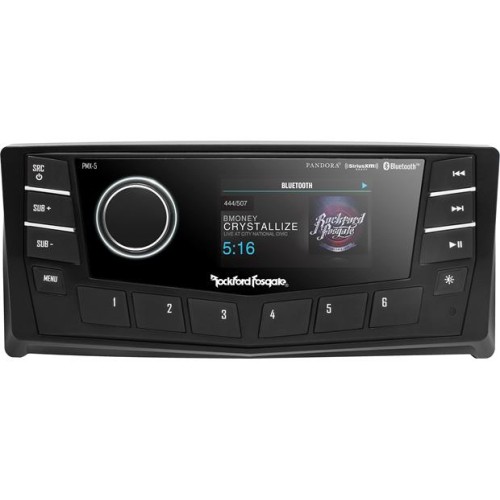

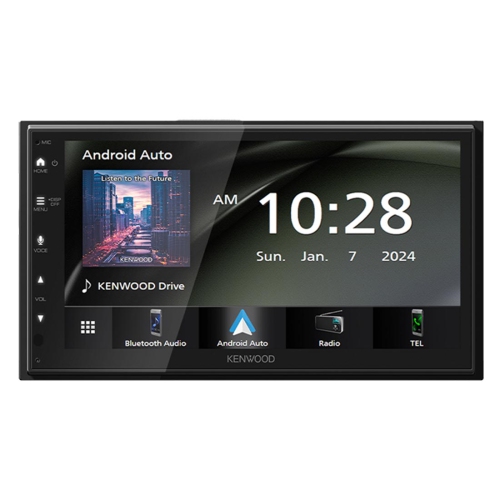
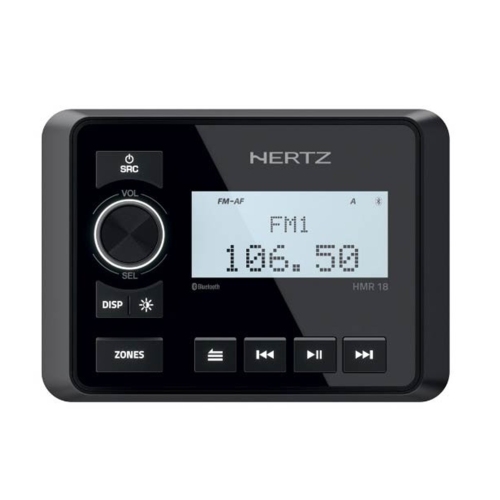
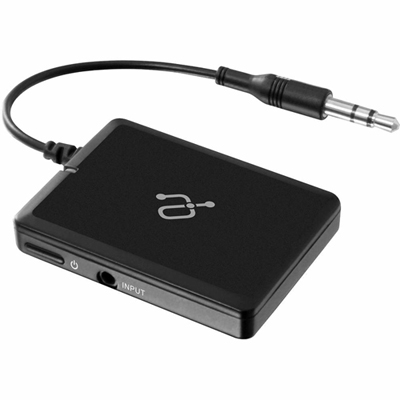
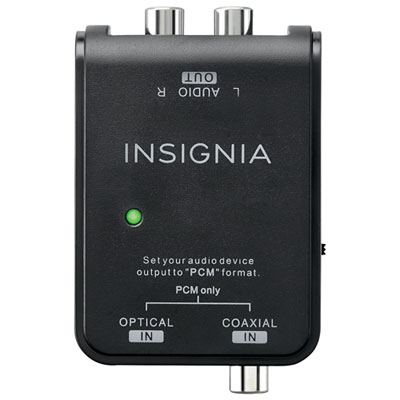
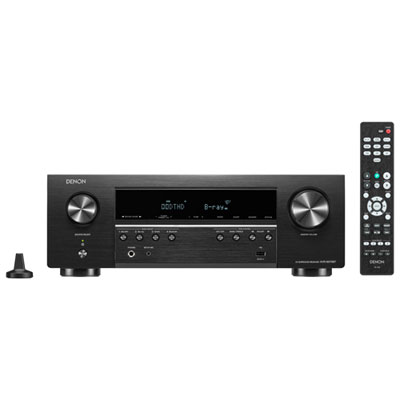
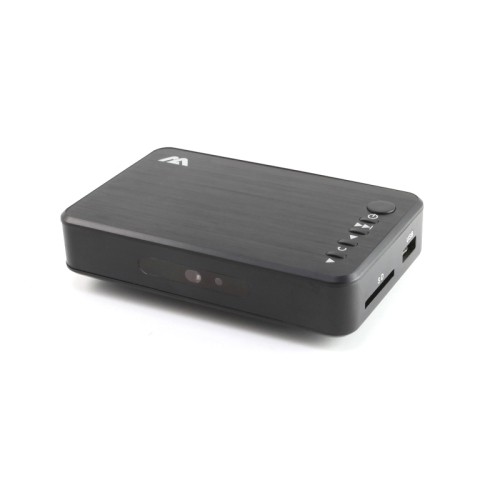

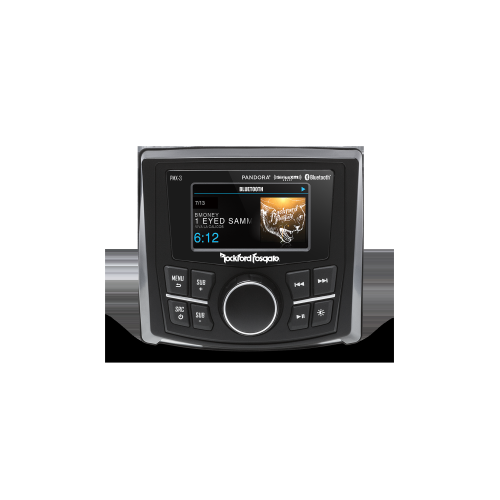
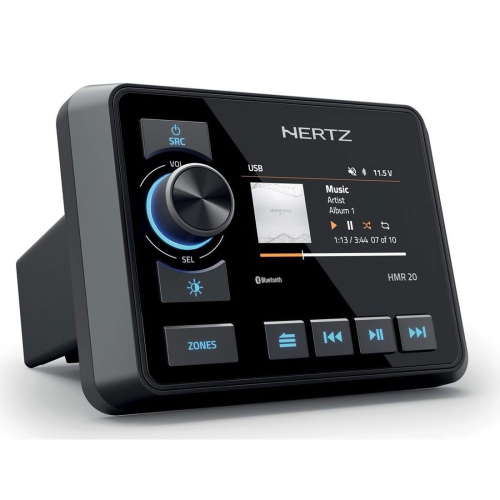
Modern connections and sound controls for every drive
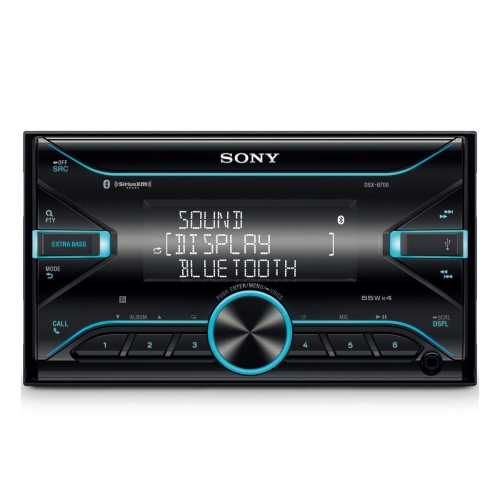
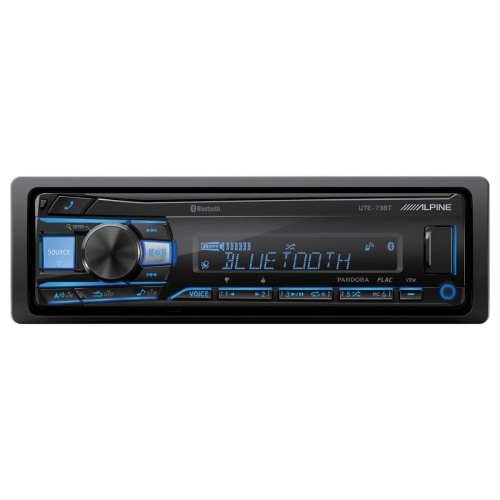
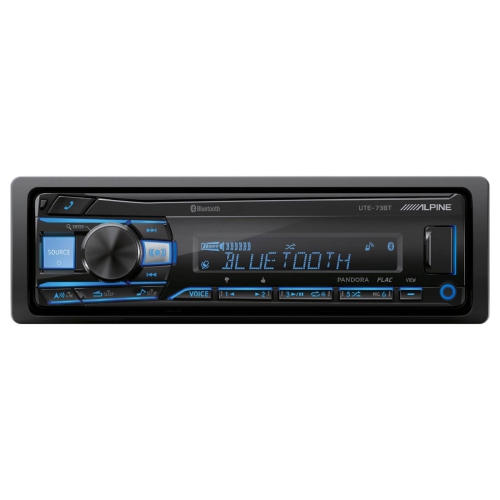
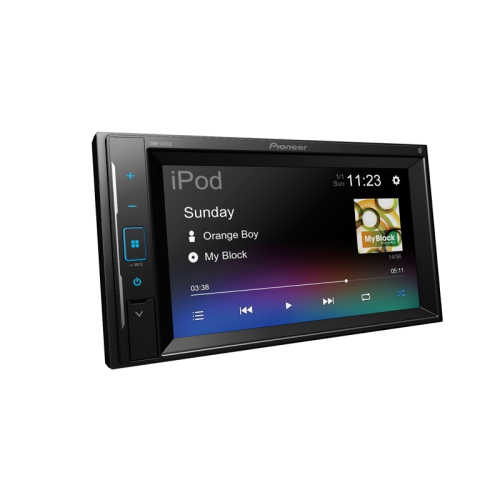
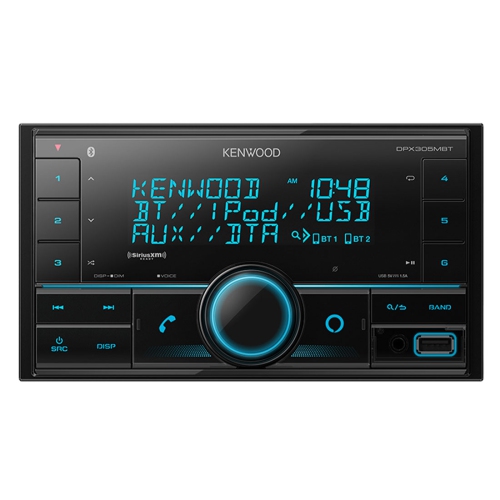
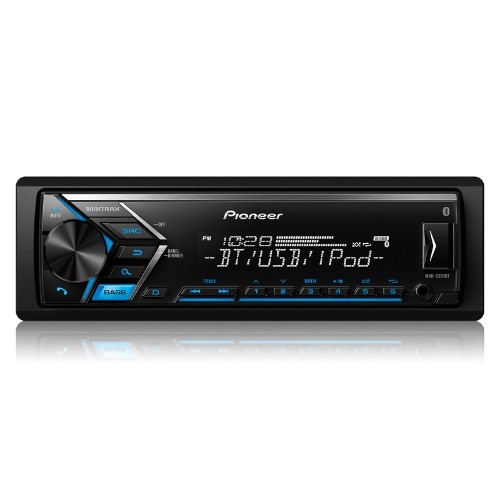
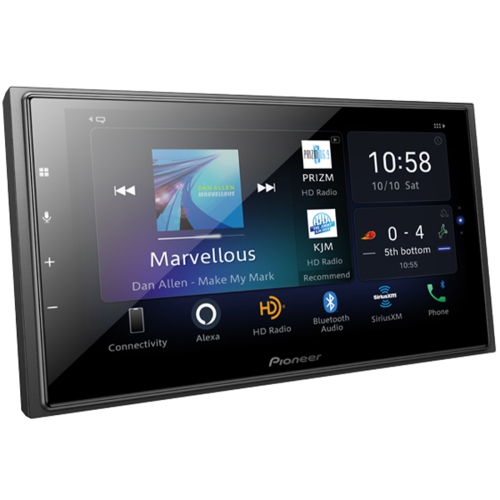
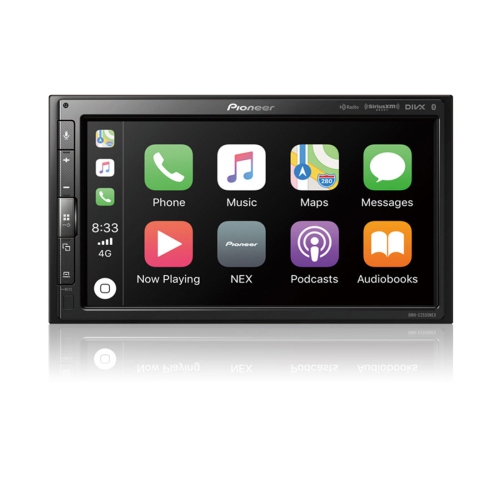
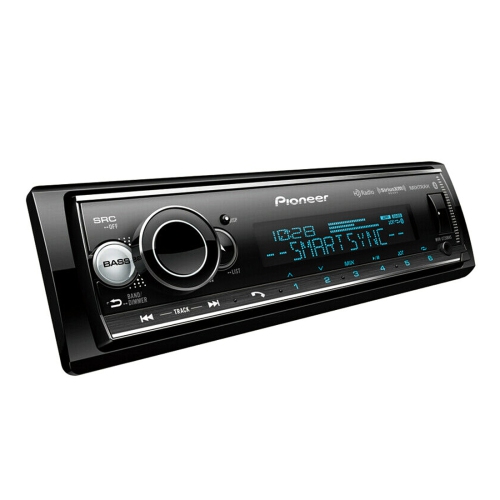
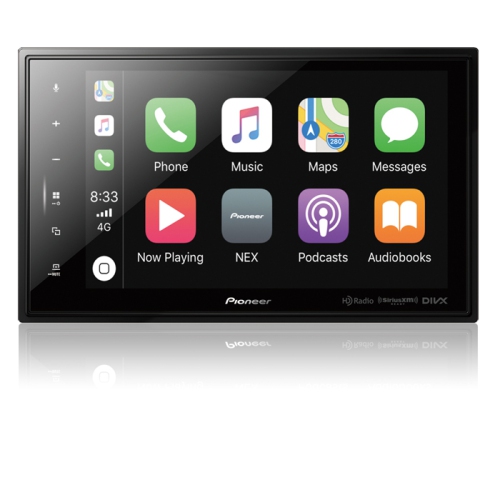
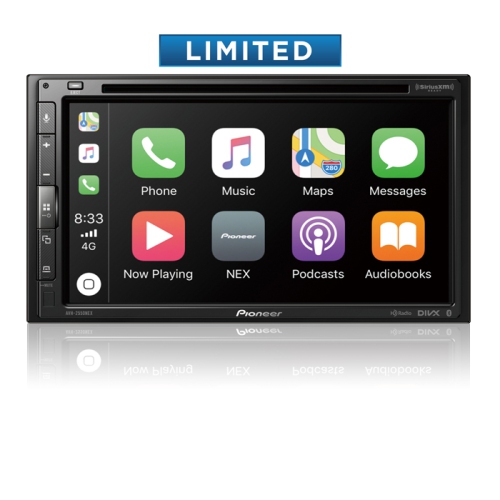
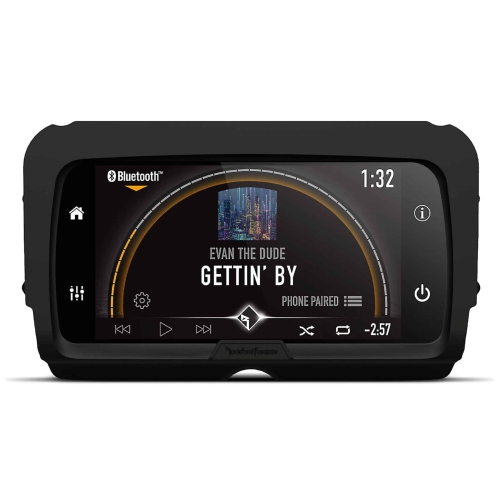
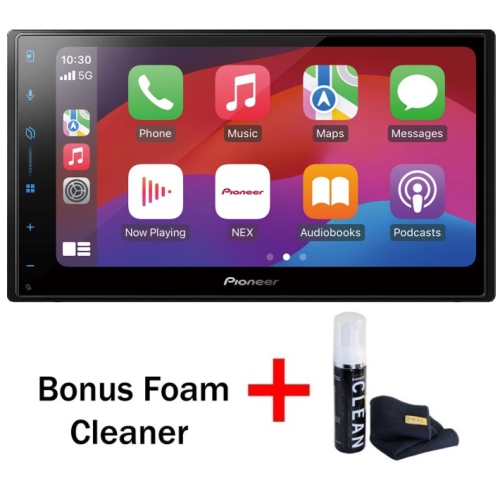
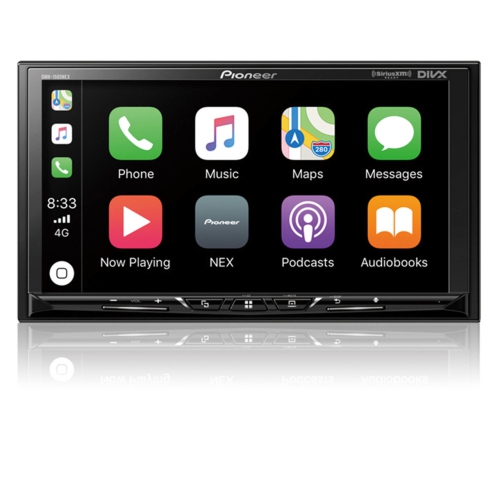
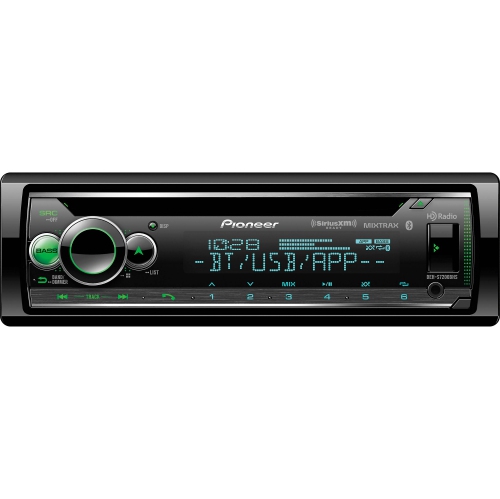
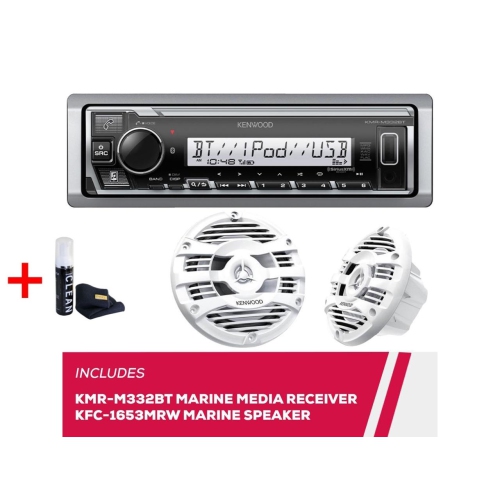
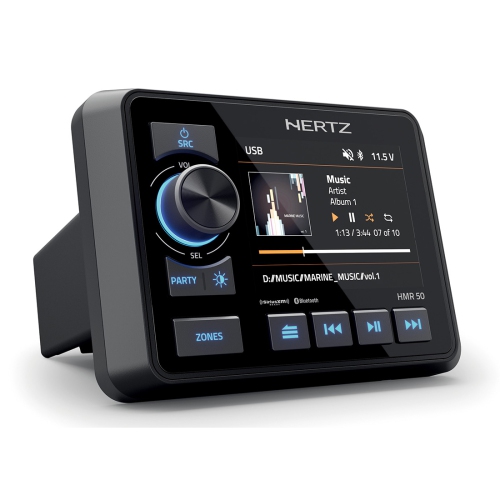
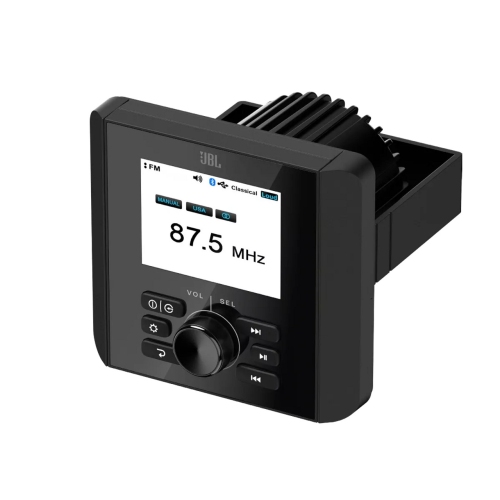
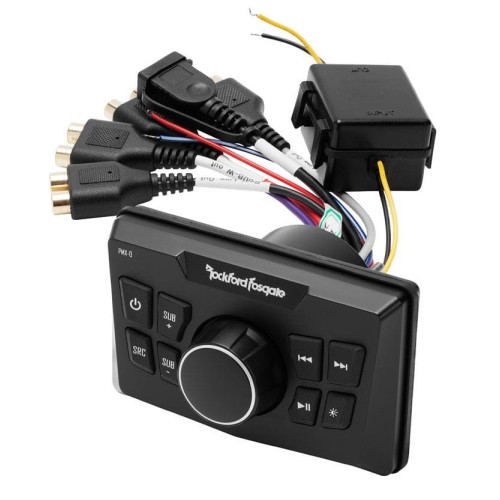
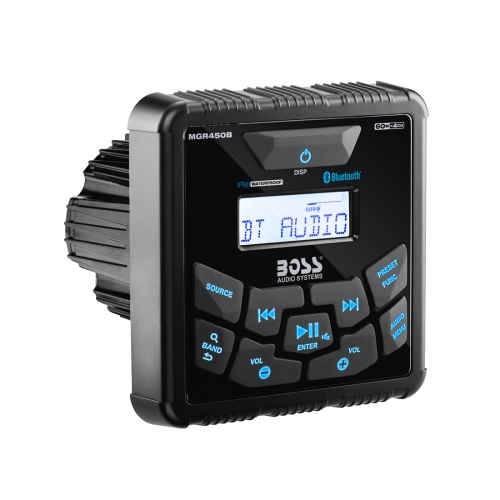
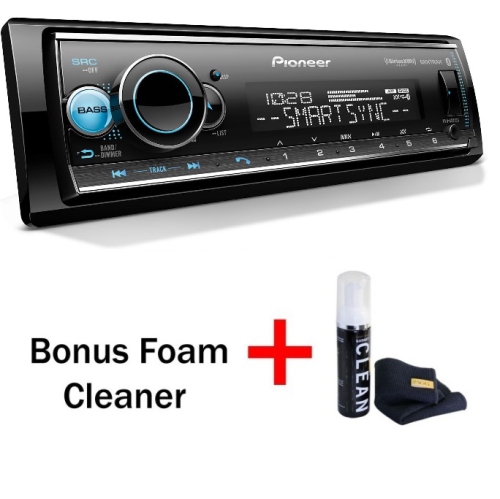
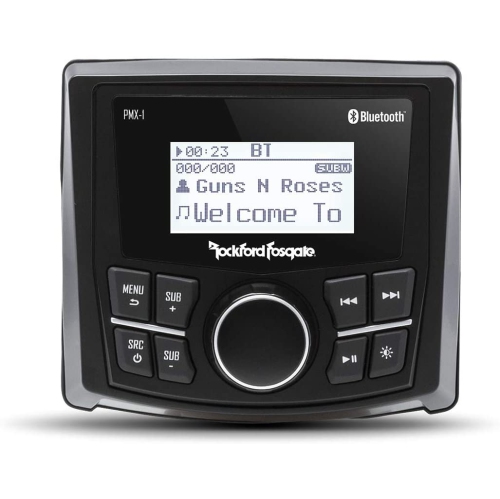
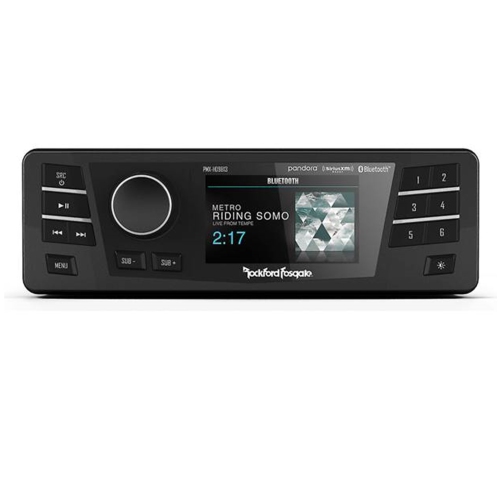
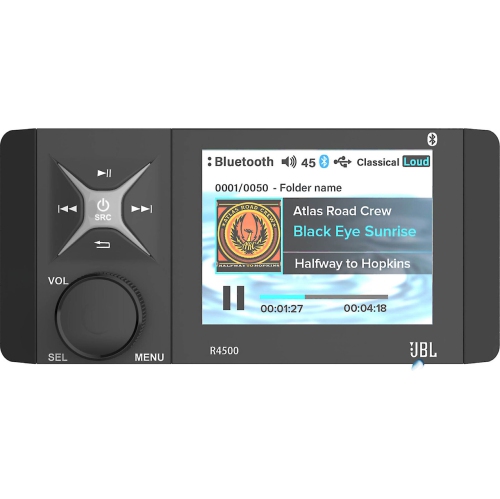
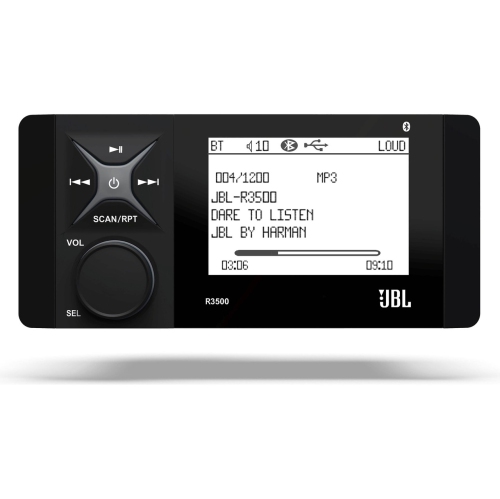
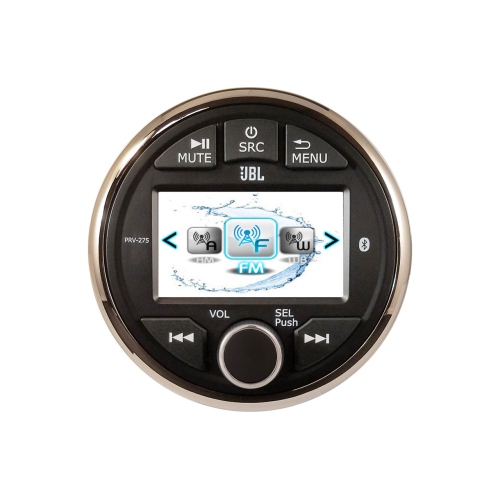
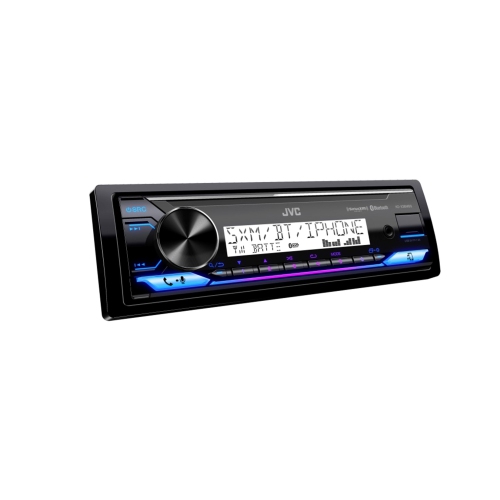
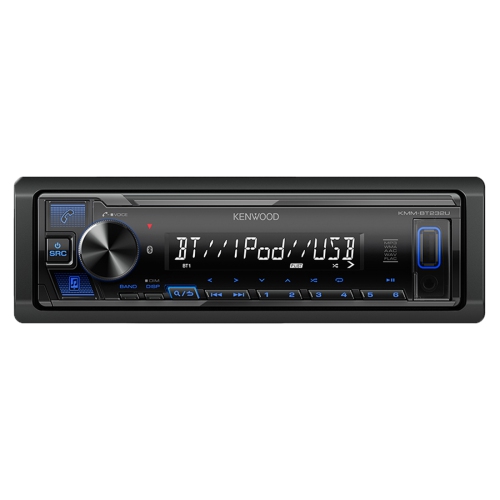
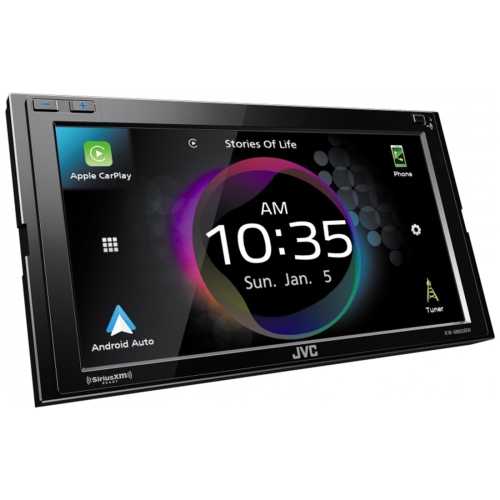
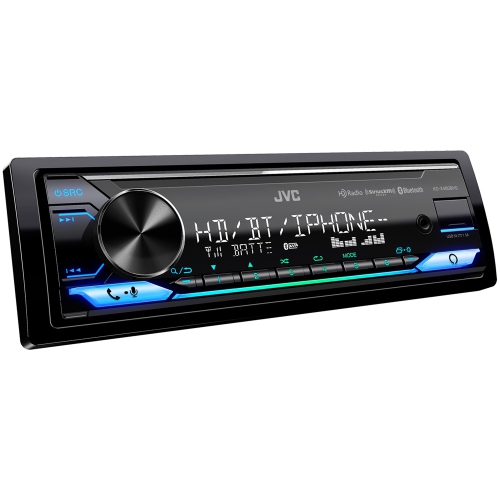
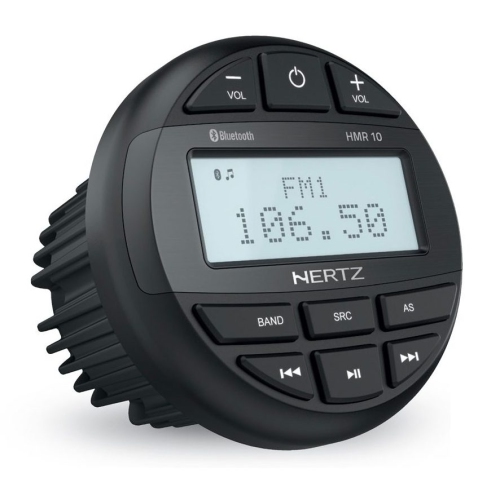
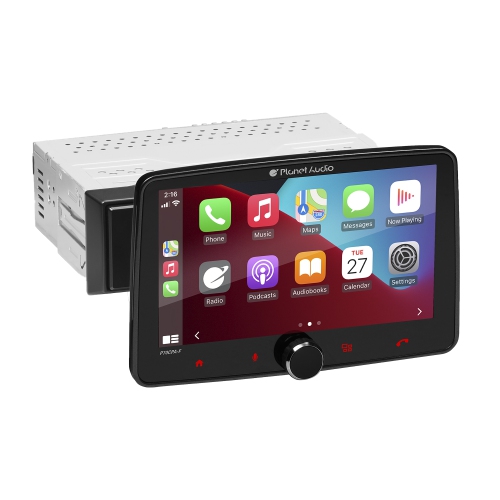
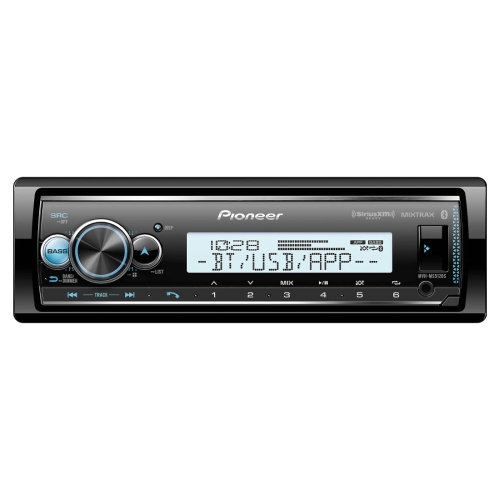
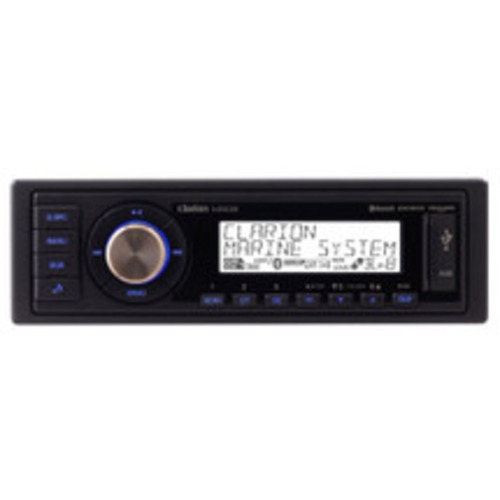
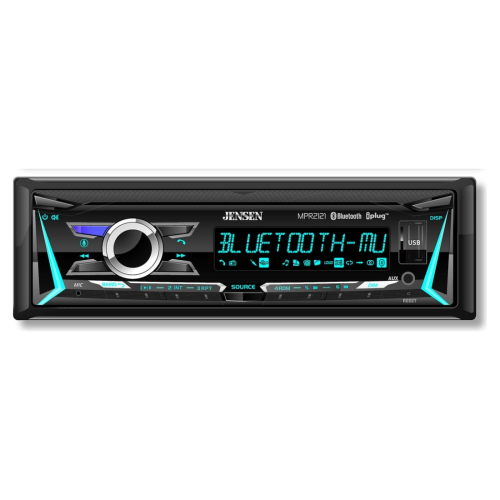
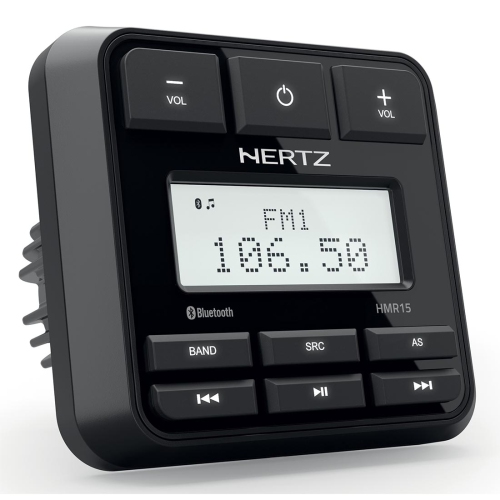
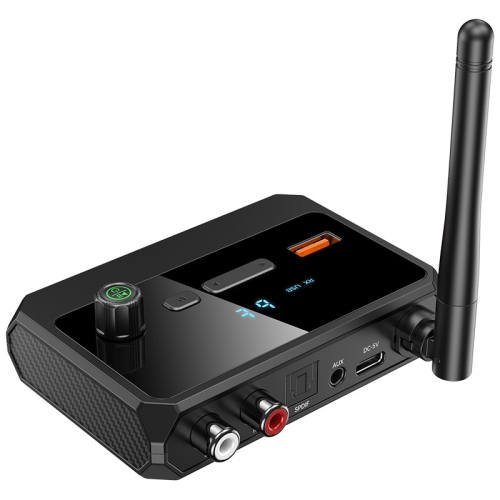
Digital media receivers are car stereos designed for listening to digital audio from a smartphone, USB drive, or other compatible source rather than playing CDs or DVDs. They are a practical choice for drivers who have moved their music collections to streaming services, downloaded playlists, podcasts, audiobooks, or digital files. Most models continue to include an AM/FM tuner, so you can switch between local radio and your personal library while travelling through town or heading out on the highway. Their streamlined design leaves out the traditional disc mechanism, which can create more room behind the dashboard for wiring and installation components. That makes a digital media receiver a useful way to refresh an older vehicle without changing the rest of the sound system. It can also be a thoughtful gift for a new driver, a commuter spending long hours behind the wheel, or anyone whose factory stereo no longer connects reliably with modern phones. For listeners who enjoy comparing formats and building playlists for every kind of drive, a dedicated Music Media Players section can also provide helpful options for enjoying digital audio away from the vehicle.
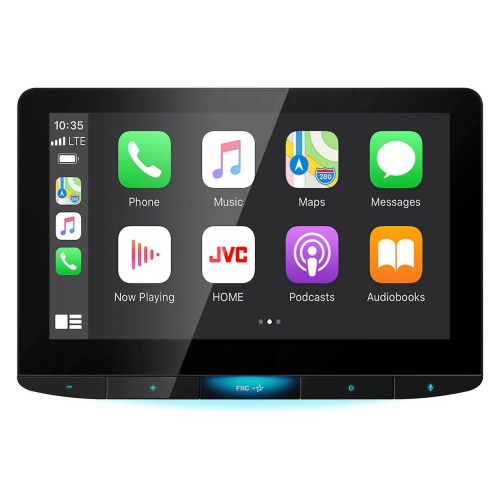
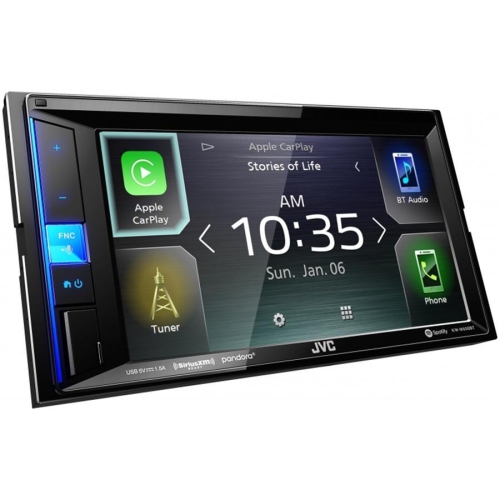
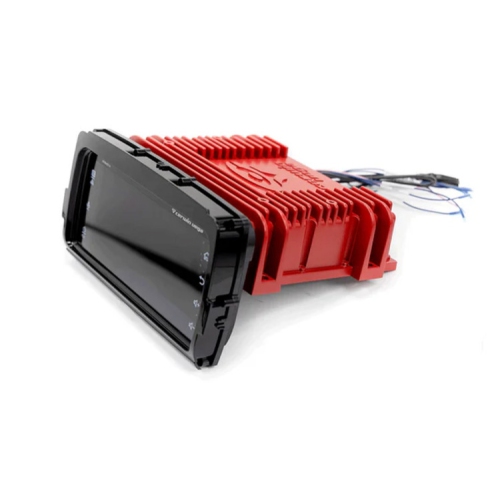
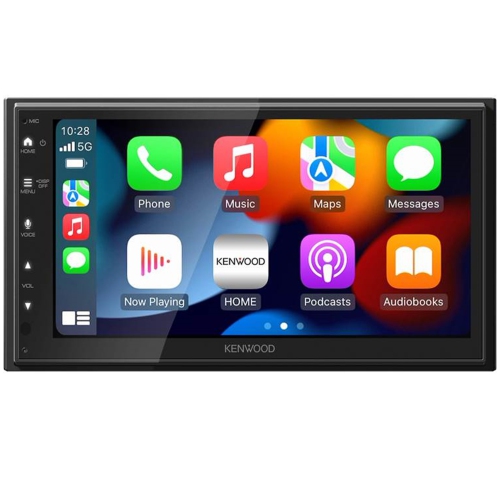
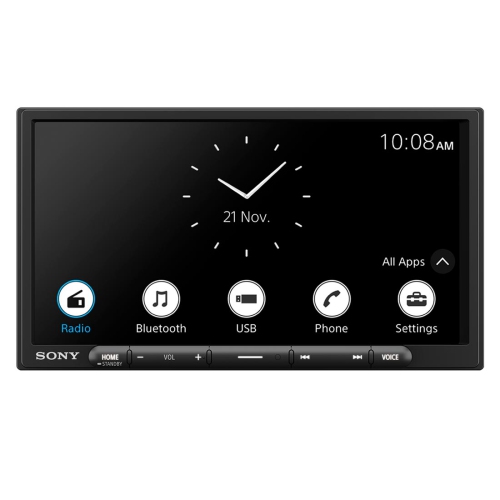
Compatibility and dashboard fit are among the most important details to check before choosing a digital media receiver. Single-DIN receivers use the traditional narrow dash opening, while double-DIN receivers are taller and may provide room for a larger display, additional controls, or a more spacious touchscreen interface. Vehicle-specific installation kits, wiring harnesses, mounting brackets, and steering-wheel control adapters may be needed, so confirming the receiver’s dimensions and your vehicle’s factory setup can prevent surprises during installation. A short-depth chassis can be especially useful in vehicles with limited space behind the dash, where the wiring harness and other components leave little room for a deeper unit. Connectivity is another key consideration. Bluetooth can support wireless music streaming and hands-free calling, helping you keep your phone stored safely while you drive. USB inputs can charge a compatible device, play stored audio files, or provide a wired connection for supported smartphone functions. Auxiliary inputs remain useful for older music players and other devices with a standard audio output. Some receivers include voice control, allowing you to choose music, place calls, or access navigation features with less need to interact directly with the screen. If you prefer a more visual interface, a touchscreen can make source selection, song browsing, and settings easier to manage at a glance. Physical knobs and buttons may be preferable for volume and basic adjustments, particularly when driving on uneven roads or wearing gloves during cooler weather.
Sound controls can make a meaningful difference when a receiver is paired with upgraded speakers, a subwoofer, or an external amplifier. Basic models may offer preset listening modes and straightforward bass, treble, and balance adjustments, while more advanced receivers can include a multi-band equalizer for more precise tuning. Time alignment, high-pass and low-pass filters, and adjustable crossover settings can help shape the sound so that voices remain clear, bass feels controlled, and instruments do not become lost in a crowded mix. Preamp outputs are worth reviewing when you plan to add amplification, as multiple pairs can make it easier to build a more flexible system for front speakers, rear speakers, and a subwoofer. A receiver with a clean interface and dependable connection may be all that is needed for daily commuting, school runs, errands, and longer drives during the cooler months. Drivers who share a vehicle may appreciate quick pairing and simple source switching, while families can benefit from hands-free calling and easy access to spoken entertainment on the road. When selecting from the available digital media receivers, consider the vehicle’s dash size, the devices you plan to connect, the level of smartphone integration you need, the desired sound controls, and whether future amplifier or speaker upgrades are likely. Matching those details with your driving habits helps ensure the receiver feels natural to use every time you turn the key.
Compatibility and dashboard fit are among the most important details to check before choosing a digital media receiver. Single-DIN receivers use the traditional narrow dash opening, while double-DIN receivers are taller and may provide room for a larger display, additional controls, or a more spacious touchscreen interface. Vehicle-specific installation kits, wiring harnesses, mounting brackets, and steering-wheel control adapters may be needed, so confirming the receiver’s dimensions and your vehicle’s factory setup can prevent surprises during installation. A short-depth chassis can be especially useful in vehicles with limited space behind the dash, where the wiring harness and other components leave little room for a deeper unit. Connectivity is another key consideration. Bluetooth can support wireless music streaming and hands-free calling, helping you keep your phone stored safely while you drive. USB inputs can charge a compatible device, play stored audio files, or provide a wired connection for supported smartphone functions. Auxiliary inputs remain useful for older music players and other devices with a standard audio output. Some receivers include voice control, allowing you to choose music, place calls, or access navigation features with less need to interact directly with the screen. If you prefer a more visual interface, a touchscreen can make source selection, song browsing, and settings easier to manage at a glance. Physical knobs and buttons may be preferable for volume and basic adjustments, particularly when driving on uneven roads or wearing gloves during cooler weather.
Sound controls can make a meaningful difference when a receiver is paired with upgraded speakers, a subwoofer, or an external amplifier. Basic models may offer preset listening modes and straightforward bass, treble, and balance adjustments, while more advanced receivers can include a multi-band equalizer for more precise tuning. Time alignment, high-pass and low-pass filters, and adjustable crossover settings can help shape the sound so that voices remain clear, bass feels controlled, and instruments do not become lost in a crowded mix. Preamp outputs are worth reviewing when you plan to add amplification, as multiple pairs can make it easier to build a more flexible system for front speakers, rear speakers, and a subwoofer. A receiver with a clean interface and dependable connection may be all that is needed for daily commuting, school runs, errands, and longer drives during the cooler months. Drivers who share a vehicle may appreciate quick pairing and simple source switching, while families can benefit from hands-free calling and easy access to spoken entertainment on the road. When selecting from the available digital media receivers, consider the vehicle’s dash size, the devices you plan to connect, the level of smartphone integration you need, the desired sound controls, and whether future amplifier or speaker upgrades are likely. Matching those details with your driving habits helps ensure the receiver feels natural to use every time you turn the key.
Top selling and popular products
-
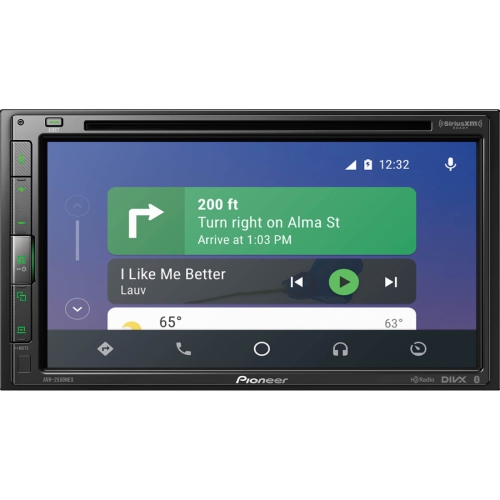 Your price for this item is $569.99
 -
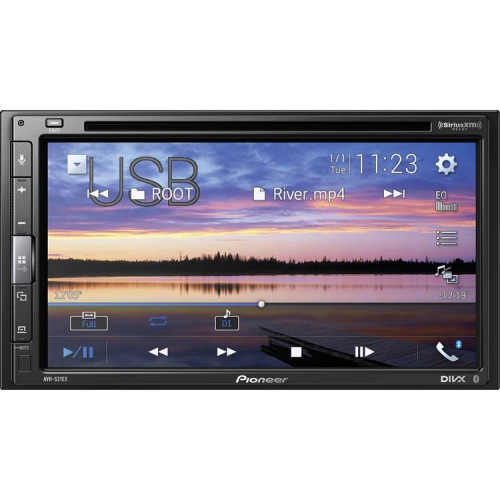 Your price for this item is $355
 -
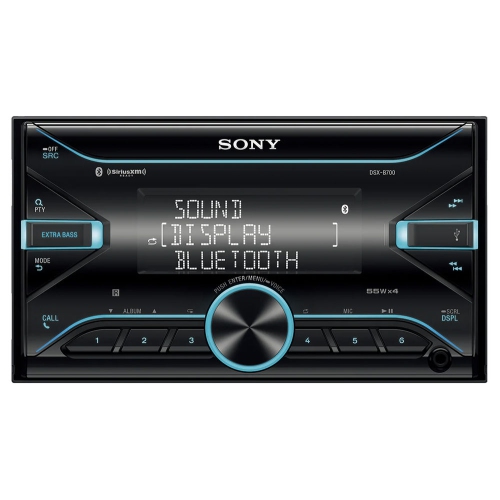 Your price for this item is $198
 -
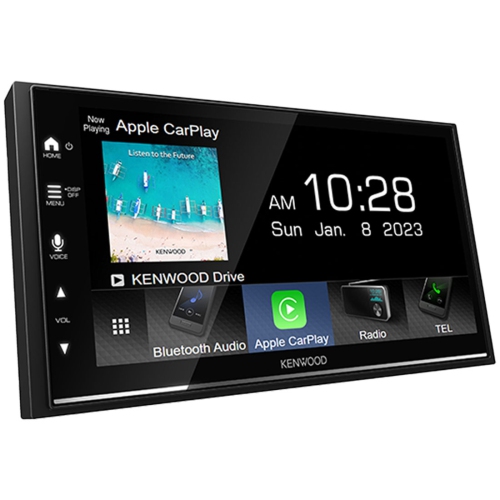 Your price for this item is $548
 -
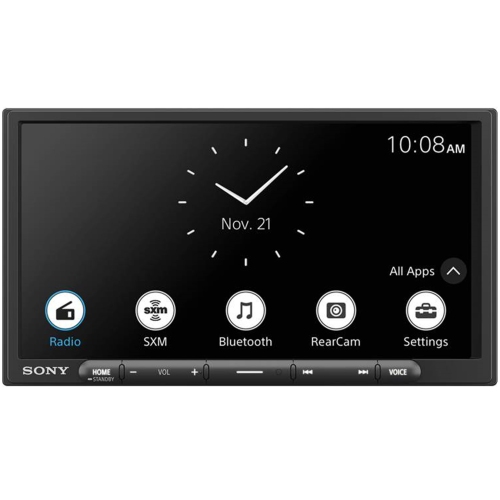 Your price for this item is $598
 -
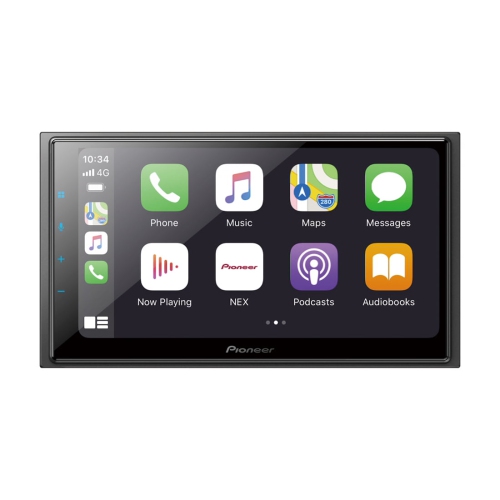 Your price for this item is $848.99
 -
 Your price for this item is $178.99
 -
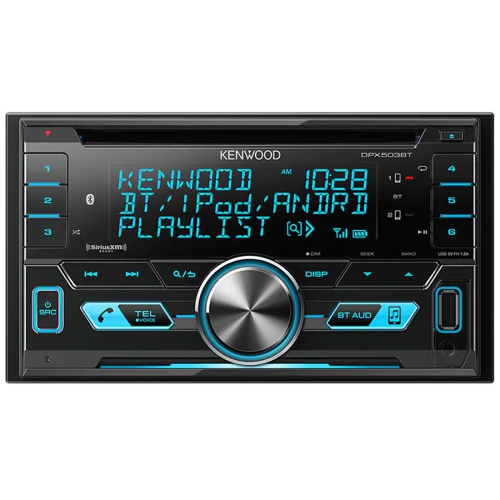 Your price for this item is $268
Discover more categories related to Digital Media Receivers
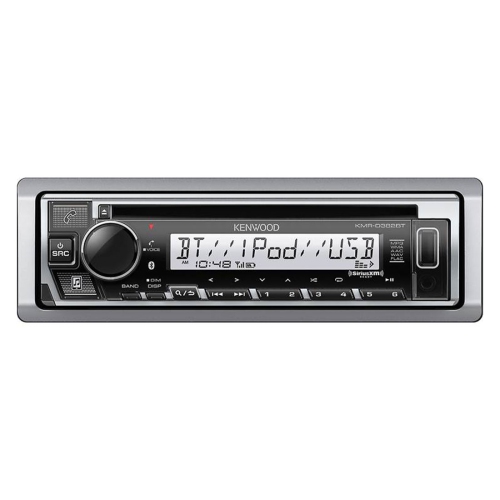
Top Collections:
Pokemon Centers, Kindle Devices, Best Budget Office Chairs, Apple iPhones 16, Best Laptops for Writers, iPhone 15 Apple, Canon G7X Cameras, Refurbished Apple Laptops, Alarm Clock, Motorola Razr Phones
Some products may be subject to Environmental Handling Fees
(EHF) depending on your province.
Learn more about EHFs.