GPS for Camping
Heading out into the great outdoors for a camping adventure? Don't forget to pack a reliable GPS to navigate through the wilderness with ease. Whether you're an experienced camper or just starting out, having a GPS for camping is an absolute game-changer. With advanced features and rugged designs, these handy devices will ensure that you never lose your way on the trails. From tracking your location to providing detailed maps and compasses, our collection of GPS devices is curated to meet the diverse needs of outdoor enthusiasts. So, get ready to explore the wilderness confidently and embark on unforgettable camping experiences with our top-notch selection of GPS for camping.
Sort
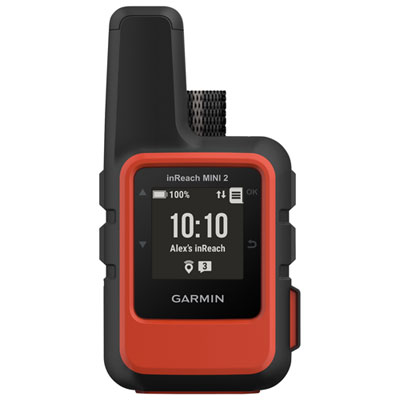
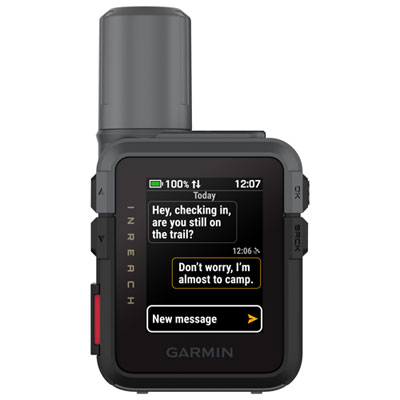
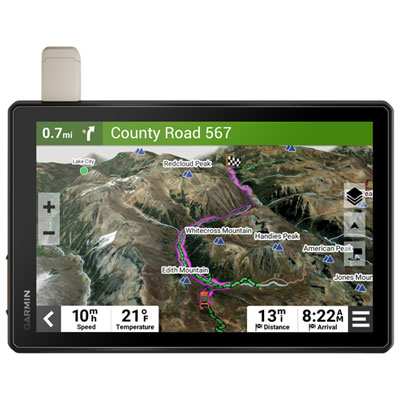
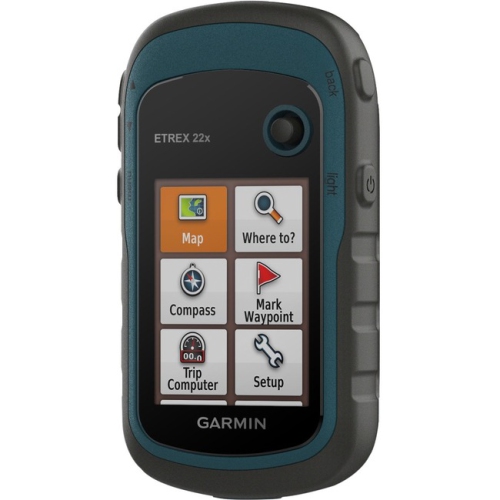
Navigation options for trails, campsites, roads and remote trips
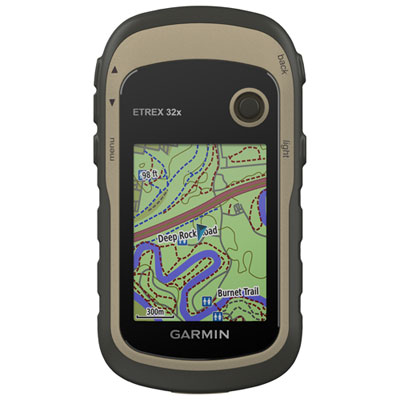
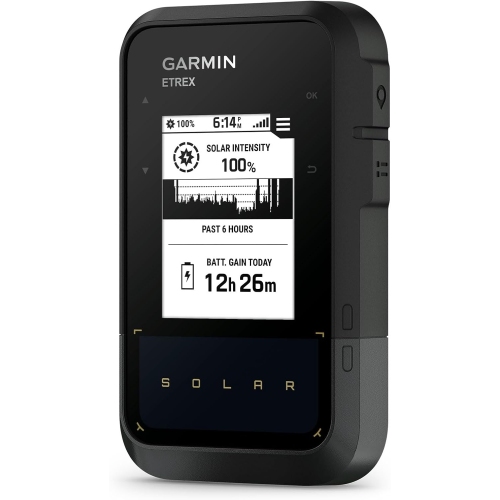
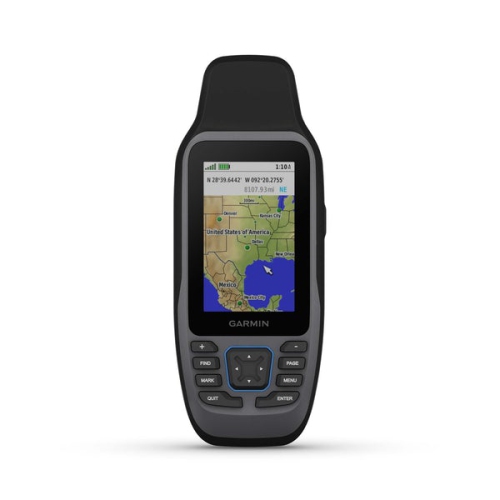
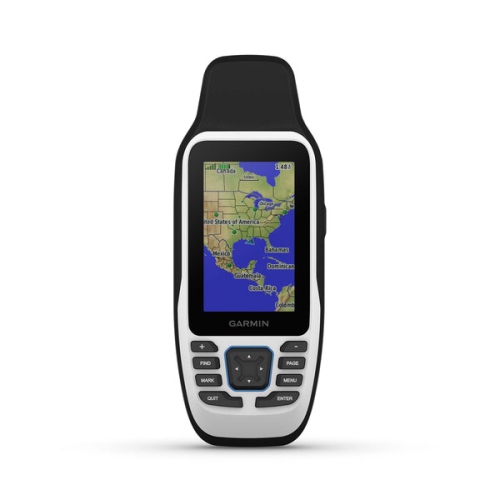
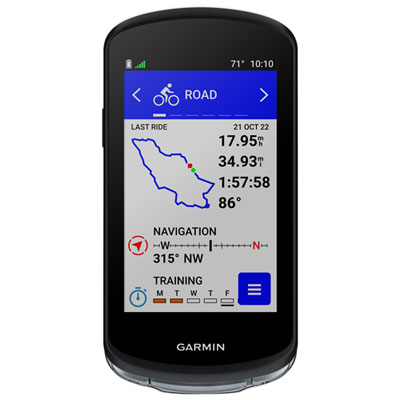
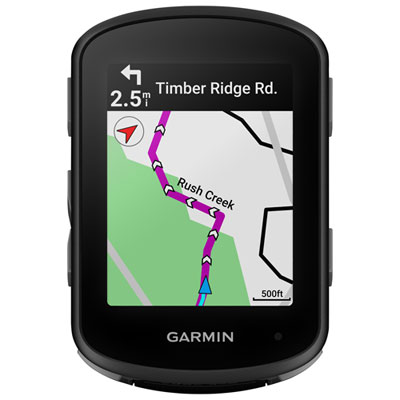
GPS for camping can help turn an unfamiliar outdoor area into a more manageable, enjoyable destination, whether you are travelling to a serviced campground, following a backcountry trail or setting out on a multi-day wilderness trip. The right device depends largely on how and where you plan to use it. A dedicated handheld GPS is a practical choice for hikers, campers, hunters, paddlers and anyone who spends time beyond reliable cellular coverage. These units are designed for outdoor use, with rugged housings, physical buttons that are easier to operate in rain or while wearing gloves, and screens that display routes, waypoints, elevation, distance and topographic details. Many support multiple satellite navigation systems, which can help improve positioning accuracy beneath dense tree cover, in narrow valleys or around rocky terrain. A handheld GPS may also offer downloadable maps, a digital compass, an altimeter and route recording, allowing you to retrace a trail or mark useful locations such as a campsite, water source, trail junction or parked vehicle. For long excursions, battery performance is especially important. Look for a model that can run for many hours between charges, supports a power bank or accepts replaceable batteries, and gives you a clear indication of remaining power. A low-battery warning is more useful when it appears well before the device shuts down, particularly when the nearest road or reception area is several kilometres away.
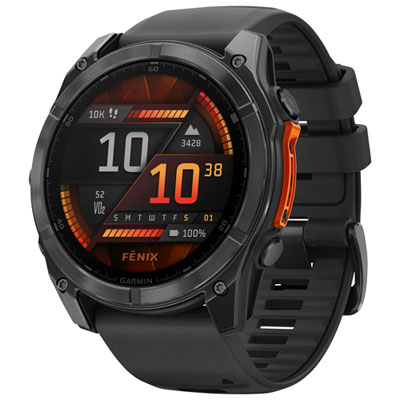
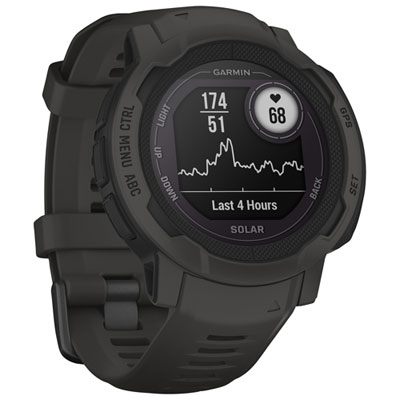
For casual camping and short day hikes, a smartphone with an offline navigation app may provide a convenient way to view maps and follow a planned route. Downloading maps before leaving home is essential, since a phone may not load detailed information once you are outside cellular range. It is also wise to keep the phone protected from rain, dust and drops, and to conserve battery by reducing screen brightness, limiting background apps and carrying a fully charged power bank. A phone can be a capable option for front-country campsites, established trails and brief outings, but it may be less dependable for remote travel because its battery is also needed for calls, photos, weather updates and emergency communication. A GPS watch offers another lightweight option for campers who prefer to keep navigation on their wrist. These watches can record routes, provide turn prompts, display distance and elevation, and track activities such as hiking, cycling or paddling without requiring you to hold a separate device. The smaller display suits quick glances while walking, while the low-profile design can be comfortable during a climb or around camp. Explore GPS Watches for Hiking for options that combine outdoor navigation with activity tracking. When comparing a watch, consider screen visibility in bright daylight, glove-friendly controls, mapping features, water resistance, charging time and how long the battery lasts with GPS enabled. A watch can make a thoughtful gift for a frequent hiker, active camper or traveller who enjoys tracking routes and outdoor activities, especially when its features are easy to use without adding much weight to a pack.
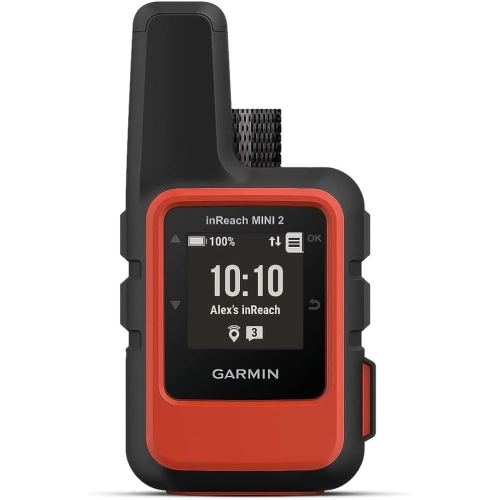
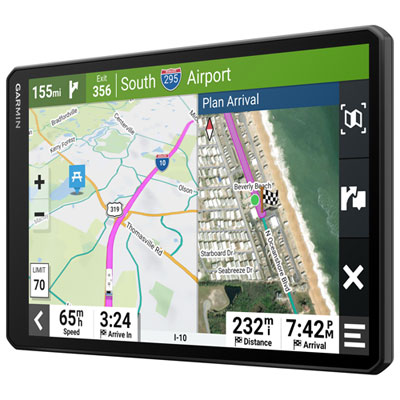
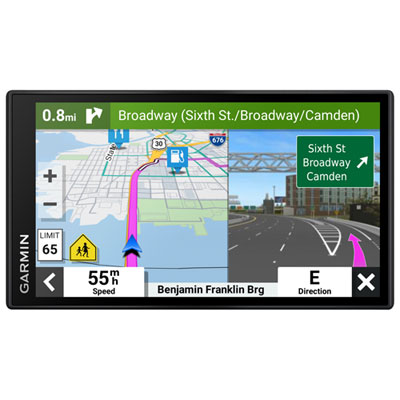
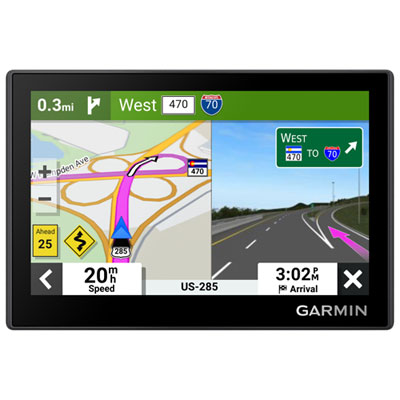
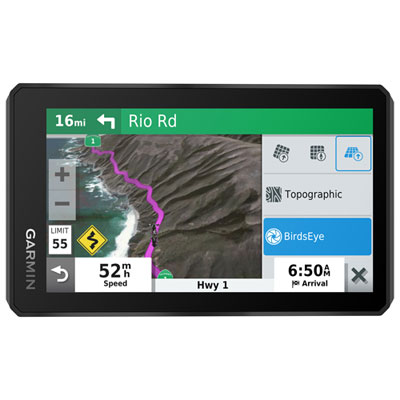
Camping trips also vary widely in how much vehicle navigation they require. If you are driving a car to a familiar campground, standard turn-by-turn directions may be enough, but larger vehicles and trailers call for more careful planning. A motorhome or tow vehicle may need custom routing based on height, width, length and weight to help avoid low bridges, narrow roads, steep grades, tight turns or restricted routes. A larger screen can be easier to read from the driver’s seat, while clear lane guidance and spoken directions can reduce distractions on unfamiliar roads. Some navigation systems also display campground locations, fuel stops, rest areas, repair services and points of interest along the route. For campers who split their time between road travel and hiking, it may be useful to pair a vehicle navigator with a compact handheld unit or GPS watch rather than expecting one device to do everything equally well. Other purchase considerations include map coverage for the regions you visit, the availability and cost of map updates, route planning tools, weather resistance, mounting options and the ease of transferring routes from a computer or mobile app. Satellite communication and emergency features can provide added reassurance in remote areas, but they may require a subscription and should be understood before leaving. Navigation equipment is most useful when you are familiar with its basic functions before the trip: practise zooming the map, saving a waypoint, checking your route and interpreting the position arrow at home. As the weather warms, GPS for camping can support weekend hikes and family outings, while during the cooler months it can help with changing daylight, unfamiliar access roads and carefully planned trips. Choose the format that matches your camping style, the distance from services and the conditions you expect to encounter, so the device becomes a dependable part of your outdoor kit rather than another piece of equipment to figure out at the trailhead.
For casual camping and short day hikes, a smartphone with an offline navigation app may provide a convenient way to view maps and follow a planned route. Downloading maps before leaving home is essential, since a phone may not load detailed information once you are outside cellular range. It is also wise to keep the phone protected from rain, dust and drops, and to conserve battery by reducing screen brightness, limiting background apps and carrying a fully charged power bank. A phone can be a capable option for front-country campsites, established trails and brief outings, but it may be less dependable for remote travel because its battery is also needed for calls, photos, weather updates and emergency communication. A GPS watch offers another lightweight option for campers who prefer to keep navigation on their wrist. These watches can record routes, provide turn prompts, display distance and elevation, and track activities such as hiking, cycling or paddling without requiring you to hold a separate device. The smaller display suits quick glances while walking, while the low-profile design can be comfortable during a climb or around camp. Explore GPS Watches for Hiking for options that combine outdoor navigation with activity tracking. When comparing a watch, consider screen visibility in bright daylight, glove-friendly controls, mapping features, water resistance, charging time and how long the battery lasts with GPS enabled. A watch can make a thoughtful gift for a frequent hiker, active camper or traveller who enjoys tracking routes and outdoor activities, especially when its features are easy to use without adding much weight to a pack.
Camping trips also vary widely in how much vehicle navigation they require. If you are driving a car to a familiar campground, standard turn-by-turn directions may be enough, but larger vehicles and trailers call for more careful planning. A motorhome or tow vehicle may need custom routing based on height, width, length and weight to help avoid low bridges, narrow roads, steep grades, tight turns or restricted routes. A larger screen can be easier to read from the driver’s seat, while clear lane guidance and spoken directions can reduce distractions on unfamiliar roads. Some navigation systems also display campground locations, fuel stops, rest areas, repair services and points of interest along the route. For campers who split their time between road travel and hiking, it may be useful to pair a vehicle navigator with a compact handheld unit or GPS watch rather than expecting one device to do everything equally well. Other purchase considerations include map coverage for the regions you visit, the availability and cost of map updates, route planning tools, weather resistance, mounting options and the ease of transferring routes from a computer or mobile app. Satellite communication and emergency features can provide added reassurance in remote areas, but they may require a subscription and should be understood before leaving. Navigation equipment is most useful when you are familiar with its basic functions before the trip: practise zooming the map, saving a waypoint, checking your route and interpreting the position arrow at home. As the weather warms, GPS for camping can support weekend hikes and family outings, while during the cooler months it can help with changing daylight, unfamiliar access roads and carefully planned trips. Choose the format that matches your camping style, the distance from services and the conditions you expect to encounter, so the device becomes a dependable part of your outdoor kit rather than another piece of equipment to figure out at the trailhead.
Top selling and popular products
Discover more categories related to GPS for Camping
Top Collections:
Pokemon Centers, Kindle Devices, Best Budget Office Chairs, Apple iPhones 16, Best Laptops for Writers, iPhone 15 Apple, Canon G7X Cameras, Refurbished Apple Laptops, Alarm Clock, Motorola Razr Phones
Some products may be subject to Environmental Handling Fees
(EHF) depending on your province.
Learn more about EHFs.