Pioneer Tweeters
Upgrade your car audio system with high-quality tweeters that deliver crisp and clear sound for an immersive listening experience on the road. Explore a range of tweeters designed to enhance the high-frequency response of your music, providing detailed and dynamic audio reproduction. Whether you're a music enthusiast or a casual listener, these tweeters are sure to elevate your in-car entertainment to new heights.
Sort
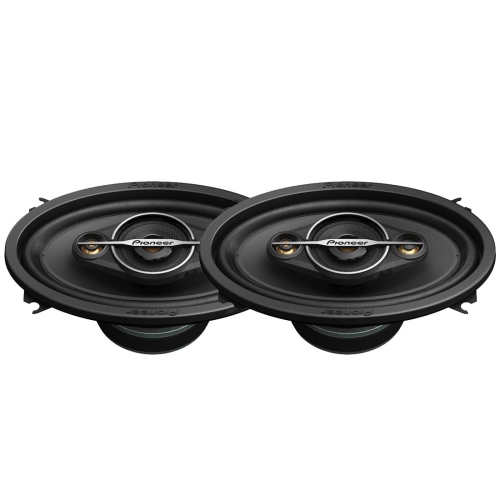
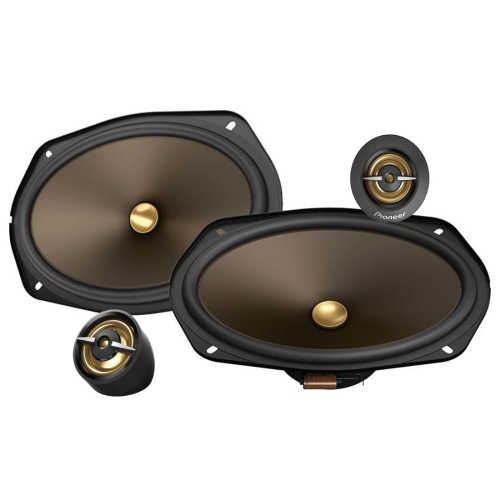
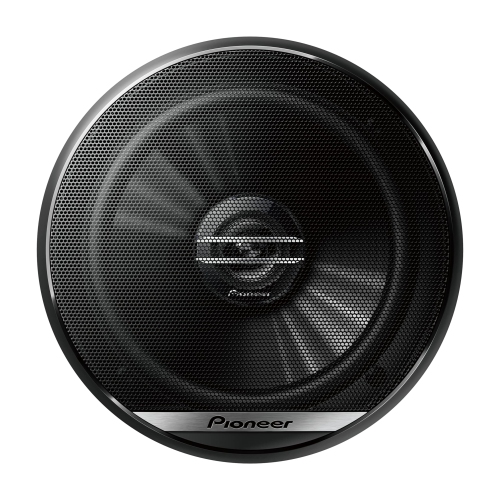
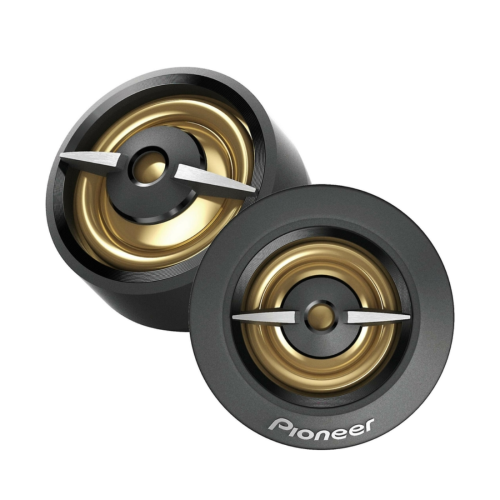


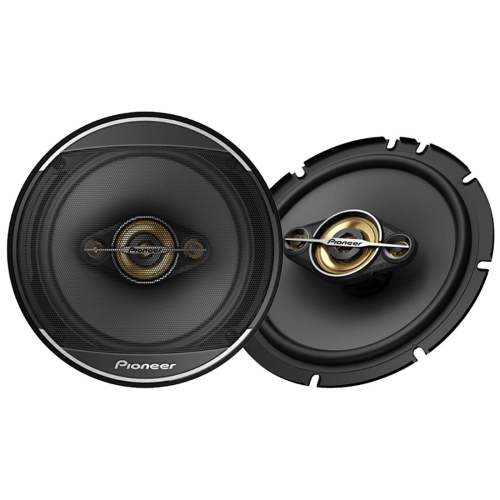
How tweeter design and placement shape in-car sound
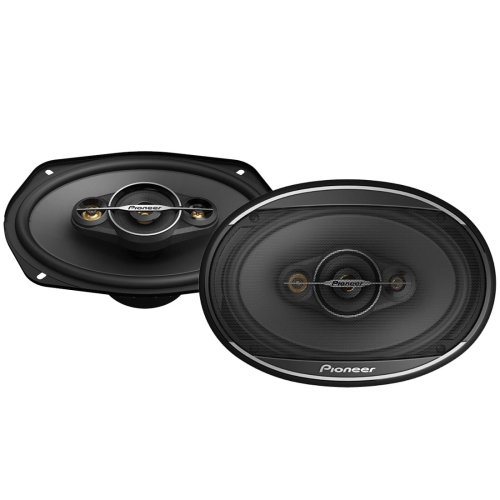
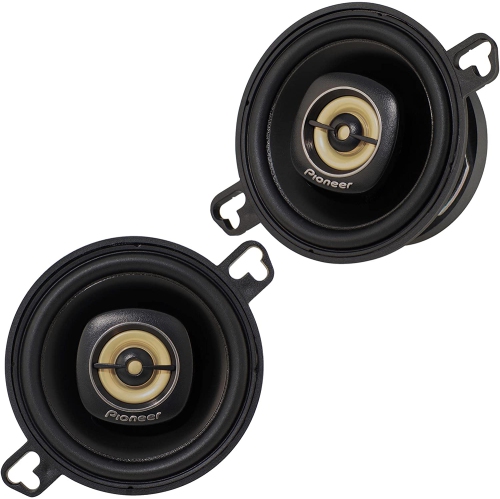
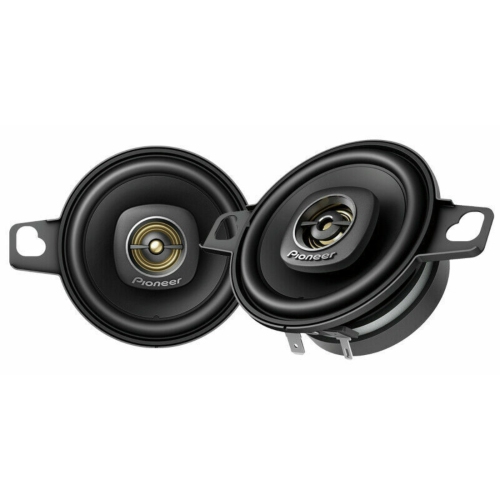
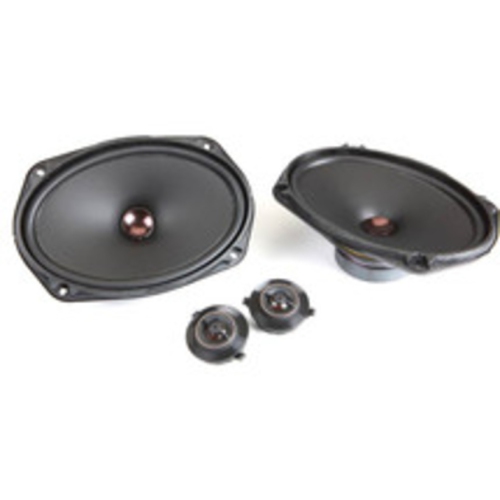
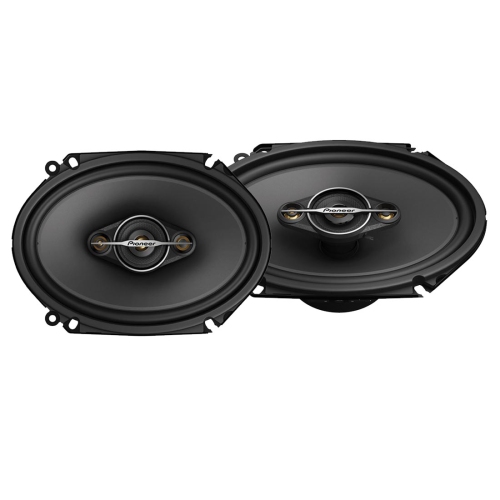
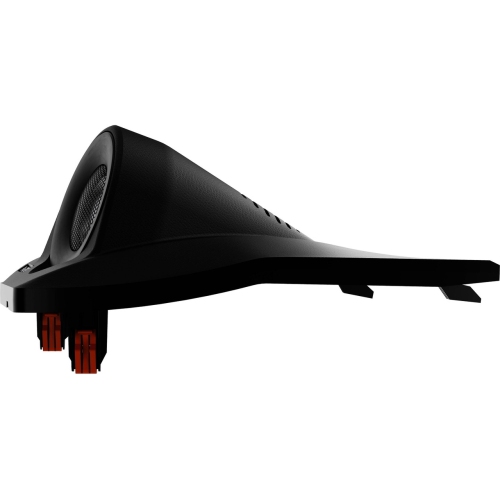
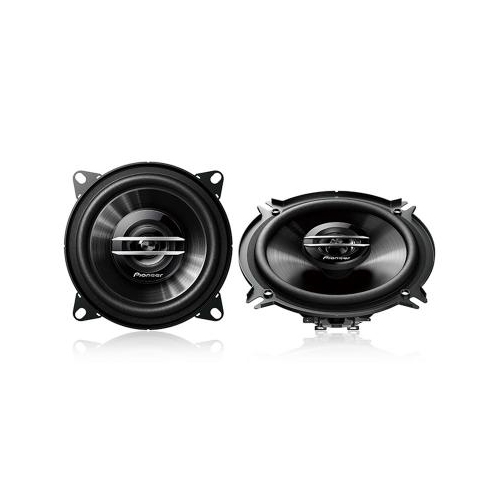
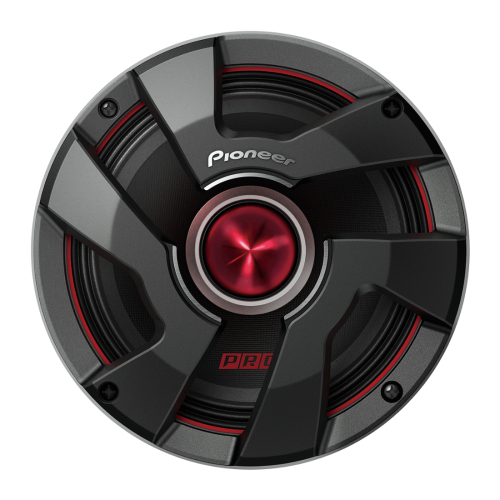
Pioneer tweeters are high-frequency car audio speakers designed to add clarity, detail, and presence to the upper range of your vehicle’s sound system. While a factory door speaker may reproduce vocals, cymbals, acoustic guitar, and other treble sounds, a dedicated tweeter focuses on the frequencies that help music feel open and precise. The difference can be especially noticeable when listening to spoken-word recordings, live concerts, classical music, rock, or tracks with layered vocals. Instead of having the entire soundstage seem to come from the lower part of the doors, properly positioned tweeters can lift the sound closer to ear level, helping voices and instruments sound more distinct. They are commonly installed near the upper door panel, sail panel, dashboard, or another location where high frequencies can travel toward the occupants. This type of upgrade can suit drivers who want more definition from an existing stereo without replacing every speaker in the vehicle. It may also appeal to someone assembling a more powerful car audio system with an aftermarket receiver or amplifier. When selecting tweeters, consider the size and shape of the original speaker locations, the available mounting depth, the vehicle’s wiring, and whether the installation will use factory openings or a surface-mounted housing. Flush-mount designs sit more neatly within a panel, while surface-mount options can be easier to position when the vehicle does not have a suitable factory location. Some kits include mounting rings, housings, adapter plates, or other hardware that can simplify installation across different vehicles. Checking the vehicle’s make, model, and year before ordering can help confirm fit and reduce the need for modifications.
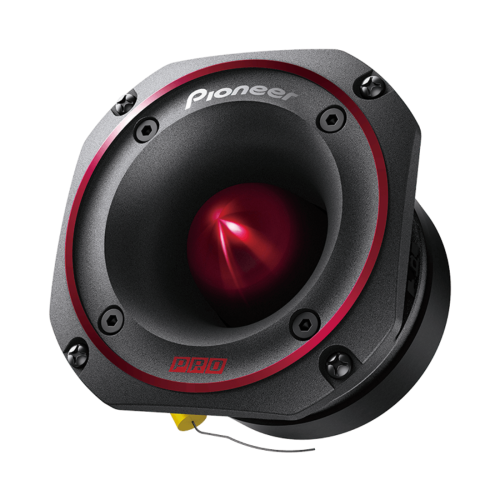
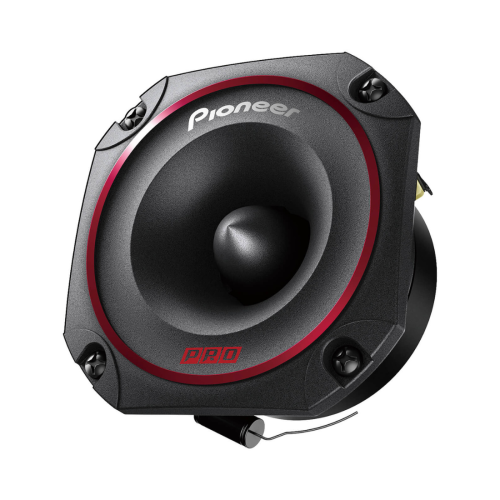
The main tweeter styles differ in how they shape the character of high-frequency sound. Soft-dome tweeters typically use a flexible fabric or polyester-based diaphragm and are often chosen for a smooth, relaxed presentation that makes long listening sessions comfortable. Hard-dome tweeters, including designs made with polyetherimide or similar materials, can provide a crisp, energetic response with strong detail. Bullet-style tweeters are associated with high-output systems and are often selected for builds where volume and projection are priorities. A tweeter’s power rating should be read carefully: RMS handling indicates the sustained power the speaker is designed to manage, while peak or maximum figures describe short bursts under specific conditions and should not be treated as everyday operating power. Common ratings can range from about 40 watts RMS for compact soft-dome designs to 150 watts RMS for higher-output bullet styles, although the correct match depends on the complete system. Sensitivity, impedance, frequency response, and crossover requirements are also important. An amplifier that is too powerful for the tweeter may cause damage if gains are set improperly, while an underpowered system can sound strained when pushed hard. High-pass filters are essential because they block low bass frequencies that small tweeter diaphragms are not designed to reproduce. Some tweeter sets use built-in filters, while others include inline capacitors or external crossover components. These filters help divide the audio signal between the tweeters and the larger speakers, creating a more balanced transition between bass, midrange, and treble. For a broader system upgrade, tweeters can be paired with matching midrange drivers through a component speaker setup; shoppers comparing that approach can also explore Pioneer Component Speakers.
Installation and sound tuning have a noticeable effect on the result. Tweeters are small, but their placement can change how bright, focused, or spacious the system feels. Aiming them toward the occupants may improve vocal detail and stereo imaging, while aiming them slightly across the cabin can soften a sharp or forward presentation. It is also important to observe polarity and follow the wiring instructions, since reversing one tweeter can weaken the centre image and make music sound less unified. Professional installation may be worthwhile for vehicles with complex door panels, factory amplifiers, integrated dashboards, or limited access behind the trim. For a straightforward upgrade, a do-it-yourself installer may only need basic hand tools, wiring connectors, mounting hardware, and patience when removing panels without damaging clips. Listening at moderate volume during the first test makes it easier to identify rattles, harshness, weak output, or an imbalance between the left and right sides. Tweeters can make a thoughtful gift for a driver who enjoys music on the road, spends long hours commuting, or has mentioned that a factory stereo sounds dull or muffled. They can also suit someone preparing a vehicle for road trips during the cooler months, when a clearer, more engaging cabin system can make long drives feel more enjoyable. Before choosing a set, compare the tweeter’s dimensions, mounting method, power handling, impedance, crossover arrangement, and compatibility with the vehicle’s existing speakers and amplifier. A well-matched installation should add sparkle and definition without overpowering vocals or making cymbals and high notes sound harsh.
The main tweeter styles differ in how they shape the character of high-frequency sound. Soft-dome tweeters typically use a flexible fabric or polyester-based diaphragm and are often chosen for a smooth, relaxed presentation that makes long listening sessions comfortable. Hard-dome tweeters, including designs made with polyetherimide or similar materials, can provide a crisp, energetic response with strong detail. Bullet-style tweeters are associated with high-output systems and are often selected for builds where volume and projection are priorities. A tweeter’s power rating should be read carefully: RMS handling indicates the sustained power the speaker is designed to manage, while peak or maximum figures describe short bursts under specific conditions and should not be treated as everyday operating power. Common ratings can range from about 40 watts RMS for compact soft-dome designs to 150 watts RMS for higher-output bullet styles, although the correct match depends on the complete system. Sensitivity, impedance, frequency response, and crossover requirements are also important. An amplifier that is too powerful for the tweeter may cause damage if gains are set improperly, while an underpowered system can sound strained when pushed hard. High-pass filters are essential because they block low bass frequencies that small tweeter diaphragms are not designed to reproduce. Some tweeter sets use built-in filters, while others include inline capacitors or external crossover components. These filters help divide the audio signal between the tweeters and the larger speakers, creating a more balanced transition between bass, midrange, and treble. For a broader system upgrade, tweeters can be paired with matching midrange drivers through a component speaker setup; shoppers comparing that approach can also explore Pioneer Component Speakers.
Installation and sound tuning have a noticeable effect on the result. Tweeters are small, but their placement can change how bright, focused, or spacious the system feels. Aiming them toward the occupants may improve vocal detail and stereo imaging, while aiming them slightly across the cabin can soften a sharp or forward presentation. It is also important to observe polarity and follow the wiring instructions, since reversing one tweeter can weaken the centre image and make music sound less unified. Professional installation may be worthwhile for vehicles with complex door panels, factory amplifiers, integrated dashboards, or limited access behind the trim. For a straightforward upgrade, a do-it-yourself installer may only need basic hand tools, wiring connectors, mounting hardware, and patience when removing panels without damaging clips. Listening at moderate volume during the first test makes it easier to identify rattles, harshness, weak output, or an imbalance between the left and right sides. Tweeters can make a thoughtful gift for a driver who enjoys music on the road, spends long hours commuting, or has mentioned that a factory stereo sounds dull or muffled. They can also suit someone preparing a vehicle for road trips during the cooler months, when a clearer, more engaging cabin system can make long drives feel more enjoyable. Before choosing a set, compare the tweeter’s dimensions, mounting method, power handling, impedance, crossover arrangement, and compatibility with the vehicle’s existing speakers and amplifier. A well-matched installation should add sparkle and definition without overpowering vocals or making cymbals and high notes sound harsh.
Top selling and popular products
-
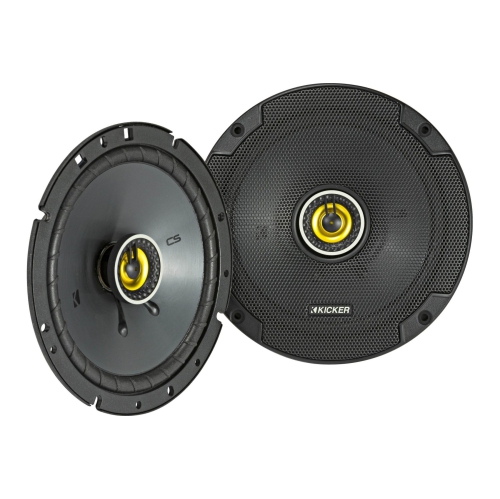 Your price for this item is $139.95
 -
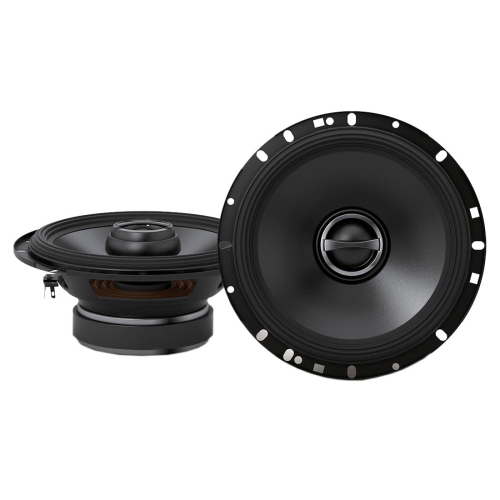 Your price for this item is $178
 -
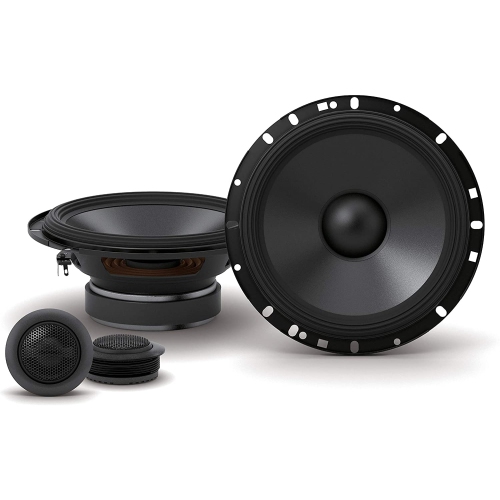 Your price for this item is $189
 -
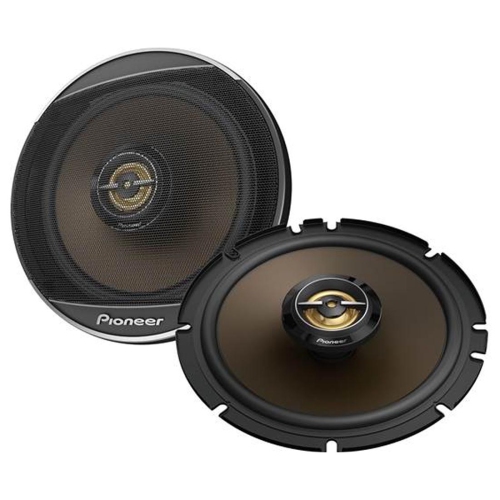 Your price for this item is $138.99
 -
 Your price for this item is $189.95
 -
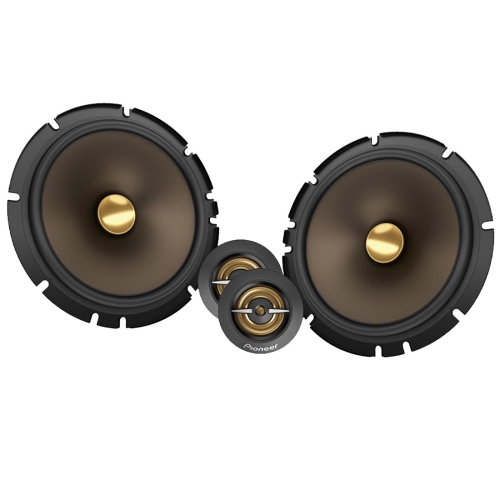 Your price for this item is $228.99
 -
 Your price for this item is $228
 -
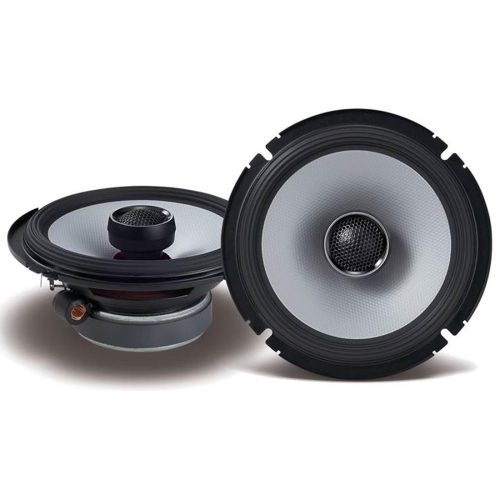 Your price for this item is $198
Discover more categories related to Pioneer Tweeters

Top Collections:
Pokemon Centers, Kindle Devices, Best Budget Office Chairs, Apple iPhones 16, Best Laptops for Writers, iPhone 15 Apple, Canon G7X Cameras, Refurbished Apple Laptops, Alarm Clock, Motorola Razr Phones
Some products may be subject to Environmental Handling Fees
(EHF) depending on your province.
Learn more about EHFs.