Car Tweeters
Looking to enhance your car audio system? Look no further than our selection of car tweeters. These high-frequency speakers are designed to reproduce crisp and clear sound, adding depth and detail to your music. Whether you're a music enthusiast or simply want to enjoy a better listening experience while on the road, our car tweeters deliver exceptional sound quality and improved audio performance. Upgrade your car's sound system today with our range of car tweeters and take your driving experience to a whole new level.
Sort
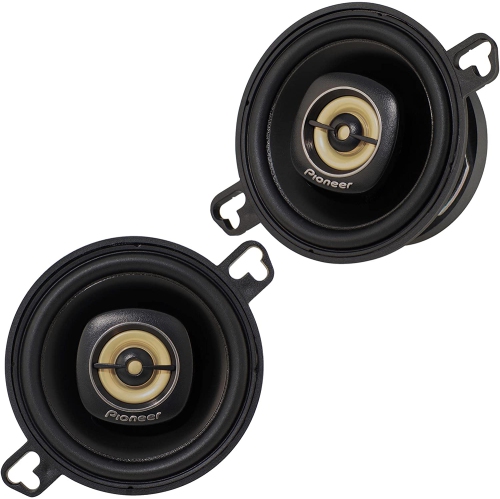
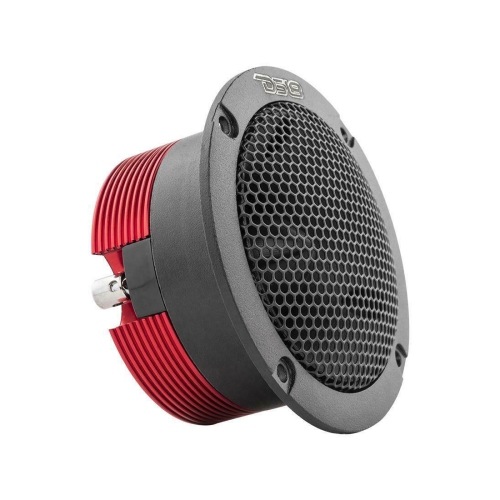
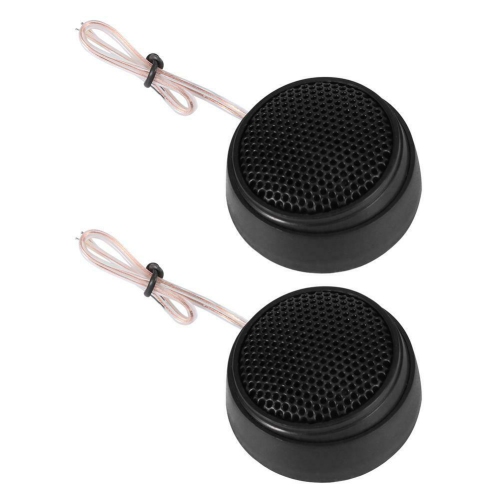
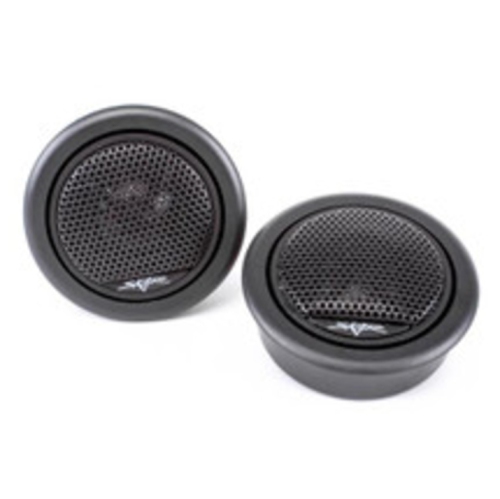
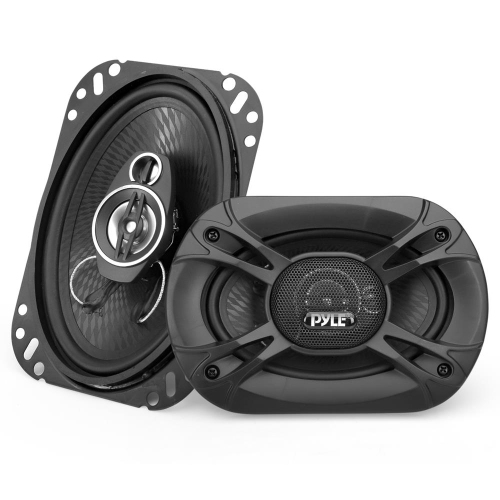
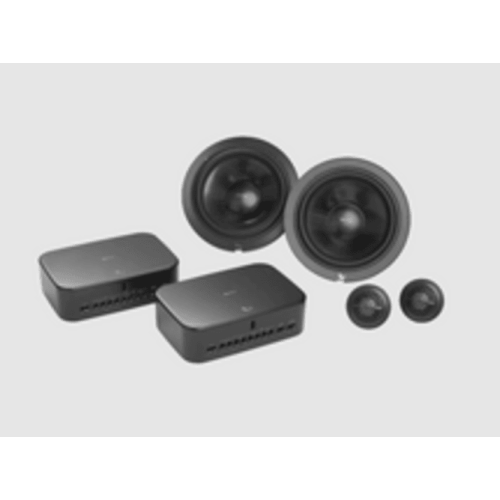
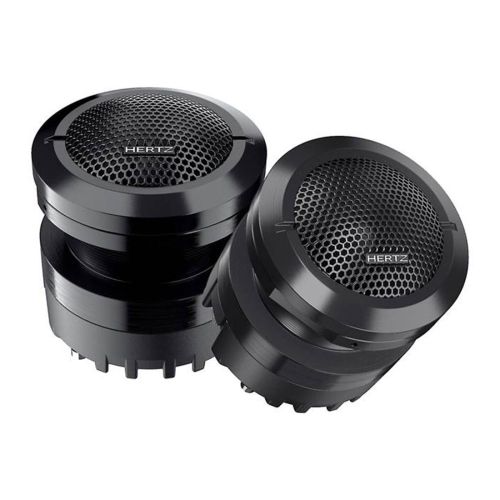
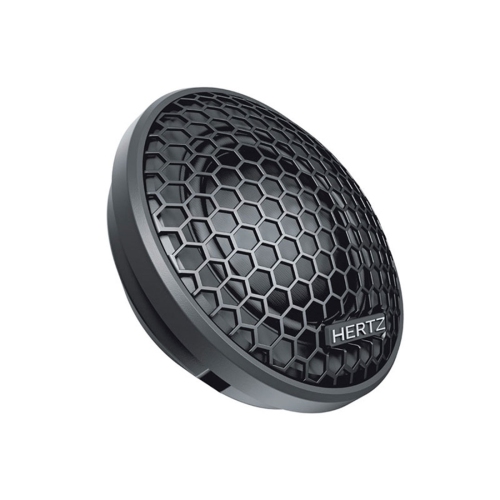
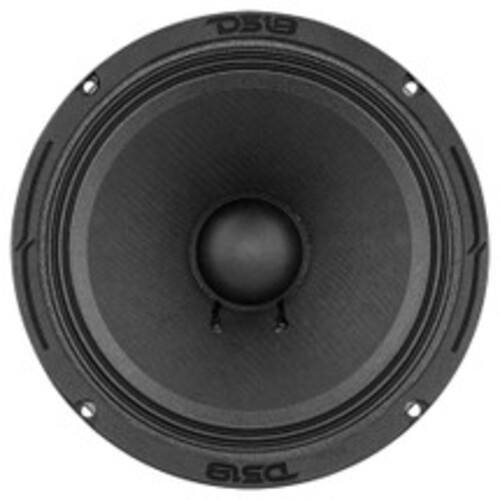
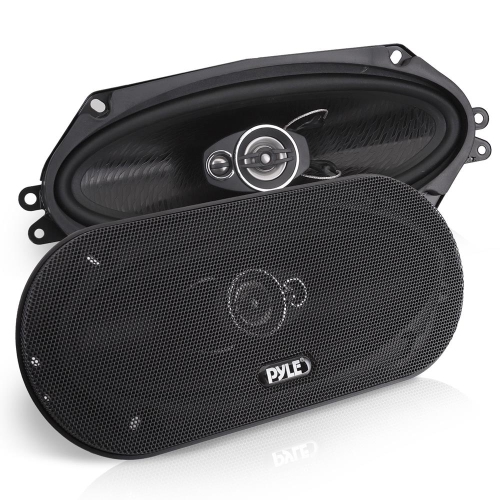
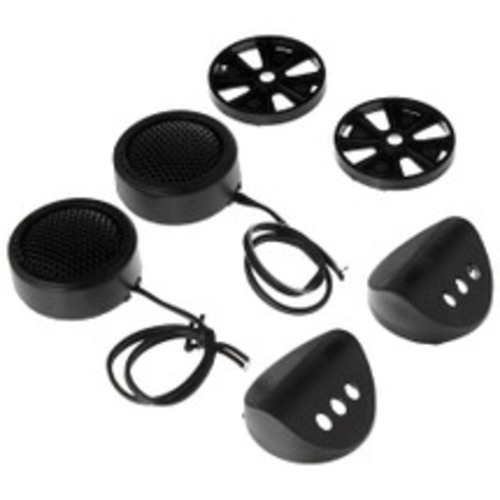
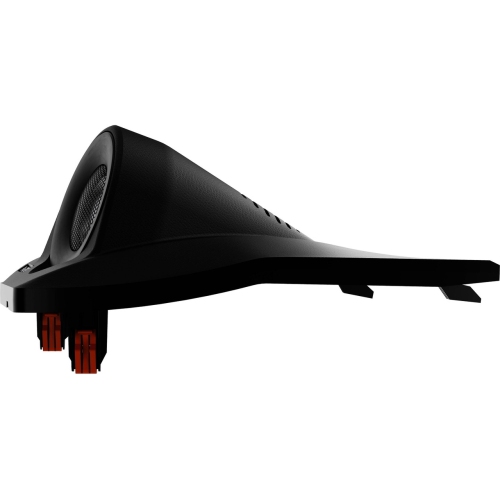
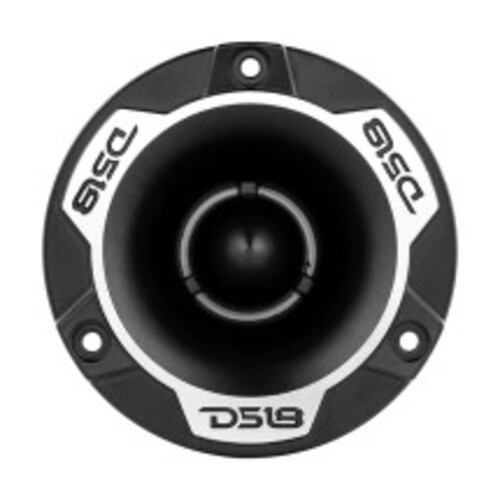
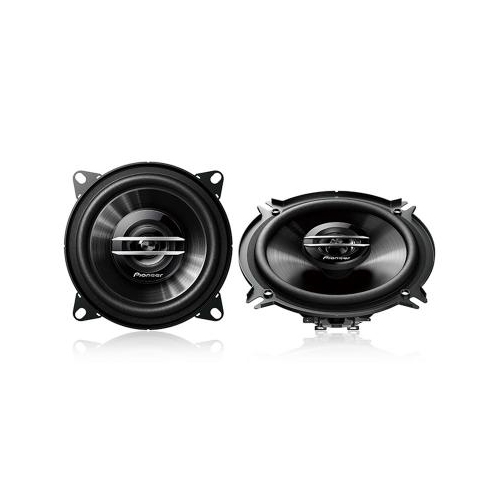
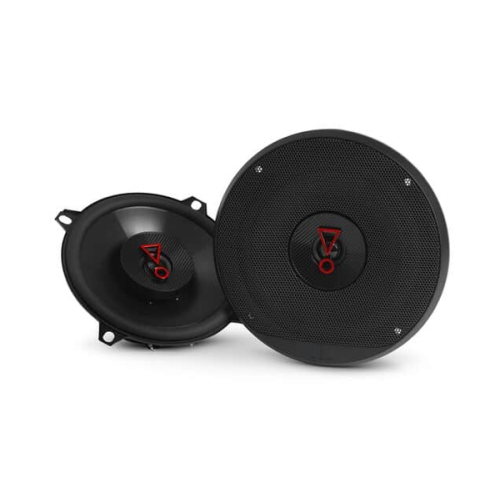
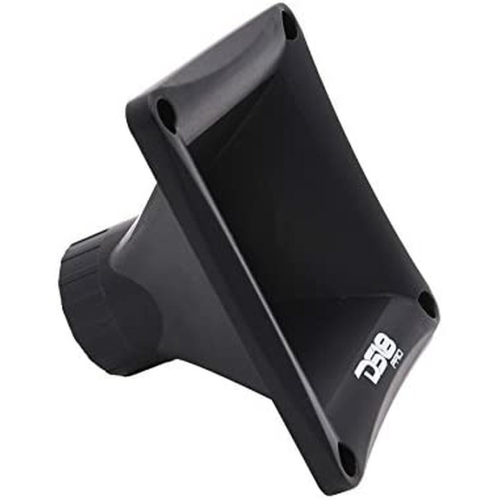
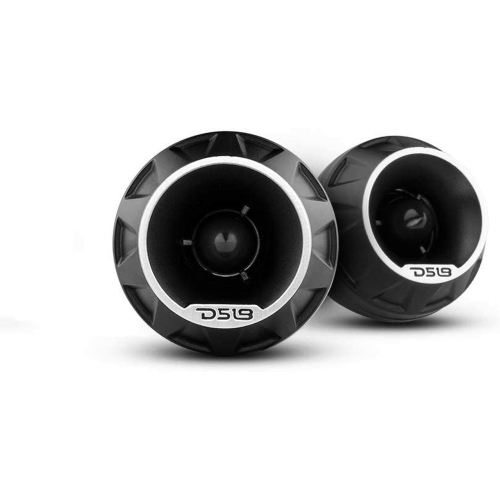
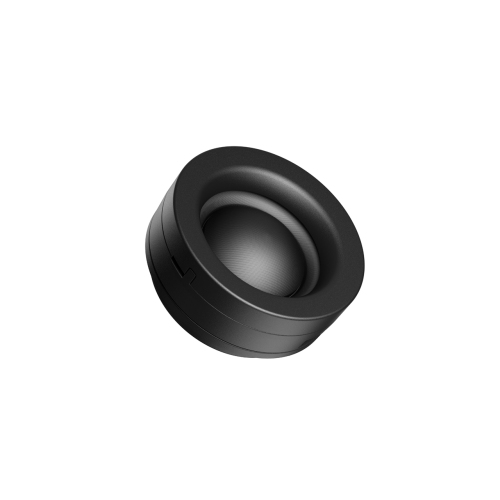
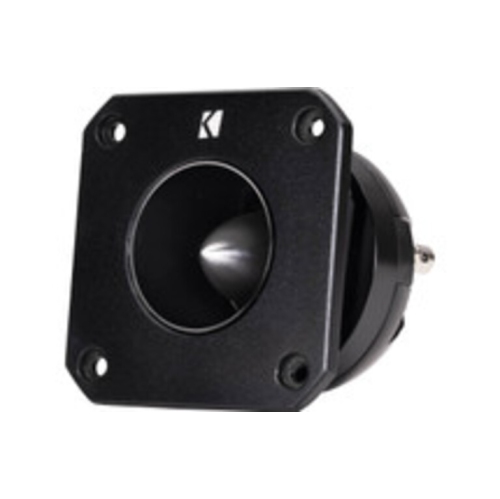
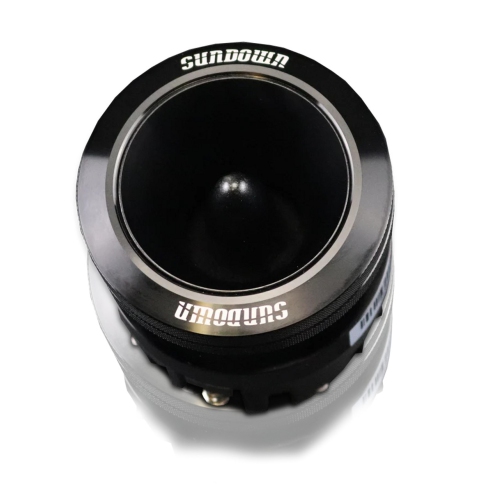
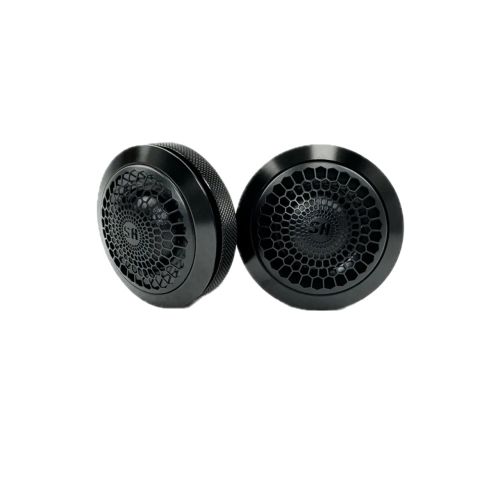
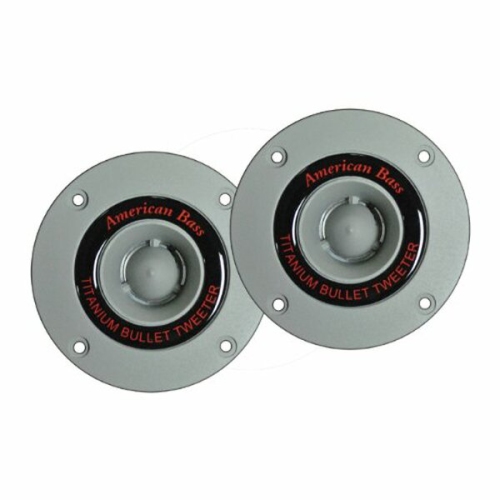
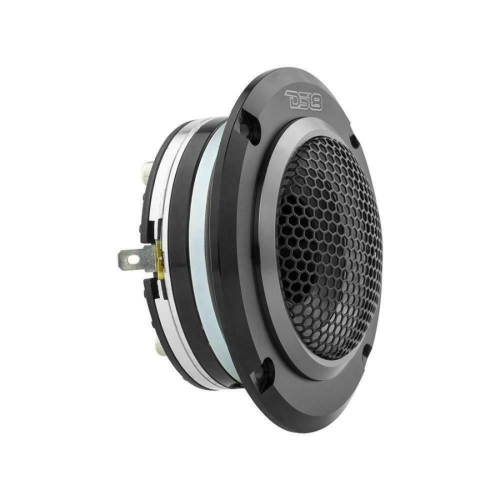
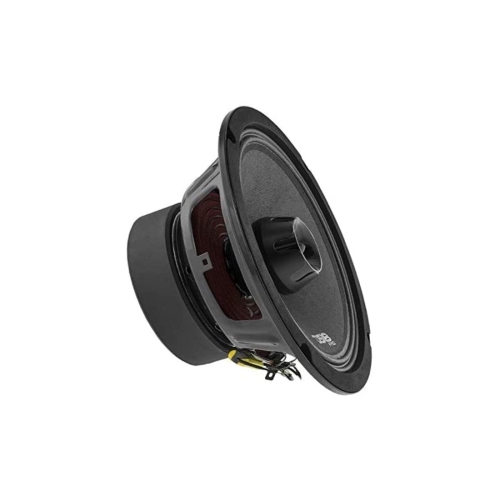
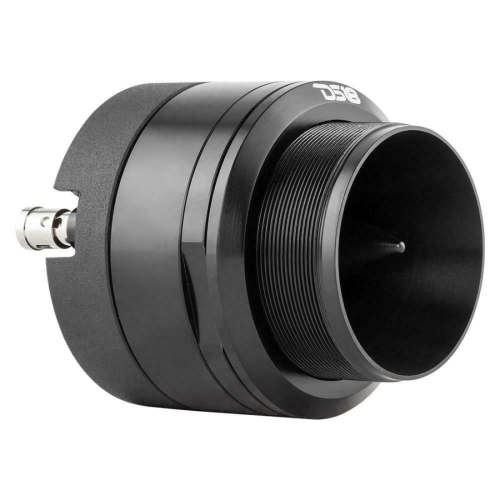
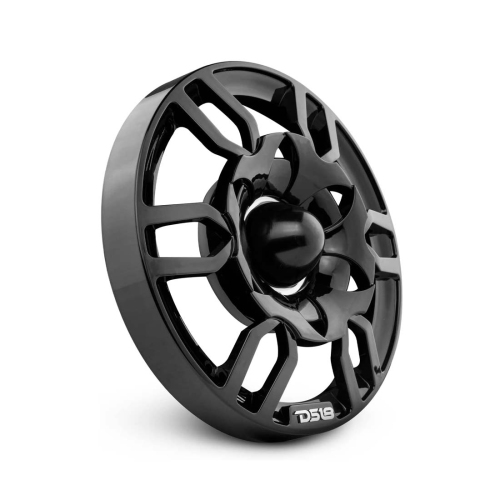



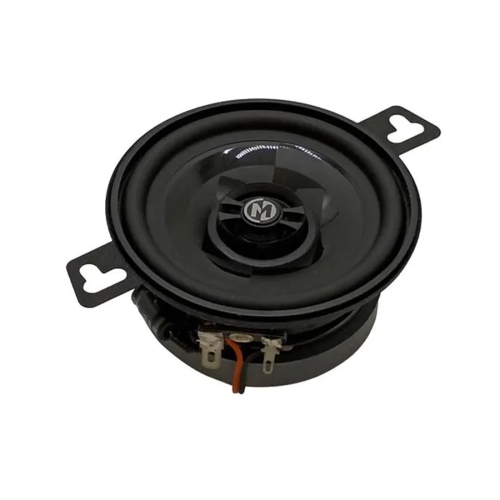
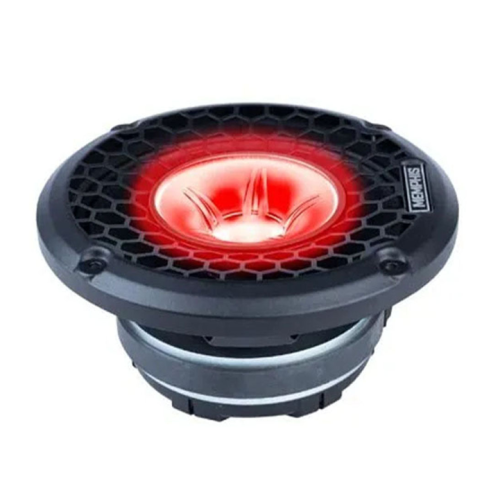
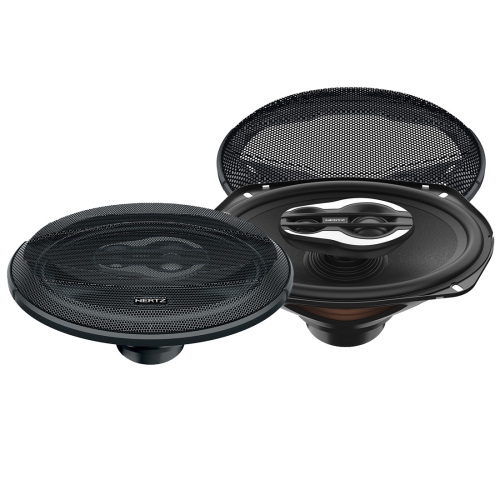
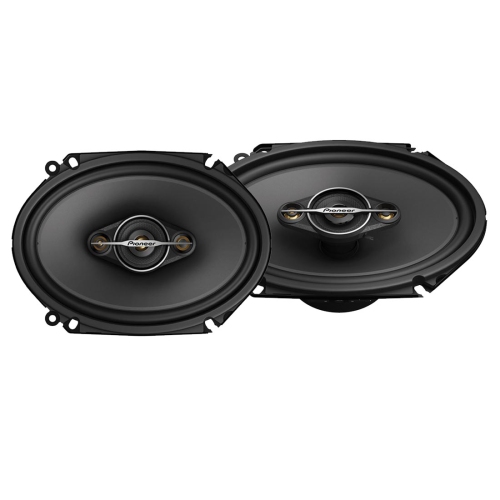
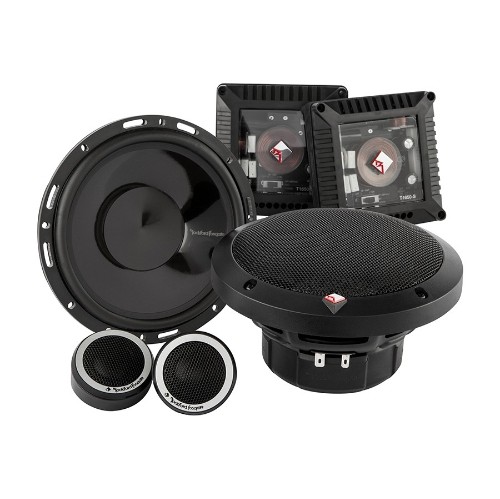
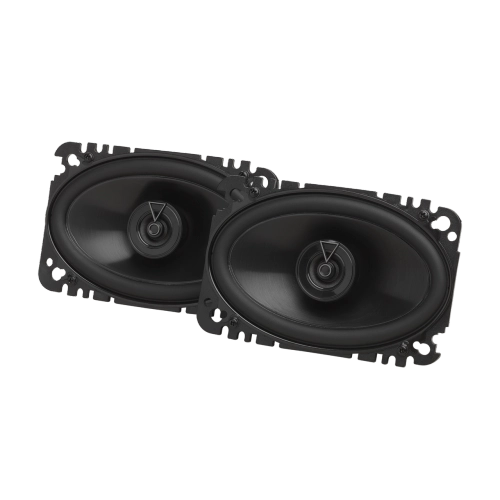
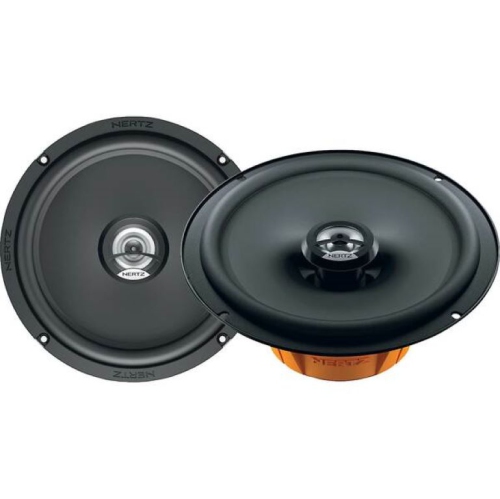
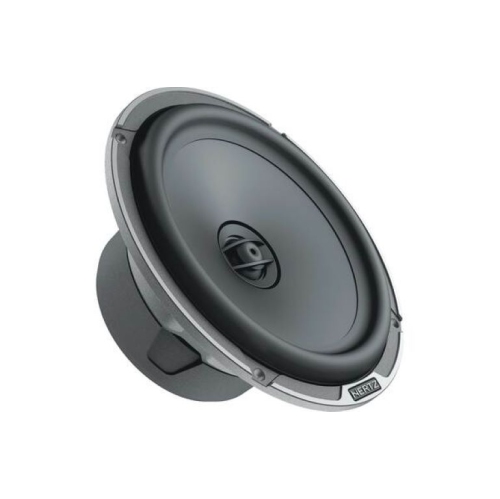
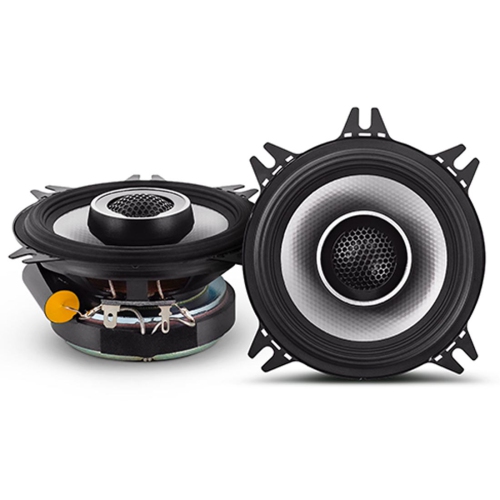
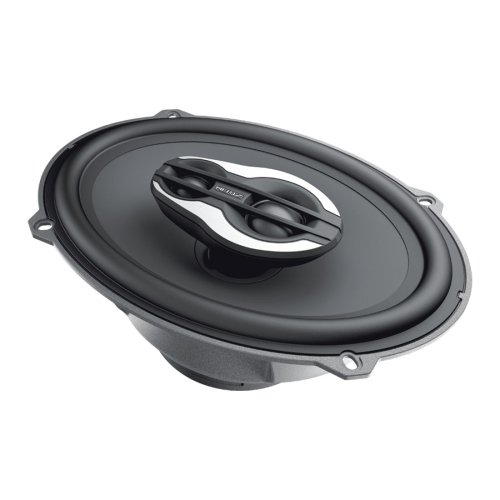
Clearer treble starts with the right fit and balance
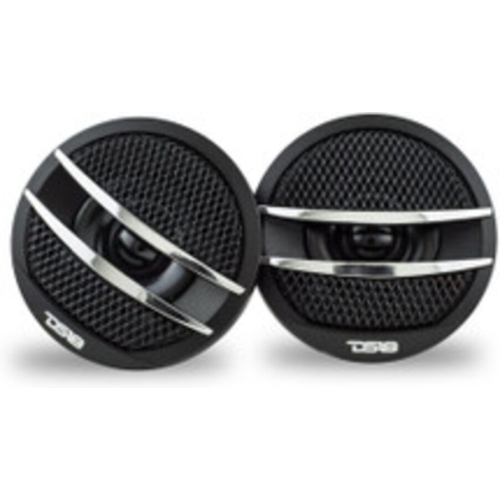
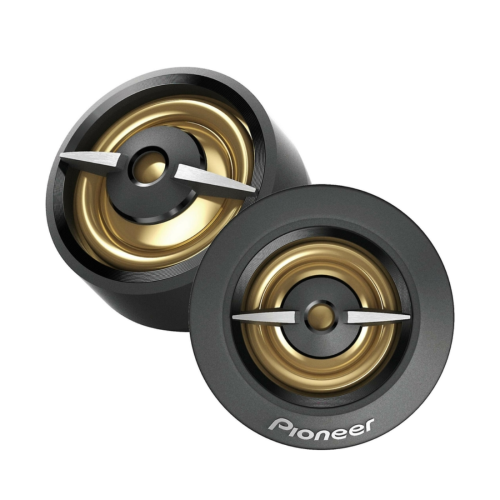
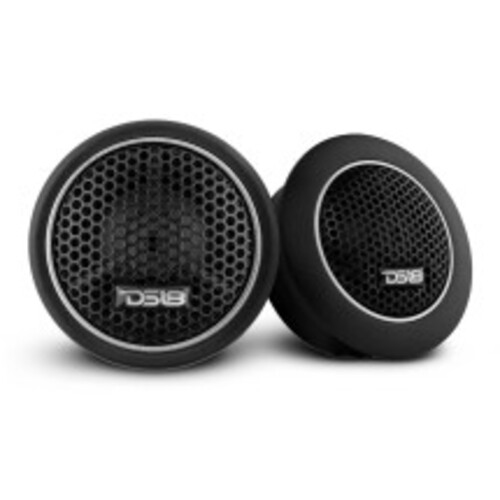
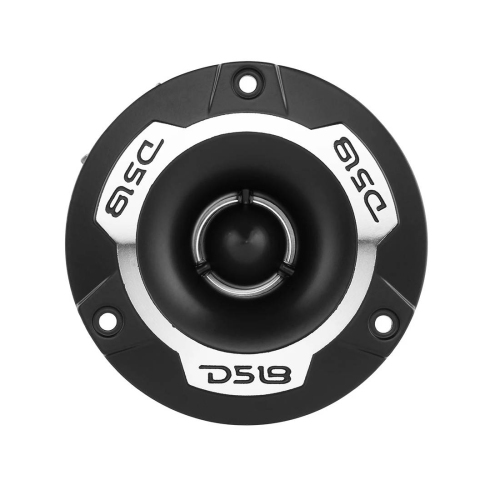
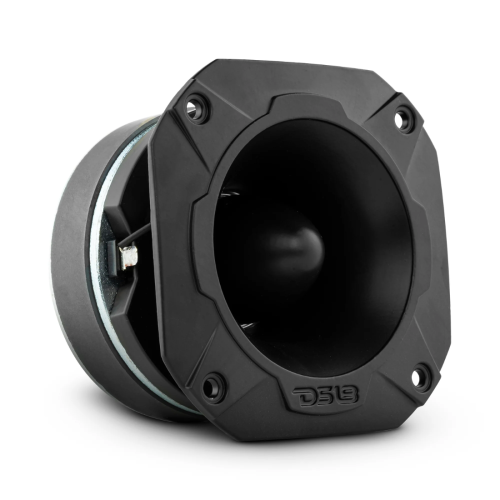
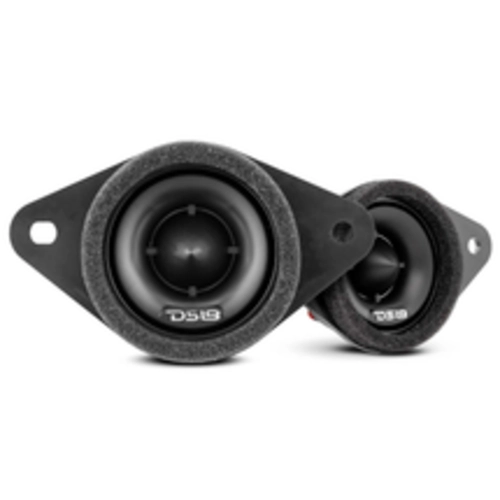
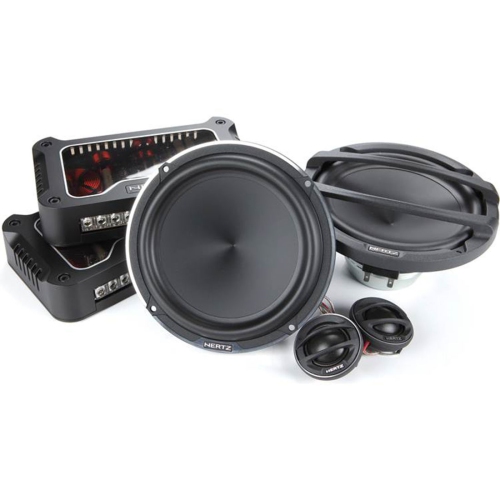
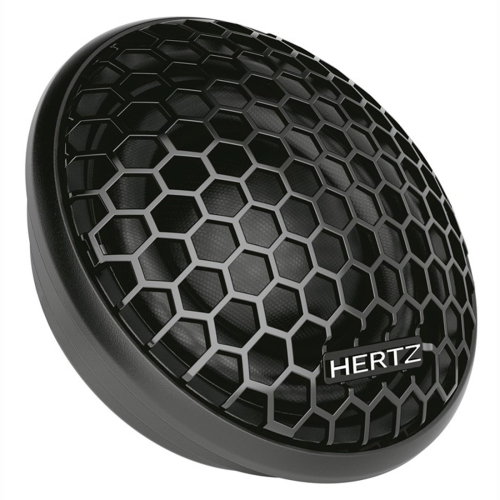
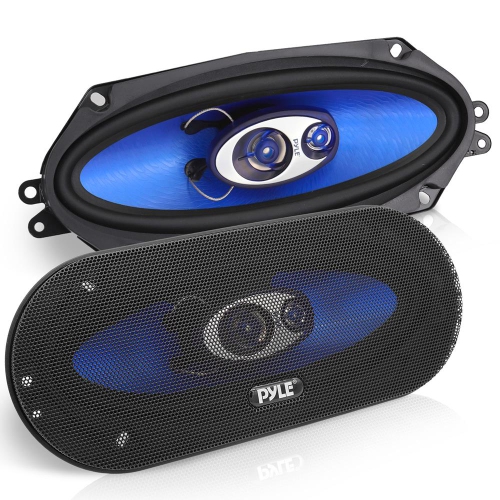
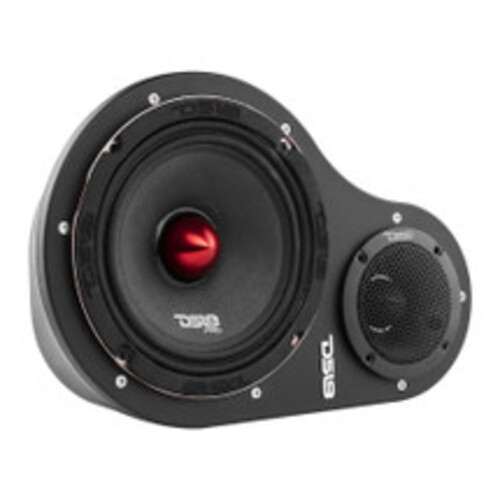
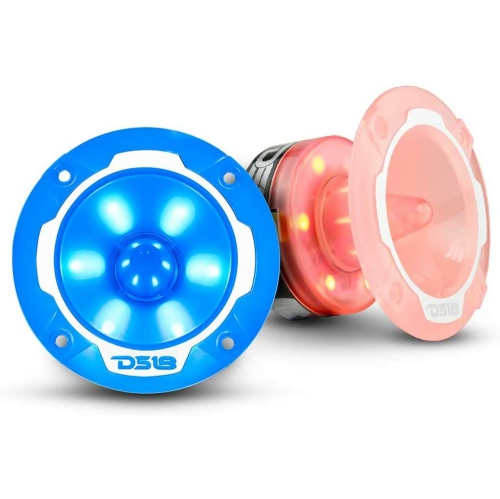
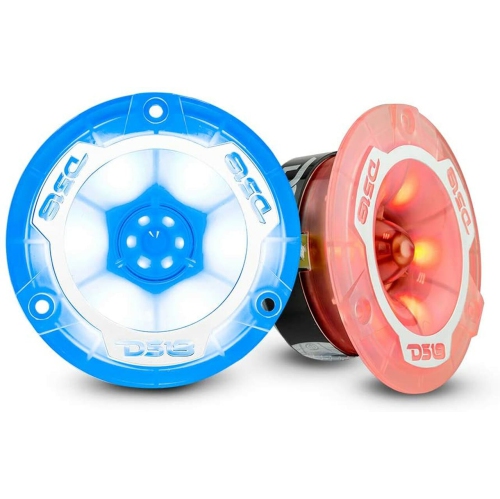
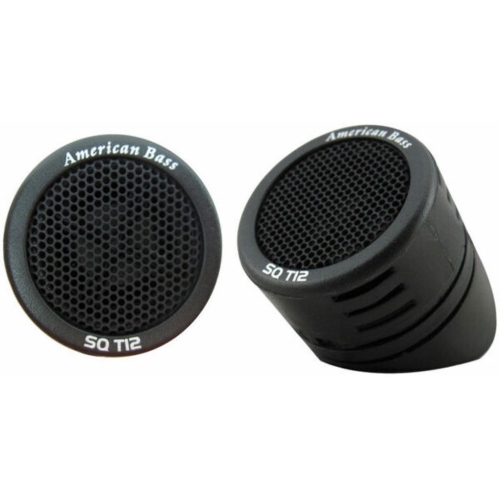
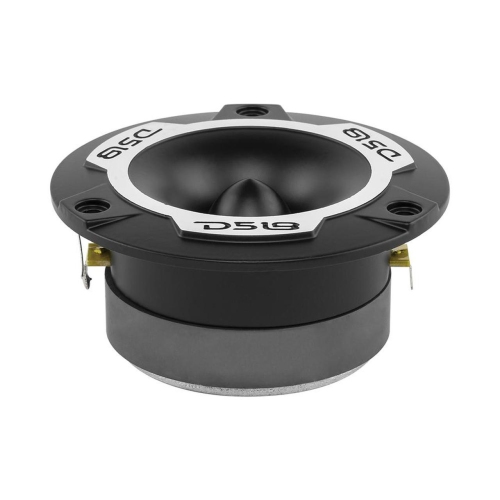
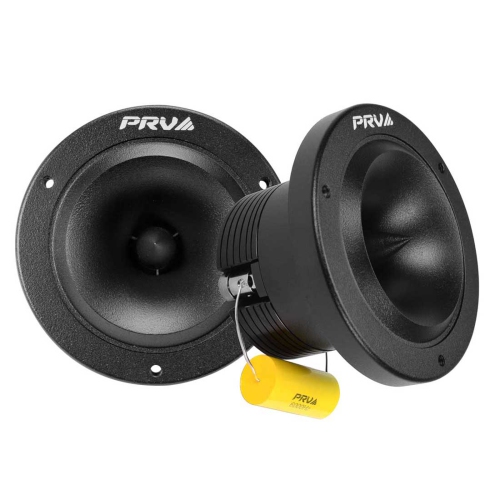
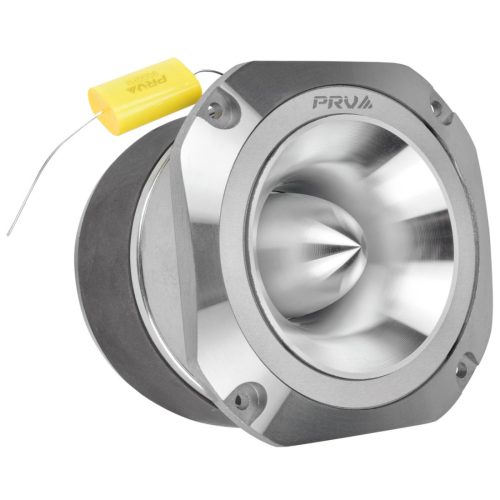
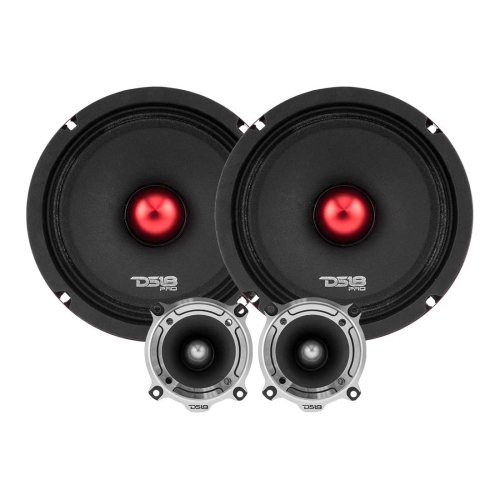
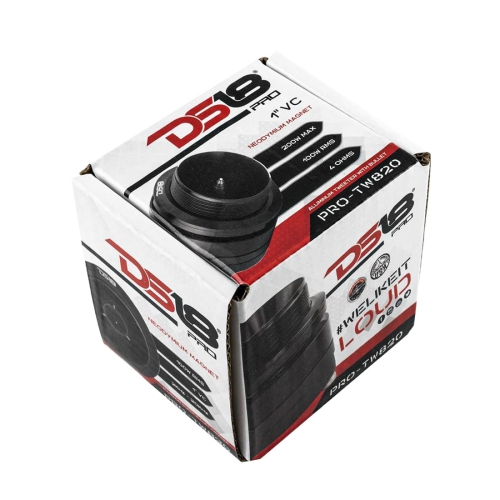
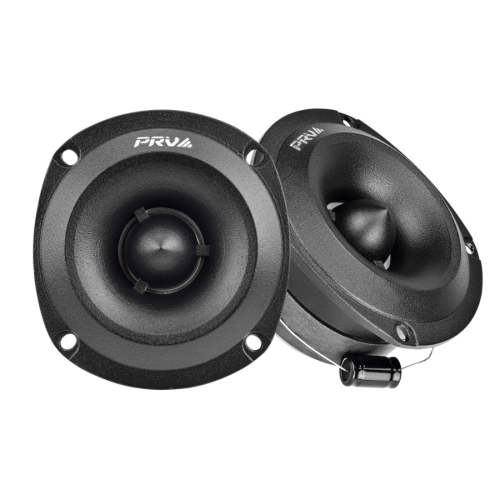
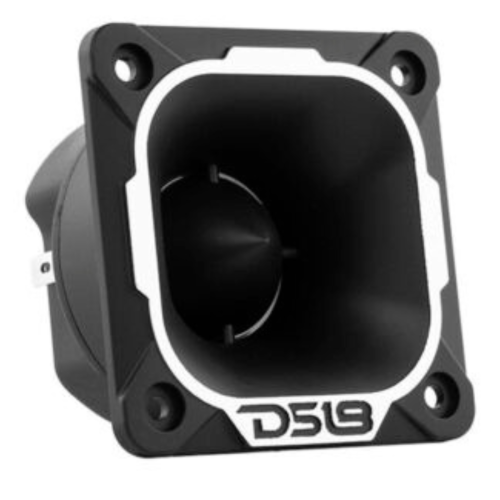
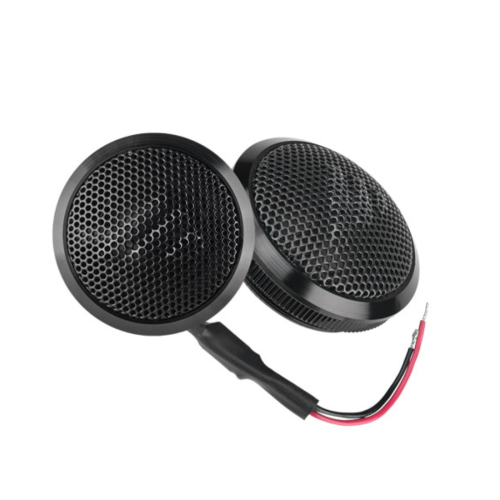
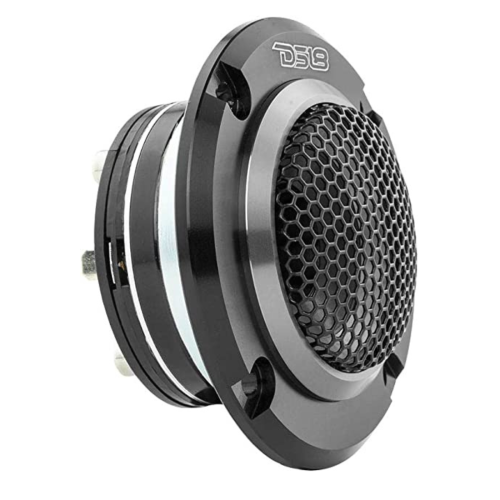
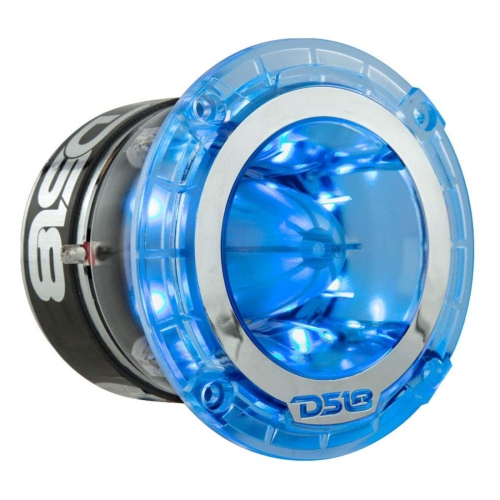
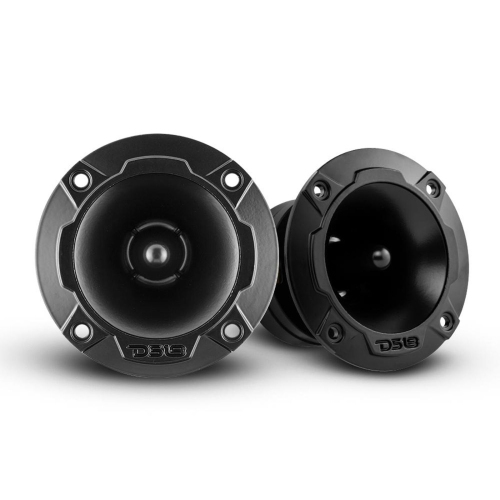
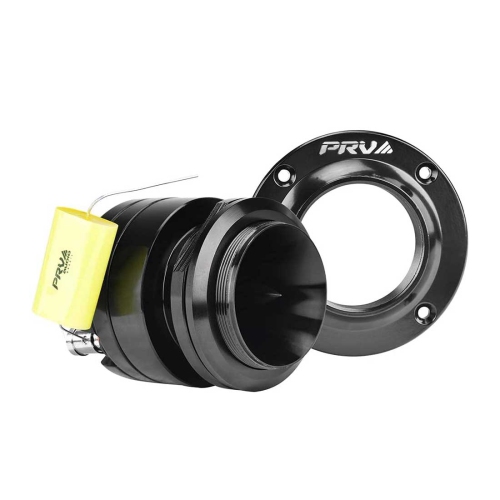
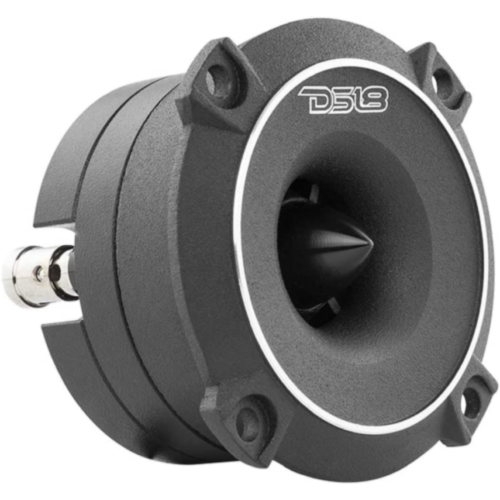
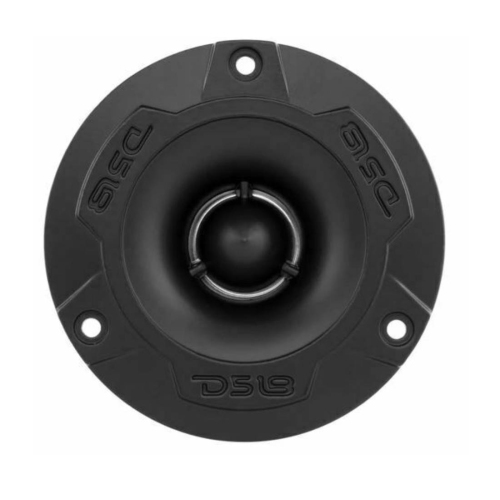
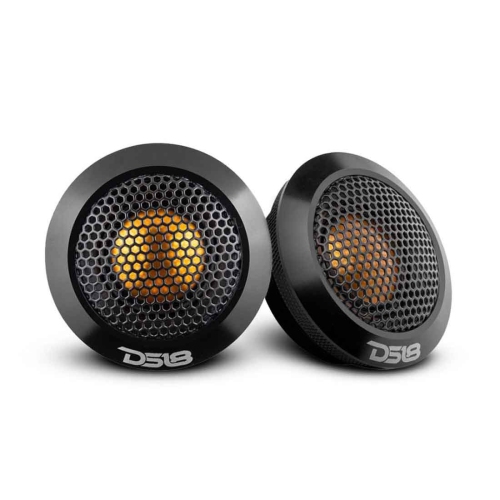
Car tweeters are small speakers designed to reproduce the high-frequency sounds that give music its detail, brightness, and sense of space. The shimmer of a cymbal, the crisp attack of a guitar string, and the breath at the end of a vocal line all depend partly on clear treble reproduction. Unlike woofers, which handle lower frequencies, tweeters use lightweight diaphragms that can move rapidly to reproduce these shorter sound waves. They work alongside midrange speakers and woofers rather than replacing them, making them relevant to both factory audio repairs and more extensive car sound system upgrades. A well-matched pair can make instruments easier to distinguish and help bring the perceived soundstage up from the lower doors towards the dashboard. That result depends on placement, tuning, and the rest of the system, not simply on adding more high-frequency output. Dome tweeters are a common choice for everyday listening because their compact shape suits many factory locations and their dispersion can cover a useful listening area. Silk and other textile domes are often associated with a smooth, relaxed presentation, while metal domes made from materials such as aluminium or titanium can offer a more pronounced sense of crispness. Neither material guarantees a particular sound: diaphragm design, crossover settings, installation angle, and reflections from nearby glass all influence the result. Lightweight polymer diaphragms, including polyetherimide, are another option used in compact automotive tweeters. Horn-loaded and bullet designs generally emphasize efficiency and strong output, making them more relevant to purpose-built systems than a straightforward factory replacement. For someone who listens to acoustic recordings on a daily commute, balanced treble may matter more than maximum loudness. A listener building a more powerful system may place greater importance on output capability and how the tweeters blend with the other speakers. In either case, useful detail comes from controlled, integrated sound rather than treble that dominates every recording.
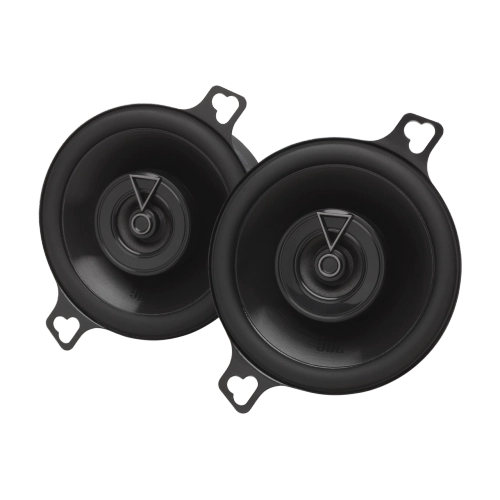
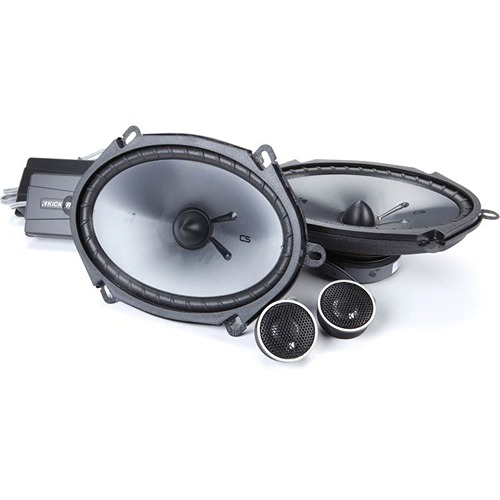
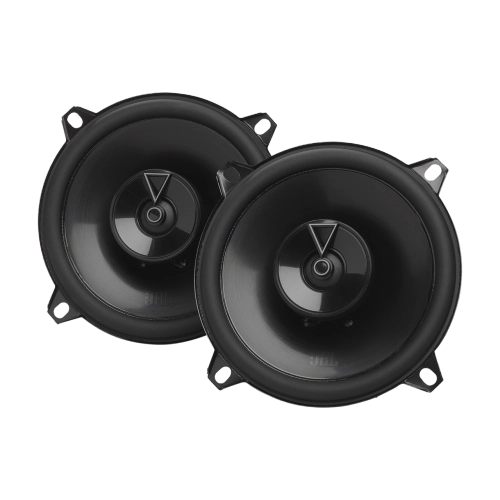
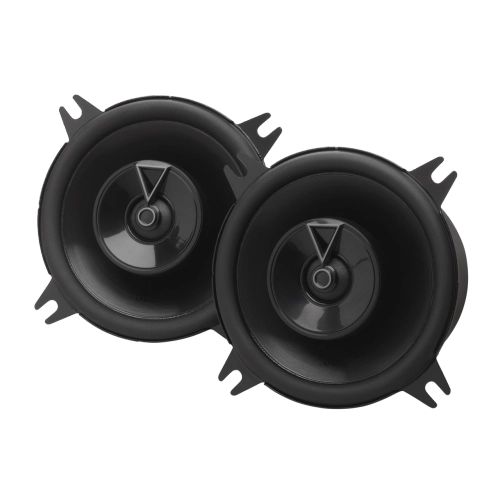
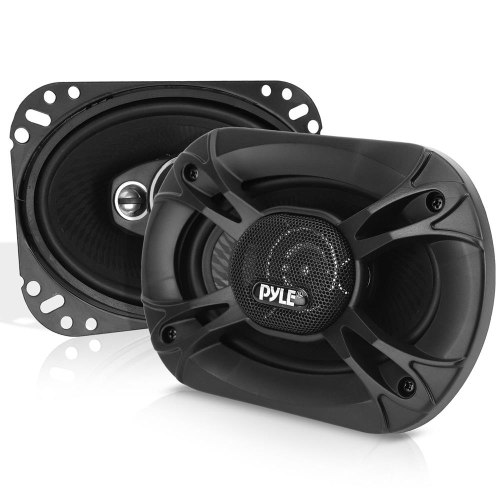
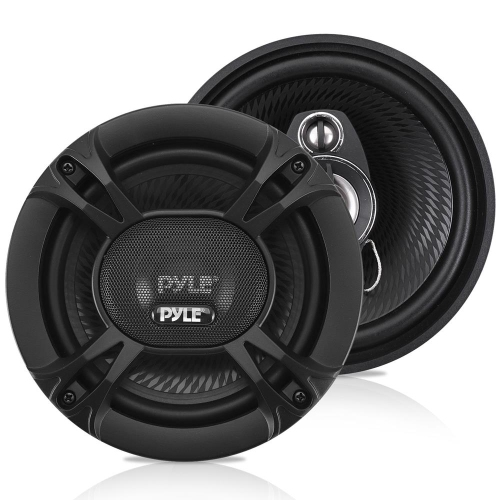
Fit and electrical compatibility are central considerations when comparing car tweeters. A tweeter that looks close to the original size may still require a different mounting cup, extra clearance behind the trim, or an adapter to sit securely in the factory opening. The visible grille diameter is not the same as the cutout diameter, and mounting depth includes the space needed for terminals and wiring. Common locations include the dashboard, upper door trim, and sail panels near the side mirrors, but each vehicle has its own restrictions. Flush mounting creates a more integrated appearance when the panel has suitable depth, while surface mounting uses a housing that sits above the panel. Angled or swivelling mounts can help direct sound towards the listening positions, although aiming tweeters directly at the ears does not always produce the most comfortable balance. A hard windshield can reflect treble strongly, and a tweeter close to the driver may sound more prominent than the one across the cabin. Secure installation also means keeping components and wiring clear of airbags, window mechanisms, and other vehicle hardware. Electrically, impedance must suit the amplifier or factory audio system; assuming every original speaker uses the same impedance can lead to poor performance or an unsuitable load. Continuous power handling, commonly expressed as an RMS rating, is more useful for matching components than a large peak-power figure alone. Sensitivity helps indicate how much output a tweeter can produce from a given input, but meaningful comparisons require the same measurement conditions. A crossover is equally important because it limits the low-frequency energy reaching the delicate tweeter diaphragm. Some separate tweeters include an in-line filter or a passive crossover network, while others are intended for an existing compatible network or a properly configured active system. The crossover frequency and slope must suit the tweeter’s operating limits and the speaker it accompanies. For a coordinated speaker replacement rather than a separate high-frequency driver, car speakers with tweeters include formats that combine these roles within a broader speaker arrangement. Coaxial speakers place the tweeter with the larger driver, while component systems separate the drivers to allow more flexibility in positioning.
Durability in a car tweeter depends on more than the dome material. A protective grille, a rigid housing, secure terminals, and properly supported wiring all contribute to a reliable installation. Exposed domes are delicate, so resistance to accidental contact can be particularly useful when tweeters sit on accessible trim surfaces. Metal diaphragms can dent, and soft domes can deform if pressed; neither should be treated as a surface to wipe directly. Routine care generally means gently removing dust from the grille and surrounding housing with a soft, dry cloth, without spraying cleaner into the speaker opening. Buzzing or rattling may come from loose trim or mounting hardware rather than the tweeter itself, while persistent harshness can point to tuning, distortion, or a mismatch elsewhere in the system. Increasing treble controls sharply is not a substitute for compatible speakers and appropriate crossover protection. Even a tweeter with a substantial power rating can be damaged by unsuitable low-frequency signals or excessive amplifier distortion. For everyday use, the most satisfying setup is often one that keeps vocals intelligible and fine musical textures audible at a comfortable listening level. Familiar recordings are useful for judging balance: cymbals should have texture rather than a constant hiss, and sung consonants should remain clear without becoming piercing. Drivers replacing a failed factory tweeter may prioritize an unobtrusive fit and a tonal match to the remaining speakers, while car audio enthusiasts may value adjustable mounting and flexibility for system tuning. Tweeters can also make a thoughtful gift for someone already planning an audio upgrade, provided the vehicle fit, system requirements, and installation plans are known in advance. Professional installation can be worthwhile where trim removal, factory amplification, or custom crossover integration makes the work more involved. A suitable pair of car tweeters should ultimately feel like part of a complete system, adding definition and openness without drawing attention away from the music or important sounds outside the vehicle.
Fit and electrical compatibility are central considerations when comparing car tweeters. A tweeter that looks close to the original size may still require a different mounting cup, extra clearance behind the trim, or an adapter to sit securely in the factory opening. The visible grille diameter is not the same as the cutout diameter, and mounting depth includes the space needed for terminals and wiring. Common locations include the dashboard, upper door trim, and sail panels near the side mirrors, but each vehicle has its own restrictions. Flush mounting creates a more integrated appearance when the panel has suitable depth, while surface mounting uses a housing that sits above the panel. Angled or swivelling mounts can help direct sound towards the listening positions, although aiming tweeters directly at the ears does not always produce the most comfortable balance. A hard windshield can reflect treble strongly, and a tweeter close to the driver may sound more prominent than the one across the cabin. Secure installation also means keeping components and wiring clear of airbags, window mechanisms, and other vehicle hardware. Electrically, impedance must suit the amplifier or factory audio system; assuming every original speaker uses the same impedance can lead to poor performance or an unsuitable load. Continuous power handling, commonly expressed as an RMS rating, is more useful for matching components than a large peak-power figure alone. Sensitivity helps indicate how much output a tweeter can produce from a given input, but meaningful comparisons require the same measurement conditions. A crossover is equally important because it limits the low-frequency energy reaching the delicate tweeter diaphragm. Some separate tweeters include an in-line filter or a passive crossover network, while others are intended for an existing compatible network or a properly configured active system. The crossover frequency and slope must suit the tweeter’s operating limits and the speaker it accompanies. For a coordinated speaker replacement rather than a separate high-frequency driver, car speakers with tweeters include formats that combine these roles within a broader speaker arrangement. Coaxial speakers place the tweeter with the larger driver, while component systems separate the drivers to allow more flexibility in positioning.
Durability in a car tweeter depends on more than the dome material. A protective grille, a rigid housing, secure terminals, and properly supported wiring all contribute to a reliable installation. Exposed domes are delicate, so resistance to accidental contact can be particularly useful when tweeters sit on accessible trim surfaces. Metal diaphragms can dent, and soft domes can deform if pressed; neither should be treated as a surface to wipe directly. Routine care generally means gently removing dust from the grille and surrounding housing with a soft, dry cloth, without spraying cleaner into the speaker opening. Buzzing or rattling may come from loose trim or mounting hardware rather than the tweeter itself, while persistent harshness can point to tuning, distortion, or a mismatch elsewhere in the system. Increasing treble controls sharply is not a substitute for compatible speakers and appropriate crossover protection. Even a tweeter with a substantial power rating can be damaged by unsuitable low-frequency signals or excessive amplifier distortion. For everyday use, the most satisfying setup is often one that keeps vocals intelligible and fine musical textures audible at a comfortable listening level. Familiar recordings are useful for judging balance: cymbals should have texture rather than a constant hiss, and sung consonants should remain clear without becoming piercing. Drivers replacing a failed factory tweeter may prioritize an unobtrusive fit and a tonal match to the remaining speakers, while car audio enthusiasts may value adjustable mounting and flexibility for system tuning. Tweeters can also make a thoughtful gift for someone already planning an audio upgrade, provided the vehicle fit, system requirements, and installation plans are known in advance. Professional installation can be worthwhile where trim removal, factory amplification, or custom crossover integration makes the work more involved. A suitable pair of car tweeters should ultimately feel like part of a complete system, adding definition and openness without drawing attention away from the music or important sounds outside the vehicle.
Top selling and popular products
-
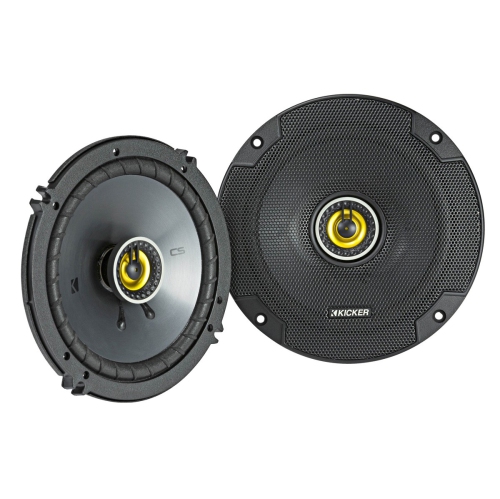 Your price for this item is $99.95
 -
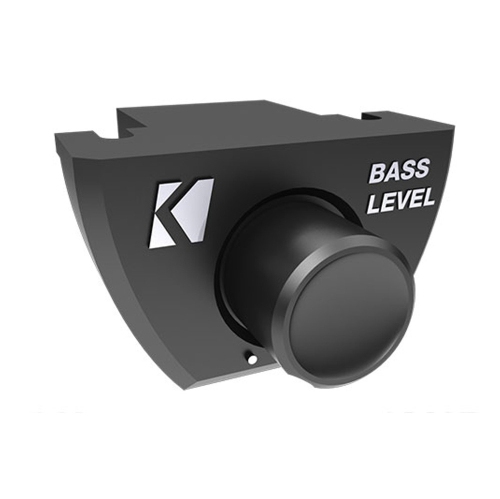 Your price for this item is $74.95
 -
 Your price for this item is $448
 -
 Your price for this item is $57.95
 -
 Your price for this item is $49.98
 -
 Your price for this item is $87.99
 -
 Your price for this item is $70.95
 -
 Your price for this item is $449.99
Discover more categories related to Car Tweeters
Top Collections:
Pokemon Centers, Kindle Devices, Best Budget Office Chairs, Apple iPhones 16, Best Laptops for Writers, iPhone 15 Apple, Canon G7X Cameras, Refurbished Apple Laptops, Alarm Clock, Motorola Razr Phones
Some products may be subject to Environmental Handling Fees
(EHF) depending on your province.
Learn more about EHFs.