Portable Jump Starters
Whether you're a frequent road tripper, a camping enthusiast, or simply want to be prepared for unexpected car troubles, portable jump starters are a must-have in almost any vehicle emergency kit. These compact and powerful devices are designed to quickly jump-start your car battery without the need for another vehicle, providing peace of mind and convenience when you find yourself stranded with a dead battery.
Sort





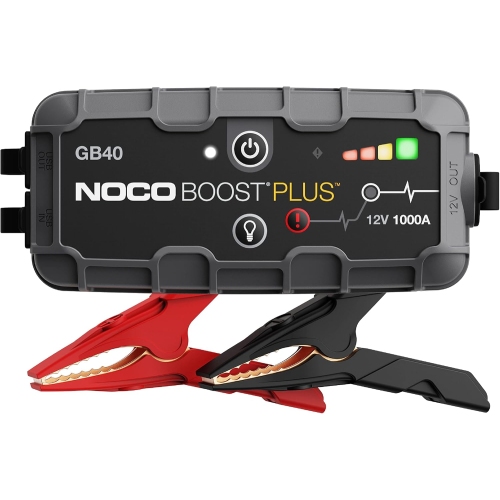
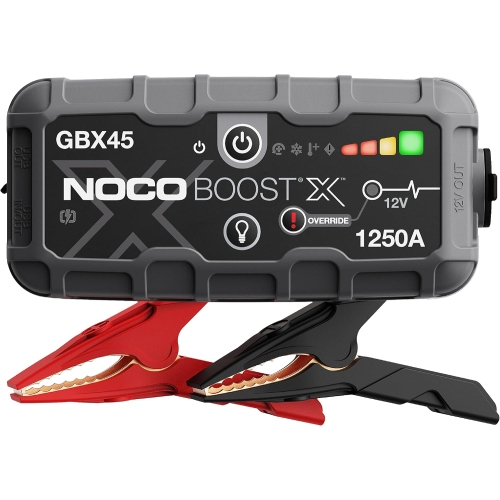
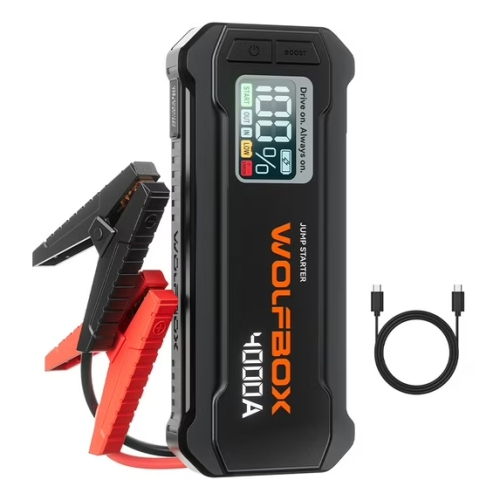

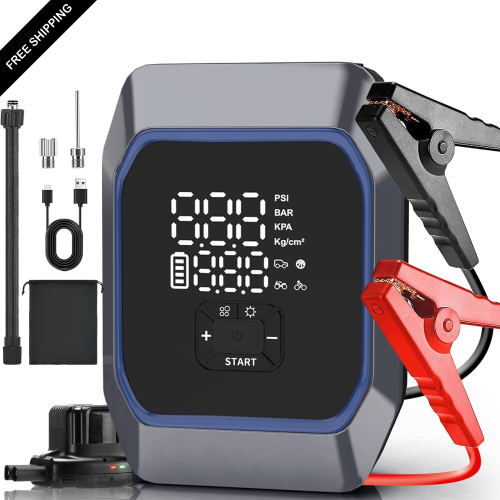


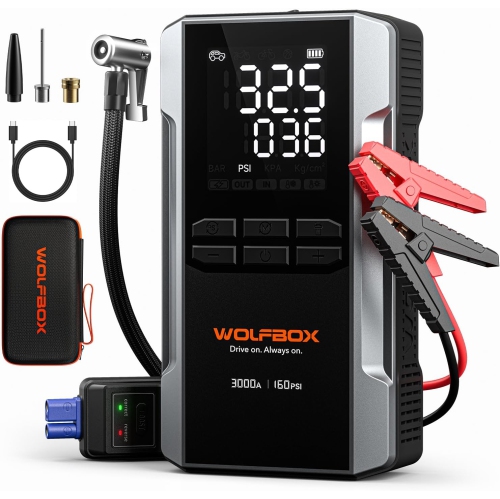
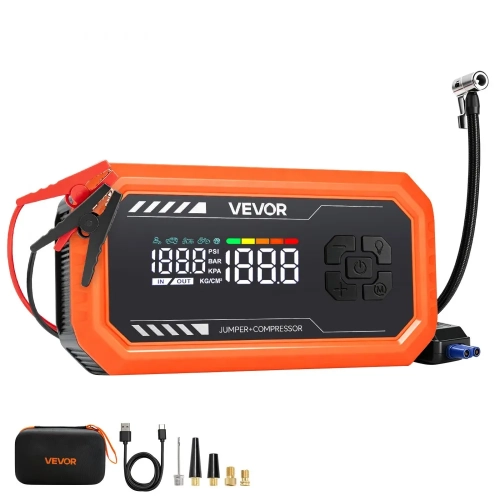

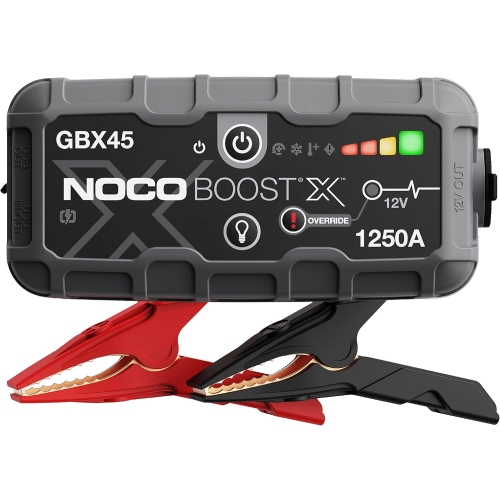

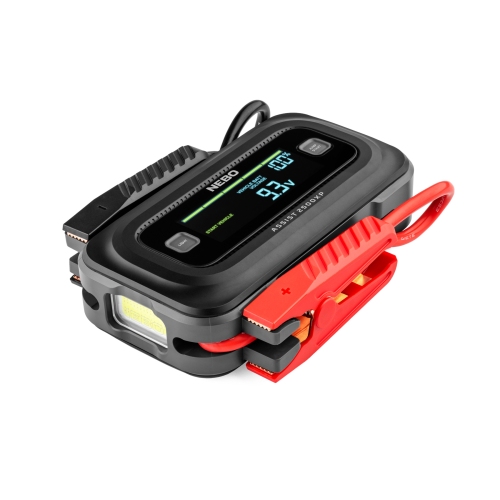
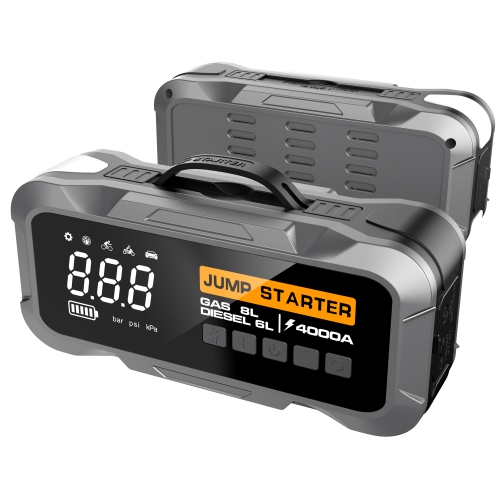
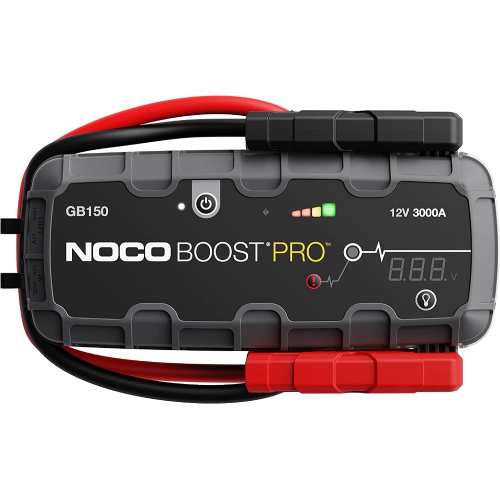
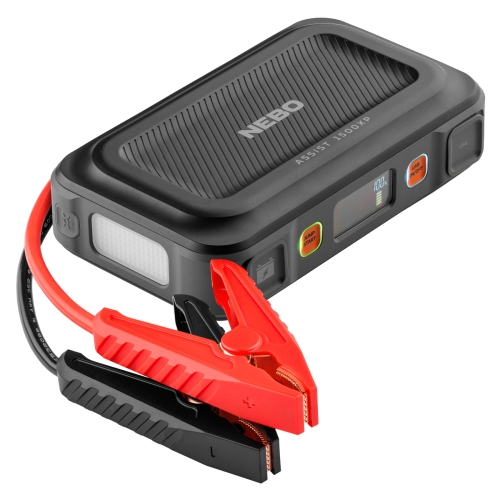


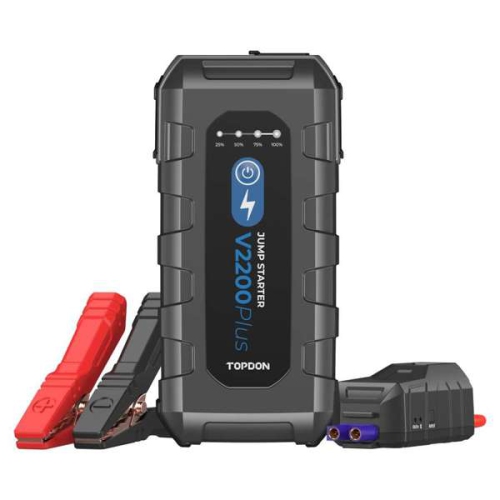





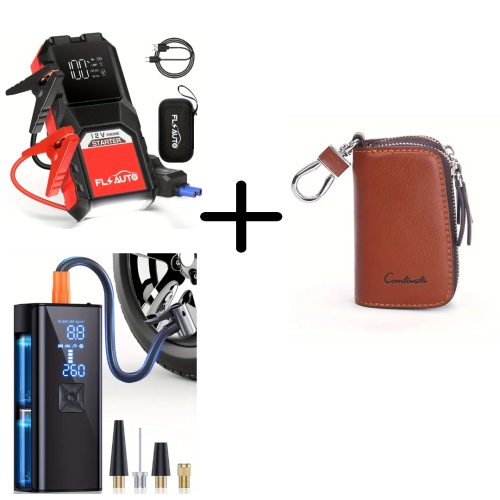



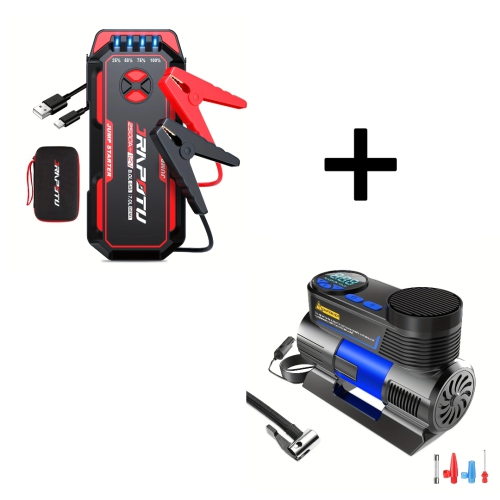







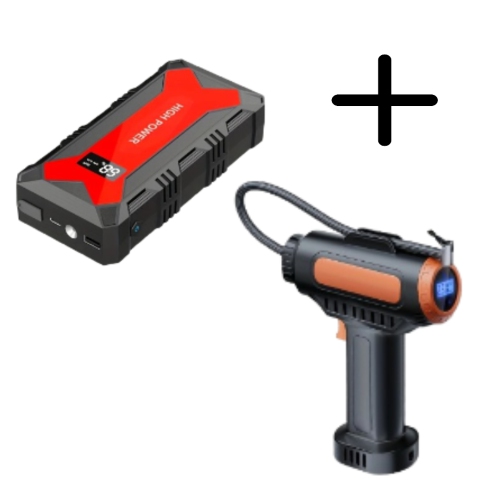
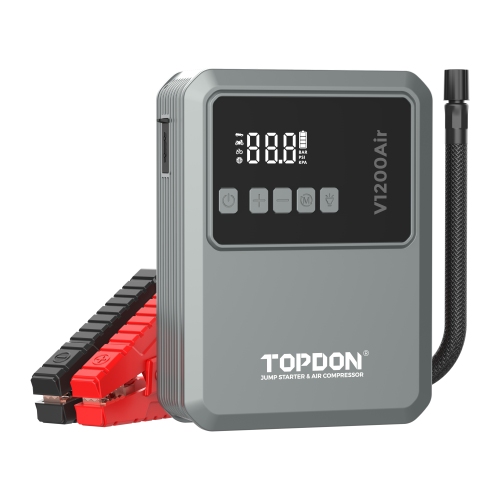
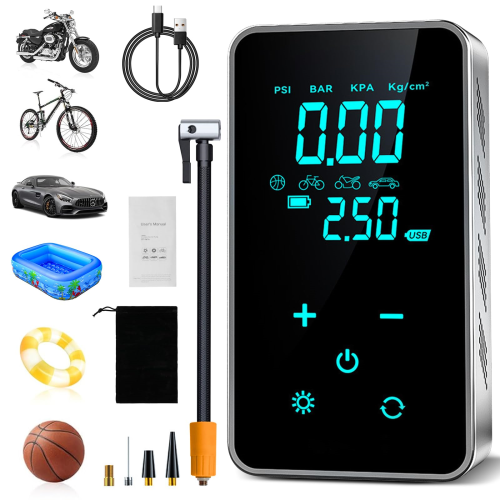
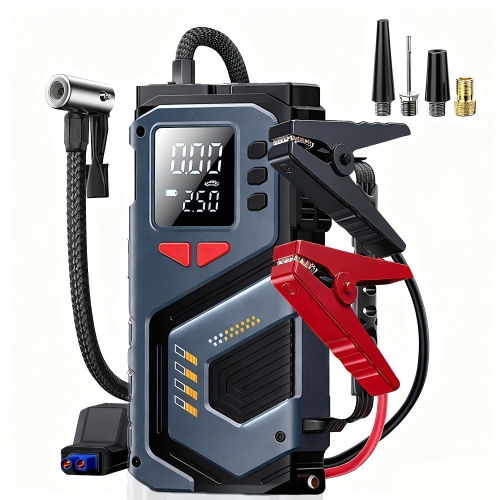

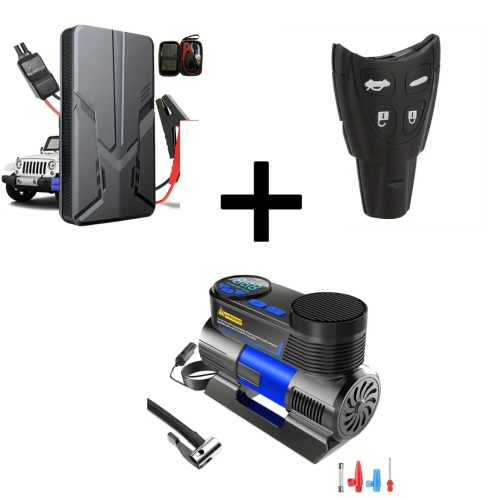
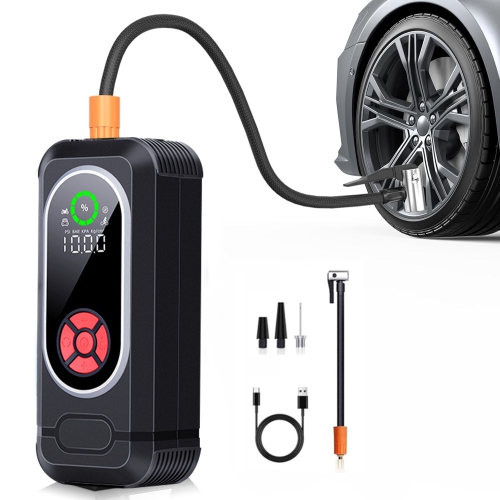


Starting power without relying on another vehicle
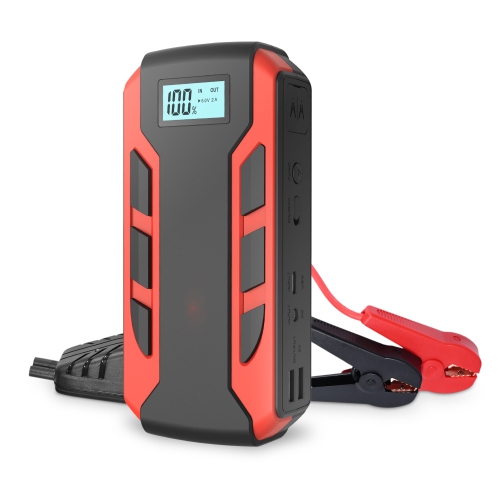
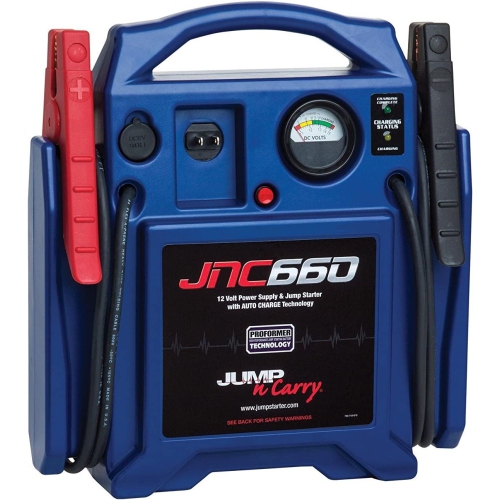
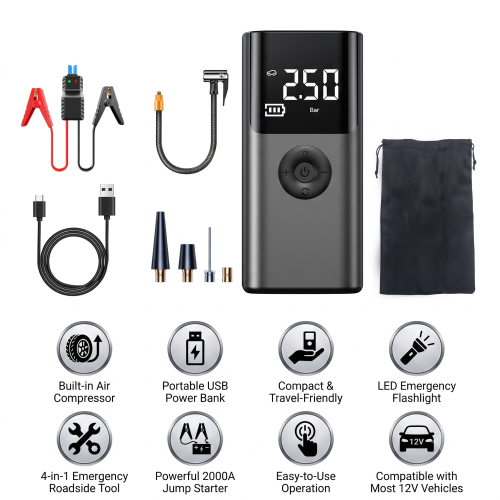
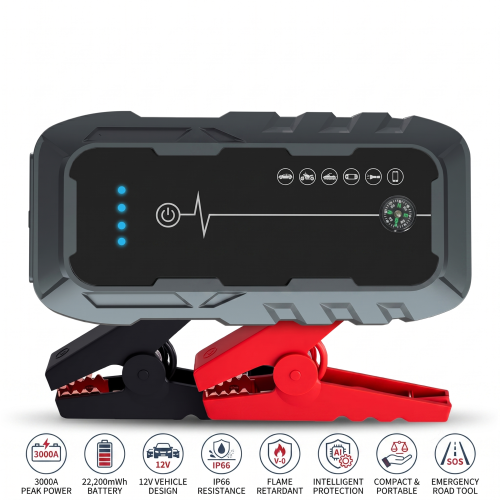
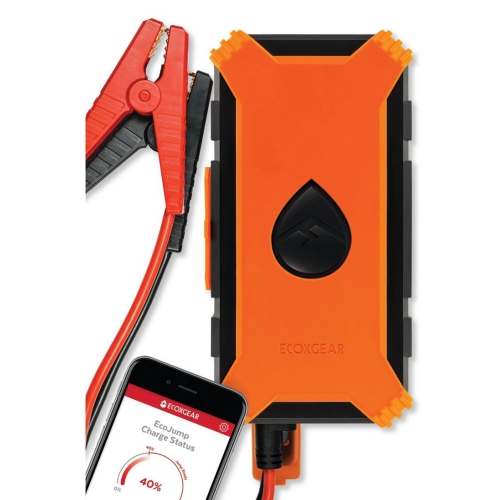
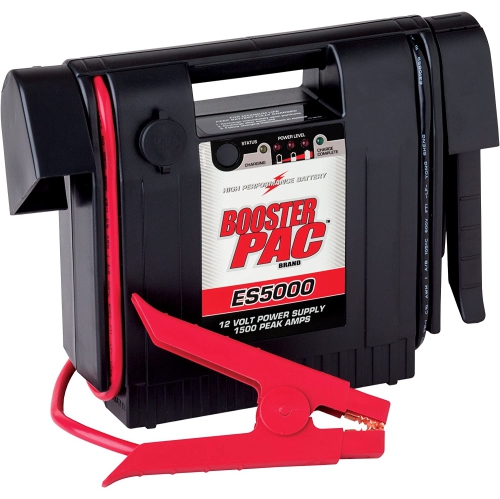
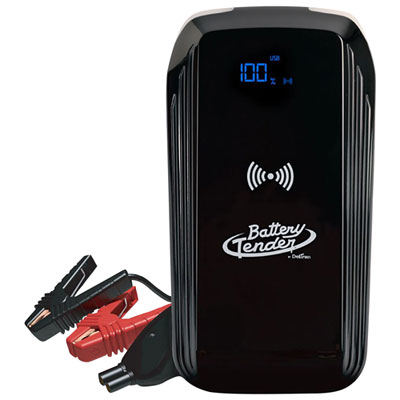
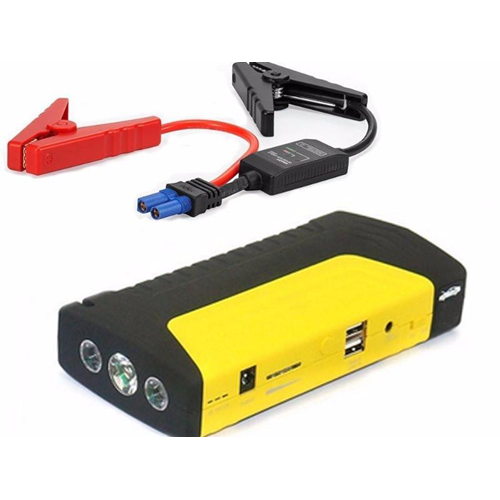
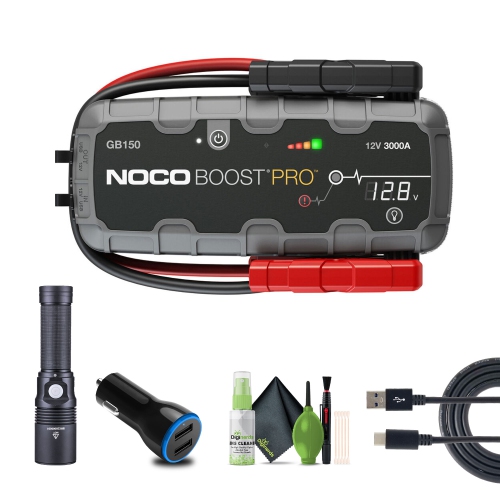
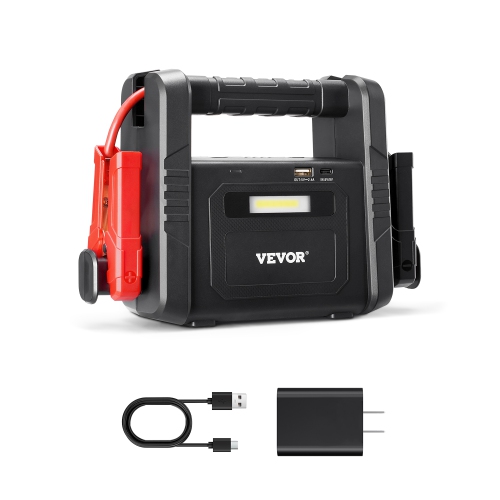
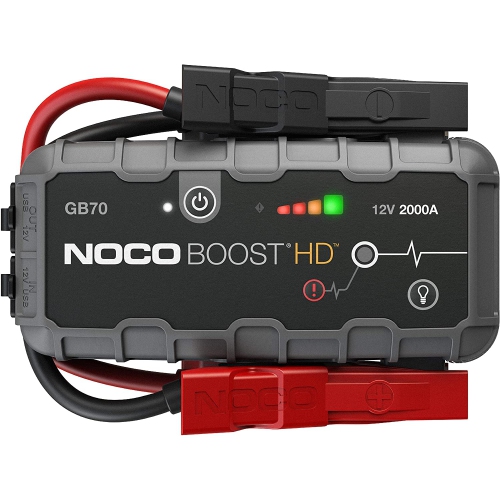
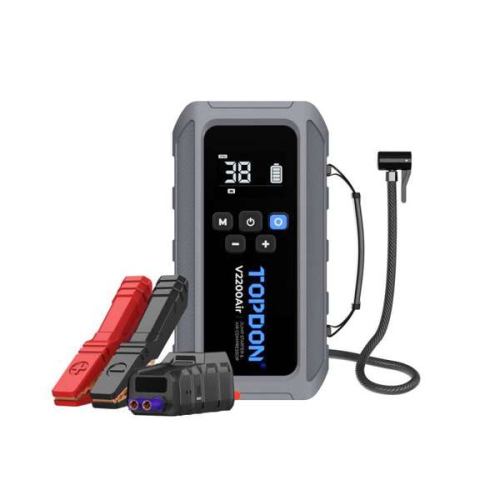
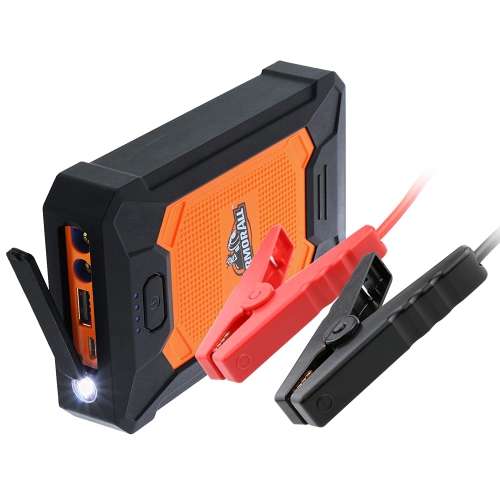
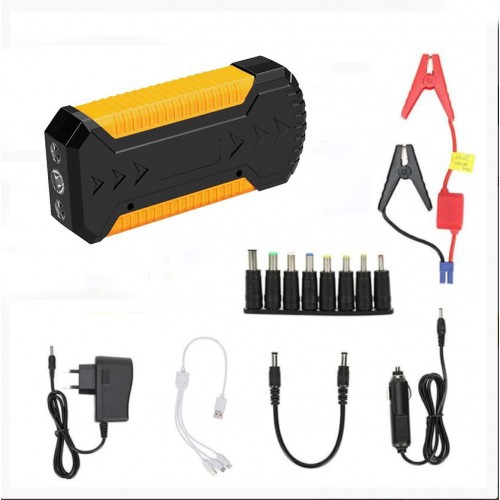
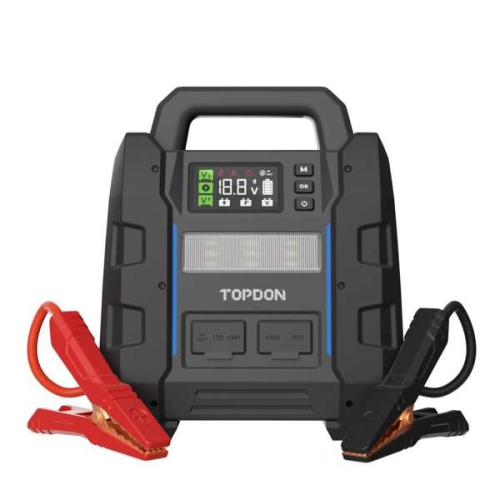
Portable jump starters are rechargeable battery packs that supply a short burst of power to help start a vehicle with a discharged starter battery, without needing another vehicle and a set of booster cables. They bring a useful measure of independence to everyday driving, whether a car has been left with an interior light on overnight or a battery struggles after a long stretch between trips. Unlike a battery charger, which replenishes a vehicle battery over time, a portable jump starter is designed primarily to help get the engine turning. It does not repair an ageing battery or solve an underlying charging-system fault. These compact automotive accessories suit commuters, families with more than one vehicle, cottage travellers, and drivers who sometimes park away from busy roads. A pack tucked into a suitable storage compartment can be especially reassuring during the cooler months, when starting demands rise and battery performance can drop. Matching the pack to the vehicle matters more than choosing the highest number printed on the case. Compatibility depends on the vehicle’s electrical system, engine displacement, fuel type, and the jump starter’s stated operating conditions. Many passenger vehicles use a 12-volt starter battery, but the vehicle manual remains the right reference, particularly for motorcycles, commercial vehicles, hybrids, and electric vehicles with dedicated low-voltage starting or support procedures. Gas and diesel engine ratings are not interchangeable: a pack rated for a certain gas engine size may support a smaller diesel engine. Peak amperage describes a brief maximum output, so it is best considered alongside the manufacturer’s engine ratings rather than treated as a complete measure of capability. Drivers with pickups or larger engines can explore truck jump starters with those requirements in mind. A well-matched portable battery booster balances starting capability with a size and weight that make sense for the vehicle, rather than adding bulk that makes it inconvenient to carry.
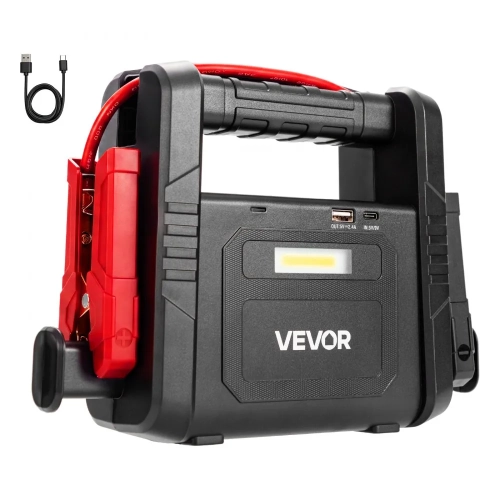
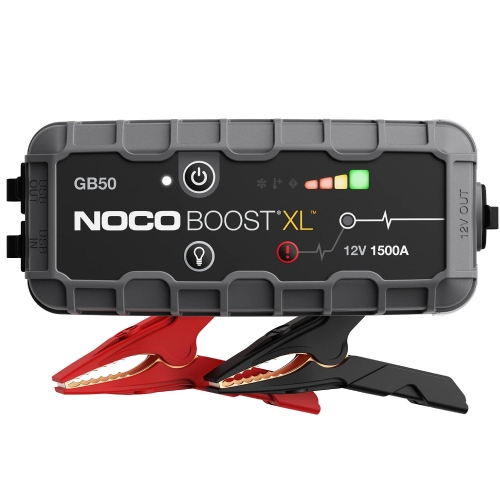
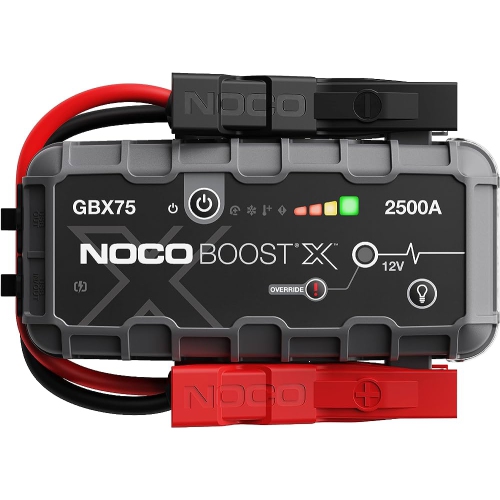
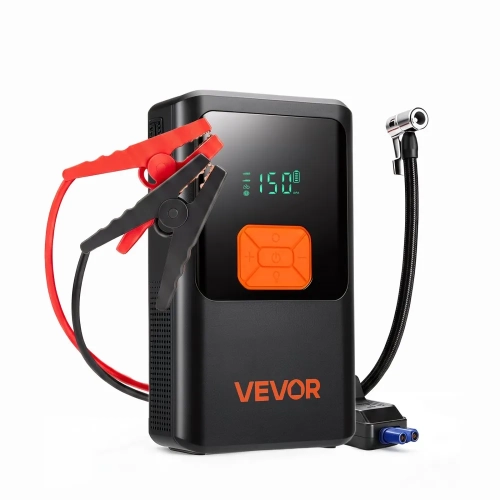
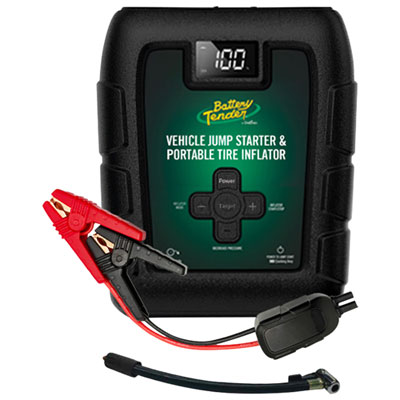
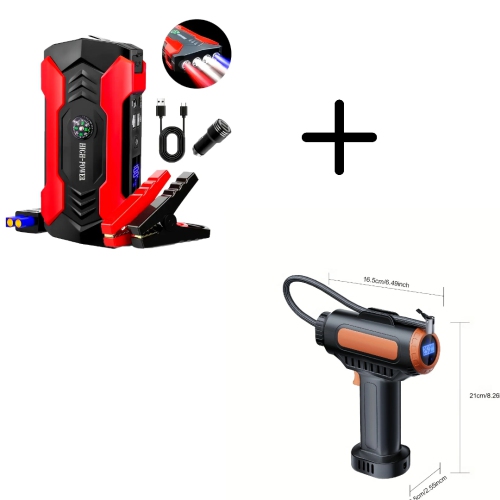
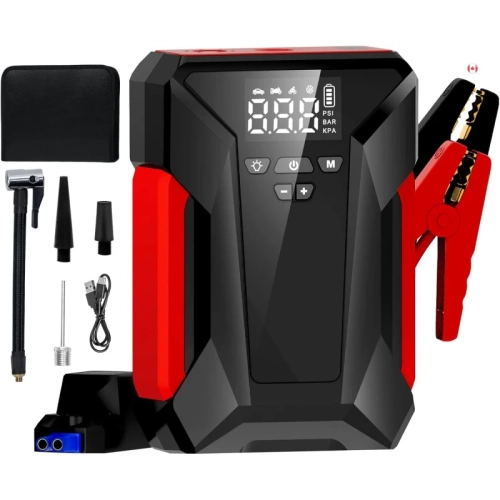
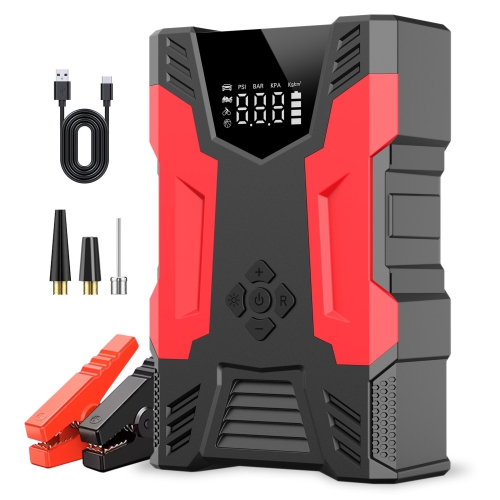
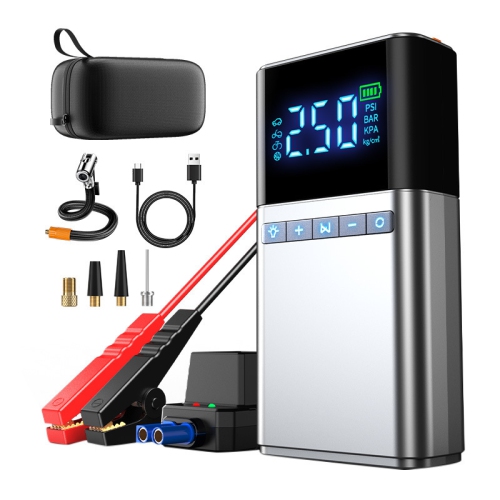
The differences between portable jump starters become more noticeable when imagining their use beside a parked vehicle on a dark, chilly morning. A slim lithium-based pack is generally easy to carry, while a larger lead-acid unit can be heavier and require more storage space. Neither format should be judged by size alone; the rated output, supported engines, charging requirements, and temperature limits all matter. The housing, cable insulation, and clamps also deserve attention. A sturdy case helps protect the internal components during normal handling, while intact insulation and secure cable connections are important for safe use. Clamp design affects how easily the jaws can reach and grip the designated connection points, especially when a battery sits beneath a cover or the vehicle uses remote jump-start terminals. Cable length can make positioning easier, but the pack still needs a stable location away from moving engine parts. Rubberized grips, clearly marked polarity, and readable status indicators can make handling less awkward with cold hands or limited light. Built-in protections may include reverse-polarity alerts, short-circuit protection, and temperature monitoring, though the exact features vary and do not replace correct operation. Some packs will not activate when they detect a very low battery voltage; any manual override feature requires particular care and strict adherence to the supplied instructions. An integrated flashlight can help illuminate labels and connection points, and a clear charge display makes it easier to check readiness before leaving home. USB charging ports add another use for a compatible phone or other small device, but drawing power for accessories leaves less stored energy for starting assistance. Combination units may also include a tire inflator. In that case, supported tire pressures, hose reach, gauge readability, and duty-cycle limits affect how practical the extra function will be. These features are useful additions, but starting compatibility remains the central consideration for a pack intended to support a vehicle with a weak battery.
Care and storage have a direct effect on how ready a portable jump starter will be when it is needed. Rechargeable packs gradually lose charge in storage, and their performance can change with temperature, age, and use. Following the manufacturer’s charging schedule, checking the charge before longer drives, and replenishing it after use help keep the pack prepared. Claims about the number of starts per charge depend on test conditions, battery condition, engine size, and temperature, so they should not be read as a fixed promise for every roadside situation. Storage limits are just as important as operating limits: a vehicle cabin or cargo area can become much hotter or colder than the temperatures a pack is designed to tolerate. A carrying case can keep the clamps, charging cable, and instructions together, while secure storage prevents a heavy unit from sliding around during braking. Keeping connectors dry and clear of grit, wiping the housing as directed, and checking for damaged cables, cracks, swelling, or unusual heat are sensible parts of ownership. A damaged pack should not be used, and a vehicle battery that appears frozen, swollen, leaking, or otherwise damaged needs professional attention rather than a jump-start attempt. Both the vehicle manual and the jump starter instructions determine the correct connection points and operating sequence; a generic procedure may not suit every vehicle. Repeated unsuccessful attempts can indicate a problem beyond a discharged battery, and frequent reliance on a booster calls for a battery and charging-system check. For everyday use, thoughtful details often matter most: a case that fits the designated storage space, instructions that are easy to read, controls that remain visible in poor light, and a charging method that fits normal routines. A portable jump starter can also make a practical gift for a new driver, a family member with a long commute, or someone who regularly travels beyond urban areas, provided its specifications match their vehicle. Paired with familiarity before an unexpected stop, it is a useful addition to a vehicle emergency kit rather than a substitute for regular maintenance or roadside assistance.
Top selling and popular products
-
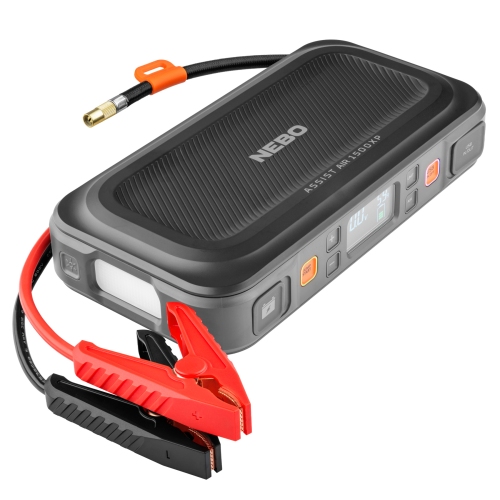 Your price for this item is $199.99
-
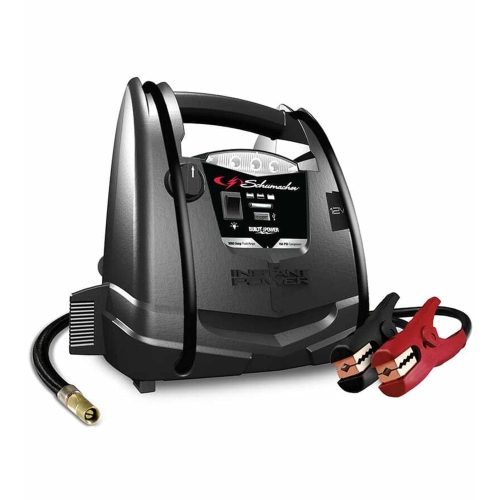 Your price for this item is $179.99
-
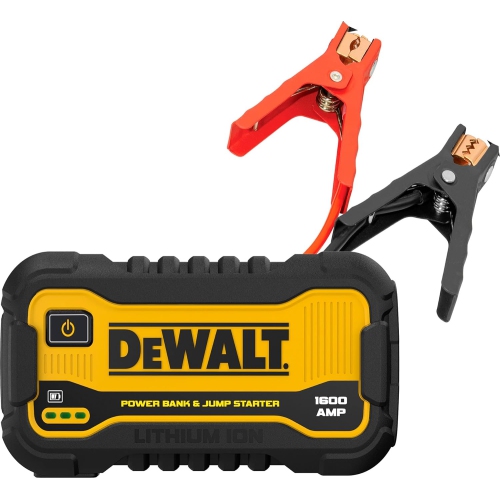 Your price for this item is $117.99
-
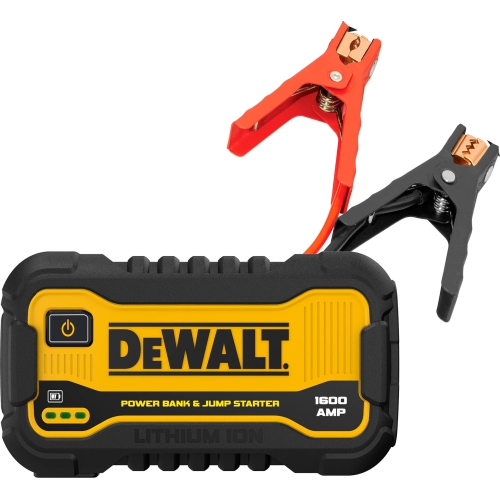 Your price for this item is $99.99
-
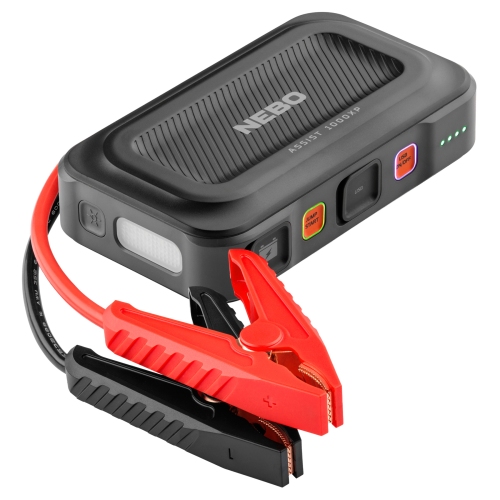 Your price for this item is $109.99
-
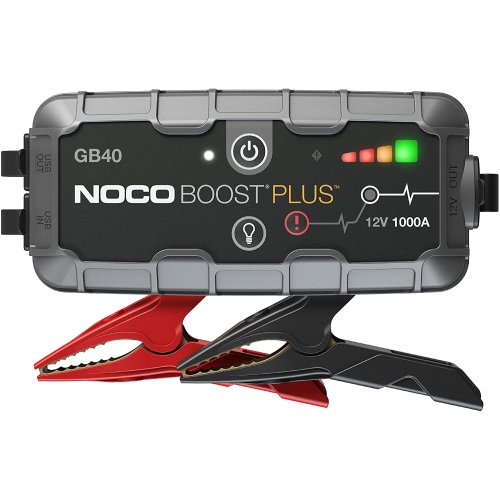 Your price for this item is $180.95
-
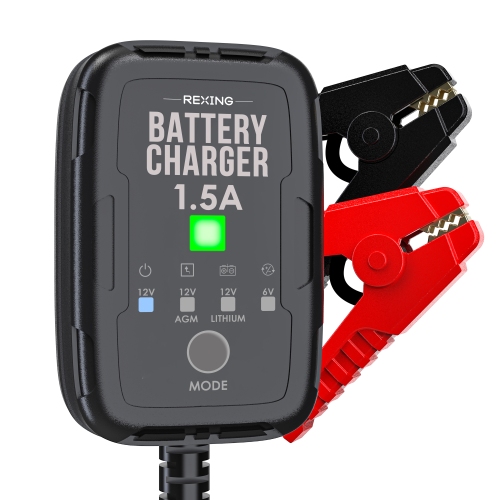 Your price for this item is $119.99
-
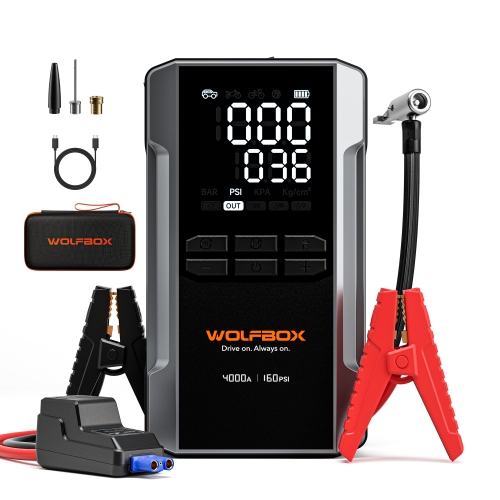 Your price for this item is $229.99
Discover more categories related to Portable Jump Starters
Top Collections:
Pokemon Centers, Kindle Devices, Best Budget Office Chairs, Canon G7X Cameras, Apple iPhones 16, Samsung Galaxy Phones, Refurbished Apple Laptops, Laptops for Students, iPhone 15 Apple, Budget Smartphones
Some products may be subject to Environmental Handling Fees
(EHF) depending on your province.
Learn more about EHFs.