Auto Jump Starters
If you're looking to avoid being stranded with a dead car battery, auto jump starters are the ultimate solution for ensuring you can get back on the road quickly and safely. These portable devices provide a convenient way to jump-start your vehicle without the need for another vehicle or roadside assistance. With various models offering different features such as compact size, multiple jump-starts on a single charge, and additional functionalities like USB ports for charging devices, there is a jump starter to suit every driver's needs.
Sort
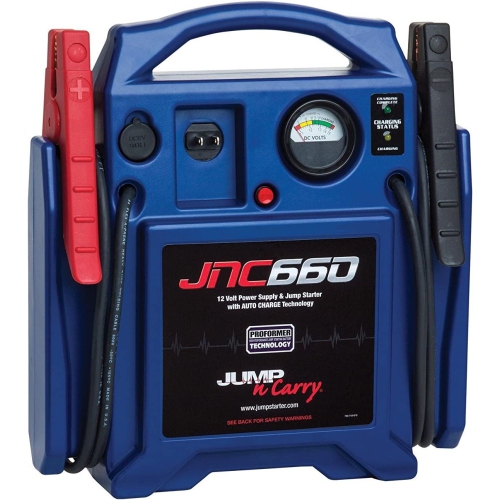


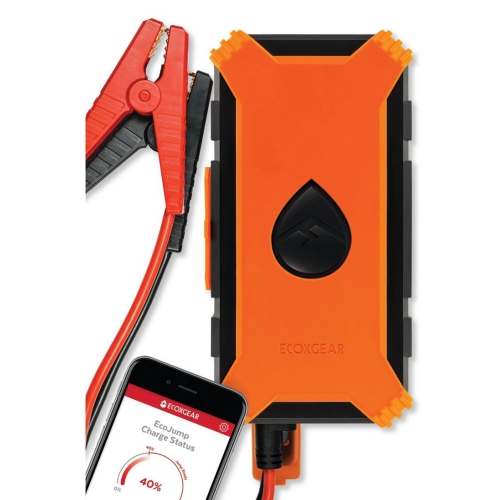
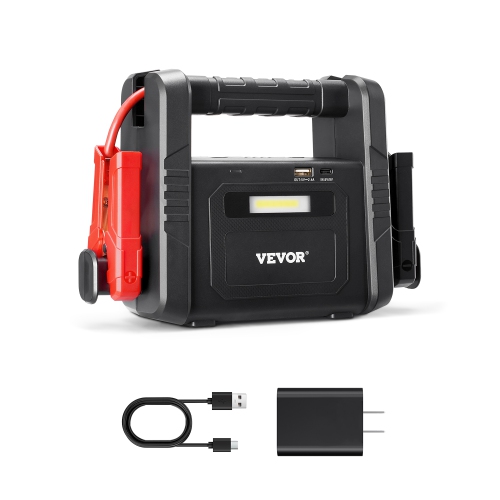
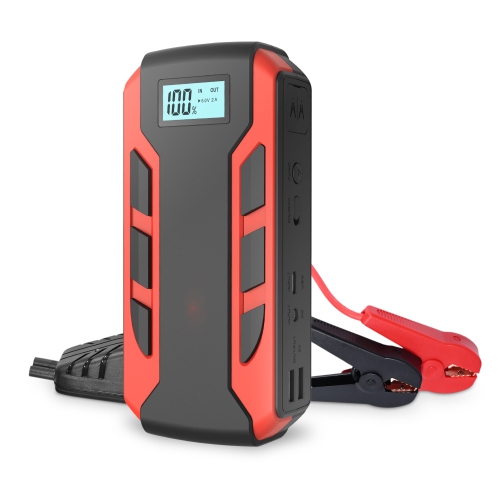


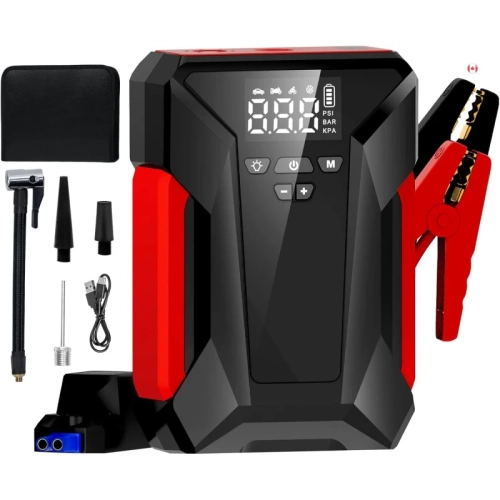
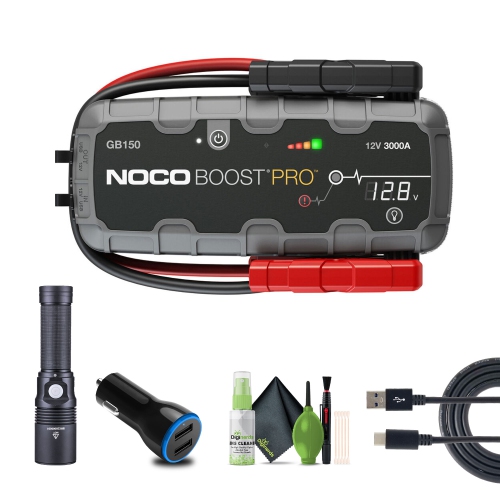
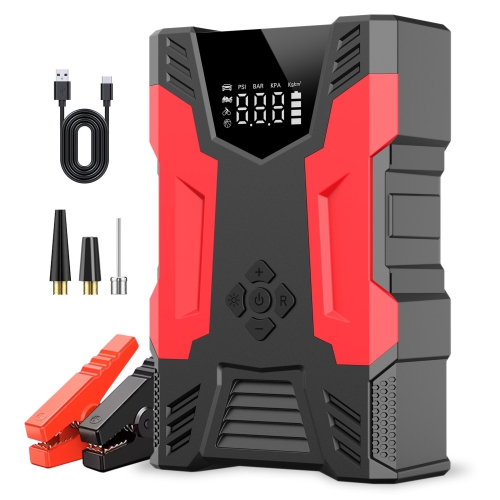
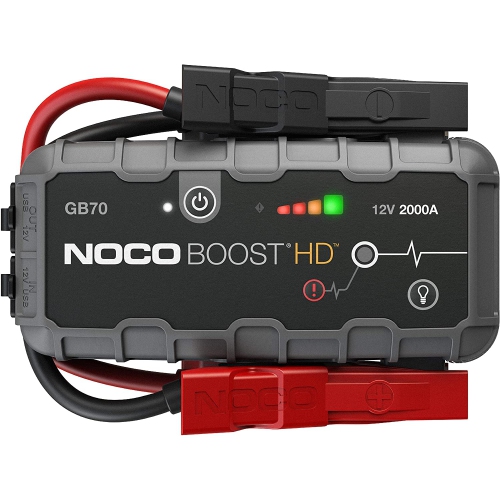
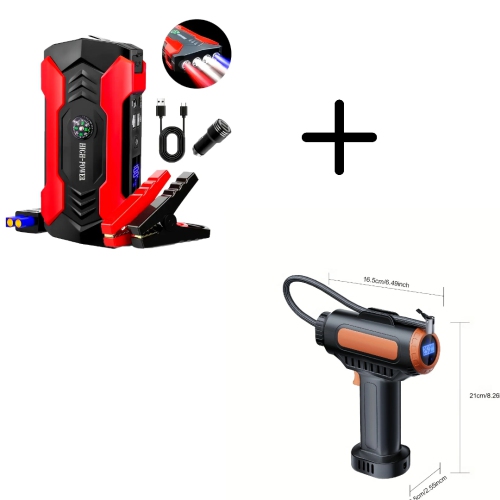


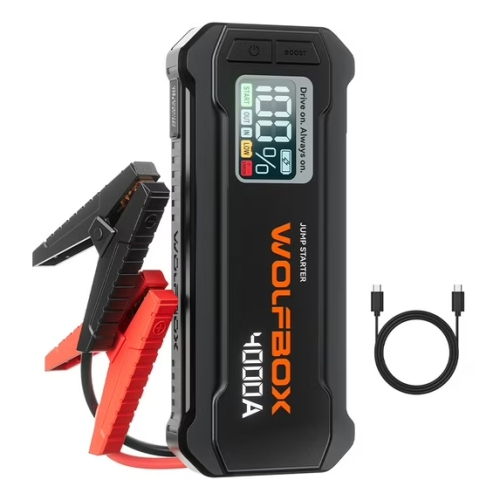

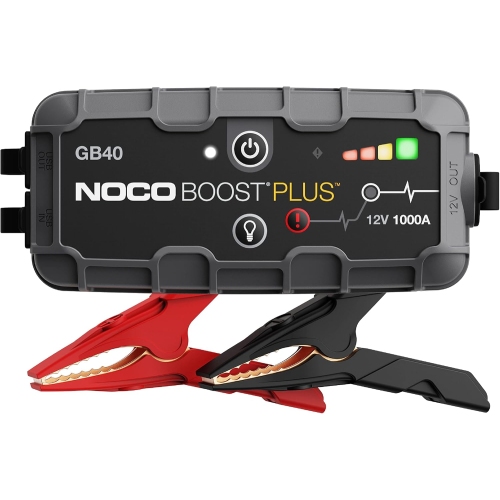


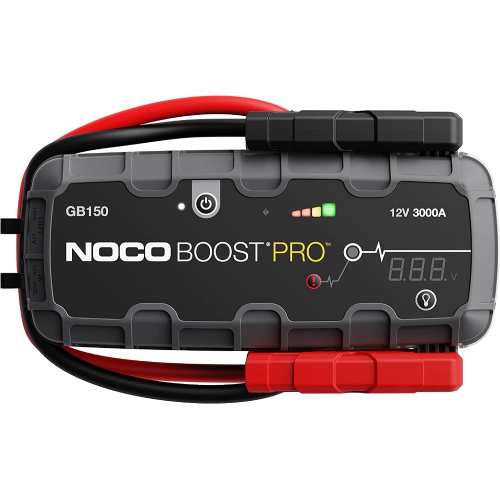
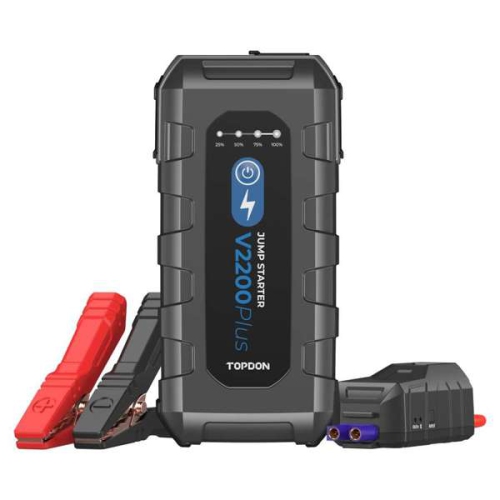
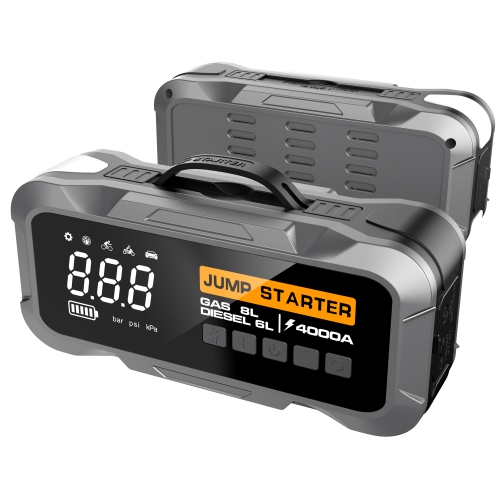
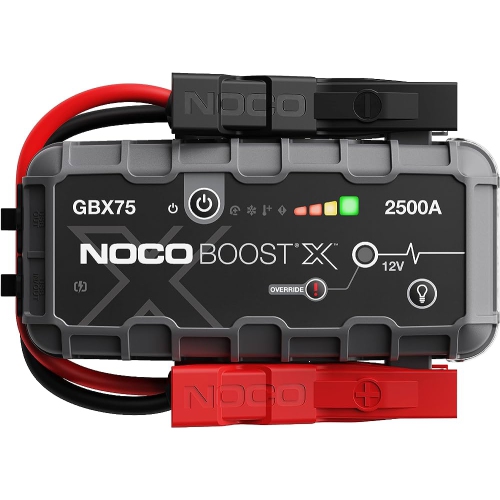
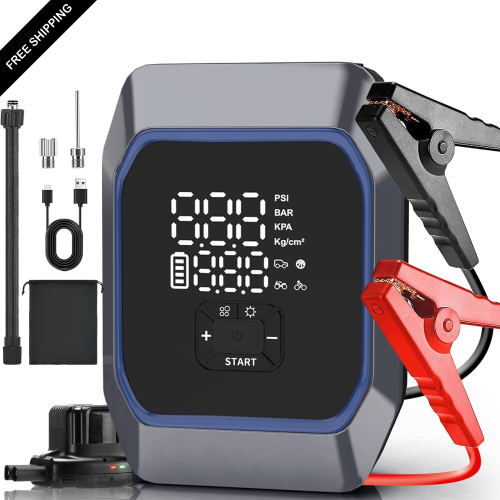
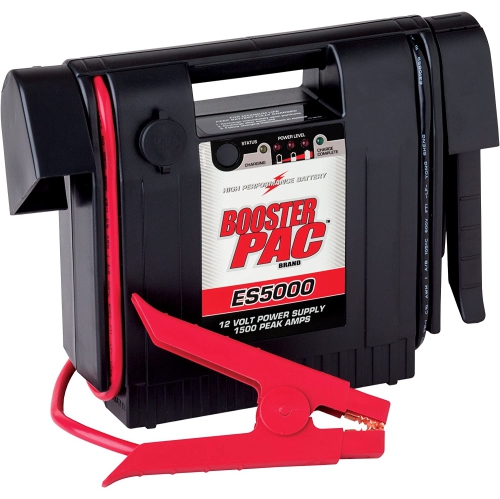
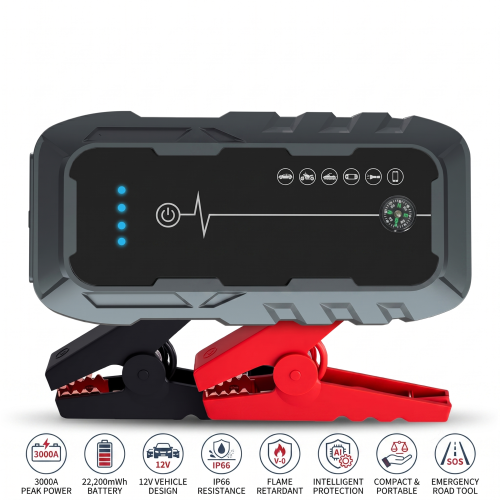
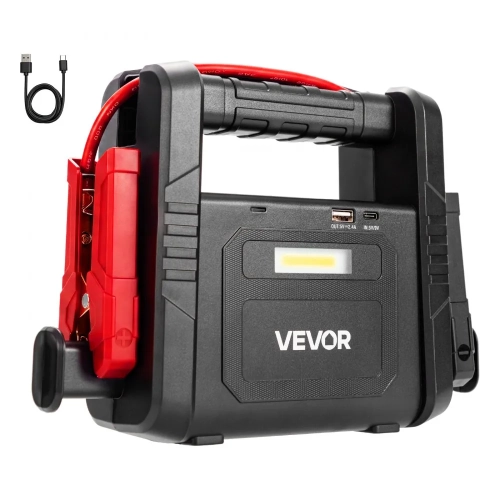

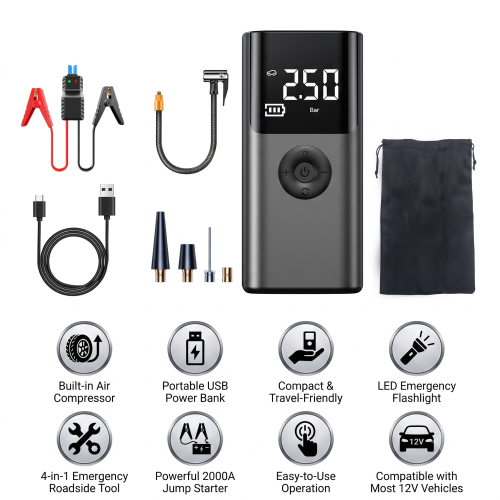
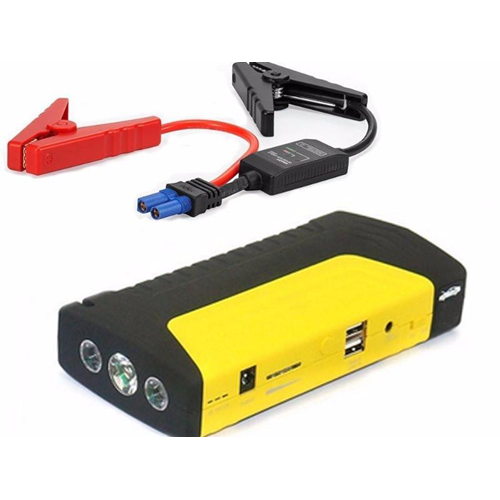
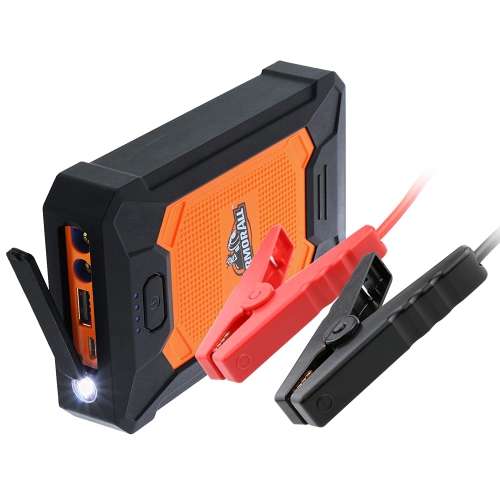
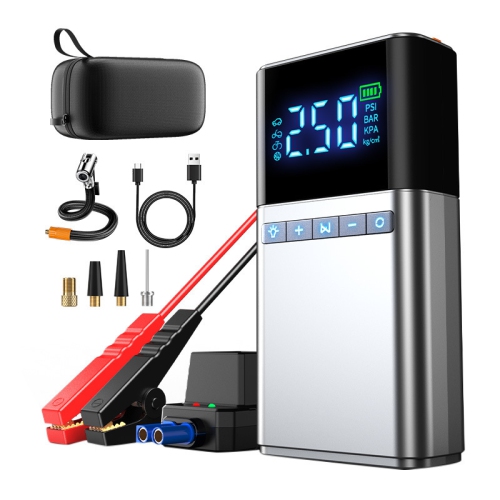
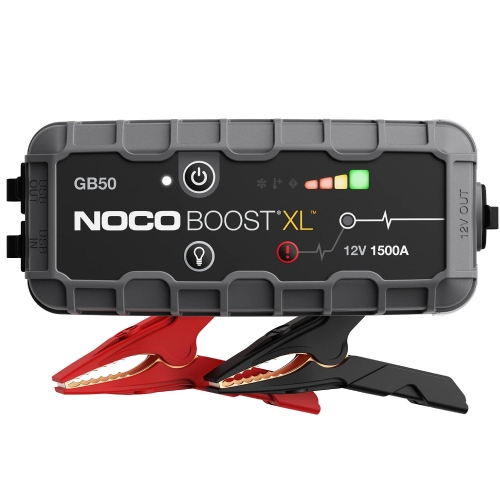
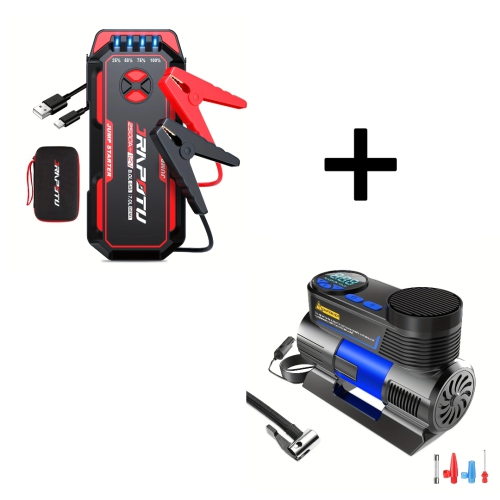
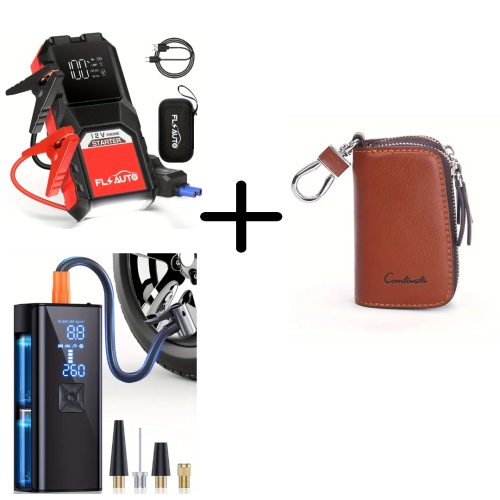
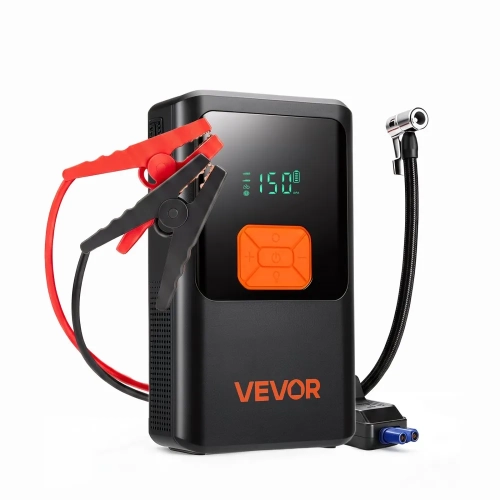

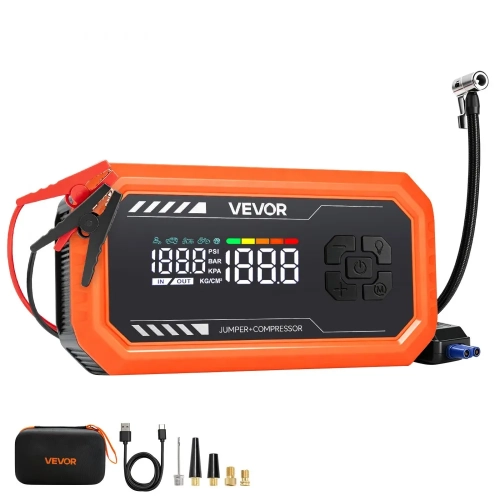
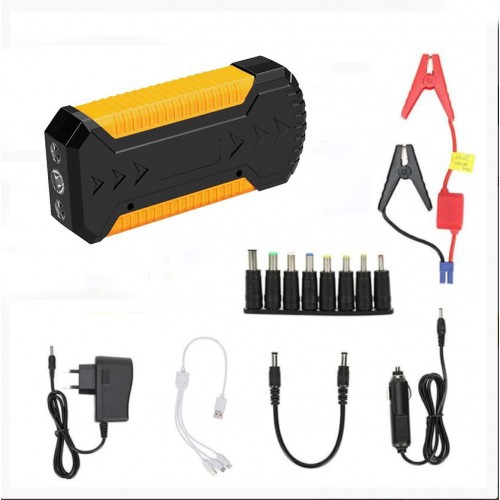
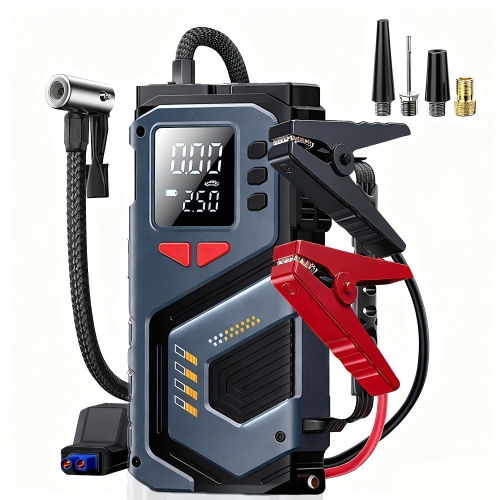

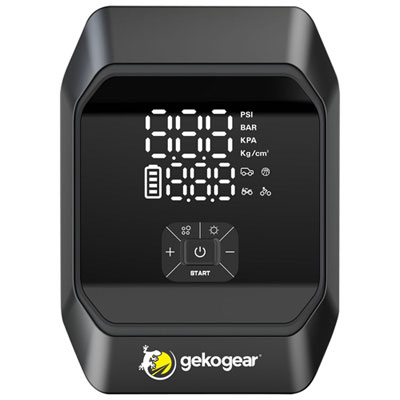
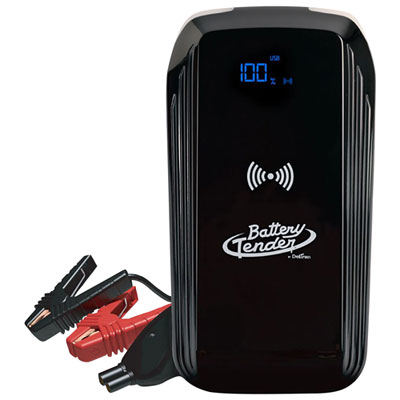

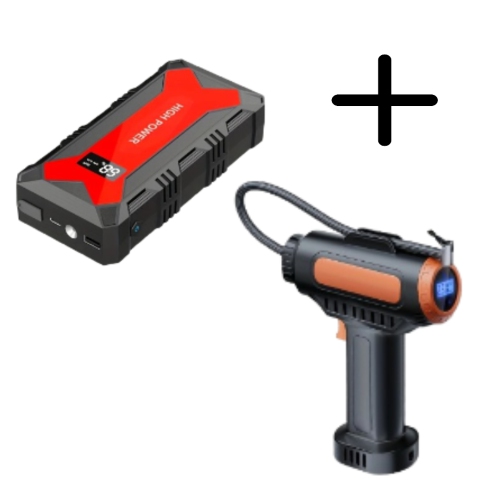
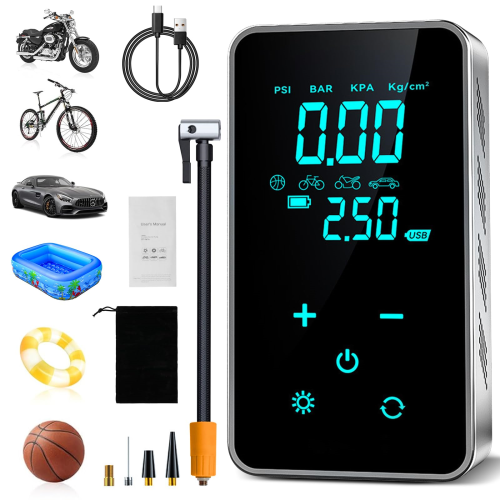
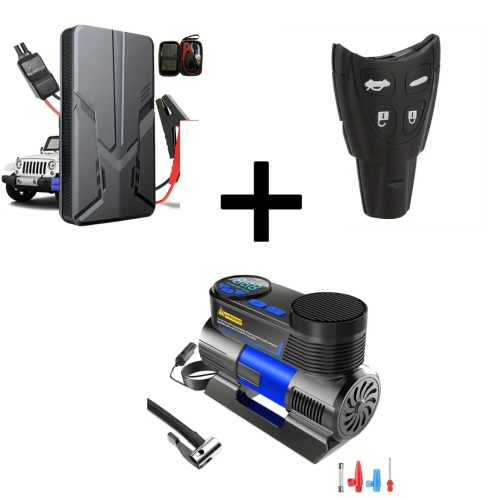
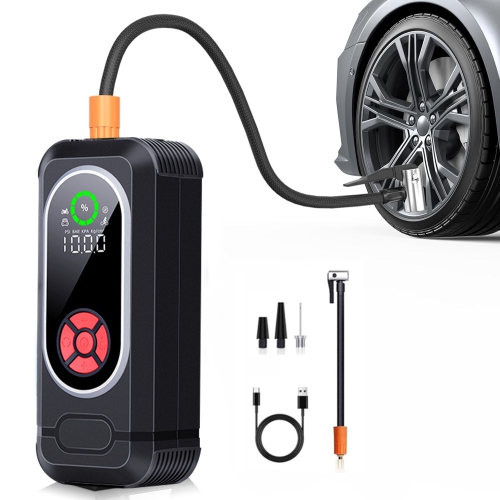


A battery boost without needing another vehicle
Auto jump starters provide a brief burst of electrical power to help start a compatible vehicle when its battery cannot supply enough power on its own. Unlike jumper cables, which require a suitable external power source such as another vehicle’s battery, a charged portable jump starter carries its own power supply. That makes it useful when a car will not turn over in a driveway, a parking garage or a roadside rest area. These devices are intended to support the starting process, not to repair a failing battery or replace a battery charger. A battery that repeatedly needs a boost may need testing, and trouble with the charging system or starter motor will not be resolved by carrying a jump pack. Compatibility begins with the vehicle’s electrical system, engine size and fuel type. A 12-volt jump starter is intended for compatible 12-volt starting systems; it is not interchangeable with equipment designed for a 24-volt system. Gasoline and diesel engines can have different starting demands, so the manufacturer’s stated engine compatibility is more useful than a high amperage figure alone. Peak amps describe a maximum output under specified conditions, while cranking performance relates more closely to the power delivered during starting. Ratings from different manufacturers are not always directly comparable. Supported battery chemistry also matters: a jump starter should be used only with the battery types identified in its instructions. For hybrids and electric vehicles, any permitted boosting procedure concerns the designated low-voltage system, not the high-voltage traction battery, and must follow the vehicle manufacturer’s directions. A compact car, a family SUV and a diesel pickup may therefore call for quite different equipment, even when each uses a 12-volt starting battery. Matching the pack to the actual vehicle helps make it a practical part of an emergency kit rather than an accessory chosen solely for its size or advertised output.
The construction of an auto jump starter affects how comfortably it stores, how easily it connects and how well it stands up to repeated handling. Lithium-ion designs are often compact enough for a small carrying case, while lead-acid jump starters tend to be larger and heavier. Overall dimensions matter when the intended storage space is a shallow cargo compartment or a crowded tool kit. Clamp design deserves equal attention: insulated grips, a secure spring mechanism and jaws that fit the battery terminals or designated jump points can make connections easier to manage. Cable length needs to suit the layout under the bonnet without placing strain on the connections. Durable cable insulation and well-protected connectors are useful where the pack will be unpacked, connected and stored repeatedly. A reinforced housing can help protect against everyday knocks, but a rugged appearance does not establish water or dust resistance; those claims should be supported by the stated rating and its limitations. Reverse-polarity protection, short-circuit protection and clear connection indicators are valuable features, although their presence varies and none removes the need to follow the supplied instructions. Audible alerts and readable status lights can help distinguish a correct connection from a fault before starting is attempted. A low-battery override function, where provided, may bypass certain automatic checks and is not a substitute for understanding the manufacturer’s procedure. Damaged, leaking or swollen vehicle batteries should not be boosted. Care is generally straightforward: keep the jump starter clean and dry, protect its ports and clamps, and inspect cables and housing for damage. Stored charge gradually declines, so the recommended recharge schedule matters even when the pack has not been used. Recharging after use and checking the charge indicator periodically help keep it ready. A fitted case also keeps the leads together and prevents loose accessories from rubbing against connectors during transport.
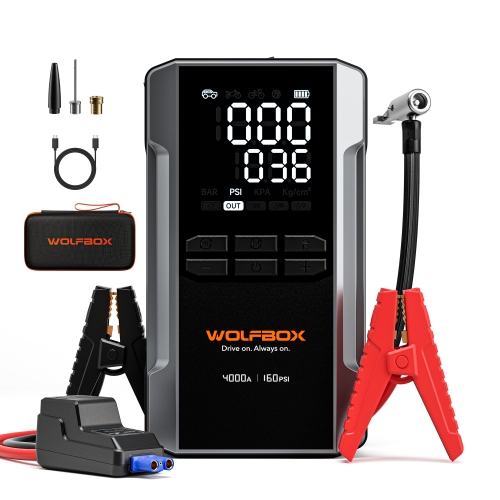
Intended use helps distinguish a convenient everyday jump pack from a larger roadside power unit. A commuter may value a compact design that is easy to retrieve beside a parked car, while a household with several vehicles may need compatibility across different engine sizes. For drivers of larger pickups, Truck Jump Starters offer a more focused category to explore, with the vehicle’s engine and electrical requirements still determining the appropriate fit. Additional functions can be useful when they serve a real need. An integrated work light can illuminate a battery label or connection point in a dim parking area, and a separate charge display can be easier to interpret than a single status light. USB ports may allow a compatible pack to charge a phone, but their output and supported charging standards vary. A USB-C port is not automatically both an input and an output, so its stated function matters when choosing cables and chargers. Using a jump starter as a power bank also draws on the energy reserved for starting a vehicle. Built-in air compressors add another practical function, although supported pressure, airflow, duty cycle and suitability for the vehicle’s tyres should be checked separately from jump-starting capability. These extras can increase size and weight, making a simpler pack a better fit for someone who already carries a tyre inflator and phone charger. Storage is part of everyday usability, too: the pack should be secured against movement in the vehicle, kept away from loose metal objects and stored according to its instructions. For a new driver, a family member who travels between communities or someone who regularly drives alone, an appropriately matched jump starter can be a thoughtful, practical gift. Clear instructions, manageable weight and accessible controls often matter as much as additional functions. The most useful choice is one that suits the vehicle, is easy for its owner to handle and receives the regular charging and inspection needed to remain dependable.
Top selling and popular products
-
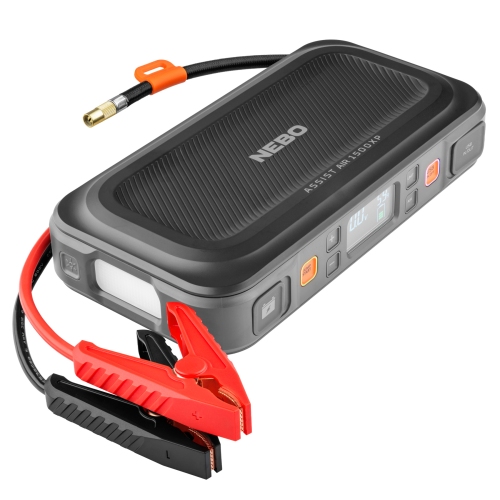 Your price for this item is $199.99
-
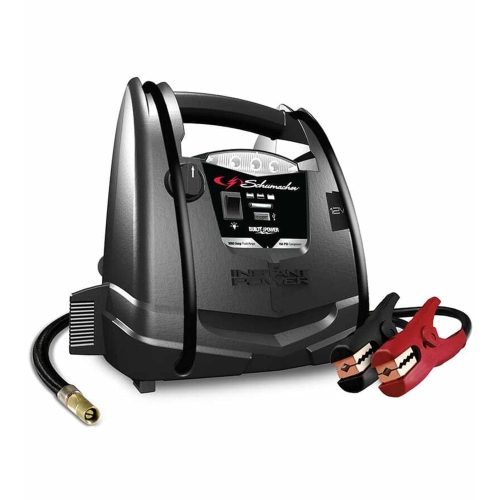 Your price for this item is $179.99
-
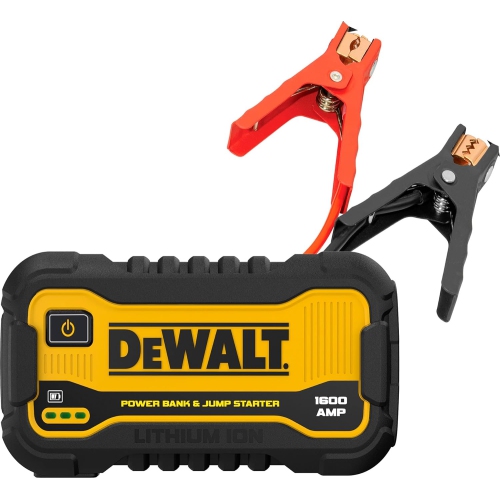 Your price for this item is $117.99
-
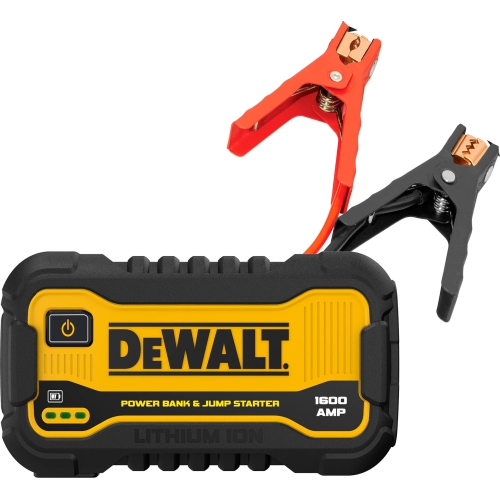 Your price for this item is $99.99
-
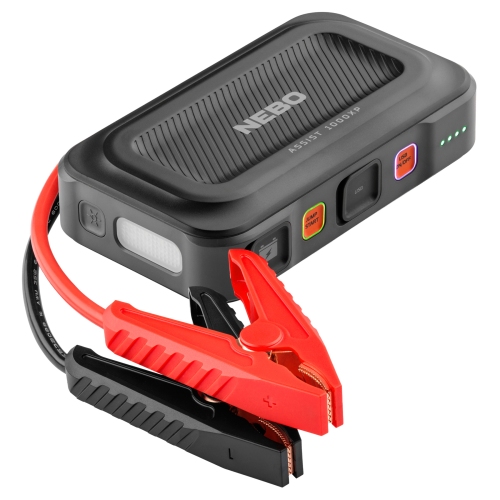 Your price for this item is $109.99
-
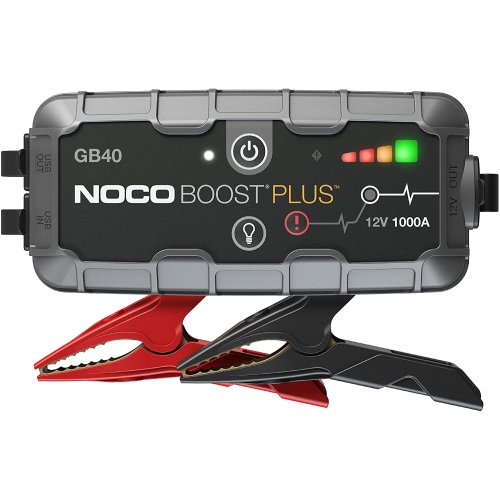 Your price for this item is $180.95
-
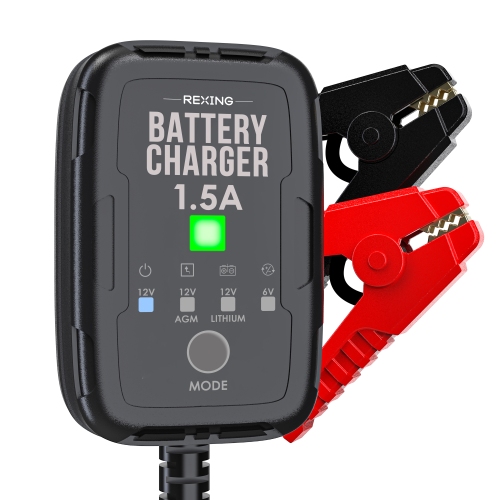 Your price for this item is $119.99
-
 Your price for this item is $229.99
Discover more categories related to Auto Jump Starters
Top Collections:
Pokemon Centers, Kindle Devices, Best Budget Office Chairs, Canon G7X Cameras, Apple iPhones 16, Samsung Galaxy Phones, Refurbished Apple Laptops, Laptops for Students, iPhone 15 Apple, Budget Smartphones
Some products may be subject to Environmental Handling Fees
(EHF) depending on your province.
Learn more about EHFs.