Vehicle Warning Lights
Illuminate the road ahead with our wide selection of vehicle warning lights. Whether you need to enhance visibility during adverse weather conditions or alert other drivers of your presence on the road, our range of high-quality warning lights will ensure you stay safe and visible at all times. From LED light bars and strobe lights to beacon lights and emergency flashers, we have the perfect lighting solutions for every vehicle type. Browse through our collection and equip your vehicle with the essential warning lights that will help you navigate any situation with confidence.
Sort
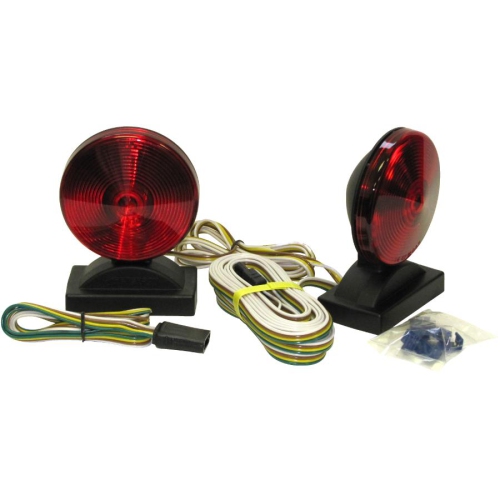
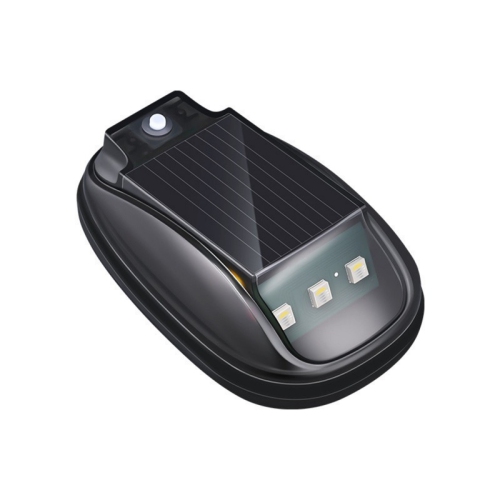
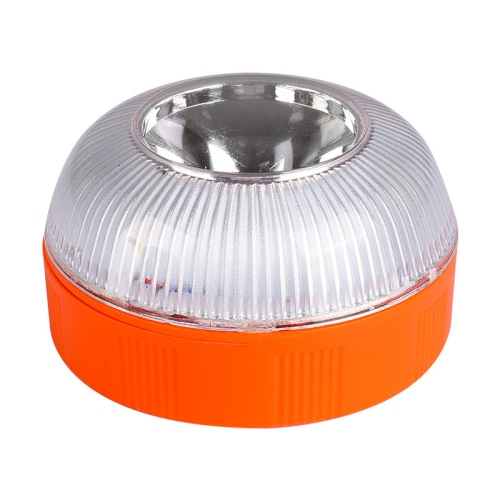
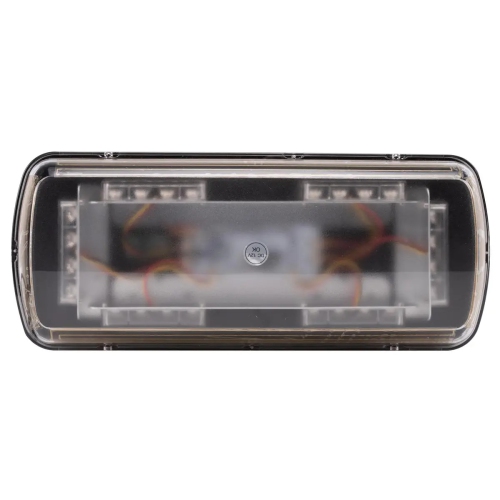
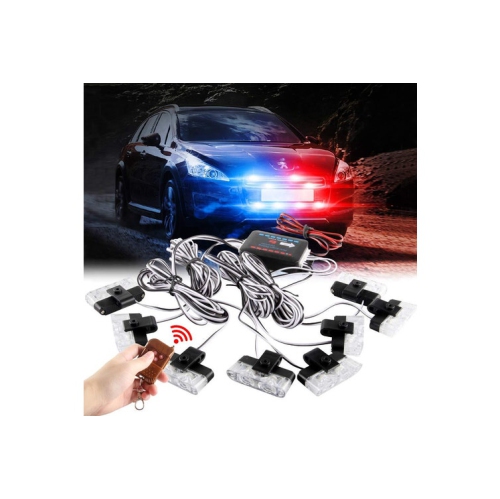
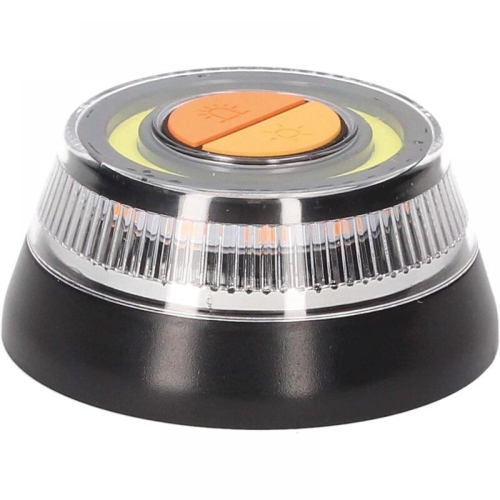
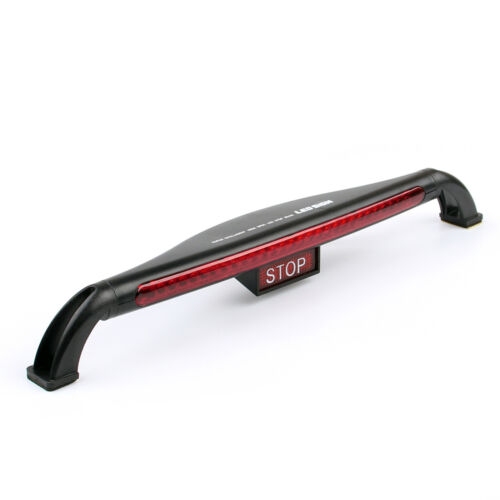
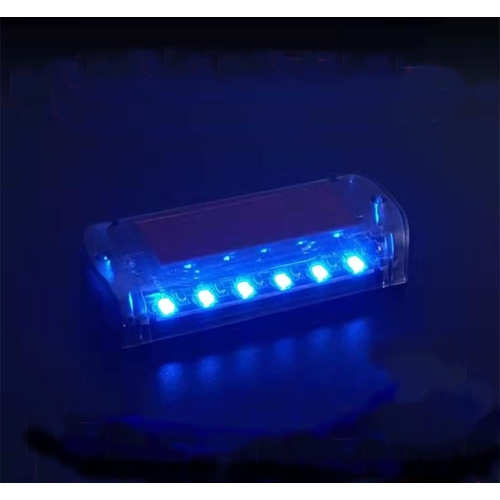


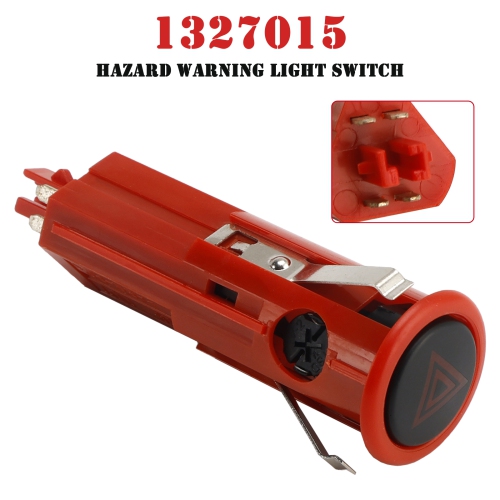

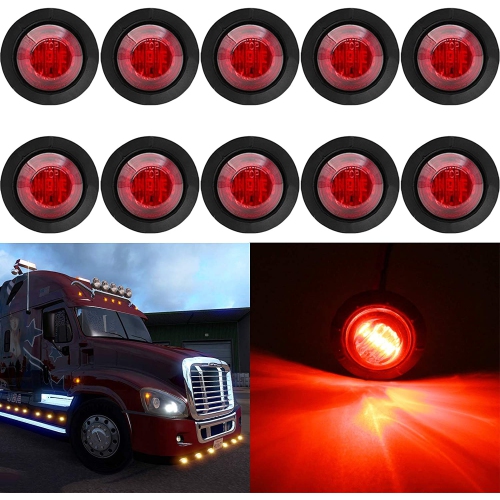


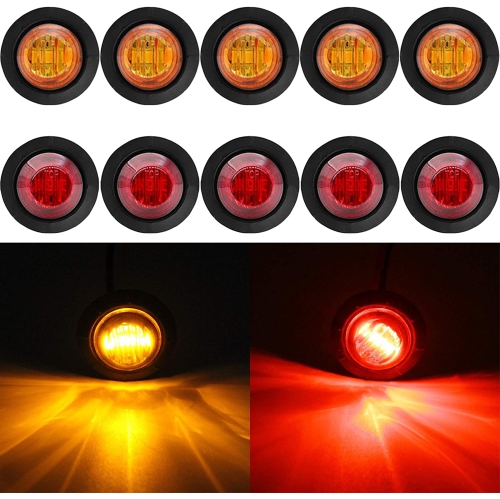

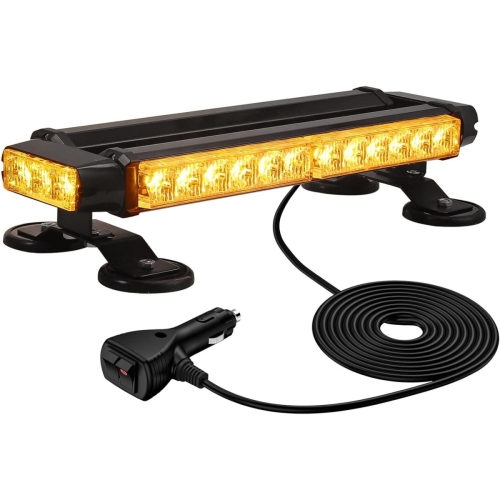
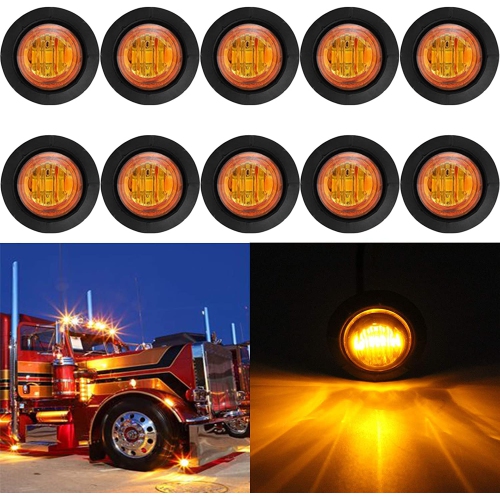
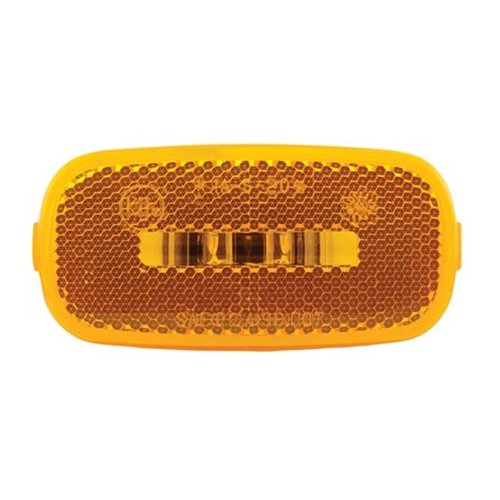

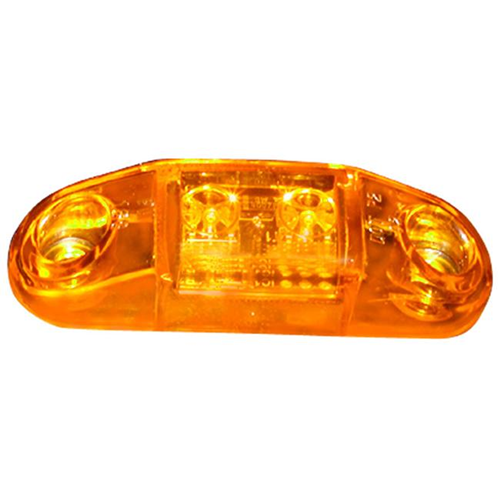
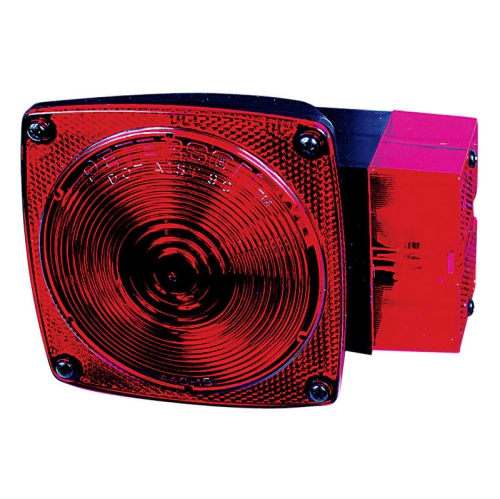

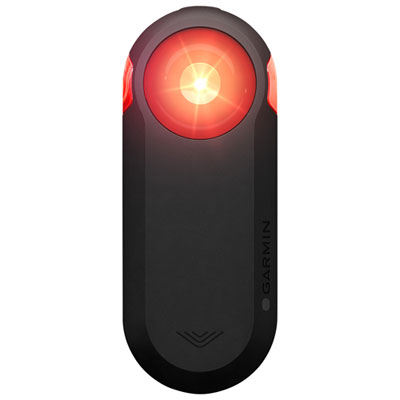
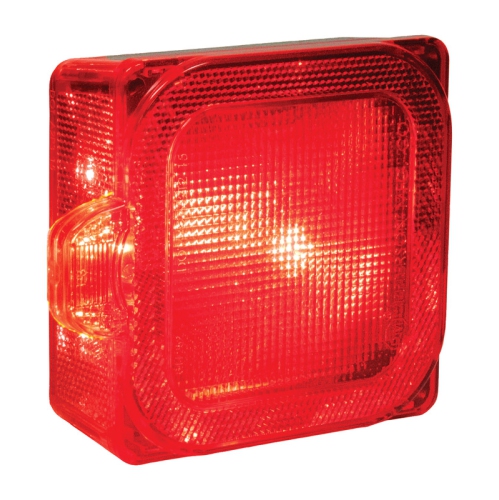
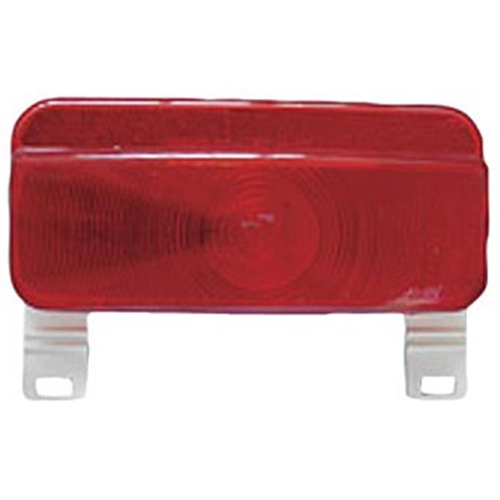
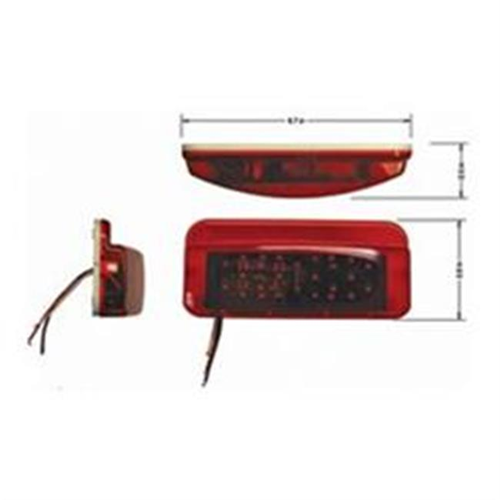
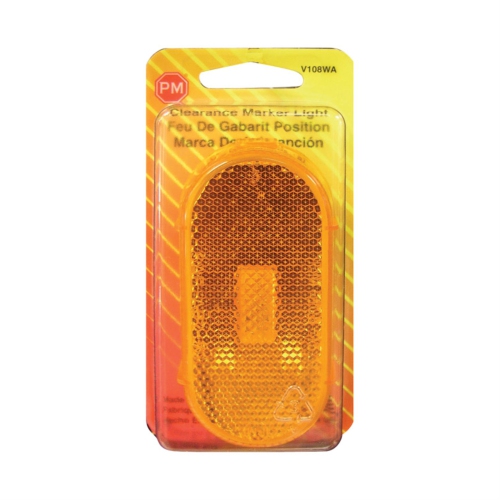
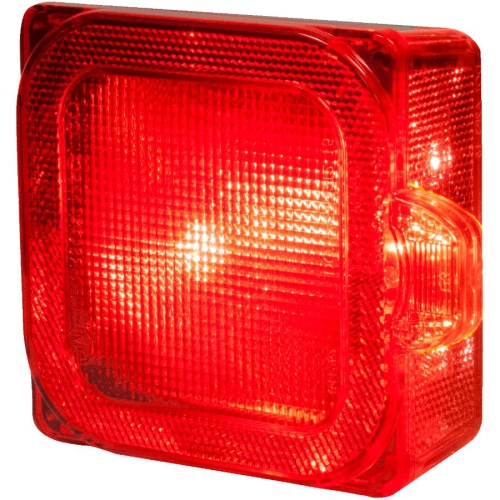




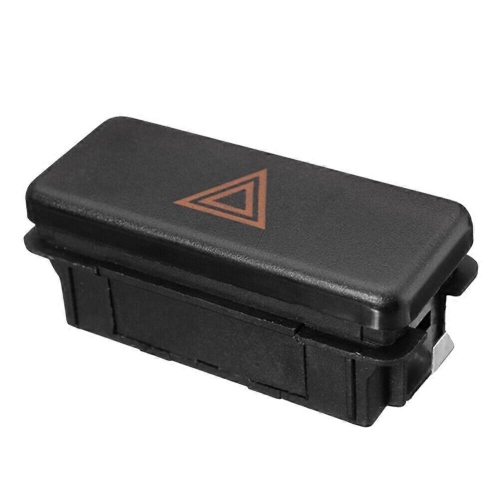

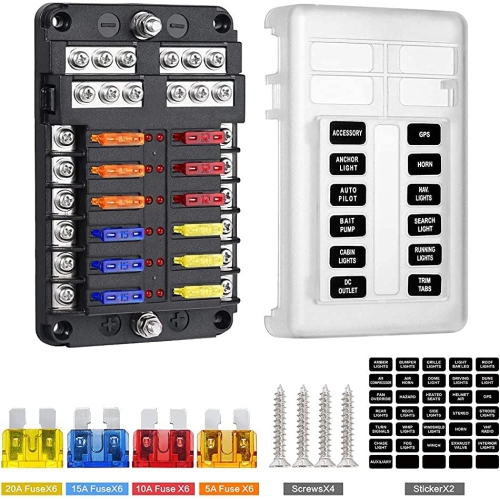


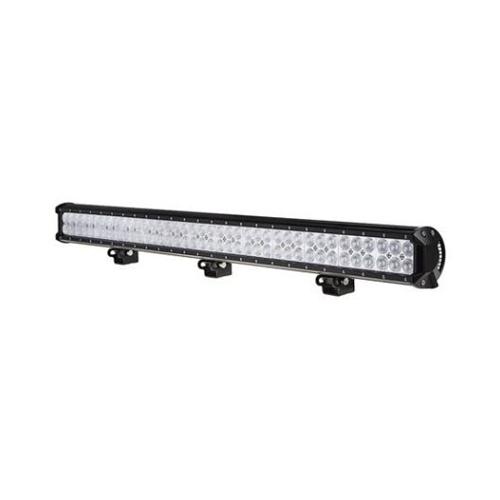
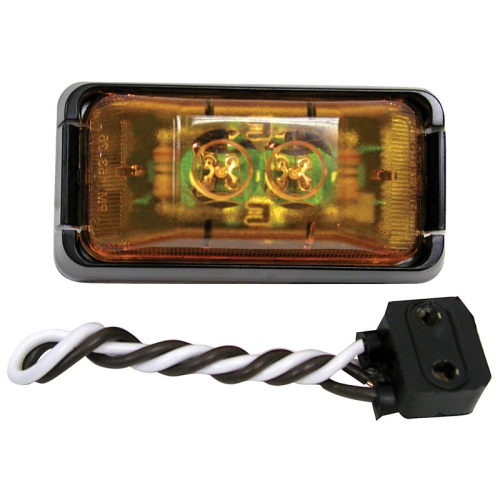
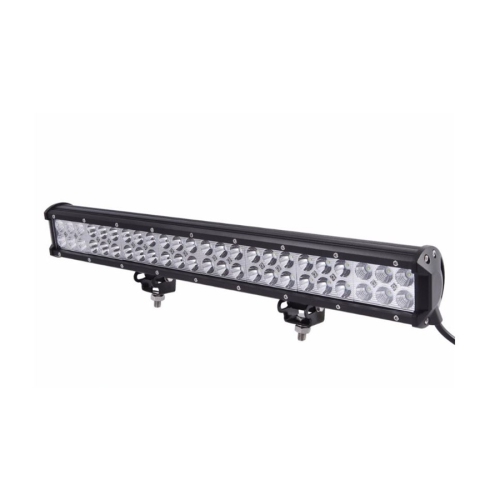
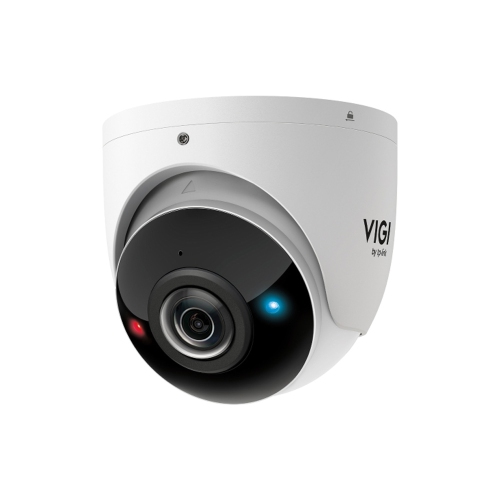
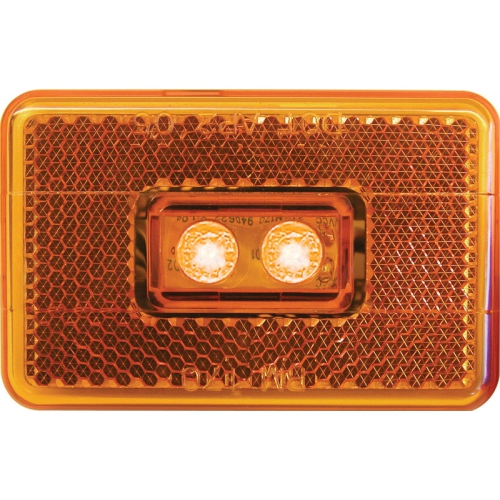
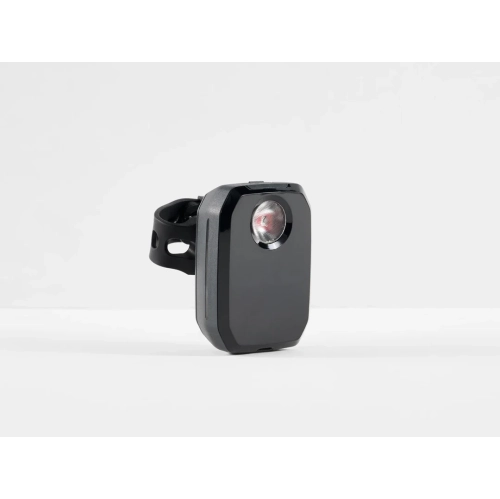
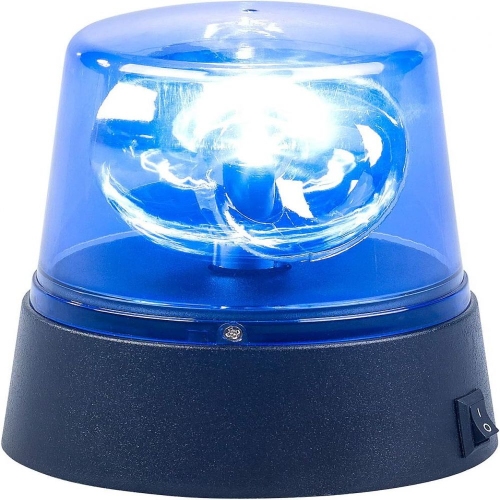


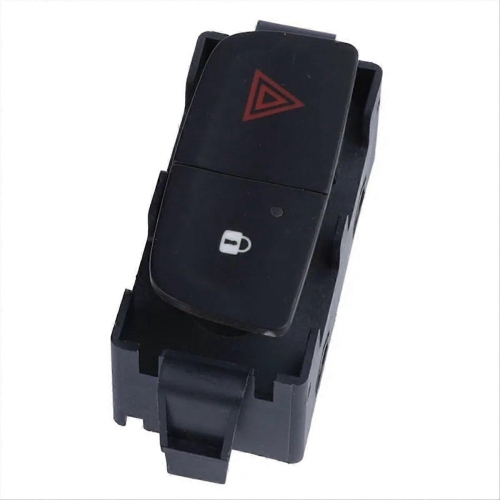
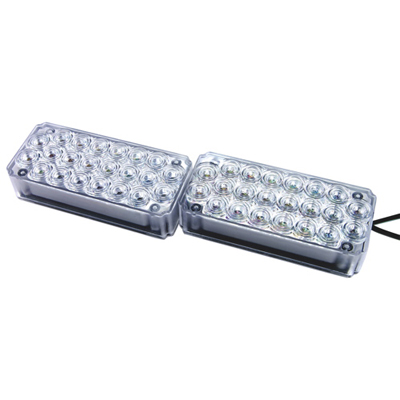
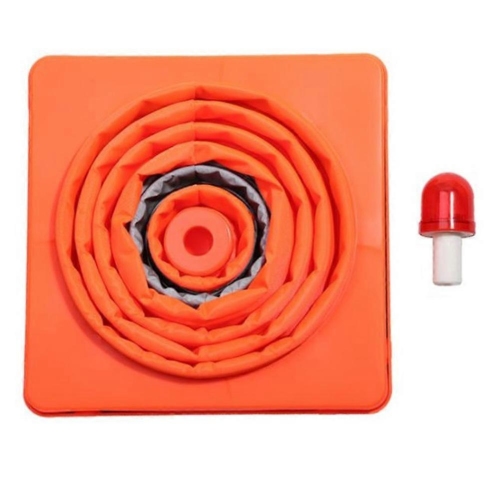
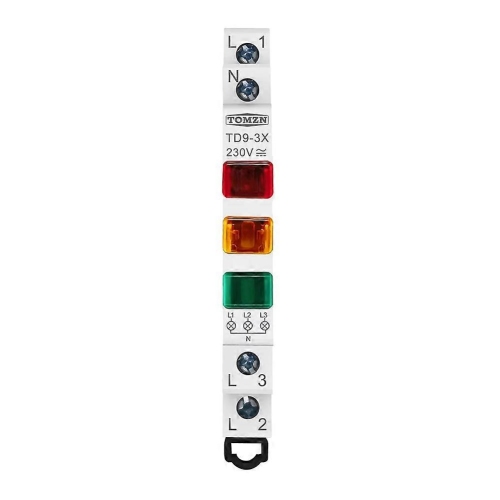

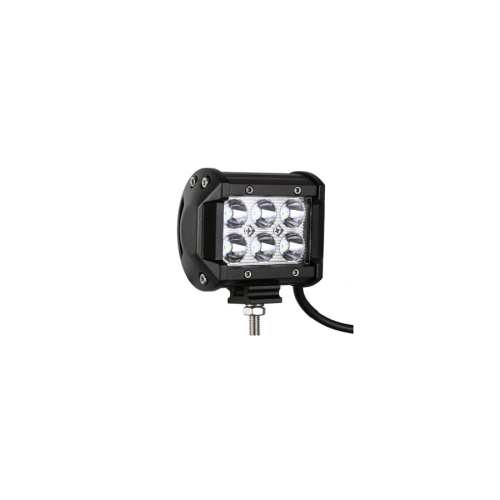


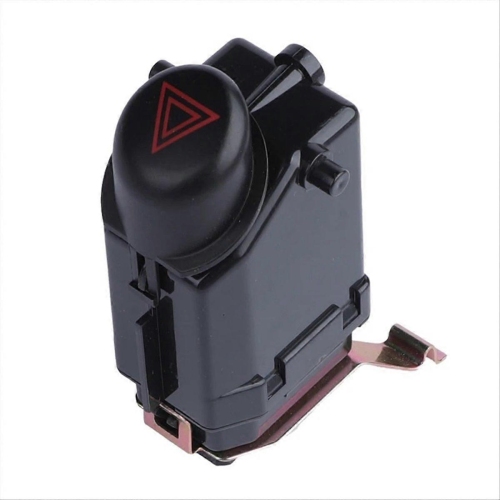
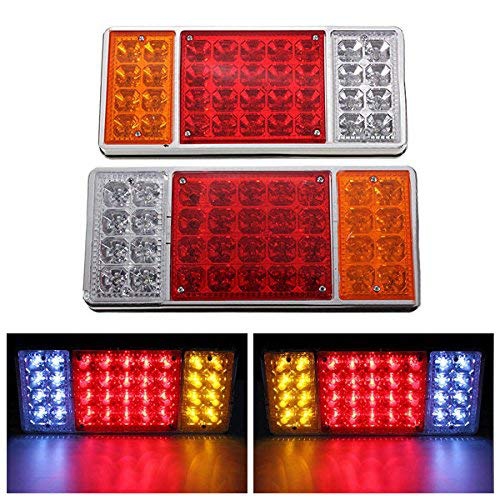


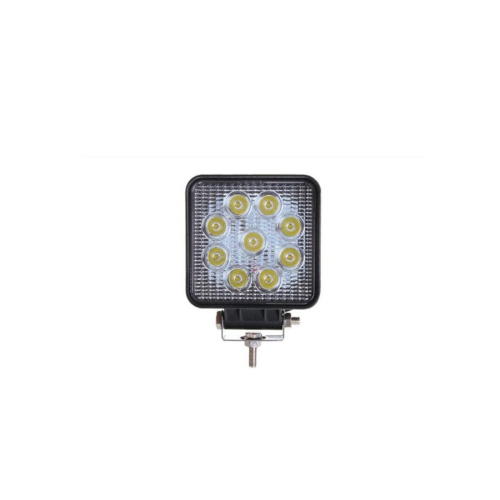
Visibility guidance for roadside stops, work zones, and emergencies
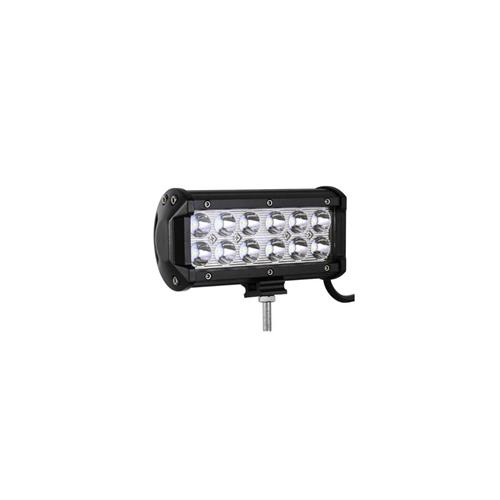
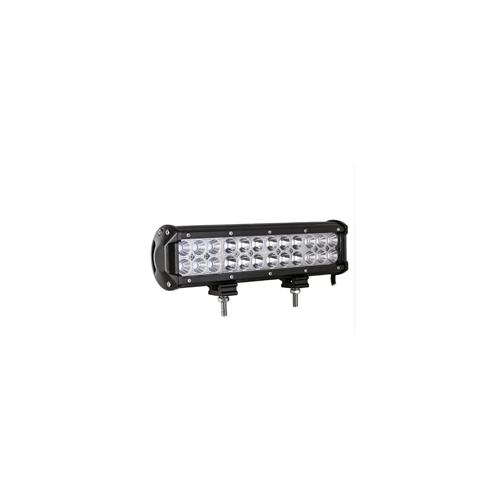
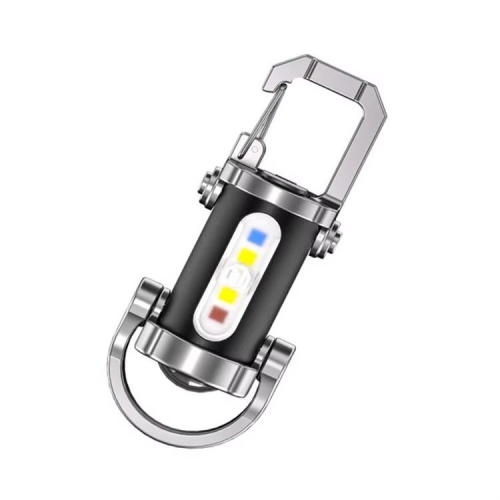
Vehicle warning lights help make a vehicle more visible when ordinary headlights and hazard flashers are not enough. They can be useful for roadside assistance, property maintenance, construction, agricultural work, towing, security, event support, utility service, and many other situations where a stationary or slow-moving vehicle needs to be noticed early. During the cooler months, reduced daylight, wet roads, fog, frost, blowing snow, and low-contrast conditions can make a vehicle difficult to see, particularly on a shoulder or at the entrance to a work area. A visible warning light gives approaching drivers an additional cue to slow down, change lanes when safe, or proceed with extra care. Depending on the vehicle and intended use, you may find compact lights for personal vehicles, larger units for work trucks, roof-mounted options, magnetic lights that can be repositioned, and interior or exterior lights designed for specific mounting locations. Consider where the light will be used before choosing one. A light intended for occasional roadside use may need to be quick to install and easy to store in a trunk, while a light used every day on a service vehicle may benefit from a more permanent installation, a dedicated switch, and wiring that stays neatly protected. Check the product’s mounting method, power connection, weather resistance, visibility from different angles, and available flash patterns. Magnetic mounting can be convenient for temporary use, but the contact surface should be clean and the light should be removed before entering a car wash or travelling at high speed unless the product instructions specifically allow otherwise. Hardwired lights can create a tidy, dependable setup, but installation may require appropriate tools or professional assistance. Brightness is important, but so are lens design, flash timing, beam direction, and visibility in daylight. A light that appears vivid in a dark driveway may be less noticeable in bright sun, while an overly distracting pattern may be unsuitable for certain roads or work environments. Always follow the manufacturer’s instructions and check applicable provincial, territorial, and municipal rules before using coloured or flashing lights on public roads.
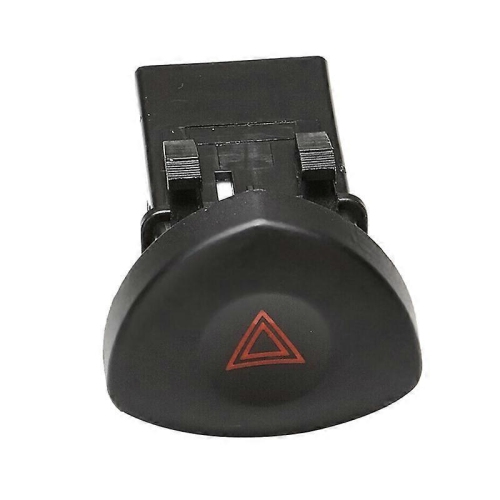
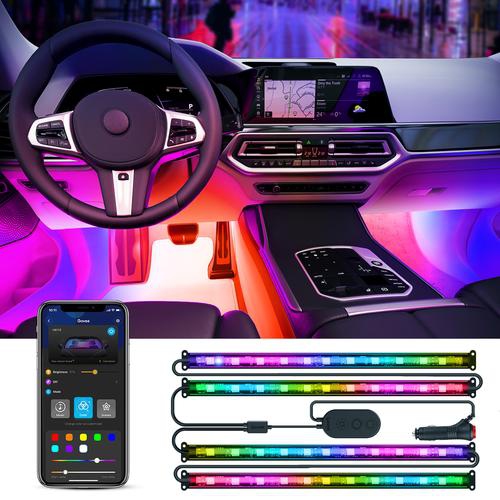
It is also helpful to understand the difference between external vehicle warning lights and the symbols displayed on a dashboard. Dashboard indicators communicate what is happening inside the vehicle, using colour and icon design to signal system status. Red generally indicates an urgent condition that may require stopping safely as soon as possible, while yellow or orange usually means that a problem needs attention soon. Green and blue indicators are commonly informational, showing that a function such as lighting, cruise control, or another driving aid is active. A red oil pressure, brake, or engine temperature warning can point to a serious issue where continuing to drive may cause damage or create a safety risk. A battery-shaped warning may indicate a charging-system problem rather than a weak battery alone. Yellow or orange indicators such as the check engine, tire pressure, ABS, or traction control lights still deserve prompt attention, even when the vehicle appears to be driving normally. A tire pressure warning may be caused by a gradual leak, a temperature-related pressure change, or a puncture, and should be checked before a longer drive. An ABS or stability-control warning may mean that an electronic safety system is unavailable, so extra care is sensible until the vehicle can be assessed. When a dashboard light appears, consult the owner’s manual, pull over in a safe location when necessary, and arrange diagnosis or service rather than relying on an external warning light to solve the underlying problem. For drivers who want to add a little extra illumination inside the cabin for practical visibility or vehicle personalization, Dashboard Led Lights are a separate category and should not be confused with warning indicators that report a mechanical or electrical fault.
When comparing vehicle warning lights, think about the people, vehicles, and conditions involved. A delivery driver, roadside technician, farmer, building manager, or recreational vehicle owner may value a durable light that is simple to operate with gloved hands and remains visible from the front, rear, and sides. Someone who keeps an emergency kit in the vehicle may prefer a compact, self-contained option that can be deployed without tools when a tire problem or breakdown occurs. Families who regularly travel on rural roads, dark highways, or changing weather routes may appreciate having a visibility aid available for unexpected stops, although it should be used according to local regulations and placed where it will not obstruct traffic or create another hazard. Vehicle warning lights can also be a practical gift for a new driver, a relative who drives long distances, or anyone who works around vehicles; the most useful choice is usually based on the recipient’s vehicle, storage space, and typical driving environment rather than appearance alone. Look for clear controls, secure mounting, durable housing, sealed connections, and a power source that suits the intended vehicle. Battery-operated designs should be checked regularly so they are ready when needed, while plug-in or hardwired models should have cables routed away from pedals, hinges, hot surfaces, and sharp edges. Before each use, inspect the lens, mounting point, wiring, and power connection, and clean away road salt, mud, or moisture that could reduce visibility. Warning lights improve communication between your vehicle and other road users, but they do not replace hazard flashers, reflective markings, safe parking practices, warning triangles, or professional roadside assistance. Use them as part of a thoughtful safety setup, giving other drivers as much time and information as possible to recognize your vehicle and respond safely during the changing conditions of early fall, winter travel, and the seasons beyond.
Top selling and popular products
-
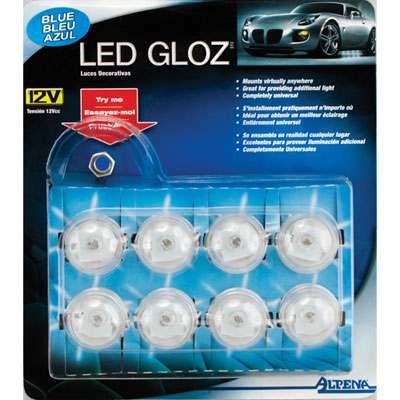 Your price for this item is $16.99
-
 Your price for this item is $36.99
-
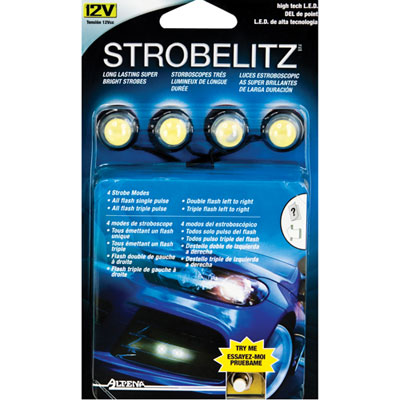 Your price for this item is $31.99
-
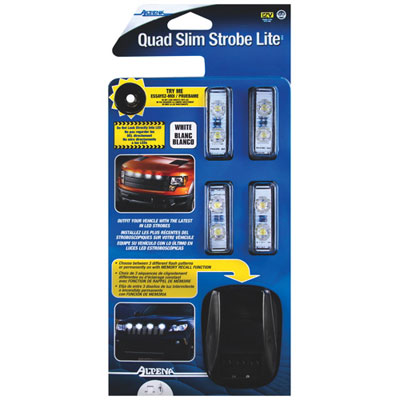 Your price for this item is $48.99
-
 Your price for this item is $36.46
-
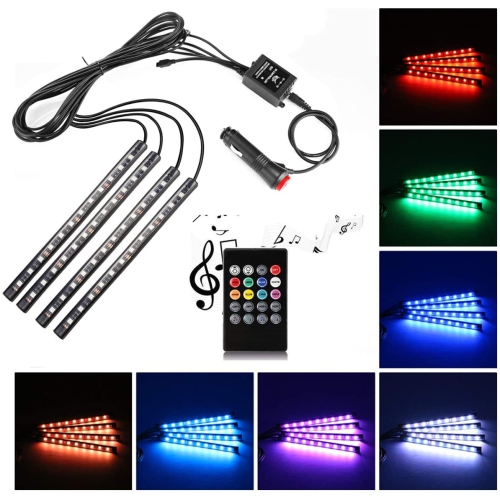 Your price for this item is $29.99
-
 Your price for this item is $52.96
-
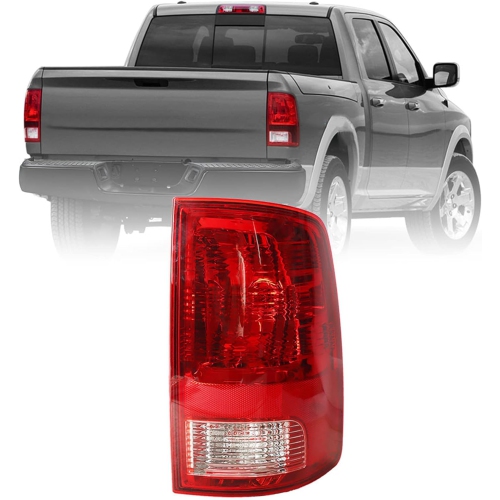 Your price for this item is $164
Discover more categories related to Vehicle Warning Lights
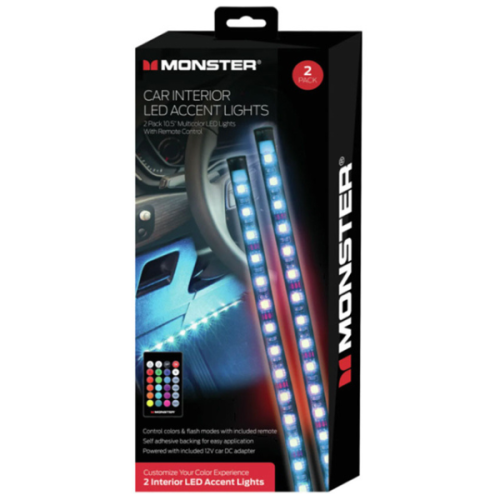
Top Collections:
Pokemon Centers, Kindle Devices, Best Budget Office Chairs, Canon G7X Cameras, Apple iPhones 16, Samsung Galaxy Phones, Refurbished Apple Laptops, Laptops for Students, iPhone 15 Apple, Budget Smartphones
Some products may be subject to Environmental Handling Fees
(EHF) depending on your province.
Learn more about EHFs.