LED Indicator Lights
LED indicator lights are essential components that provide visual feedback in a wide range of electronic devices and appliances. Whether you're looking to replace a faulty indicator light or customize the aesthetics of your equipment, our selection offers a variety of options to suit your needs. From vibrant colors to subtle designs, these LED indicator lights are not only functional but also add a touch of style to your devices. Explore our collection and discover the perfect LED indicator lights for your project today.
Sort
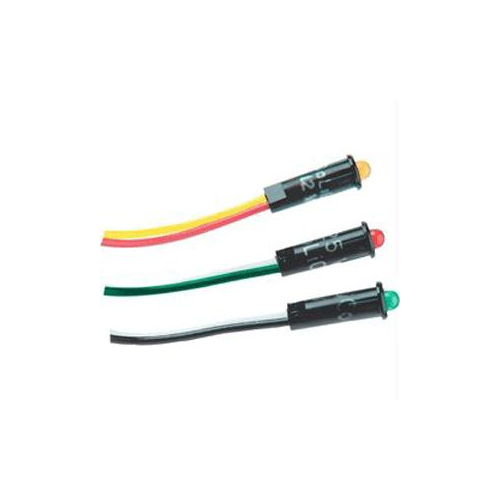


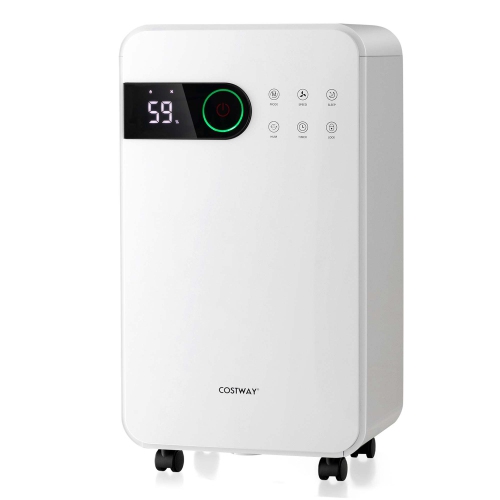
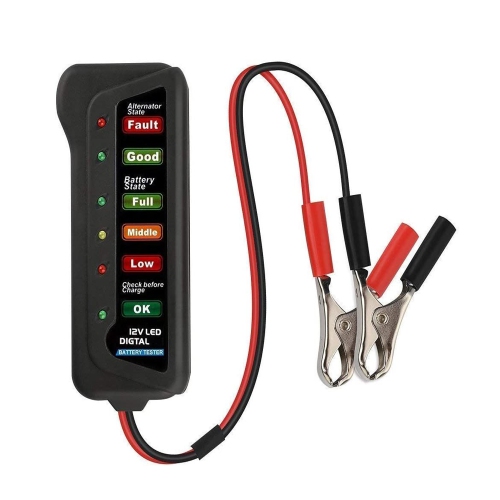
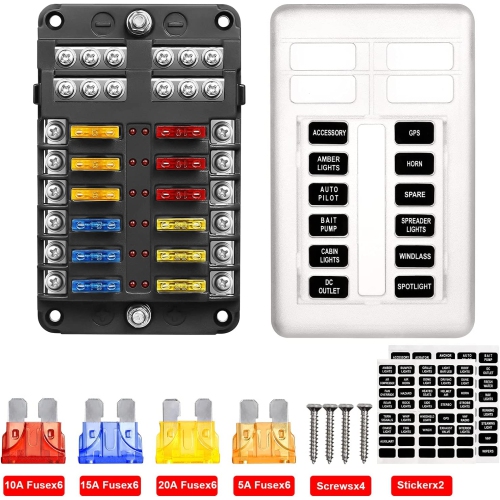

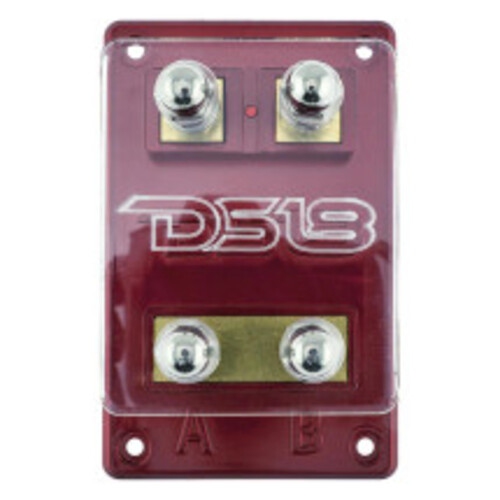
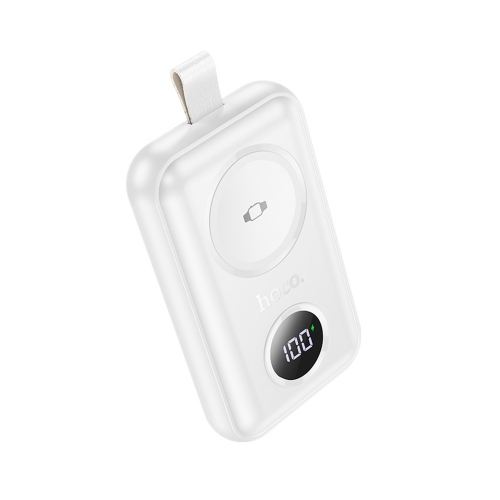

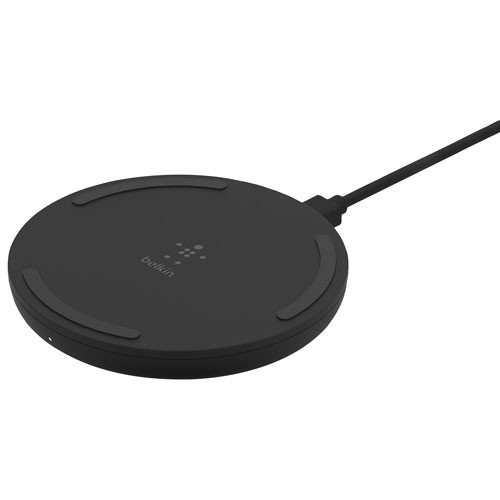
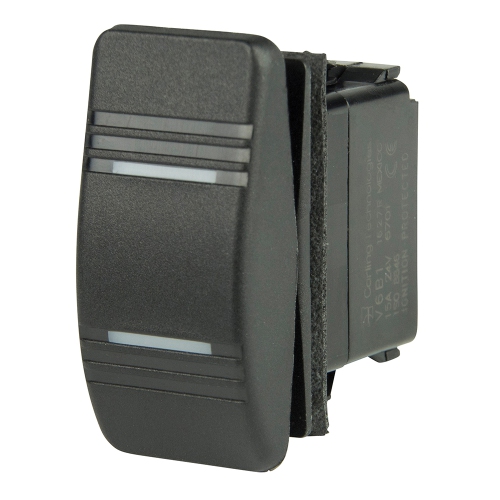
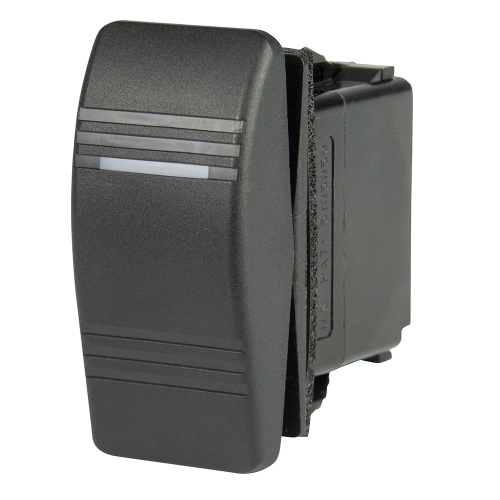
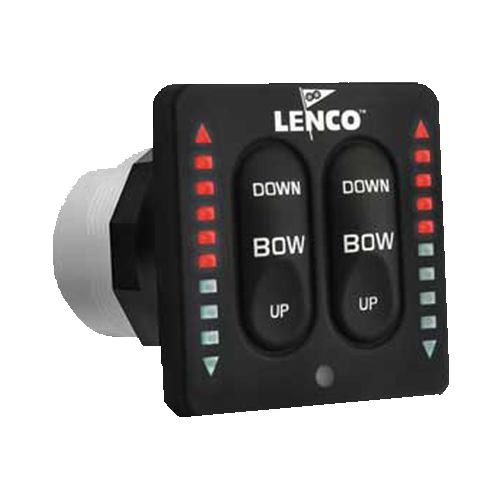
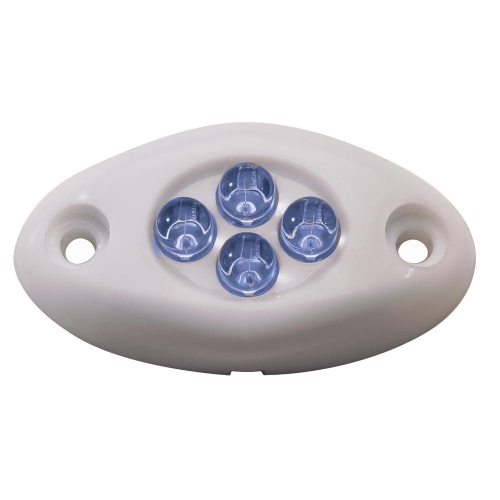
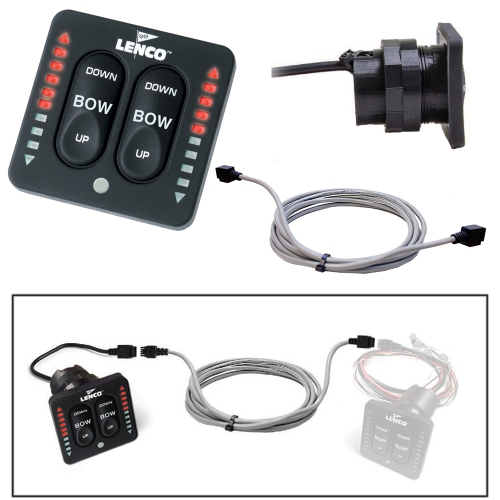
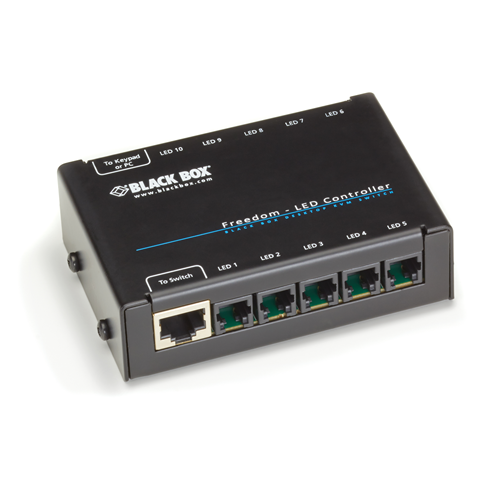
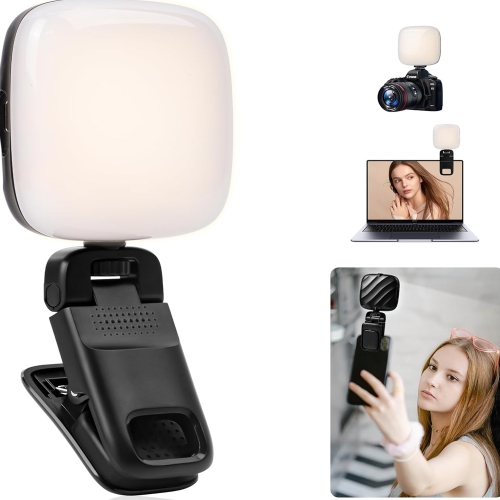
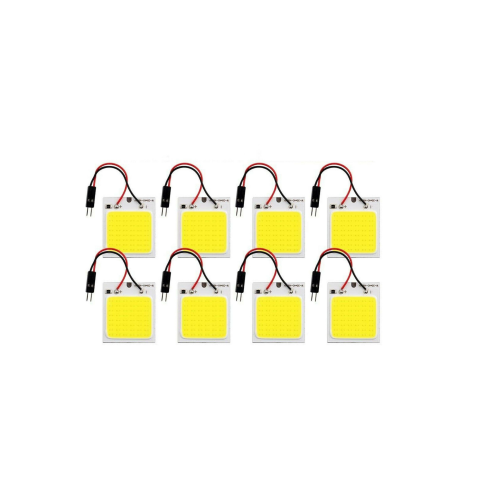

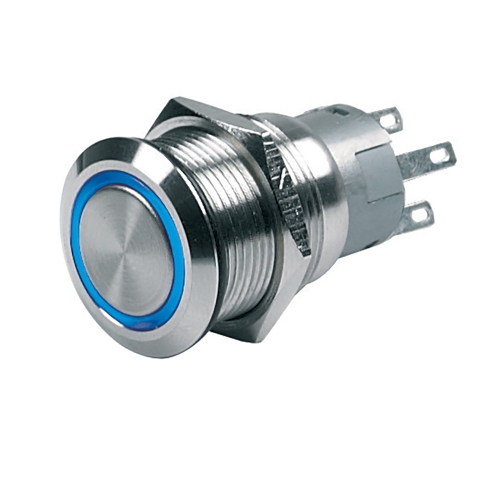
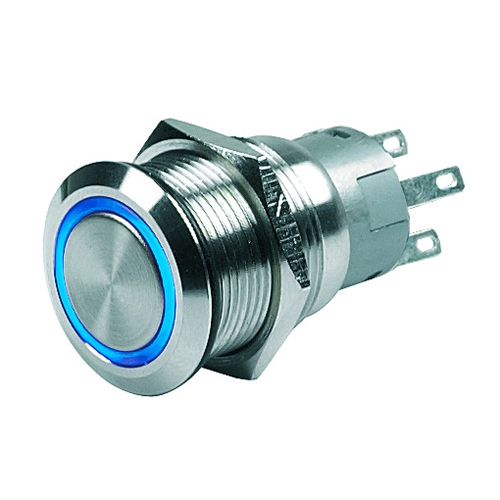

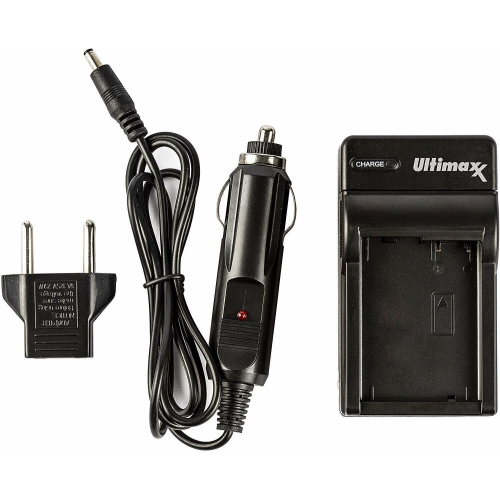

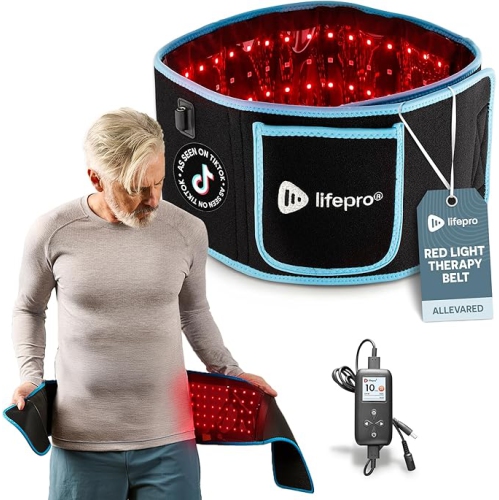

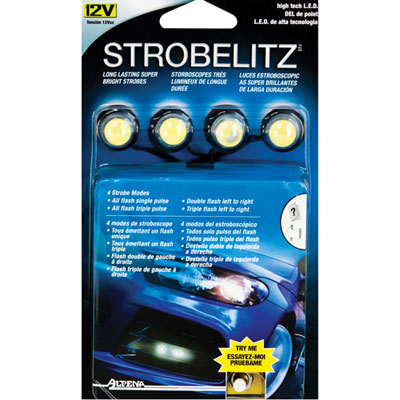
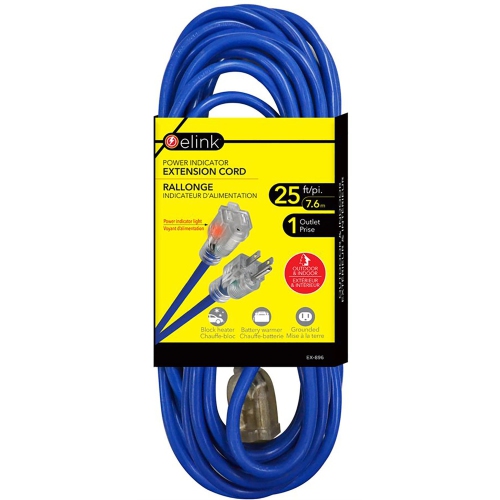
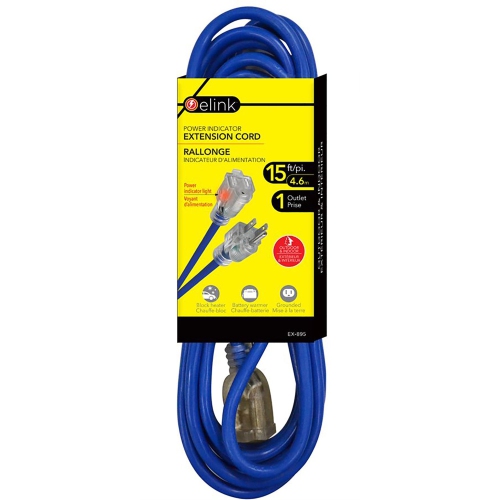


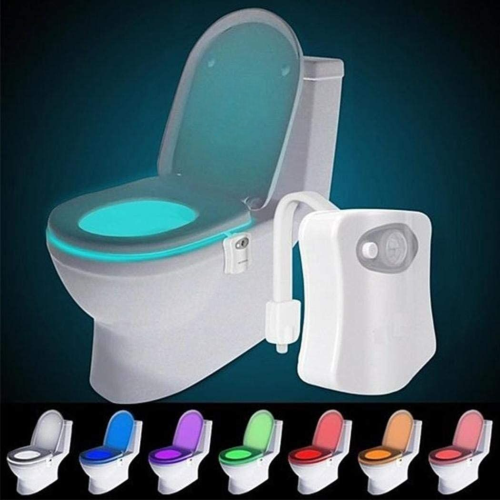

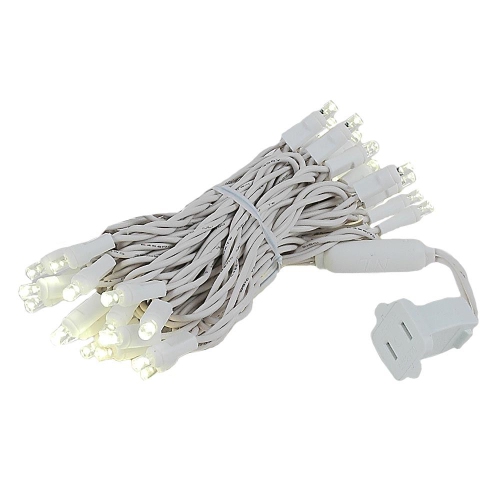
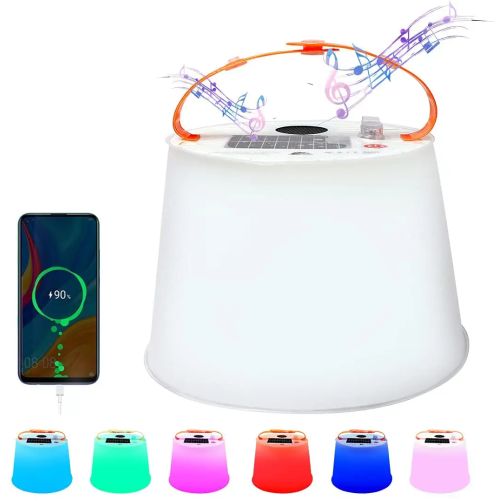
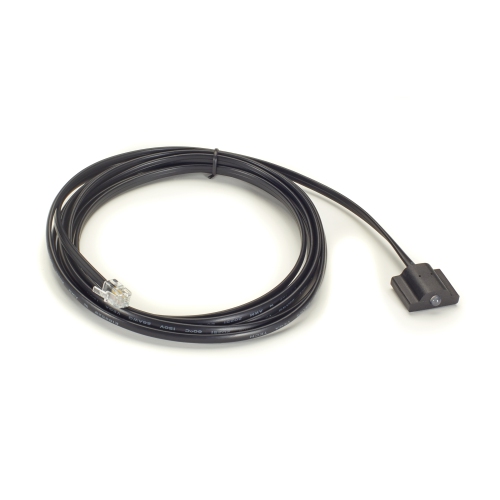

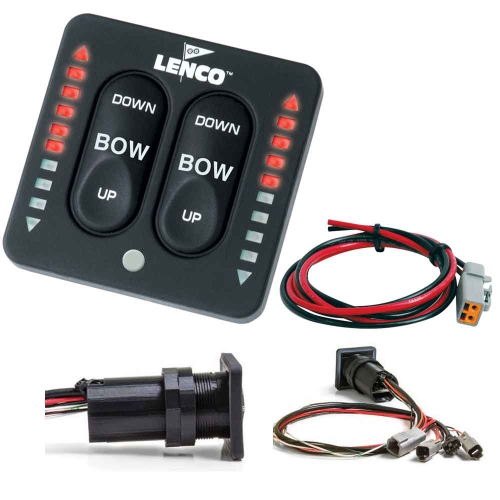
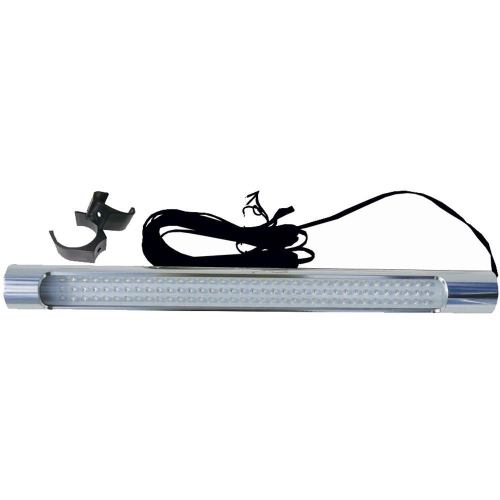
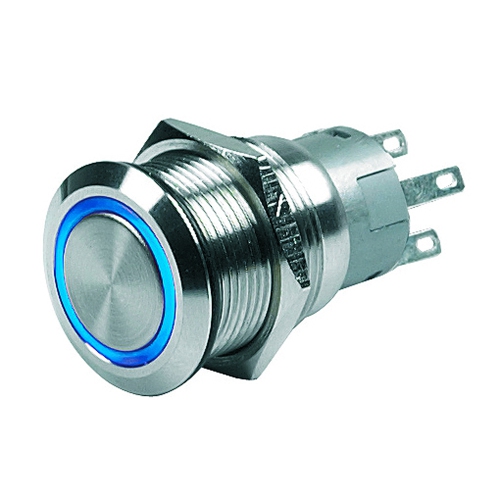
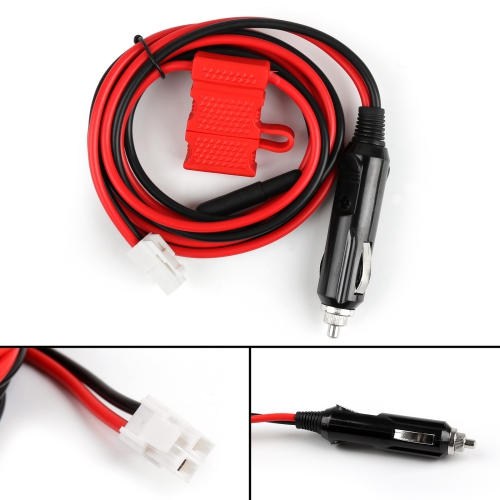

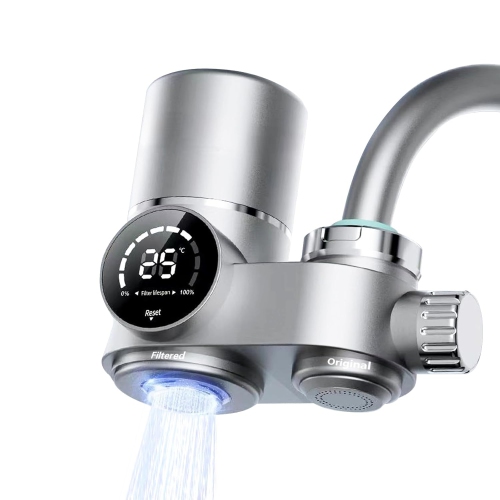
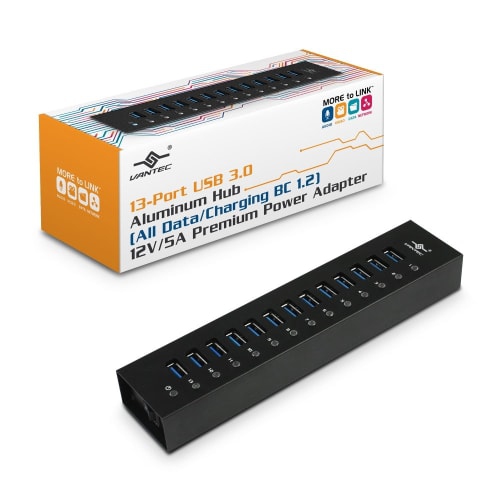
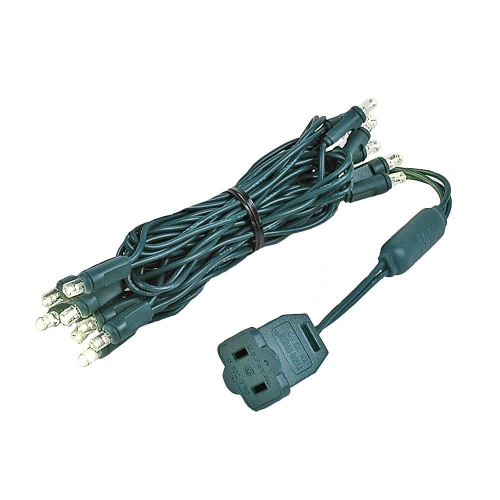
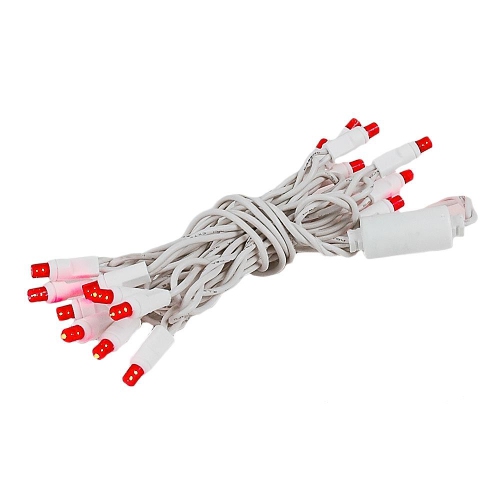
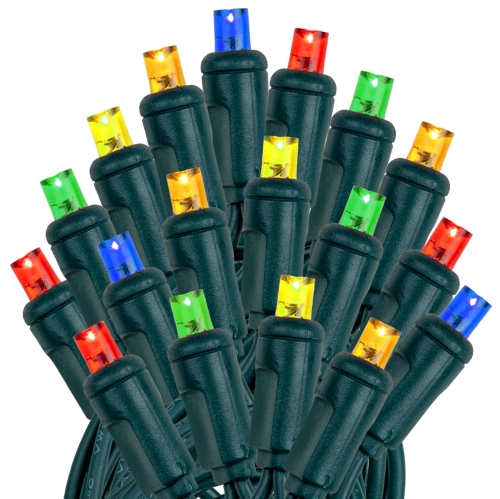
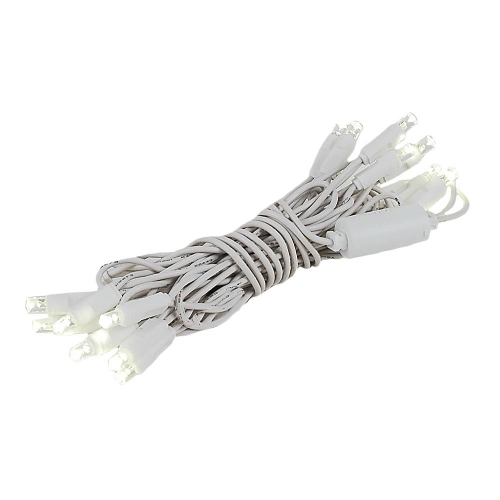
Colour signals simplify equipment status checks at a glance
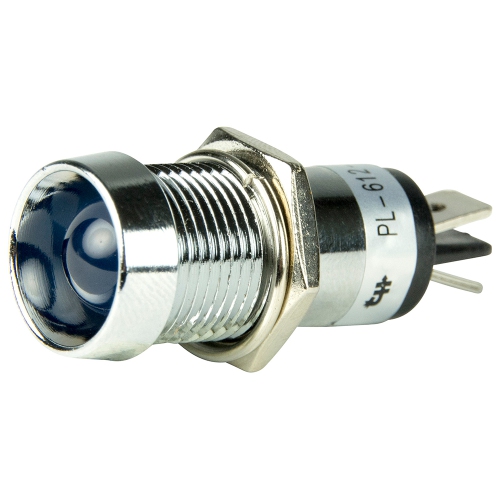
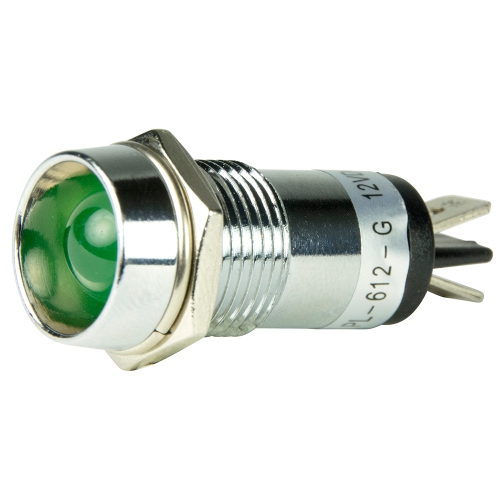
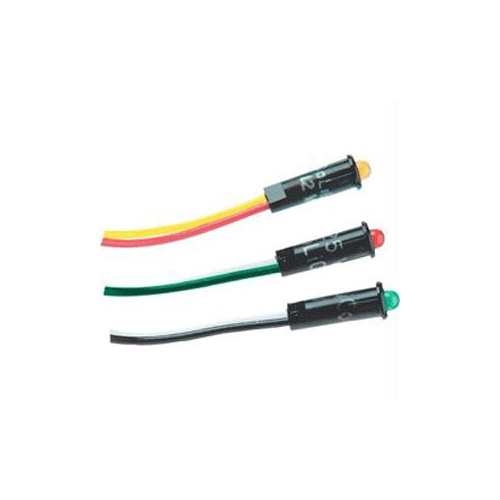
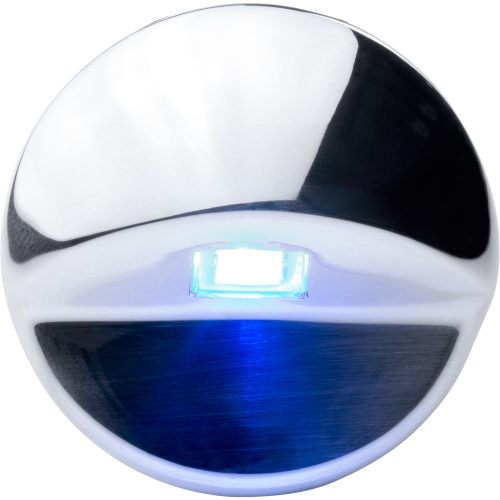
LED indicator lights are compact visual signals that show whether equipment is powered, ready, active, paused, or experiencing a fault. They are commonly used on control panels, appliances, vehicles, audio equipment, computers, charging systems, workshop projects, and other devices where a quick glance is more useful than a written message. Unlike a display that communicates detailed information, an indicator light provides an immediate status cue through colour and illumination. Green is often associated with normal operation, power-on status, or a system that is ready to use. Red may signal an error, stop condition, warning, or inactive state, while yellow or amber can indicate standby, caution, or a process that is still changing. Blue is frequently used for an active mode, a selected function, or an informational signal. These conventions are familiar because they appear across many types of equipment, but the meaning can vary by application, so it is important to check the instructions for the device or project before wiring or replacing an indicator. Browse the selection of LED Indicators to find options suited to different installations and electrical setups. When comparing LED indicator lights, start with the specifications that determine whether the light will work safely and fit properly. Voltage is one of the most important details: common requirements may include 12V DC, 24V DC, or household-rated AC applications, but these are not interchangeable. Confirm the voltage type, operating range, current draw, and connection method before making a selection. Some lights are designed to connect with wire leads, while others use terminals, connectors, or a threaded body with a rear nut. Panel-mount styles generally require a properly sized hole, and measurements such as 8 mm, 12 mm, or 22 mm may refer to the opening needed for installation. Also check the panel thickness that the mounting hardware can accommodate. A light that fits the hole but cannot be secured to the panel will not provide a dependable installation. Brightness, viewing angle, lens colour, and illumination style matter as well. A sharply focused light can be easy to see from one position, whereas a wide-angle lens may be better for a control panel viewed from several directions. Diffused lenses can create a softer, more even glow, while clear lenses may produce a brighter point of light. Consider whether the indicator will be installed indoors, in a workshop, inside a vehicle, or in a location exposed to moisture, dust, vibration, or changing temperatures. Housing materials such as nylon or metal can suit different project requirements, and sealed designs with ratings such as IP67 or IP68 may be appropriate for demanding environments when their specifications match the installation.
LED indicator lights are useful for practical repairs, custom builds, and everyday organization. A home hobbyist may use one to show that a battery-powered project is switched on, a charger is active, or a ventilation system is running. Someone working on a vehicle or recreational equipment may need a clear signal for auxiliary power, a selected operating mode, or a warning circuit. In a workshop, several lights can make a control panel easier to understand by assigning one colour to each function. A small red light beside an emergency stop circuit, a green light near a start or ready control, and an amber light for standby can create a simple visual language that is easy to recognize even when the room is noisy. They can also help people who prefer visual confirmation instead of relying on sound. The steady glow of a panel light can confirm that a device has received power, while a flashing or changing indicator may show that a process is in progress, provided the connected equipment is designed to use that signal. For makers, students, and do-it-yourself users, LED indicators can be a useful addition to electronics kits, model systems, robotics projects, lighting controls, and custom enclosures. They are small enough to fit into limited spaces, typically produce little heat during normal operation, and can provide clear visibility with modest electrical current. Their long operating life can also reduce the need for frequent replacement in installations that are difficult to access, although the expected lifespan depends on voltage, temperature, switching frequency, and the quality of the installation. Before purchasing, decide whether a steady or flashing light is needed, whether the lens should be recessed or raised, and whether the light should be visible from the front only or from several angles. It is also worth considering the surrounding surface: a dark panel may make a bright colour stand out, while a brightly lit room may require a higher-intensity indicator. If multiple lights will be installed together, consistent sizing and colour conventions can make the finished panel look more organized and help prevent confusion.
These lights can be a thoughtful practical gift for a friend who enjoys electronics, woodworking, vehicle projects, home repairs, or hands-on technology. They are especially useful for someone who is building a custom control box or restoring equipment and wants a clean way to show power and operating status. For a student or beginner, a few clearly labelled indicator lights can make a project easier to understand by connecting an electrical action with an immediate visual result. For an experienced hobbyist, the right light may solve a small but frustrating problem, such as locating a switch in a dark area or confirming that a hidden circuit is active. Installation still deserves care. Turn off and isolate the power source before working on an existing circuit, follow the wiring diagram, use the correct polarity for DC models, and protect connections from strain or accidental contact. When working with mains electricity, high-current equipment, vehicles, or outdoor installations, choose components specifically rated for the application and seek qualified assistance when needed. A loose connection, incorrect voltage, undersized wire, or poorly sealed opening can affect both performance and safety. It is also helpful to label the meaning of less familiar colours, particularly when a panel will be used by more than one person. The best LED indicator light is not necessarily the brightest or most elaborate option; it is the one that matches the electrical requirements, mounting space, environmental conditions, visibility needs, and intended status signal. Taking a few minutes to measure the panel opening, verify the power source, and map out each indicator’s purpose can make installation smoother and leave the finished setup feeling intuitive every time the lights come on.
LED indicator lights are useful for practical repairs, custom builds, and everyday organization. A home hobbyist may use one to show that a battery-powered project is switched on, a charger is active, or a ventilation system is running. Someone working on a vehicle or recreational equipment may need a clear signal for auxiliary power, a selected operating mode, or a warning circuit. In a workshop, several lights can make a control panel easier to understand by assigning one colour to each function. A small red light beside an emergency stop circuit, a green light near a start or ready control, and an amber light for standby can create a simple visual language that is easy to recognize even when the room is noisy. They can also help people who prefer visual confirmation instead of relying on sound. The steady glow of a panel light can confirm that a device has received power, while a flashing or changing indicator may show that a process is in progress, provided the connected equipment is designed to use that signal. For makers, students, and do-it-yourself users, LED indicators can be a useful addition to electronics kits, model systems, robotics projects, lighting controls, and custom enclosures. They are small enough to fit into limited spaces, typically produce little heat during normal operation, and can provide clear visibility with modest electrical current. Their long operating life can also reduce the need for frequent replacement in installations that are difficult to access, although the expected lifespan depends on voltage, temperature, switching frequency, and the quality of the installation. Before purchasing, decide whether a steady or flashing light is needed, whether the lens should be recessed or raised, and whether the light should be visible from the front only or from several angles. It is also worth considering the surrounding surface: a dark panel may make a bright colour stand out, while a brightly lit room may require a higher-intensity indicator. If multiple lights will be installed together, consistent sizing and colour conventions can make the finished panel look more organized and help prevent confusion.
These lights can be a thoughtful practical gift for a friend who enjoys electronics, woodworking, vehicle projects, home repairs, or hands-on technology. They are especially useful for someone who is building a custom control box or restoring equipment and wants a clean way to show power and operating status. For a student or beginner, a few clearly labelled indicator lights can make a project easier to understand by connecting an electrical action with an immediate visual result. For an experienced hobbyist, the right light may solve a small but frustrating problem, such as locating a switch in a dark area or confirming that a hidden circuit is active. Installation still deserves care. Turn off and isolate the power source before working on an existing circuit, follow the wiring diagram, use the correct polarity for DC models, and protect connections from strain or accidental contact. When working with mains electricity, high-current equipment, vehicles, or outdoor installations, choose components specifically rated for the application and seek qualified assistance when needed. A loose connection, incorrect voltage, undersized wire, or poorly sealed opening can affect both performance and safety. It is also helpful to label the meaning of less familiar colours, particularly when a panel will be used by more than one person. The best LED indicator light is not necessarily the brightest or most elaborate option; it is the one that matches the electrical requirements, mounting space, environmental conditions, visibility needs, and intended status signal. Taking a few minutes to measure the panel opening, verify the power source, and map out each indicator’s purpose can make installation smoother and leave the finished setup feeling intuitive every time the lights come on.
Top selling and popular products
-
 Your price for this item is $30.59
 -
 Your price for this item is $30.54
 -
 Your price for this item is $38.85
 -
 Your price for this item is $92.99
 -
 Your price for this item is $844.91
 -
 Your price for this item is $909.33
 -
 Your price for this item is $30.62
 -
 Your price for this item is $34.93
Discover more categories related to LED Indicator Lights
Top Collections:
Pokemon Centers, Kindle Devices, Best Budget Office Chairs, Apple iPhones 16, Best Laptops for Writers, iPhone 15 Apple, Canon G7X Cameras, Refurbished Apple Laptops, Alarm Clock, Motorola Razr Phones
Some products may be subject to Environmental Handling Fees
(EHF) depending on your province.
Learn more about EHFs.