Vehicle Wiring Harnesses
Looking to upgrade your vehicle's wiring system? Look no further! Our wide selection of vehicle wiring harnesses is here to help you simplify the installation process and ensure a seamless connection between your car's electrical components. Whether you're adding new features, replacing old wiring, or simply enhancing your vehicle's performance, our collection of high-quality wiring harnesses has got you covered. With easy-to-use designs and compatibility with various makes and models, you can trust that our harnesses will provide the reliable and efficient electrical connections you need for a smooth ride. Explore our range today and take your vehicle's wiring to the next level.
Sort





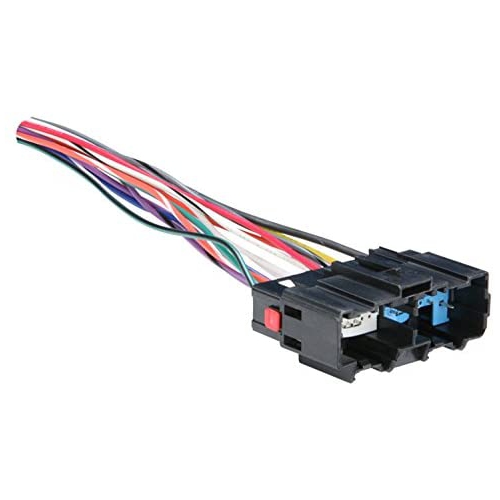
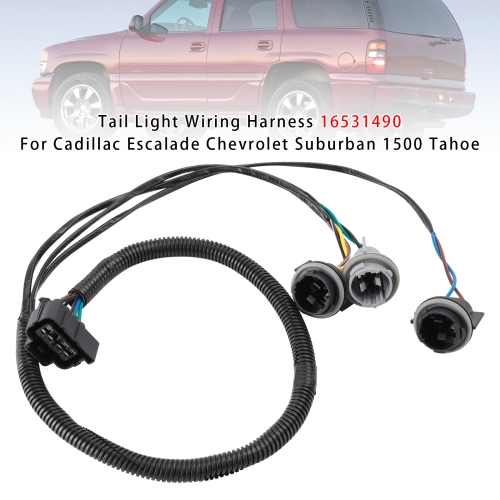


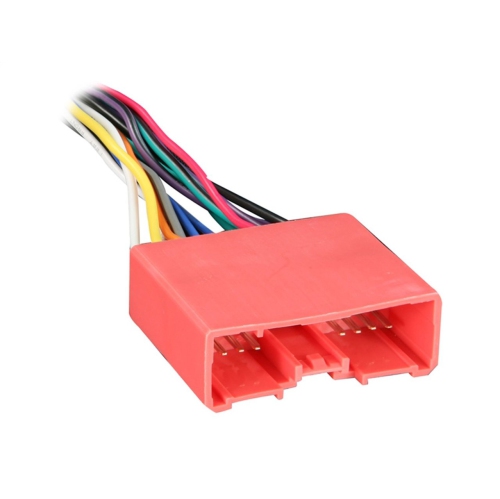


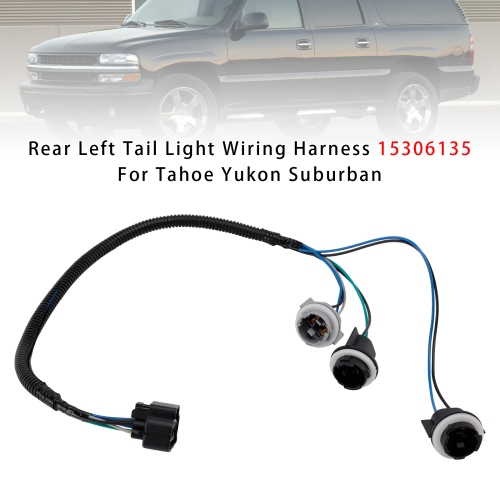



















































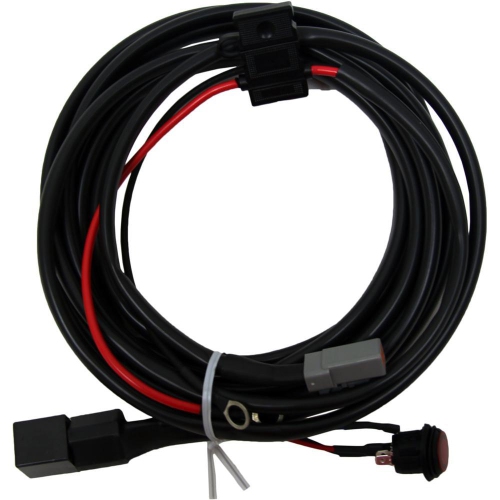


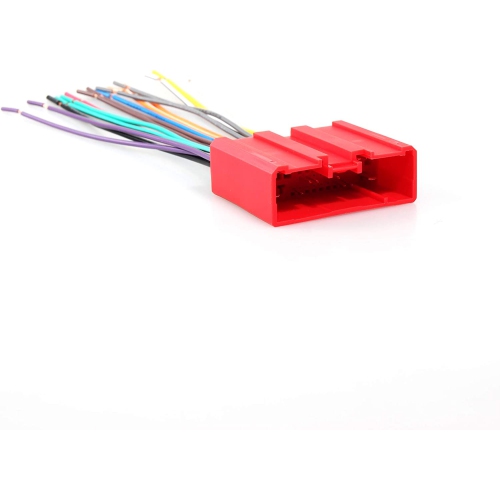





Why the right connection takes more than matching plugs
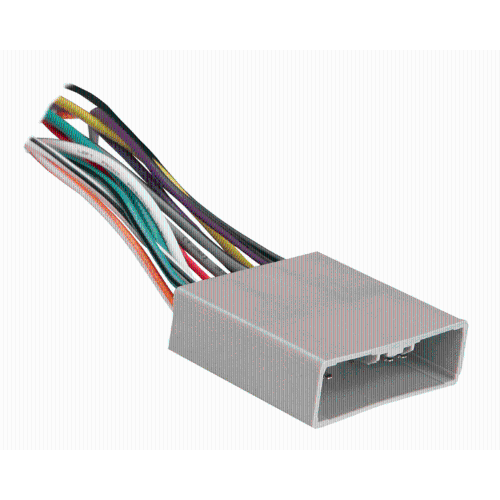
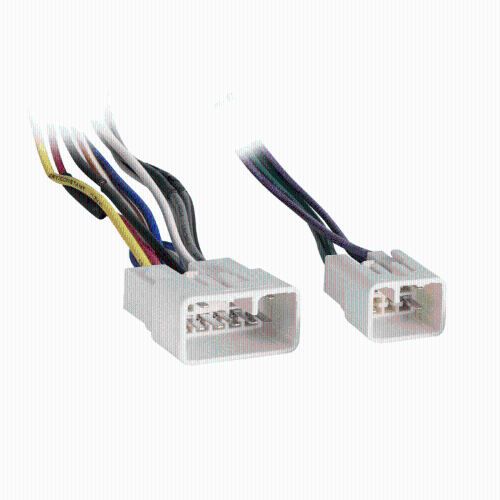
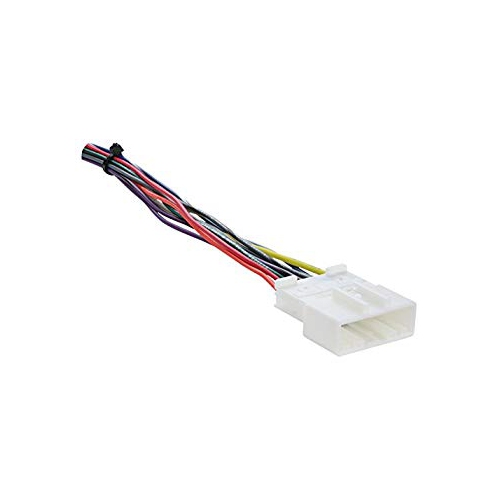
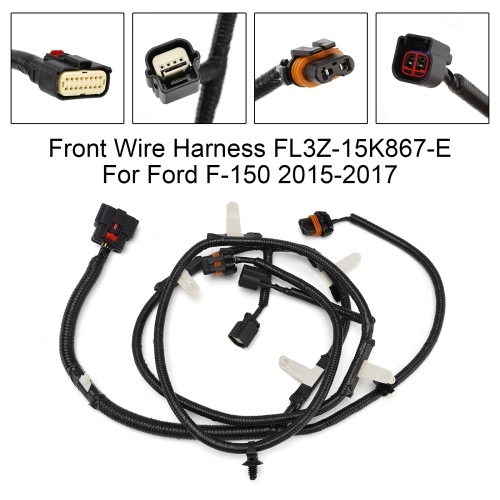
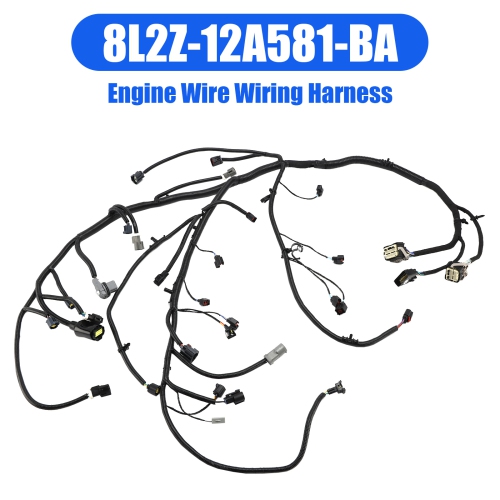
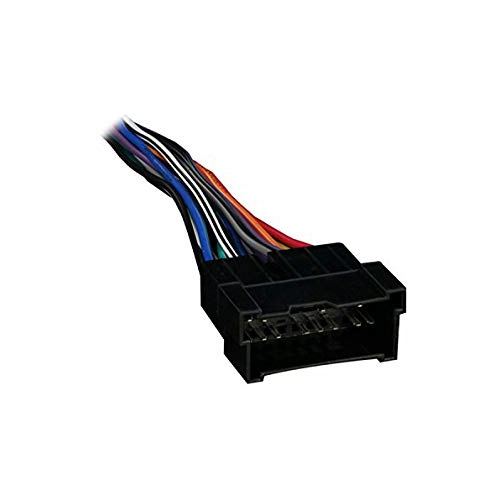
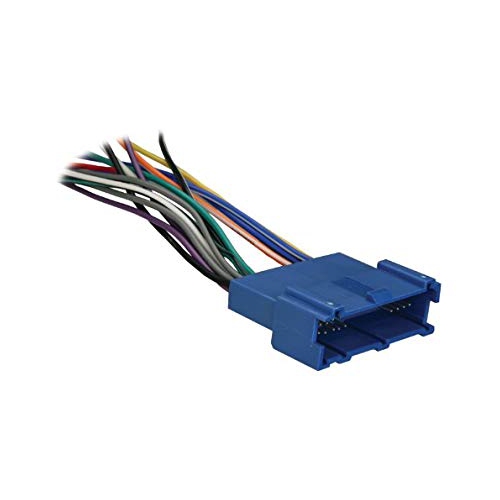
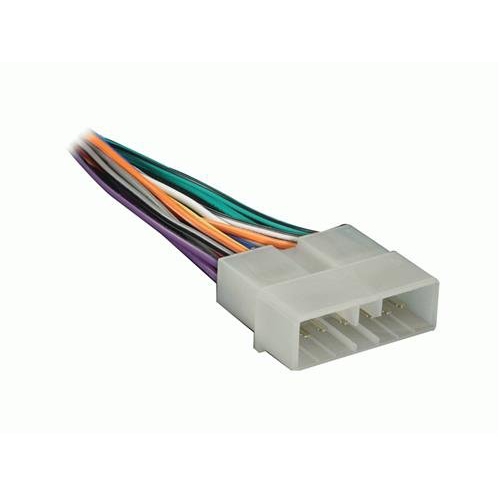
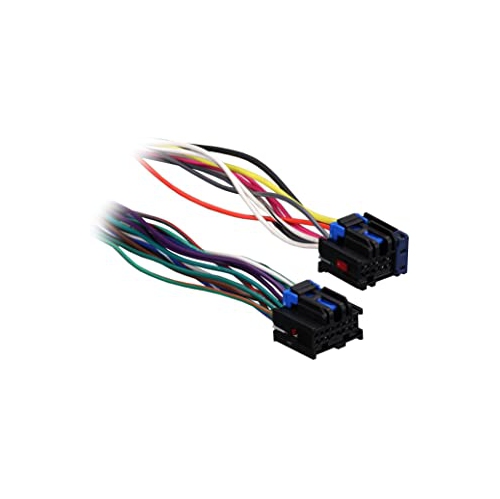
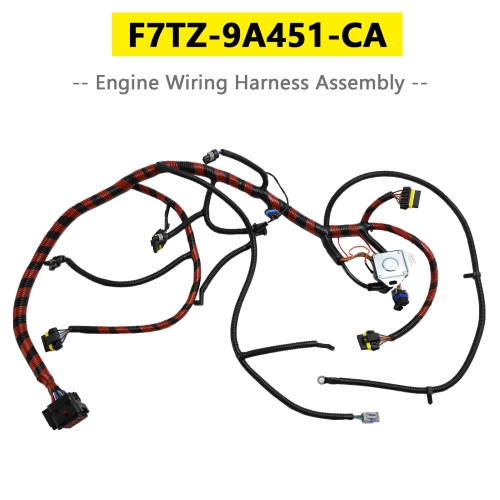
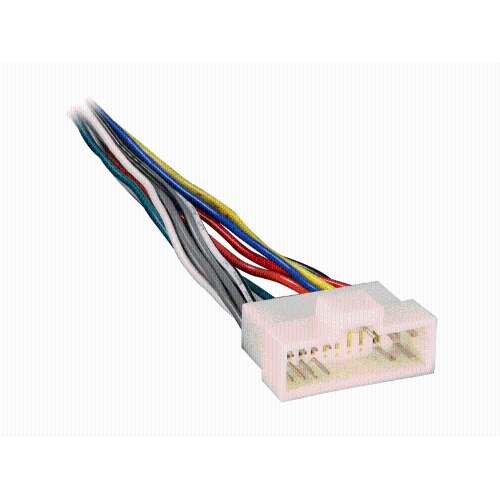
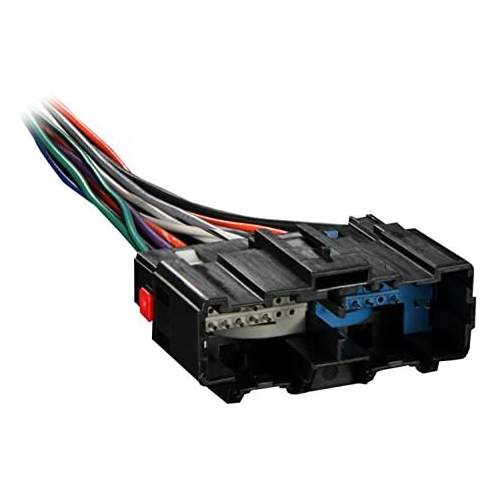
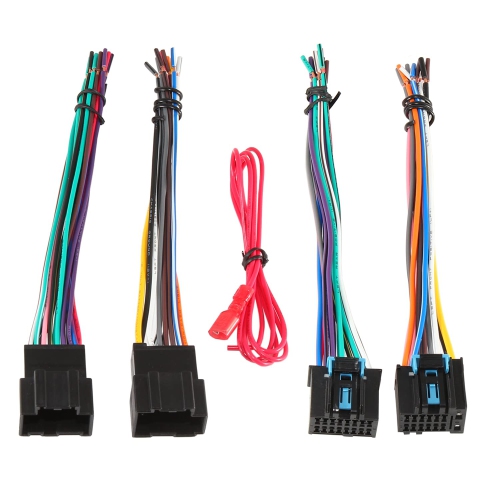
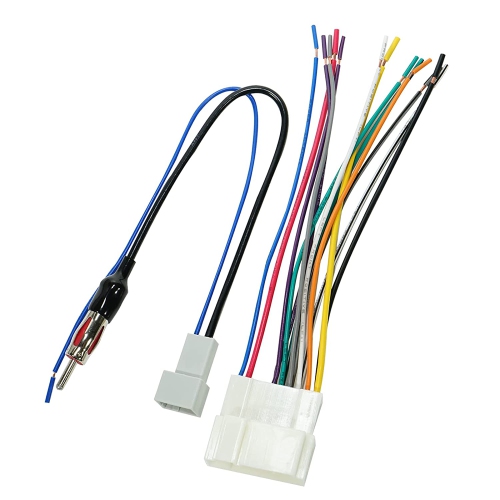
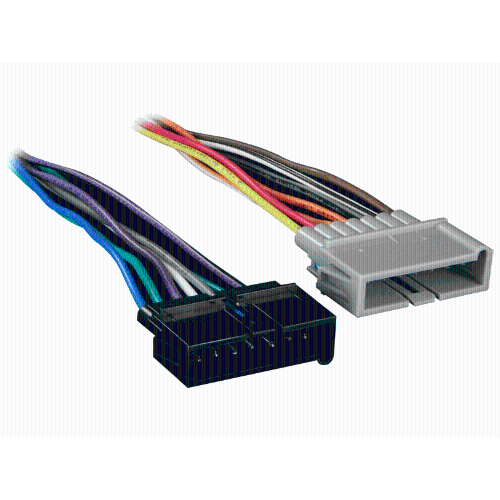
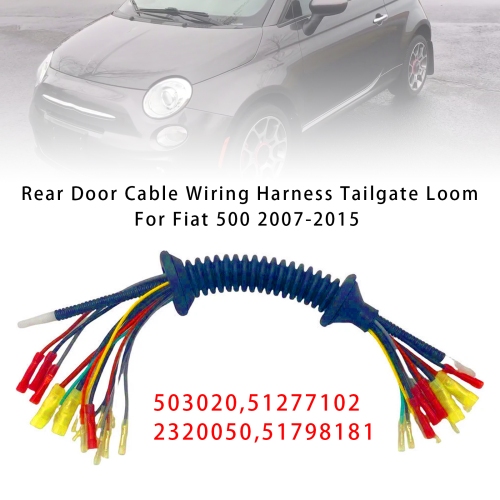
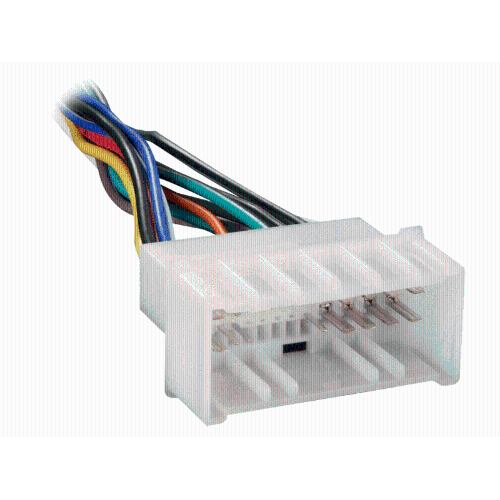
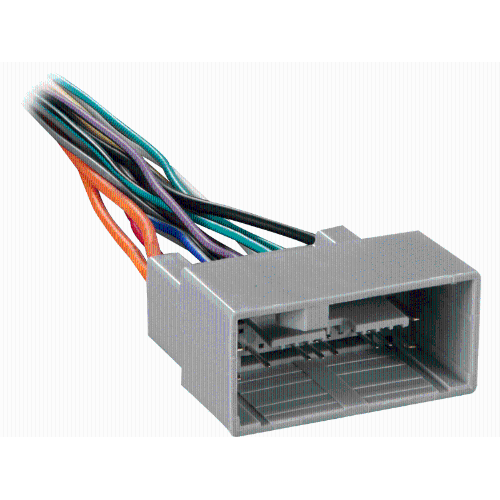
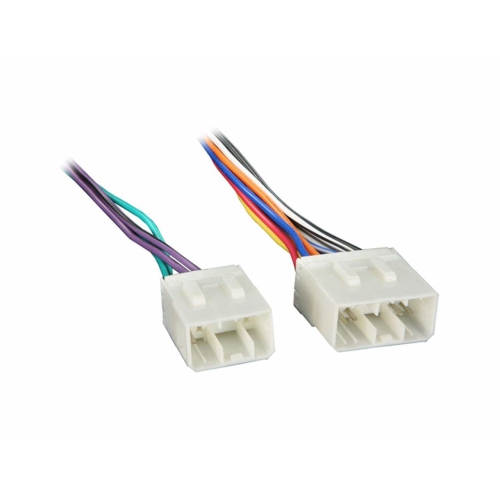
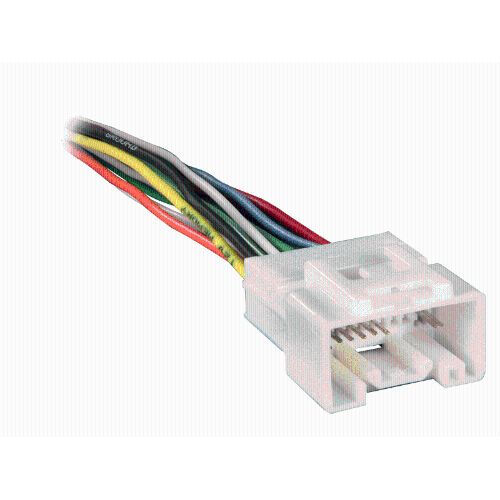
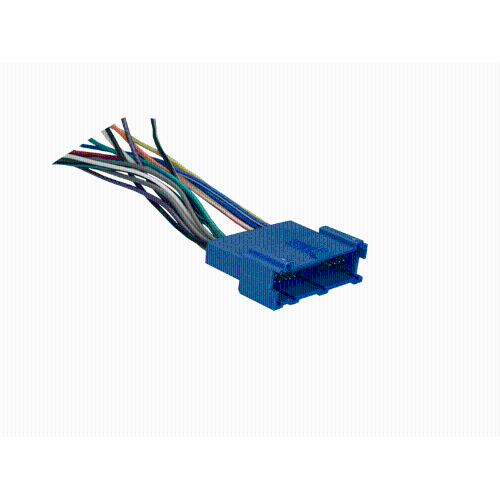
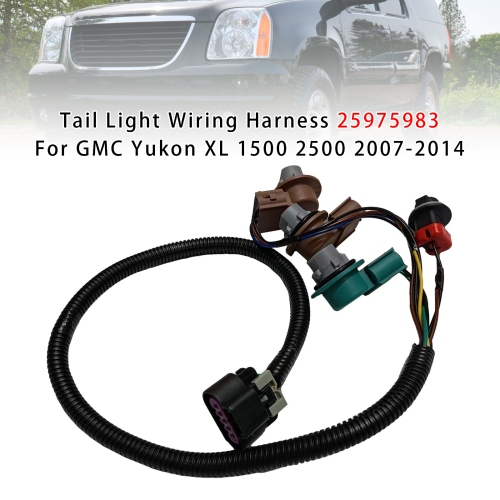
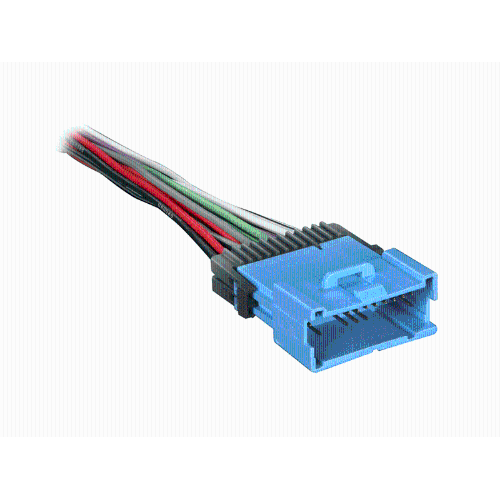
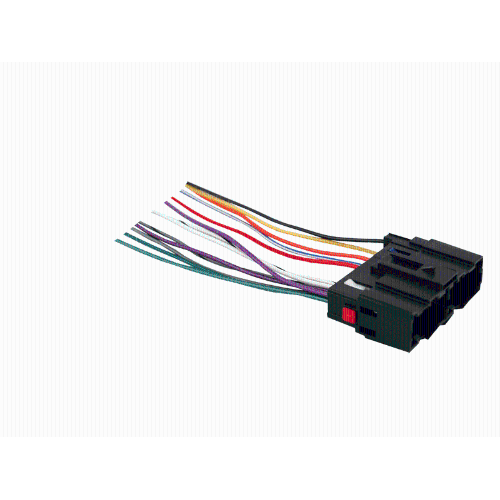
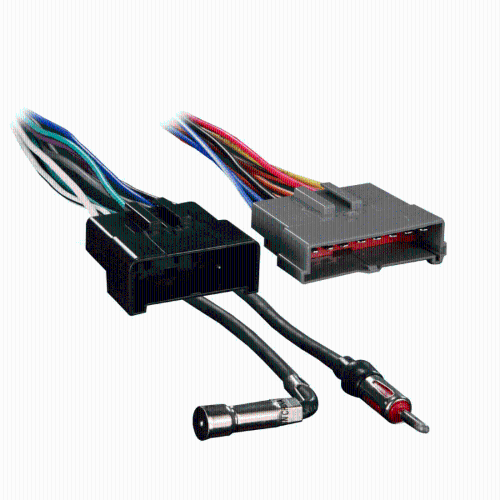
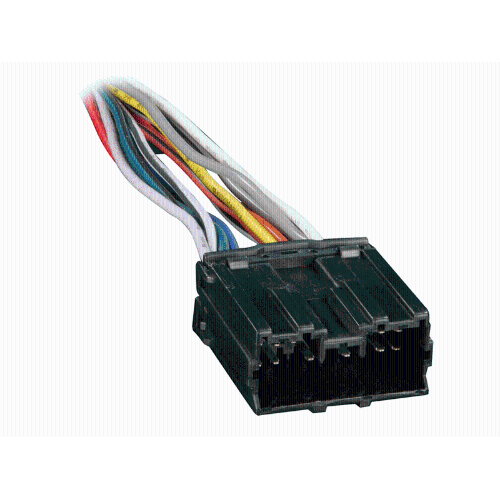
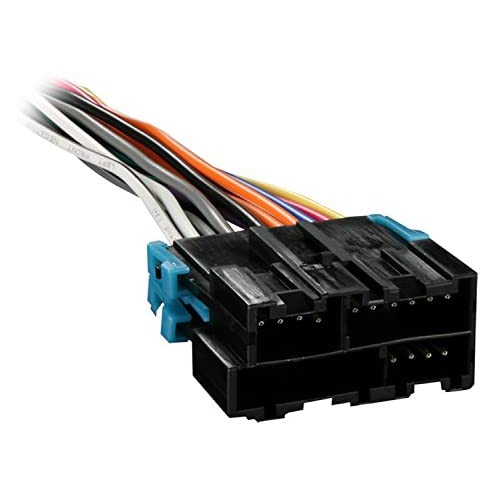
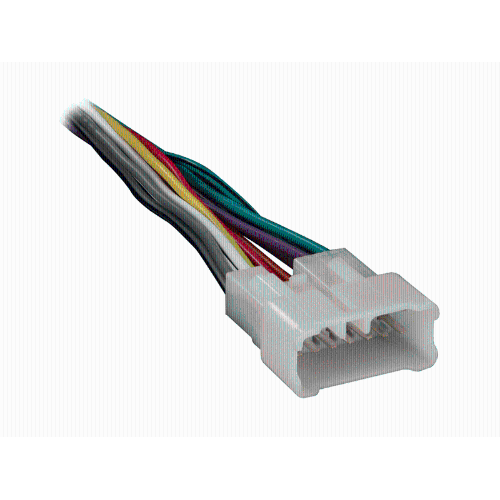
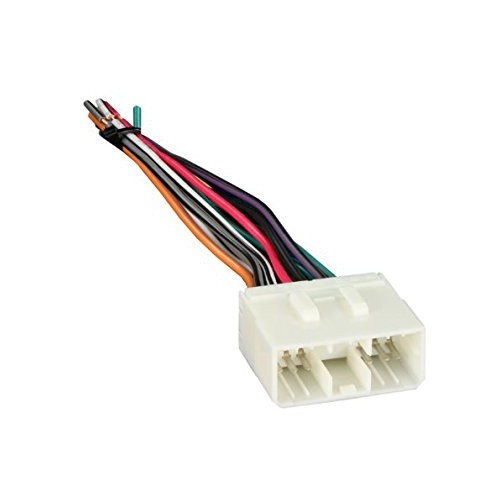
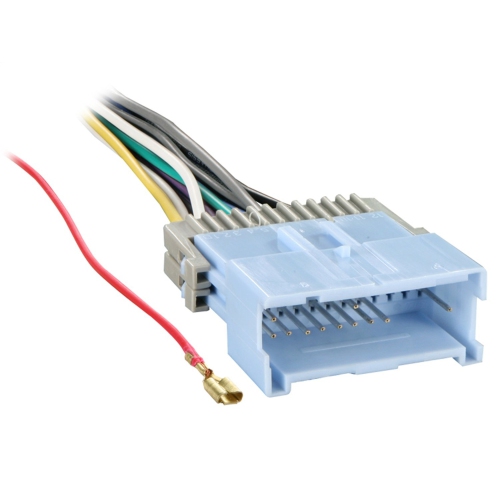
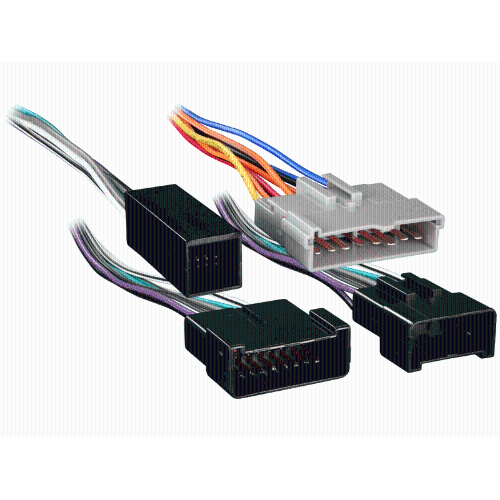
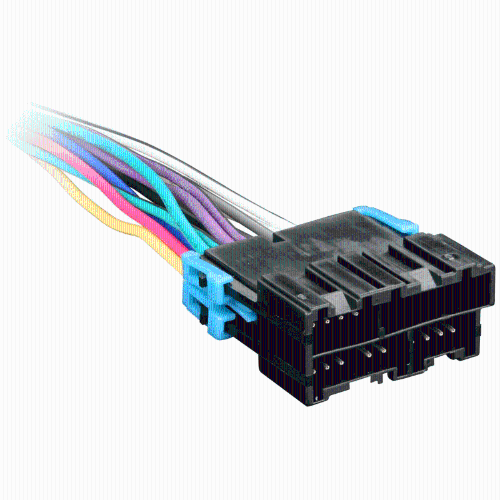
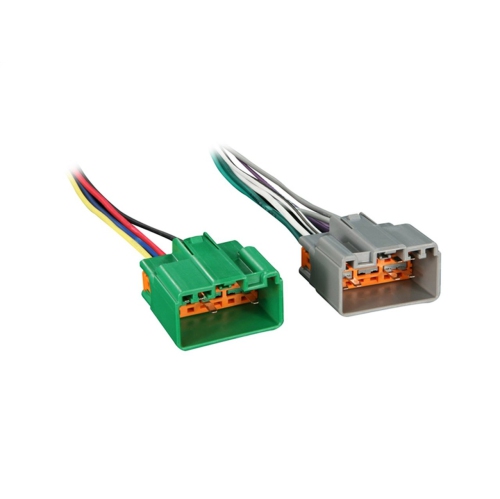
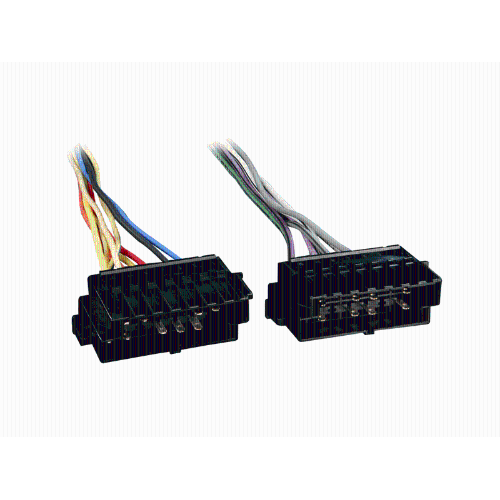
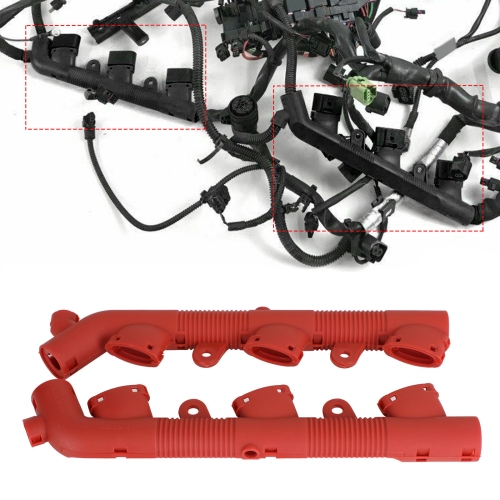
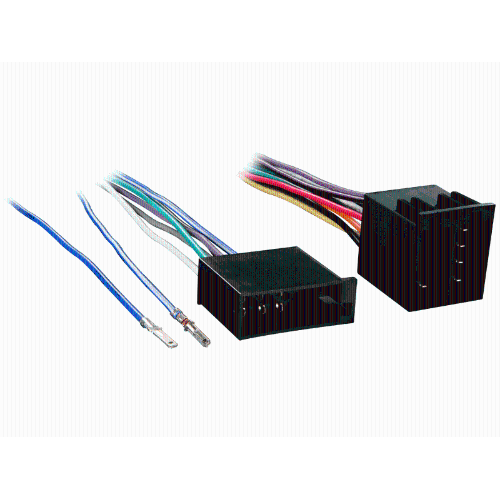
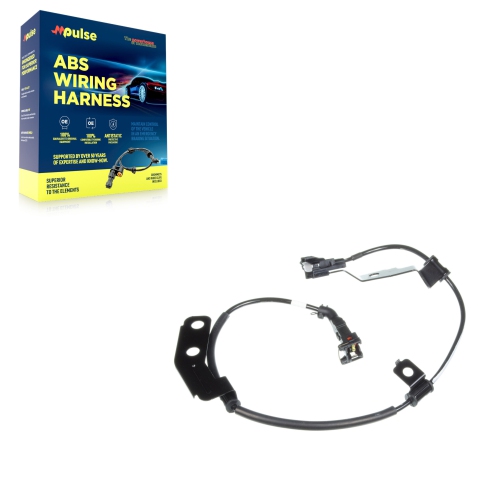
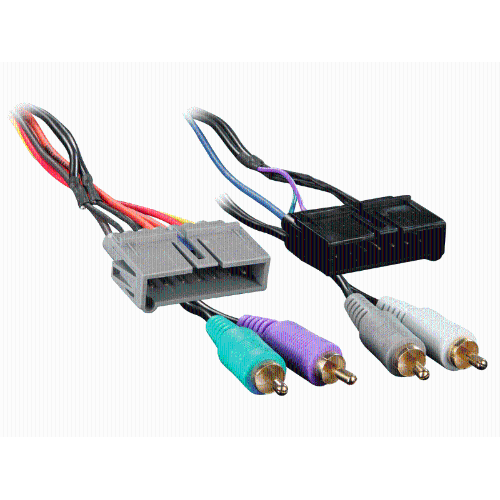
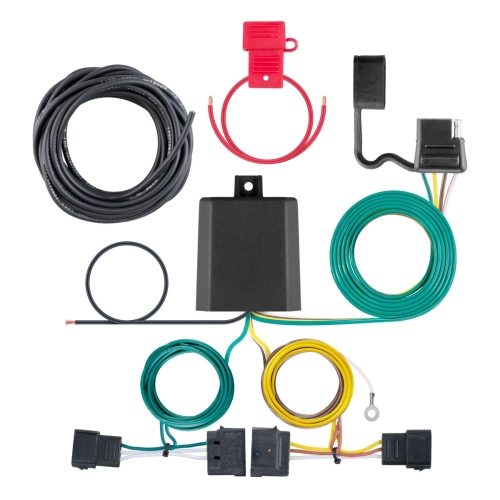
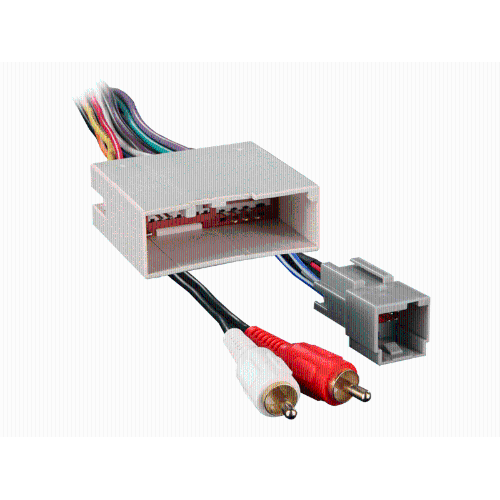
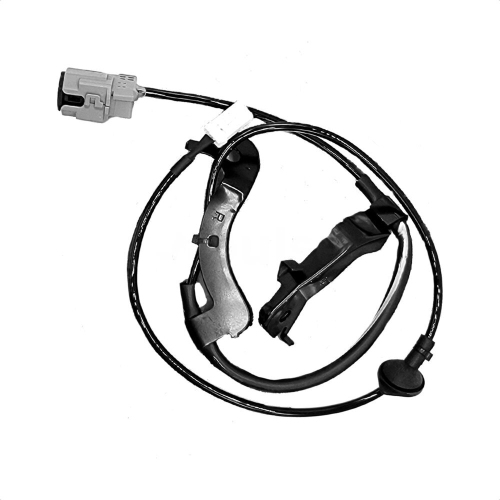
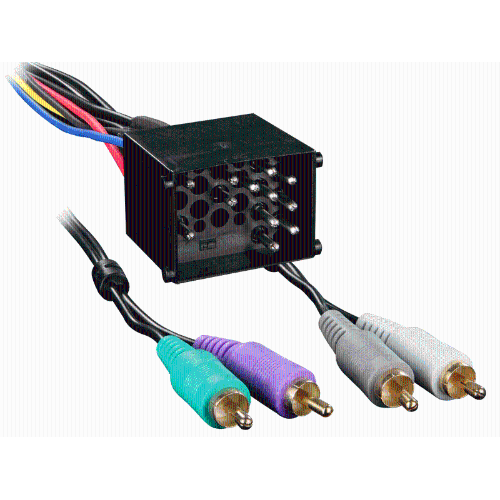
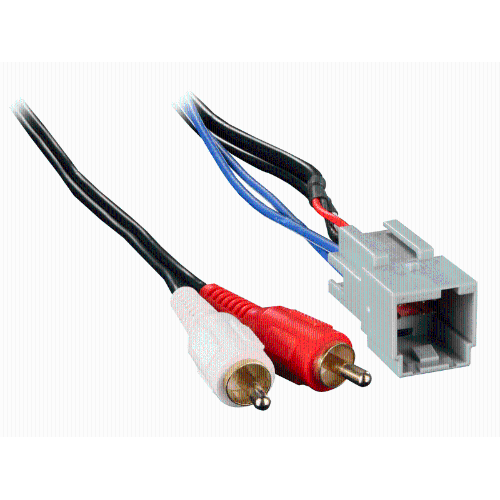
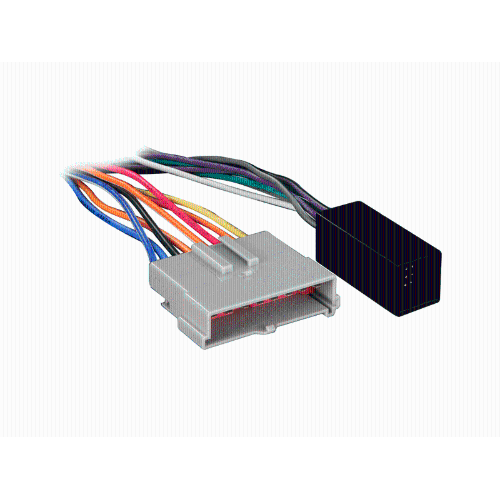
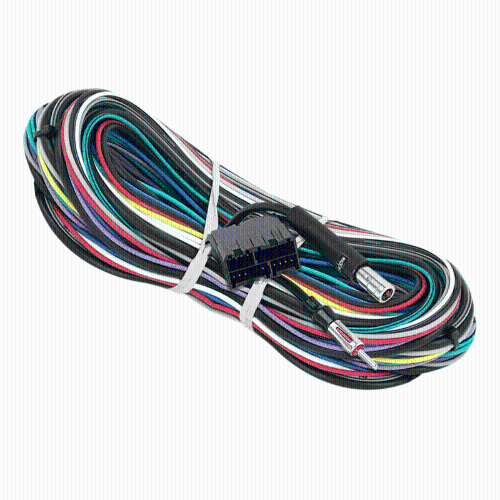
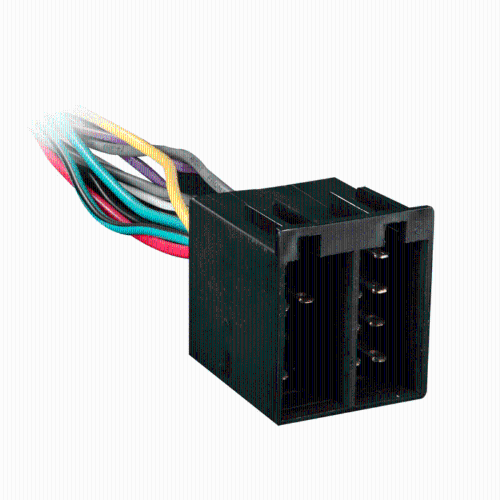
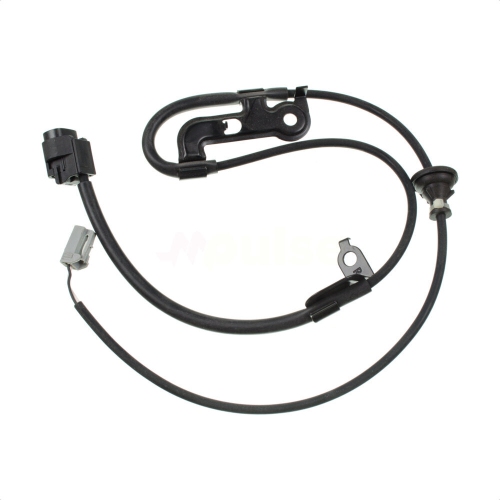
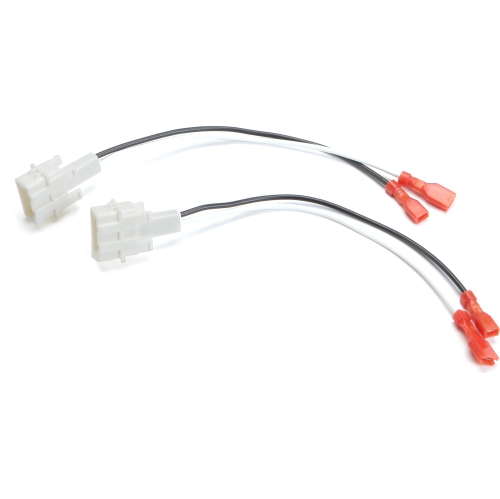
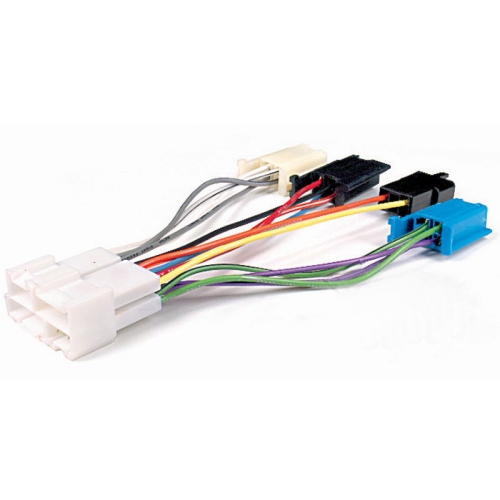
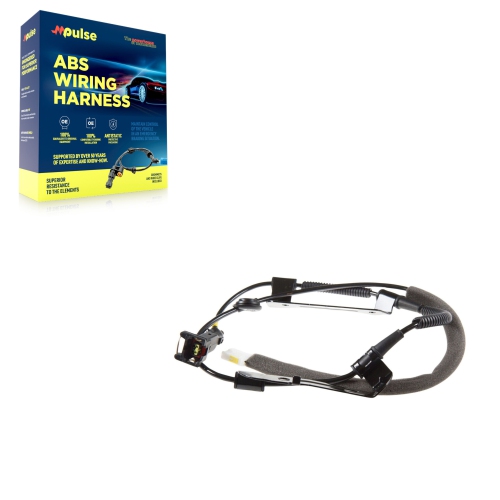
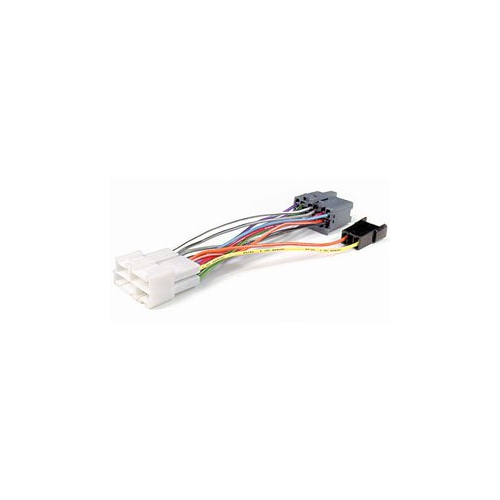
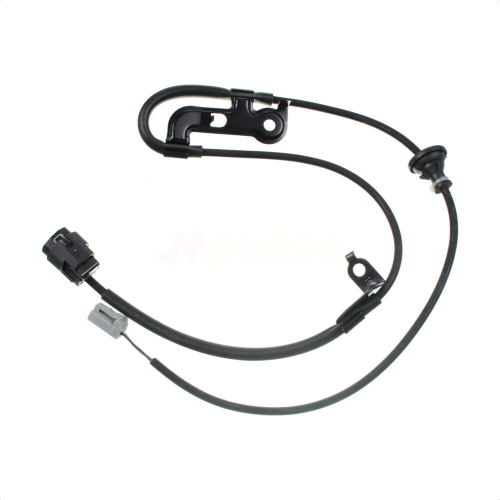
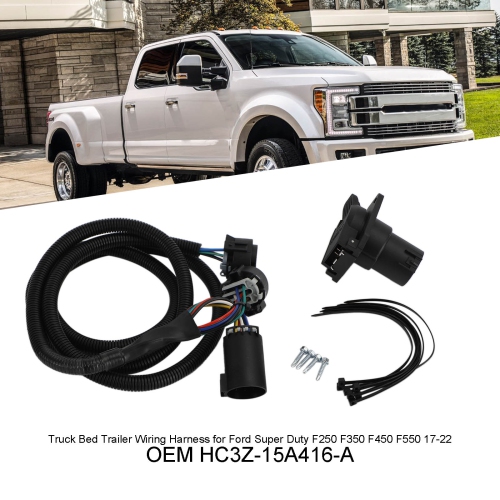
Vehicle wiring harnesses are organized assemblies of wires, cables, terminals, and connectors that carry electrical power and signals between a vehicle’s components. By grouping individual circuits into a defined layout, a harness helps keep wiring secure, traceable, and routed away from moving parts or sharp edges. Depending on its purpose, it may connect a stereo to the factory audio wiring, supply power to auxiliary lighting, link trailer lights to a tow vehicle, or serve a larger section of the vehicle’s electrical system. Some assemblies include fuse holders, relays, protective loom, or mounting clips, while others are simple adapters designed for one connection. The distinction matters: a stereo adapter is not a replacement for an engine wiring harness, and a lighting harness must suit the electrical load of the lights it supports. Vehicle-specific wiring harnesses are designed around particular applications, often matching factory connector shapes and wire routing. Universal harnesses offer more flexibility for restoration projects and custom builds, but typically require more planning, circuit identification, and termination work. A direct-fit assembly can simplify a repair or upgrade, although the correct fit still depends on the vehicle’s year, make, model, trim, and installed equipment. Two vehicles that look identical from the outside may use different connections behind the dashboard because one has a factory amplifier, navigation system, or additional controls. For a driver replacing an audio receiver, a suitable adapter can help preserve the original vehicle wiring rather than requiring it to be cut. For a restorer, a broader harness assembly may provide an organized starting point for replacing aged or altered circuits. These products suit automotive technicians, experienced hobbyists, and vehicle owners arranging a professional installation. Their value lies in making the right electrical connections for a defined task, so choosing by application is more useful than choosing by appearance or connector count alone. A neatly bundled assembly only does its job when its circuit layout, electrical ratings, and connections match the equipment it will serve.
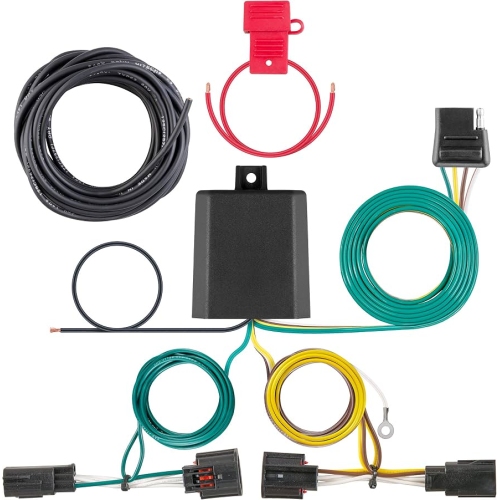
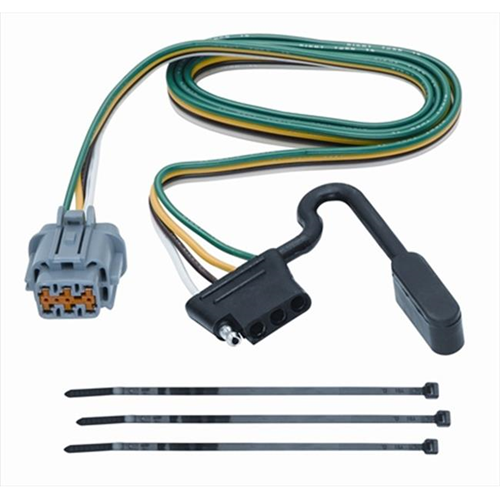
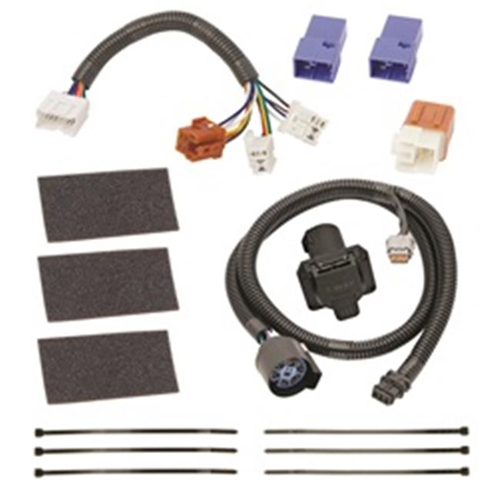
Compatibility involves more than finding a plug that appears to fit. Connector housing shape, pin count, terminal placement, locking tabs, and circuit assignments all help determine whether a vehicle wiring harness is suitable. Even matching housings can have different pin arrangements, making the application details and wiring diagram important checks before installation. Wire colours can help identify circuits when used with the correct documentation, but they are not a universal language across vehicle manufacturers or aftermarket equipment. For audio installations, the harness may need to account for an amplified or non-amplified factory system, retained accessory power, or other vehicle functions. Steering wheel controls and certain integrated features may require a separate compatible interface rather than a passive wiring adapter alone. Trailer wiring has its own distinctions: a basic lighting connection serves a different purpose from a connection that also supports electric trailer brakes or auxiliary power. A harness should match both the tow vehicle’s electrical system and the trailer’s required functions; additional controllers or modules may be necessary. Replacement work also calls for a clear understanding of scope. A damaged connector at one component may call for a short repair lead, while widespread insulation damage or previous modifications may require a larger section to be replaced after diagnosis. When comparing connection options, Wiring Harness Connectors are relevant to the plug housings and terminals that join individual components or harness sections. Length and branch placement deserve equal attention. A harness that reaches a component only when pulled tight can place strain on its terminals, while excessive loose wiring needs suitable routing and support. Picture the space behind a dashboard: the receiver must slide back into position without crushing a bundle, trapping a lead against a bracket, or pressing against a connector latch. Under a seat, wiring must remain clear of adjustment tracks throughout their full travel. These practical details help distinguish a harness that merely connects from one that fits the installation properly.
Materials and construction influence how well a wiring harness handles everyday vehicle use. Copper conductors are common, but conductor material, wire gauge, insulation type, and terminal quality should be checked in the specifications rather than assumed from the outer sleeve. The appropriate wire gauge depends on current demand, circuit length, allowable voltage drop, and installation requirements; there is no single gauge that suits every vehicle circuit. A larger accessory load may need a dedicated power feed, correctly sized wiring, and suitable circuit protection instead of being added to an existing dashboard connection. Fuses protect wiring against excessive current, while relays allow a control circuit to switch a separate load when the application calls for it. Neither feature should be assumed to be included with every harness. Protective loom, sleeving, tape, and grommets help shield wiring from abrasion, while strain relief and secure mounting reduce stress at connection points. Sealed connectors may be appropriate where exposure to water, road spray, or automotive fluids is part of the intended installation, but a protective outer covering does not automatically make the entire assembly waterproof. Durability also depends on workmanship: properly seated terminals, intact locking tabs, and supported wire runs matter as much as the bundle’s overall appearance. For care, periodic visual checks can reveal loose clips, chafed insulation, corrosion at terminals, or connectors that have started to separate. Avoid pulling on wires to disconnect a plug, and use cleaning methods approved for the connector and its materials. Repeated fuse failure, flickering accessories, or intermittent operation should be investigated rather than addressed by fitting a higher-rated fuse. Installation requirements vary considerably, especially around airbags, vehicle data networks, and high-voltage systems in hybrid and electric vehicles, where qualified service is essential. Even for a straightforward accessory upgrade, following the vehicle and equipment documentation helps protect existing functions. The best match is a harness with a clearly stated application, suitable electrical ratings, appropriate protection, and enough routing flexibility to support a tidy installation without stretching, pinching, or unnecessary modification.
Top selling and popular products
-
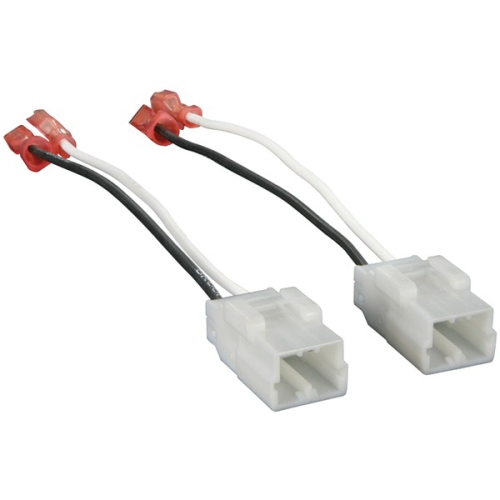 Your price for this item is $36.66
-
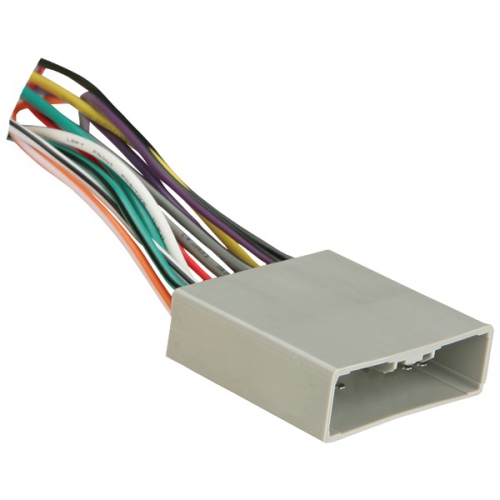 Your price for this item is $42.08
-
 Your price for this item is $42
-
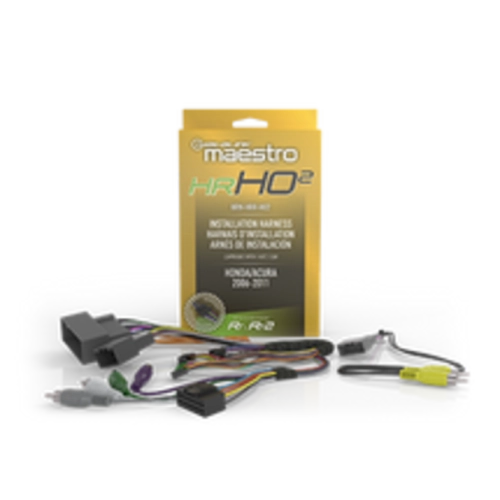 Your price for this item is $104.98
-
 Your price for this item is $99.99
-
 Your price for this item is $169.99
-
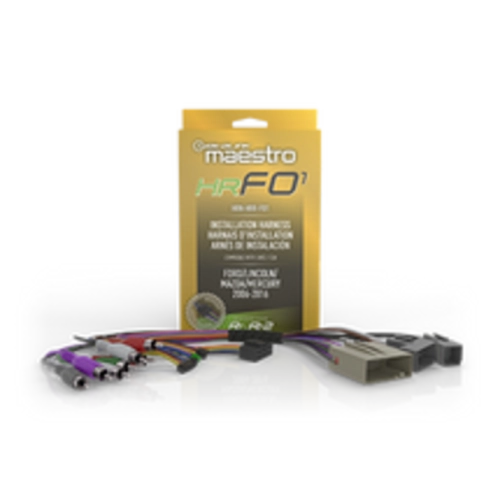 Your price for this item is $99.98
-
 Your price for this item is $99.99
Discover more categories related to Vehicle Wiring Harnesses
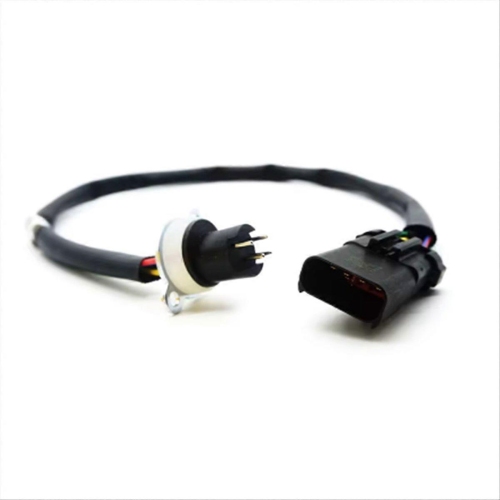

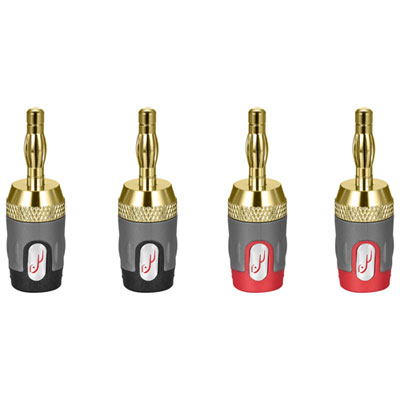
Top Collections:
Pokemon Centers, Best Budget Office Chairs, Kindle Devices, Best Cameras for Sports Photography, Best Laptops for Writers, Pokémon 30th Celebration Cards, Laptops for Business Work, Samsung Galaxy Phones, Canon G7X Cameras, Best Cell Phones Under $300
Some products may be subject to Environmental Handling Fees
(EHF) depending on your province.
Learn more about EHFs.