10 Inch Midrange Car Speakers
Upgrade your car audio experience with 10 Inch Midrange Car Speakers, designed to deliver powerful and clear sound for every drive. Whether you’re building a custom system or replacing factory speakers, these midrange options provide the perfect balance between bass and treble, enhancing the overall quality of your music. Explore a wide selection of 10 Inch Midrange Car Speakers to find the ideal fit for your vehicle and enjoy crisp vocals and dynamic performance on the road.
Sort
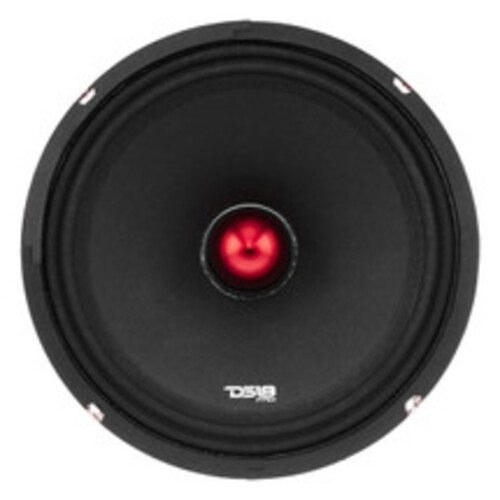
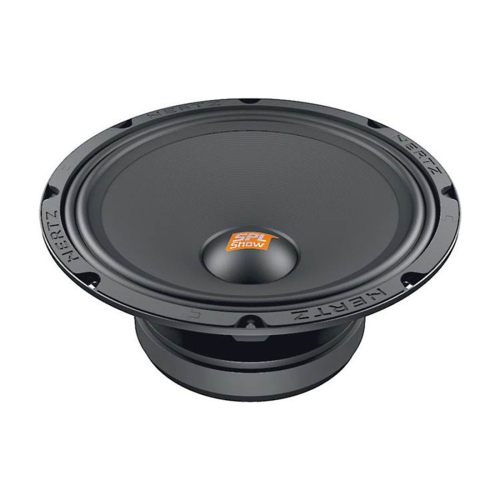
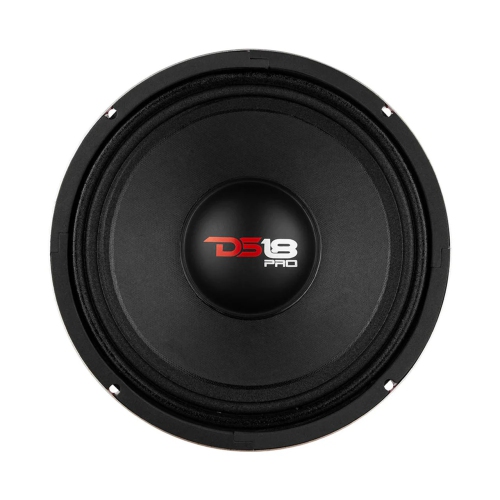






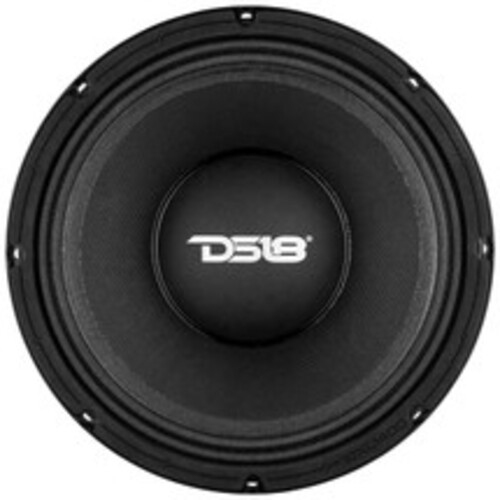
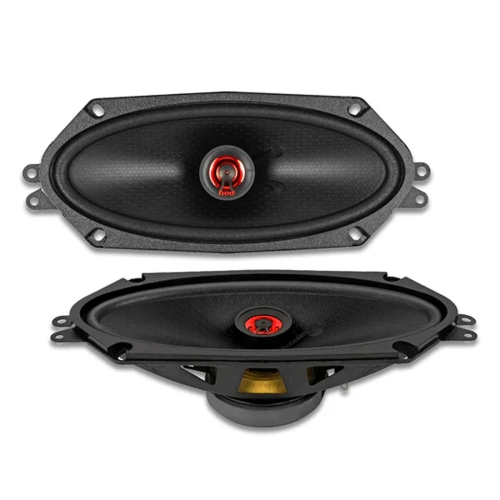
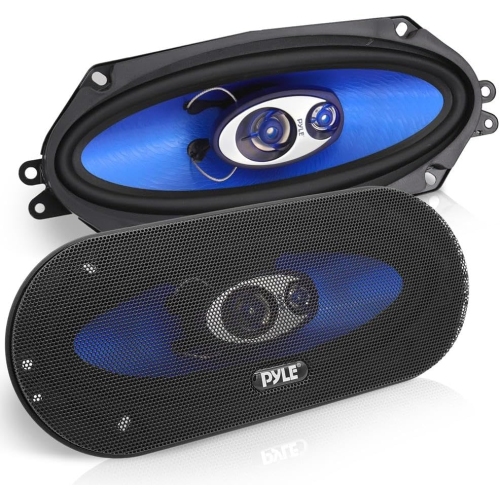
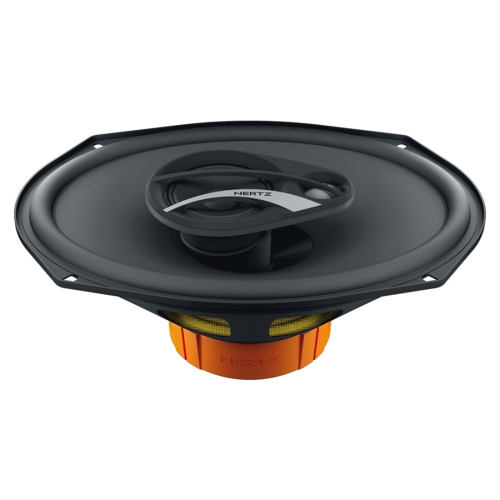
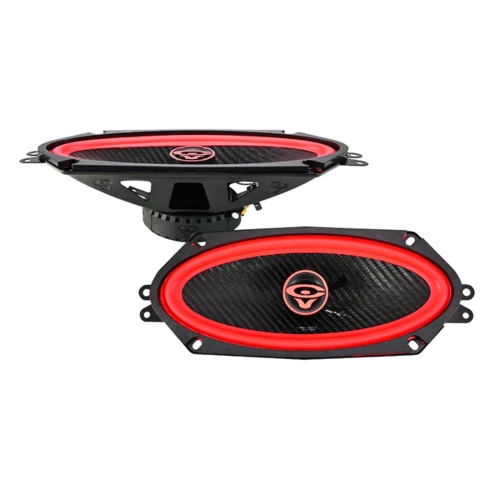
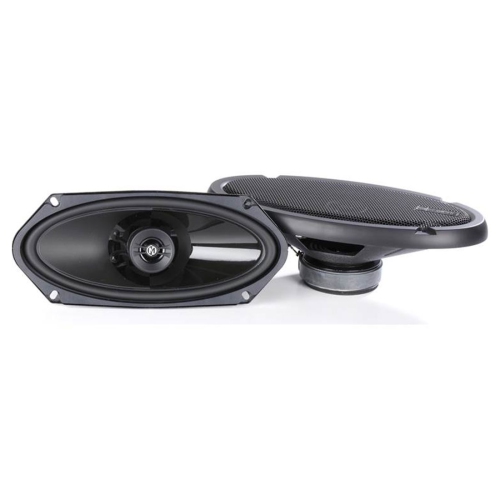
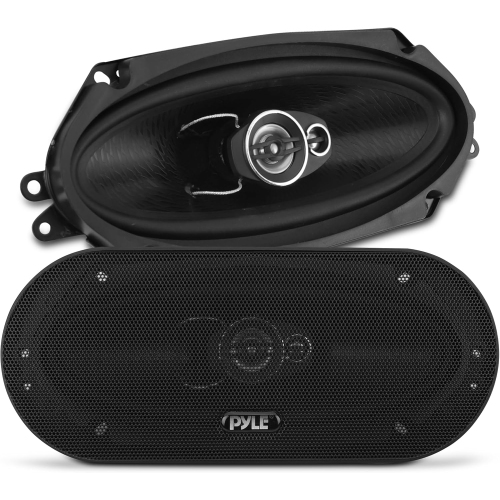

How midrange speakers keep vocals distinct from bass
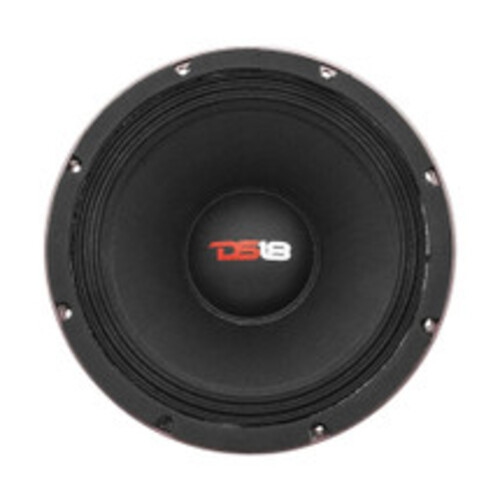
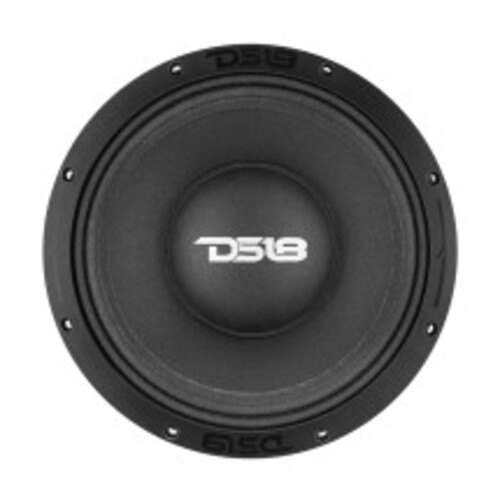
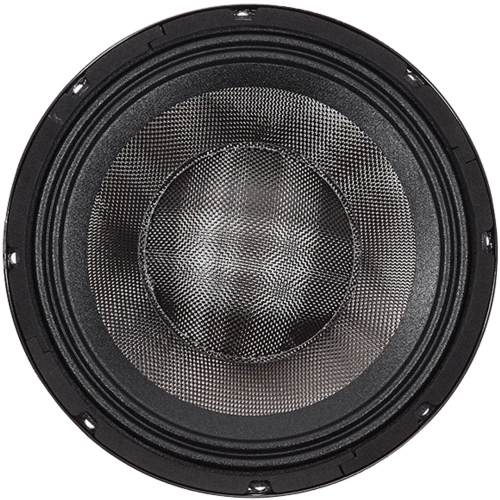
10-inch midrange car speakers reproduce the middle frequencies that give vocals and instruments their presence, helping lyrics, guitar lines, piano notes, and percussion remain distinct within a powerful car audio system. Their role is different from that of a subwoofer, which handles deep bass, or a tweeter, which reproduces the highest frequencies. In a well-matched setup, the midrange drivers connect those parts of the sound so that a singer does not disappear behind the bass line and a snare drum retains its sharp attack. Some speakers in this size category are described as midbass drivers because their intended operating range extends further into the lower frequencies. Others emphasize vocal projection and high output. The distinction matters more than diameter alone: a 10-inch speaker is not automatically a subwoofer, a full-range speaker, or a substitute for every smaller driver. Its published frequency response, recommended crossover settings, and intended application give a clearer picture of its purpose. Larger midrange drivers can suit custom systems built around strong vocals and substantial output, including installations that pair separate tweeters with one or more subwoofers. Depending on the design, a relatively high sensitivity rating can help produce more sound from a given amount of amplifier power, although ratings are most useful when measured under comparable conditions. For listeners who enjoy layered rock recordings, rhythm-heavy tracks, or vocal-led music, the appeal is separation rather than volume alone. A well-integrated system lets the texture of a voice remain audible alongside a bass guitar, rather than turning a busy chorus into a single block of sound. Speaker diameter also affects how sound spreads at higher frequencies, so a large midrange driver may become more directional toward the top of its operating range. Placement and the transition to the tweeters therefore have an important influence on how balanced the music sounds from each seat.
Physical fit is a major consideration with 10-inch midrange car speakers because their nominal size does not describe every installation dimension. The outside diameter of the frame, the required cutout, mounting depth, bolt pattern, and clearance behind the magnet can all differ between designs. A door panel that appears wide enough may still have a window mechanism, reinforcement, or wiring directly behind the proposed mounting position. Front clearance matters as well, particularly where a grille or trim panel sits close to the moving cone and surround. This size is often associated with custom door panels, purpose-built enclosures, and other installations that require more planning than a straightforward factory-speaker replacement. A rigid mounting surface helps the driver move air without making the surrounding panel buzz, while suitable gaskets can reduce unwanted air leaks at the mounting flange. The space behind the speaker should also suit its intended installation; a driver designed for a particular enclosure is not necessarily suited to an unrestricted door cavity. Cone materials may include treated paper, fibre blends, or other composites, each used to balance weight, stiffness, and control of unwanted resonances. Paper-based cones can be light and responsive, but suitability for a vehicle depends on the complete construction, including any protective treatment and the manufacturer’s stated use. Surrounds, suspension components, adhesives, and terminal connections also contribute to durability. A substantial basket supports the moving assembly, while a correctly fitted grille can help protect exposed cones from shoes, bags, and accidental contact. Moisture resistance should be stated rather than assumed, especially for door installations where water can pass behind the outer trim. Comparing this size with 12 inch car speakers involves more than finding room for a larger opening: the mounting requirements, frequency range, and intended role may differ considerably. Neither size alone establishes whether a speaker is suitable for a particular vehicle or system. Custom installation work also needs to preserve access to vehicle controls, moving mechanisms, and safety equipment.
Electrical matching and system tuning determine how effectively 10-inch midrange car speakers perform once installed. Continuous power handling, often expressed as RMS power, is generally a more useful reference for amplifier matching than a peak figure, but it still needs to be considered alongside the manufacturer’s operating recommendations. Impedance affects the load presented to an amplifier, and connecting multiple drivers changes that load according to the wiring arrangement. An amplifier must be able to operate safely with the resulting impedance rather than simply having a large advertised power rating. Clean output matters because distortion and excessive power can damage a speaker even when the system initially seems to play loudly without difficulty. Crossovers give each driver an appropriate part of the musical range: a high-pass filter limits low-frequency energy that can force a midrange cone beyond its intended movement, while a low-pass filter can control the transition to a separate tweeter. The appropriate settings depend on the actual drivers, their placement, and the overall system, not just their shared diameter. Level adjustment is equally important. Midrange speakers that overpower the rest of the system can make voices sound harsh or detached, while insufficient midrange output can leave vocals recessed beneath the bass. Listening from the usual seating position helps reveal whether a centred vocal sounds natural and whether instruments blend across the crossover regions. Rattles, loose trim, and vibrating mounting panels can also mask detail, so secure installation contributes to clarity as much as the speaker itself. Routine care is straightforward: protective grilles should remain clear of debris, visible fasteners should stay secure, and cleaning should avoid soaking the cone or pushing on delicate moving parts. For an audio enthusiast planning a custom build, these speakers can be a thoughtful gift when the required dimensions, impedance, and system role are already known. Their strongest fit is a deliberately matched installation that delivers clear, controlled music at sensible listening levels while allowing the driver to remain aware of traffic and important vehicle sounds.
Top selling and popular products
-
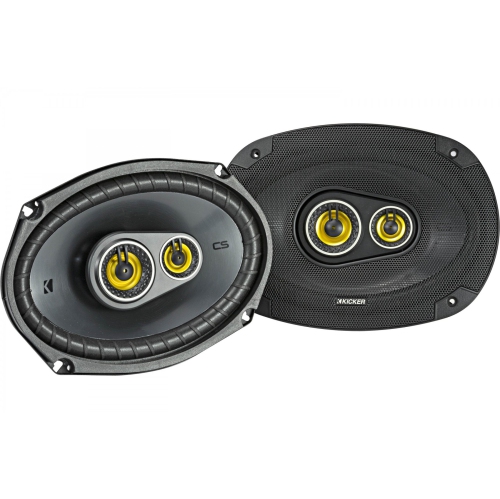 Your price for this item is $199.95
-
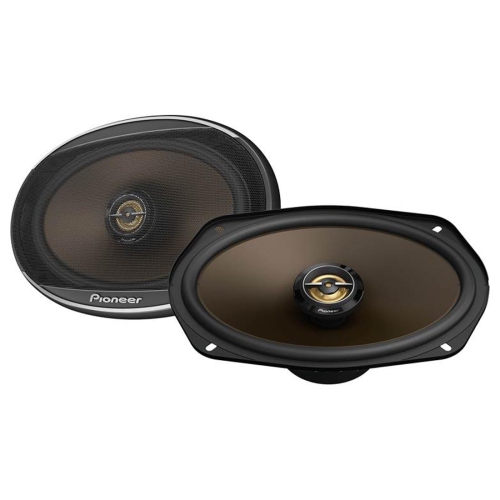 Your price for this item is $158.99
-
 Your price for this item is $249.95
-
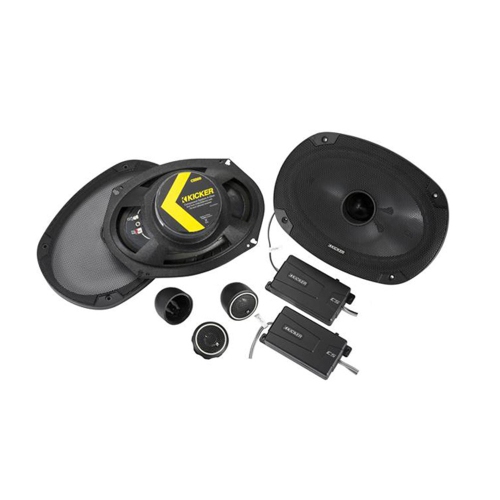 Your price for this item is $249.95
-
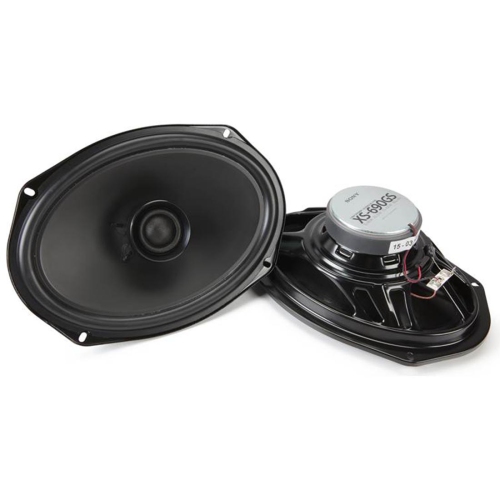 Your price for this item is $198
-
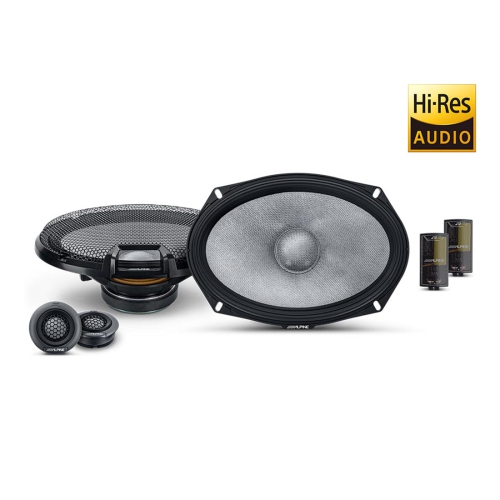 Your price for this item is $518
-
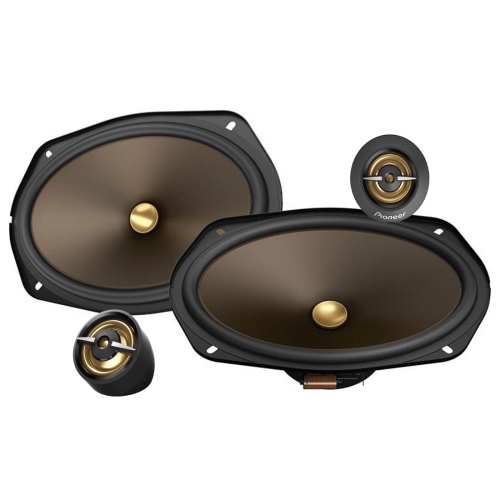 Your price for this item is $208.99
-
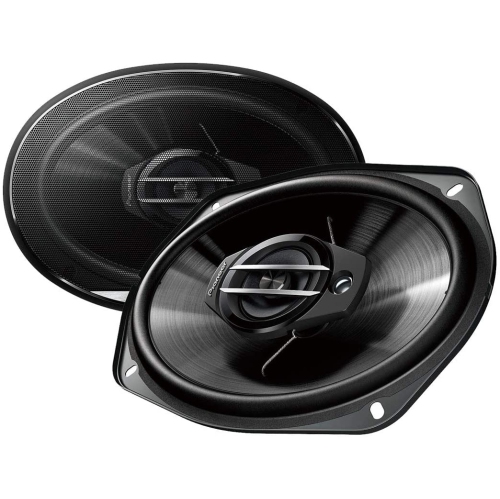 Your price for this item is $79.99
Discover more categories related to 10 Inch Midrange Car Speakers

Top Collections:
Best Black Friday Deals This Year, Best Black Friday Deals On Electronics, Kindle Devices, Pokemon Centers, Best Black Friday Deals On Apple Products, Best Cameras for Sports Photography, Dyson Airwrap, Pokémon 30th Celebration Cards, Apple iPhone 17 Pro, Canon G7X Cameras
Some products may be subject to Environmental Handling Fees
(EHF) depending on your province.
Learn more about EHFs.