6 X 9 Car Audio Speakers
Upgrade your in-car sound experience with 6x9 car audio speakers, designed to deliver impressive audio performance for any journey. These speakers are a popular choice for drivers looking to enhance their vehicle’s sound system with powerful, balanced output. Whether you’re replacing factory-installed speakers or building a custom setup, 6x9 car audio speakers offer versatile options to suit a wide range of vehicles and preferences. Explore the selection to find the perfect match for your car and enjoy crisp, dynamic sound on every drive.
Sort
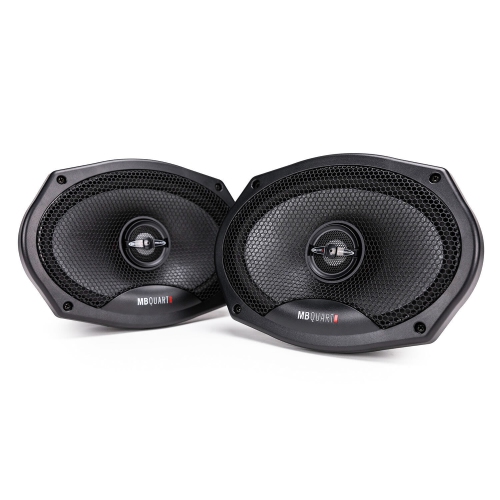
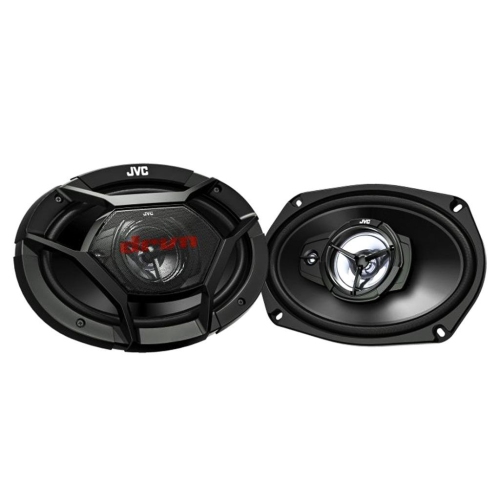

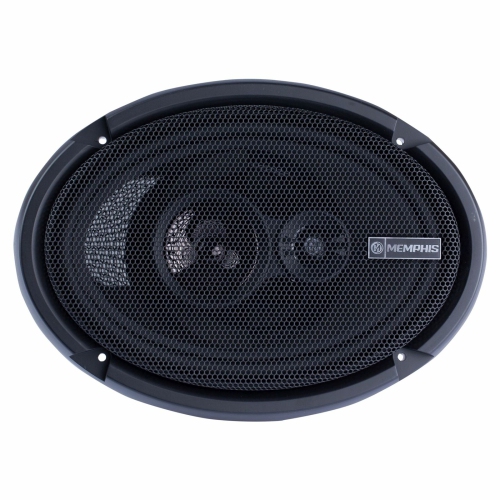
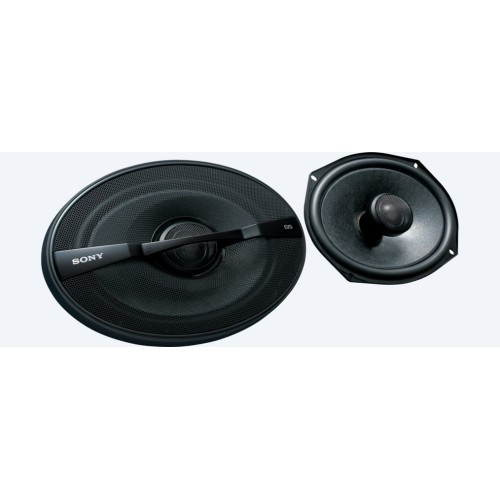
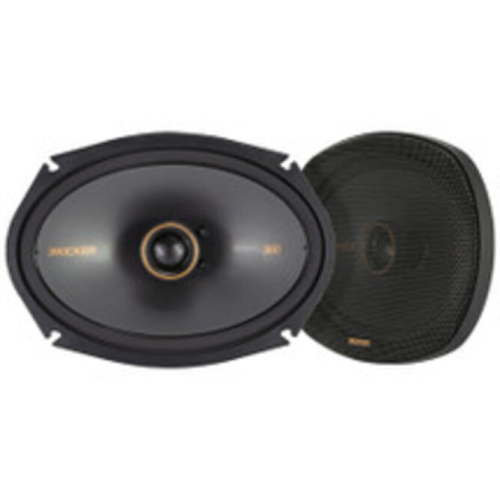
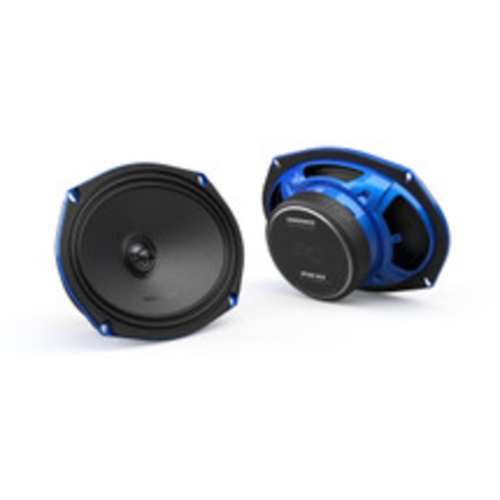
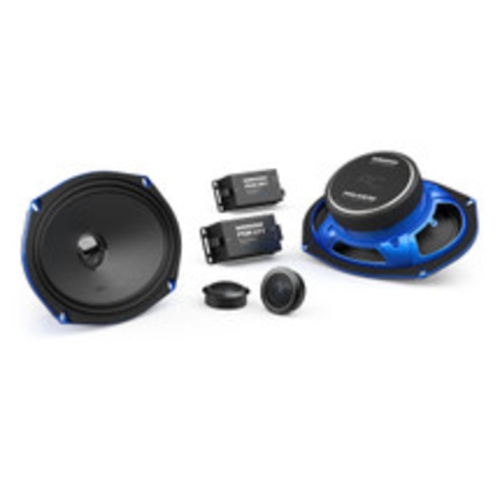
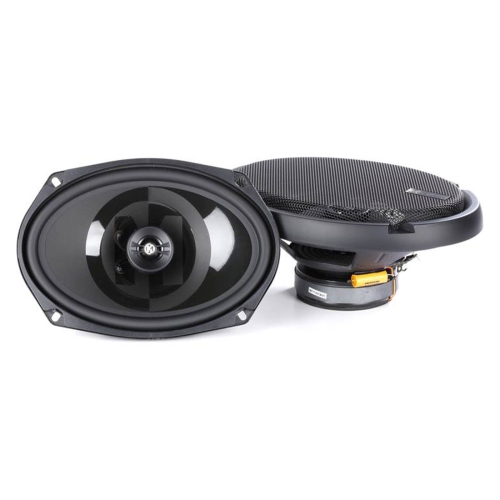
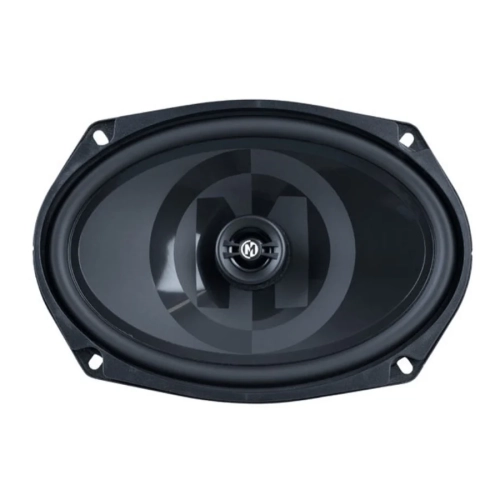
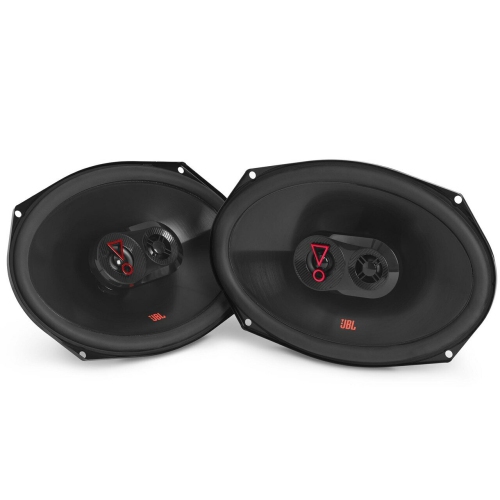
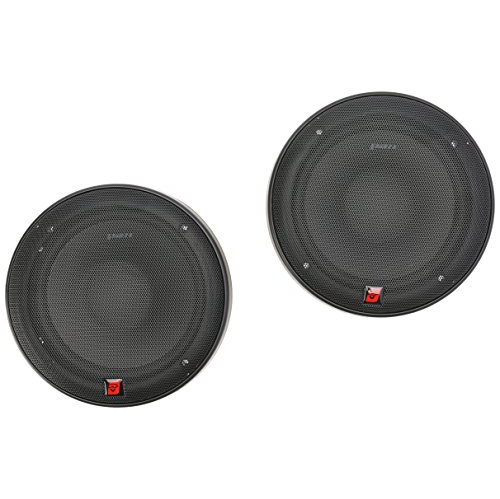
Fuller midbass and clearer voices for everyday drives
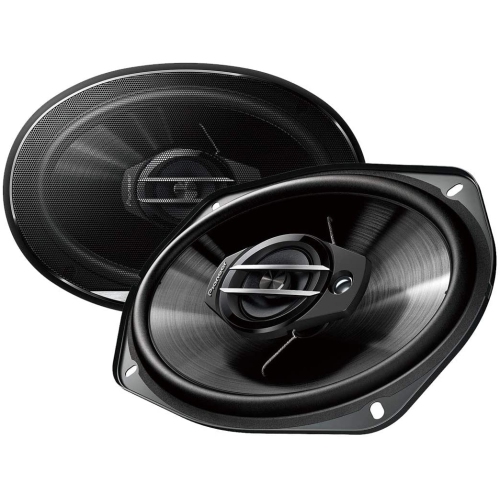
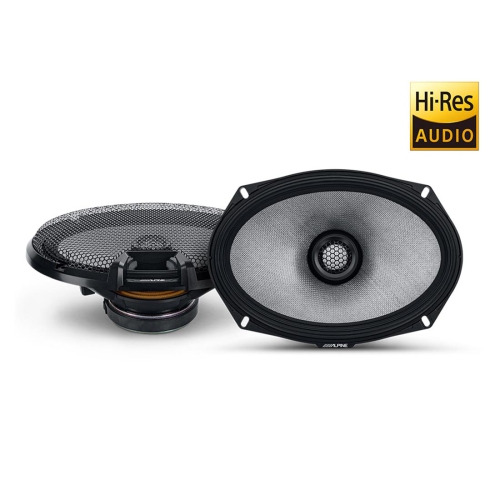
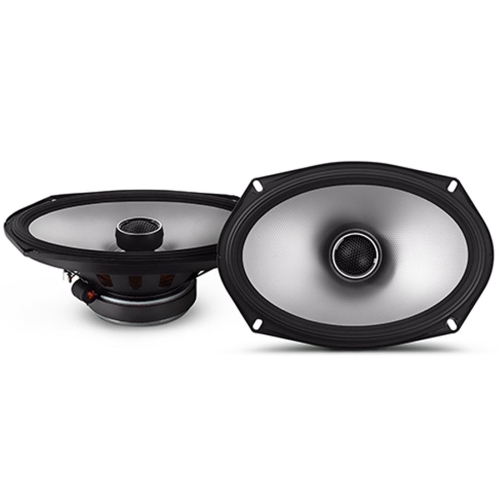
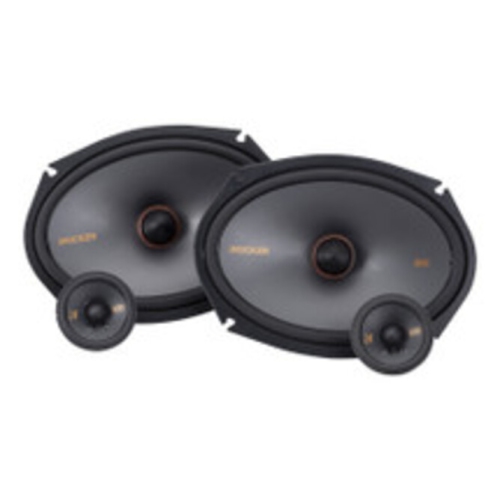
6 x 9 car audio speakers are oval speakers with a nominal size of 6 inches by 9 inches, commonly used in vehicle doors and rear decks. Their relatively broad cone area can deliver fuller midbass than smaller speakers of comparable design, while integrated tweeters reproduce higher frequencies such as cymbals, strings, and the detail in a singer’s voice. For drivers replacing worn factory speakers, that combination can make familiar music sound clearer and more substantial without requiring a separate speaker for every frequency range. Spoken audio benefits, too: podcasts, audiobooks, and talk radio can be easier to follow when voices are not obscured by rattling cones or muddy sound. Many 6 x 9 speakers use a coaxial layout, with the high-frequency driver mounted in front of the main cone. Two-way designs generally combine a woofer and tweeter, while three-way and four-way designs add drivers intended to cover portions of the midrange or treble. The number of drivers alone does not determine sound quality; cone construction, crossover design, installation, and the connected stereo all influence the result. A well-matched two-way speaker can sound more balanced than a design with more drivers, especially when the listening position and vehicle interior are taken into account. These speakers suit everyday commuters, families who share playlists on longer drives, and listeners refreshing an older vehicle’s audio system. They can bring weight to a bass guitar and definition to a snare drum, but they do not automatically replace a dedicated subwoofer for deep, low-frequency bass. Rear-deck installations can help fill the cabin with sound, while compatible front-door installations can bring vocals and instruments closer to the front seats. For someone who enjoys working on a vehicle, a speaker upgrade can also be a thoughtful gift, provided the vehicle fit and audio system requirements are confirmed beforehand. The most useful match is not simply the speaker with the largest advertised wattage, but one suited to the vehicle, the existing equipment, and the way its occupants listen.
Fit is especially important because the 6 x 9 designation describes a nominal speaker size rather than a universal mounting standard. Two speakers with the same stated size can differ in basket shape, mounting-hole position, magnet diameter, and overall depth. A compatible installation needs enough clearance behind the mounting surface for the basket and magnet, plus room in front for the cone and any protruding tweeter. In a door, that means checking the path of the window glass and regulator as well as clearance beneath the factory grille. On a rear deck, nearby trim, structural supports, and components below the panel can affect placement. Vehicle-specific mounting brackets and wiring harness adapters may simplify installation, but they do not make every speaker suitable for every opening. Factory systems with separate amplifiers, unusual impedance requirements, or filtered outputs may need additional integration work. Electrical compatibility matters just as much as physical dimensions. RMS power handling describes the continuous power a speaker is designed to handle under specified test conditions; peak or maximum wattage refers to brief power levels and is less useful for matching everyday listening equipment. An amplifier’s output should be considered at the speaker’s rated impedance, with gain and crossover settings adjusted appropriately. A speaker with a high power-handling rating will not necessarily play louder or sound better when connected directly to a modest factory stereo. Sensitivity indicates how efficiently a speaker converts an electrical input into sound, although comparisons are meaningful only when the measurement methods are comparable. More sensitive speakers can be useful where amplifier power is limited. Impedance also needs to fall within the range supported by the stereo or amplifier, since an unsuitable load can strain the connected equipment. For listeners keeping the original head unit, speakers designed to work well with its output may provide a more practical upgrade than models intended for a powerful external amplifier. For an amplified setup, appropriate filtering can reduce the deep bass sent to the 6 x 9 speakers, leaving that work to a subwoofer and helping keep vocals and midbass cleaner at higher listening levels.
Materials and installation quality play a large part in how 6 x 9 car speakers sound and how well they hold up to regular use. Polypropylene cones are common for their combination of low weight, stiffness, and moisture resistance, while treated paper and composite cones offer other balances of weight, damping, and rigidity. Rubber surrounds are often chosen for flexibility and resistance to ageing; foam and other surround materials vary in performance according to their formulation and construction. Fabric tweeters are often associated with a smoother presentation, while metal tweeters can provide a crisp, detailed character, though the complete speaker design matters more than the material alone. In a cabin with plenty of hard surfaces, a very bright speaker may make sharp consonants or cymbals more prominent than expected. Secure mounting, a suitable gasket, and controlled panel vibration can help prevent a kick drum from turning into a buzz in the door trim. Sound-deadening treatments may reduce panel resonance, but door drains, wiring, and moving parts must remain unobstructed. Grilles help protect exposed cones from bags, footwear, and loose objects, particularly in frequently used passenger areas. For care, a soft, dry cloth around the grille is generally preferable to spraying cleaner near the drivers; cones and tweeter domes should not be pressed or scrubbed. Persistent crackling, buzzing, or distortion deserves attention rather than a higher volume setting, since the cause may be a loose panel, damaged speaker, wiring fault, or overloaded amplifier. Listening at a level that preserves awareness of traffic and warning sounds is also important. Where a vehicle or custom installation calls for a different opening, 8 inch car audio speakers offer another size to consider, but round 8-inch speakers are not direct substitutes for oval 6 x 9 mounts. Matching the speaker’s dimensions, electrical requirements, and intended role helps create an audio system that sounds coherent, from quiet conversation on a podcast to the layered instruments in a favourite album.
Fit is especially important because the 6 x 9 designation describes a nominal speaker size rather than a universal mounting standard. Two speakers with the same stated size can differ in basket shape, mounting-hole position, magnet diameter, and overall depth. A compatible installation needs enough clearance behind the mounting surface for the basket and magnet, plus room in front for the cone and any protruding tweeter. In a door, that means checking the path of the window glass and regulator as well as clearance beneath the factory grille. On a rear deck, nearby trim, structural supports, and components below the panel can affect placement. Vehicle-specific mounting brackets and wiring harness adapters may simplify installation, but they do not make every speaker suitable for every opening. Factory systems with separate amplifiers, unusual impedance requirements, or filtered outputs may need additional integration work. Electrical compatibility matters just as much as physical dimensions. RMS power handling describes the continuous power a speaker is designed to handle under specified test conditions; peak or maximum wattage refers to brief power levels and is less useful for matching everyday listening equipment. An amplifier’s output should be considered at the speaker’s rated impedance, with gain and crossover settings adjusted appropriately. A speaker with a high power-handling rating will not necessarily play louder or sound better when connected directly to a modest factory stereo. Sensitivity indicates how efficiently a speaker converts an electrical input into sound, although comparisons are meaningful only when the measurement methods are comparable. More sensitive speakers can be useful where amplifier power is limited. Impedance also needs to fall within the range supported by the stereo or amplifier, since an unsuitable load can strain the connected equipment. For listeners keeping the original head unit, speakers designed to work well with its output may provide a more practical upgrade than models intended for a powerful external amplifier. For an amplified setup, appropriate filtering can reduce the deep bass sent to the 6 x 9 speakers, leaving that work to a subwoofer and helping keep vocals and midbass cleaner at higher listening levels.
Materials and installation quality play a large part in how 6 x 9 car speakers sound and how well they hold up to regular use. Polypropylene cones are common for their combination of low weight, stiffness, and moisture resistance, while treated paper and composite cones offer other balances of weight, damping, and rigidity. Rubber surrounds are often chosen for flexibility and resistance to ageing; foam and other surround materials vary in performance according to their formulation and construction. Fabric tweeters are often associated with a smoother presentation, while metal tweeters can provide a crisp, detailed character, though the complete speaker design matters more than the material alone. In a cabin with plenty of hard surfaces, a very bright speaker may make sharp consonants or cymbals more prominent than expected. Secure mounting, a suitable gasket, and controlled panel vibration can help prevent a kick drum from turning into a buzz in the door trim. Sound-deadening treatments may reduce panel resonance, but door drains, wiring, and moving parts must remain unobstructed. Grilles help protect exposed cones from bags, footwear, and loose objects, particularly in frequently used passenger areas. For care, a soft, dry cloth around the grille is generally preferable to spraying cleaner near the drivers; cones and tweeter domes should not be pressed or scrubbed. Persistent crackling, buzzing, or distortion deserves attention rather than a higher volume setting, since the cause may be a loose panel, damaged speaker, wiring fault, or overloaded amplifier. Listening at a level that preserves awareness of traffic and warning sounds is also important. Where a vehicle or custom installation calls for a different opening, 8 inch car audio speakers offer another size to consider, but round 8-inch speakers are not direct substitutes for oval 6 x 9 mounts. Matching the speaker’s dimensions, electrical requirements, and intended role helps create an audio system that sounds coherent, from quiet conversation on a podcast to the layered instruments in a favourite album.
Top selling and popular products
-
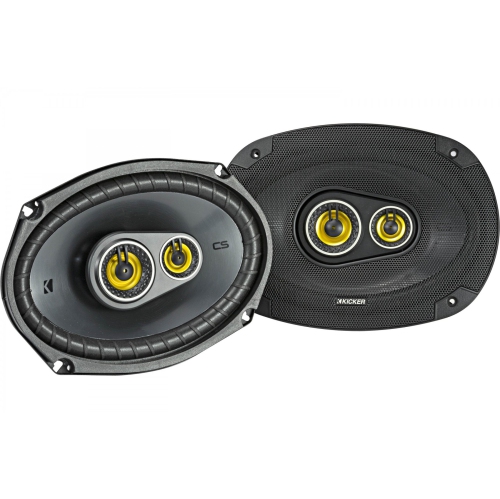 Your price for this item is $199.95
 -
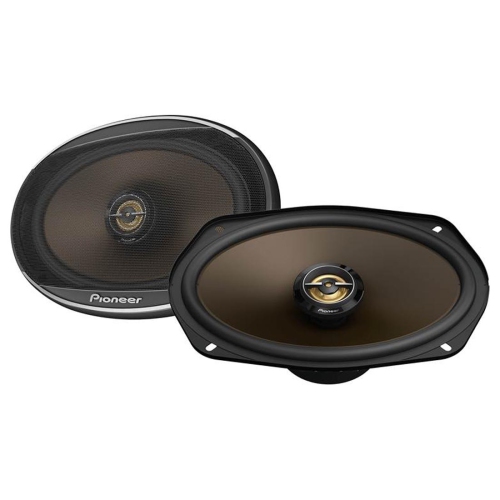 Your price for this item is $158.99
 -
 Your price for this item is $249.95
 -
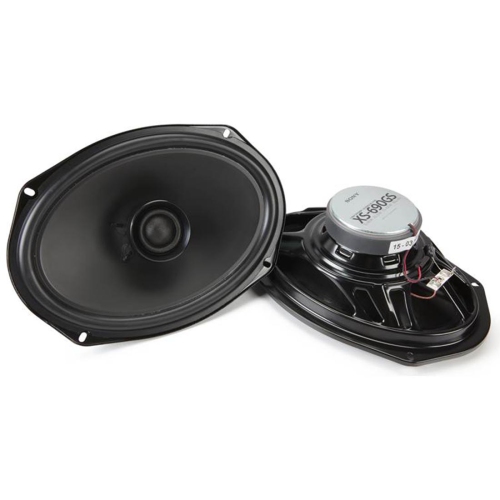 Your price for this item is $198
 -
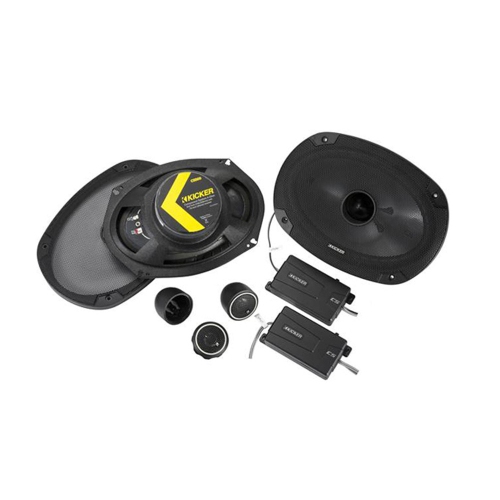 Your price for this item is $249.95
 -
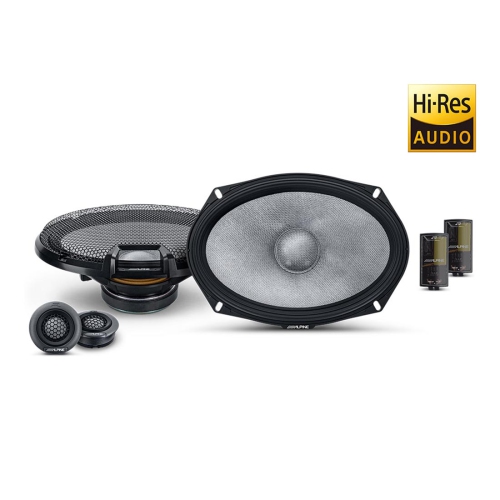 Your price for this item is $568
 -
 Your price for this item is $279.99
 -
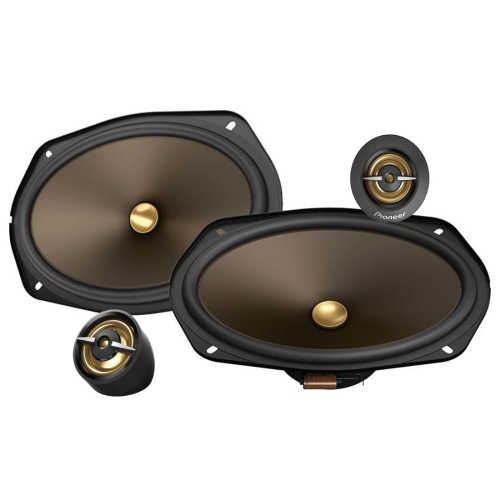 Your price for this item is $208.99
Discover more categories related to 6 X 9 Car Audio Speakers
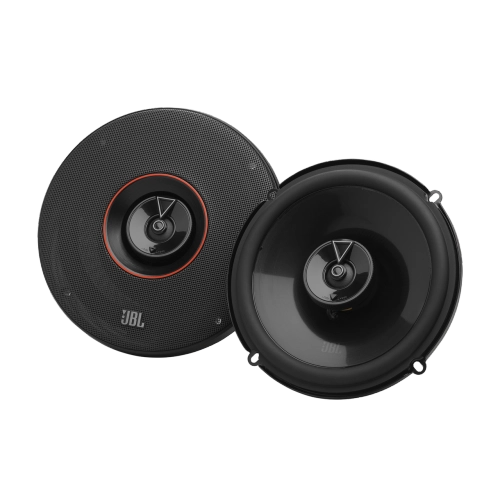
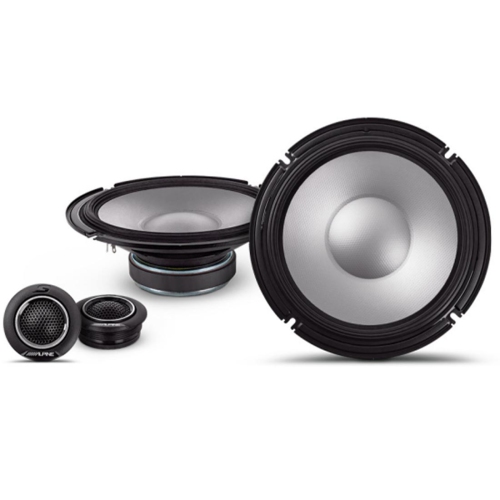
Top Collections:
Pokemon Centers, Kindle Devices, Best Budget Office Chairs, Apple iPhones 16, Best Laptops for Writers, iPhone 15 Apple, Canon G7X Cameras, Refurbished Apple Laptops, Alarm Clock, Motorola Razr Phones
Some products may be subject to Environmental Handling Fees
(EHF) depending on your province.
Learn more about EHFs.