6.5 Inch 2 Way Speakers
Upgrade your audio setup with 6.5 Inch 2 Way Speakers, designed to deliver balanced sound for a wide range of listening experiences. Perfect for car audio enthusiasts and home sound systems alike, these speakers offer versatility and reliable performance. Explore a variety of options to find the ideal match for your needs and enjoy enhanced clarity and depth in your favorite music, podcasts, and more. Discover the benefits of 6.5 Inch 2 Way Speakers and elevate your listening experience today.
Sort


Clearer car audio starts with more than speaker size
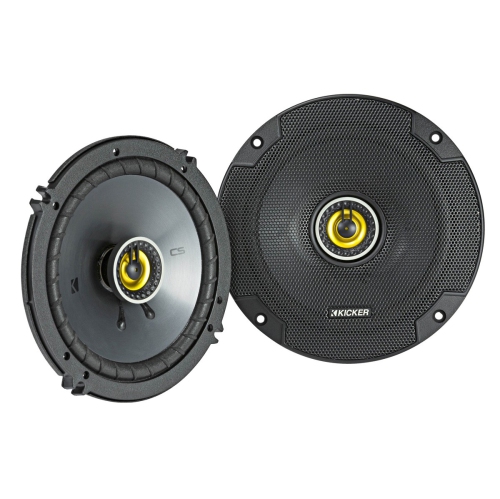
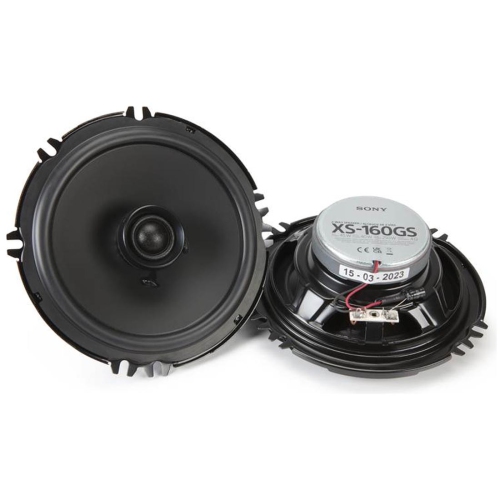
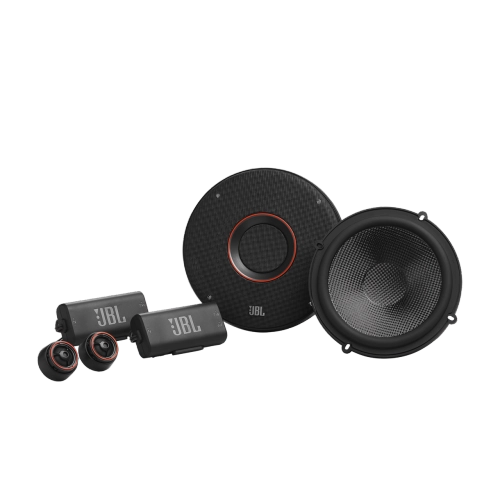
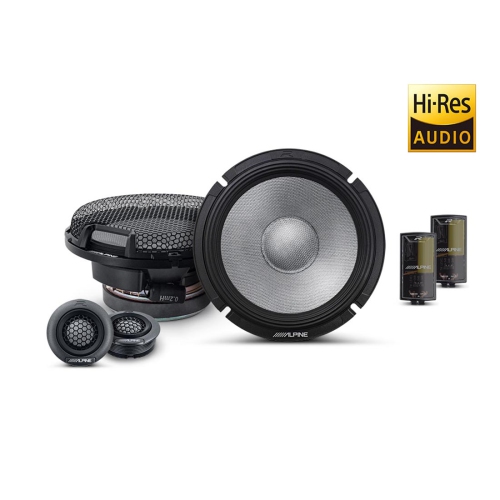
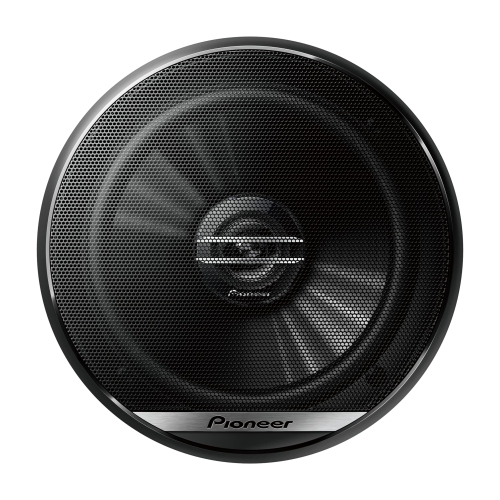
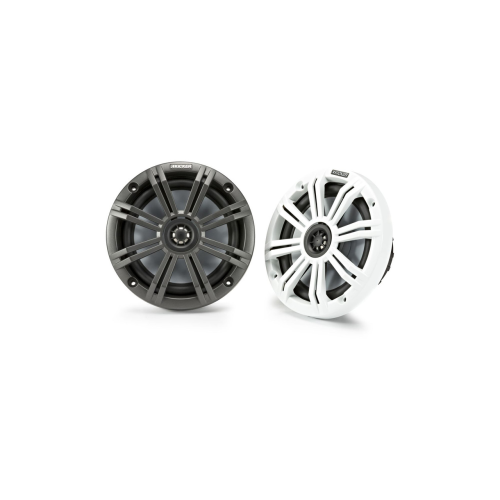
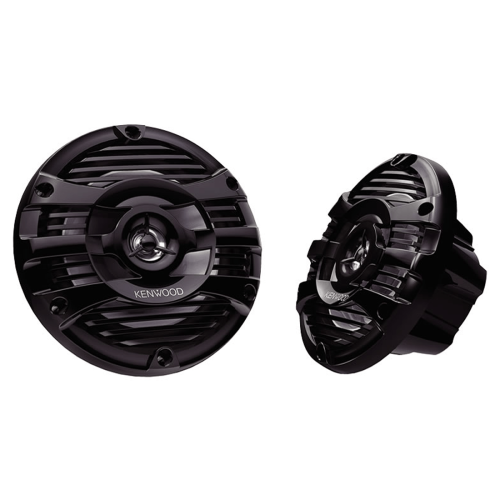
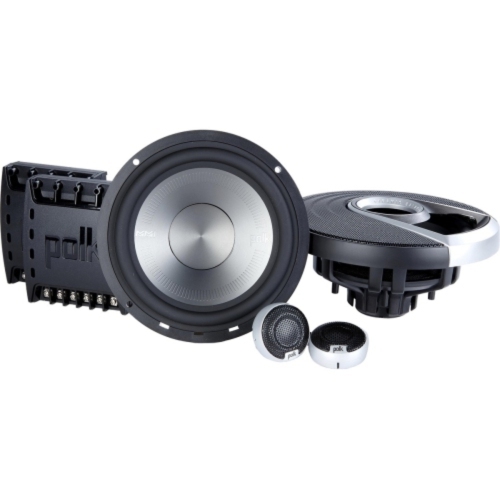
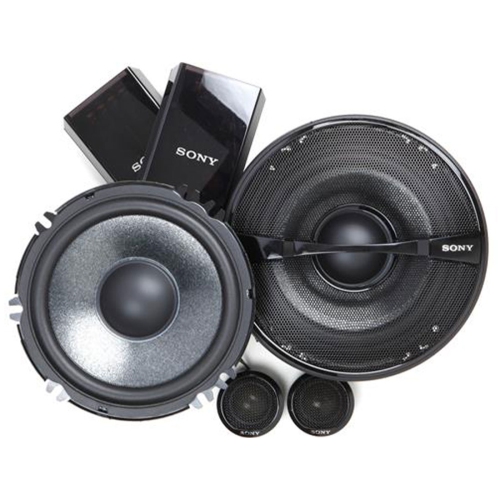
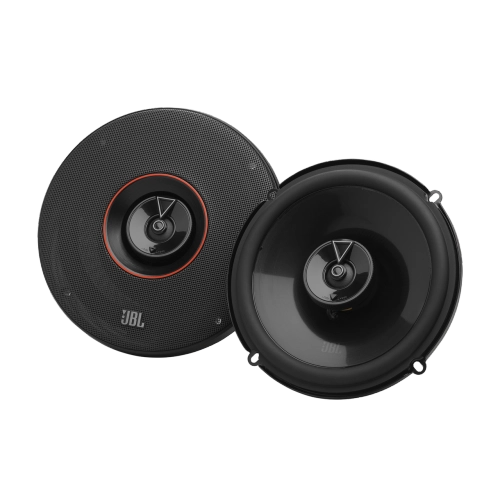
6.5 inch 2-way speakers are car audio speakers that divide sound between two drivers: a woofer for bass and midrange frequencies, and a tweeter for higher frequencies. This arrangement lets each driver handle a different part of the music, from the body of a vocal or the resonance of a guitar to the crisp edge of a cymbal. In a coaxial design, the tweeter sits within the woofer assembly, creating a compact speaker that often suits existing door or rear-deck locations. A 2-way component system uses separate woofers and tweeters, with a crossover that directs the appropriate frequencies to each driver. Both layouts can suit everyday listening, but their installation requirements and presentation differ. Coaxial speakers are often a practical choice for replacing worn factory speakers without adding separate tweeter locations. Component speakers offer more placement flexibility, which can help position voices and instruments higher across the front of the cabin when installed and tuned properly. For commuters, frequent passengers, and drivers who spend hours listening to podcasts or playlists, the appeal is often better definition rather than simply more volume. Dialogue can sound less muffled, backing vocals can be easier to distinguish, and familiar songs may reveal details that tired original speakers obscure. Results still depend on the source audio, vehicle acoustics, installation, and power supplied by the audio system. A 6.5 inch woofer can deliver useful midbass, such as the punch of a kick drum, but it is not a substitute for a subwoofer when deep bass is the priority. Likewise, “2-way” describes the speaker’s driver arrangement, not an automatic ranking of sound quality. Shoppers comparing 6.5 inch 3-way car speakers will find a different division of frequencies, but an additional driver alone does not guarantee clearer or more balanced sound. Driver quality, crossover design, placement, and compatibility with the rest of the system all contribute to the listening experience.
Fit matters as much as the nominal size when selecting 6.5 inch 2-way car speakers. The measurement describes a size class, not a guarantee that every speaker will fit every opening labelled for that size. Mounting depth, cutout diameter, screw locations, and the height of the tweeter above the mounting surface can all affect compatibility. Inside a door, the speaker basket and magnet need clearance from the window glass and its mechanism, while the front of the speaker must sit comfortably behind the trim panel or grille. Vehicle-specific adapter brackets can help align a replacement speaker with the original mounting points, and wiring harness adapters may allow connection without cutting the factory plug. Some installations also require a mounting ring or sealing gasket to secure the speaker and limit air leaks around its edge. A firm, well-sealed mounting surface helps support midbass performance and reduces the chance of buzzes that become noticeable on bass-heavy tracks. Electrical matching is equally important. RMS power handling describes the continuous power a speaker is designed to handle under specified test conditions; a peak or maximum figure is not an equivalent measure for matching everyday operation. A speaker with a higher RMS rating does not automatically play louder or sound better on a factory radio. Sensitivity indicates how much output a speaker produces for a given input under stated measurement conditions, so comparisons are most useful when those conditions match. Impedance must also be compatible with the radio or amplifier, since an unsuitable load can place excessive demands on the equipment. Vehicles with factory amplified audio may use unusual speaker impedances, separate signal processing, or frequency-limited outputs that complicate a simple replacement. For an external amplifier, compatible power ratings, properly set gain, and suitable crossover settings help support clean playback. A high-pass filter can reduce demands on smaller speakers by directing the deepest bass elsewhere when the system supports it. These details are especially relevant when replacing only the front pair while keeping the original radio, rear speakers, or factory subwoofer.
Materials and construction influence both sound and long-term durability, although no single cone or tweeter material guarantees a particular result. Polypropylene woofer cones are common for their low weight and resistance to moisture, while treated paper and fibre blends offer other combinations of stiffness, weight, and damping. Rubber surrounds provide flexible support around the cone, and the quality of the surround, adhesive joints, basket, and terminals all matters in a speaker that experiences regular vehicle vibration. Tweeters may use textile, metal, or other diaphragm materials, with their character shaped by the overall design and tuning as much as the material itself. A textile dome may appeal to listeners seeking a smooth presentation, while some metal-dome designs emphasize a more immediate sense of detail; either can sound different once installed behind a door grille or aimed towards the listener. For long drives, balanced vocals and controlled treble can be more enjoyable than a sharp presentation that initially sounds impressive. Intended use also helps define the right setup. A straightforward coaxial replacement can suit someone restoring clear sound after an original speaker starts rattling, while a component system may appeal to a listener building a more carefully positioned front soundstage. For a car audio enthusiast receiving speakers as a gift, confirmed vehicle fit and system compatibility are more useful than choosing by diameter alone. Care is generally simple once installation is complete: keep protective grilles secure, remove surface dust gently, and avoid spraying cleaning liquid directly onto the speaker area. Cones and tweeter domes are delicate, so pressing them or scrubbing through a grille can cause damage. Door-mounted speakers should retain the vehicle’s intended moisture barriers and unobstructed drainage rather than being treated as waterproof equipment. Persistent buzzing, crackling, or distortion deserves attention instead of extra volume, because the cause may be loose trim, a poor connection, an installation issue, or an audio signal being pushed beyond the system’s limits. With suitable fit, secure mounting, and sensible tuning, 6.5 inch 2-way speakers can form a well-integrated part of an everyday car audio system.
Fit matters as much as the nominal size when selecting 6.5 inch 2-way car speakers. The measurement describes a size class, not a guarantee that every speaker will fit every opening labelled for that size. Mounting depth, cutout diameter, screw locations, and the height of the tweeter above the mounting surface can all affect compatibility. Inside a door, the speaker basket and magnet need clearance from the window glass and its mechanism, while the front of the speaker must sit comfortably behind the trim panel or grille. Vehicle-specific adapter brackets can help align a replacement speaker with the original mounting points, and wiring harness adapters may allow connection without cutting the factory plug. Some installations also require a mounting ring or sealing gasket to secure the speaker and limit air leaks around its edge. A firm, well-sealed mounting surface helps support midbass performance and reduces the chance of buzzes that become noticeable on bass-heavy tracks. Electrical matching is equally important. RMS power handling describes the continuous power a speaker is designed to handle under specified test conditions; a peak or maximum figure is not an equivalent measure for matching everyday operation. A speaker with a higher RMS rating does not automatically play louder or sound better on a factory radio. Sensitivity indicates how much output a speaker produces for a given input under stated measurement conditions, so comparisons are most useful when those conditions match. Impedance must also be compatible with the radio or amplifier, since an unsuitable load can place excessive demands on the equipment. Vehicles with factory amplified audio may use unusual speaker impedances, separate signal processing, or frequency-limited outputs that complicate a simple replacement. For an external amplifier, compatible power ratings, properly set gain, and suitable crossover settings help support clean playback. A high-pass filter can reduce demands on smaller speakers by directing the deepest bass elsewhere when the system supports it. These details are especially relevant when replacing only the front pair while keeping the original radio, rear speakers, or factory subwoofer.
Materials and construction influence both sound and long-term durability, although no single cone or tweeter material guarantees a particular result. Polypropylene woofer cones are common for their low weight and resistance to moisture, while treated paper and fibre blends offer other combinations of stiffness, weight, and damping. Rubber surrounds provide flexible support around the cone, and the quality of the surround, adhesive joints, basket, and terminals all matters in a speaker that experiences regular vehicle vibration. Tweeters may use textile, metal, or other diaphragm materials, with their character shaped by the overall design and tuning as much as the material itself. A textile dome may appeal to listeners seeking a smooth presentation, while some metal-dome designs emphasize a more immediate sense of detail; either can sound different once installed behind a door grille or aimed towards the listener. For long drives, balanced vocals and controlled treble can be more enjoyable than a sharp presentation that initially sounds impressive. Intended use also helps define the right setup. A straightforward coaxial replacement can suit someone restoring clear sound after an original speaker starts rattling, while a component system may appeal to a listener building a more carefully positioned front soundstage. For a car audio enthusiast receiving speakers as a gift, confirmed vehicle fit and system compatibility are more useful than choosing by diameter alone. Care is generally simple once installation is complete: keep protective grilles secure, remove surface dust gently, and avoid spraying cleaning liquid directly onto the speaker area. Cones and tweeter domes are delicate, so pressing them or scrubbing through a grille can cause damage. Door-mounted speakers should retain the vehicle’s intended moisture barriers and unobstructed drainage rather than being treated as waterproof equipment. Persistent buzzing, crackling, or distortion deserves attention instead of extra volume, because the cause may be loose trim, a poor connection, an installation issue, or an audio signal being pushed beyond the system’s limits. With suitable fit, secure mounting, and sensible tuning, 6.5 inch 2-way speakers can form a well-integrated part of an everyday car audio system.
Top selling and popular products
-
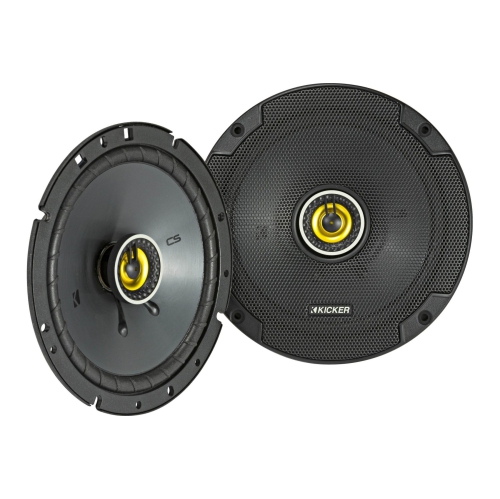 Your price for this item is $139.95
 -
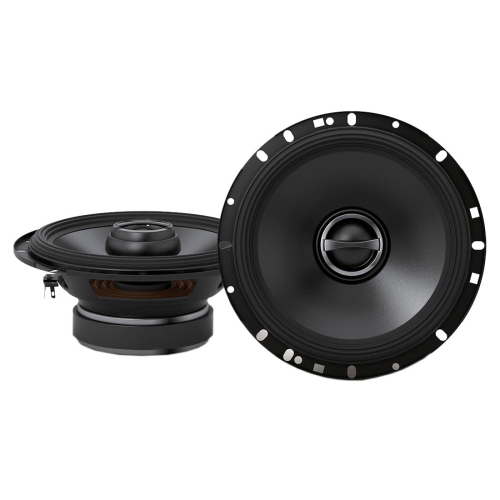 Your price for this item is $178
 -
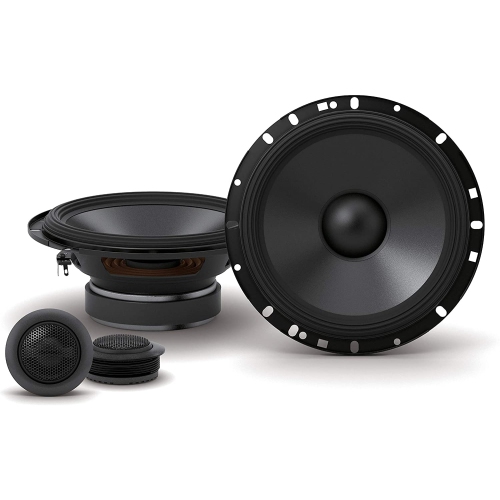 Your price for this item is $189
 -
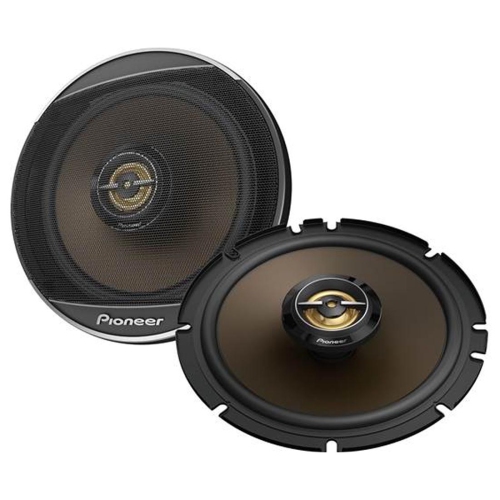 Your price for this item is $138.99
 -
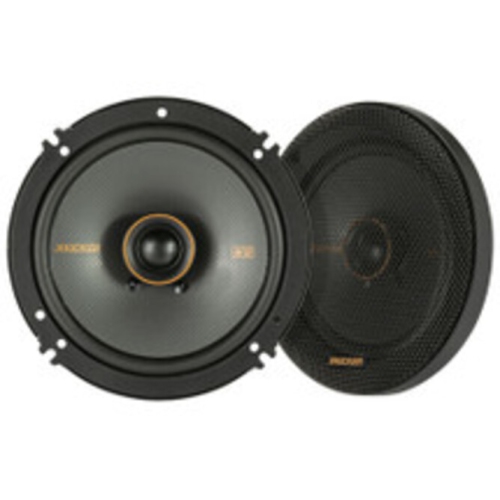 Your price for this item is $189.95
 -
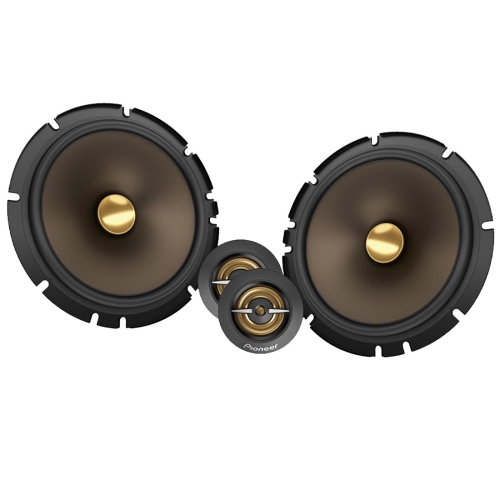 Your price for this item is $228.99
 -
 Your price for this item is $228
 -
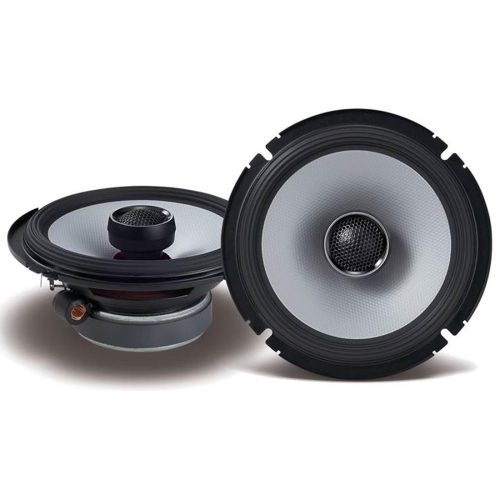 Your price for this item is $198
Discover more categories related to 6.5 Inch 2 Way Speakers
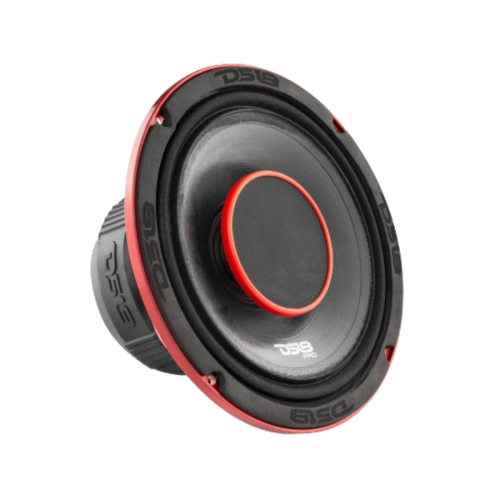
Top Collections:
Pokemon Centers, Kindle Devices, Best Budget Office Chairs, Apple iPhones 16, Best Laptops for Writers, iPhone 15 Apple, Canon G7X Cameras, Refurbished Apple Laptops, Alarm Clock, Motorola Razr Phones
Some products may be subject to Environmental Handling Fees
(EHF) depending on your province.
Learn more about EHFs.