8 Inch Subwoofers for Car Audio
Upgrade your vehicle’s sound system with 8 Inch Subwoofers for Car Audio and experience powerful, deep bass on every drive. These compact subwoofers are designed to fit seamlessly into a variety of car interiors while delivering impressive audio performance. Whether you’re looking to enhance your daily commute or enjoy your favorite music with greater clarity, 8 Inch Subwoofers for Car Audio offer a versatile solution for any car audio enthusiast. Explore a wide selection to find the perfect match for your setup and enjoy an elevated listening experience on the road.
Sort
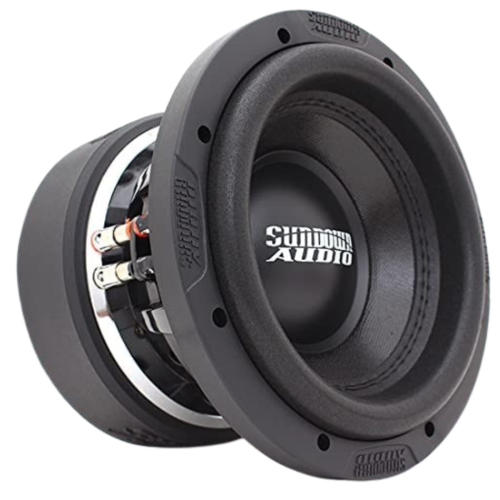


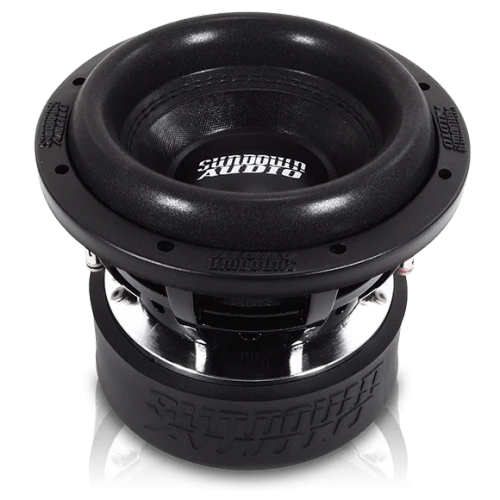

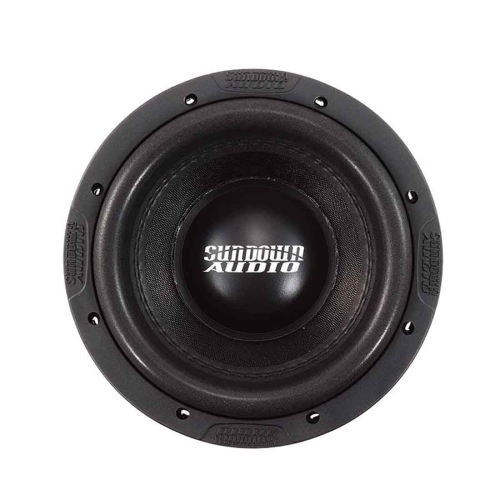


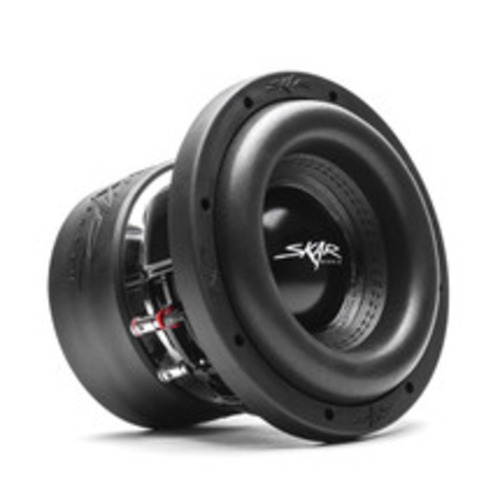


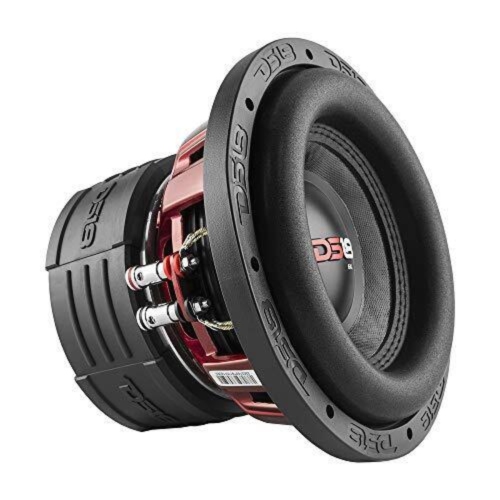

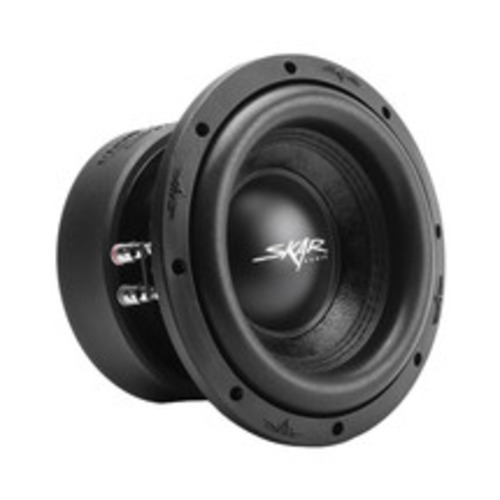

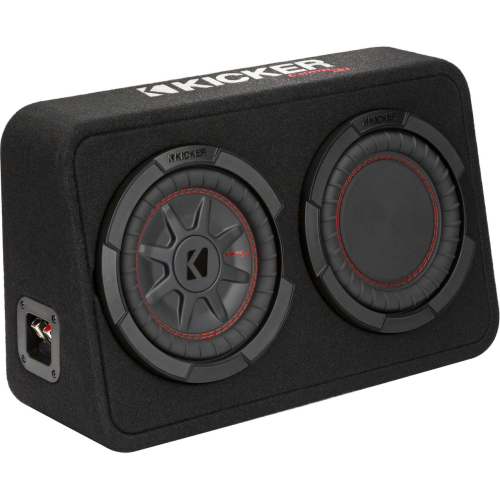
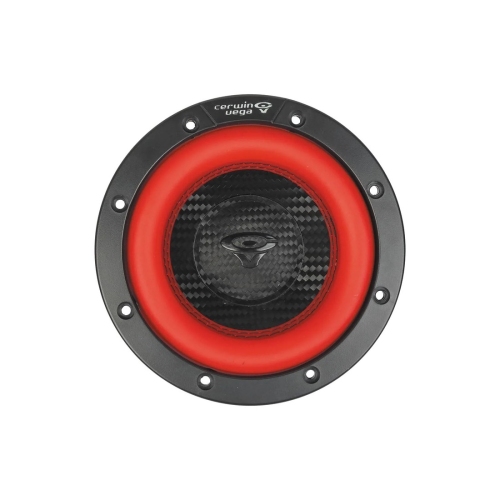

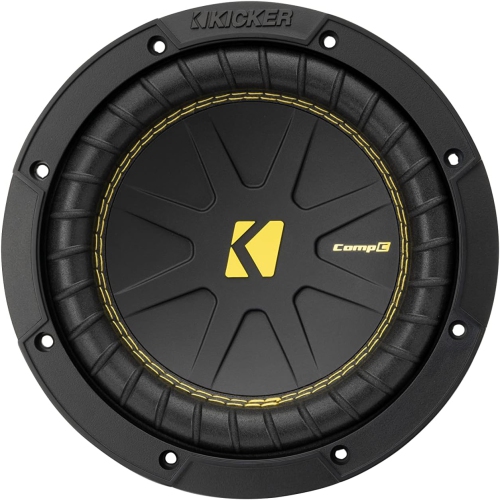
Fuller bass starts with a well-matched compact setup
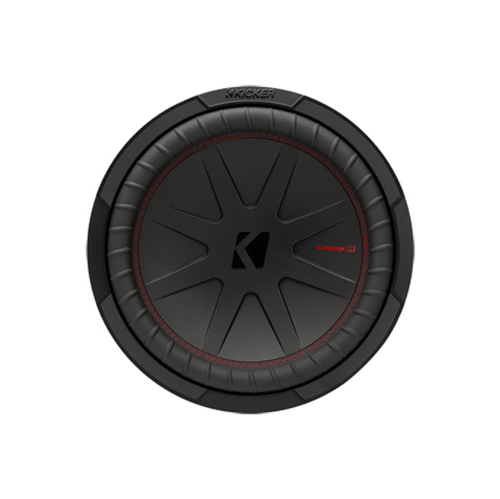
8 inch subwoofers for car audio add weight and definition to the low notes that smaller door and dashboard speakers can struggle to reproduce. A bass guitar gains a fuller foundation, an electronic kick drum has more impact, and the lower notes of a piano become easier to distinguish beneath vocals and percussion. Their appeal is not simply louder sound: a well-matched subwoofer can help a car audio system feel more complete at everyday listening levels. The compact driver size suits installations where space matters, including smaller hatchbacks, pickup truck cabins, and vehicles whose cargo areas still need to accommodate groceries, luggage, or sports equipment. However, an 8 inch diameter describes the nominal driver size, not the dimensions of the finished enclosure or the clearance needed behind it. Basket width, mounting depth, cutout size, and box volume all affect the space an installation requires. Shallow-mount designs can make some confined locations more practical, but under-seat placement still depends on seat movement, wiring, ventilation, and the shape of the floor. A smaller subwoofer can produce satisfying bass without dominating the cabin, although its deepest bass extension and maximum output depend on the driver, enclosure, amplifier, and vehicle acoustics. Diameter alone does not determine sound quality, and a compact system should not be expected to match every larger setup at high volume. For listeners comparing speaker roles, 8 Inch Car Audio Speakers can provide a broader category to explore, with individual speaker specifications determining whether a design handles bass, midrange frequencies, or a wider portion of the music. A dedicated subwoofer focuses on the low end and works alongside the rest of the speakers rather than replacing them. That makes this size relevant both to modest factory-system upgrades and to custom installations designed around balanced, controlled sound.
The relationship between the subwoofer, its enclosure, and its amplifier has a major influence on the listening experience. A sealed enclosure often suits listeners who prefer controlled bass and a relatively compact box, while a properly designed ported enclosure can deliver greater output around its tuning range. Neither style guarantees a particular sound on its own: the driver’s specifications, enclosure dimensions, construction quality, and tuning all matter. Ported designs also need adequate room for the port opening and airflow, which can make the completed installation larger than expected. An enclosure built to the subwoofer manufacturer’s specifications helps the driver perform as intended; a box that merely fits the available corner of the trunk may not provide the right internal volume. Powered subwoofer assemblies combine a driver, enclosure, and amplifier in one unit, whereas passive subwoofers require a separate amplifier and a suitable enclosure. For passive systems, continuous power handling, commonly expressed as watts RMS, is a more useful matching reference than a prominent peak-power figure. Amplifier output needs to be considered at the final wired impedance, since a power rating at one impedance may not apply at another. Single- and dual-voice-coil designs provide different wiring possibilities, and dual voice coils do not automatically mean stronger bass or better sound. Their practical value is the flexibility they can offer when matching the driver configuration to an amplifier’s supported load. Sound integration also depends on the signal reaching the subwoofer. Factory head units may require compatible speaker-level inputs or an appropriate interface, while aftermarket systems may provide dedicated subwoofer outputs. Low-pass crossover settings help keep higher frequencies out of the subwoofer, and phase or time-alignment adjustments can improve how its output blends with the front speakers. Correct gain adjustment helps avoid clipping; turning the gain higher is not a substitute for adequate amplifier power. Together, these details explain why a carefully matched compact setup can sound more convincing than a more powerful system with poor integration.
Materials and construction matter because a car subwoofer has to move repeatedly while remaining securely supported inside a vehicle. Cone materials may include treated paper, polypropylene, or fibre-reinforced composites, each used to balance stiffness, mass, and damping in different ways. No single material guarantees superior sound, and the complete driver design matters more than the cone material alone. Flexible surrounds allow controlled cone movement, while the suspension, voice coil, and basket contribute to consistent operation. Stamped and cast baskets can both serve their purpose when appropriately designed, and unobstructed ventilation helps the driver and amplifier release heat during use. Enclosures made from suitable MDF or plywood need rigid panels, well-sealed joints, and secure mounting points to limit unwanted vibration. A loose trim panel or poorly fastened box can introduce a buzz that is easy to mistake for a damaged speaker, particularly when bass notes linger. Protective grilles are useful wherever bags, tools, or other cargo could contact the cone, provided they leave enough clearance for its movement. Secure mounting is important beyond sound quality: a subwoofer enclosure should not slide across the cargo floor or interfere with vehicle controls, seat mechanisms, or safety equipment. Wiring needs suitable protection, appropriate fusing, and careful routing, making professional installation valuable when electrical connections or factory-system integration are unfamiliar. Routine care is straightforward, with dust removed gently from accessible surfaces and liquids, heavy objects, and cleaning sprays kept away from the driver and electrical connections. Persistent distortion, rattling, or an unusual smell calls for reduced output and inspection rather than additional bass boost. For commuters, music enthusiasts, and drivers who want fuller sound without giving up much usable space, an 8 inch subwoofer can be a practical part of a thoughtfully matched system. It can also be a considerate gift for a car audio enthusiast when the recipient’s vehicle layout, amplifier requirements, and installation plans are already known. The most satisfying result is bass that supports the music, fits the vehicle, and remains clear at sensible listening levels.
Top selling and popular products
-
 Your price for this item is $519.95
-
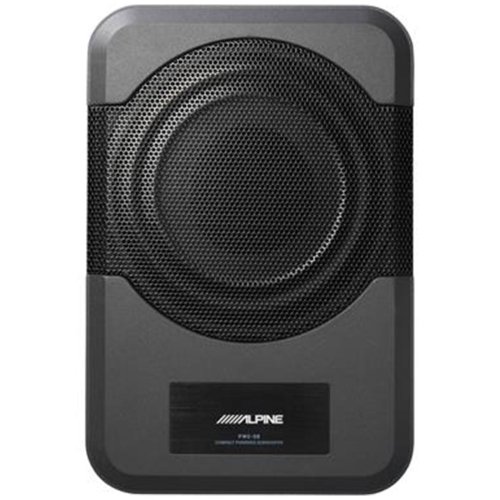 Your price for this item is $598
-
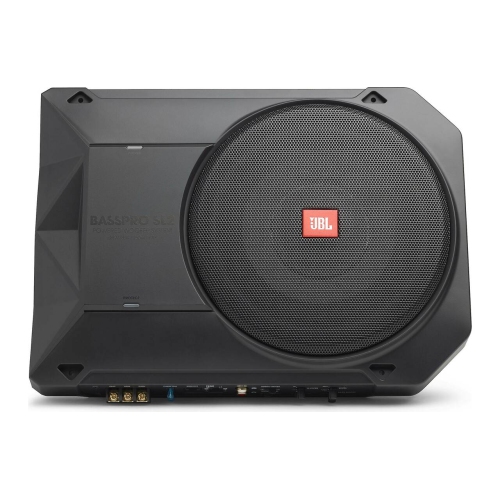 Your price for this item is $599.99
-
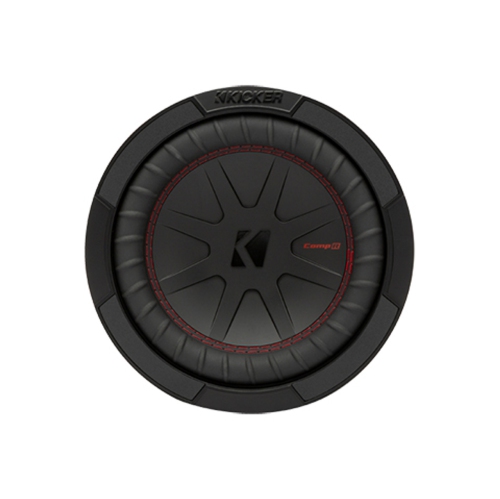 Your price for this item is $199.95
-
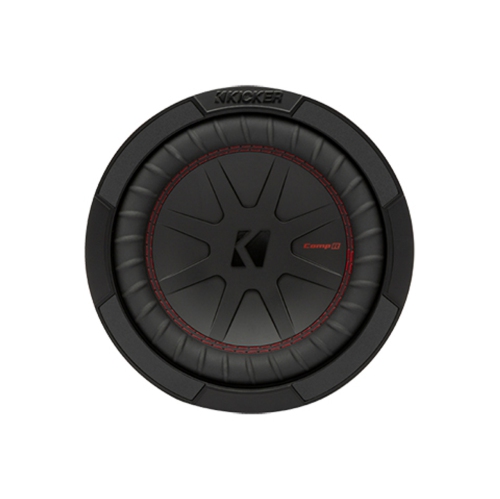 Your price for this item is $199.95
-
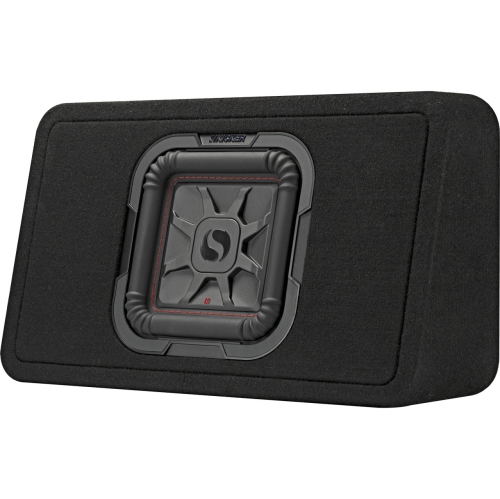 Your price for this item is $399.95
-
 Your price for this item is $149.95
-
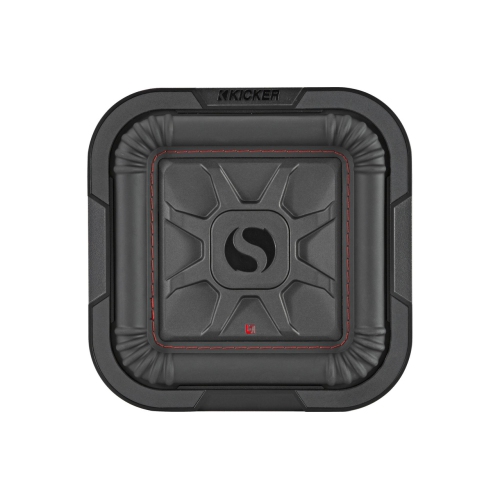 Your price for this item is $319.95
Discover more categories related to 8 Inch Subwoofers for Car Audio



Top Collections:
Pokemon Centers, Best Cameras for Sports Photography, Kindle Devices, Samsung Galaxy Phones, Canon G7X Cameras, Pokémon 30th Celebration Cards, Refurbished Apple Laptops, iPhone 15 Apple, Laptops for Students, Budget Smartphones
Some products may be subject to Environmental Handling Fees
(EHF) depending on your province.
Learn more about EHFs.