Car Speakers With Tweeters
Car speakers with tweeters are designed to elevate your in-car audio experience by delivering clear, dynamic sound across a wide range of frequencies. Whether you’re upgrading your current system or building a custom setup, these speakers offer enhanced clarity and detail for your favorite music, podcasts, and more. Explore a variety of options to find the perfect fit for your vehicle and enjoy exceptional sound quality on every drive.
Sort
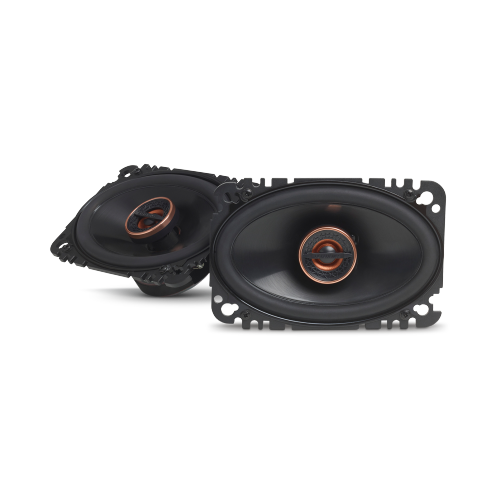

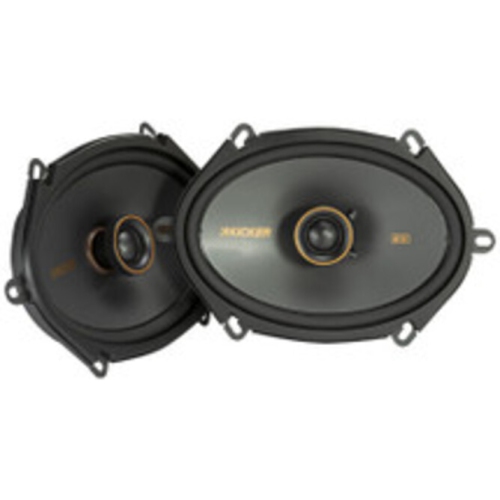
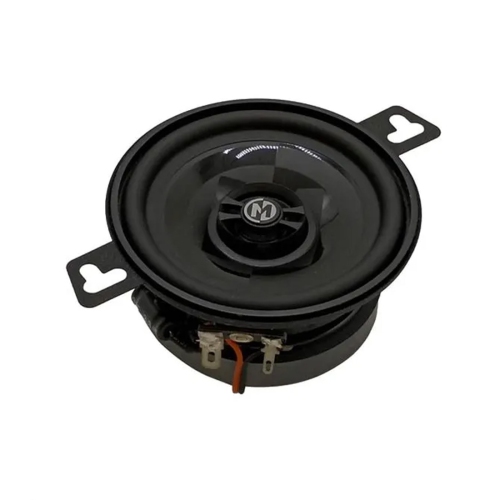
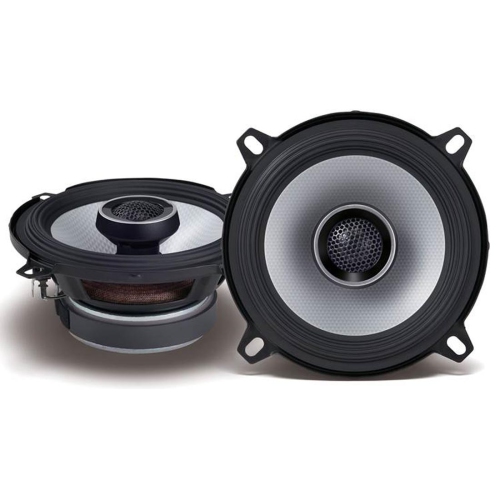
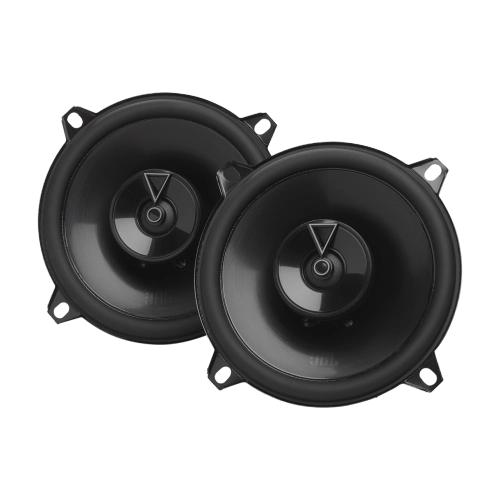
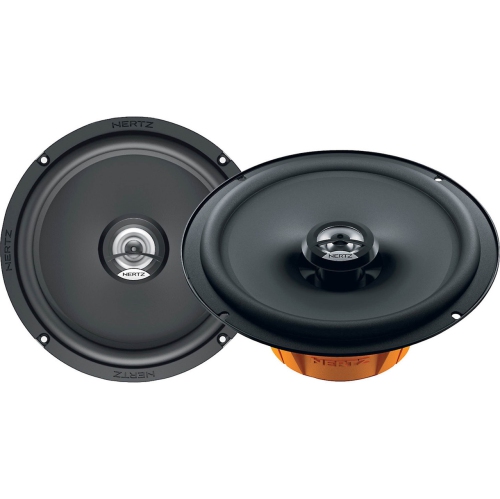
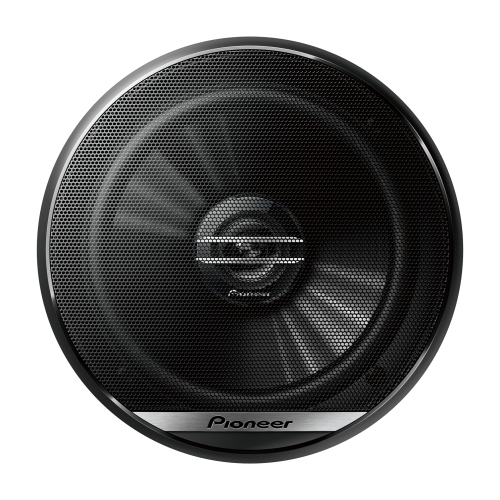
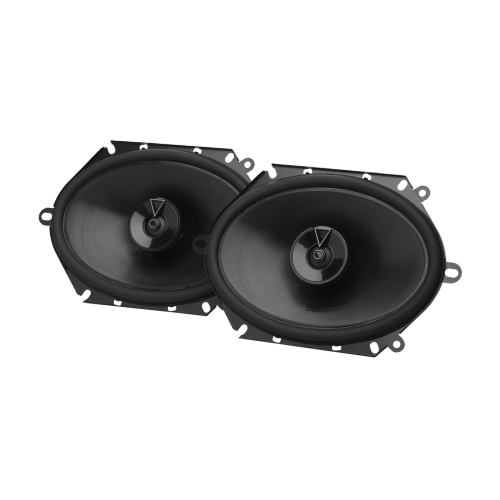
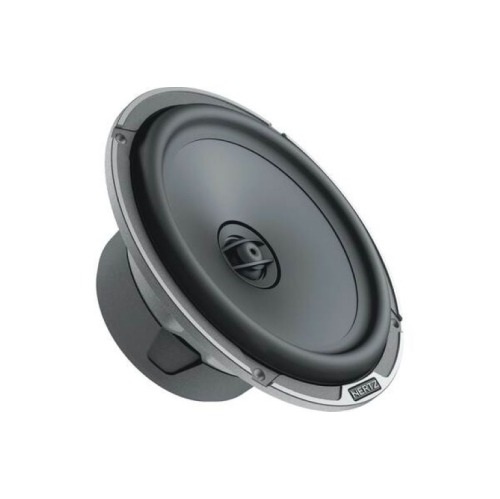

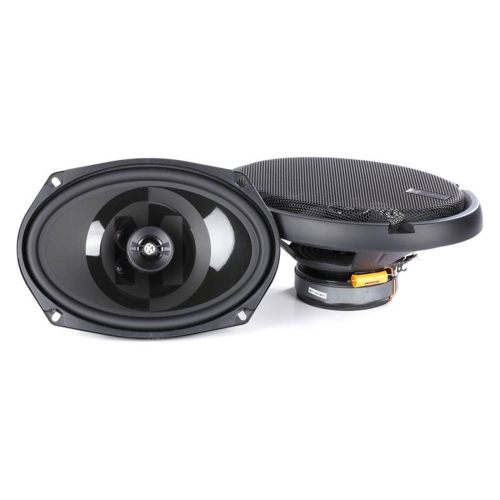
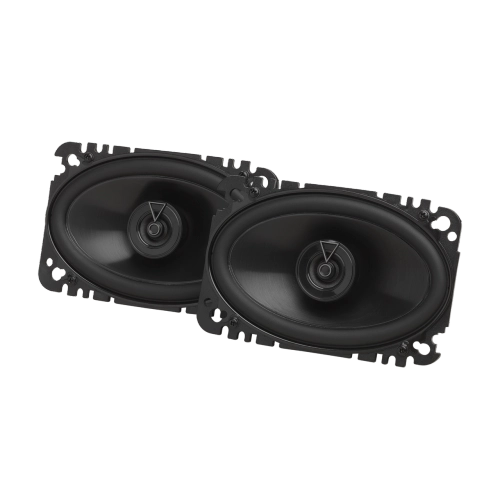
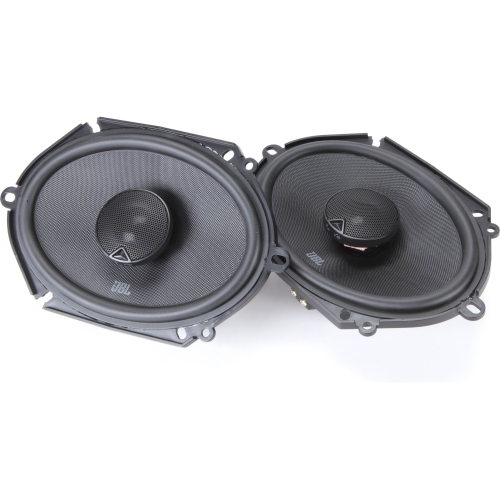
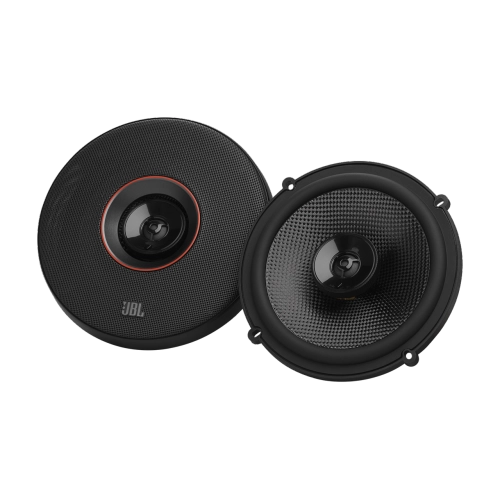
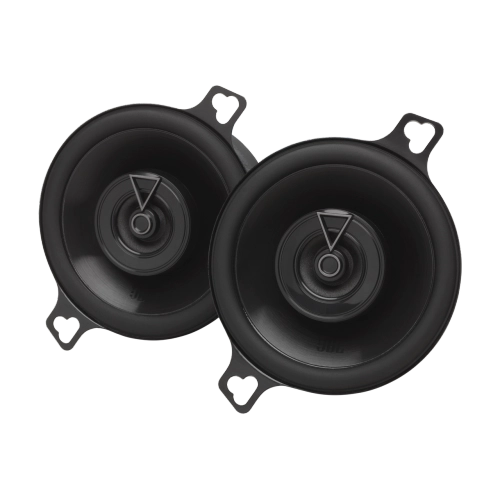
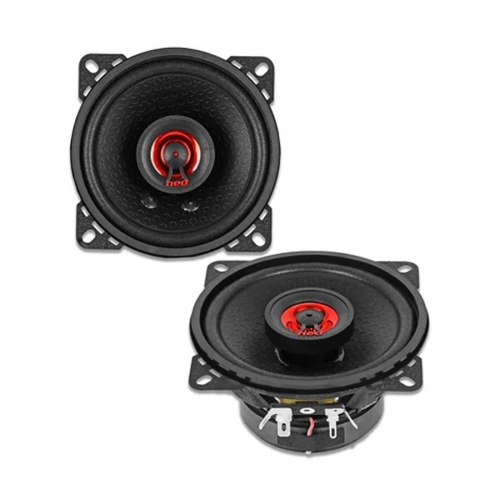

How tweeter placement shapes sound in your car
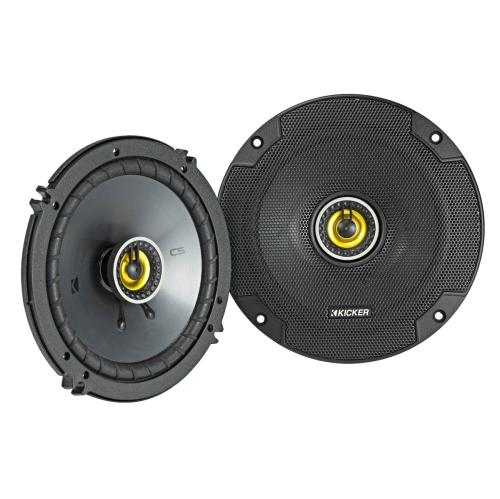
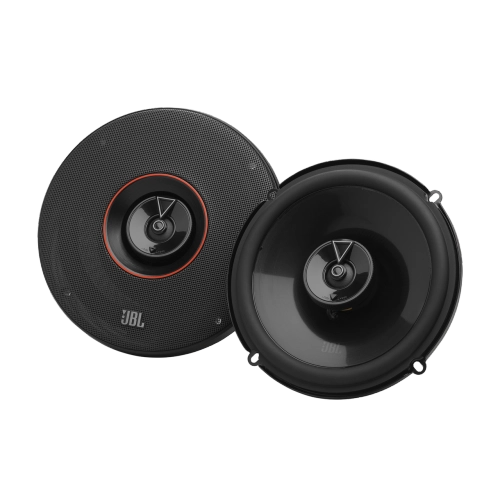
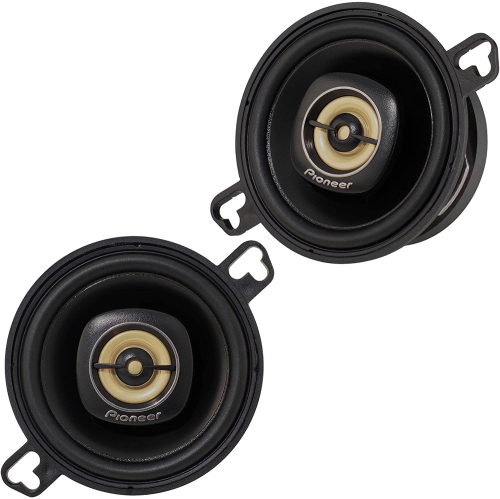
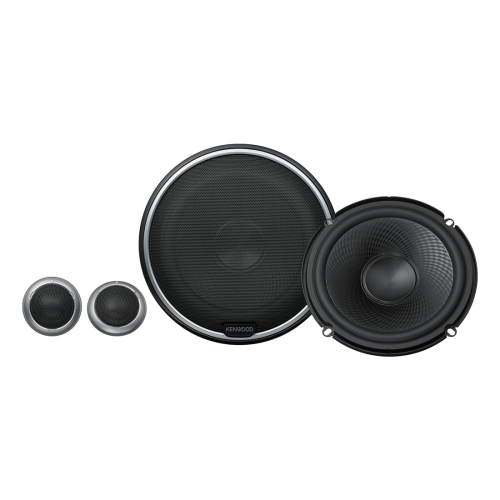
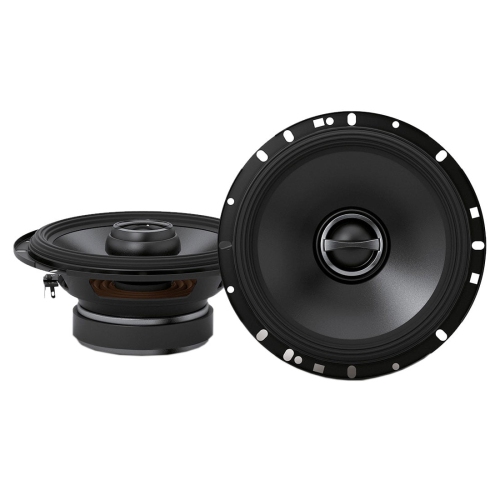
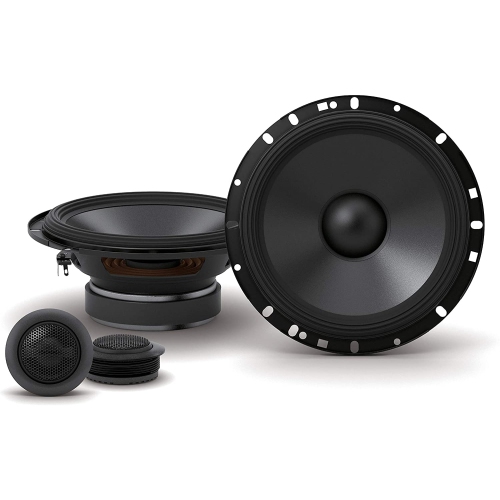
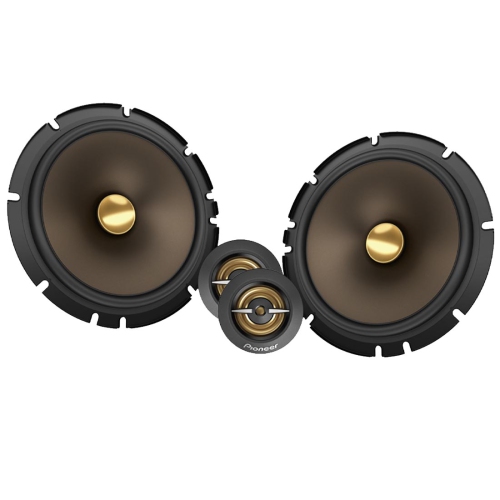
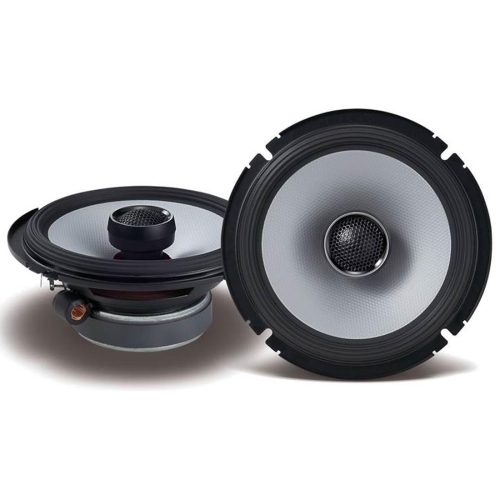
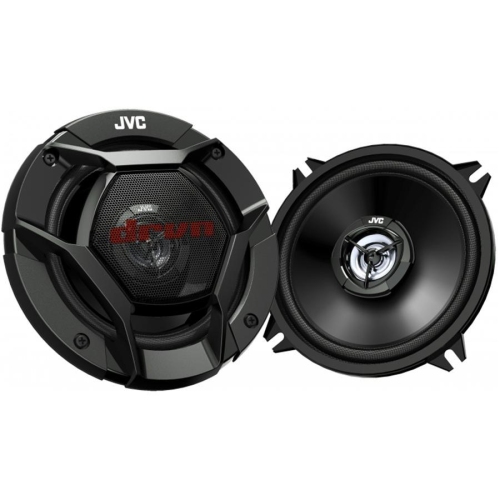
Car speakers with tweeters come in two main designs: coaxial speakers with the tweeter built into the same assembly as the main cone, and component systems with a separate woofer, tweeter and crossover. In both designs, the tweeter handles high frequencies, such as the shimmer of a cymbal, the click of a pick against a guitar string or the crisp consonants that help make a podcast easy to follow. The larger cone handles lower frequencies and much of the midrange, where the body of a voice or instrument sits. A crossover divides the signal so that each driver plays the range it was designed to handle. In a typical two-way coaxial speaker, the tweeter sits directly above the main cone and the crossover is built into the assembly. Both drivers fit into one opening, which makes this layout practical for replacing factory door or rear-deck speakers without finding a new spot for the tweeter. A component set typically has an external crossover or an inline filter, depending on the design, and lets the woofer and tweeter sit in different locations. A woofer low in the door can share the work with a tweeter higher up in the door or dash. High frequencies are more directional than low frequencies, so the height and angle of a separate tweeter can make an audible difference from the driver’s seat. Well-placed tweeters can make a lead vocal seem to come from across the dash rather than from down by the footwell. Coaxial speakers offer less control over that placement, but the simpler layout can make more sense in a vehicle that has no separate factory tweeter openings or when the goal is to refresh the sound without changing the look of the cabin.
Fit depends on more than the speaker size printed on the box. Two speakers with the same nominal diameter can have different mounting depths, basket shapes and screw patterns. A door speaker needs clearance behind it for the window to travel and enough room in front for the factory grille to sit without touching the tweeter. That front clearance is worth checking on a coaxial speaker because its tweeter may project past the rim. A mounting bracket can help line up a speaker with the factory holes, but it also moves the speaker forward, so it changes the clearance on both sides. A vehicle with separate factory woofers and tweeters may already send a filtered signal to each location; in that case, the door wiring might not carry the high frequencies a replacement coaxial tweeter needs. The speaker’s impedance should also suit the radio or amplifier driving it, especially when keeping a factory amplified system. For a setup powered by the radio alone, sensitivity can help indicate how much sound a speaker produces with modest power, provided the ratings are measured the same way. Continuous power handling is more useful than a peak figure when matching speakers to a separate amplifier. Materials matter too, though they tell only part of the story. Polypropylene is a common woofer cone material, while coated paper is used in designs that call for a light, stiff cone. A flexible rubber surround lets the cone move while helping keep it centred. Tweeter domes may be made from woven fabric or metal, but neither material guarantees a particular sound. The crossover, grille and direction the tweeter faces can all change how much treble reaches the seat. That’s why a tweeter tucked behind a door grille can sound different from one mounted in the dash, even if both use the same dome material.
The right balance depends on what tends to play in the car. A driver who spends the commute listening to interviews may notice clearer speech before any change in music, particularly when the host speaks softly and road noise makes word endings hard to catch. Someone who listens to live recordings may pay more attention to whether the cymbals stay distinct behind the guitars without making the whole mix sound sharp. Adding or upgrading a tweeter helps with upper-frequency detail; it doesn’t automatically give a kick drum more weight. Drivers who care as much about the low end can also browse Car Speakers With Bass to compare options with that priority in mind. For a car that carries passengers regularly, it’s worth considering how the sound reaches more than the driver’s seat. A front component set offers more control over where voices and instruments seem to sit, while coaxial speakers in the rear can deliver both higher and lower notes from a single opening on each side. Once fitted, speakers generally need little day-to-day care. A soft, dry cloth can lift dust from the grille without pushing debris into the opening, and it’s best to avoid spraying interior cleaner directly onto it or pressing on an exposed tweeter dome. If a familiar bass line suddenly makes the door buzz, the noise may come from a loose grille or trim clip rather than the speaker itself. Car speakers with tweeters can also make a thoughtful gift for someone restoring an older vehicle or replacing a worn factory system. Knowing the vehicle’s year, make, model, trim and factory audio package makes it easier to choose a set that fits the intended location and works with the rest of the system.
Top selling and popular products
-
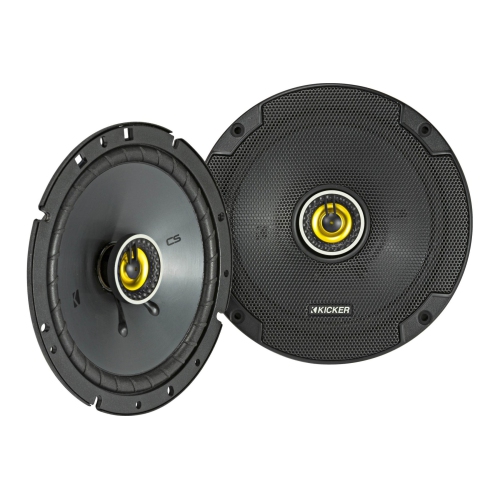 Your price for this item is $139.95
-
 Your price for this item is $168.88
-
 Your price for this item is $188.88
-
 Your price for this item is $189.95
-
 Your price for this item is $138.99
-
 Your price for this item is $198
-
 Your price for this item is $228.99
-
 Your price for this item is $178
Discover more categories related to Car Speakers With Tweeters
Top Collections:
Best Black Friday Deals This Year, Best Black Friday Deals On Electronics, Kindle Devices, Pokemon Centers, Best Black Friday Deals On Apple Products, Best Cameras for Sports Photography, Dyson Airwrap, Pokémon 30th Celebration Cards, Apple iPhone 17 Pro, Canon G7X Cameras
Some products may be subject to Environmental Handling Fees
(EHF) depending on your province.
Learn more about EHFs.