Escort Radar
Escort Radar devices offer advanced solutions for drivers seeking enhanced awareness on the road. With a range of models designed to suit various driving needs, Escort Radar provides options that help you stay informed and confident behind the wheel. Explore features tailored for convenience and performance, making it easy to choose the right radar detector for your vehicle. Find the latest Escort Radar products to upgrade your driving experience today.
Sort
What radar alerts can and cannot tell you
Radar detectors are in-vehicle electronic devices that receive signals within supported radar bands and notify the driver through audible tones, voice announcements or visual displays. They are distinct from laser detectors, which sense pulses of light associated with laser-based speed measurement, although some devices combine both functions in one housing. The broader Radar And Laser Detectors category includes equipment with different detection capabilities, mounting arrangements and alert features, making compatibility and intended use important distinctions. Detection is not the same as interference: a receiver listens for signals, while a jammer attempts to disrupt measurement and is subject to separate legal restrictions. Canadian rules for radar detectors vary by province and territory, and restrictions can apply to possession as well as operation. A detector that is permitted at home may not be permitted across a provincial or territorial boundary, so applicable government requirements matter for both everyday driving and longer trips. These devices do not replace posted speed limits, attentive driving or safe following distances. Their performance also depends on the signal source, terrain, nearby traffic, installation and the receiving technology built into the device. Radar and laser operate differently, so their alerts have different practical limits. Radar signals may be received directly or after reflecting from surrounding objects, while a laser beam is much narrower and may produce little advance warning. A laser alert can occur only after a vehicle has already been targeted; no detector guarantees advance notice of speed measurement. For drivers who value clear information from their vehicle electronics, the useful distinctions are how a device communicates, which signals it supports and how well its settings suit lawful use. Frequent drivers, car enthusiasts and people who spend substantial time behind the wheel may appreciate those details, provided the equipment is legal wherever they travel.
Everyday usability depends as much on alert quality as on detection capability. Supported radar bands, signal-strength indicators and distinct alert tones help describe what a receiver has detected, but not every notification represents police radar. Automatic door sensors and some vehicle-based driver-assistance systems can emit signals that create unwanted alerts. Filtering features are designed to reduce those interruptions, although filtering behaviour varies and cannot eliminate every false alert. GPS-equipped designs may support location-based functions, such as remembering recurring signals or providing notifications tied to a stored database. Those functions depend on the device, its configuration and the accuracy of its data; they should not be confused with live detection. Some connected systems also support shared alerts through a compatible phone and app. Bluetooth, Wi-Fi, phone operating-system requirements and account requirements are separate compatibility details, rather than features that can be assumed across the category. Firmware and database updates may refine operation, but their delivery method and ongoing support differ between devices. In the cabin, a readable display and recognizable sound patterns can make notifications easier to distinguish without prolonged glances away from the road. Adjustable brightness, automatic dimming and accessible volume controls are useful considerations for a screen positioned near the windshield. A driver following spoken navigation directions may prefer brief, clearly differentiated tones, while another may find a concise voice announcement easier to interpret. Alert volume needs to remain compatible with hearing traffic, emergency vehicles and other important sounds. Directional information, where supported, provides additional context about a detected signal but does not establish an exact source location. Settings that retain the driver's preferences can also make repeated trips less fiddly. The practical aim is a setup that communicates clearly without demanding attention at every intersection or adding unnecessary screen interaction. A quiet device is not proof that no speed measurement is taking place, just as a frequent alert is not proof of a nearby enforcement vehicle.
Physical fit and installation have a substantial effect on how this equipment works within a vehicle. Windshield-mounted receivers need a stable attachment and an appropriate position for their sensors, without obstructing the driver's view or interfering with airbags, mirrors or other safety equipment. Some windshields contain metallic coatings or embedded elements that can affect signal reception, making vehicle-specific compatibility worth confirming. A compact housing may suit a smaller cabin, while a larger display may be easier to read from a more distant mounting position; neither size alone determines detection performance. Mount design, adjustment range and cable routing all influence how neatly the equipment integrates with the dashboard. A power lead should not hang across driving controls, and the required outlet or hardwire connection must match the device's electrical specifications. Hardwired installations can provide a tidier arrangement, but they require suitable components and careful work around vehicle wiring. Durable housings, secure connectors and well-fitted mounting hardware help equipment withstand ordinary handling and vibration, although portable electronics still need protection from drops and loose storage. Suction surfaces and sensor windows benefit from gentle cleaning according to the manufacturer's directions, using suitable materials rather than abrasive cleaners. A soft microfibre cloth can remove fingerprints from compatible exterior surfaces without unnecessary rubbing. Detachable mounts and protective storage are practical for equipment that is removed when the vehicle is parked, provided possession is lawful in that location. For a gift recipient, the right match depends on the vehicle, local law, preferred installation and comfort with connected features—not simply an interest in cars. Related driving electronics serve different purposes: a dash camera records footage, while a radar or laser detector receives particular signals. Combination systems may bring functions together, but recording coverage, storage requirements and detection capabilities remain separate specifications. A well-matched setup keeps controls accessible, cables secure and the road view clear, with features suited to the driver's vehicle and lawful intended use.
Top selling and popular products
-
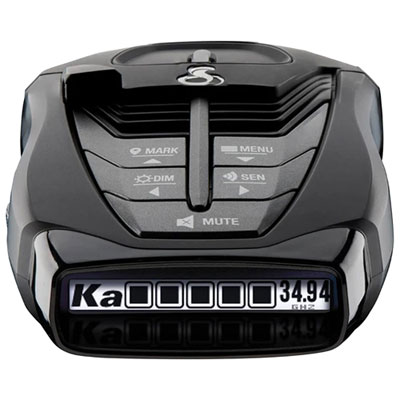 Your price for this item is $249.99
-
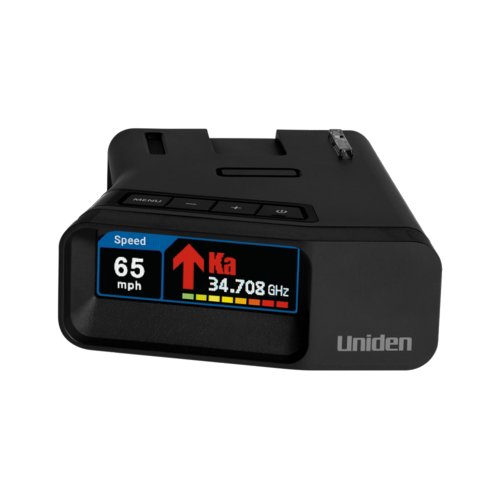 Your price for this item is $929.99
-
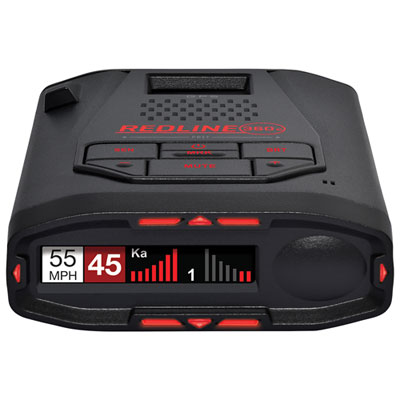 Your price for this item is $1299.99
-
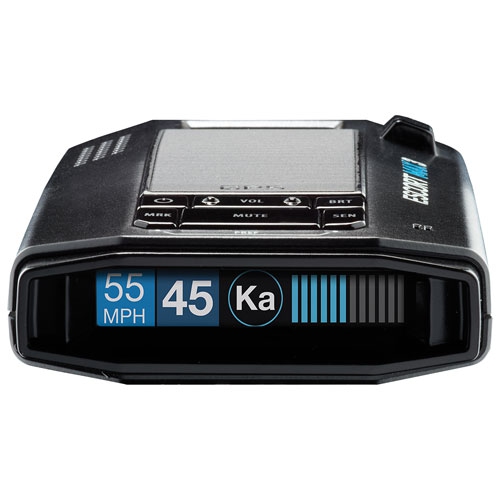 Your price for this item is $549.95
-
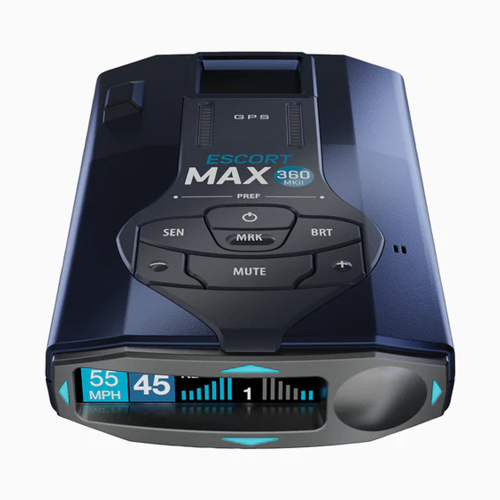 Your price for this item is $849.95
-
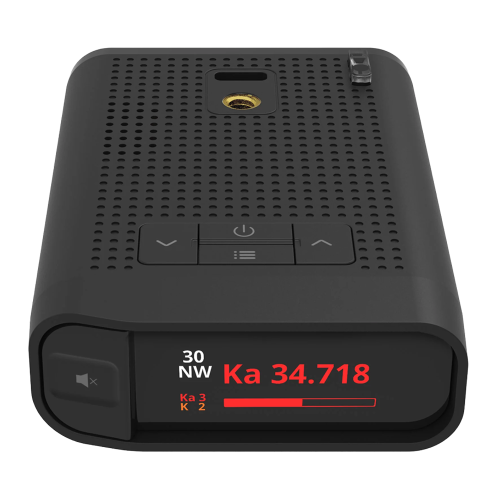 Your price for this item is $599.99
-
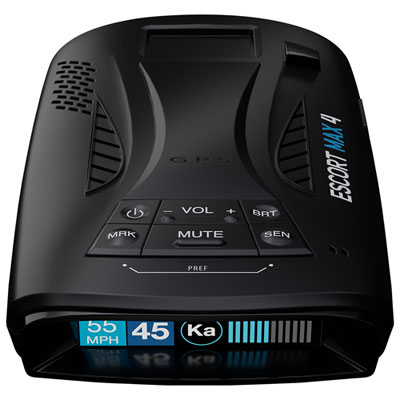 Your price for this item is $649.99
-
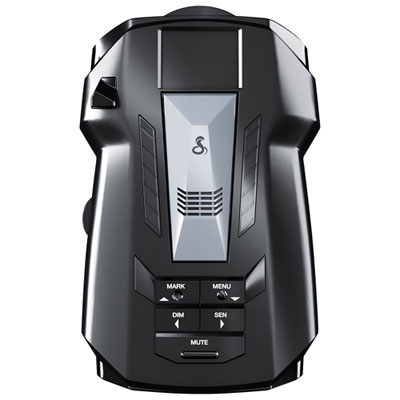 Your price for this item is $359.99
Discover more categories related to Escort Radar
Top Collections:
Best Black Friday Deals This Year, Best Black Friday Deals On Electronics, Kindle Devices, Pokemon Centers, Best Black Friday Deals On Apple Products, Best Cameras for Sports Photography, Dyson Airwrap, Pokémon 30th Celebration Cards, Apple iPhone 17 Pro, Canon G7X Cameras
Some products may be subject to Environmental Handling Fees
(EHF) depending on your province.
Learn more about EHFs.