Full Range Car Audio Speakers
Full Range Car Audio Speakers deliver balanced sound for every drive, enhancing your listening experience with crisp highs and deep lows. Whether you’re upgrading your current system or outfitting a new vehicle, these speakers provide an easy solution for enjoying music, podcasts, and more on the road. Explore a wide selection of Full Range Car Audio Speakers to find the perfect fit for your car and audio preferences.
Sort
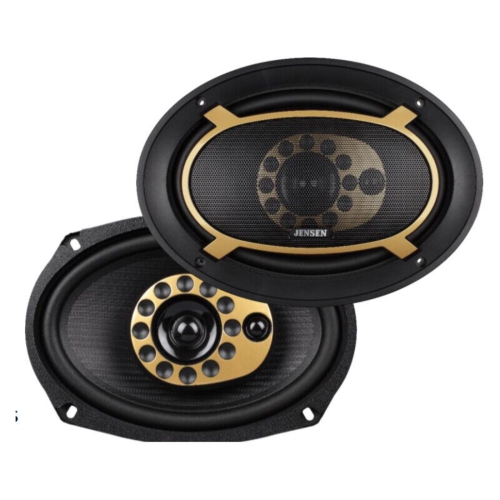
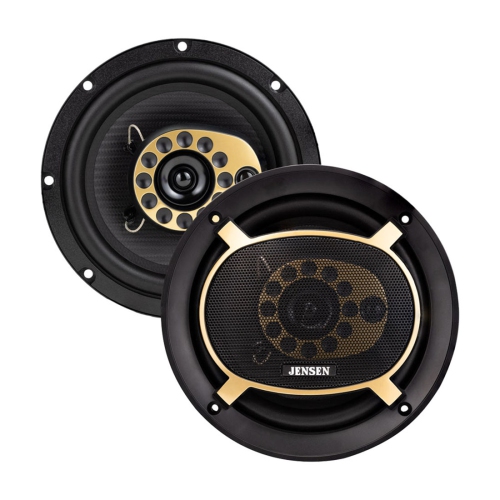

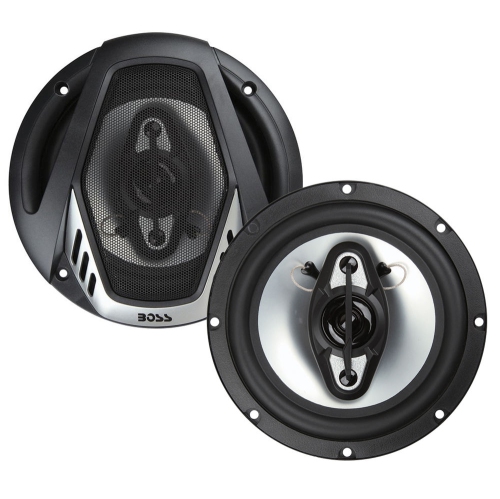
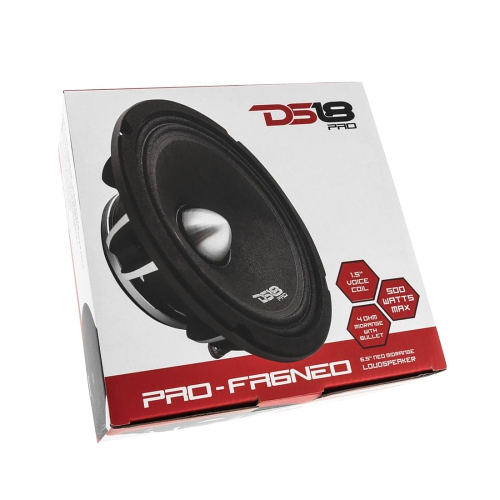


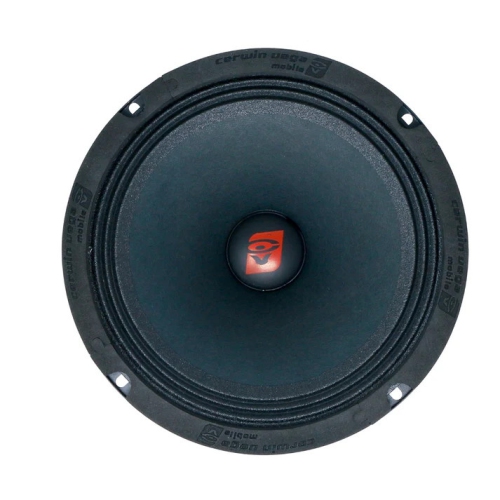



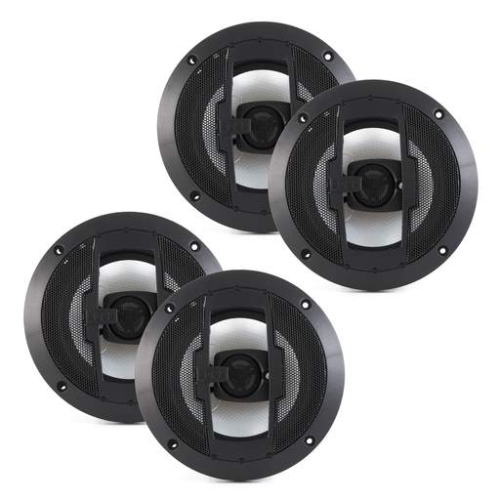
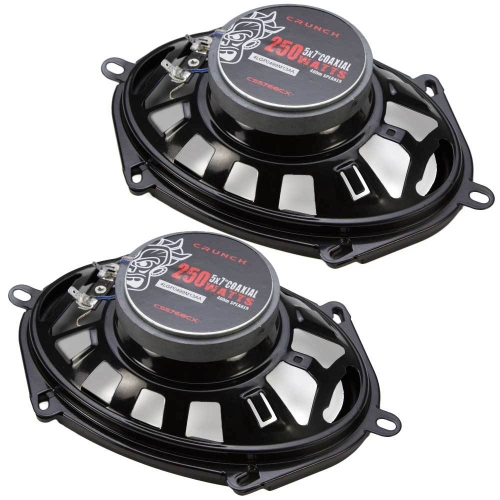


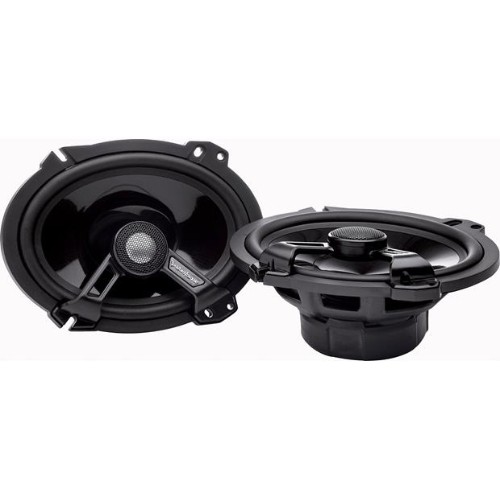
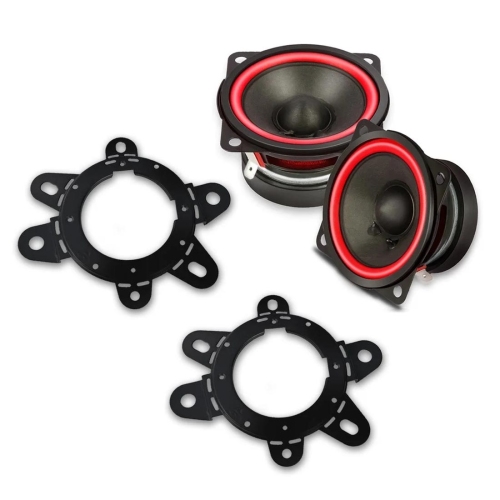



How multiple drivers fit into one speaker assembly
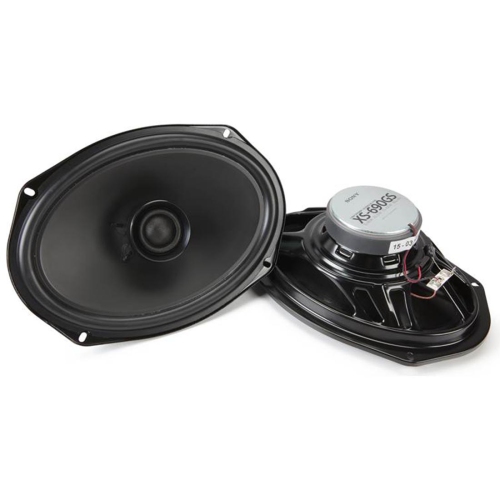
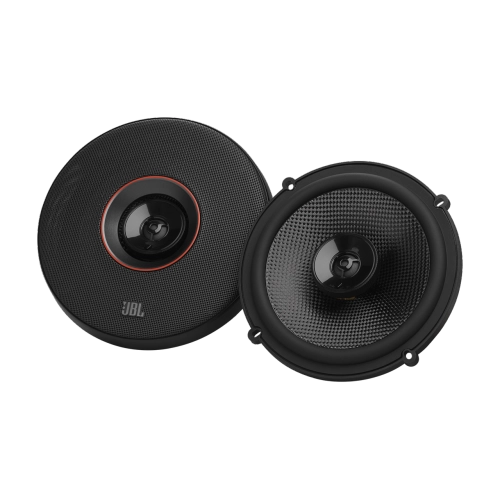
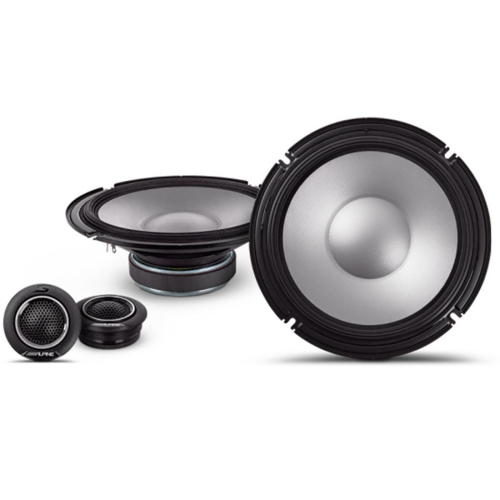
Full-range car audio speakers bring multiple speaker drivers together in one assembly, making them a practical choice for replacing factory speakers without creating separate mounting locations for each part of the sound. Commonly called coaxial speakers, they typically combine a woofer for bass and lower midrange with a tweeter for higher frequencies. Three-way, or triaxial, designs add another driver to divide the frequency range further. Built-in frequency filtering helps direct sound to the appropriate drivers, so a separate external crossover box is not usually required. The term full-range describes their ability to reproduce a broad range of frequencies, rather than a promise that every speaker can deliver the deepest bass. A separate subwoofer can still be useful for listeners who want the low-frequency weight of an electronic bass line or the rumble beneath a film soundtrack. For everyday music, podcasts, audiobooks, and talk radio, full-range speakers offer a straightforward way to bring several parts of the listening experience into a familiar door or rear-deck location. Clear vocals, distinct percussion, and instruments that remain easy to follow are often more valuable on a daily drive than sheer volume. A singer’s voice should sound like a coherent part of the music rather than disappearing behind a heavy bass note, while spoken dialogue should remain intelligible without an unnecessarily sharp edge. The result depends on the entire audio system, including the source recording, radio, amplification, speaker placement, and cabin acoustics. More drivers do not automatically mean better sound, and a three-way speaker is not inherently superior to a well-designed two-way model. Full-range designs are especially relevant for drivers who want an integrated replacement, families sharing a vehicle with different listening preferences, or music fans who would rather retain existing speaker locations than make extensive changes to interior trim.
Vehicle fit involves more than matching the diameter printed on a speaker. Round sizes such as 5.25-inch and 6.5-inch, along with oval formats such as 6-by-9-inch, describe general dimensions, but mounting depth, screw-hole positions, basket shape, and grille clearance also matter. Inside a door, the speaker must clear the window mechanism and other moving parts; above the mounting surface, a projecting tweeter must fit beneath the factory grille. Vehicle-specific brackets and wiring adapters may help accommodate a replacement while keeping the original connectors intact. Larger speakers can offer more cone area for bass and lower midrange, although their performance still depends on construction, installation, and the space behind them. Drivers considering larger door or rear-deck formats can also explore Big Car Speakers while keeping those physical limits in mind. Electrical compatibility deserves equal attention. Impedance, measured in ohms, affects the load presented to the radio or amplifier, and a replacement should suit the equipment driving it. Some factory amplified systems use unusual speaker impedances or send only selected frequencies to particular locations, so a speaker that fits physically may not function as a straightforward replacement. Power specifications are most useful when continuous or RMS ratings are considered alongside the amplifier’s output; a large peak-power figure alone says little about everyday performance. Sensitivity indicates how efficiently a speaker converts input power into sound, although comparisons are most meaningful when measurements use the same test conditions. A speaker intended for substantial external amplification may not be the most suitable match for a modest factory radio. Conversely, adding an amplifier requires attention to gain settings and clean output, not simply choosing the highest wattage. Audible harshness at higher volume can come from amplifier clipping as well as speaker limitations. These details help distinguish a simple factory-speaker refresh from a broader system upgrade, without assuming that every vehicle needs new amplification or additional bass equipment.
Materials and construction influence how full-range car speakers handle repeated use, vibration, and the demands of installation inside a vehicle. Polypropylene woofer cones are common because they combine low weight with resistance to moisture, while coated paper and fibre-based cones offer other balances of stiffness, damping, and mass. Woven materials and composite constructions can also be used to control cone movement. No single cone material guarantees better sound; the surround, voice coil, magnet assembly, and overall design work together. Rubber surrounds are often valued for flexibility and durability, while tweeters may use textile, polymer, or metal diaphragms to achieve different performance goals. A soft-dome tweeter is not automatically gentle, nor is a metal-dome tweeter necessarily harsh: tuning, placement, and the vehicle’s reflective surfaces all affect what reaches the listener. For someone who enjoys long stretches of acoustic music, natural vocal tone may be the priority; another listener may prefer the definition that makes layered guitars or quick percussion easier to separate. Secure mounting, suitable gaskets, and properly fastened trim help prevent rattles that can otherwise distract from those details. Door speakers also benefit from appropriate protection against moisture without blocking drainage or interfering with moving components. Care is generally simple: keep protective grilles clear of dust, avoid pushing on cones or tweeters, and never spray cleaning liquid directly into a speaker opening. Loose belongings in door pockets can sometimes sound like a damaged speaker when bass causes them to vibrate, making the surrounding trim and storage areas worth checking before assuming a fault. Balanced tone controls and sensible volume levels help preserve clarity while allowing awareness of traffic and other important sounds. Full-range speakers can make a thoughtful gift for a driver who spends plenty of time listening on the road, provided vehicle compatibility, system requirements, and installation plans are confirmed beforehand. The most satisfying choice is one that fits properly, works comfortably with the existing electronics, and suits the way that person actually listens.
Top selling and popular products
-
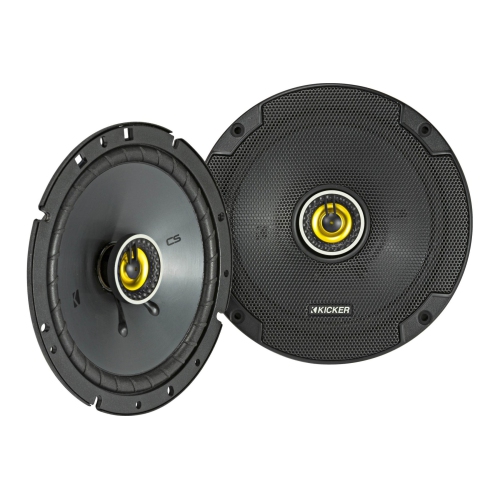 Your price for this item is $139.95
-
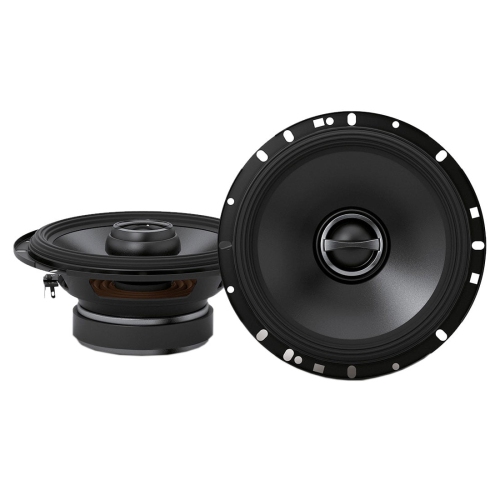 Your price for this item is $168.88
-
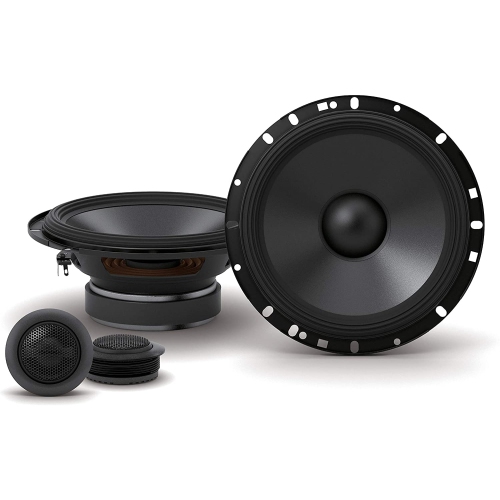 Your price for this item is $188.88
-
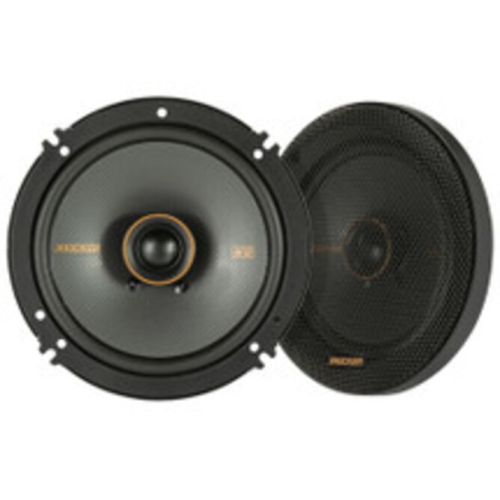 Your price for this item is $189.95
-
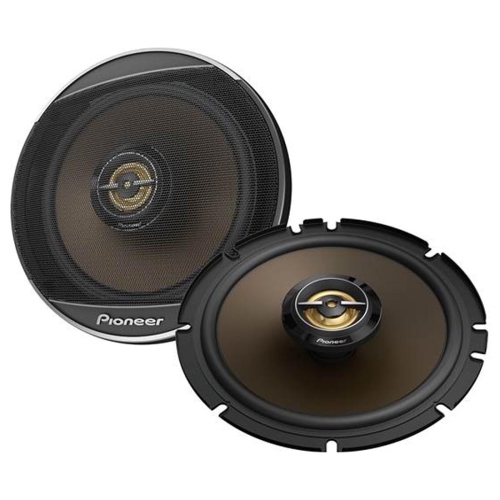 Your price for this item is $138.99
-
 Your price for this item is $198
-
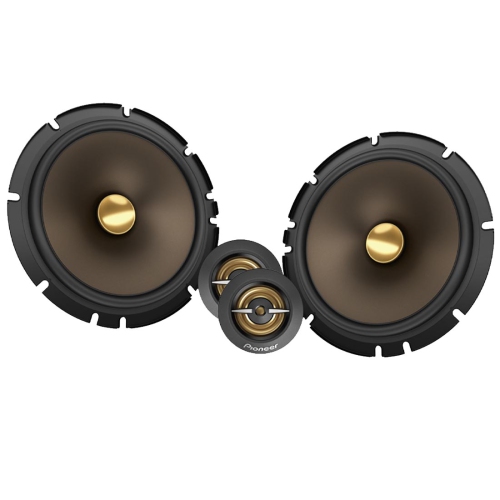 Your price for this item is $228.99
-
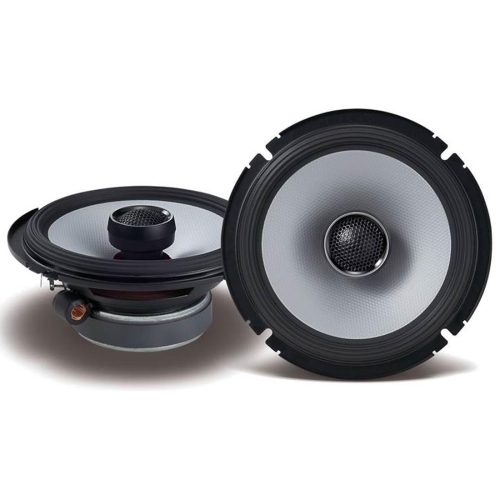 Your price for this item is $178
Discover more categories related to Full Range Car Audio Speakers

Top Collections:
Best Black Friday Deals This Year, Best Black Friday Deals On Electronics, Kindle Devices, Pokemon Centers, Best Black Friday Deals On Apple Products, Best Cameras for Sports Photography, Dyson Airwrap, Pokémon 30th Celebration Cards, Apple iPhone 17 Pro, Canon G7X Cameras
Some products may be subject to Environmental Handling Fees
(EHF) depending on your province.
Learn more about EHFs.