High Performance LED Headlight Bulbs
High Performance LED Headlight Bulbs offer a powerful lighting solution for drivers seeking enhanced visibility and modern style on the road. Designed to fit a wide range of vehicles, these bulbs provide a crisp, bright output that can transform your nighttime driving experience. Whether you’re upgrading your vehicle’s look or aiming for improved clarity during evening commutes, High Performance LED Headlight Bulbs deliver reliable illumination and a sleek appearance. Explore options that make it easy to find the right fit for your car and enjoy a confident drive wherever the road takes you.
Sort

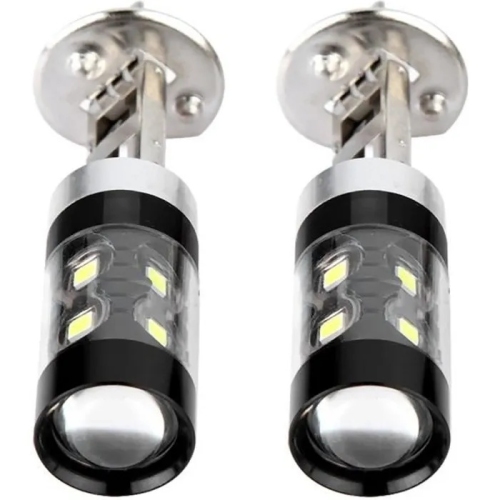
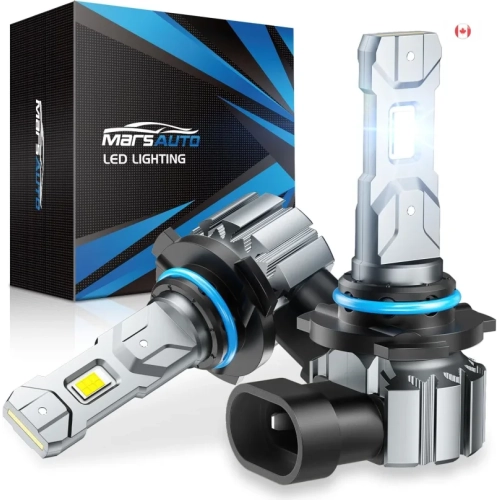
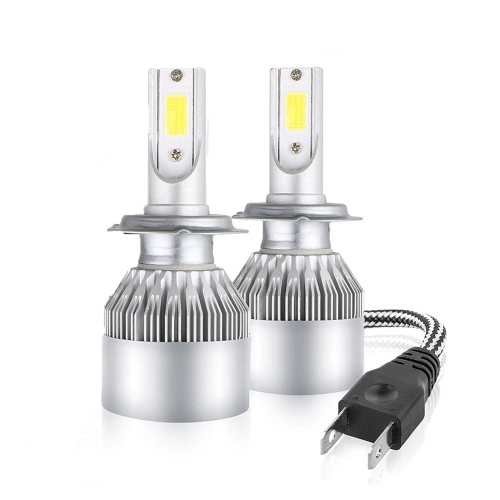

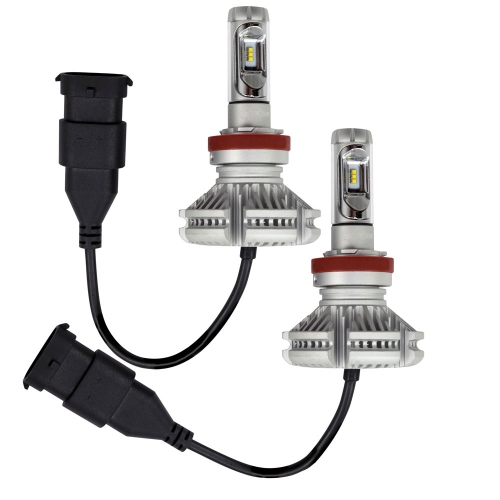
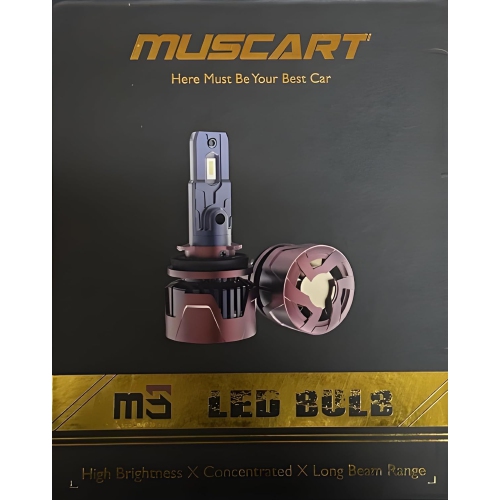
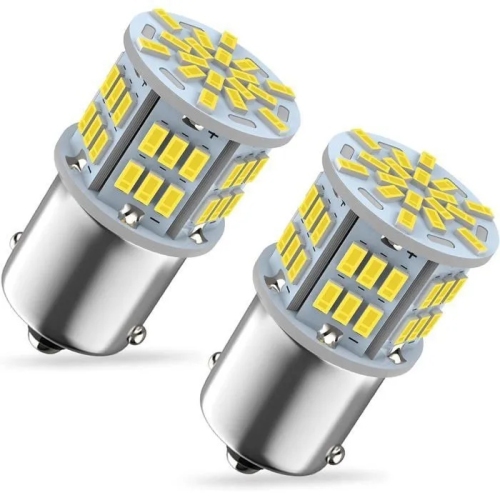
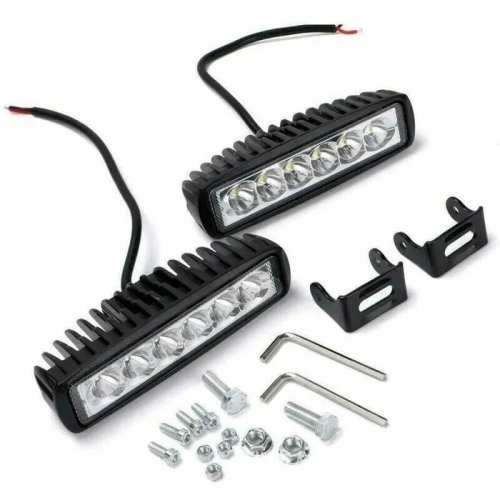

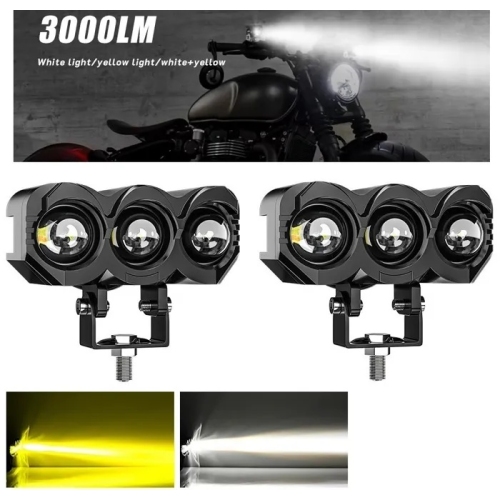
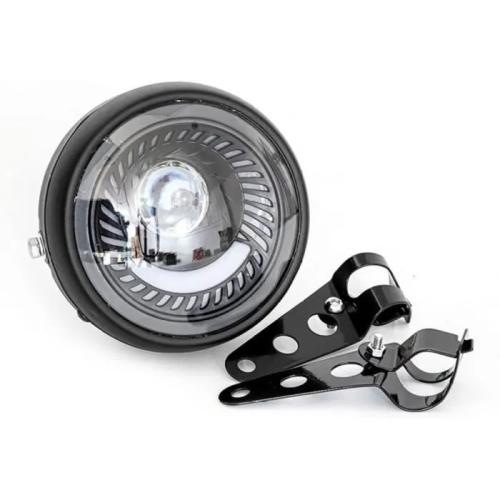

Why headlight performance depends on more than lumens
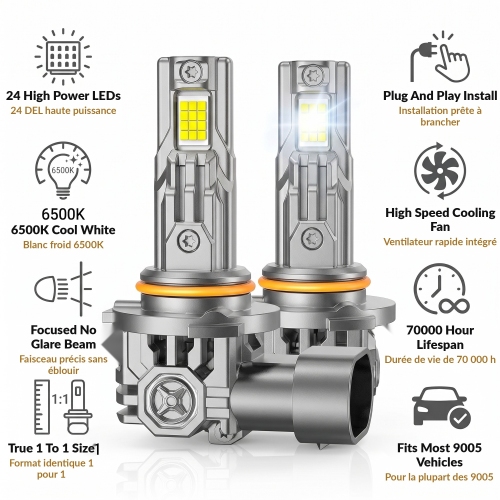
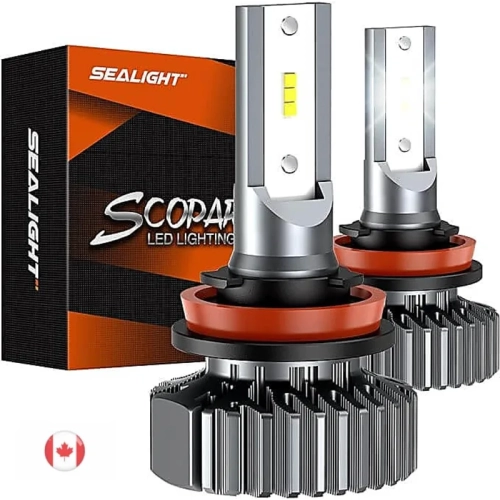
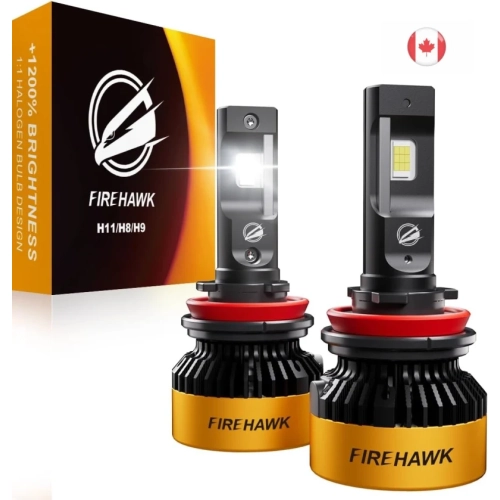
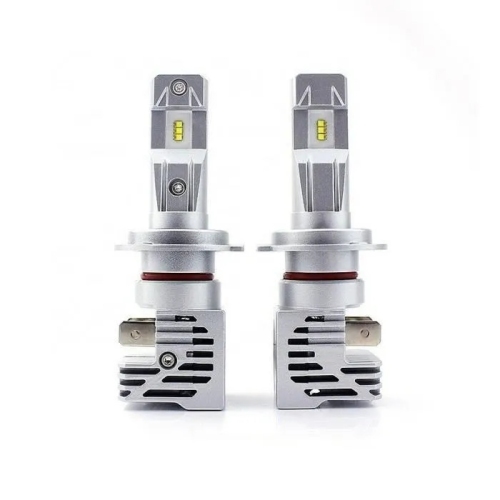
High-performance LED headlight bulbs are designed to produce vehicle lighting through light-emitting diodes, with performance shaped by much more than the brightness figure on the packaging. For drivers replacing serviceable bulbs in compatible headlight assemblies, the most useful qualities are a controlled beam, accurate fit, dependable electrical operation, and effective heat management. A well-matched bulb works with the headlight’s optics to place light where it belongs, illuminating the driving lane without excessive spill towards approaching traffic. This matters on an unlit road, where useful reach and a clear view of lane markings are more valuable than a bright patch immediately in front of the bumper. Lumens describe the total visible light emitted by a source, while lux describes the illumination reaching a surface. Neither measurement alone captures how well a bulb will perform inside a particular headlight housing. Advertised lumen figures may refer to one bulb, a pair, or a theoretical output, so comparisons are most meaningful when the measurement basis is clearly stated. Beam-pattern testing and vehicle-specific compatibility information can provide more useful context than a large output claim. Colour temperature is a separate characteristic, expressed in Kelvin, that describes whether the light appears warmer or cooler. White LED headlight bulbs commonly use colour temperatures around 5000K to 6500K, but a higher Kelvin rating does not automatically mean greater brightness, longer reach, or better visibility. The placement and dimensions of the LED emitters also matter because the headlight reflector or projector is designed around a particular light-source position. Small differences in that position can change the beam substantially. For commuters, frequent evening drivers, and vehicle owners replacing worn lighting components, high performance is best understood as the combination of usable illumination, controlled glare, and reliable operation rather than the whitest appearance or the highest claimed lumen count.
Vehicle fit is central to LED headlight bulb selection, and a matching socket is only one part of compatibility. The vehicle’s year, make, model, trim, and original lighting package can all affect which replacement is appropriate. Two vehicles with the same model name may use different bulbs depending on whether they left the factory with halogen, high-intensity discharge, or integrated LED headlights. Some factory LED assemblies use dedicated modules rather than conventional replaceable bulbs. Socket designations such as H11 and 9005 identify different bulb formats, not interchangeable options, and low-beam, high-beam, and dual-beam applications have distinct requirements. Physical clearance matters as well: an LED bulb may fit the socket yet leave insufficient room for its rear heat sink, cooling fan, wiring, or external driver beneath the original dust cover. A compact design can help in a crowded engine bay, but the housing still needs to close correctly without pinched wires or obstructed cooling components. Optical compatibility is equally important. A halogen headlight does not become suitable for an LED replacement simply because the bulb locks into place, and a projector lens does not automatically make a conversion appropriate. The complete combination of bulb and headlight assembly determines the resulting beam. Road-use suitability also depends on applicable provincial or territorial requirements and the approvals relevant to the lighting assembly; “plug-and-play” wording alone does not establish compliance. Electrical behaviour can introduce another difference between vehicles. Because LEDs draw power differently from halogen bulbs, some vehicles may display a bulb-out warning, produce flicker, or behave unexpectedly when using daytime running lights. CAN bus-compatible drivers and anti-flicker components may address certain interactions, but those labels are not guarantees across every vehicle. Additional resistors can generate substantial heat and require suitable placement. Clear application information, installation requirements, and road-use documentation are therefore especially valuable for anyone seeking a dependable replacement rather than a lighting modification that creates new compromises.
Construction and cooling help determine how LED headlight bulbs hold up in everyday service. Although LEDs can use less electrical power than some other lighting technologies, their chips and electronics still generate heat that must be carried away. Aluminum bodies and heat sinks are common because they help move heat away from sensitive components. Some designs use passive cooling, while others incorporate a small fan to move air around the heat sink. Passive designs avoid a moving part, whereas fan-cooled bulbs depend on both the fan and the available airflow; neither approach guarantees better performance in every housing. The space around the bulb, the design of the driver, and the quality of the electrical connections all influence long-term operation. Vibration resistance is useful in vehicles that regularly travel over uneven surfaces, while secure connectors and intact seals help protect against contamination. An ingress-protection rating applies to the component and test conditions specified by the manufacturer, not automatically to the entire headlight assembly after installation. Published lifespan figures also deserve context, since laboratory estimates do not necessarily reflect the service life of a bulb installed in a confined housing. Warranty terms, documented testing, and clear technical specifications can be more informative than an exceptionally long hour rating on its own. Care extends beyond the replacement bulb: cloudy lenses, damaged mounting points, deteriorated seals, and incorrect headlight aim can limit the benefit of otherwise suitable lighting. Clean exterior lenses and properly maintained assemblies help preserve the intended light distribution. After replacement, a beam assessment can reveal an uneven pattern, misplaced hotspot, or excessive upward light that is difficult to judge by looking directly at the headlights. Professional installation can be useful when access is restricted or electrical adaptations are involved. For hands-free illumination while inspecting connectors or working around an engine bay, High Lumen Headlamps provide a separate type of wearable lighting, rather than a substitute for vehicle headlights. The strongest LED bulb choice remains one that suits the vehicle, respects the original lighting system, and delivers consistent, properly directed light.
Top selling and popular products
-
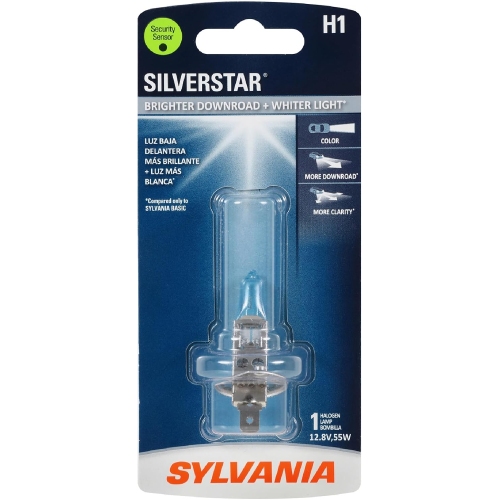 Your price for this item is $50.9
-
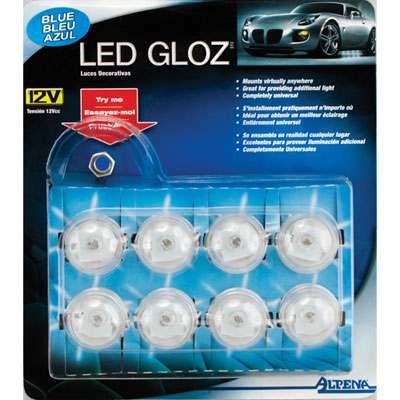 Your price for this item is $16.99
-
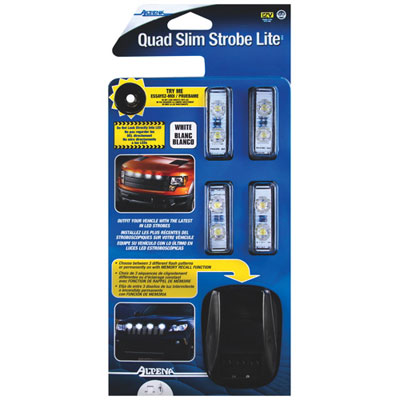 Your price for this item is $48.99
-
 Your price for this item is $36.99
-
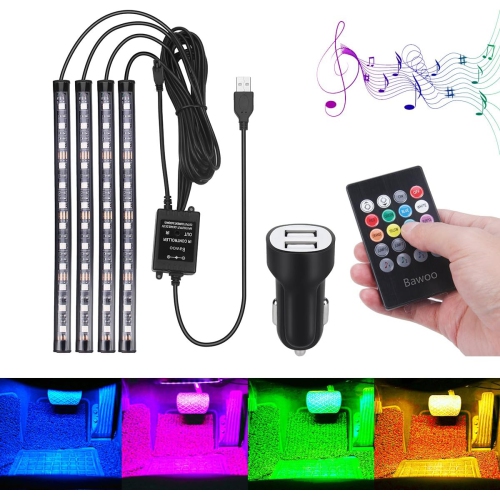 Your price for this item is $36.49
-
 Your price for this item is $30.99
-
 Your price for this item is $20.01
-
 Your price for this item is $41.99
Discover more categories related to High Performance LED Headlight Bulbs
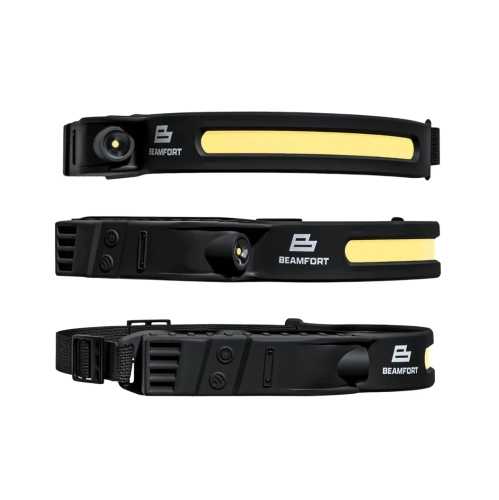

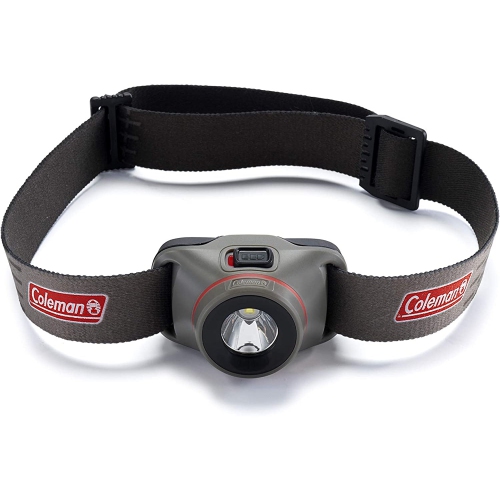
Top Collections:
Pokemon Centers, Best Black Friday Deals This Year, Best Black Friday Deals On Electronics, Kindle Devices, Best Budget Office Chairs, Best Black Friday Deals On Apple Products, Best Cameras for Sports Photography, Pokémon 30th Celebration Cards, Dyson Airwrap, Canon G7X Cameras
Some products may be subject to Environmental Handling Fees
(EHF) depending on your province.
Learn more about EHFs.