High Power Marine Speakers
High Power Marine Speakers deliver exceptional audio performance for every adventure on the water. Engineered to withstand the unique challenges of marine environments, these speakers are designed to provide clear, powerful sound whether you're cruising, fishing, or relaxing on your boat. Explore a wide selection of High Power Marine Speakers to find the perfect fit for your vessel and enjoy your favorite tunes with impressive volume and clarity on every voyage.
Sort


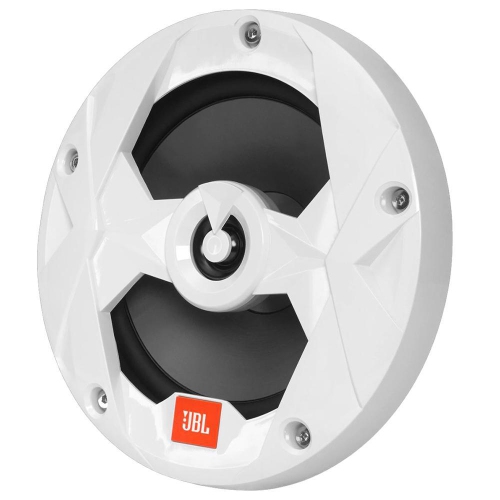


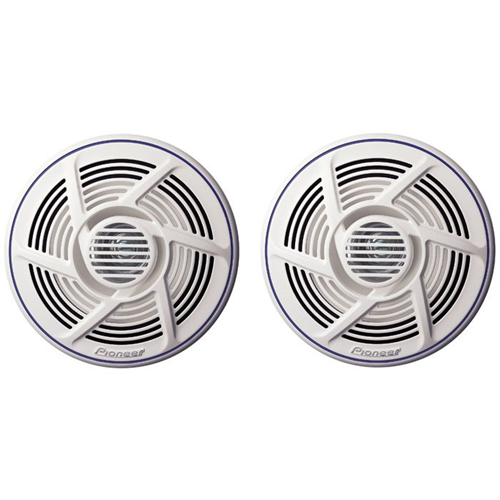


Clear sound on the water takes more than watts
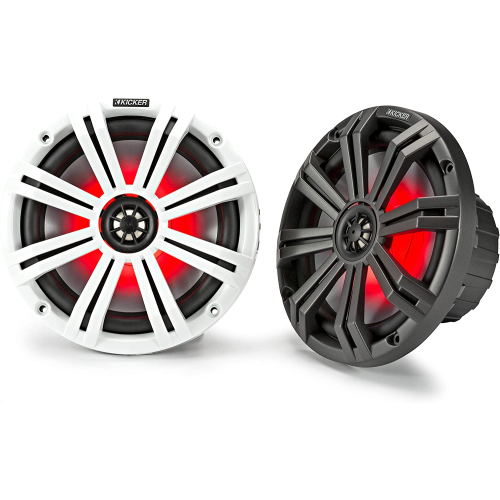
High-power marine speakers are loudspeakers designed to handle substantial amplifier output while standing up to the moisture, sunlight, and vibration associated with boating. Their purpose is to deliver clear, full sound in an open cockpit, across a pontoon seating area, or around a boat’s deck, where engine noise, wind, and the absence of enclosed walls can make music harder to hear. Unlike speakers intended for a living room or vehicle cabin, marine-rated designs use materials and construction suited to exposed installation locations. High power does not simply mean maximum volume: with a properly matched amplifier, suitable speakers can reproduce musical peaks with less strain and maintain detail at comfortable listening levels. Continuous power handling, usually expressed as an RMS wattage, is a more useful comparison than a peak power figure alone. That rating should be considered alongside impedance, sensitivity, and the amplifier’s output at the stated impedance. Sensitivity also affects how efficiently a speaker turns power into sound, although comparisons are most meaningful when the measurements use the same method. A higher wattage number by itself does not guarantee greater loudness, stronger bass, or better clarity. Coaxial marine speakers combine a woofer and tweeter in one assembly, making them practical for many existing speaker openings. Separate component arrangements offer more flexibility in driver placement, while tower-mounted speakers can direct sound towards an activity area beyond the cockpit. Marine subwoofers serve a different role, adding low-frequency weight rather than replacing full-range speakers. For a family cruiser, balanced coverage near the seats may matter more than projecting sound across the water. A tow-sports boat may call for a different arrangement, with attention to mounting security and where the sound is aimed. The most satisfying setup suits the boat’s layout and the way passengers actually listen, whether that means conversation-friendly background music at anchor or a fuller soundtrack while underway, without masking signals or limiting awareness of nearby boats.
Materials and fit are central to how marine speakers perform over time. Depending on the design, features can include polypropylene cones, rubber surrounds, UV-resistant grilles, corrosion-resistant terminals, and protected crossover components. These details help address common challenges such as repeated splashes, prolonged sun exposure, and movement through choppy water, but protection varies between models. A marine designation does not mean every surface can withstand immersion or a direct blast from a washdown hose. Published water-resistance, UV-resistance, and salt-exposure specifications provide a clearer picture of the intended use, especially for boats that operate in salt water. Installation location matters just as much: a speaker beneath a sheltered gunwale faces different exposure from one mounted on an open tower. Physical dimensions deserve close attention because a nominal speaker size does not describe the entire fit. Two speakers described as 6.5-inch models can have different cutout diameters, mounting depths, screw patterns, and grille clearances. Behind a cockpit panel, space may be shared with wiring, storage compartments, or structural supports. In front, a grille needs enough clearance to avoid interference with a hinged seat, locker door, or walkway. Flush-mounted speakers and enclosed speaker pods also place different demands on the boat. Some drivers are designed to work with the space behind a panel, while others require an enclosure with specified dimensions for the intended bass response. A secure mounting surface and appropriate sealing help prevent rattles and unwanted water entry. Electrical compatibility is equally important, particularly when several speakers share an amplifier. Suitable marine-grade wiring, protected connections, and correctly sized circuit protection support dependable operation. An amplifier should be matched to the speakers’ continuous power rating and impedance, with gain and crossover settings adjusted to avoid distortion or excessive low-frequency demand. Where new wiring, tower clamps, or panel alterations are involved, a qualified marine audio installer can help achieve a tidy fit while protecting the boat’s existing systems.
Day-to-day enjoyment often comes down to even coverage rather than a single pair of speakers working at its limit. On a pontoon with seating at both ends, appropriately positioned speakers can make music easier to hear throughout the passenger area without overwhelming the people nearest one grille. In a smaller runabout, careful placement may deliver a more natural result than adding more speakers wherever space happens to be available. Bass expectations also need to suit the installation: open-air listening provides less reinforcement than a closed cabin, and compact full-range speakers have physical limits. A compatible marine subwoofer can take on deeper notes, allowing the main speakers to concentrate on vocals and instruments when the system is configured accordingly. Clear reproduction at sensible levels is useful for everything from spoken-word audio to a playlist shared among friends. For a separate dockside gathering or a venue setup, High Power PA Speakers represent a different audio category; suitability for exposed use depends on the equipment’s stated protection, not its output rating. Marine speakers are most appropriate where the mounting arrangement and exposure call for marine-specific construction. Care remains important even with purpose-built equipment. Manufacturer-approved cleaning methods, gentle removal of surface residue, and avoiding harsh chemicals or pressure washing help protect finishes and seals. After salt-water exposure, any fresh-water cleaning should follow the speaker manufacturer’s directions rather than assuming the assembly can be soaked. Periodic checks of mounting hardware, grilles, and accessible connections can reveal loosening or corrosion before it affects playback. Protective covers may also be useful when specified for the installation. For a boating enthusiast, a speaker upgrade can make a thoughtful gift, particularly when the boat’s dimensions and existing audio components are known. Matching those practical details helps turn an appealing audio upgrade into equipment that fits properly, sounds balanced, and suits the time spent aboard.
Top selling and popular products
-
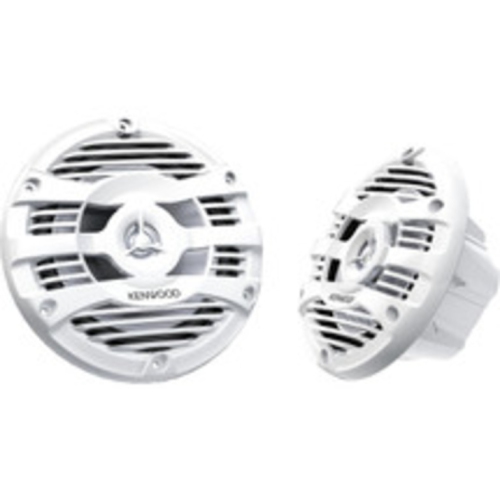 Your price for this item is $148
-
 Your price for this item is $98
-
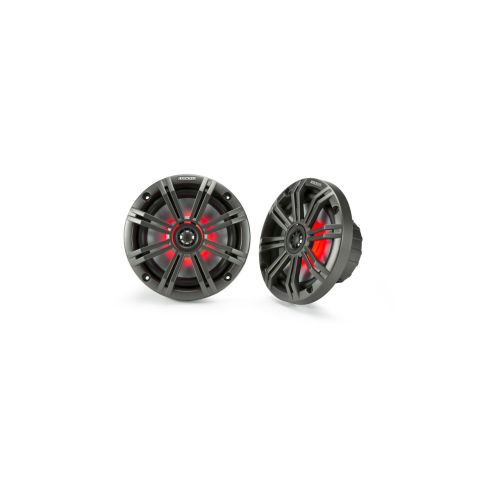 Your price for this item is $299.95
-
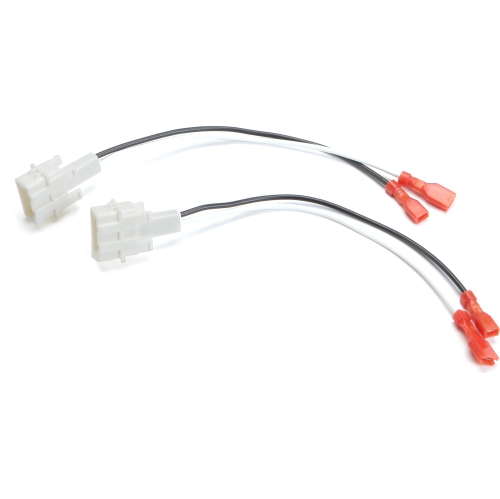 Your price for this item is $34.72
-
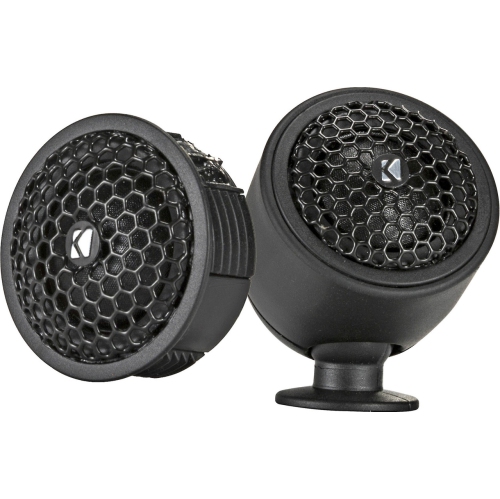 Your price for this item is $169.95
-
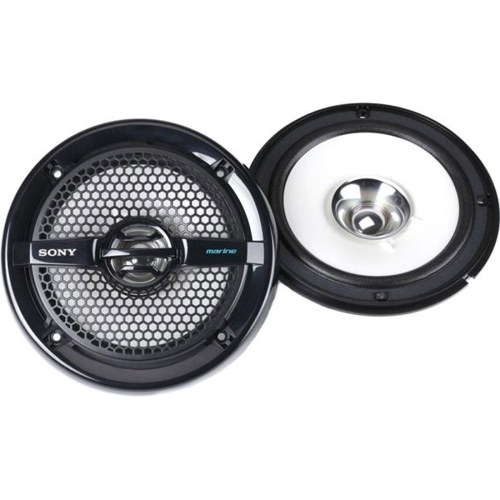 Your price for this item is $98
-
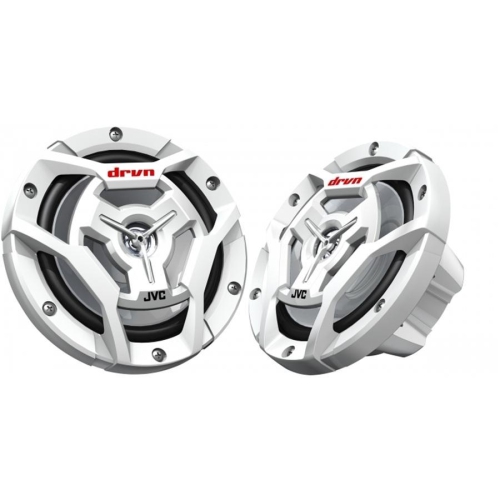 Your price for this item is $118
-
 Your price for this item is $399.95
Discover more categories related to High Power Marine Speakers
Top Collections:
Best Black Friday Deals This Year, Best Black Friday Deals On Electronics, Kindle Devices, Pokemon Centers, Best Black Friday Deals On Apple Products, Best Cameras for Sports Photography, Dyson Airwrap, Pokémon 30th Celebration Cards, Apple iPhone 17 Pro, Canon G7X Cameras
Some products may be subject to Environmental Handling Fees
(EHF) depending on your province.
Learn more about EHFs.