High Sensitivity Car Speakers
High Sensitivity Car Speakers deliver impressive audio performance, transforming every drive into an immersive listening experience. Perfect for music enthusiasts looking to enhance their vehicle’s sound system, these speakers are designed to provide clear, dynamic sound at a wide range of volumes. Explore a variety of High Sensitivity Car Speakers to find the ideal match for your car and enjoy rich, detailed audio on every journey.
Sort


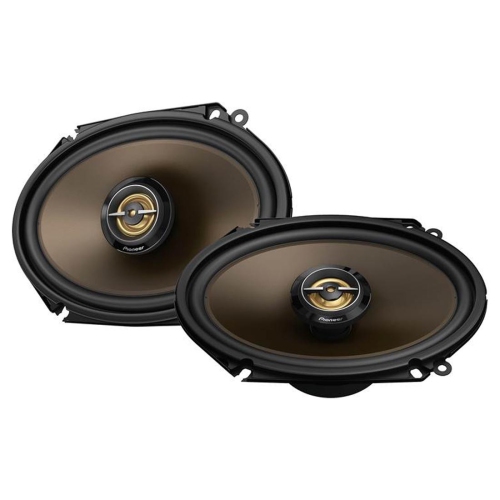
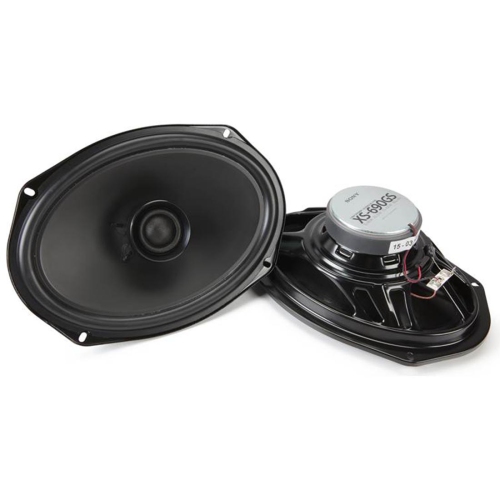

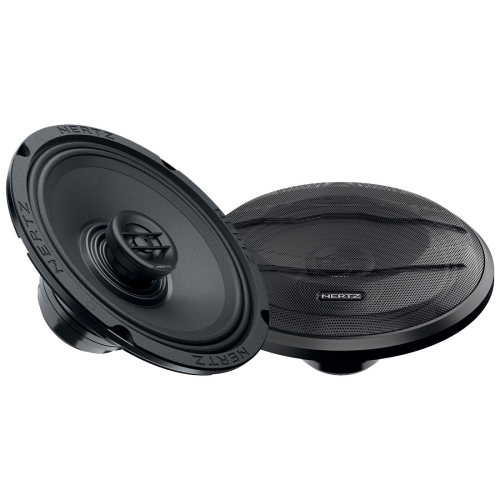
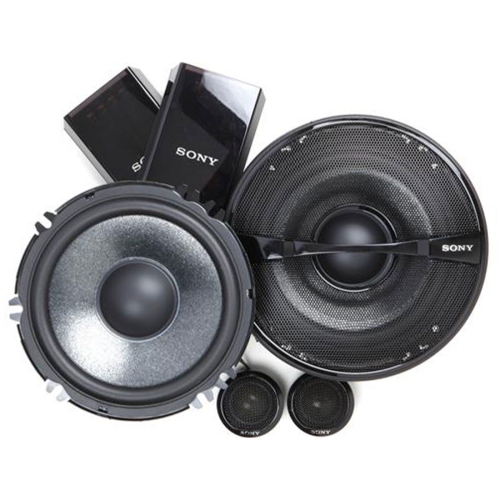


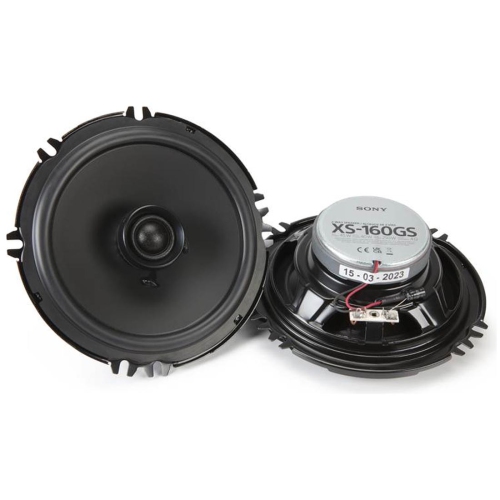
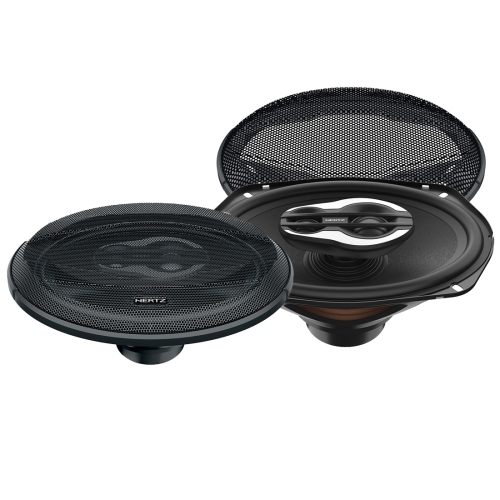
More sound from your factory radio’s modest power
High sensitivity car speakers are designed to produce relatively high sound output from a modest amount of amplifier power, making them a practical match for many factory radios and lower-powered aftermarket receivers. Sensitivity describes how loudly a speaker plays with a specified input, usually measured in decibels at a distance of one metre. Ratings of around 90 dB or higher are commonly described as high sensitivity, although there is no universal cutoff, and the measurement method matters. A rating measured at one watt and one metre is not directly interchangeable with one measured at 2.83 volts and one metre unless the speaker’s impedance is also considered. When tested under the same conditions, a speaker with a sensitivity rating 3 dB higher needs roughly half as much power to reach the same sound level. That difference can be useful in a vehicle where the radio supplies limited power and the goal is fuller everyday listening without adding a separate amplifier. Vocals, guitar lines, and spoken directions may be easier to hear at comfortable listening levels when suitable replacement speakers address the limitations of worn or poorly matched factory drivers. However, sensitivity alone does not guarantee clearer sound, deeper bass, or freedom from distortion. Cone design, frequency response, installation quality, and the signal from the radio all contribute to the result. A sensitive speaker can still sound harsh if the radio is pushed into clipping, and it cannot replace the low-frequency capability of a dedicated subwoofer. For commuters, delivery drivers, and families who spend plenty of time in the car, the appeal is straightforward: useful output from the system already in the dashboard, with speaker choices that suit anything from quiet podcasts to energetic playlists. Listening volume should always leave traffic sounds and other important cues audible. High sensitivity is best understood as a helpful matching characteristic, rather than a promise that every speaker with a high number will sound the same.
Matching high sensitivity car speakers to the vehicle involves more than checking their diameter. Common formats include 6.5-inch round speakers and 6-by-9-inch oval speakers, but the correct fit also depends on mounting depth, screw locations, basket shape, and clearance behind the door panel. A speaker that fits the opening may still interfere with a lowering window, while a tall tweeter can press against the original grille. Vehicle-specific mounting brackets and wiring adapters can help retain a tidy fit without unnecessary changes to factory wiring. Electrical compatibility is just as important. Impedance, expressed in ohms, describes the load presented to the radio or amplifier; a lower-impedance speaker can draw more current, but it is not automatically safe for a factory system. A 2-ohm or 3-ohm design should only be used when the connected equipment supports that load. Some factory audio systems also use separate amplifiers, unusual impedance values, or processing tailored to the original speakers, so a simple swap may not deliver the expected balance. RMS power handling indicates how much continuous power a speaker can handle under its stated test conditions, not how much power it needs to begin playing well. Peak power figures are less useful for judging everyday compatibility. Coaxial speakers combine a woofer and tweeter in one assembly and often suit straightforward replacement in existing locations. Component speaker systems use separate drivers and a crossover, offering more flexibility in positioning the high-frequency sound near the front seats, but usually requiring more involved installation. A two-way or three-way label describes the driver arrangement; it does not establish sound quality on its own. For someone exploring broader audio upgrades, High Performance Car Speakers provides a related category to consider alongside sensitivity, power handling, and system layout. The strongest match is the one that works with the vehicle’s mounting points and electronics while supporting the listener’s preferred sound, rather than simply carrying the highest specification.
Materials and installation details help determine how car speakers sound and how well they stand up to daily use. Polypropylene cones are common because they combine low weight with resistance to moisture, while treated paper cones can offer a useful balance of stiffness, weight, and damping. Composite cones vary considerably, so the material name alone is not a reliable ranking of performance. Rubber surrounds provide flexibility around the cone edge and are often chosen for durability; foam and fabric surrounds have their own characteristics depending on their construction and treatment. Soft-dome tweeters, including textile designs, and metal-dome tweeters can produce different listening impressions, but crossover design and placement strongly influence whether the final sound feels smooth, bright, or sharply detailed. In a car with reflective glass and a tweeter aimed directly at the listener, treble may feel more prominent than it does from a speaker mounted low in a door. Secure mounting, suitable gaskets, and correctly fitted panels help prevent rattles and reduce unwanted sound leakage around the speaker. Where appropriate, sound-deadening treatment can reduce panel vibration, although it does not change the speaker’s sensitivity rating. Correct wiring polarity also matters: speakers connected out of phase can weaken bass and make centrally placed vocals seem less focused. For everyday care, keep grilles free of loose debris, clean accessible surfaces gently, and avoid spraying cleaners directly onto drivers or soaking door trim. Door drainage paths and protective barriers should remain intact during installation, since car doors can admit water around the window seals. Buzzing, intermittent sound, or scraping noises deserve attention rather than a higher volume setting. High sensitivity replacement speakers can suit a driver keeping the original dashboard appearance, a music fan refreshing an older system, or a gift recipient who enjoys improving their vehicle’s audio. For a gift, confirming the vehicle’s year, make, model, trim, and factory audio package helps avoid a frustrating mismatch. With suitable fit and careful setup, these speakers can make everyday listening more satisfying without requiring an unnecessarily complicated system.
Top selling and popular products
-
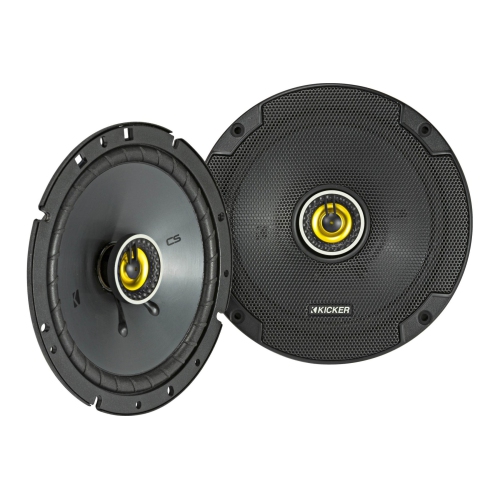 Your price for this item is $139.95
-
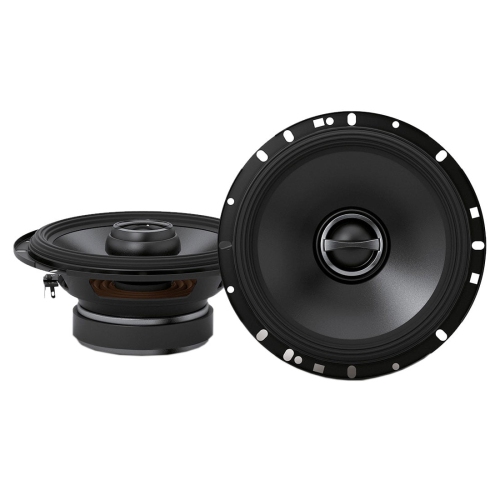 Your price for this item is $168.88
-
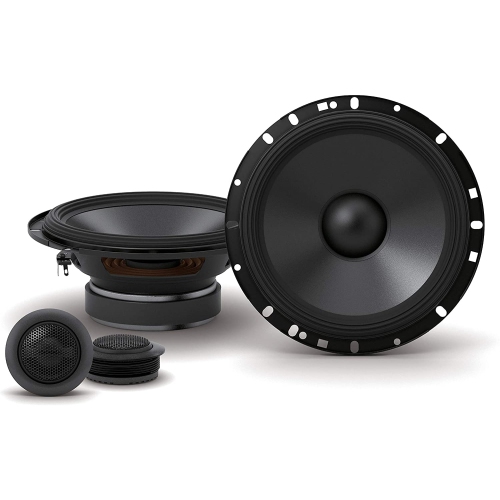 Your price for this item is $188.88
-
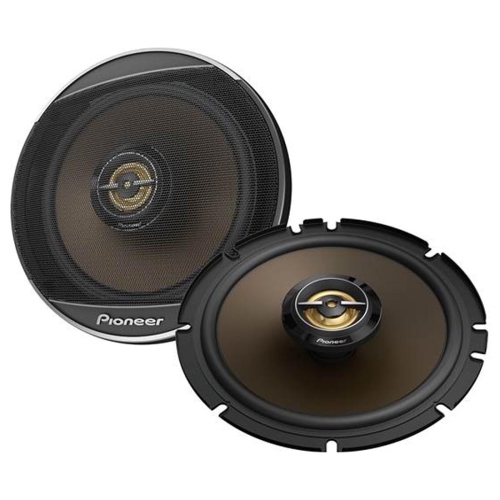 Your price for this item is $138.99
-
 Your price for this item is $189.95
-
 Your price for this item is $228
-
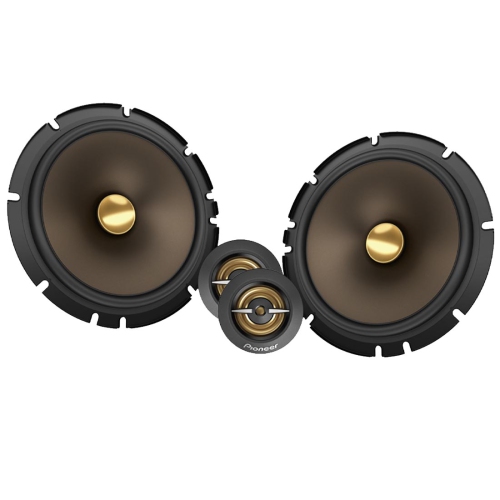 Your price for this item is $228.99
-
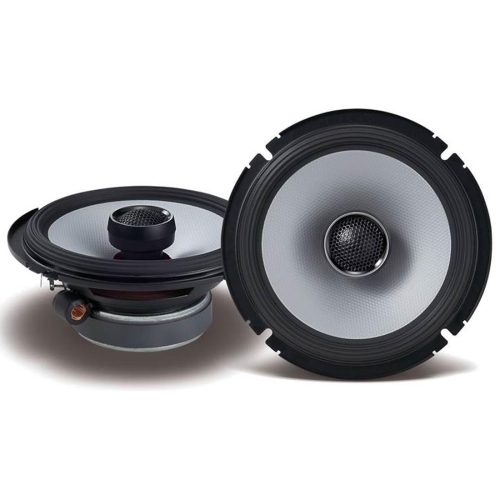 Your price for this item is $198
Discover more categories related to High Sensitivity Car Speakers

Top Collections:
Pokemon Centers, Best Cameras for Sports Photography, Kindle Devices, Samsung Galaxy Phones, Canon G7X Cameras, Pokémon 30th Celebration Cards, Refurbished Apple Laptops, iPhone 15 Apple, Laptops for Students, Budget Smartphones
Some products may be subject to Environmental Handling Fees
(EHF) depending on your province.
Learn more about EHFs.