Pro Audio Speaker Drivers
Pro Audio Speaker Drivers are essential components for anyone looking to achieve powerful, clear sound in professional audio setups. Whether outfitting a live stage, studio, or event space, these drivers deliver the performance needed for crisp highs and deep lows. Explore a variety of options designed to support your specific audio requirements and enhance your overall listening experience. Find the right Pro Audio Speaker Drivers to elevate your sound system and ensure every note is heard with precision.
Sort
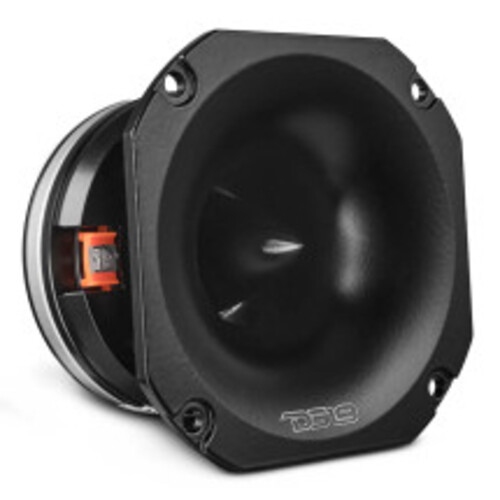
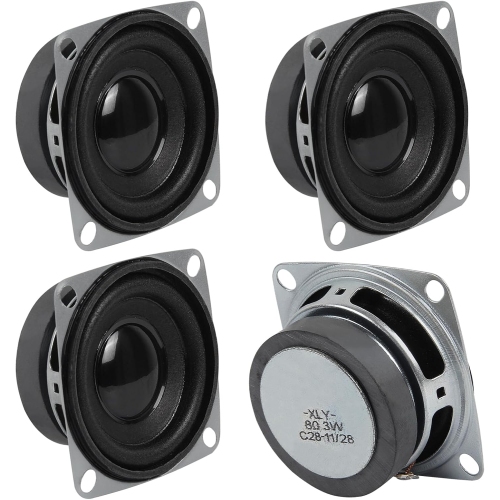
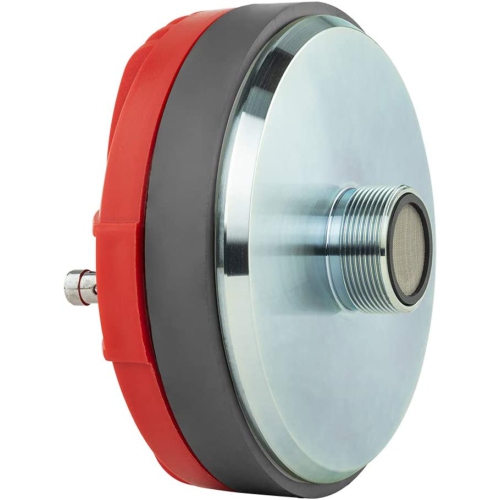
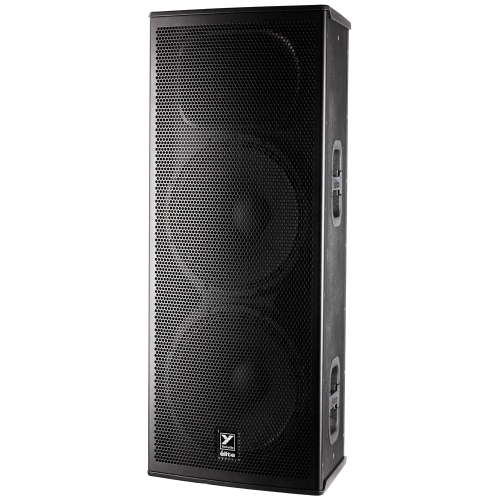
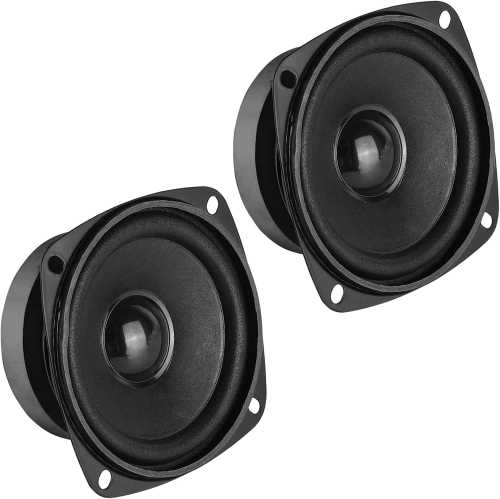

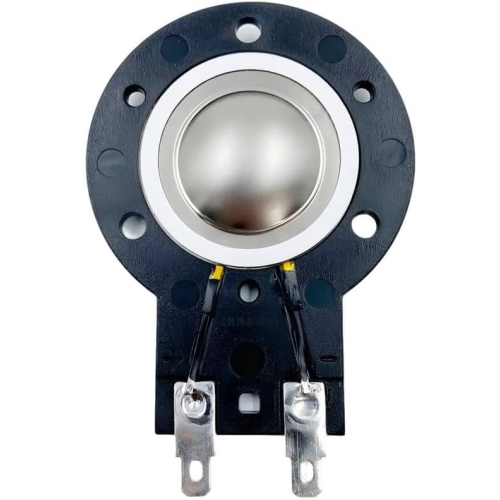
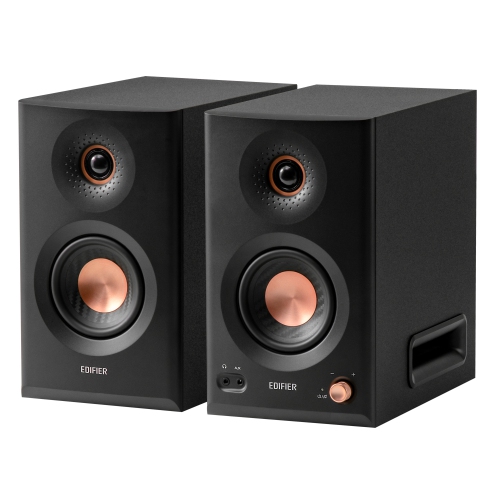
Speaker repairs depend on more than driver size
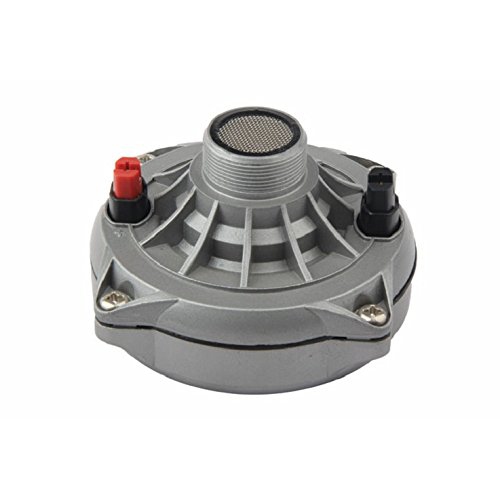
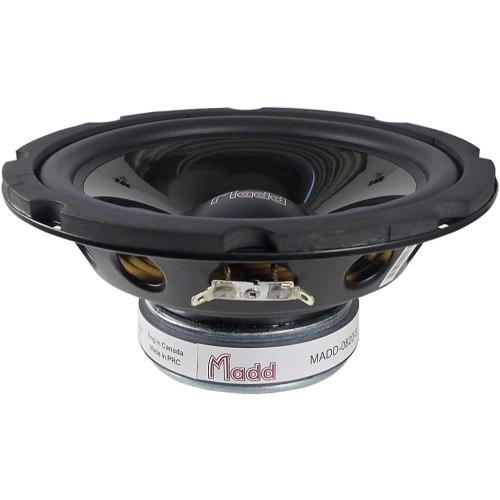
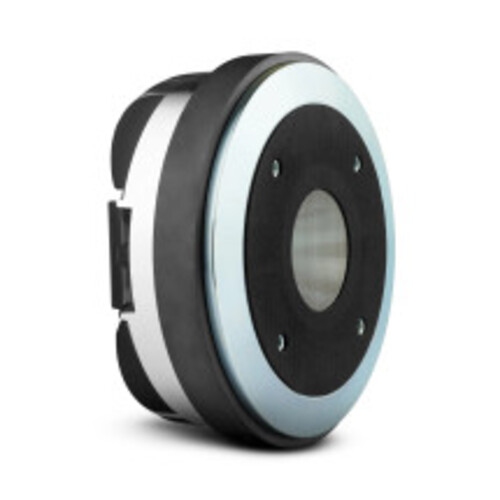
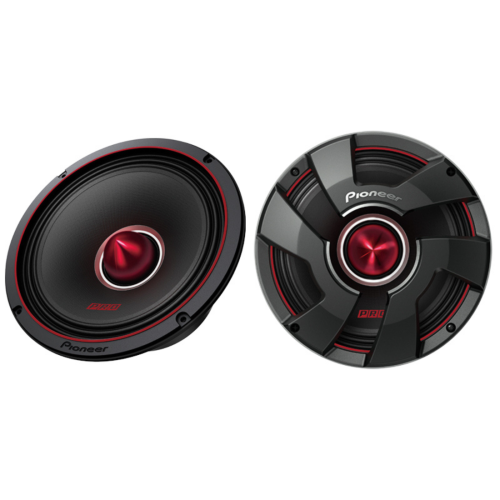
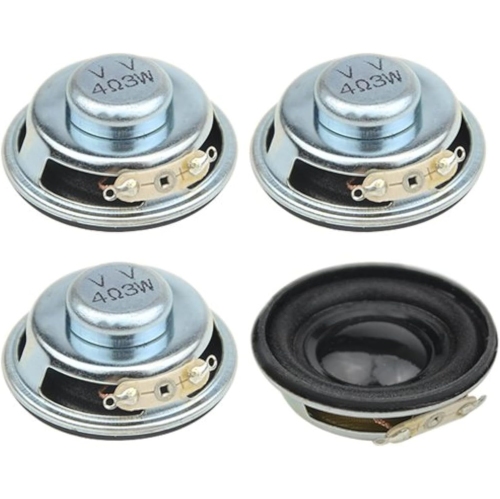
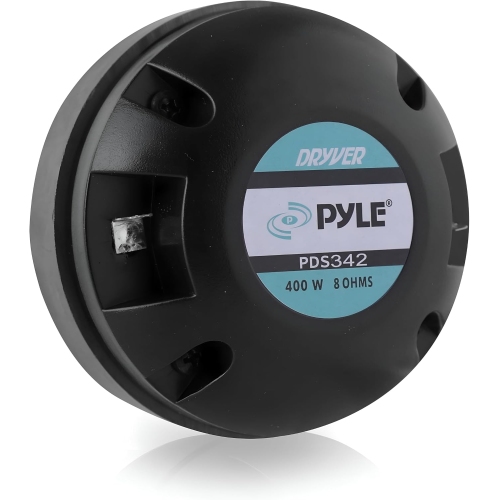
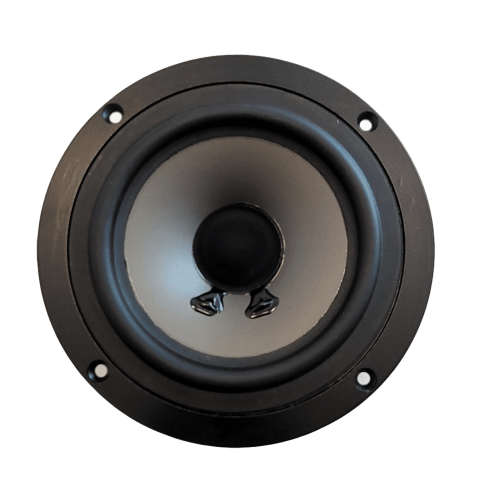
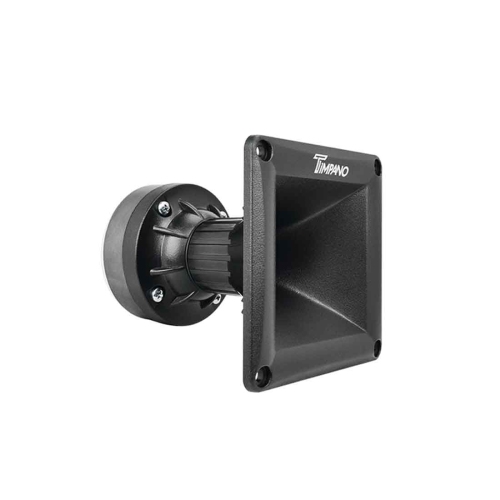
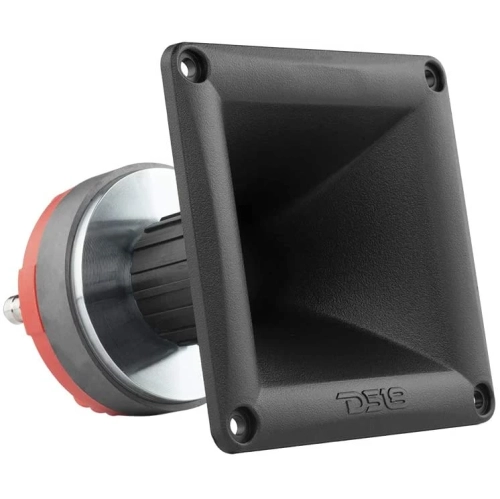
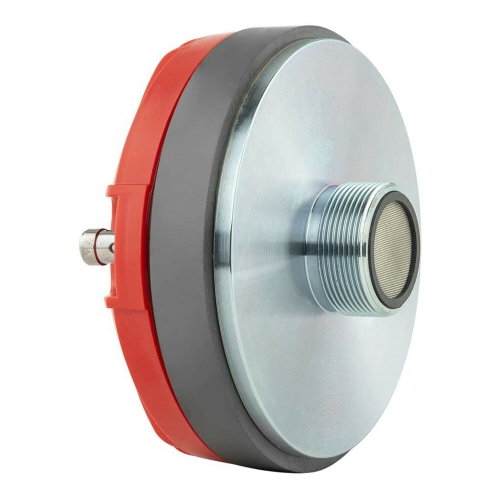
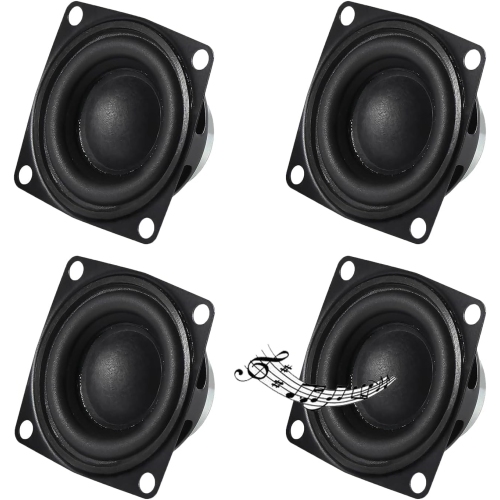
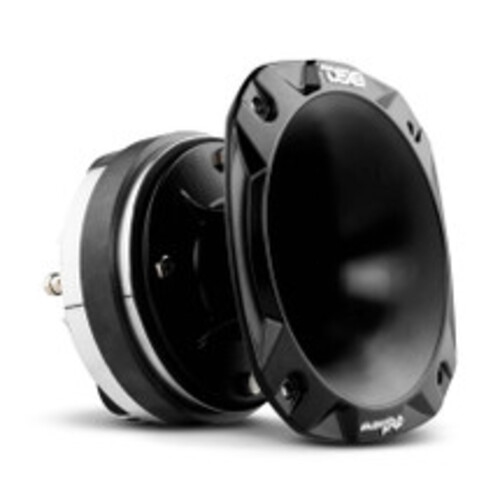
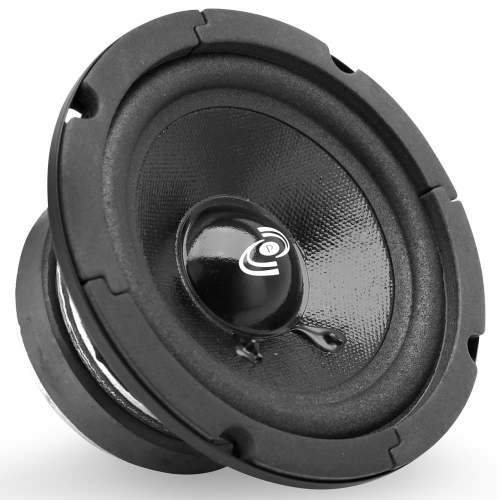
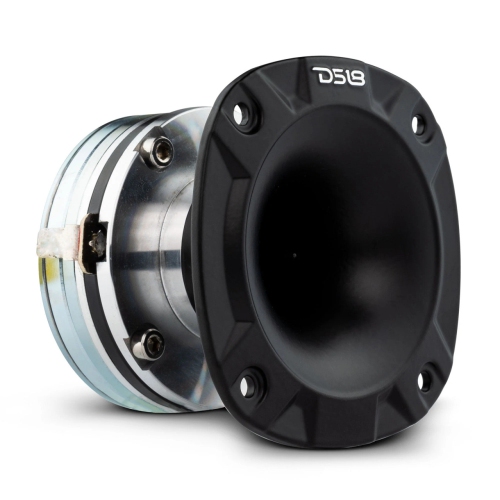
Pro audio speaker drivers are the sound-producing components inside loudspeaker cabinets, converting electrical audio signals into the movement of air. They are used in PA systems, stage monitors, subwoofers, rehearsal-room speakers, and other sound reinforcement setups where clear output and reliable operation matter. Unlike a complete loudspeaker, a replacement driver generally does not include the cabinet, amplifier, crossover, or protective grille, so its performance depends on the system surrounding it. For a working musician, venue technician, mobile DJ, or speaker builder, the right component can support a repair, restore a familiar cabinet, or form part of a custom sound system. Different driver types serve different parts of the audio range. Woofers reproduce bass and lower frequencies, midrange drivers concentrate on the region that carries much of the detail in voices and instruments, and high-frequency compression drivers typically work with a compatible horn or waveguide. A compression driver does not replace a cone woofer, even when both are described as professional audio components. Subwoofer drivers are designed for low-frequency duties, with suitable cone movement and mechanical construction for the demands of bass reproduction. Materials also shape how a driver performs and holds up. Treated paper cones are common in professional woofers because their combination of low mass, stiffness, and damping can suit demanding audio applications. Surrounds and suspension components help control movement, while the basket keeps the assembly aligned. High-frequency diaphragms may use materials such as titanium or polyimide, each with characteristics that must be considered alongside the complete design. Ferrite and neodymium magnet assemblies can differ in weight and construction, but magnet material alone does not establish sound quality. Voice-coil construction, cooling, suspension design, and the intended operating range all contribute to whether a driver suits spoken announcements, amplified instruments, recorded music, or bass-heavy playback.
Compatibility is central to choosing pro audio speaker drivers, particularly when replacing a component in an existing cabinet. Nominal diameter is a useful starting point, but it does not confirm that the mounting holes, basket depth, cutout diameter, or terminal position will fit. A size-focused category such as 10 Inch Pro Audio Speakers provides a related way to compare formats, although a shared size description is not a universal mounting standard. A replacement woofer must also work with the enclosure’s internal volume and, in a vented cabinet, its port tuning. Parameters describing resonance, suspension compliance, and electrical damping help establish that relationship; a driver intended for one enclosure design may produce uneven bass or excessive cone movement in another. Matching nominal impedance matters just as much. An amplifier needs a suitable electrical load, and changing a driver’s impedance can also affect the behaviour of a passive crossover. In a cabinet containing several drivers, the wiring arrangement influences the total load presented to the amplifier. Power handling requires similar attention to context. Continuous, program, and peak ratings describe different operating conditions and should not be treated as interchangeable figures. A higher wattage number does not automatically mean greater loudness, deeper bass, or a better match for a particular amplifier. Sensitivity indicates how efficiently a driver turns an input signal into sound under stated measurement conditions, while usable frequency range helps identify its intended role. Those specifications are most useful when compared on a consistent basis. For compression drivers, horn throat dimensions, mounting style, and recommended crossover frequency are especially important. A diaphragm that fits physically may still be unsuitable if its electrical or acoustic characteristics differ from the original. Where a passive crossover is involved, changes in sensitivity or frequency response can disturb the balance between bass and treble. Manufacturer specifications and original cabinet documentation provide a stronger basis for a repair than appearance alone, especially when the goal is to retain familiar vocal clarity or stage-monitor balance.
Intended use brings those technical details into focus. In a small performance space, a vocal PA needs intelligibility and controlled coverage so that words remain clear beyond the front row. A floor monitor has a different job: helping a performer hear timing, pitch, and instrumental detail at close range. A subwoofer supporting a DJ system needs to work within its designed bass range rather than being asked to reproduce the entire mix. For these applications, correct crossover settings, appropriate filtering, and amplifier limiting can matter as much as the driver itself. Bass sent below a cabinet’s useful operating range can demand excessive cone travel, while prolonged overload can damage a voice coil. Audible scraping, persistent distortion, or a sudden change in output warrants inspection rather than simply increasing the volume. Care and installation also influence service life. With equipment disconnected, a driver should be handled by its frame rather than its cone, surround, diaphragm, or terminals. Secure, even mounting and an appropriate gasket help maintain a proper seal without twisting the basket. Correct polarity preserves the intended relationship between drivers; a wiring error can weaken bass or disrupt sound around the crossover region. Protective grilles, secure transport, and clean storage help prevent impact damage and debris from reaching delicate moving parts. Cleaning should remain gentle, without pressing on a cone or applying liquids to the assembly. In portable systems, cabinet hardware and internal wiring also deserve attention because loose connections or rattling parts can resemble a driver fault. Some damaged assemblies can be serviced with a compatible diaphragm or recone kit, but that work depends on precise matching and alignment. For musicians maintaining dependable rehearsal equipment, technicians restoring venue speakers, and builders assembling a purpose-designed cabinet, a well-matched driver supports the practical goal: clear, controlled sound from a system whose components work properly together.
Top selling and popular products
-
 Your price for this item is $260.3
-
 Your price for this item is $99
-
 Your price for this item is $399.99
-
 Your price for this item is $899.99
-
 Your price for this item is $2199.25
-
 Your price for this item is $209.99
-
 Your price for this item is $293.99
-
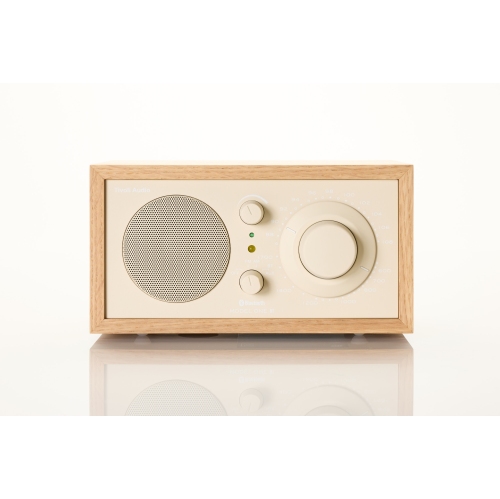 Your price for this item is $299
Discover more categories related to Pro Audio Speaker Drivers
Top Collections:
Best Black Friday Deals This Year, Best Black Friday Deals On Electronics, Kindle Devices, Pokemon Centers, Best Black Friday Deals On Apple Products, Best Cameras for Sports Photography, Dyson Airwrap, Pokémon 30th Celebration Cards, Apple iPhone 17 Pro, Canon G7X Cameras
Some products may be subject to Environmental Handling Fees
(EHF) depending on your province.
Learn more about EHFs.