Subwoofer Enclosures for Trucks
Upgrade your truck’s audio experience with subwoofer enclosures designed specifically for trucks. Subwoofer enclosures for trucks provide a secure and efficient way to enhance bass performance while fitting seamlessly into your vehicle’s interior. Whether you’re looking to maximize sound quality or make the most of limited space, these enclosures offer an ideal solution for truck owners who want to take their music on the road. Explore a range of options that help deliver powerful sound and elevate every drive.
Sort






Fit, enclosure design and installation shape your truck’s bass
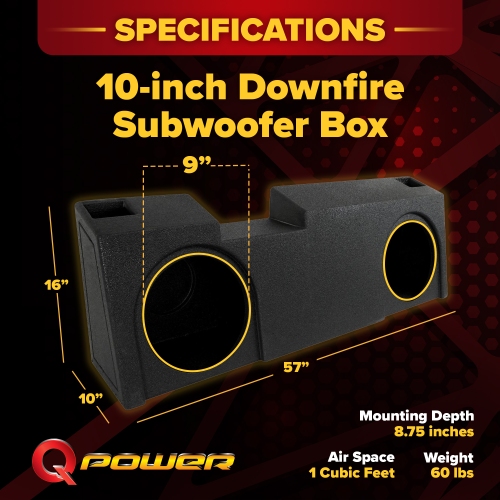
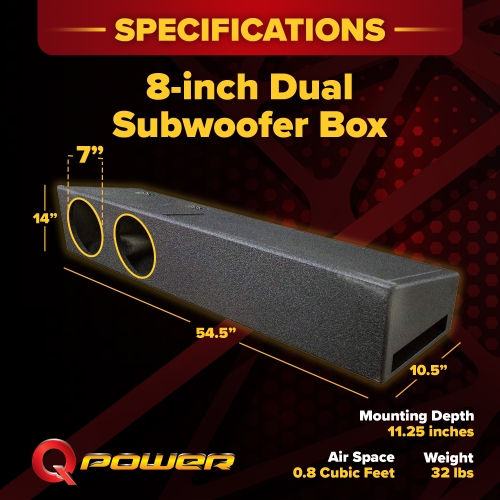
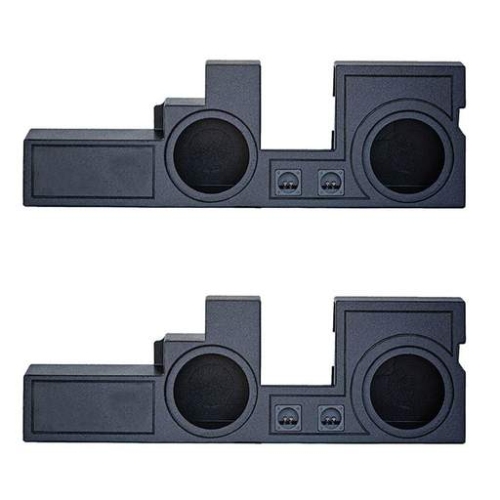
Subwoofer enclosures for trucks are designed to add fuller, deeper bass without taking over the practical space that makes a pickup useful. Unlike a large enclosure intended for a car trunk or home audio setup, a truck enclosure must work around limited cabin depth, seat frames, storage compartments and the shape of the cab. The best choice depends first on your truck’s year, make, model and cab configuration, including whether it is a Regular Cab, Extended Cab, Double Cab or Crew Cab. Measure the available area carefully before ordering, paying attention to width, height, mounting depth and clearance for seat movement. A box that fits behind the seat of one truck may interfere with reclining or storage in another, even when both vehicles appear similar from the outside. Under-seat enclosures are often shaped to follow the contours of the floor and may use down-firing subwoofers, which help protect the speaker cone from loose gear while making efficient use of limited space. Behind-the-seat enclosures are typically slim and compact, making them useful when the rear bench must remain available for passengers or cargo. If you are comparing speaker options separately, Shallow Subwoofers for Trucks can be a helpful place to look for drivers designed for tighter mounting locations. A careful fit is especially important during the cooler months, when a truck’s cabin may carry winter boots, jackets, tools and other everyday items. The enclosure should sit securely, leave enough room for passengers and avoid blocking seat belts, access panels or factory storage areas.
Another important decision is whether to choose an empty enclosure or a loaded enclosure. An empty box gives you the flexibility to select a compatible subwoofer based on your preferred sound, power requirements and existing car audio system. It can be a good choice for someone who already owns a subwoofer or is building a system component by component. A loaded enclosure includes the speaker already installed, which can simplify matching the driver to the box and reduce the guesswork involved in choosing compatible components. Before selecting either style, check the subwoofer size, impedance, power handling and recommended amplifier output. A box designed for one speaker size should not be assumed to work with another, and the enclosure’s internal volume must suit the subwoofer for the system to perform properly. Sealed enclosures use an airtight chamber and generally provide tight, controlled bass with a compact footprint. They suit listeners who enjoy accurate low notes for rock, country, podcasts with music segments and everyday driving, and they are often easier to place in the small spaces found behind or beneath truck seats. Ported, or vented, enclosures include an opening that allows air to move through the box. They can produce louder, more pronounced bass and a deeper sense of impact, but they usually require more internal air volume and careful positioning. Port size and location matter, particularly when the box is installed close to a seat or wall. A down-firing design can help keep the speaker protected and may deliver a consistent effect when the enclosure is installed beneath a bench seat, while a front-firing or side-firing design may work better in a behind-the-seat position. Think about the character of sound you prefer as well as the available space: sealed boxes tend to sound firm and controlled, while ported boxes are often chosen for a stronger, more room-filling bass response.
Installation details can make as much difference as the enclosure itself. The box should be fastened so it cannot shift during braking, cornering or travel over uneven roads. Check that the amplifier, wiring and power connections are properly rated, routed away from moving seat hardware and protected from abrasion. If the enclosure is installed under a seat, confirm that the seat can move through its full range without contacting the box or speaker grille. Behind the seat, leave enough clearance for the cone and grille, and avoid compressing the enclosure against upholstery or carpeting. A professional installer can help with signal integration, gain adjustment, crossover settings and phase, particularly when connecting to a factory audio system. These adjustments help the subwoofer blend with the truck’s existing speakers instead of sounding disconnected or overpowering. It is also worth considering how the truck is used: a daily commuter may benefit from a compact sealed enclosure that preserves passenger and storage space, while a work truck or weekend vehicle may have room for a larger vented design. Subwoofer enclosures for trucks can also be a thoughtful gift for someone who spends long hours on the road, enjoys custom car audio or is gradually upgrading a pickup’s cabin, provided the recipient’s exact truck details are known. Recording the year, make, model, cab style and whether the system needs an empty or loaded enclosure can prevent an otherwise generous gift from becoming a difficult return. With the right measurements, enclosure style and installation plan, a truck subwoofer can bring weight and depth to music while keeping the cabin comfortable, functional and ready for the changing conditions of the seasons.
Top selling and popular products
-
 Your price for this item is $159.99
-
 Your price for this item is $460.99
-
 Your price for this item is $1249.95
-
 Your price for this item is $248.99
-
 Your price for this item is $237.99
-
 Your price for this item is $220.99
-
 Your price for this item is $949.95
-
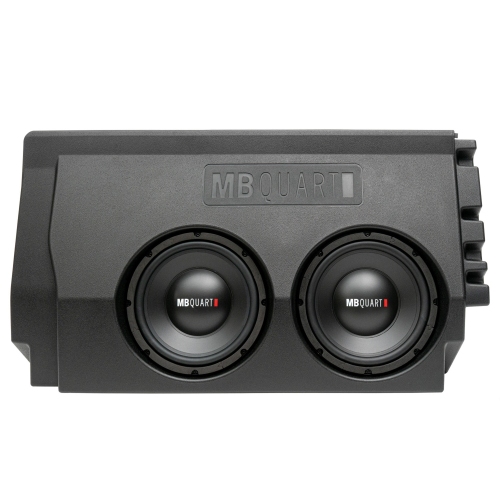 Your price for this item is $1534.99
Discover more categories related to Subwoofer Enclosures for Trucks


Top Collections:
Pokemon Centers, Best Cameras for Sports Photography, Kindle Devices, Samsung Galaxy Phones, Canon G7X Cameras, Pokémon 30th Celebration Cards, Refurbished Apple Laptops, iPhone 15 Apple, Laptops for Students, Budget Smartphones
Some products may be subject to Environmental Handling Fees
(EHF) depending on your province.
Learn more about EHFs.