Lightweight Car Seats
Lightweight car seats are designed to be easy to carry and store, while still being comfortable enough to use for long periods of time. These seats are great for people who spend a lot of time on the road, or for parents who want to make sure their kids are as comfortable as possible during long car rides. Here are some of the best lightweight car seats on the market.
Sort
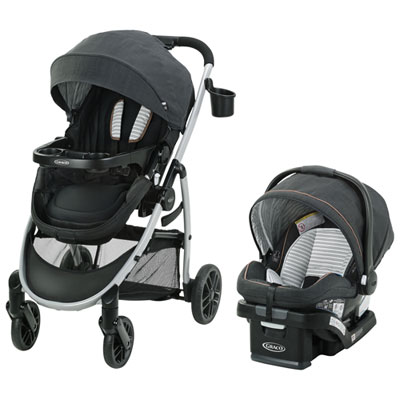
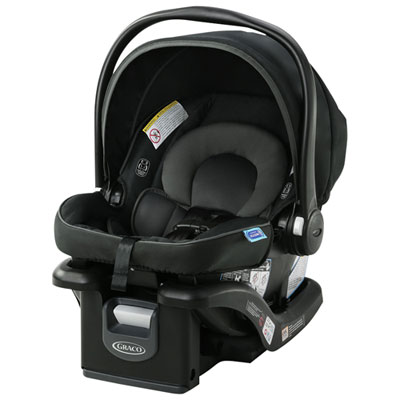
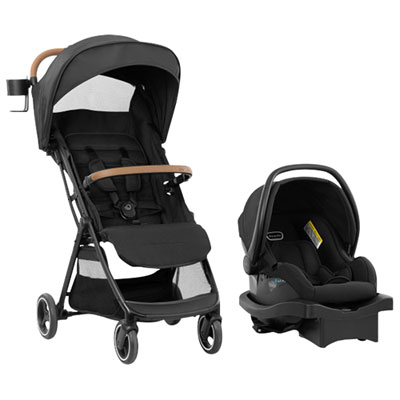
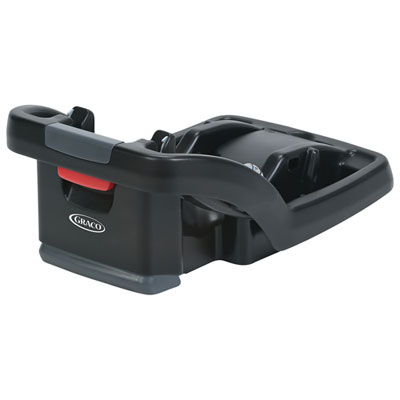
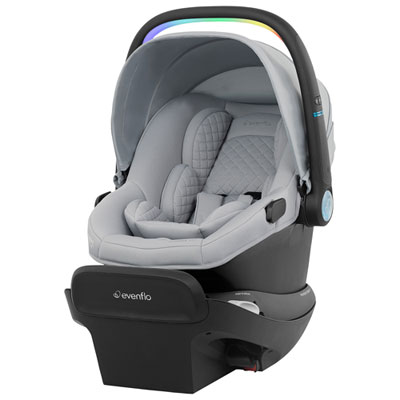
Why the lightest seat isn’t always the right fit
Lightweight car seats are child restraints designed to be easier to carry or move while providing the fit and protection appropriate to a child’s stage of development. There is no single weight that defines a lightweight car seat, and comparisons are most useful between seats intended for the same purpose. An infant carrier, a convertible car seat, and a booster seat serve different needs, so the lightest option is not automatically the right fit. For everyday use, the benefit of a lighter seat often becomes clear in ordinary moments: carrying a baby from an apartment parking space, lifting a carrier into a compatible stroller, or moving a restraint between family vehicles. An infant car seat typically has a removable carrier that attaches to a base installed in the vehicle. When comparing carrying weights, the relevant figure is usually the carrier without its base, although the child’s weight adds substantially to the load. A convertible car seat generally stays installed in the vehicle and changes from rear-facing to forward-facing use when the child meets the applicable requirements. A lighter convertible design can be useful for travel or occasional transfers, but it does not serve as a handheld baby carrier. Low weight also does not necessarily mean compact dimensions. A seat can be easy to lift yet require considerable front-to-back space when installed rear-facing. The most useful balance brings together manageable weight, suitable height and weight limits, a secure installation, and enough room for other passengers. Parents, grandparents, and caregivers who regularly handle a seat may appreciate a comfortable carry handle, accessible harness adjustments, and a shape that is less awkward to lift through a car door. For a gift before a baby arrives, compatibility with the family’s vehicle and any intended stroller matters more than choosing solely by weight or appearance. Practical details are what turn a lighter seat into a useful part of a family’s routine.
Fit begins with the child and the vehicle, rather than the seat’s carrying weight. A car seat used in Canada should display the National Safety Mark and suit the child’s measurements, developmental stage, and applicable provincial or territorial requirements. Children should remain rear-facing until they reach the rear-facing height or weight limit specified by the seat manufacturer. Moving to a forward-facing harness or a booster is a separate decision from choosing a lighter restraint; a smaller carrying load is not a reason to move a child to the next stage early. For older children who meet booster requirements and can sit correctly throughout the journey, Lightweight Booster Seats provide a related category to explore. A booster positions the vehicle’s lap-and-shoulder belt across the child’s body rather than restraining the child with its own harness. Across seat types, shell width, seating position, head support, and access to buckles can affect everyday comfort and usability. In a small hatchback, rear-facing recline may influence how much space remains for the front passenger; in a vehicle carrying several children, overall width and access to adjacent seat belts may be more important. Clear belt routing and installation indicators, where included, can make setup easier to understand, but both the car seat manual and vehicle manual remain essential. Canadian vehicles commonly provide a Universal Anchorage System, or UAS, while seat belt installation may also be permitted. The correct method depends on the restraint, the vehicle, and the applicable limits; the two methods should not be combined unless expressly permitted. Forward-facing harnessed seats require the top tether as directed. For families taking taxis or travelling by air, installation flexibility may matter as much as portability. Some infant carriers allow installation without a base, but only where their instructions permit it. Aircraft use requires a suitable approval label and airline acceptance, and booster seats cannot be used with an aircraft’s lap-only belt.
Materials and construction influence how a lightweight car seat feels to carry, how it supports a child, and how well it handles repeated use. Moulded shells, structural reinforcement where specified, energy-absorbing foam, harness webbing, and fabric covers all have distinct functions; less overall weight should never be treated as proof of either greater or lesser protection. Padding can make a seat feel inviting, but thick cushioning is not a substitute for correct fit, and only manufacturer-approved inserts and accessories should be used. For a newborn, that may mean an included support insert used within its stated limits. For an older baby or toddler, accessible harness straps and a headrest that adjusts smoothly can make daily buckling less awkward. During cooler weather, bulky coats and snowsuits can prevent a harness from sitting close enough to the body. Thin, fitted layers with a blanket placed over the secured harness help provide warmth without adding bulk beneath the straps. Care requirements deserve attention too, especially when a seat will see spilled milk, snack crumbs, and damp footwear. A removable cover can simplify cleaning, but washing temperature, drying method, and permitted cleaning products vary. Harness straps often have stricter cleaning limits than fabric covers and should not be soaked or machine washed unless the manufacturer specifically allows it. Checking beneath the cover for trapped crumbs and keeping the buckle clear can support reliable everyday operation. Durability also includes the condition of the shell, foam, straps, and attachment points, not just whether the upholstery looks tidy. Every seat has a defined useful life, and expiry information, recalls, missing parts, and collision history matter when assessing whether it remains suitable to use. A second-hand seat with an unknown history can conceal problems that are not visible at a glance. For travel, a carrying bag may keep loose pieces together and protect surfaces from dirt, but the restraint still needs inspection after handling. Whether the seat accompanies a newborn on short neighbourhood trips or a toddler on longer family visits, the strongest choice combines manageable handling with the correct stage, dependable installation, and care requirements that fit daily life.
Fit begins with the child and the vehicle, rather than the seat’s carrying weight. A car seat used in Canada should display the National Safety Mark and suit the child’s measurements, developmental stage, and applicable provincial or territorial requirements. Children should remain rear-facing until they reach the rear-facing height or weight limit specified by the seat manufacturer. Moving to a forward-facing harness or a booster is a separate decision from choosing a lighter restraint; a smaller carrying load is not a reason to move a child to the next stage early. For older children who meet booster requirements and can sit correctly throughout the journey, Lightweight Booster Seats provide a related category to explore. A booster positions the vehicle’s lap-and-shoulder belt across the child’s body rather than restraining the child with its own harness. Across seat types, shell width, seating position, head support, and access to buckles can affect everyday comfort and usability. In a small hatchback, rear-facing recline may influence how much space remains for the front passenger; in a vehicle carrying several children, overall width and access to adjacent seat belts may be more important. Clear belt routing and installation indicators, where included, can make setup easier to understand, but both the car seat manual and vehicle manual remain essential. Canadian vehicles commonly provide a Universal Anchorage System, or UAS, while seat belt installation may also be permitted. The correct method depends on the restraint, the vehicle, and the applicable limits; the two methods should not be combined unless expressly permitted. Forward-facing harnessed seats require the top tether as directed. For families taking taxis or travelling by air, installation flexibility may matter as much as portability. Some infant carriers allow installation without a base, but only where their instructions permit it. Aircraft use requires a suitable approval label and airline acceptance, and booster seats cannot be used with an aircraft’s lap-only belt.
Materials and construction influence how a lightweight car seat feels to carry, how it supports a child, and how well it handles repeated use. Moulded shells, structural reinforcement where specified, energy-absorbing foam, harness webbing, and fabric covers all have distinct functions; less overall weight should never be treated as proof of either greater or lesser protection. Padding can make a seat feel inviting, but thick cushioning is not a substitute for correct fit, and only manufacturer-approved inserts and accessories should be used. For a newborn, that may mean an included support insert used within its stated limits. For an older baby or toddler, accessible harness straps and a headrest that adjusts smoothly can make daily buckling less awkward. During cooler weather, bulky coats and snowsuits can prevent a harness from sitting close enough to the body. Thin, fitted layers with a blanket placed over the secured harness help provide warmth without adding bulk beneath the straps. Care requirements deserve attention too, especially when a seat will see spilled milk, snack crumbs, and damp footwear. A removable cover can simplify cleaning, but washing temperature, drying method, and permitted cleaning products vary. Harness straps often have stricter cleaning limits than fabric covers and should not be soaked or machine washed unless the manufacturer specifically allows it. Checking beneath the cover for trapped crumbs and keeping the buckle clear can support reliable everyday operation. Durability also includes the condition of the shell, foam, straps, and attachment points, not just whether the upholstery looks tidy. Every seat has a defined useful life, and expiry information, recalls, missing parts, and collision history matter when assessing whether it remains suitable to use. A second-hand seat with an unknown history can conceal problems that are not visible at a glance. For travel, a carrying bag may keep loose pieces together and protect surfaces from dirt, but the restraint still needs inspection after handling. Whether the seat accompanies a newborn on short neighbourhood trips or a toddler on longer family visits, the strongest choice combines manageable handling with the correct stage, dependable installation, and care requirements that fit daily life.
Top selling and popular products
-
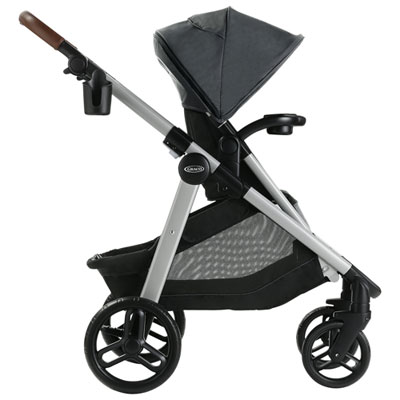 Your price for this item is $939.99
 -
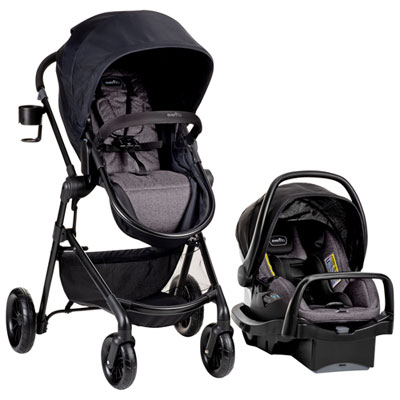 Your price for this item is $529.99
 -
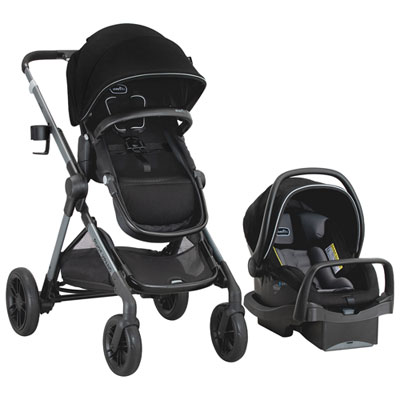 Your price for this item is $599.99
 -
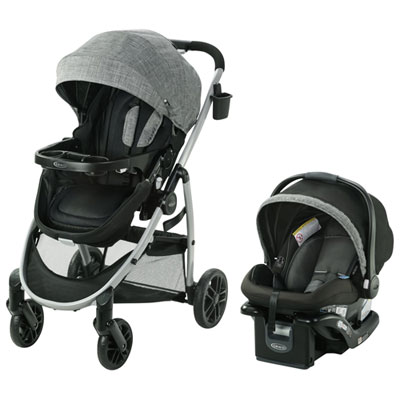 Your price for this item is $759.99
 -
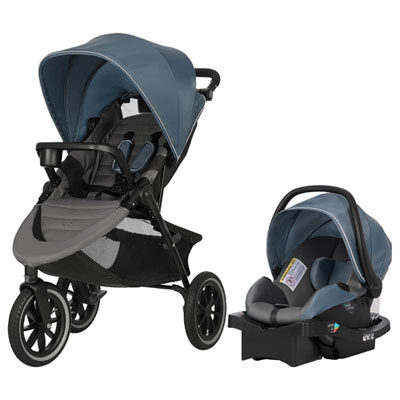 Your price for this item is $634.99
 -
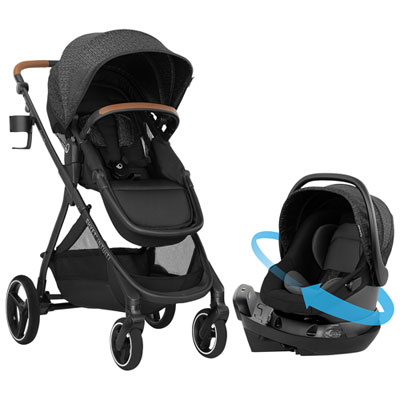 Your price for this item is $699.99
 -
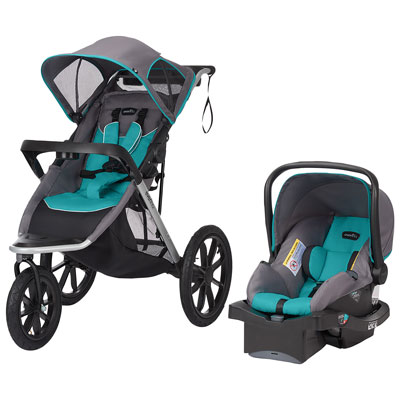 Your price for this item is $479.99
 -
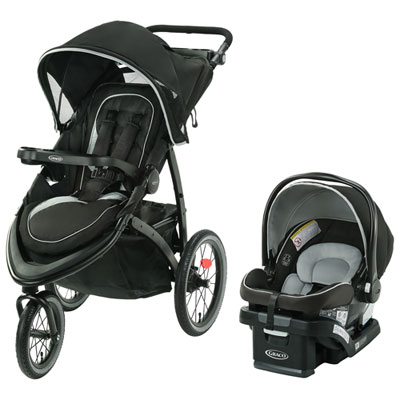 Your price for this item is $699.99
Discover more categories related to Lightweight Car Seats

Top Collections:
Pokemon Centers, Kindle Devices, Best Budget Office Chairs, Apple iPhones 16, Best Laptops for Writers, iPhone 15 Apple, Canon G7X Cameras, Refurbished Apple Laptops, Alarm Clock, Motorola Razr Phones
Some products may be subject to Environmental Handling Fees
(EHF) depending on your province.
Learn more about EHFs.