Lightweight Booster Seats
A booster seat is a type of seat that is used to raise the height of a child's seat. It is designed to be used in cars, trucks, and buses. It is designed to provide extra support and protection to the child's spine and head during car travel. Here are some great lightweight booster seats available today.
Sort
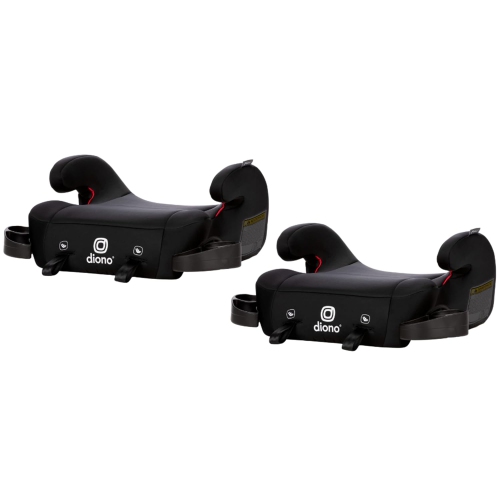
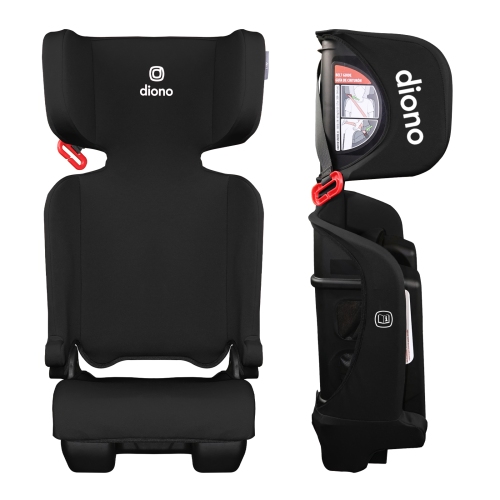
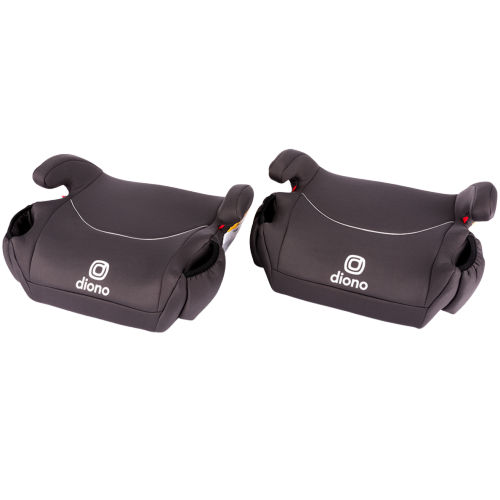
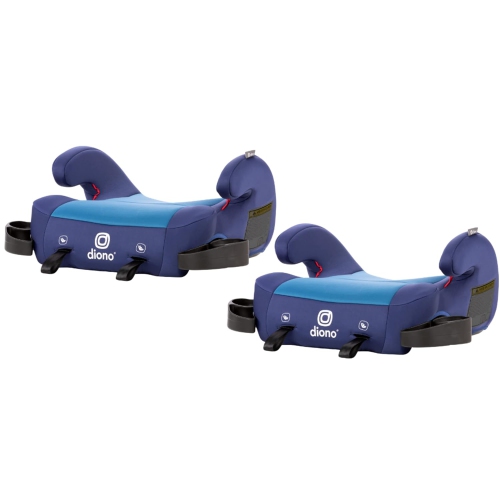
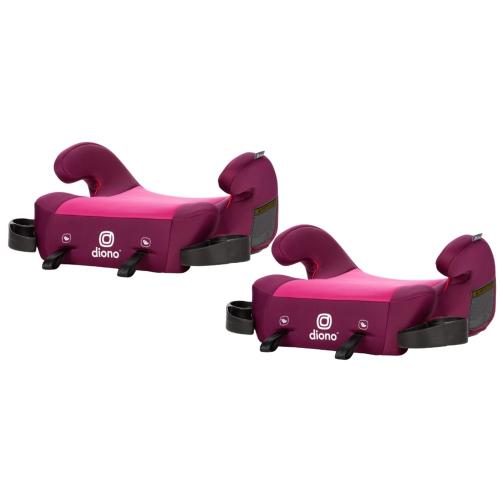
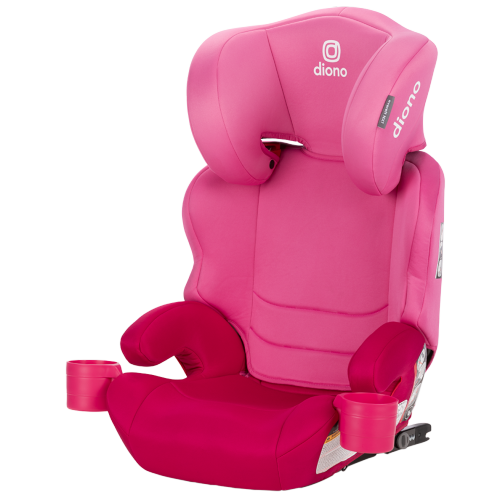
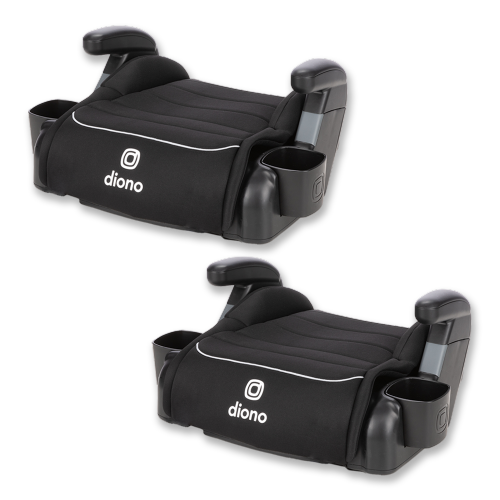
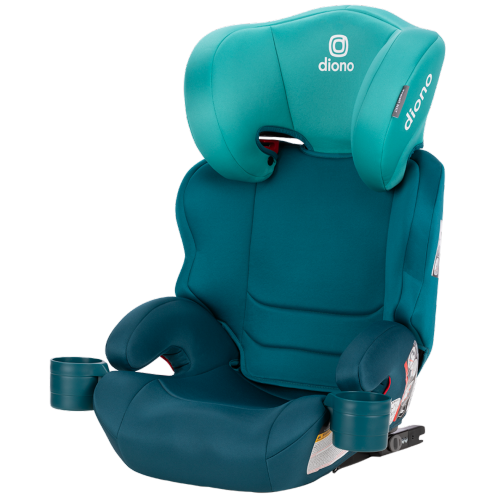
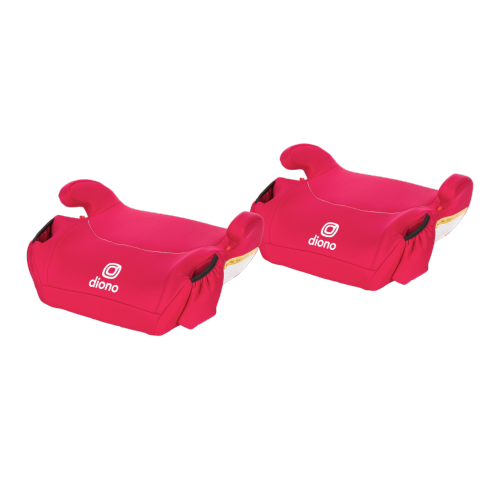
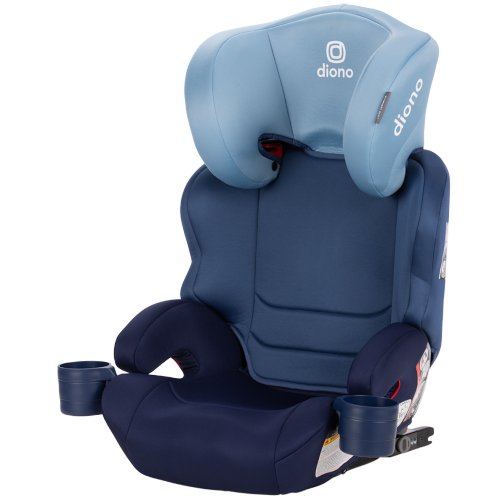
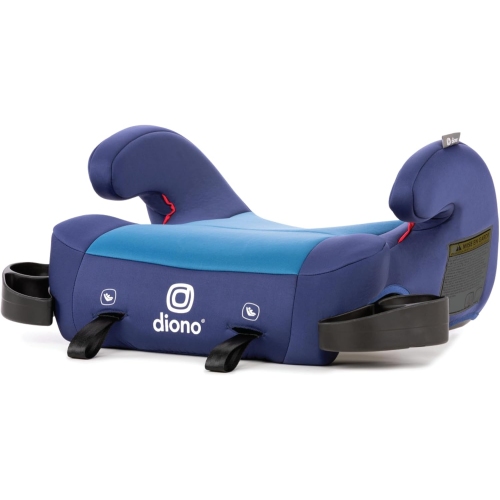
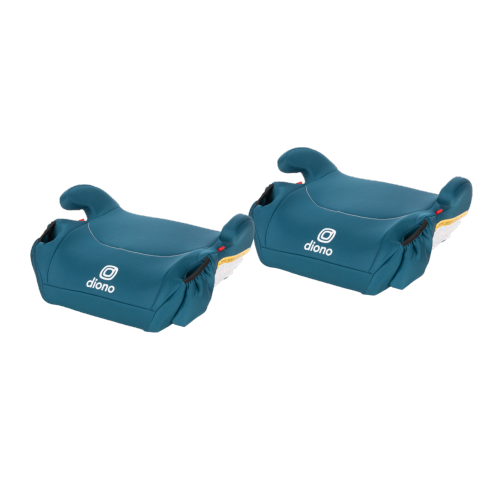


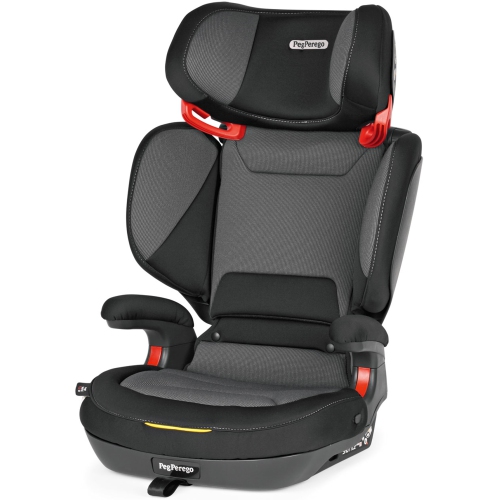
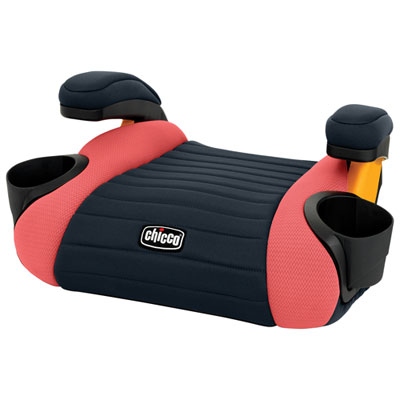
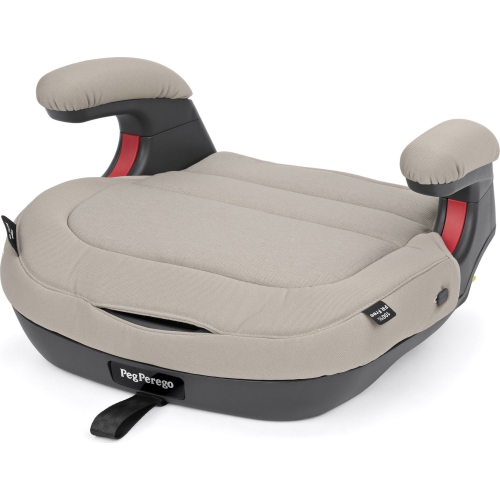
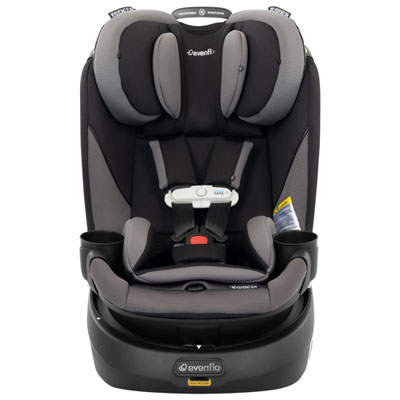



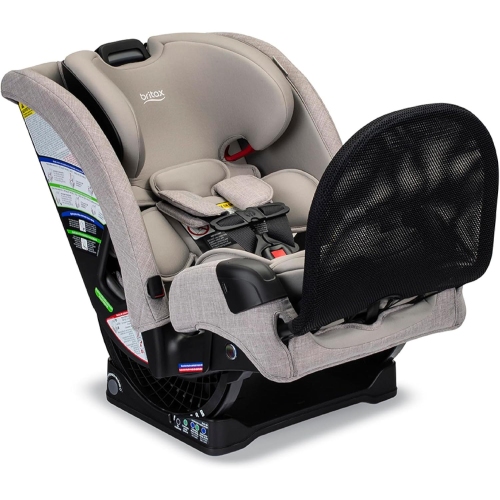
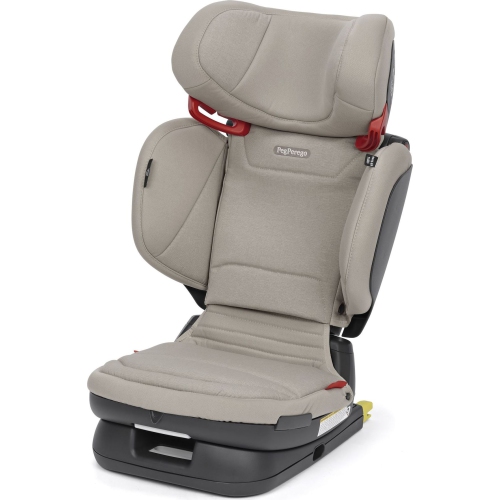
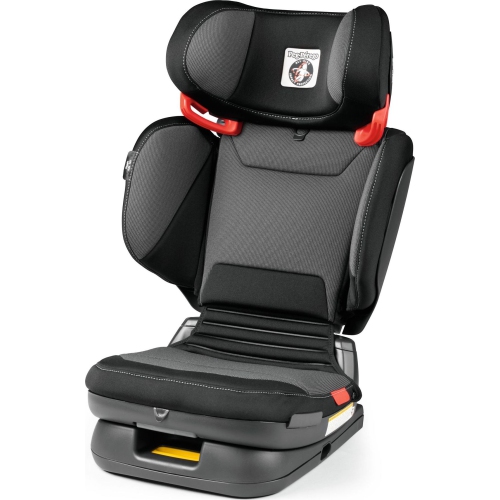
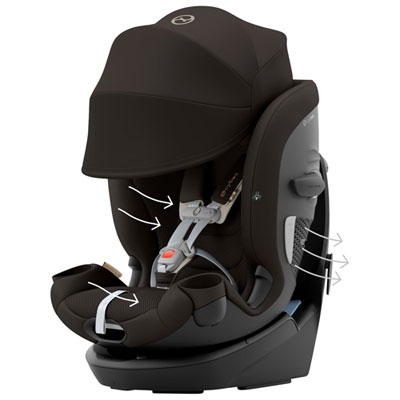
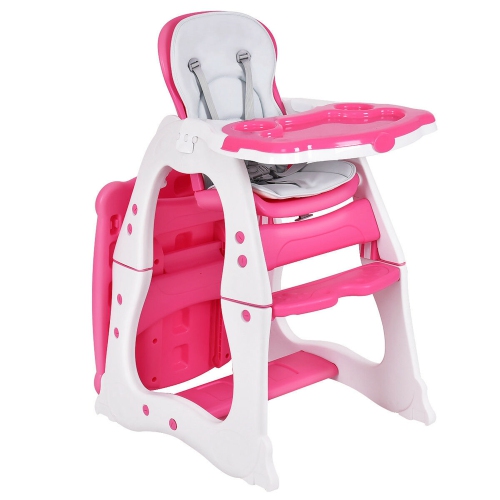
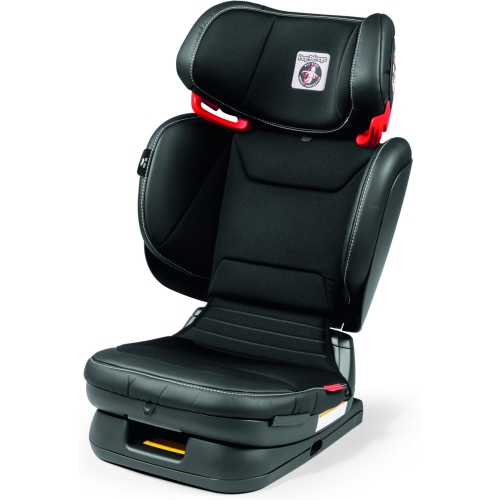
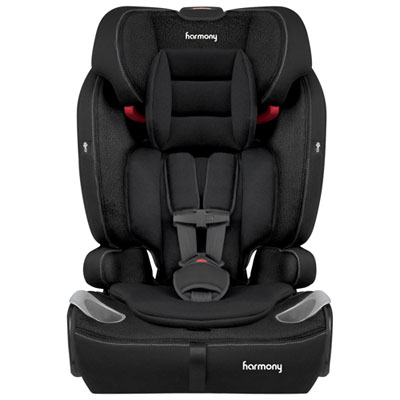
Why belt fit matters when switching between vehicles
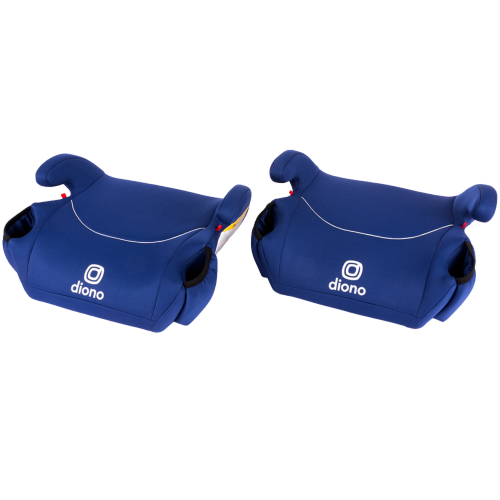
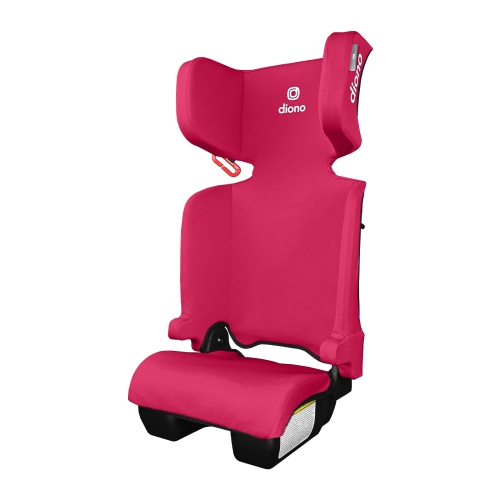
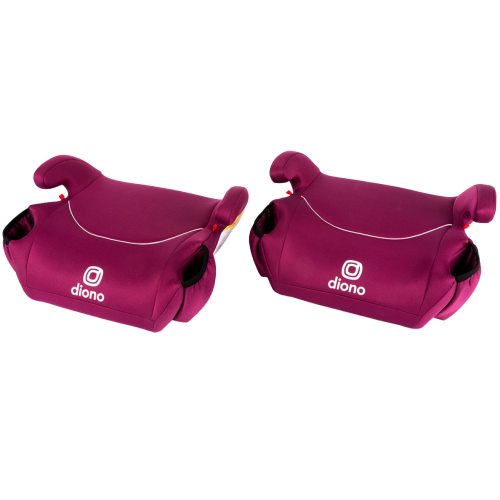
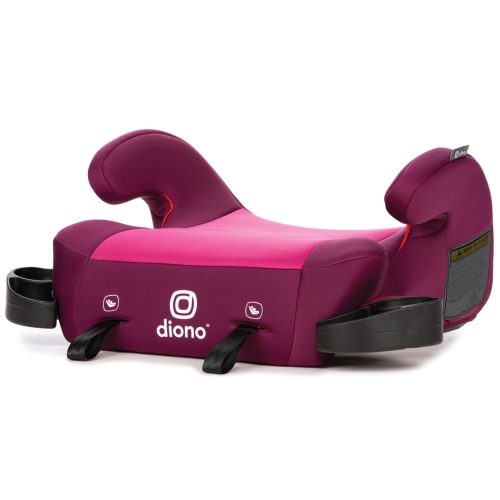
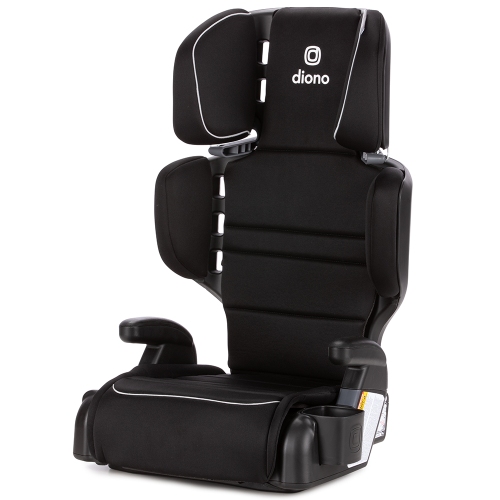
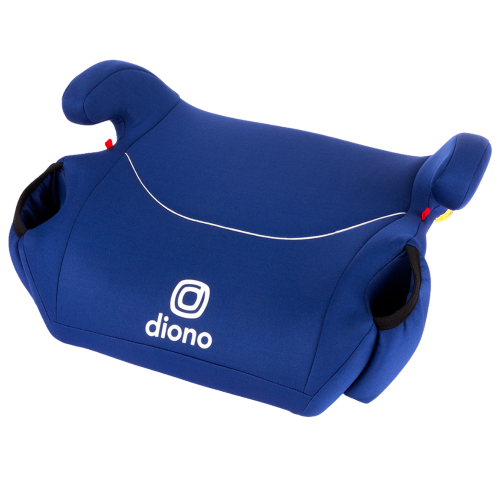
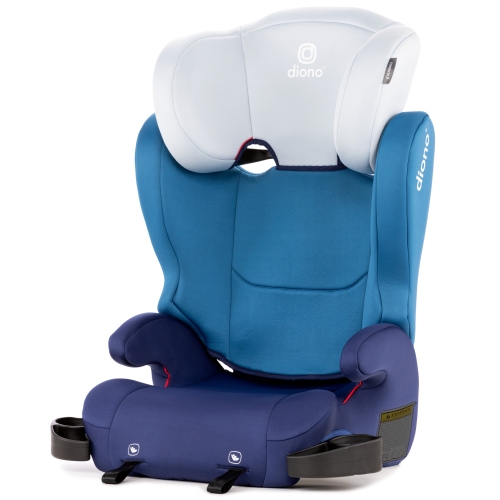
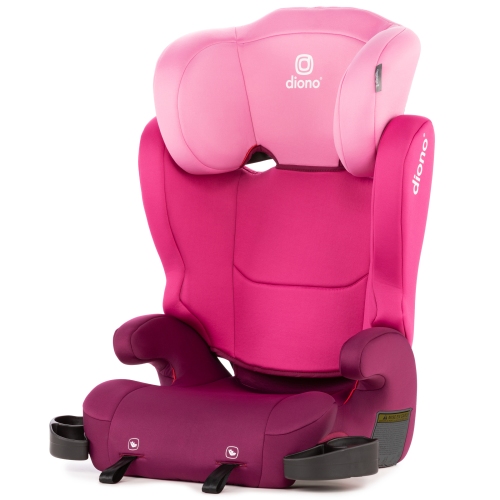
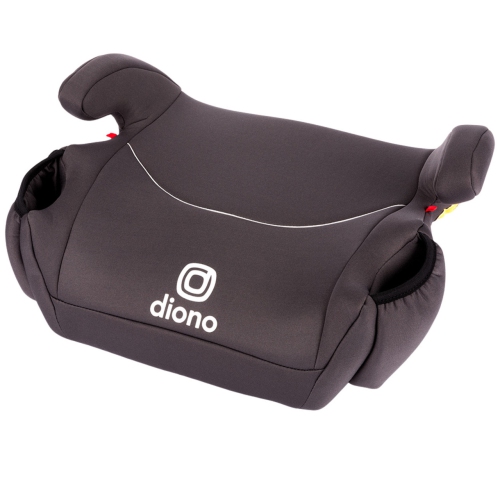
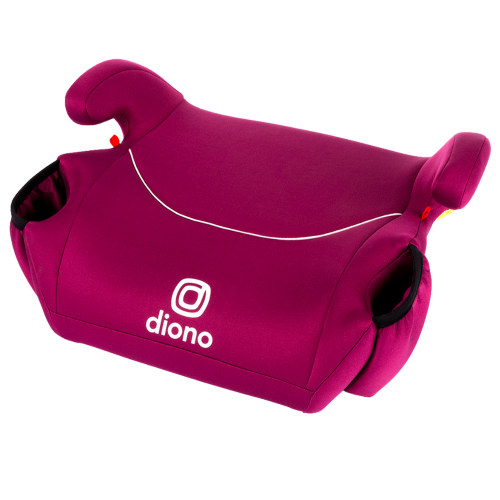
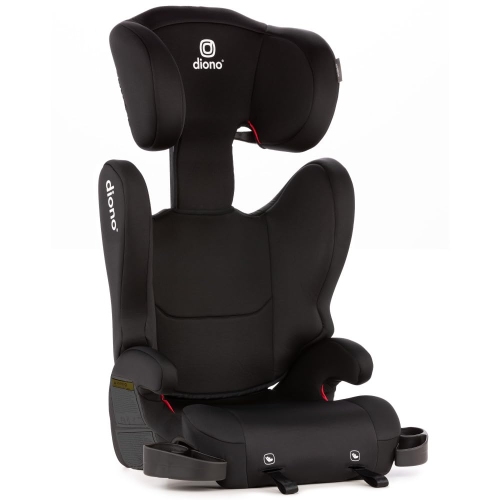
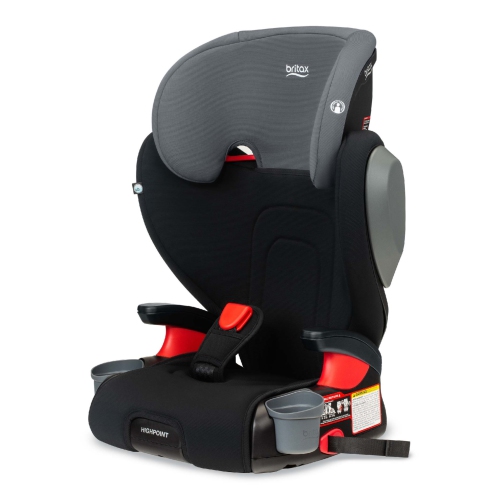
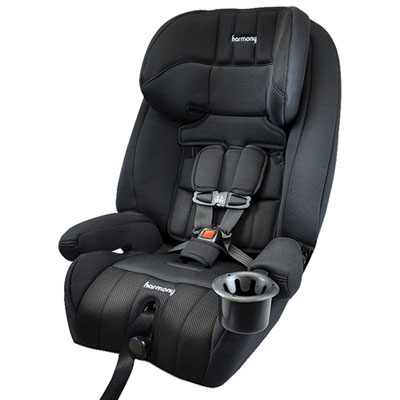
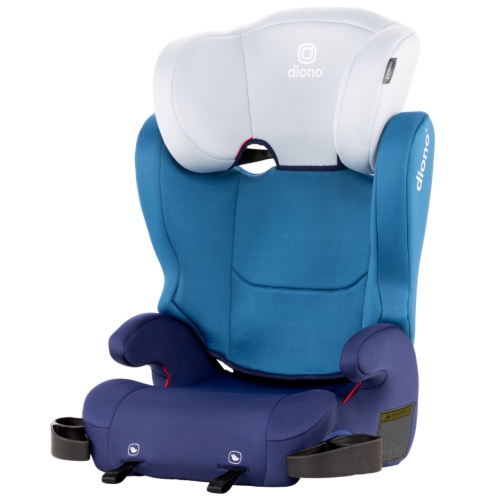
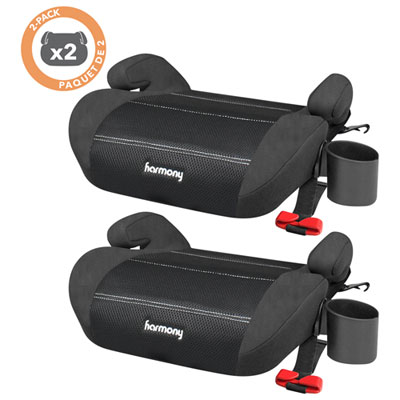
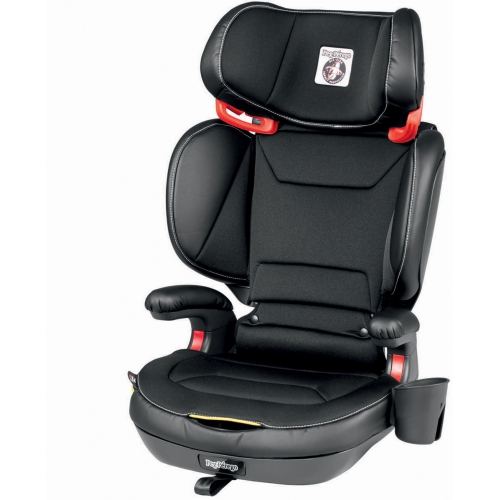
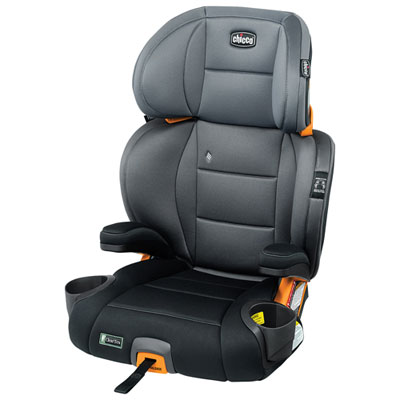
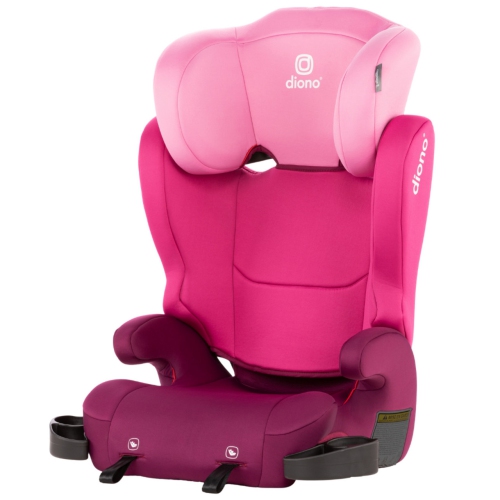
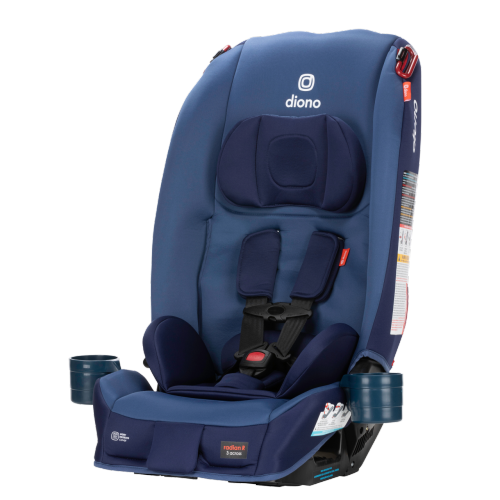
Lightweight booster seats are belt-positioning car seats designed to raise a child so the vehicle’s lap and shoulder belt can sit correctly across their body. Their lower carrying weight makes them practical for families who move a seat between compatible vehicles, share school pickups with grandparents, or need a portable option for carpooling and travel. Unlike a forward-facing car seat with an internal harness, a belt-positioning booster relies on the vehicle’s seat belt to restrain the child. That distinction matters: a child needs to meet the booster manufacturer’s height, weight, and age requirements and be able to remain seated correctly throughout the ride, including when tired or distracted. In Canada, children must weigh at least 18 kg before using a booster, but weight alone does not establish readiness; provincial or territorial requirements and the seat’s instructions also apply. A child who still fits a forward-facing harnessed seat and cannot maintain the proper position is not ready to move to a booster simply because it is easier to carry. Backless boosters generally have fewer components and a compact shape, while high-back boosters add a backrest and shoulder-belt guides that may help maintain belt positioning in a suitable vehicle. Some designs convert from high-back to backless use as a child grows, with separate fit requirements for each mode. Lightweight does not describe a single standard weight range, and a seat’s carrying weight is separate from its permitted child weight. For everyday use, the practical difference might be a caregiver carrying the booster from a parked car to an apartment, or transferring it before another family member handles an afternoon pickup. A useful portable seat balances manageable weight with a shape that fits the child and the vehicle. Seats intended for use in Canada should carry the National Safety Mark, and their labels and instructions should clearly identify the permitted use, limits, and installation requirements.
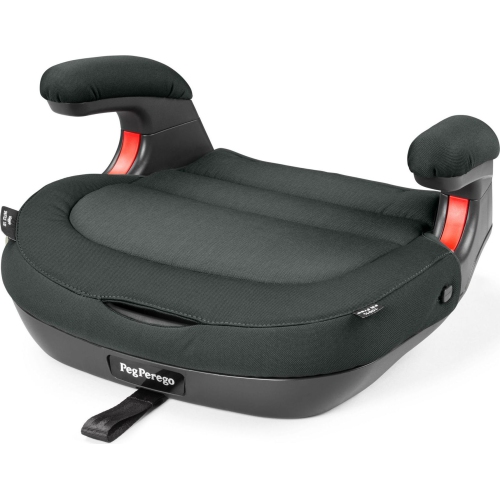
Fit is the central consideration when comparing lightweight booster seats, because even a compact, easy-to-carry design needs to position the seat belt properly in the actual seating location. The lap belt should lie low across the hips, touching the upper thighs, rather than crossing the soft abdomen. The shoulder belt should cross the centre of the chest and shoulder, not press against the neck, slip off the shoulder, or be tucked behind the back or under an arm. A booster requires a lap-and-shoulder belt; a lap-only belt is not suitable. Seat depth, armrest shape, belt-guide placement, and the vehicle’s buckle position can all affect everyday fit. For example, a child may find it easier to sit upright when their knees bend comfortably at the booster’s front edge rather than feeling the need to slide forward. In a backless booster, the vehicle seatback or head restraint must provide adequate support behind the child’s head, as specified by the booster manufacturer. High-back designs also have vehicle-support requirements, so a tall backrest should not be assumed to work in every seating position. Adjustable headrests and clearly marked belt paths can make a seat easier to adapt as a child grows, while a narrow base may leave more room beside another child restraint. However, narrow dimensions do not guarantee that three seats will fit safely across a rear bench. Each restraint must fit independently, with accessible buckles and no interference from neighbouring seats. Where included, lower-anchor attachments may help hold a booster in place, but the vehicle’s seat belt still restrains the child in belt-positioning mode. An unoccupied booster also needs to be secured as directed so it cannot move freely during a sudden stop. Families comparing different booster styles can also explore Affordable Booster Seats, keeping the child’s readiness, vehicle compatibility, and correct belt fit at the centre of the decision. A seat that works well in one household’s vehicle may fit differently in a grandparent’s car, making a separate fit check important whenever it changes vehicles.
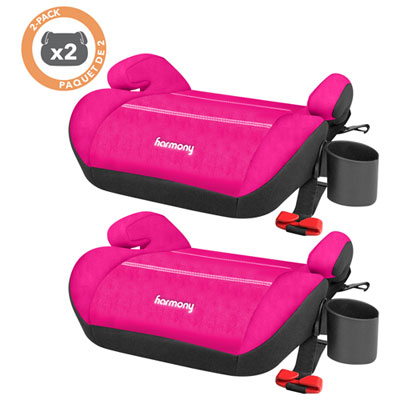
Materials, care requirements, and small design details influence how a lightweight booster holds up to regular family use. Many designs combine a moulded plastic structure with a padded fabric cover, although construction varies and some portable formats use different materials or folding mechanisms. Padding can make the seating surface more comfortable, but thickness alone does not indicate protective performance. Smooth cover edges, accessible belt guides, and a seating surface that allows the child to stay comfortably upright can matter more during repeated journeys. Removable covers may simplify cleaning after spilled water or crushed crackers, provided the manufacturer permits removal and specifies how to wash and dry them. Care instructions deserve close attention: machine washing, soaking, strong cleaners, or heat may be unsuitable for particular covers, structural parts, or attachments. Cleaning only as directed helps preserve the seat’s intended function, and aftermarket cushions, liners, or other accessories should not be added unless the manufacturer approves them. Cup holders and carrying handles can add convenience, though they may also affect the overall width or packed size. For travel, useful measurements include not only the booster’s weight but also whether its shape fits the space where it will be carried or stored. Folding or inflatable designs, where applicable, require particular attention to setup instructions, Canadian certification, and checks before every use. Belt-positioning boosters cannot be used with an aircraft’s lap-only passenger belt, even if they are carried along for use in a vehicle at the destination. Durability also involves more than a tidy cover: the structure, guides, attachments, and labels should remain intact, and the seat must be within its stated useful life and free of unresolved recalls. Its collision history matters, with replacement decisions following the manufacturer’s directions. For grandparents, shared caregivers, or parents receiving a booster as a practical gift, matching the seat to the child and intended vehicle is more useful than choosing by portability alone. Clear instructions and a straightforward transfer routine help make a lightweight booster a manageable part of everyday transport without overlooking the fit checks that matter on every trip.
Top selling and popular products
-
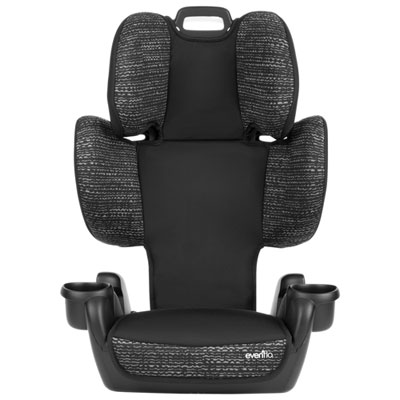 Your price for this item is $119.99
-
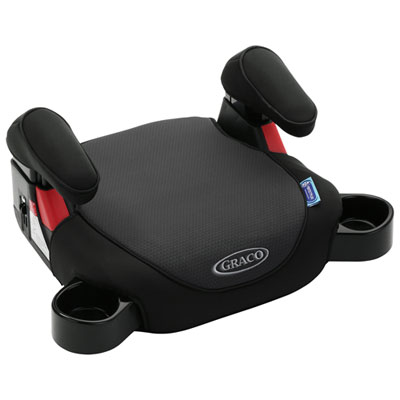 Your price for this item is $69.99
-
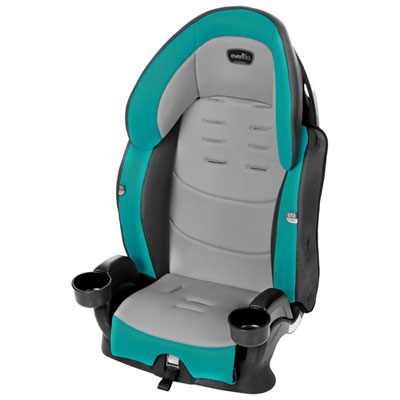 Your price for this item is $139.99
-
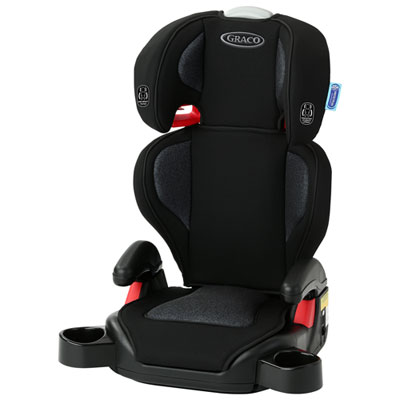 Your price for this item is $129.99
-
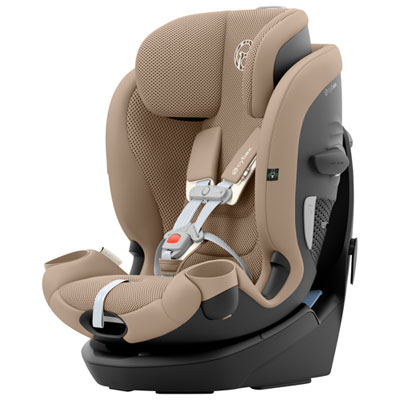 Your price for this item is $999.99
-
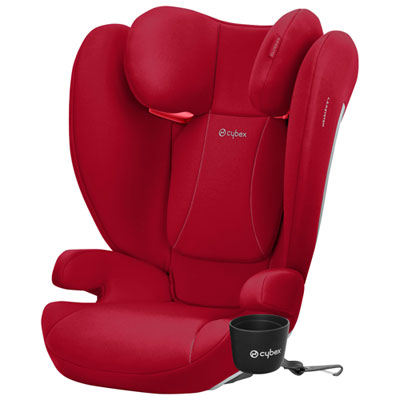 Your price for this item is $99.99
-
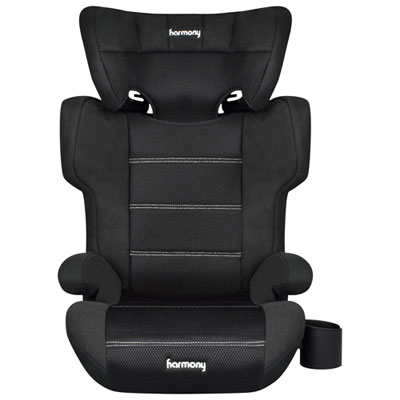 Your price for this item is $99.99
-
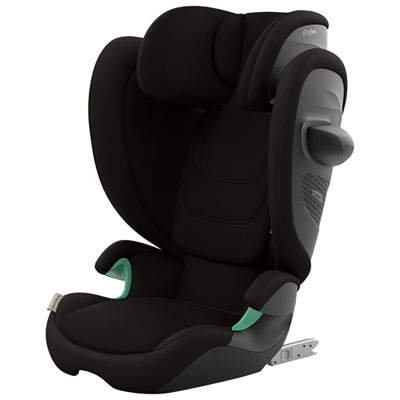 Your price for this item is $279.99
Discover more categories related to Lightweight Booster Seats
Top Collections:
Pokemon Centers, Best Cameras for Sports Photography, Kindle Devices, Samsung Galaxy Phones, Canon G7X Cameras, Pokémon 30th Celebration Cards, Refurbished Apple Laptops, iPhone 15 Apple, Laptops for Students, Budget Smartphones
Some products may be subject to Environmental Handling Fees
(EHF) depending on your province.
Learn more about EHFs.