Car Sound Deadening Mats

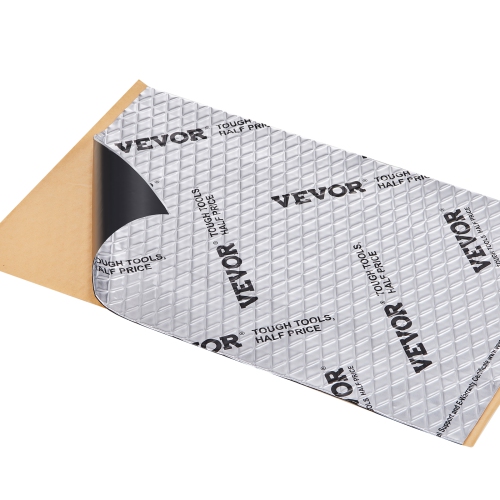
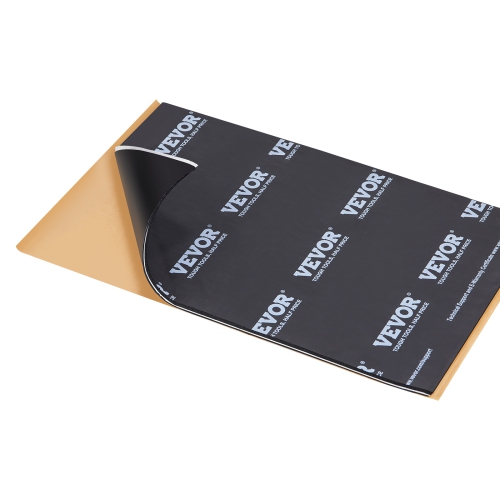
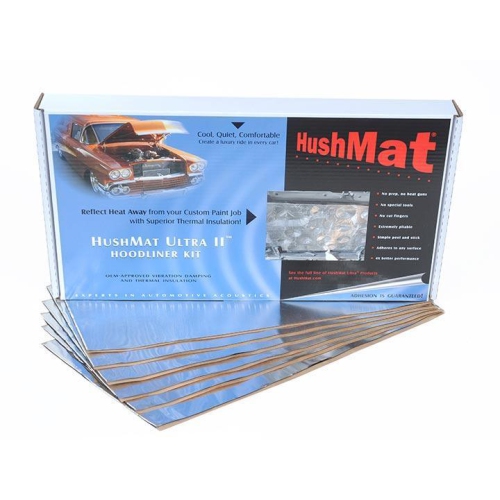
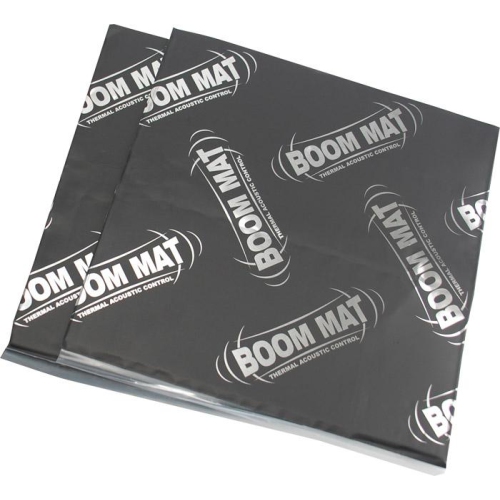
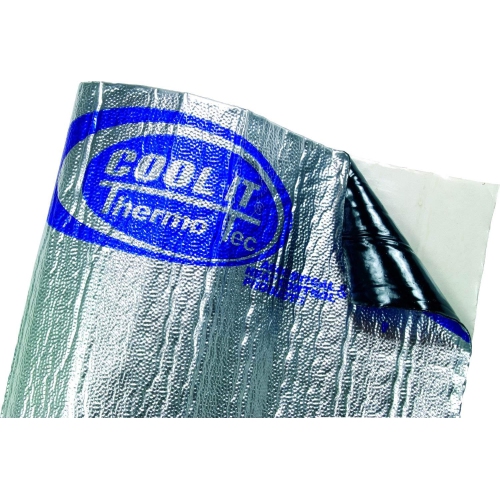
Car sound deadening mats help reduce panel vibration and road noise for a quieter ride and clearer car audio. Browse mats for vehicle sound treatment, comparing thickness, coverage area, and installation requirements to find an option suited to your doors, floor, or trunk.

Read More

Car Sound Deadening Mats

A steady tyre hum on the highway, a buzz from the door panel when the bass kicks in, or the hollow rattle of a boot lid can make time behind the wheel less enjoyable. Car Sound Deadening Mats help control vibration in vehicle panels, creating a quieter, more solid-feeling cabin when selected and installed appropriately. They are especially useful for drivers upgrading their car audio, restoring an older vehicle, or simply trying to make a daily commute more comfortable. Applied to suitable metal surfaces inside doors, beneath flooring, or around the luggage area, vibration-damping mats can reduce panel resonance that competes with music and conversation. The difference is often less about making a car silent and more about taking the edge off distracting rattles and vibration. Results depend on the vehicle, the source of the noise, the material used, and the quality of the installation; mats will not fix worn mechanical parts, loose fittings, or damaged weather seals.

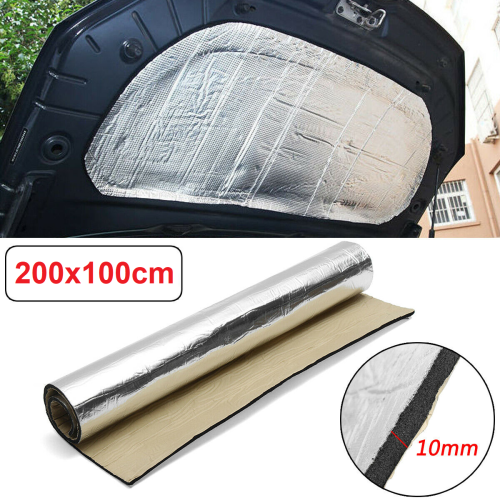
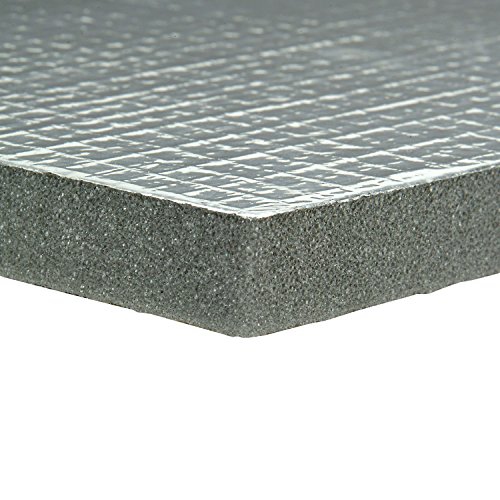
Choosing the right material starts with understanding what you want to address. Dense, adhesive-backed damping mats are designed primarily to limit vibration in sheet metal, while foam layers and sound barriers serve different purposes within a broader noise-control setup. A damping mat alone should not be expected to block every type of road or wind noise. Butyl-based materials are a common choice for cabin applications, but it is still worth checking each option’s temperature rating, adhesive specifications, odour information, and approved installation locations. Thickness is only part of the picture: material composition, weight per unit of area, flexibility, and adhesion all affect suitability. A thicker sheet may be harder to fit behind a closely fitted door panel, while a more flexible mat can be easier to shape around curves and shallow recesses. Check the total coverage supplied in a package rather than relying on the number of sheets, and measure the intended installation areas before ordering. Smaller sheets can be convenient for awkward spaces, while larger sheets may require fewer cuts across broad floor sections.

Installation details matter just as much as the mat itself. Anyone who has removed a door trim panel knows how quickly a seemingly open space fills up with cables, clips, access holes, and window hardware. Plan the layout before peeling away the backing, follow the vehicle and material manufacturers’ instructions, and keep drainage holes, wiring connections, moving parts, sensors, and airbag components clear. The mounting surface should be clean, dry, and free of rust or loose residue so the adhesive can make proper contact. A suitable roller helps press the material firmly into place, particularly along contours where trapped air or lifted edges can weaken the bond. Gloves are sensible when handling sheets with foil facing, as cut edges can be sharp. Avoid assuming that every exposed surface needs full coverage; the appropriate amount and placement depend on the damping material and the panel being treated. For installations that involve removing seats, working near safety systems, or taking apart unfamiliar trim, professional fitting can be a worthwhile part of the budget.

For a car audio enthusiast, sound deadening mats can be a practical finishing touch that helps keep vibrating panels from distracting from a favourite track. For someone with a longer commute, targeted treatment may make the cabin feel more settled without changing the factory stereo. They can also make a thoughtful gift for a hands-on vehicle owner who already has an audio upgrade or interior restoration planned, provided you know the intended application and the amount of material needed. Think about how the vehicle is used, too: a compact hatchback with a rattling rear panel presents a different project from a work van with large, resonant metal sections. Added weight, available clearance, fitting time, and whether the material is suitable for areas exposed to moisture all deserve consideration. Matching the mats to a specific source of vibration makes for a more focused purchase—and a better chance of hearing the music rather than the trim around it.

Read More

FAQ

Some products may be subject to Environmental Handling Fees (EHF) depending on your province. Learn more about EHFs.