Automotive Sound Insulation Materials
Automotive sound insulation materials help reduce unwanted road noise and vibration inside your vehicle. Browse sound-deadening options for car interiors, comparing material thickness, coverage, and installation requirements to find a suitable fit for your doors, floor, or boot. Check each product’s intended application and dimensions before choosing materials for your project.

FAQ
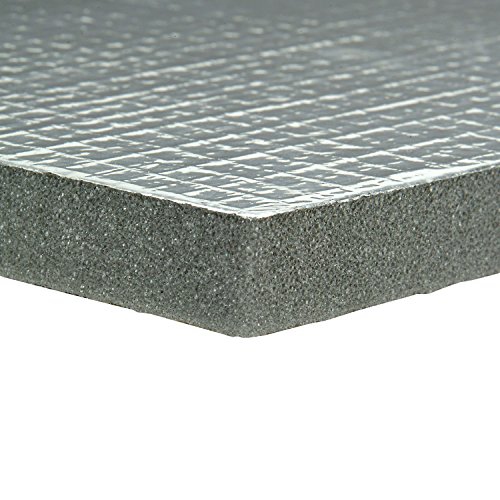
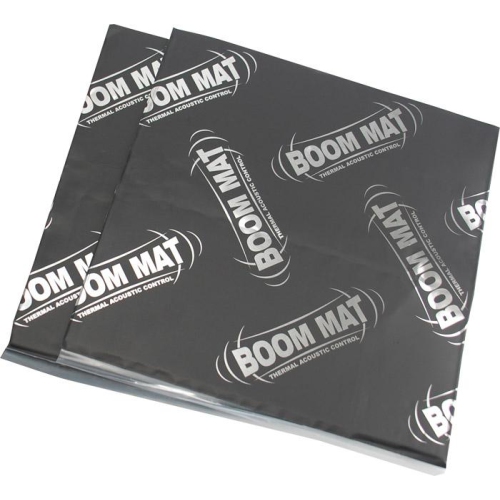
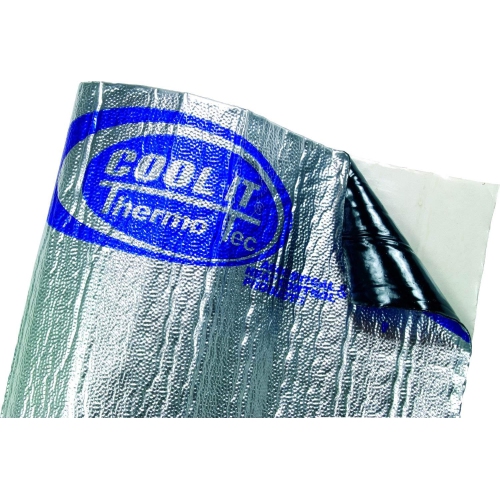
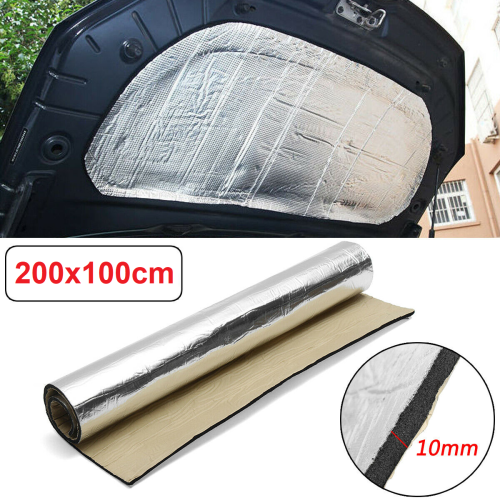
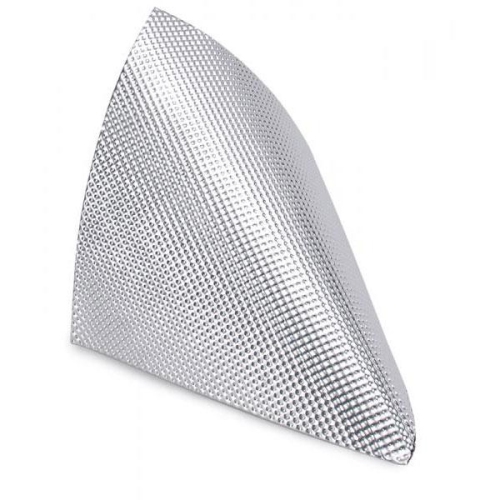
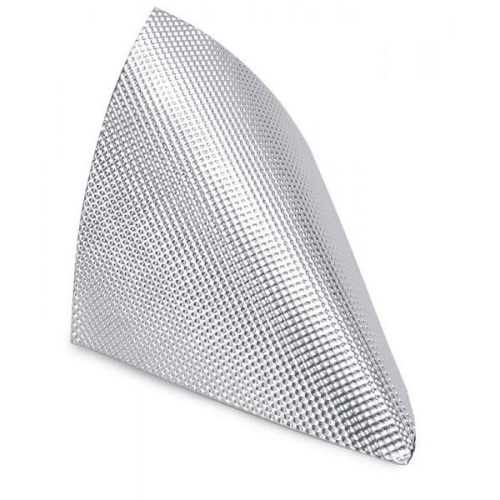
Common types include butyl-based sheets, foam liners, mass-loaded vinyl barriers, and fibrous insulation pads. Some materials have an aluminium foil facing, while others combine several layers in one sheet. Their composition, flexibility, and installation methods vary.
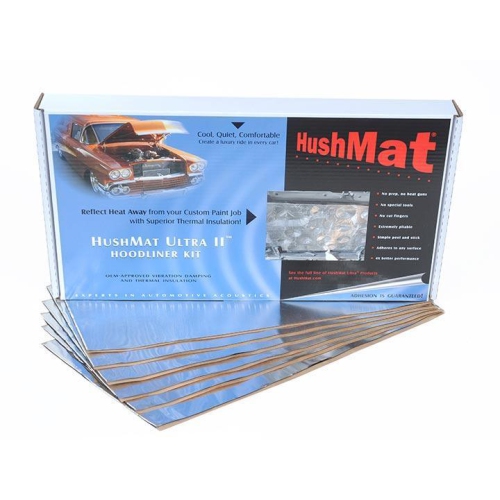
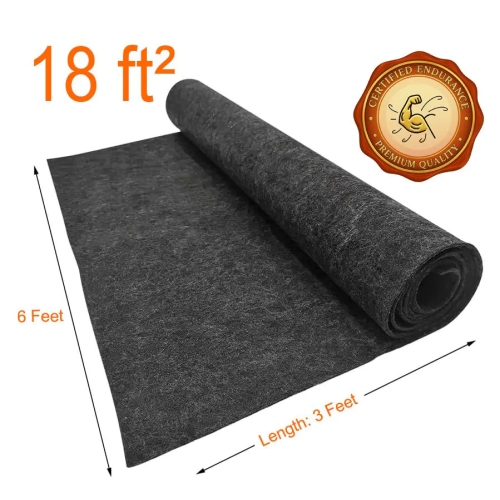
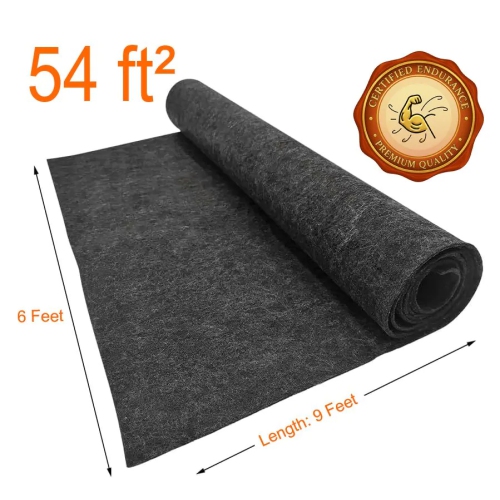
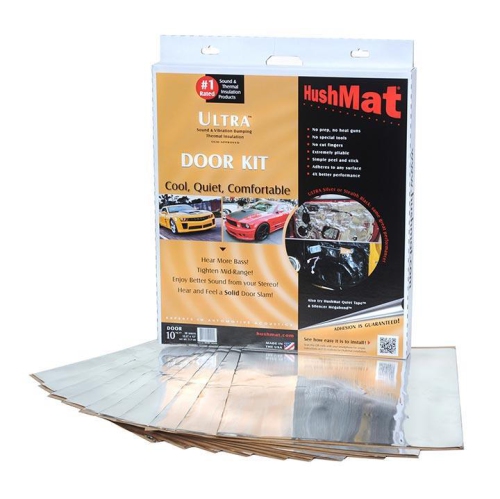
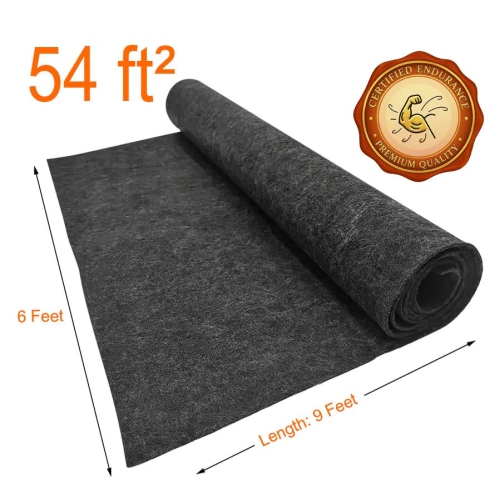
These materials are commonly sold as rolls, flat sheets, individual pads, or pre-cut kits. Rolls and sheets can be trimmed for custom layouts, while pre-cut kits are shaped for particular vehicle panels or applications.
Typical installation areas include door panels, cabin floors, boot or cargo floors, roof panels, and wheel-well areas inside the vehicle. Material selection depends on the panel location, the vehicle's trim layout, and the manufacturer's listed applications.
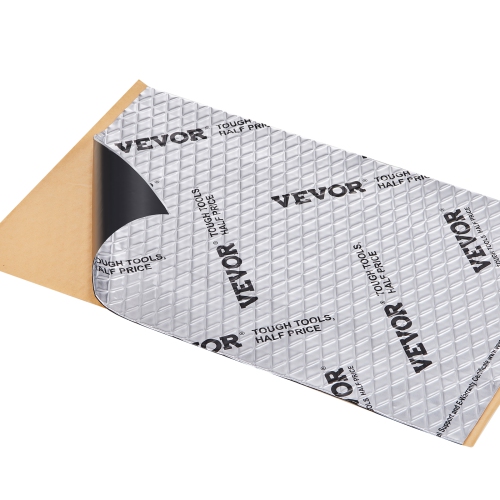
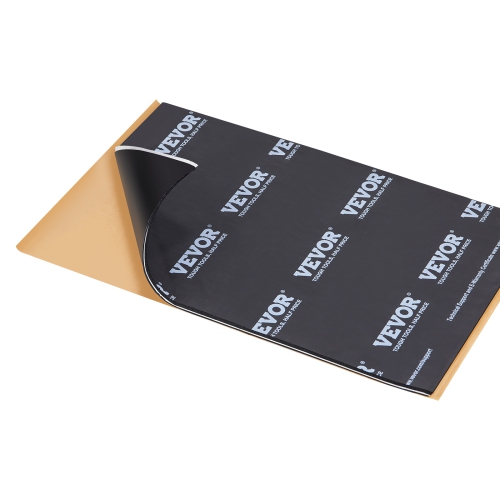
Self-adhesive materials have a backing covered by a release liner that is peeled away during installation. Non-adhesive materials require a separate attachment method, such as a compatible adhesive, clips, or placement beneath existing trim, according to the material's installation requirements.
Common tools include trim-removal tools, scissors or a utility knife, a marking pen, and a hand roller for adhesive-backed sheets. Cleaning cloths and a compatible surface cleaner are often used during preparation. The exact tools depend on the material and the vehicle panels involved.
Top selling and popular products
Discover more categories related to Automotive Sound Insulation Materials
Some products may be subject to Environmental Handling Fees (EHF) depending on your province. Learn more about EHFs.