Family Card Games To Play
Card games are a great way to spend time with the family. Cards are small and easy to carry, so you can play them anywhere. Card games can also be educational, as they help you learn new words and concepts. Here are our top card games for families to enjoy.
Sort
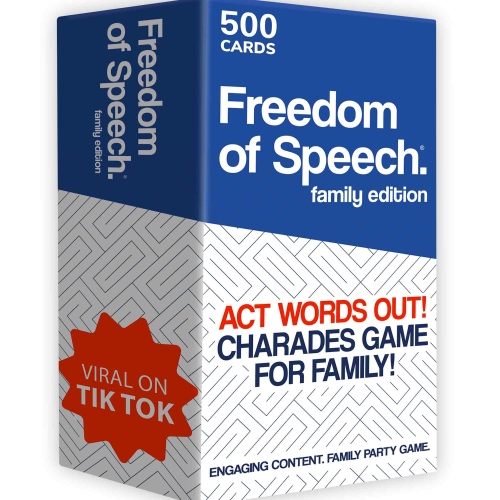
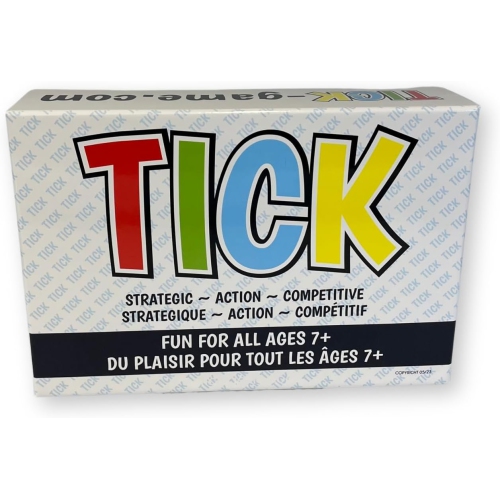
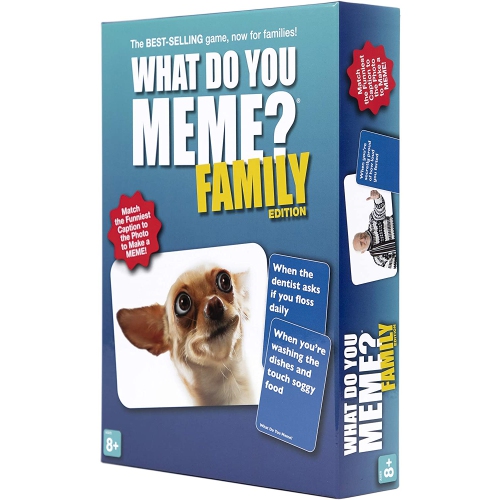
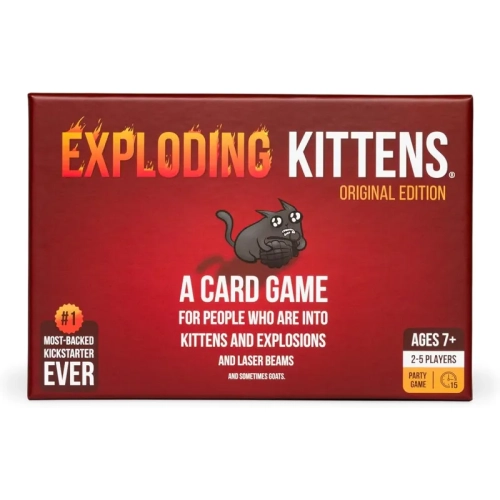
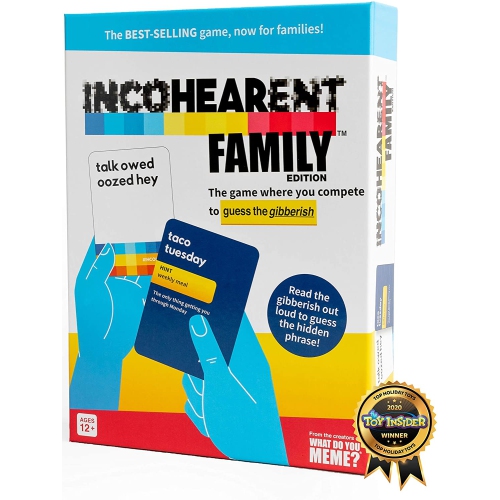
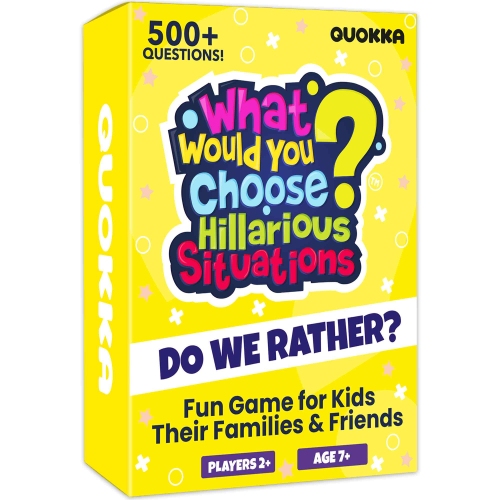
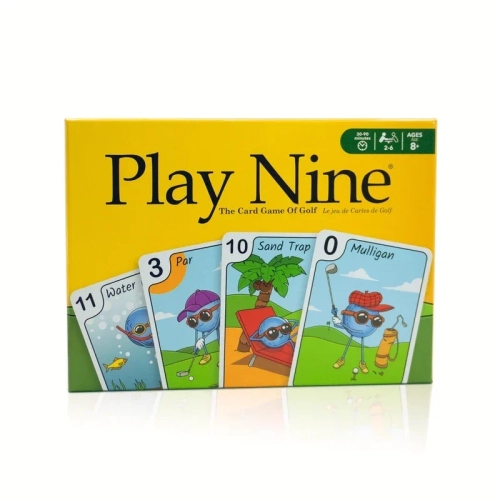
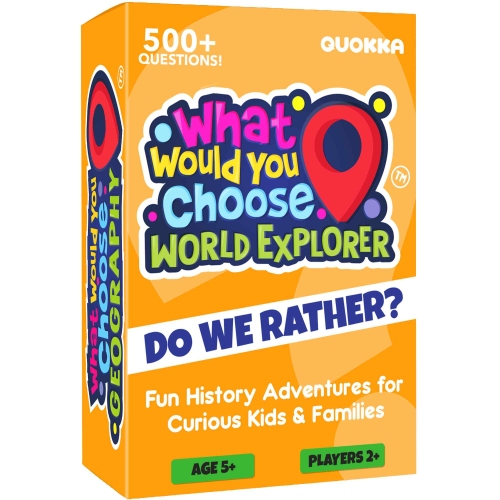
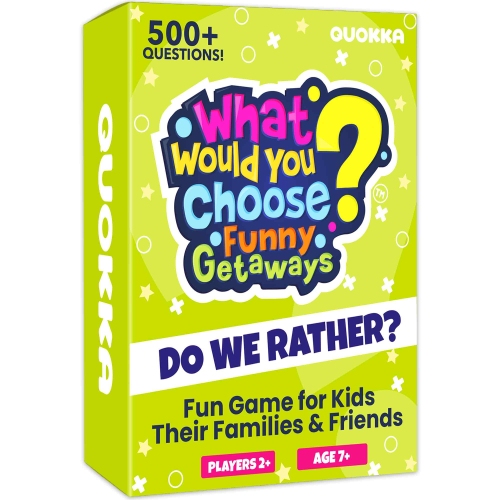
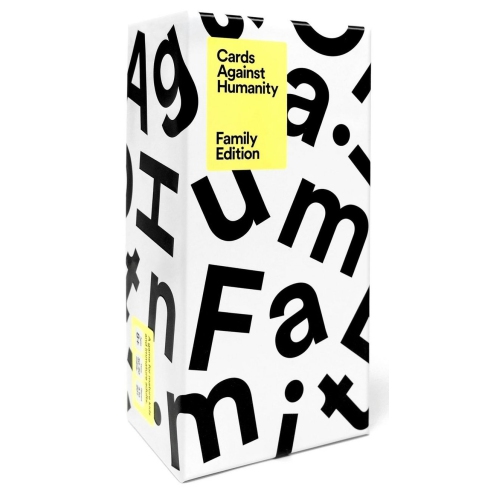
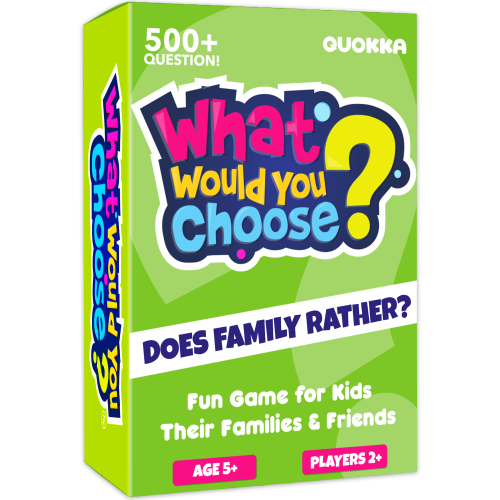
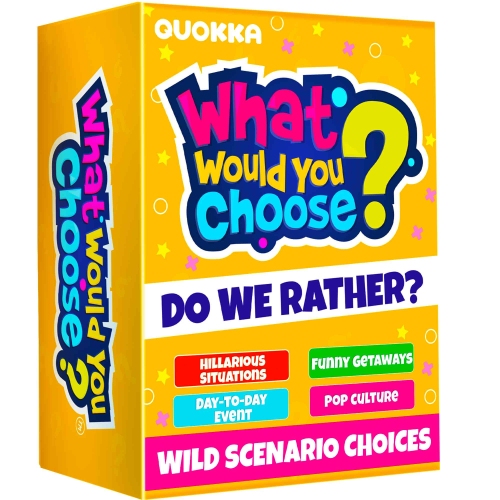
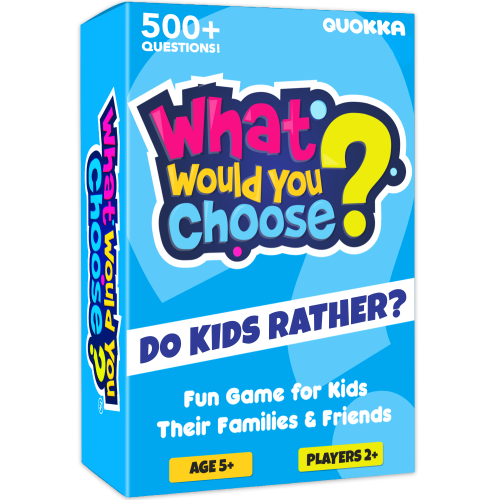
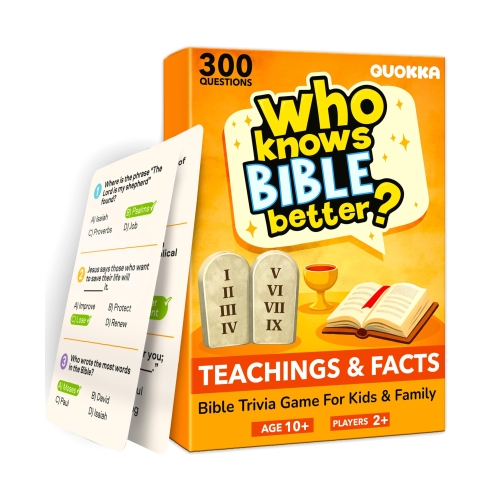

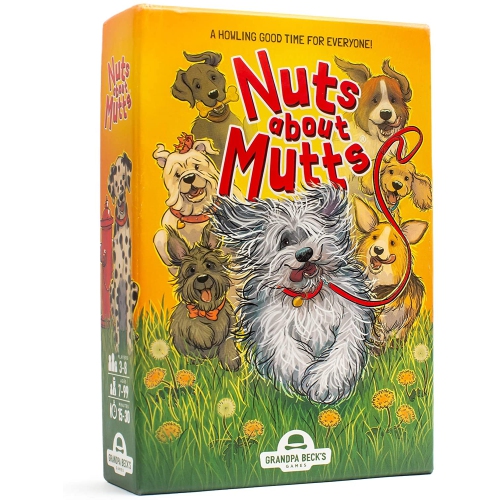
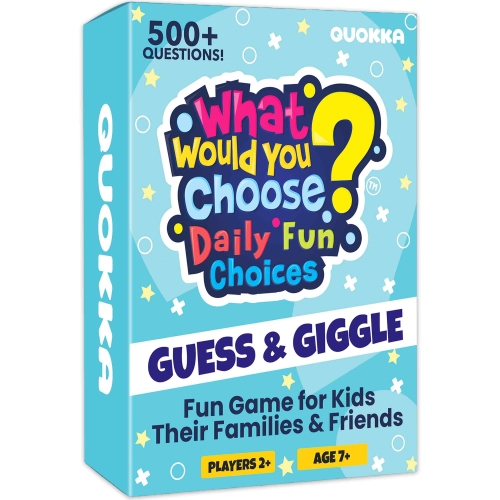
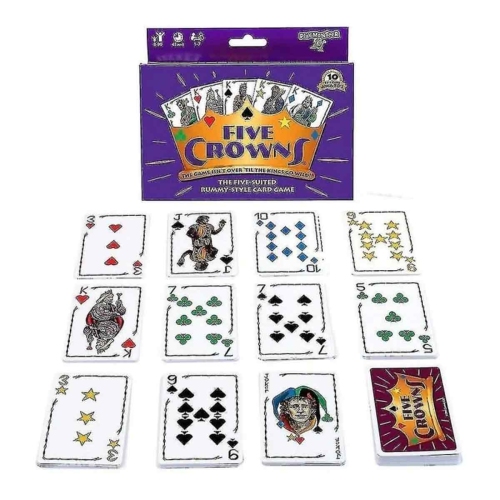

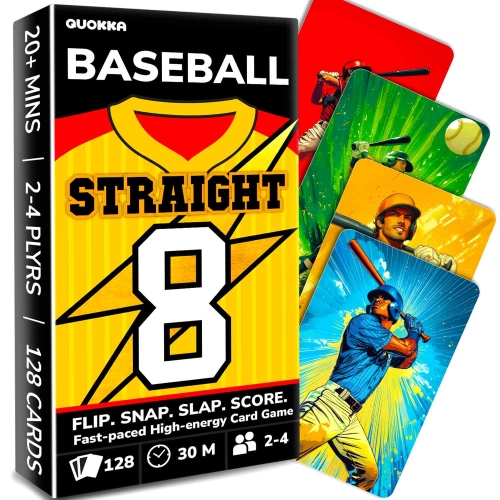

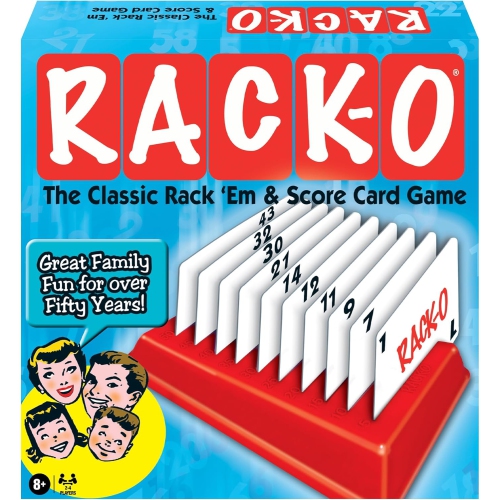
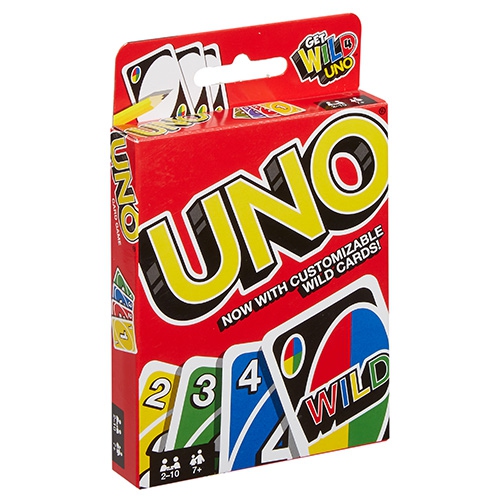
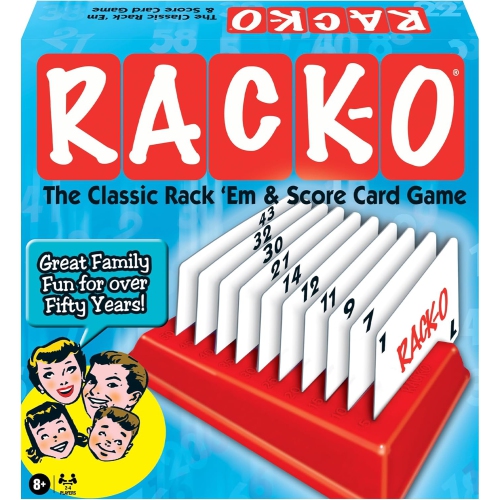

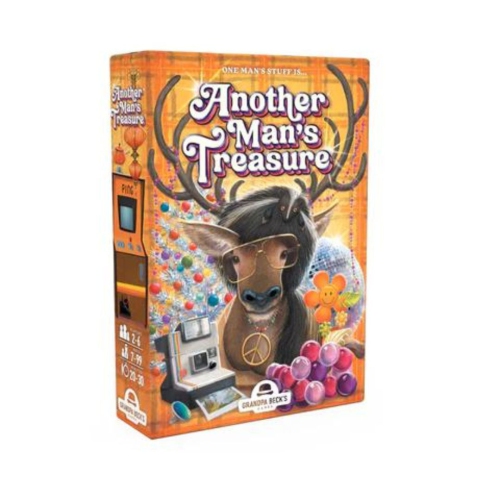
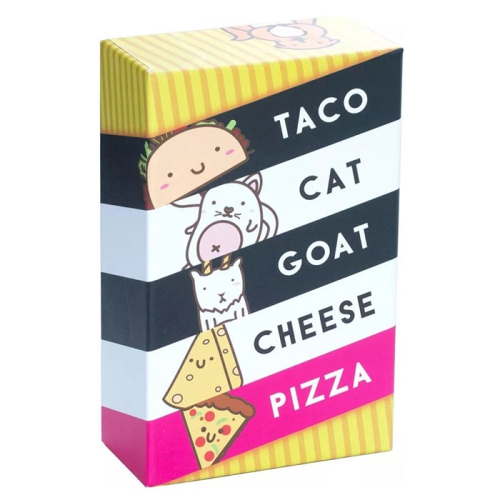
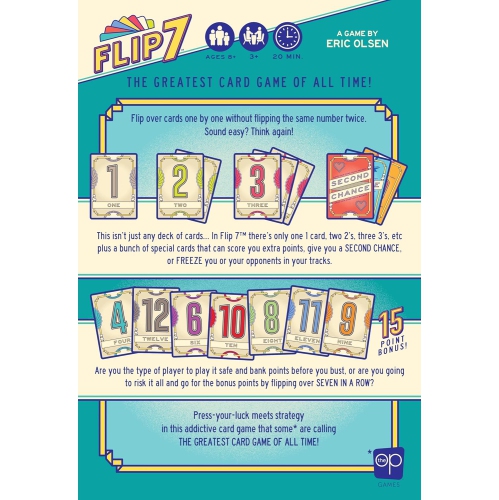
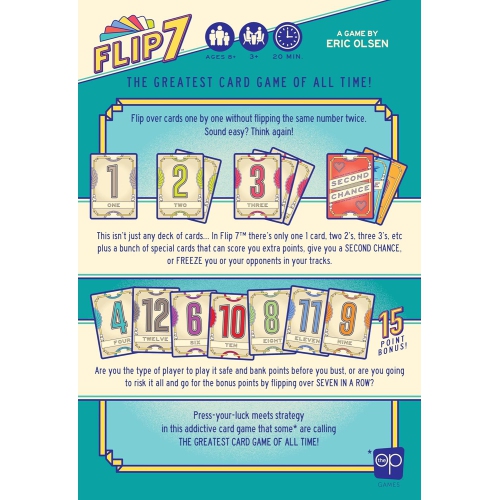
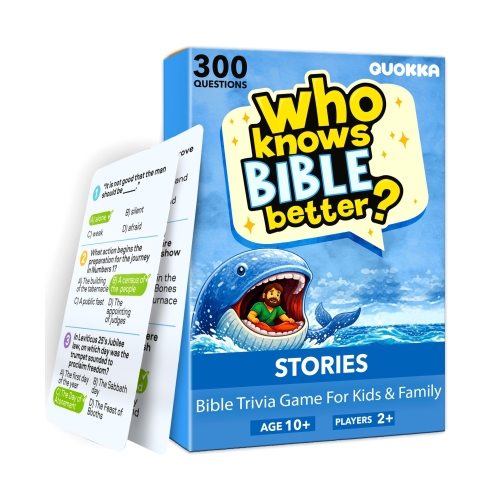
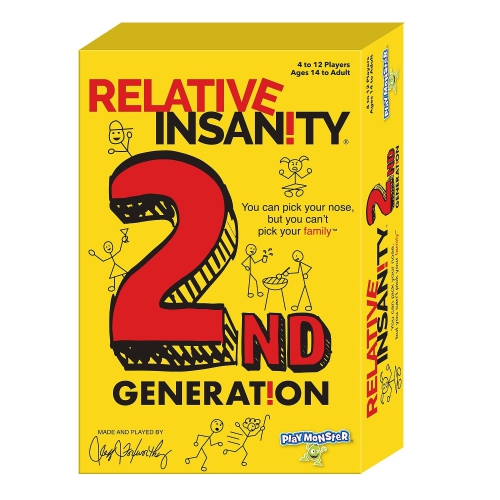
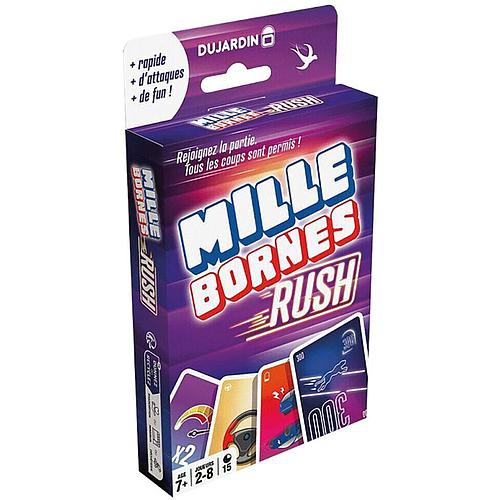
![MCMILLER GAMES Uproar Family Word Sound-Matching Card Game – Crowd-Pleaser [2-6 Players]](https://multimedia.bbycastatic.ca/multimedia/products/500x500/201/20129/20129836.jpeg)
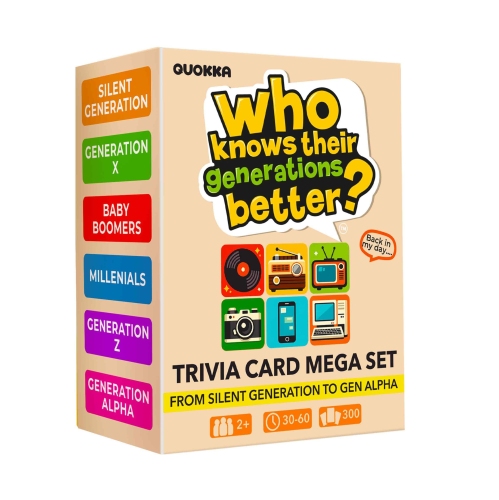
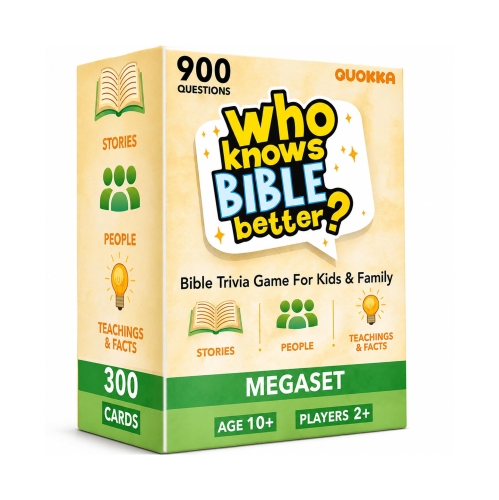
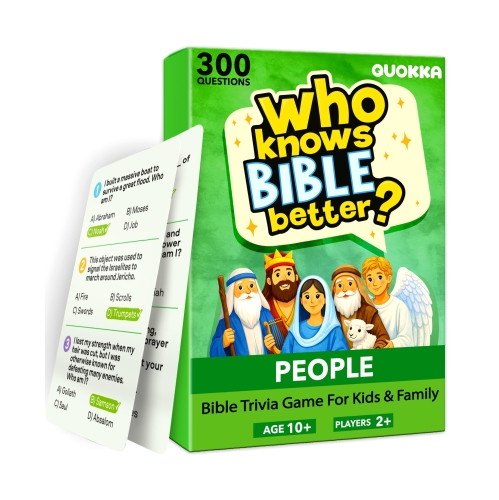
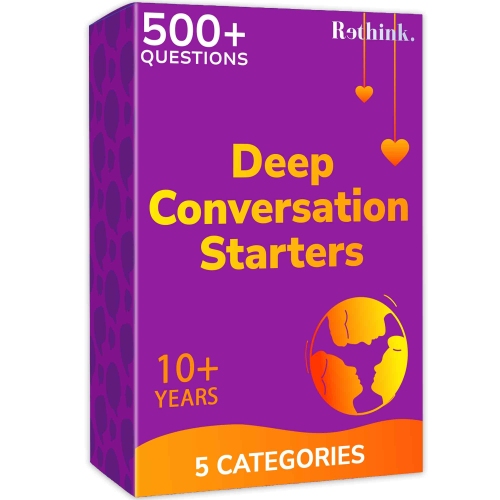
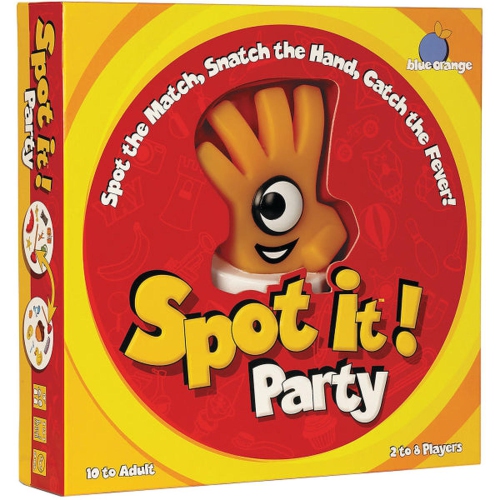
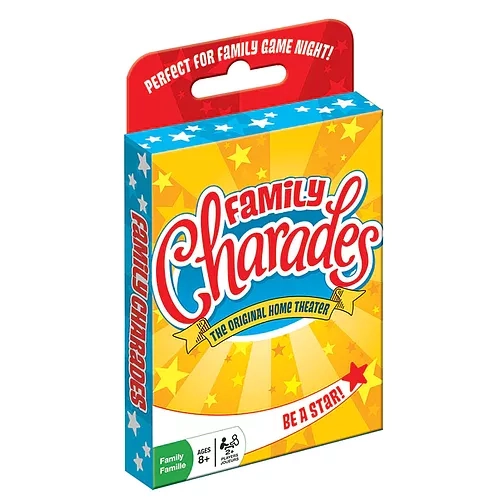
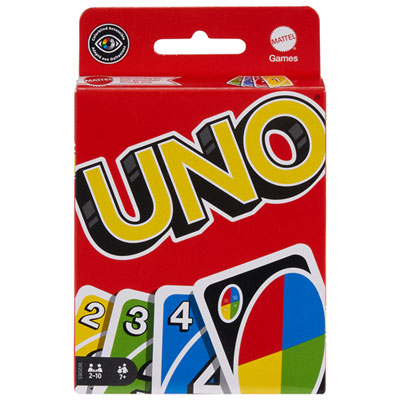

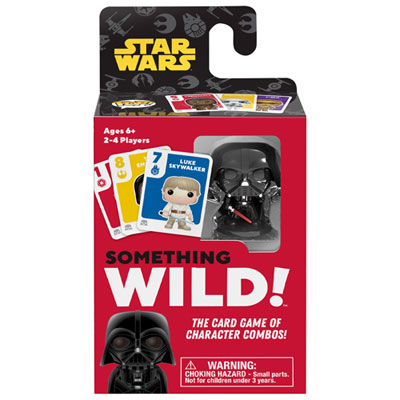

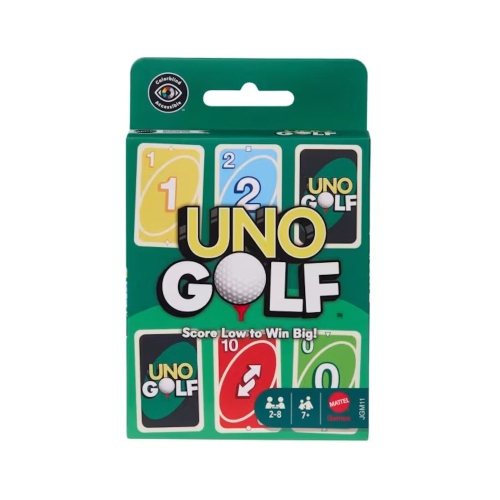
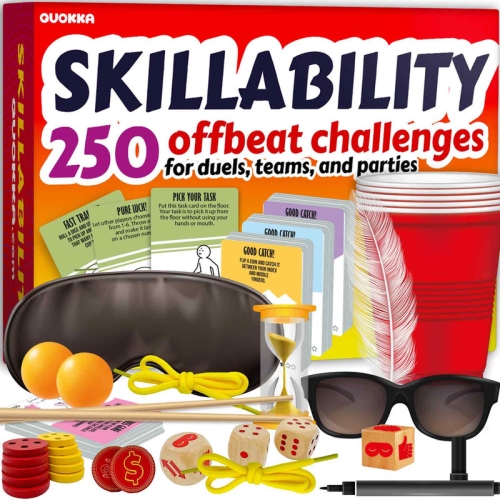
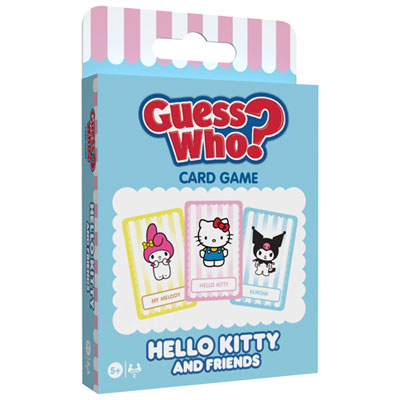
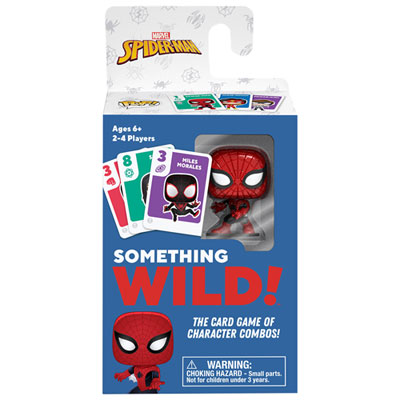





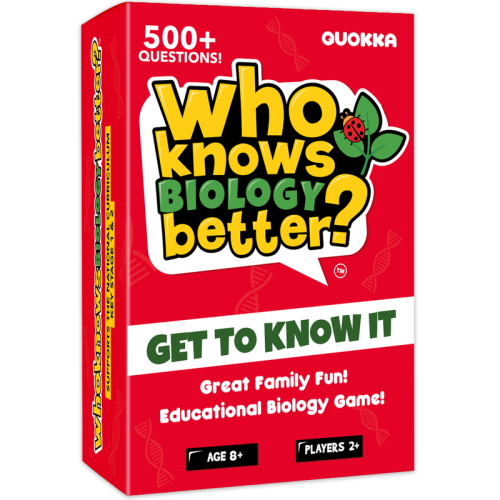
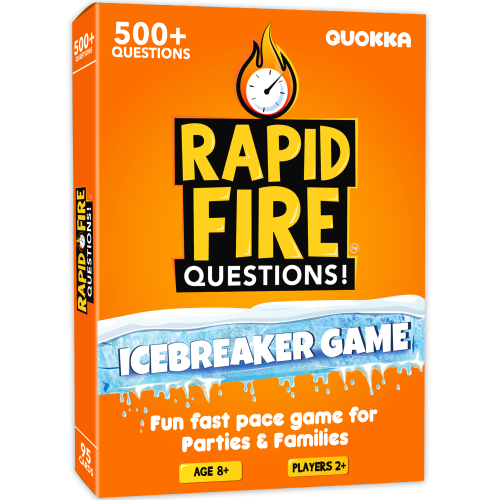
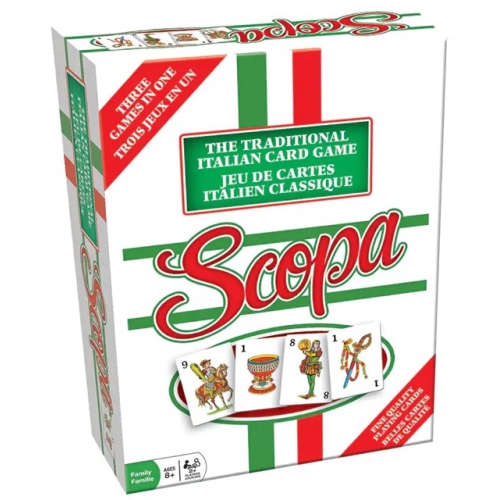
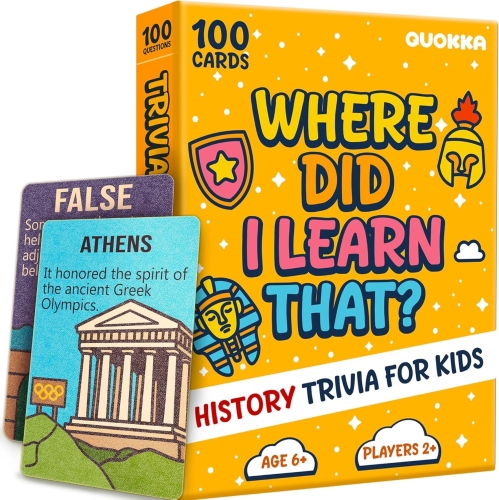
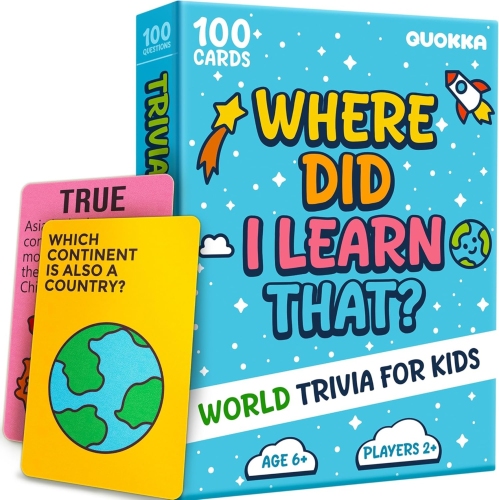
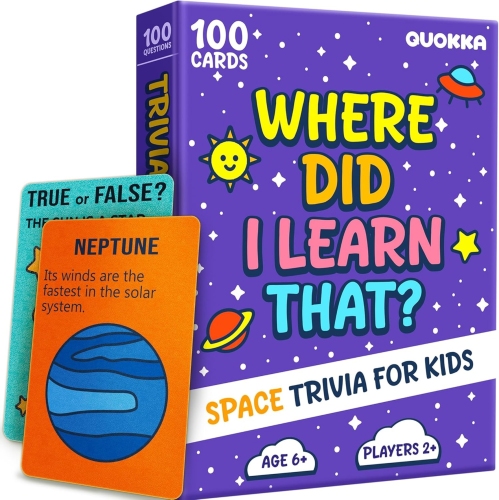
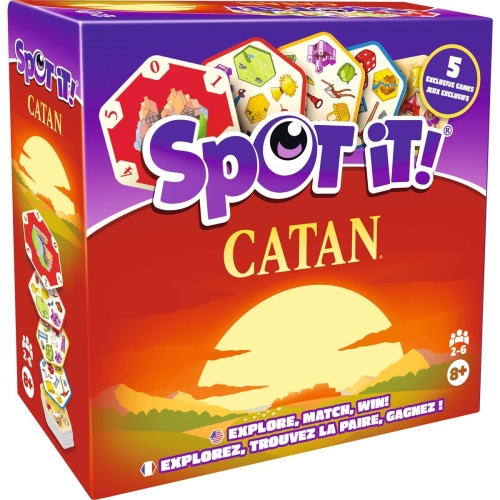
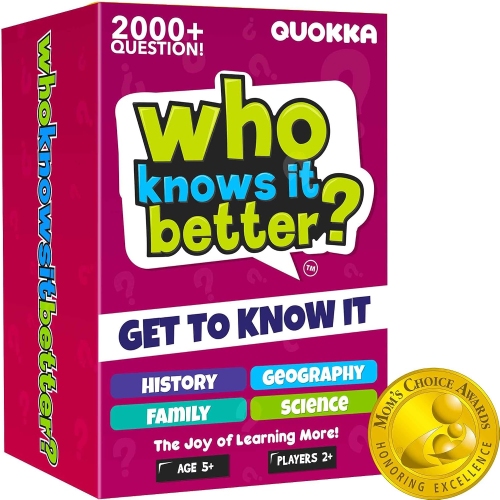
![LEGO Card Game Set [Board Game, 2-4 Players]](https://multimedia.bbycastatic.ca/multimedia/products/500x500/196/19693/19693774.jpeg)
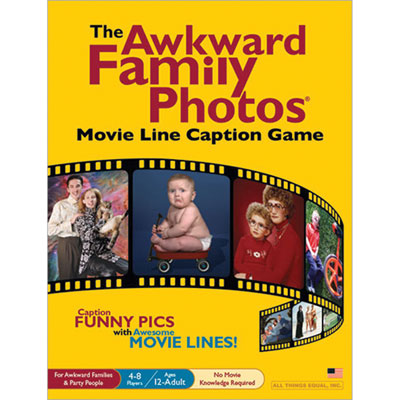
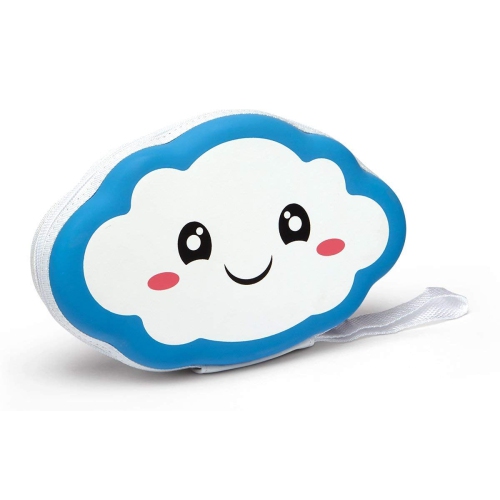
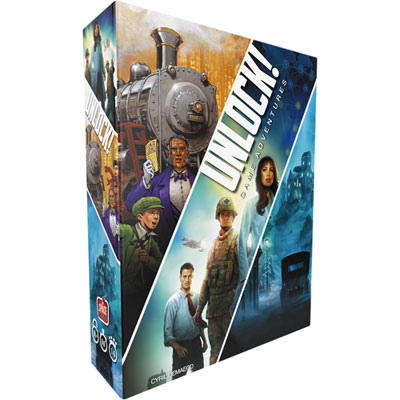
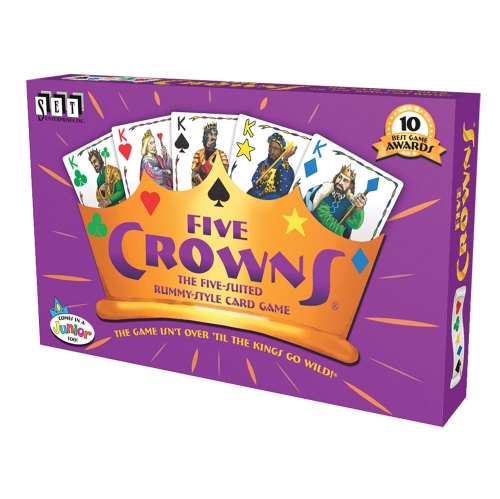
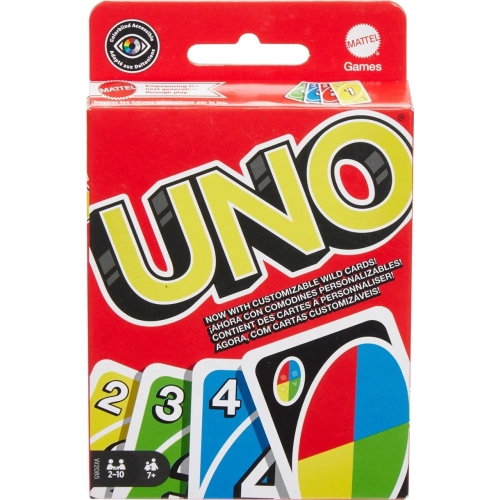
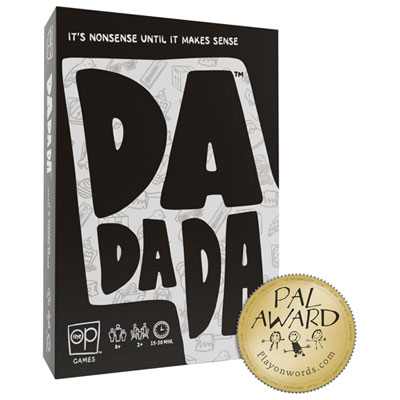
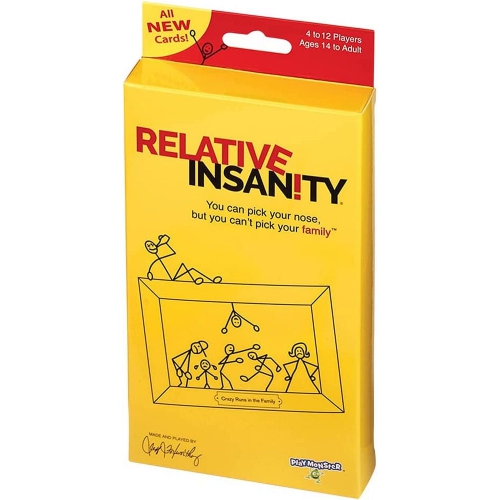
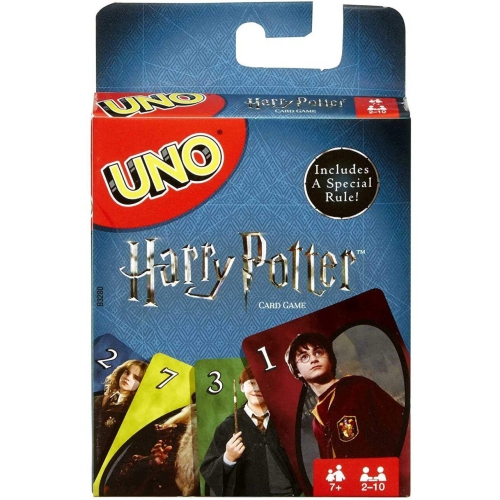

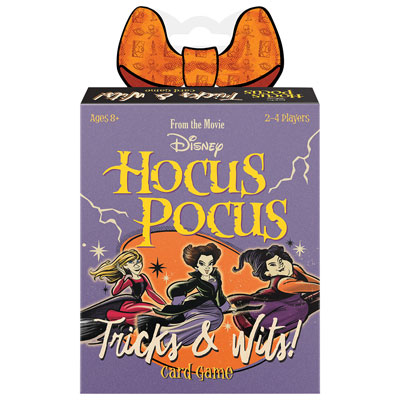
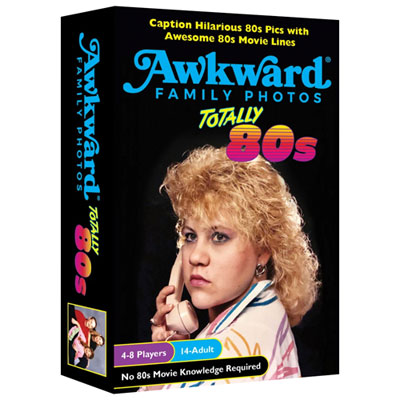
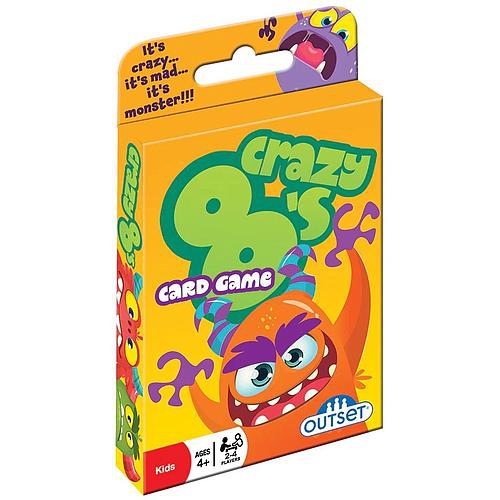


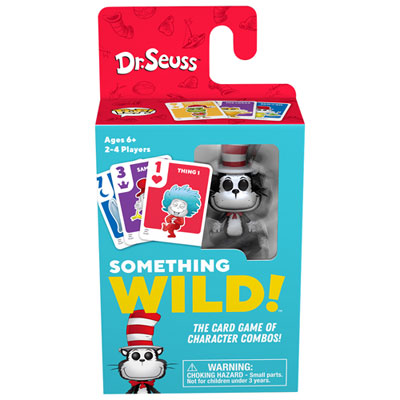
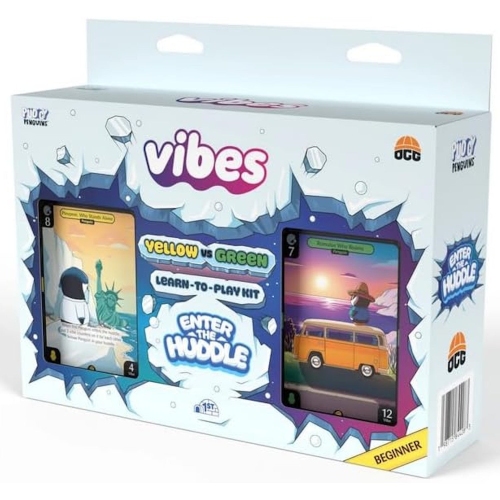


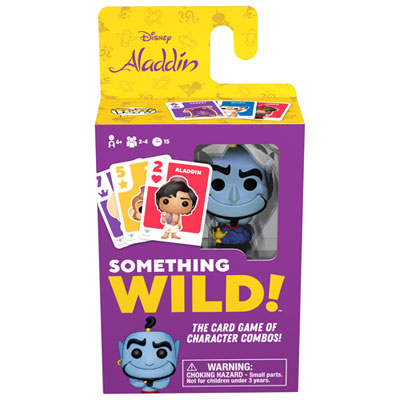
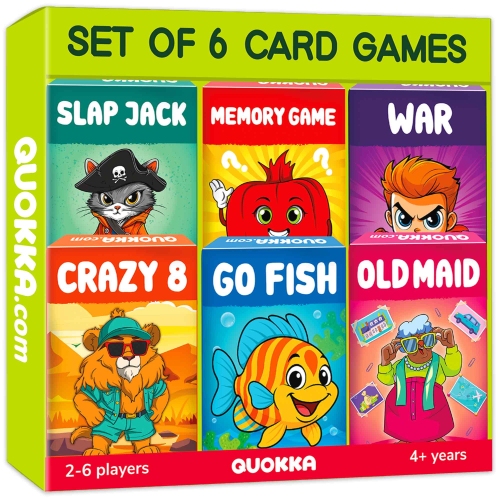

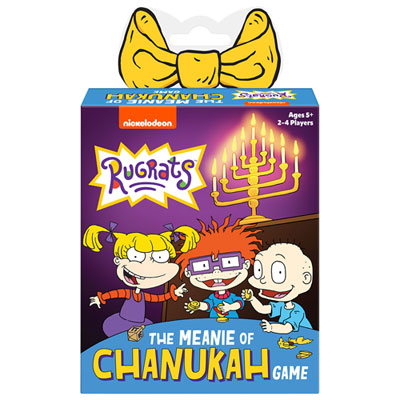
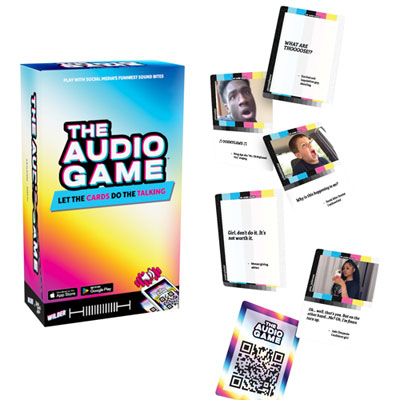
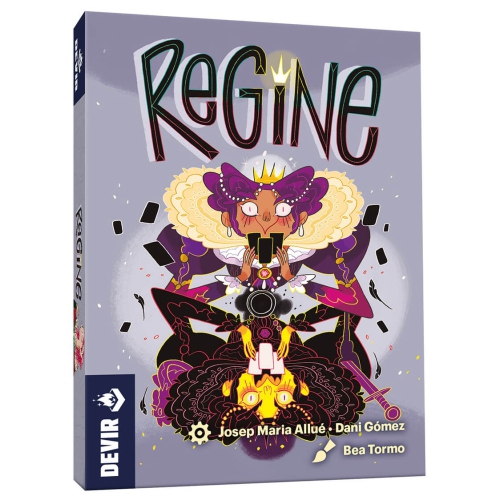
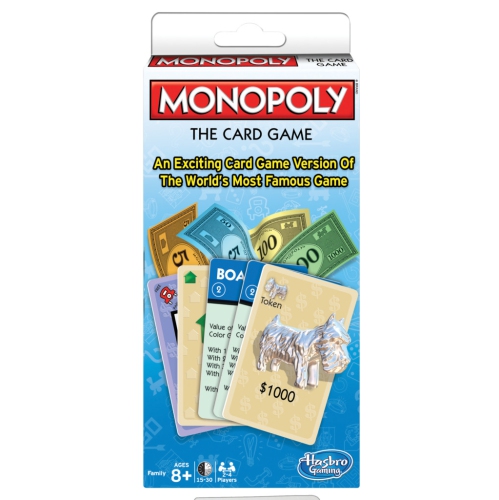
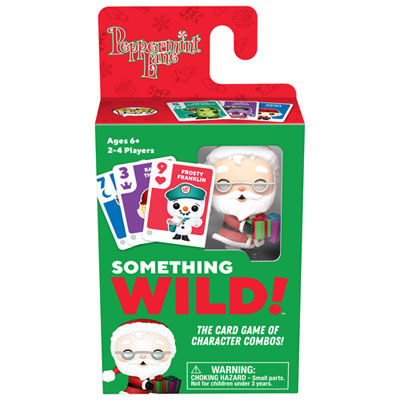
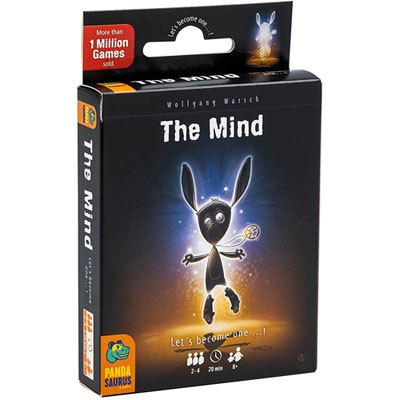
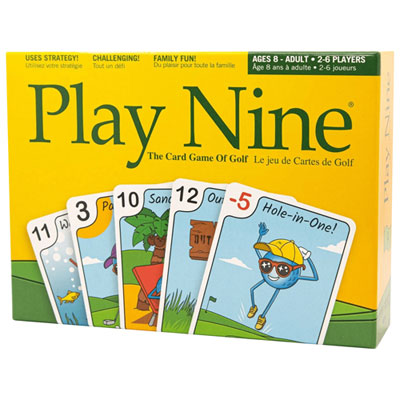

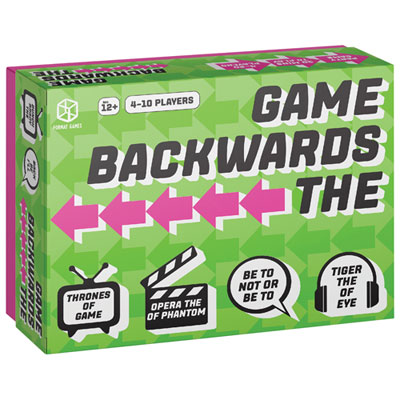

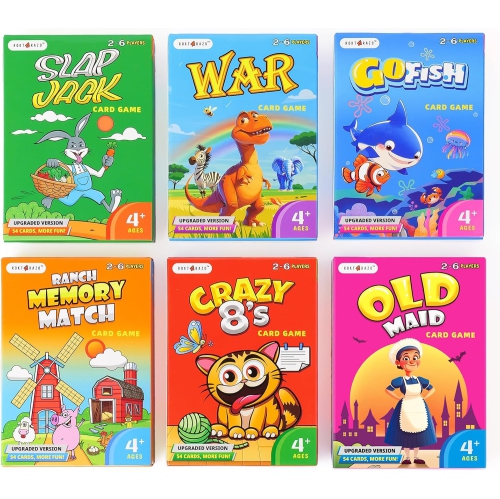
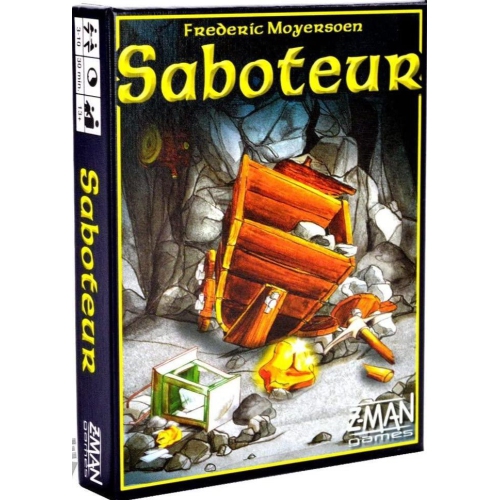
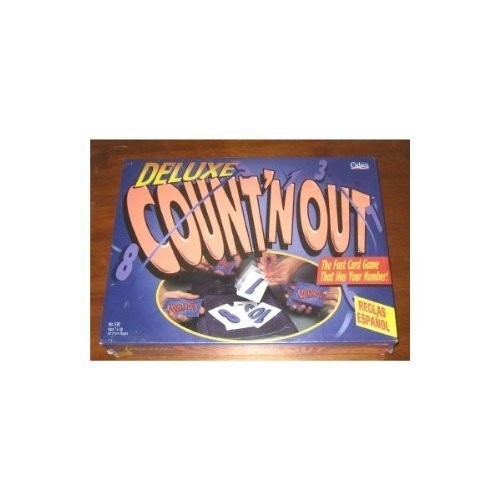
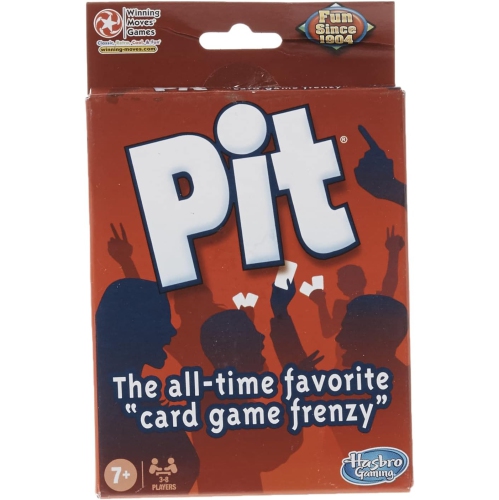
![KONAMI Yu-Gi-Oh Trading Card Game: Ghosts From The Past Box [Card Game, 2 Players]](https://multimedia.bbycastatic.ca/multimedia/products/500x500/155/15554/15554663.jpeg)
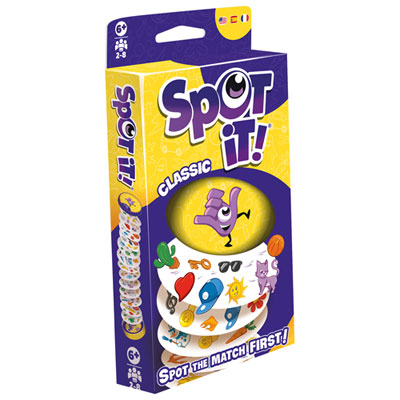
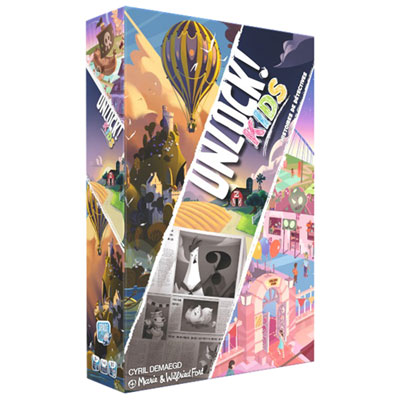
![KONAMI Yu-Gi-Oh Trading Card Game: Yugi's Legendary Decks [Card Game, 2 Players]](https://multimedia.bbycastatic.ca/multimedia/products/500x500/154/15463/15463965.jpeg)

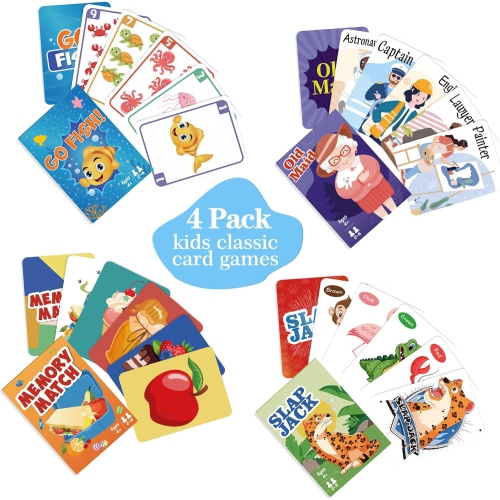
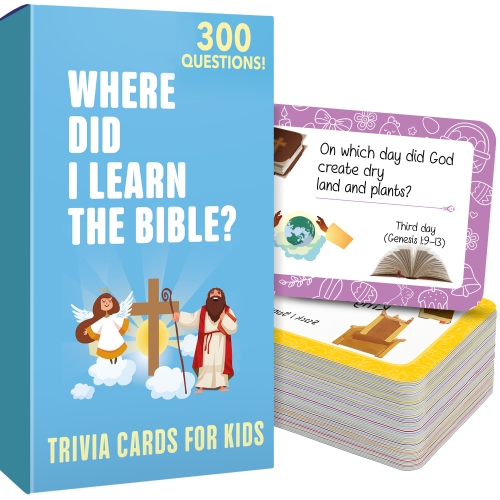
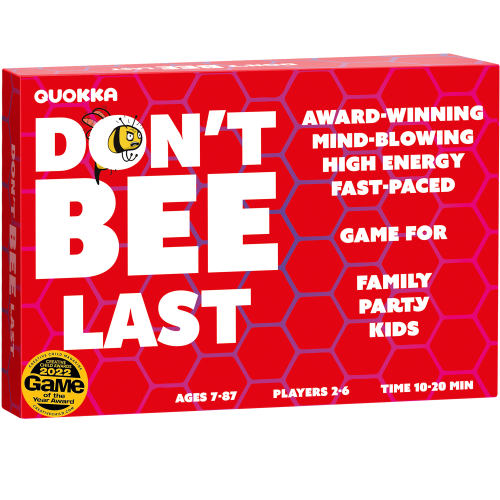
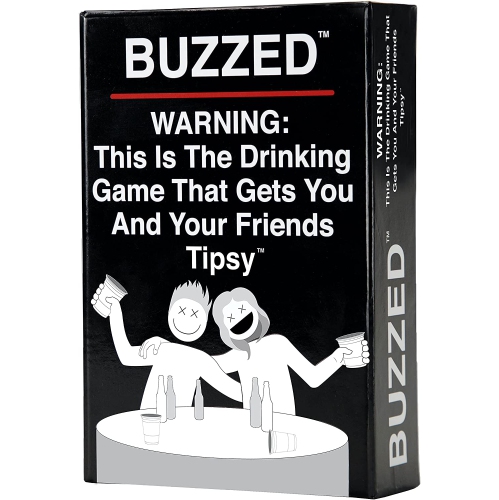
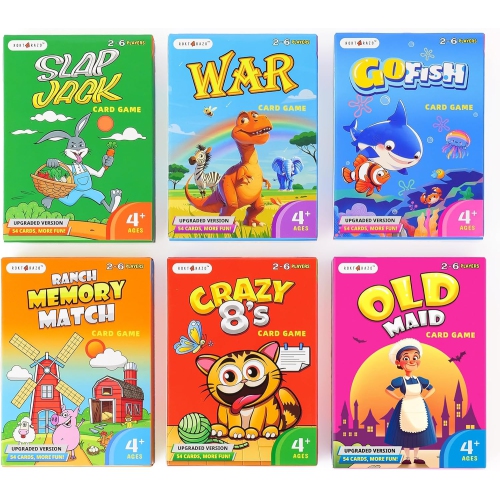
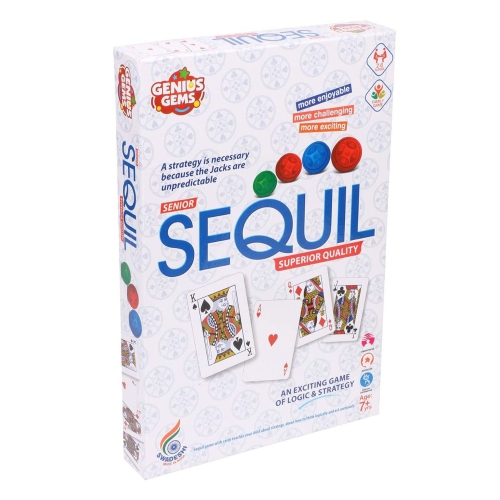
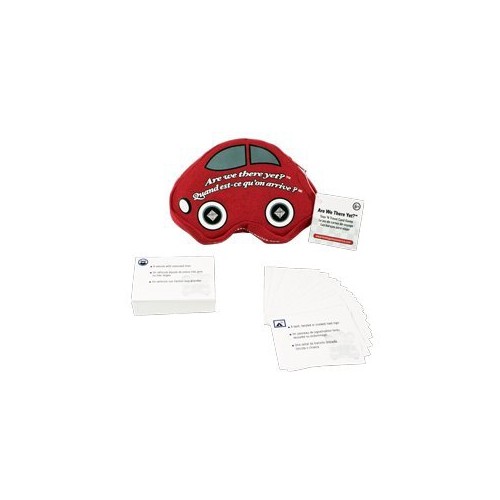

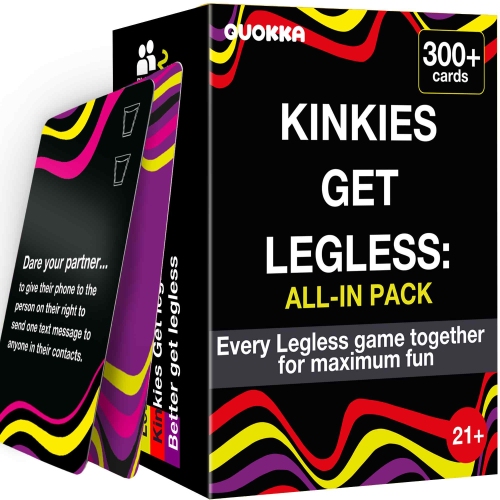
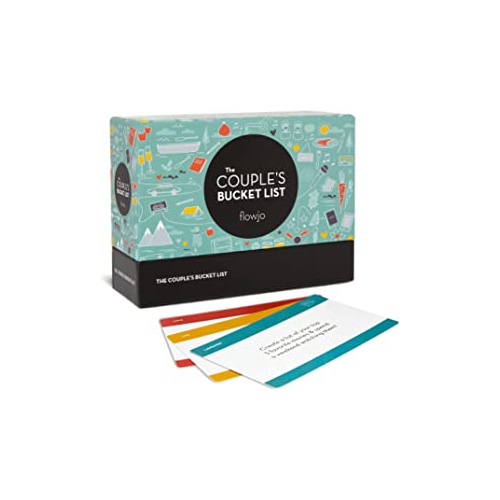

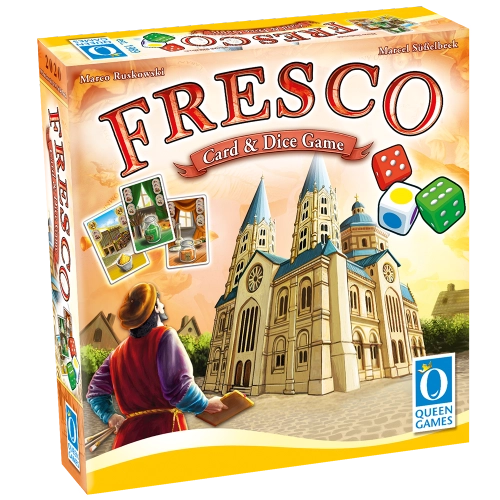
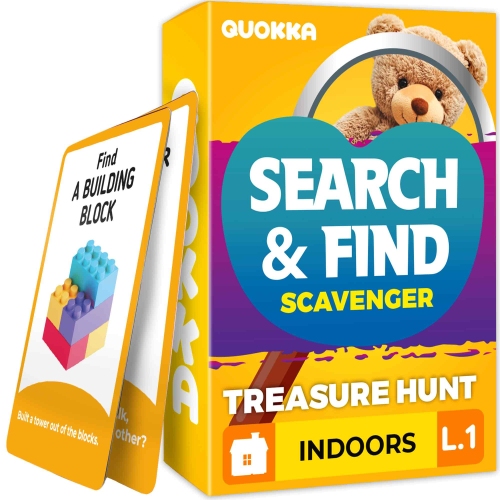
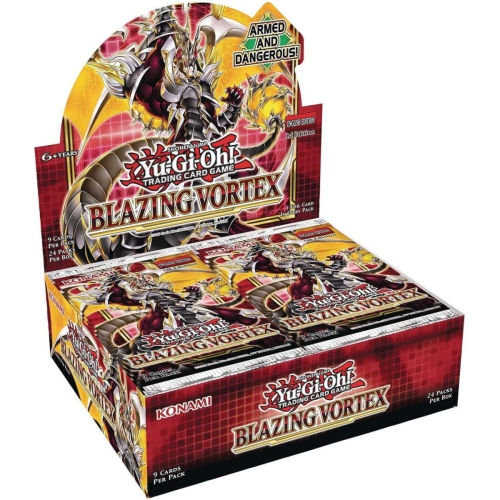
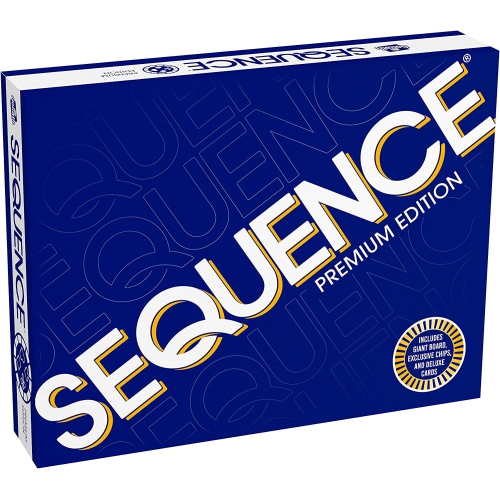
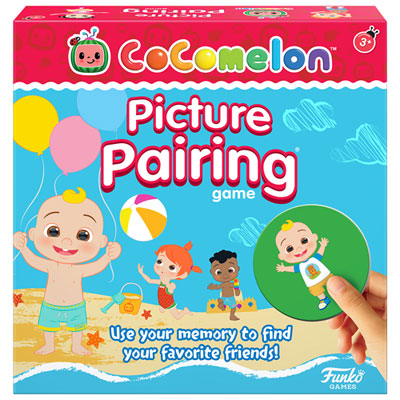
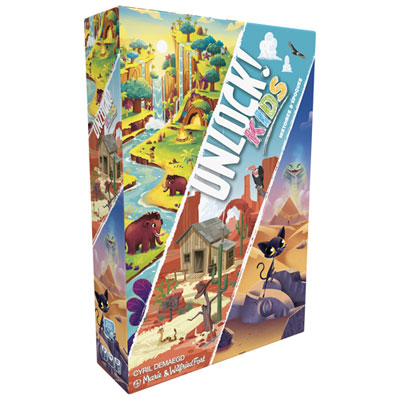
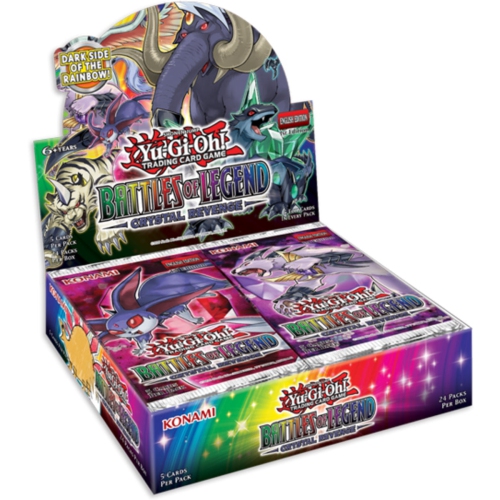
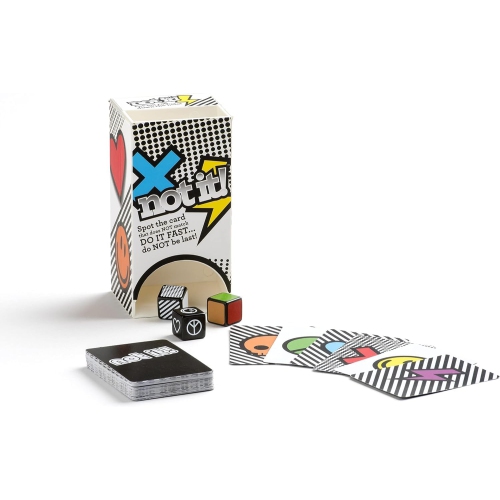
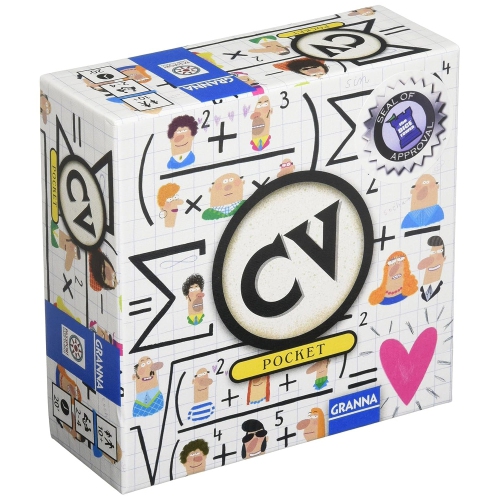
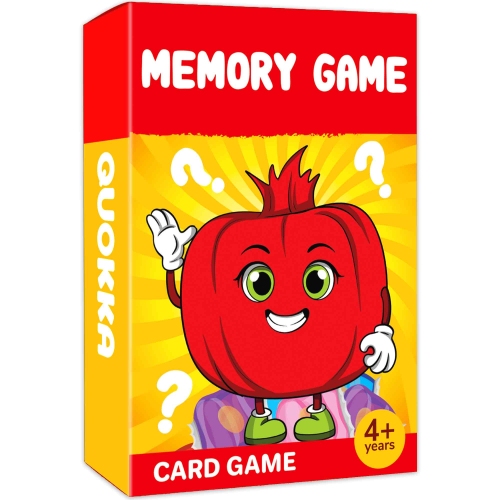
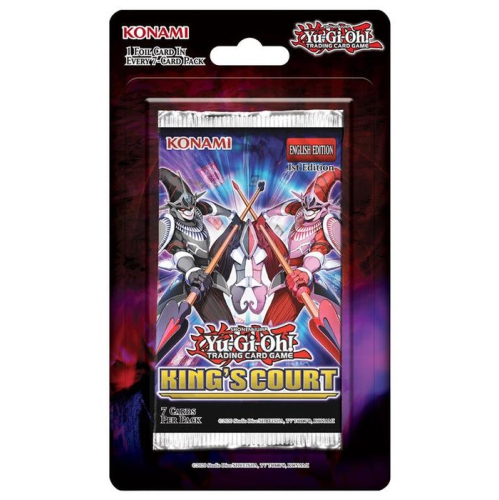
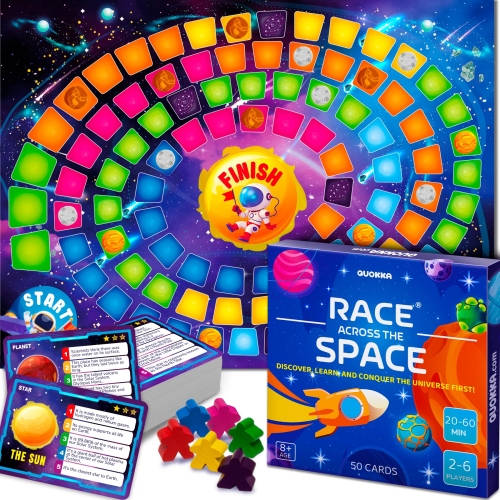

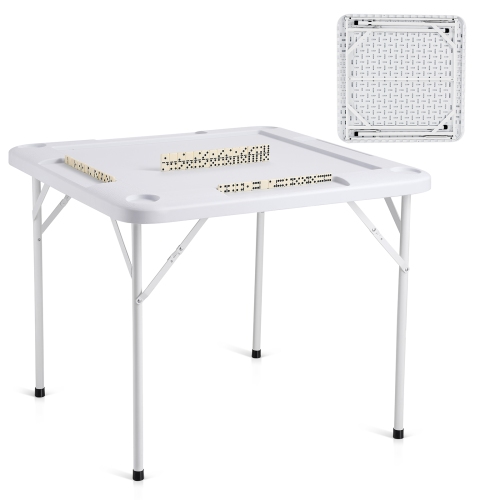
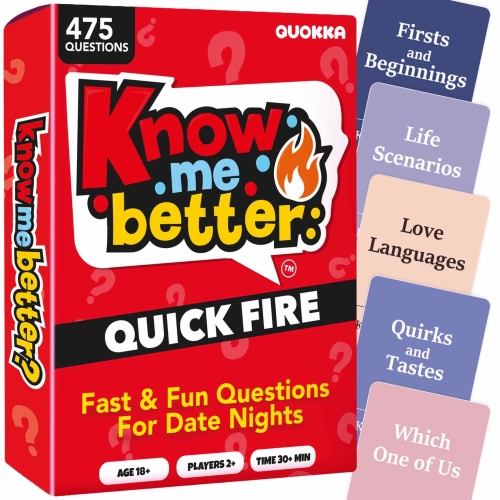
![ASMODEE Dixit Kids [Board Game, 3-6 Players]](https://multimedia.bbycastatic.ca/multimedia/products/500x500/199/19968/19968519.jpeg)
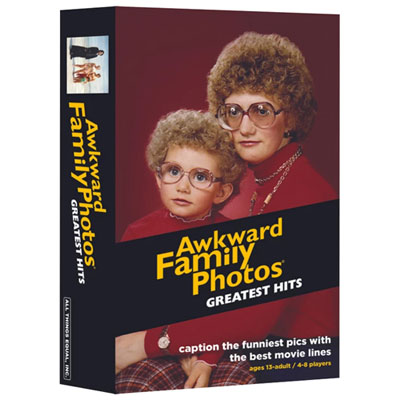
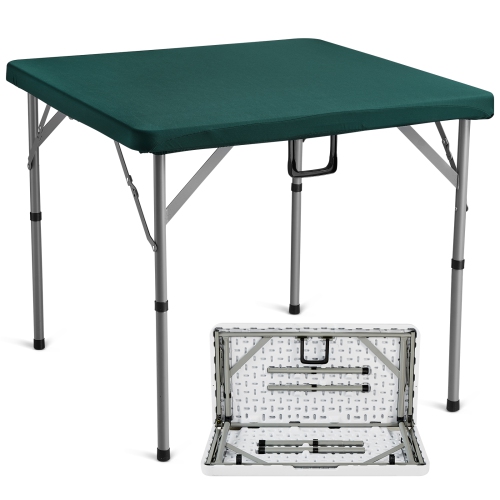
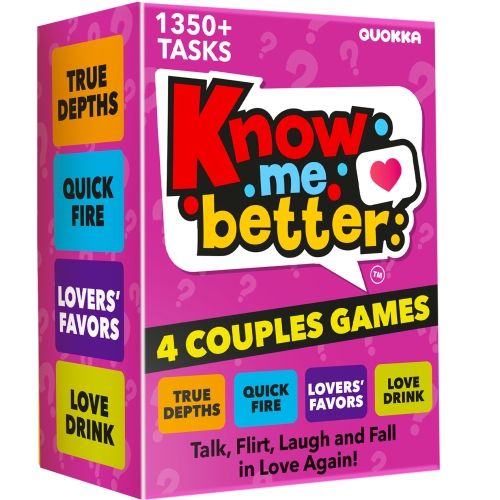
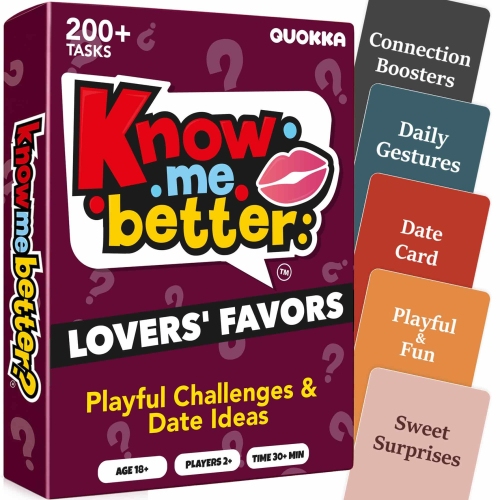
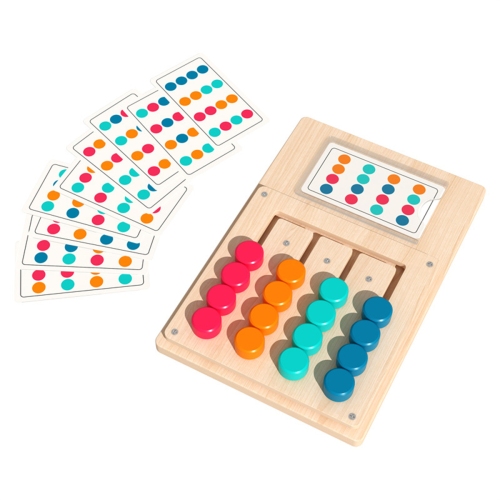

![THUNDERGLYPH GAMES Hats [Board Games, 2-4 Players]](https://multimedia.bbycastatic.ca/multimedia/products/500x500/193/19383/19383506.jpeg)
Easy card games support shared play at home or away
Family card games to play make it easy to turn an ordinary afternoon or evening into shared time around the table. Unlike larger game setups, card games usually require very little space, making them a practical choice for kitchen tables, coffee tables, cottages, apartments, and family rooms. Many options fit in a compact box or pouch, so they can also travel to a friend’s home, a cabin, or a family gathering. The selection of family card games includes simple matching and memory formats, number- and colour-based games, fast-paced games that reward quick thinking, and conversation-focused games that encourage players to share stories, make guesses, or complete playful challenges. Traditional games played with a standard 52-card deck can also be a flexible choice, particularly for households that want to try several formats without buying a separate game for each one. Depending on the rules, players may collect sets, match the rank or suit of a card, ask other players for cards, race to empty their hands, or react quickly when a certain combination appears. These familiar patterns are easy to explain and can help younger players practise counting, observation, memory, turn-taking, and following instructions while older players enjoy the humour, competition, and surprise that develop around the table. For more ideas suited to family gatherings and shared play, explore Card Games for Family Day.
When choosing a family card game, consider the ages, attention spans, and playing styles of the people who will be using it. Games with clear symbols, large print, straightforward turns, and a short playing time can be especially welcoming for younger children or players who are new to card games. Older children may enjoy a little more strategy, such as deciding when to play a special card, remembering which cards have already appeared, or weighing a risky move against a safer one. If a household includes a wide age range, look for games that offer simple core rules but leave room for experienced players to develop tactics as they become more familiar with the format. The recommended number of players matters as well: some games are best for two people, while others become more lively with a larger group. A quick game can work well before dinner, between activities, or at the end of a busy day, whereas a longer game may suit an unhurried weekend afternoon. It is also worth checking the recommended age range, average play time, language requirements, card size, and whether the game includes all required components. Durable cards can be helpful in homes where games are used often, while easy-to-sort decks and a secure box make cleanup simpler. For children, consider whether the artwork and reading level feel inviting without making the game difficult to understand. For adults and teens, look for enough variety to keep repeat plays interesting, especially when the same game will be brought out during cooler months, family visits, or regular game nights.
Family card games can be thoughtful gifts because they offer an experience that recipients can enjoy together rather than an item that is used once and put away. They are suitable for birthdays, family celebrations, housewarming gifts, visits with grandparents, and seasonal gatherings when everyone is looking for an easy activity between meals or after spending time outdoors. A compact card game can also be a useful choice for students, travellers, or families who have limited storage space. When giving one as a gift, think about the recipient’s household and choose a style that matches how they like to spend time together. A lively group may appreciate a quick, energetic game with simultaneous play and plenty of laughter, while a quieter household may prefer a game built around collecting sets, planning turns, or answering prompts. Conversation-based formats can help relatives reconnect, while cooperative games give players a shared goal and may be a good fit for children who find direct competition frustrating. Games with adjustable difficulty or multiple variations can grow with a family, allowing younger players to start with simplified rules and gradually take on more decisions. Card games can also become part of a familiar household ritual: cards spread across the table, a bowl of snacks nearby, and everyone pausing to remember a rule or celebrate an unexpected comeback. Whether the goal is to introduce children to turn-based play, give teens an alternative to screen time, or make family visits feel more relaxed, the right card game creates an accessible reason to sit together. Looking through a range of family card games to play makes it easier to find an option that fits the group, the available space, and the kind of shared experience the household wants to enjoy.
When choosing a family card game, consider the ages, attention spans, and playing styles of the people who will be using it. Games with clear symbols, large print, straightforward turns, and a short playing time can be especially welcoming for younger children or players who are new to card games. Older children may enjoy a little more strategy, such as deciding when to play a special card, remembering which cards have already appeared, or weighing a risky move against a safer one. If a household includes a wide age range, look for games that offer simple core rules but leave room for experienced players to develop tactics as they become more familiar with the format. The recommended number of players matters as well: some games are best for two people, while others become more lively with a larger group. A quick game can work well before dinner, between activities, or at the end of a busy day, whereas a longer game may suit an unhurried weekend afternoon. It is also worth checking the recommended age range, average play time, language requirements, card size, and whether the game includes all required components. Durable cards can be helpful in homes where games are used often, while easy-to-sort decks and a secure box make cleanup simpler. For children, consider whether the artwork and reading level feel inviting without making the game difficult to understand. For adults and teens, look for enough variety to keep repeat plays interesting, especially when the same game will be brought out during cooler months, family visits, or regular game nights.
Family card games can be thoughtful gifts because they offer an experience that recipients can enjoy together rather than an item that is used once and put away. They are suitable for birthdays, family celebrations, housewarming gifts, visits with grandparents, and seasonal gatherings when everyone is looking for an easy activity between meals or after spending time outdoors. A compact card game can also be a useful choice for students, travellers, or families who have limited storage space. When giving one as a gift, think about the recipient’s household and choose a style that matches how they like to spend time together. A lively group may appreciate a quick, energetic game with simultaneous play and plenty of laughter, while a quieter household may prefer a game built around collecting sets, planning turns, or answering prompts. Conversation-based formats can help relatives reconnect, while cooperative games give players a shared goal and may be a good fit for children who find direct competition frustrating. Games with adjustable difficulty or multiple variations can grow with a family, allowing younger players to start with simplified rules and gradually take on more decisions. Card games can also become part of a familiar household ritual: cards spread across the table, a bowl of snacks nearby, and everyone pausing to remember a rule or celebrate an unexpected comeback. Whether the goal is to introduce children to turn-based play, give teens an alternative to screen time, or make family visits feel more relaxed, the right card game creates an accessible reason to sit together. Looking through a range of family card games to play makes it easier to find an option that fits the group, the available space, and the kind of shared experience the household wants to enjoy.
Top selling and popular products
-
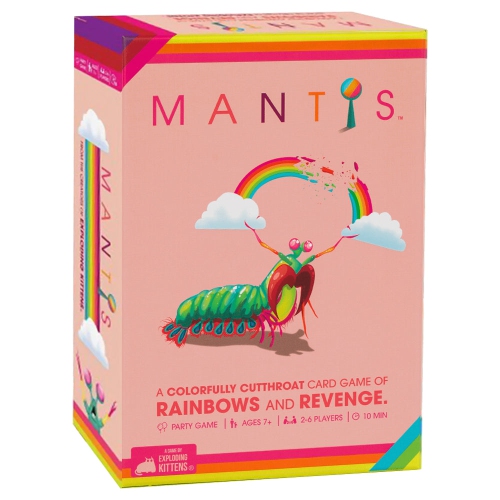 Your price for this item is $43.95
 -
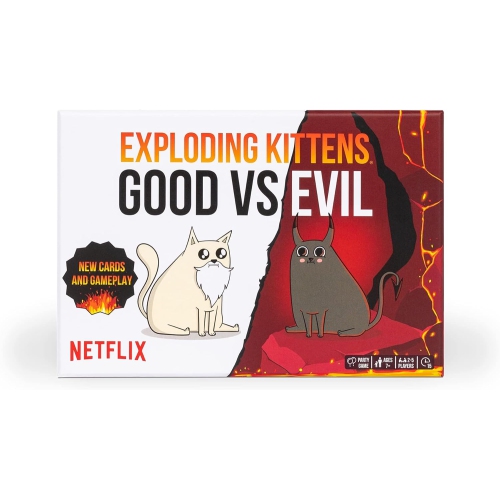 Your price for this item is $34.99
 -
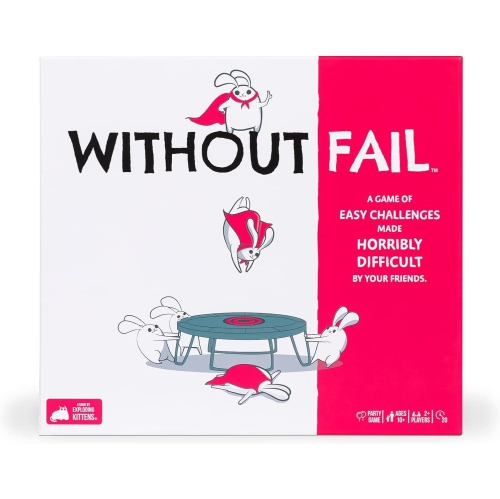 Your price for this item is $19.99
 -
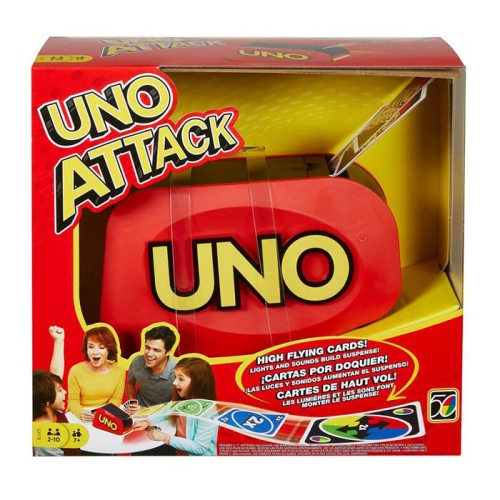 Your price for this item is $43.99
 -
 Your price for this item is $7.98
 -
 Your price for this item is $17.19
 -
 Your price for this item is $40
 -
 Your price for this item is $20.69
Discover more categories related to Family Card Games To Play
Top Collections:
Pokemon Centers, Kindle Devices, Best Budget Office Chairs, Canon G7X Cameras, Apple iPhones 16, Samsung Galaxy Phones, Refurbished Apple Laptops, Laptops for Students, iPhone 15 Apple, Budget Smartphones
Some products may be subject to Environmental Handling Fees
(EHF) depending on your province.
Learn more about EHFs.