Fun Card Games
Card games are a great way to spend time with family and friends. They're also a fun way to relax and de-stress. And they're a great way to learn new skills. Whether you're new to the game or have been playing for years, there's a card game out there for you.
Sort

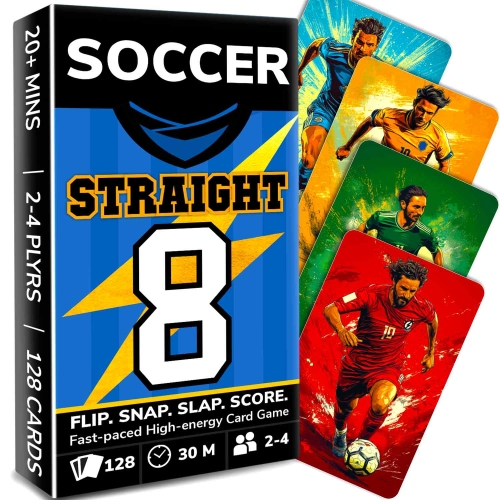
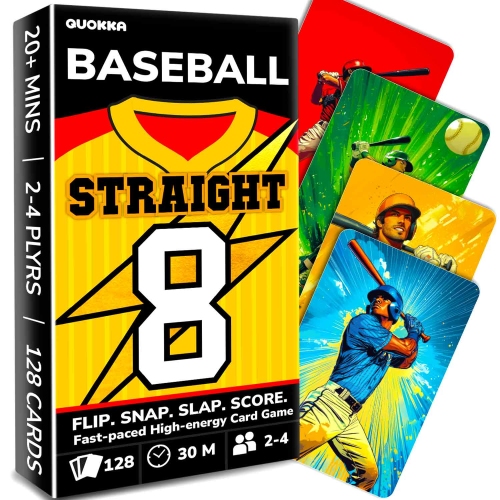
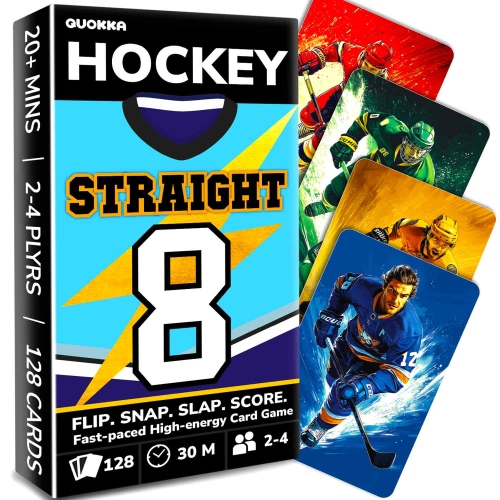
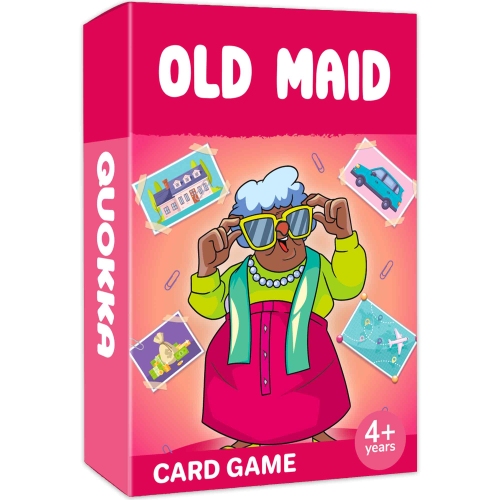
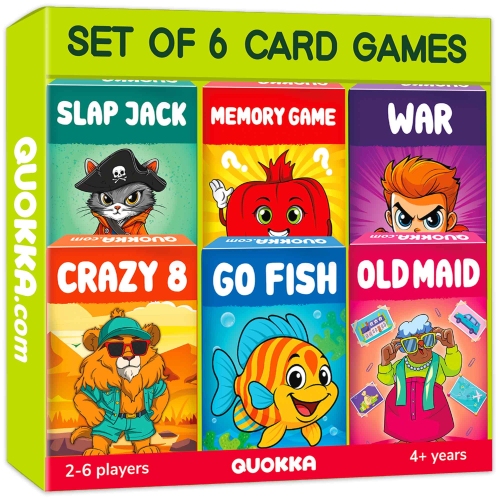
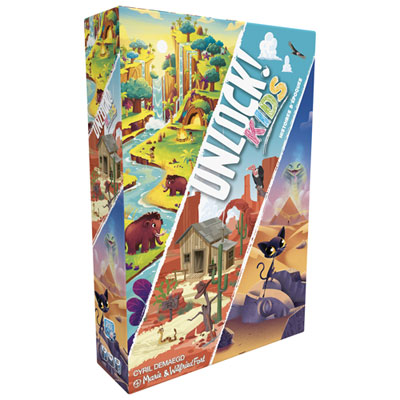
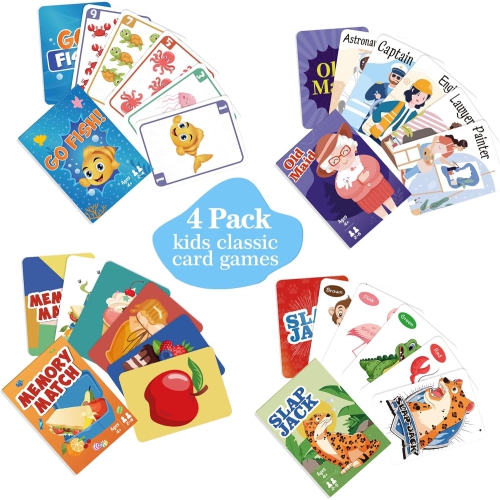
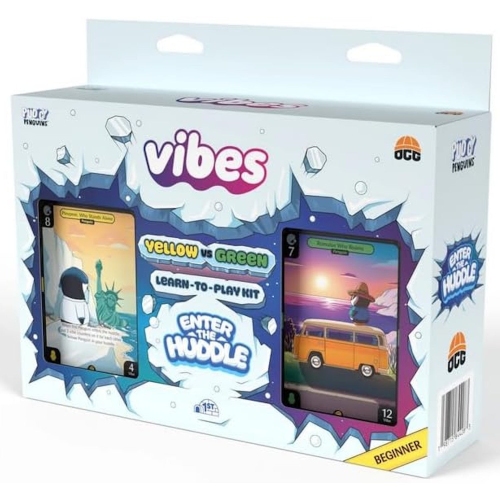
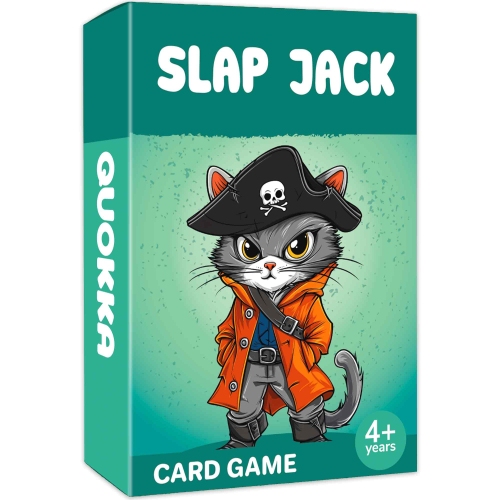
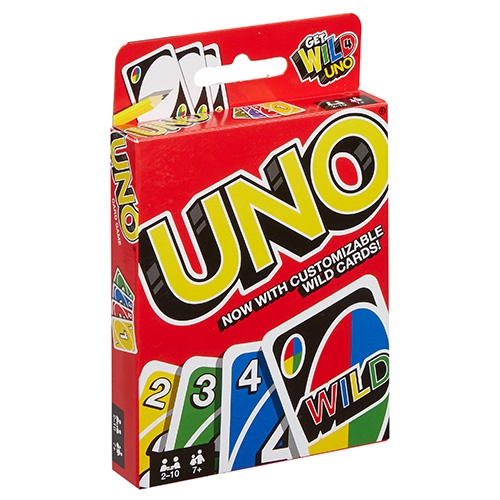

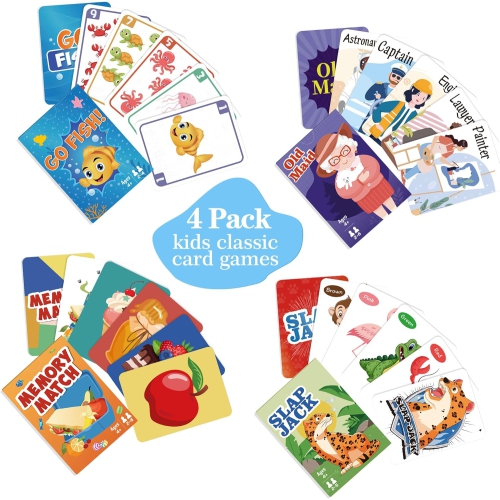
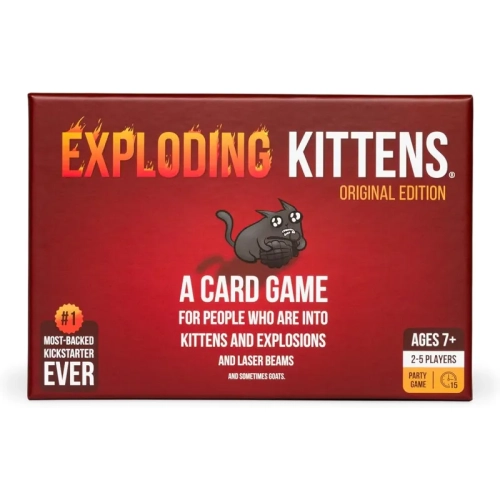
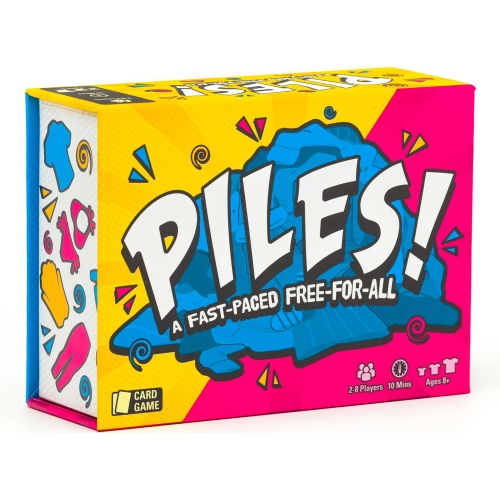
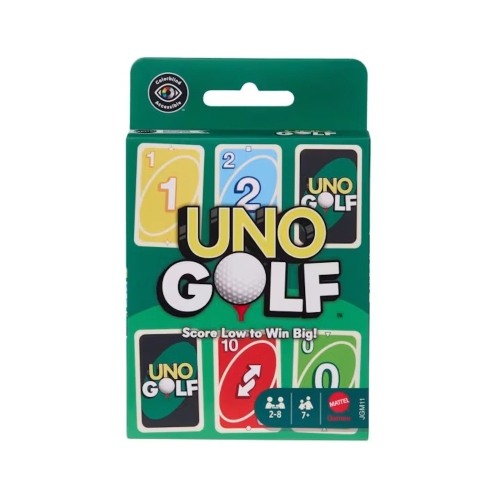
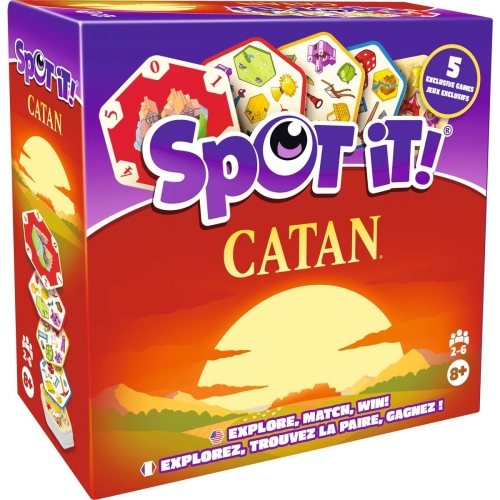




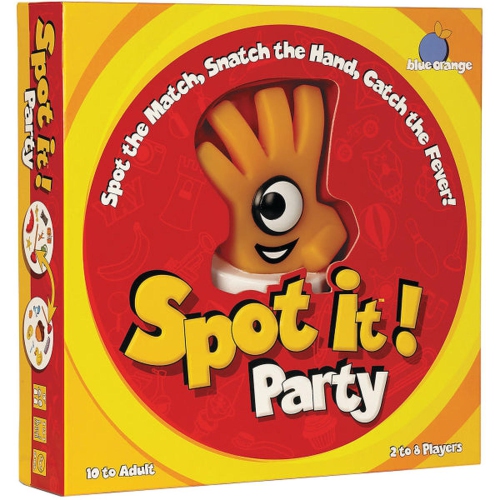
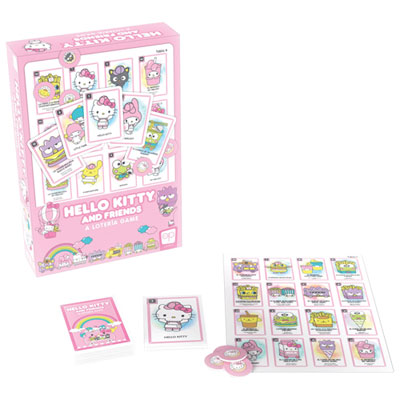


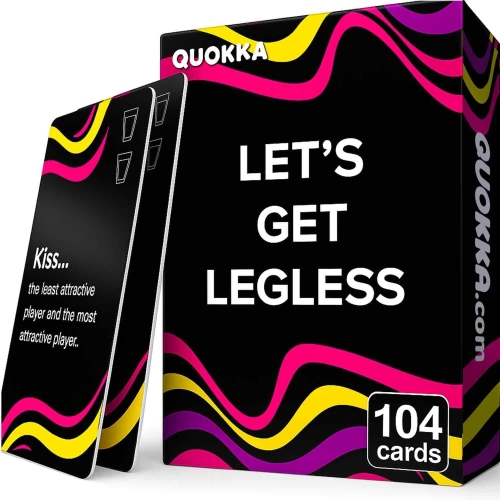
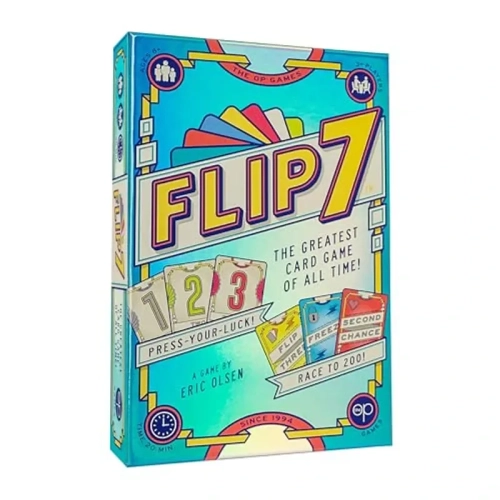
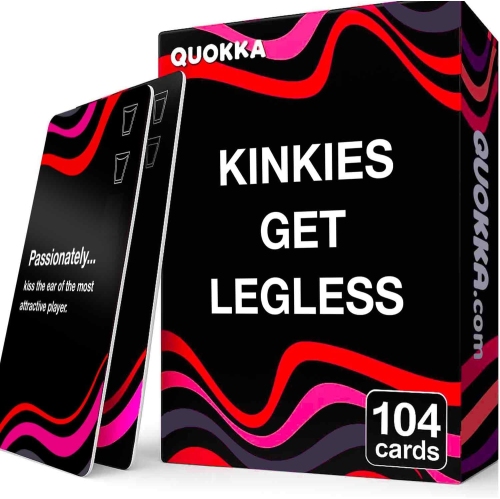
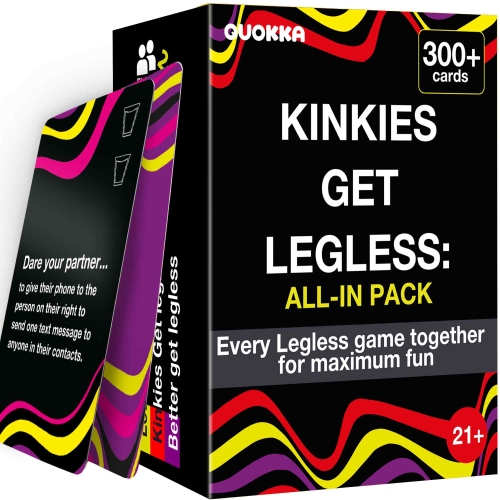
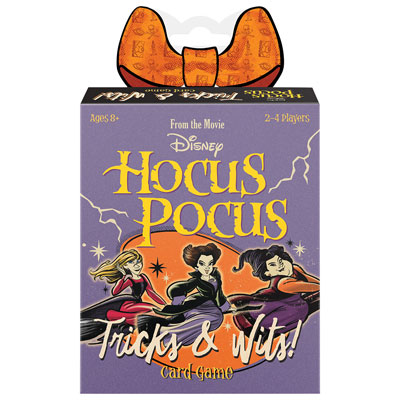

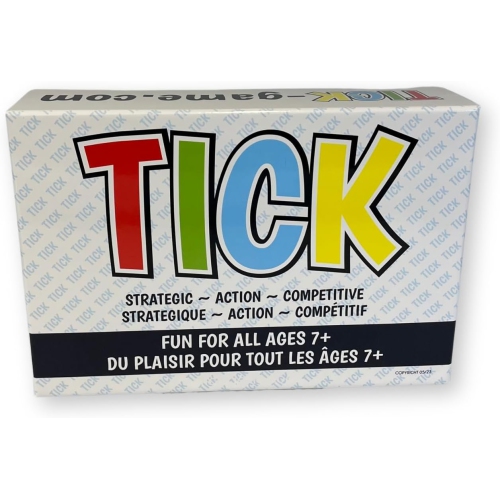
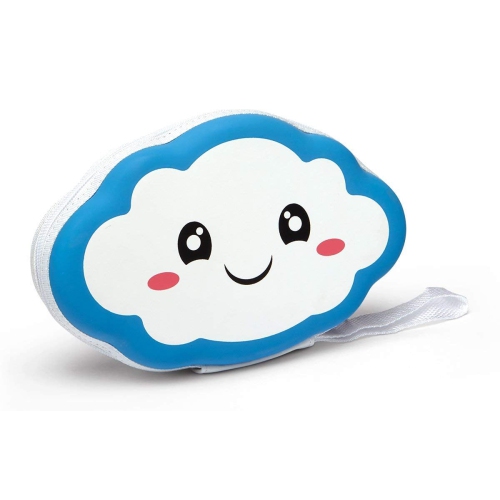
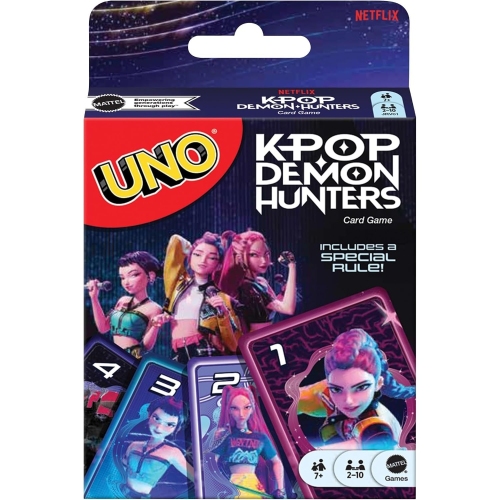
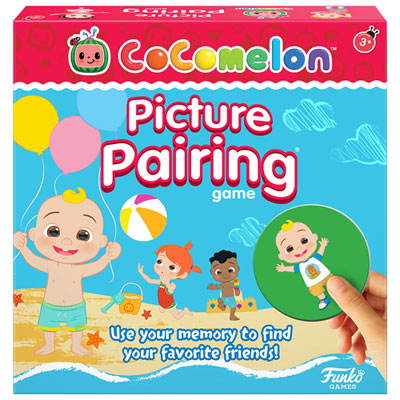
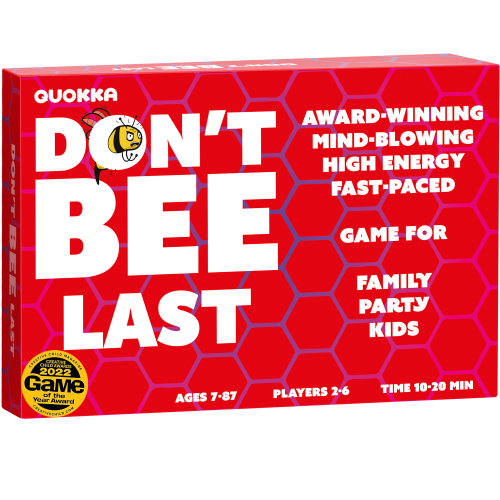
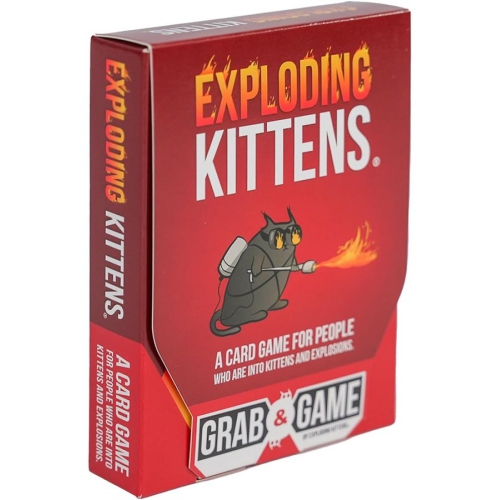

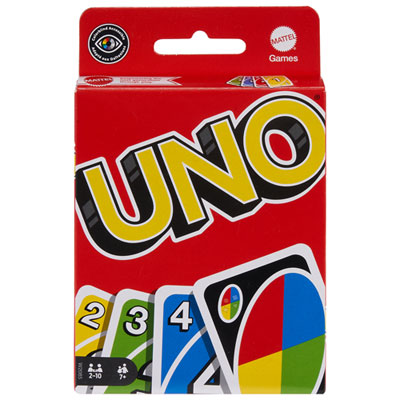
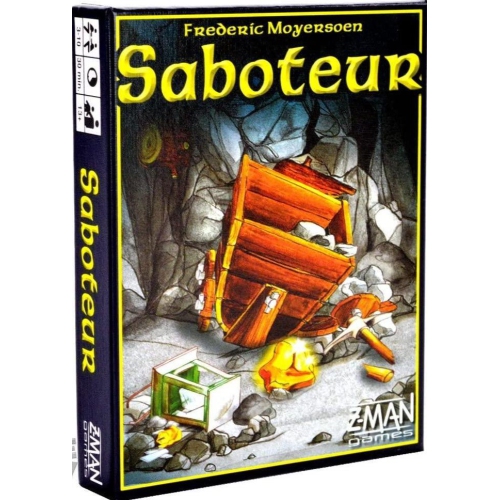
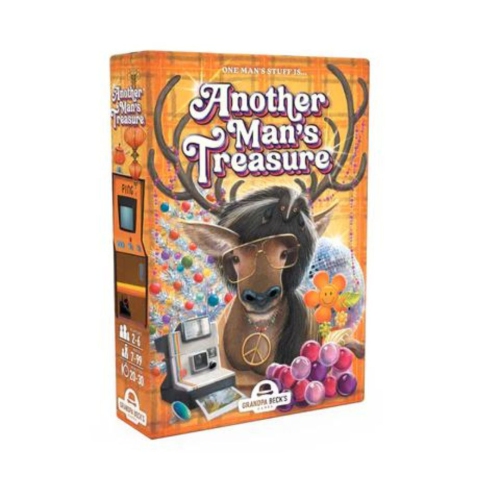

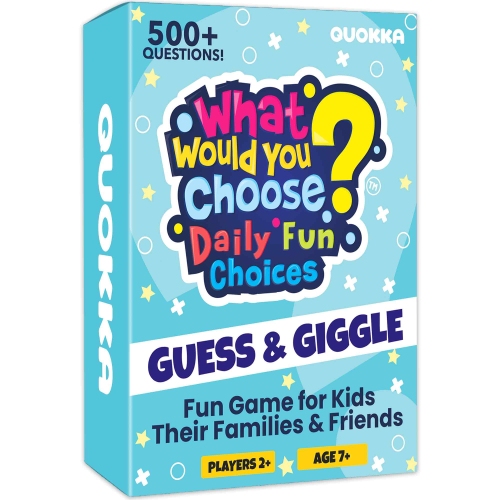
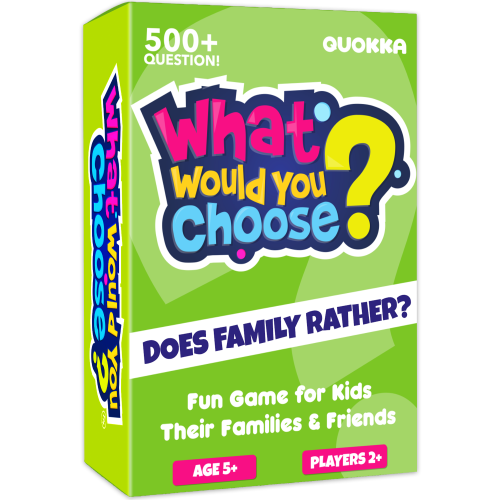
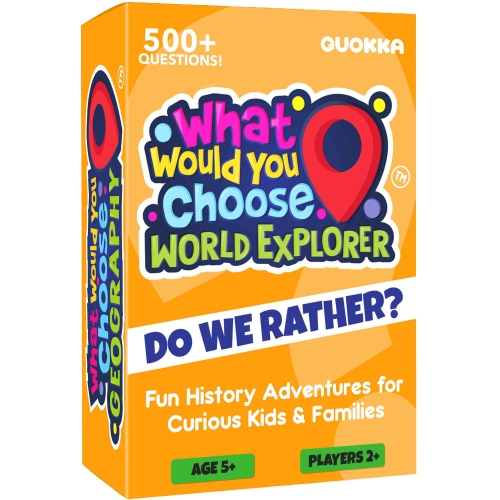

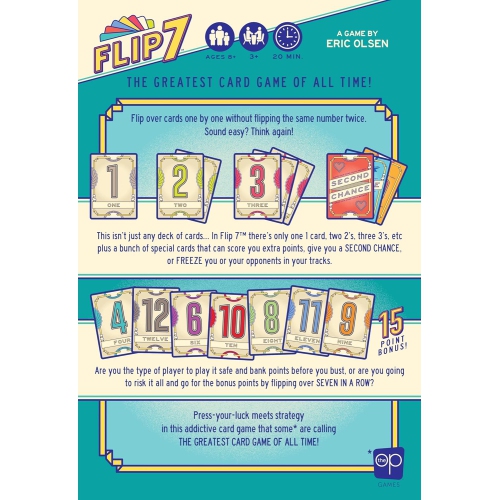
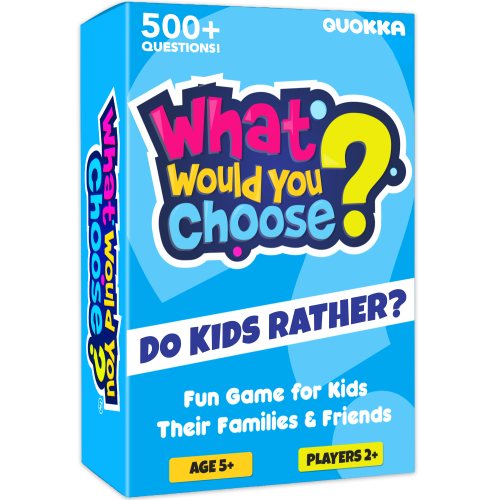
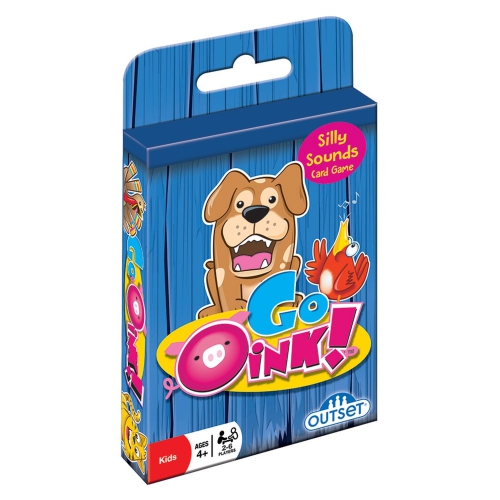
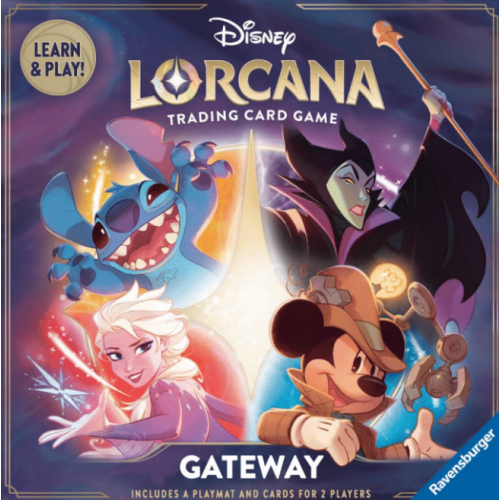
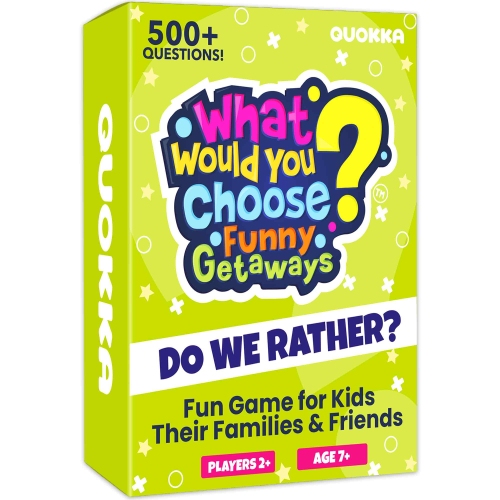
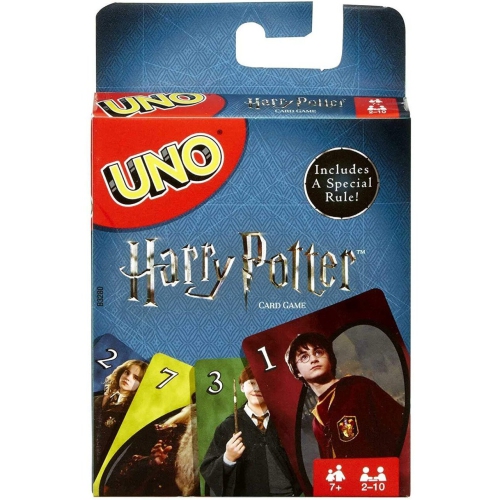
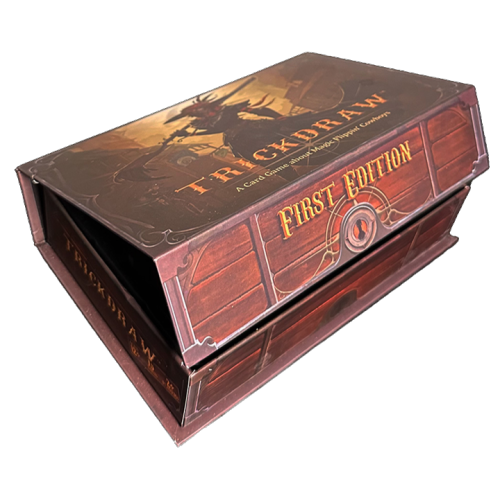


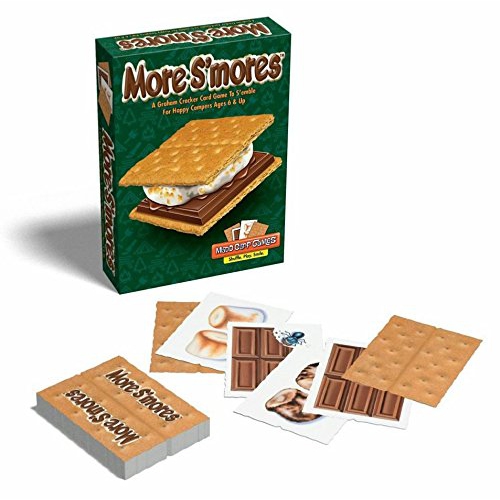
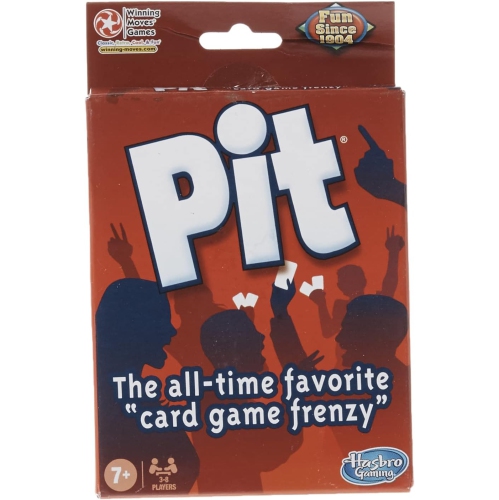
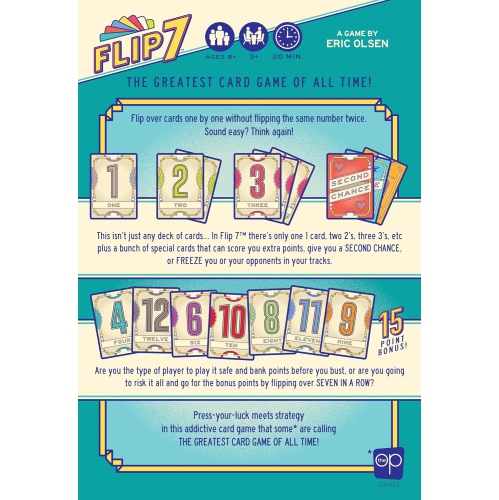
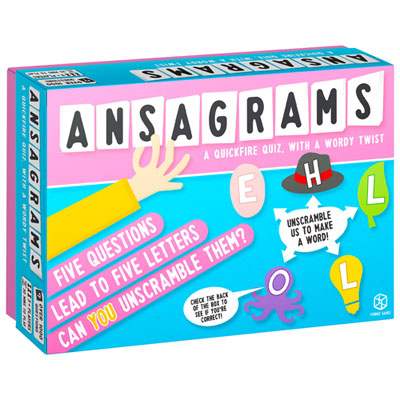

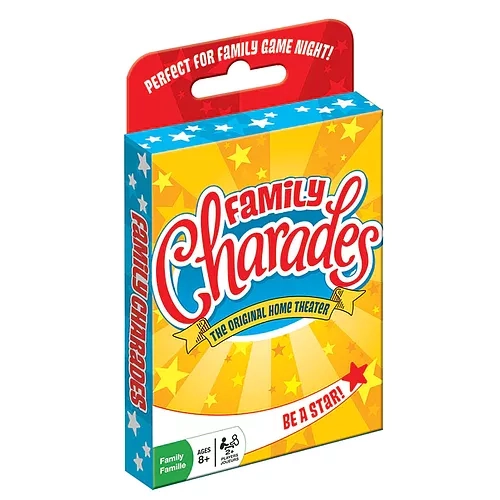

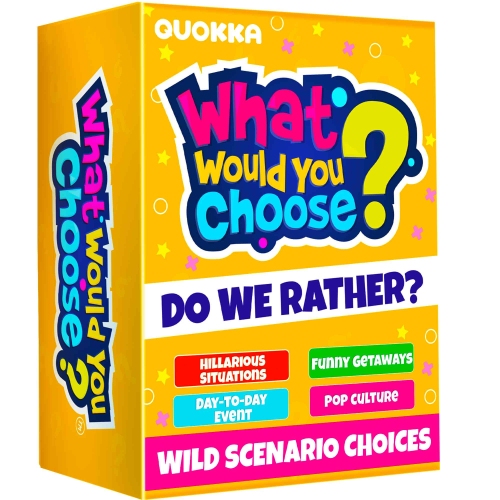
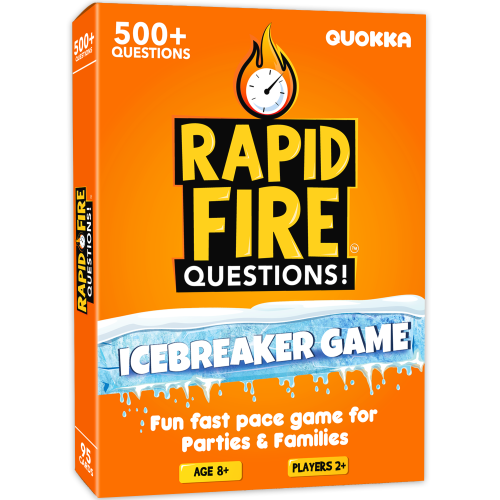
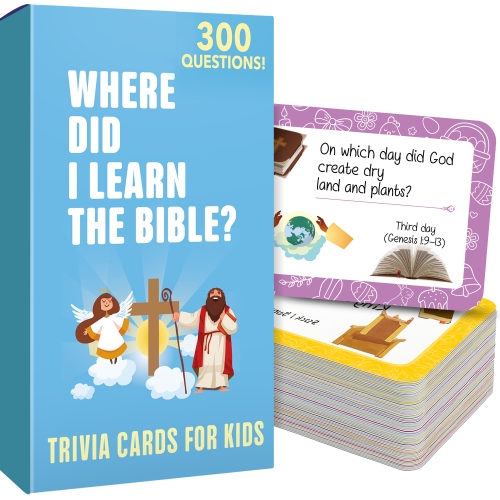
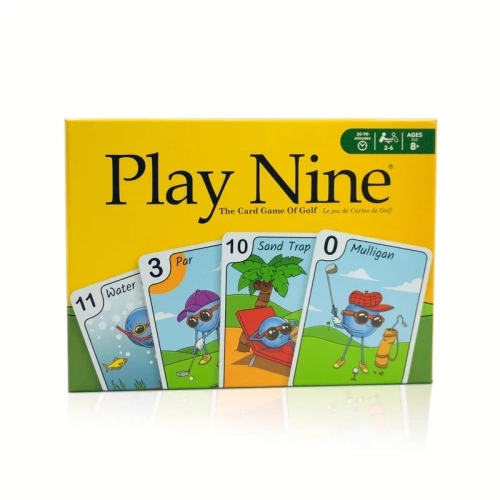


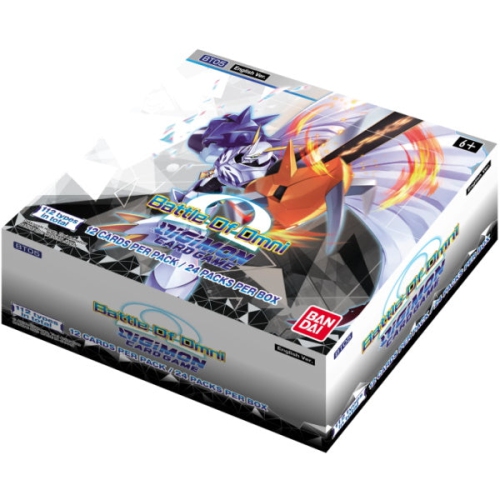
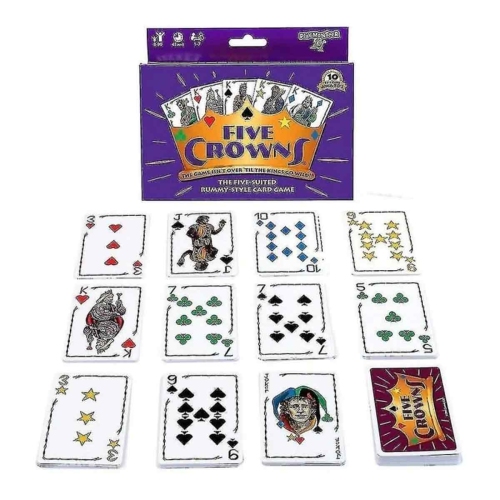


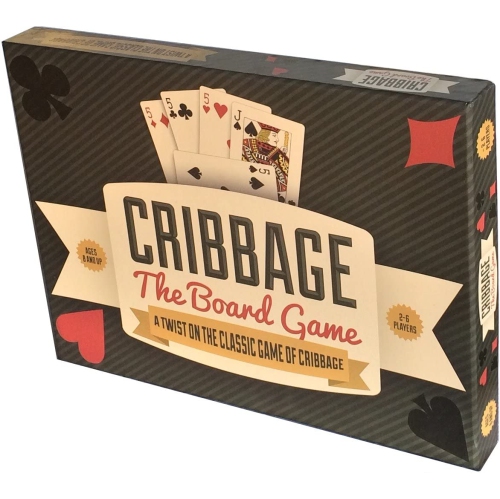

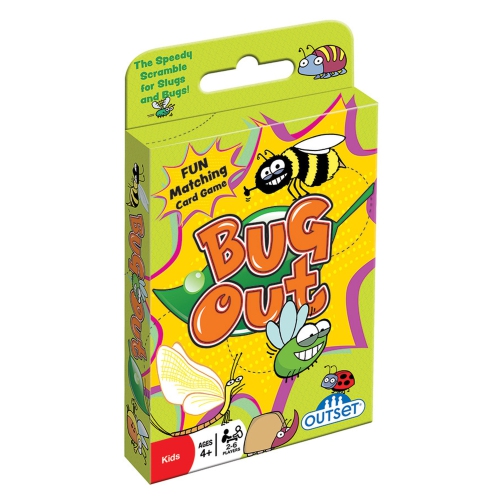



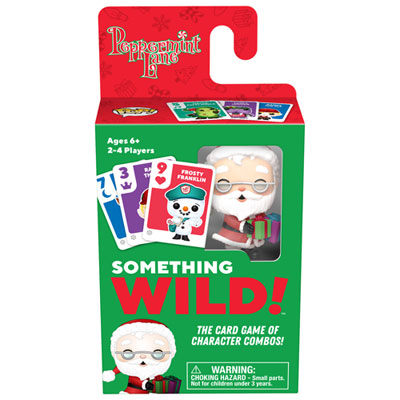
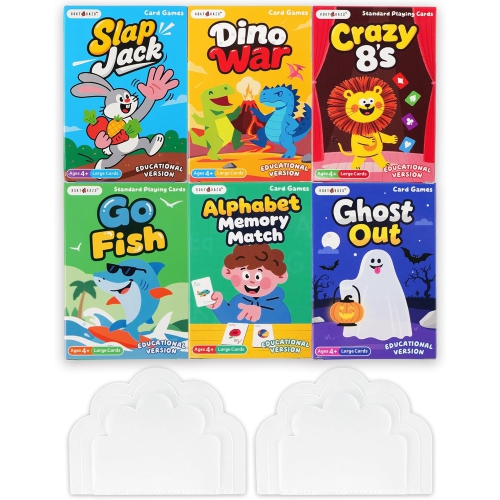
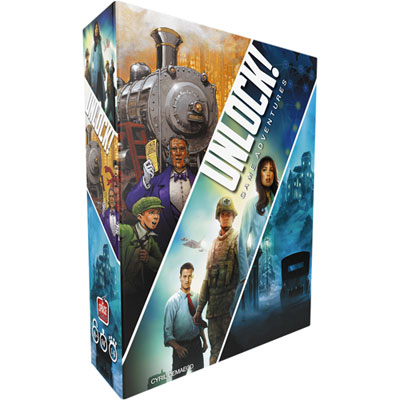
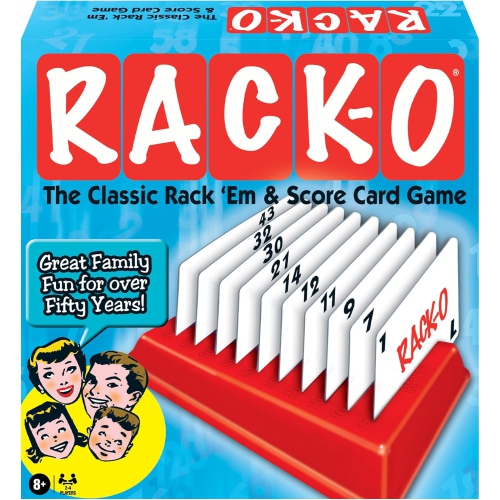
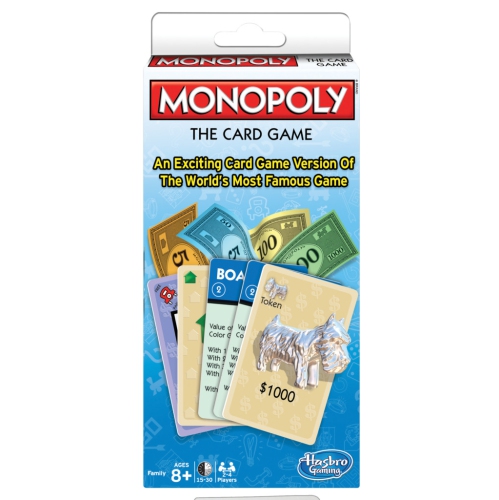
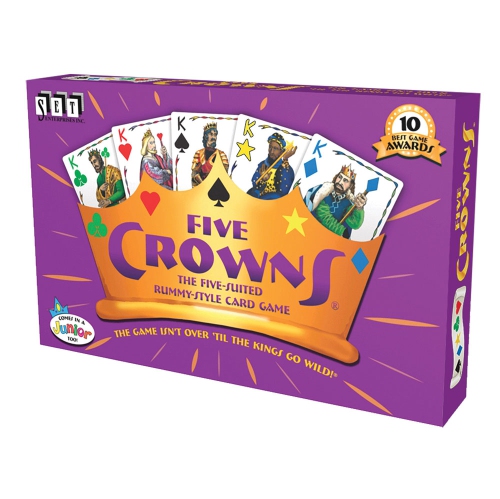
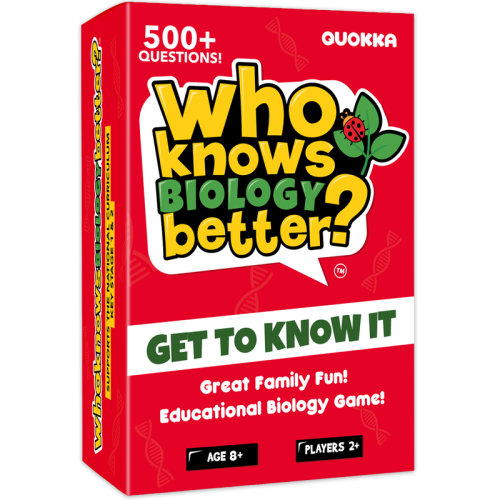

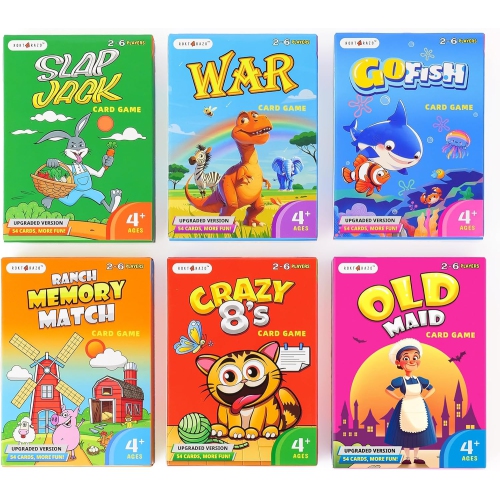
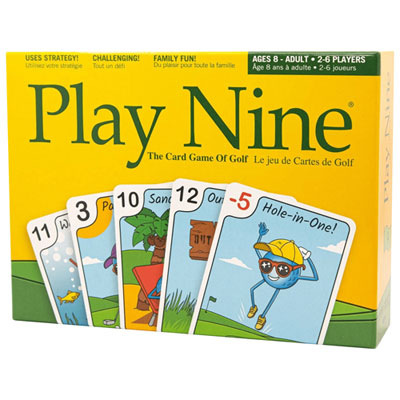
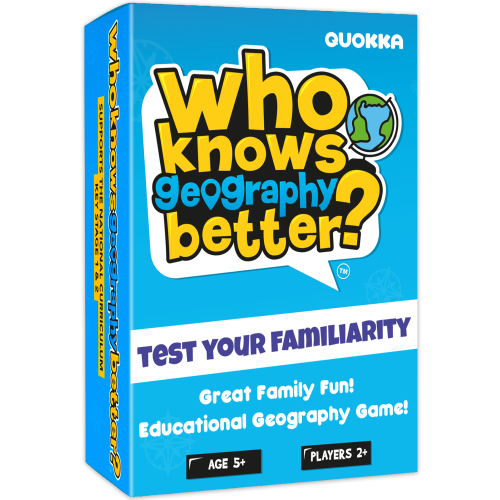
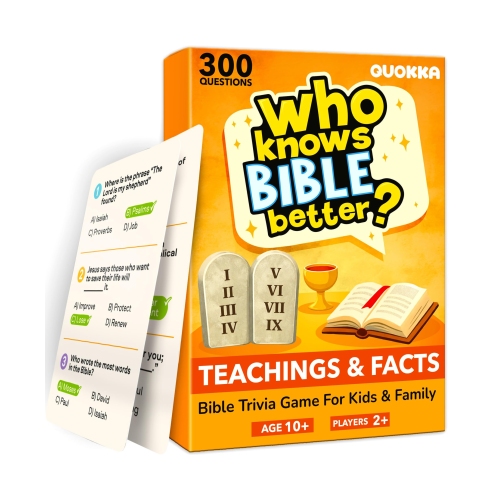
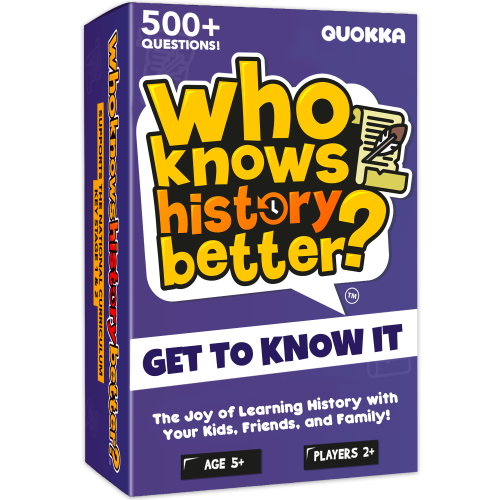
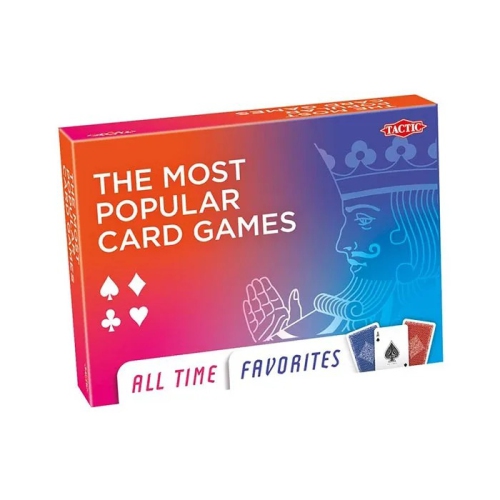
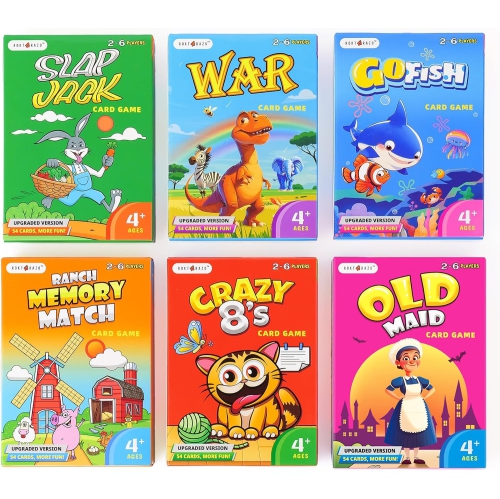
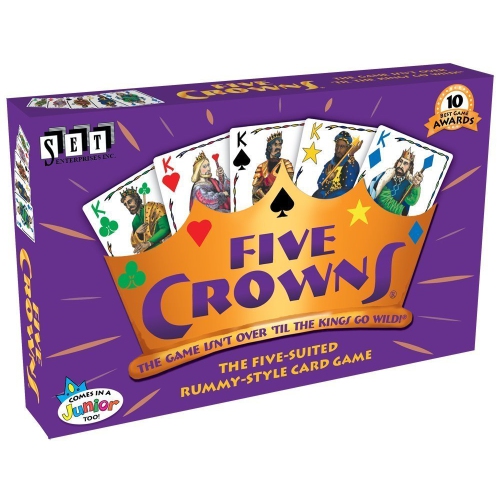
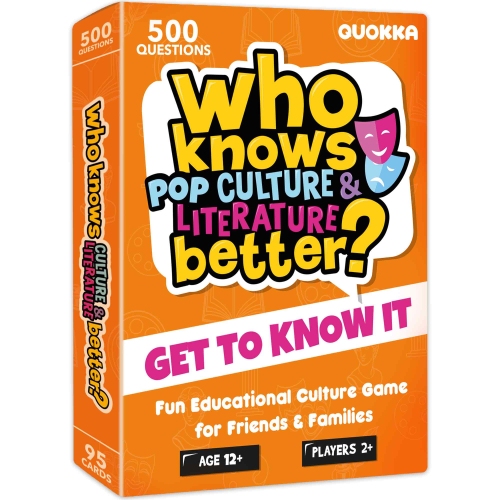


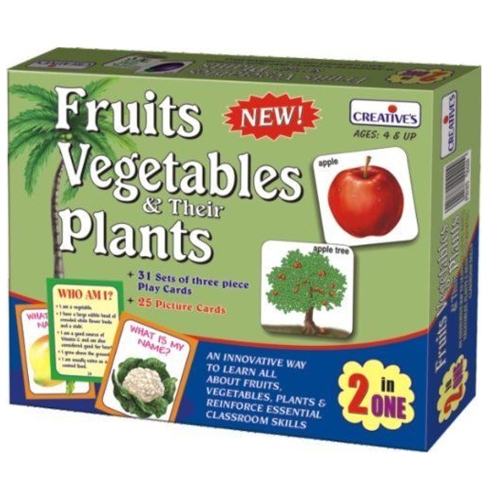
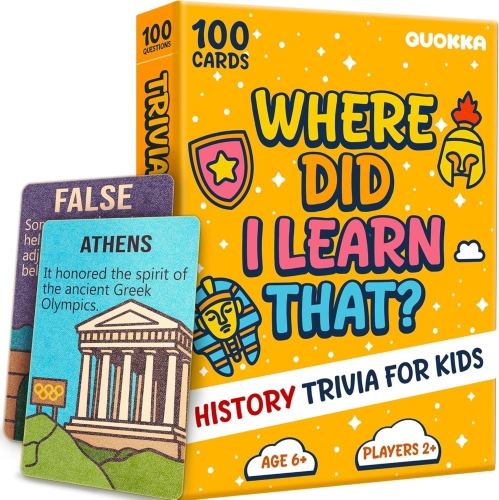

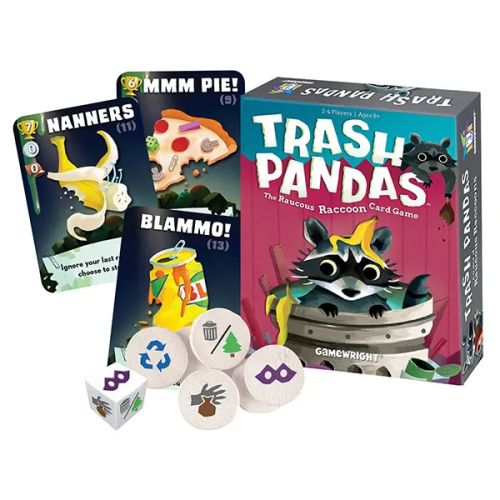
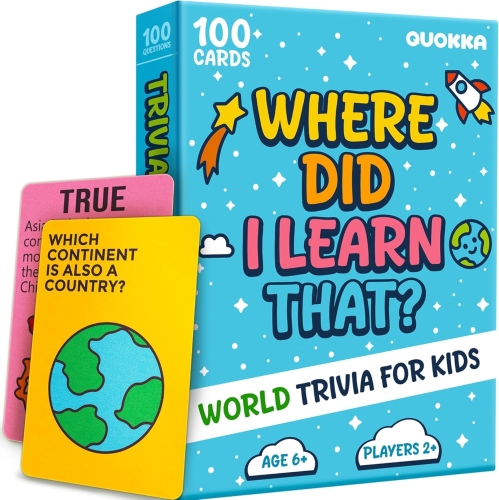
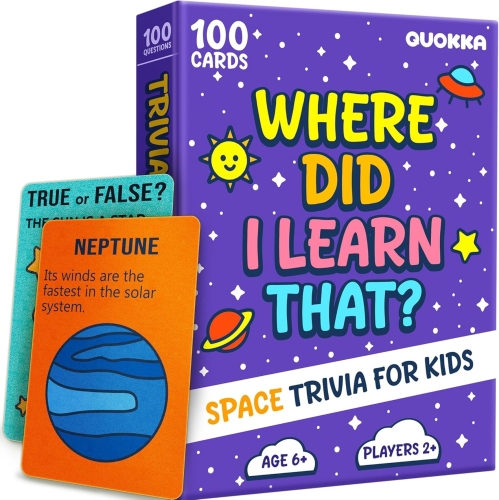
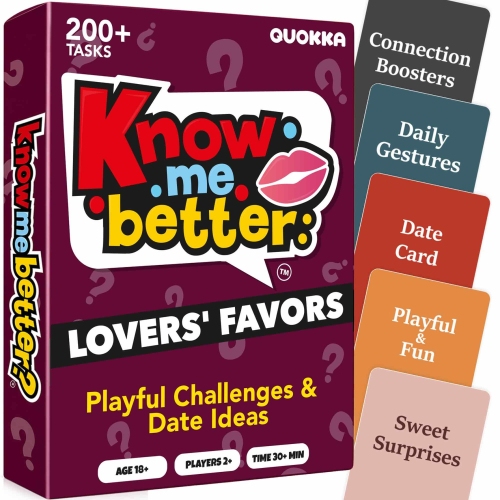
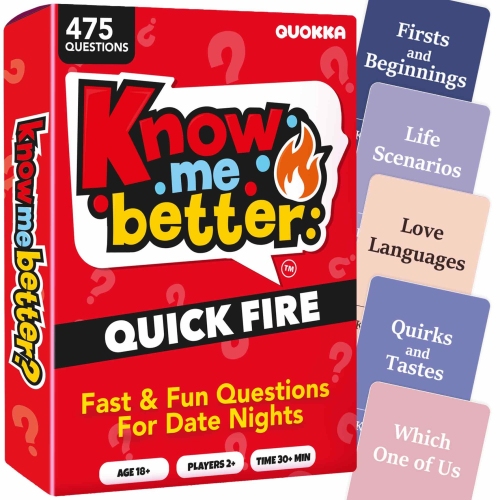

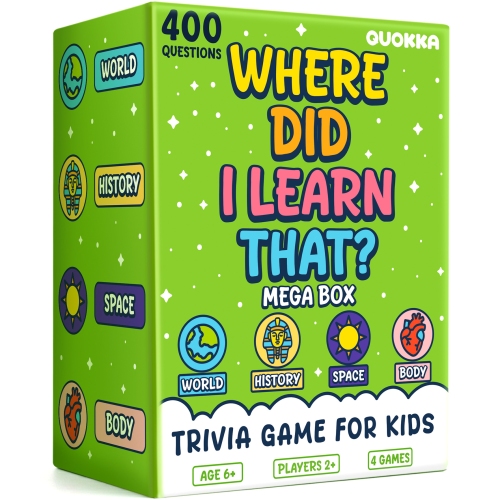

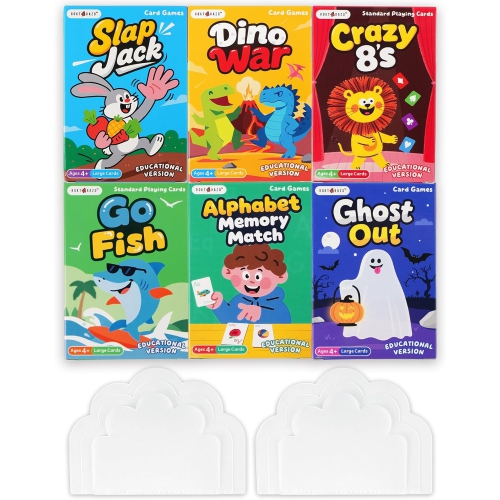
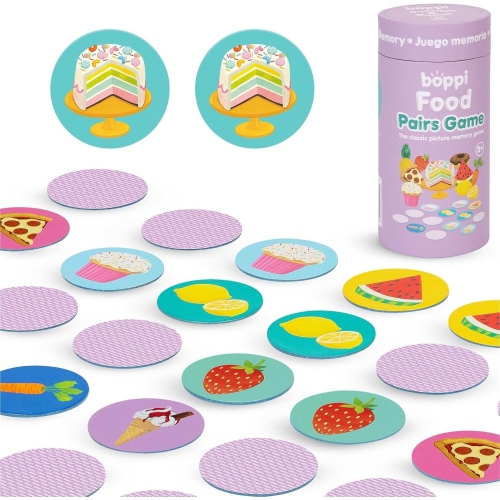
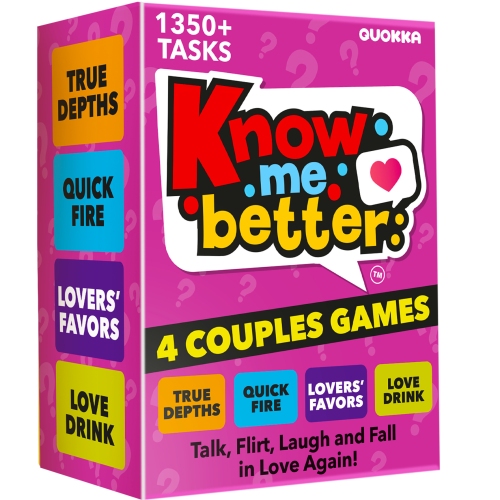
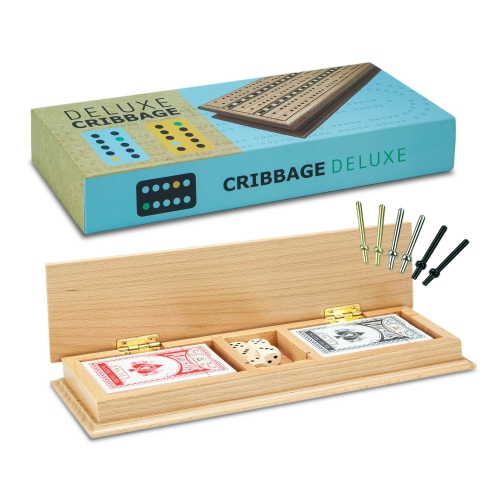
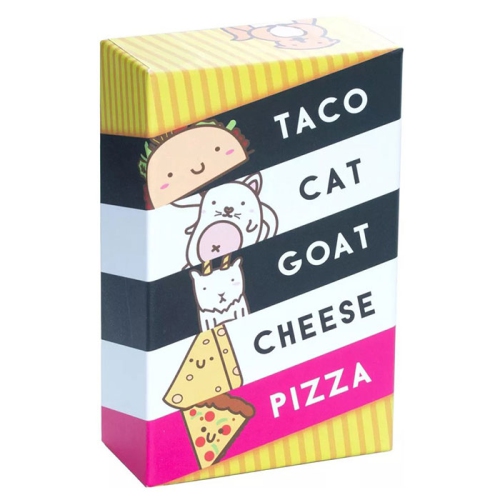
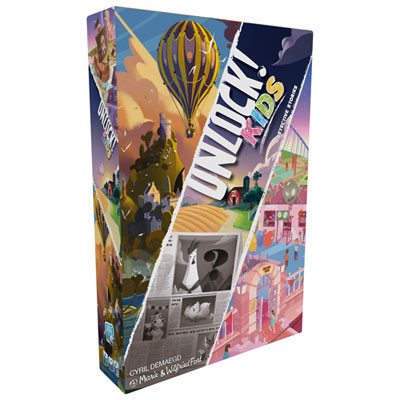

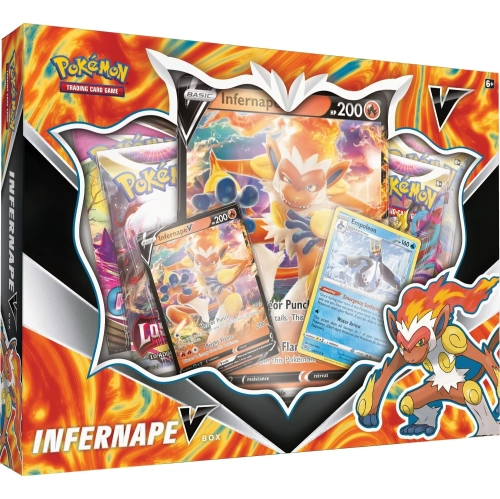
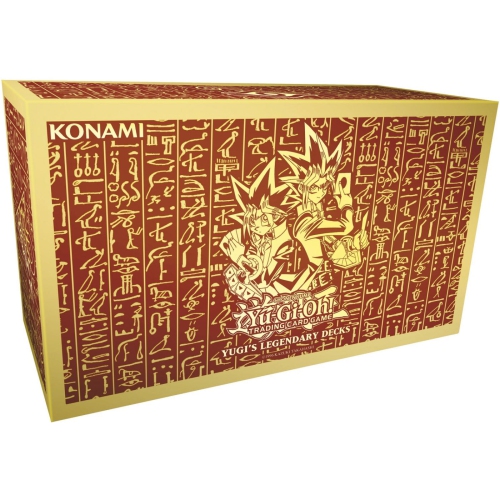
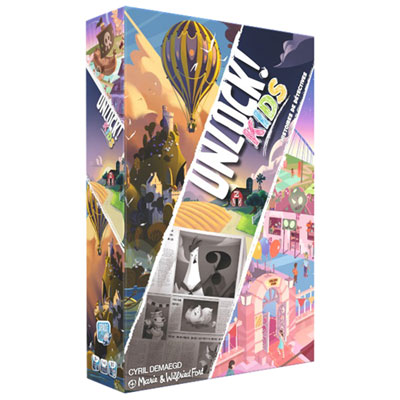

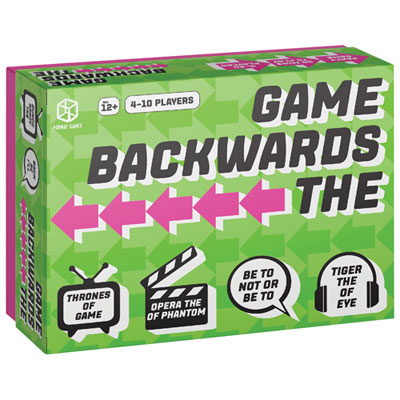
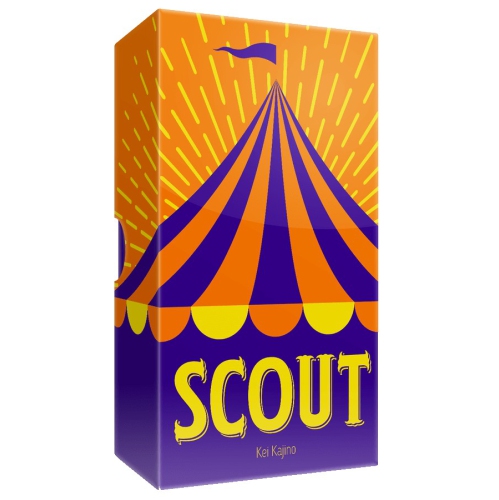


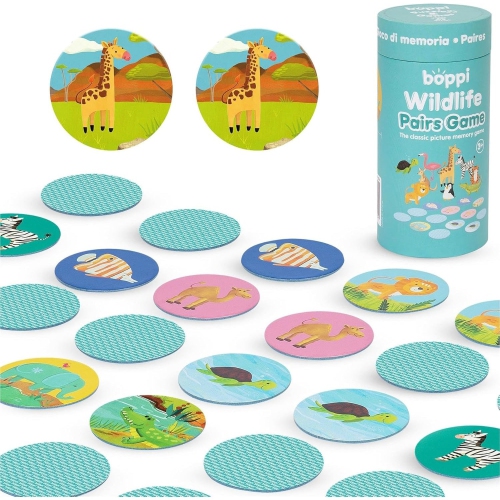
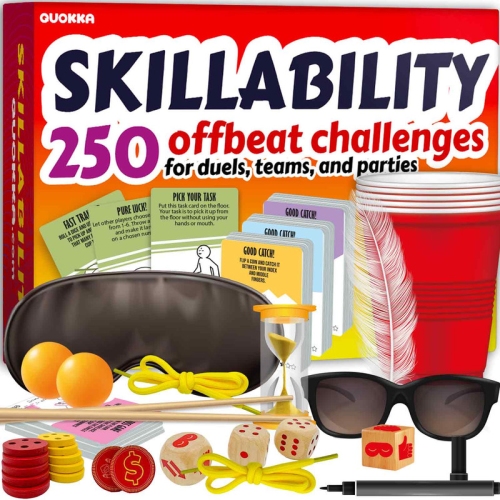
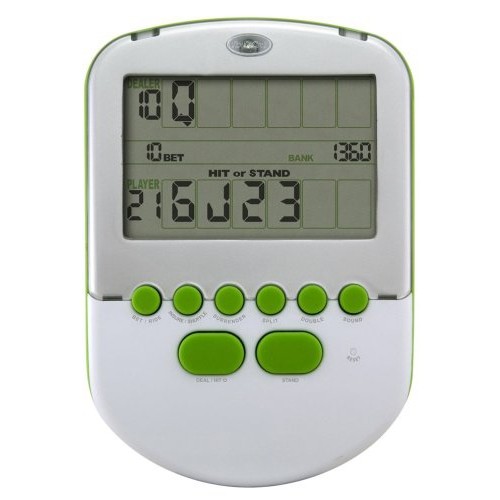
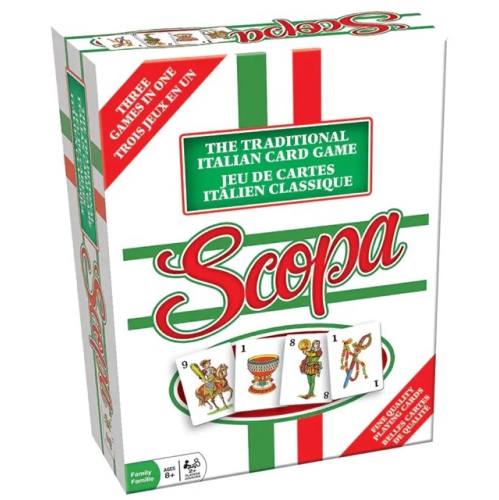
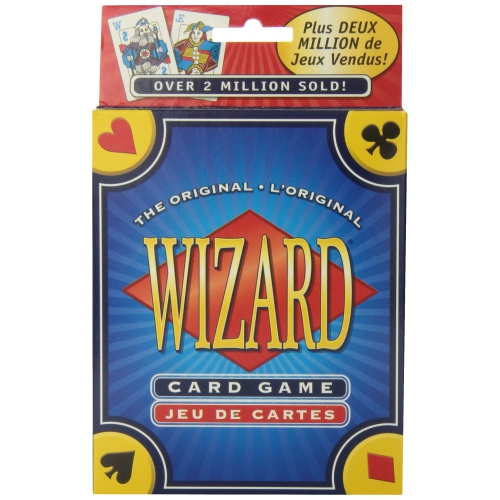
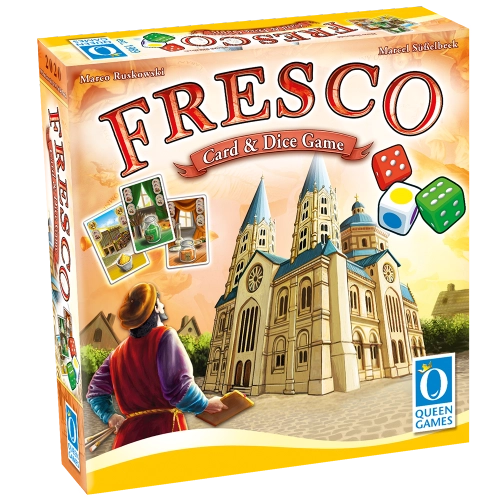
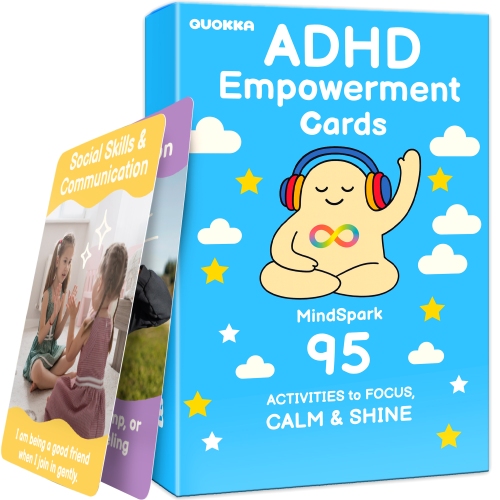
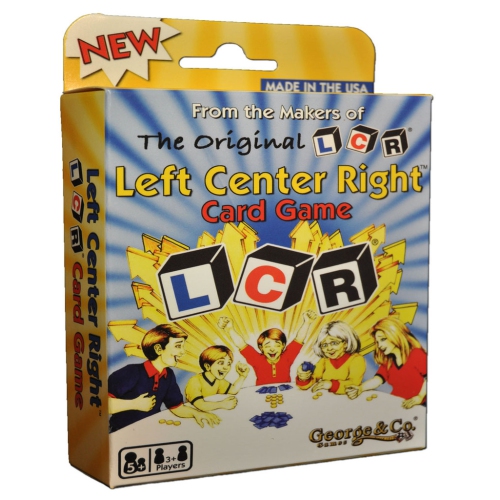
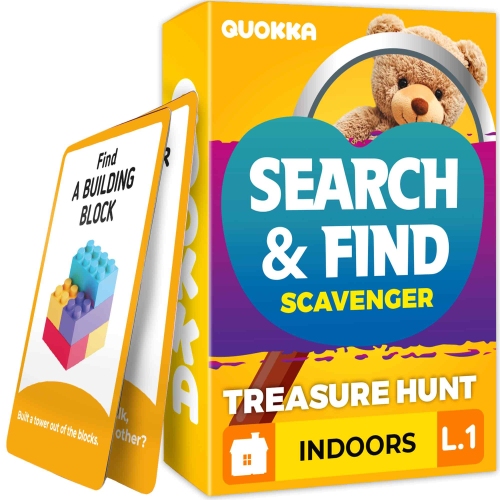


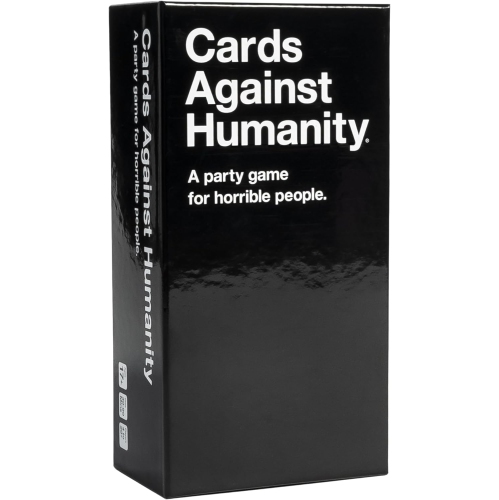
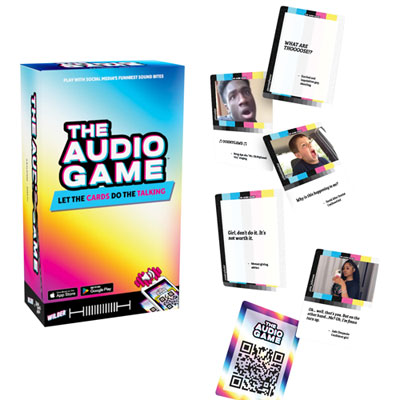

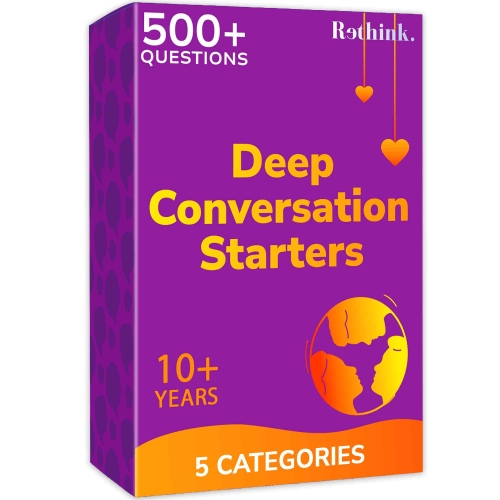
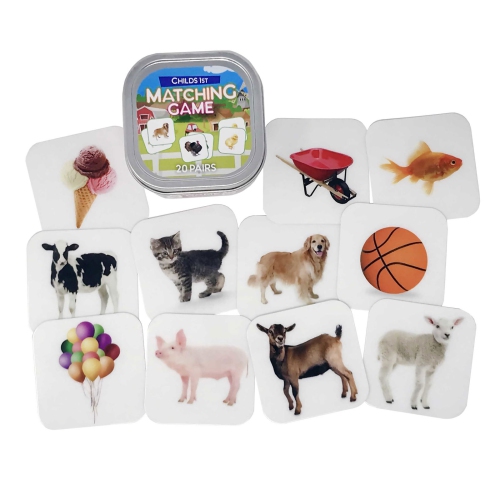
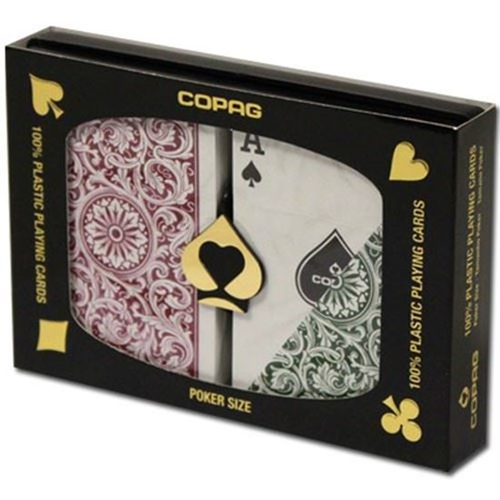


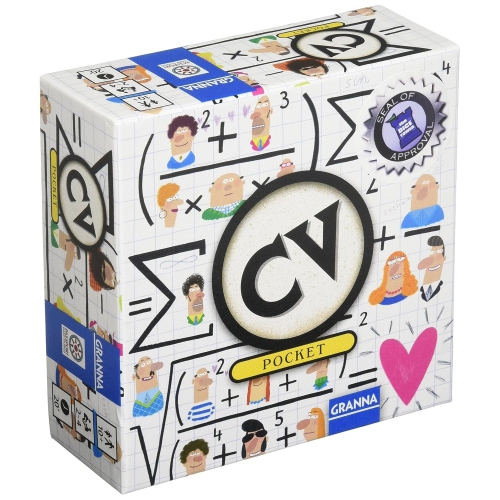

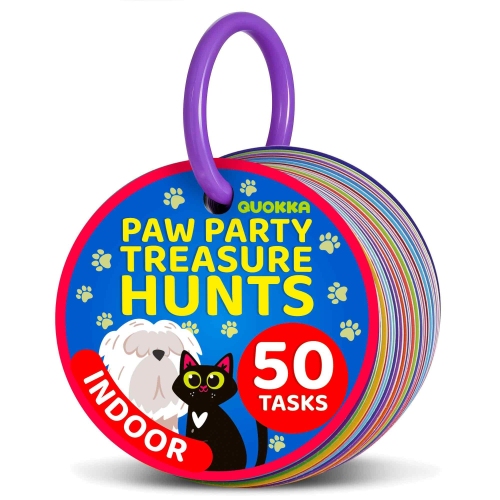
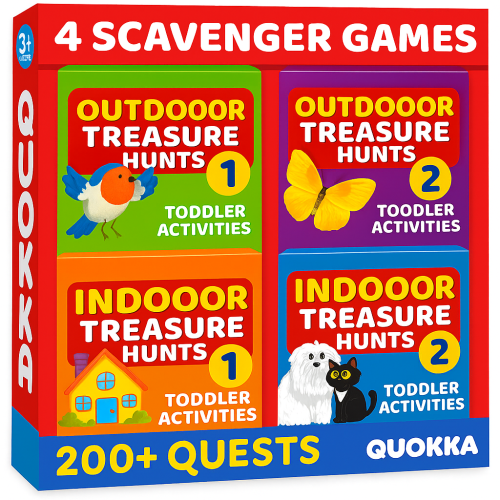
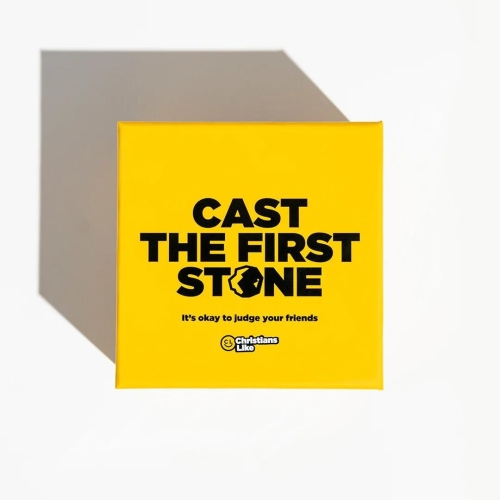
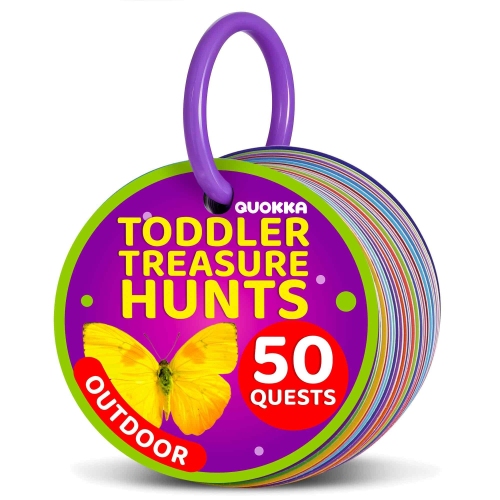


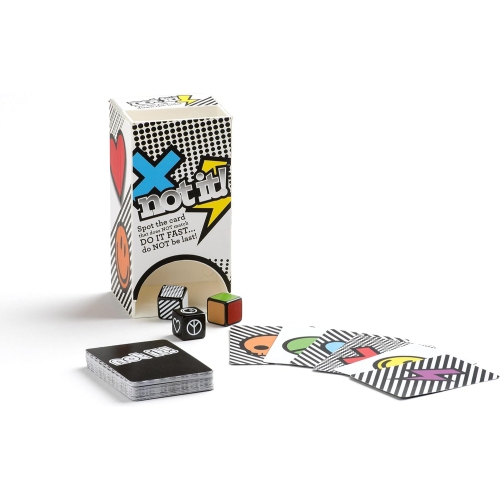
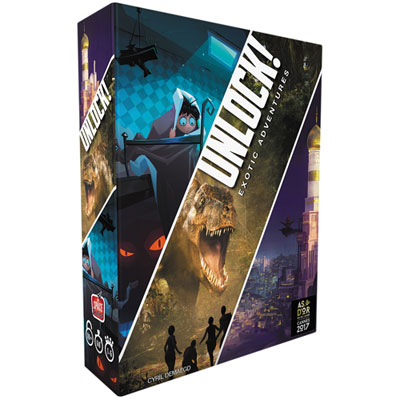


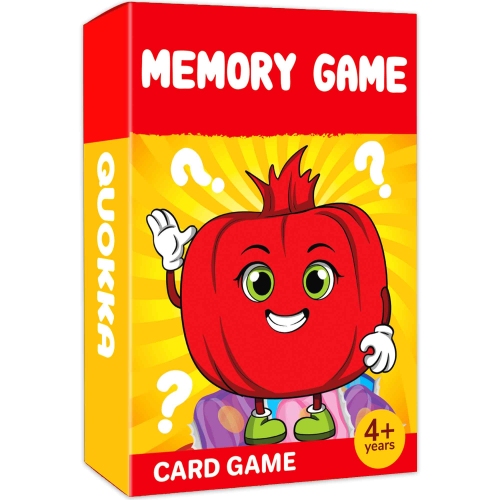
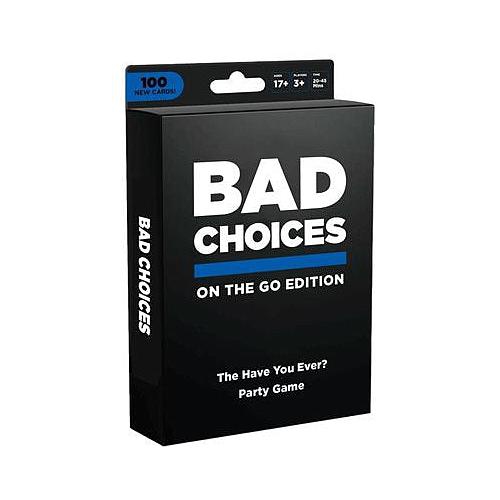
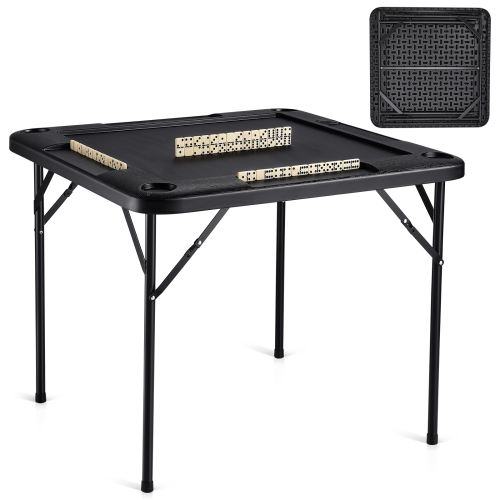

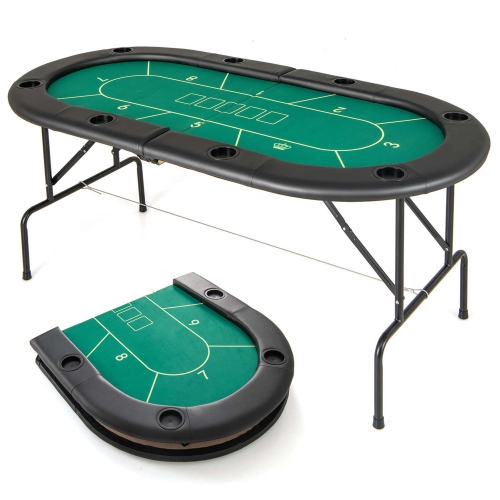
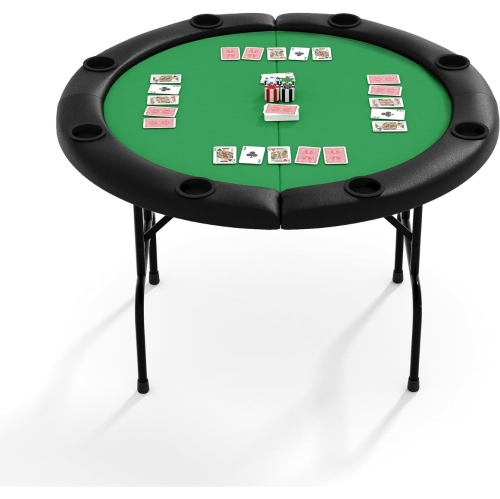

The right mix of luck and clever decisions
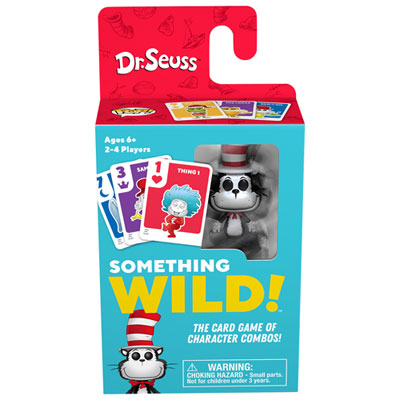
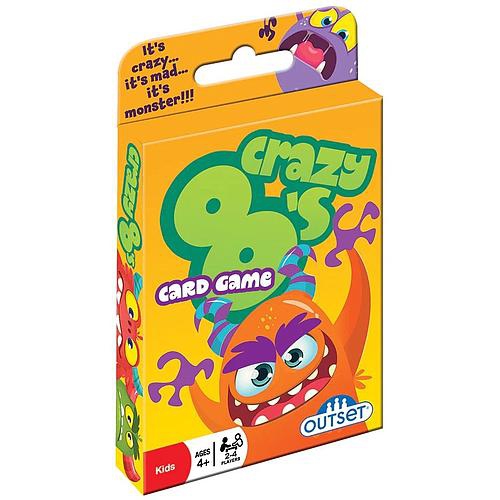
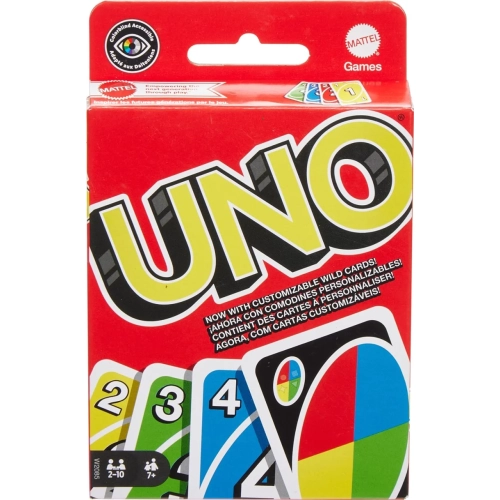
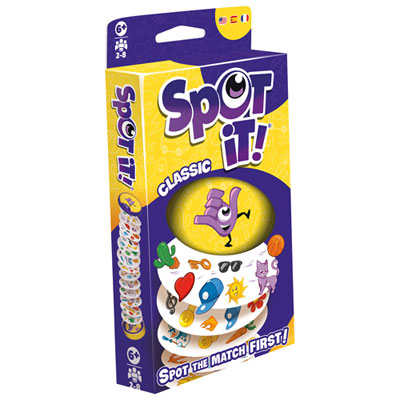
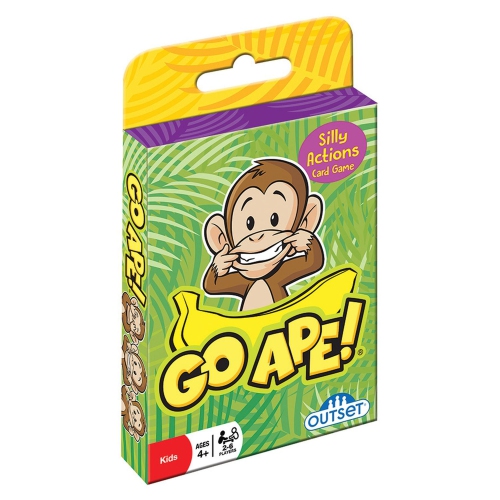
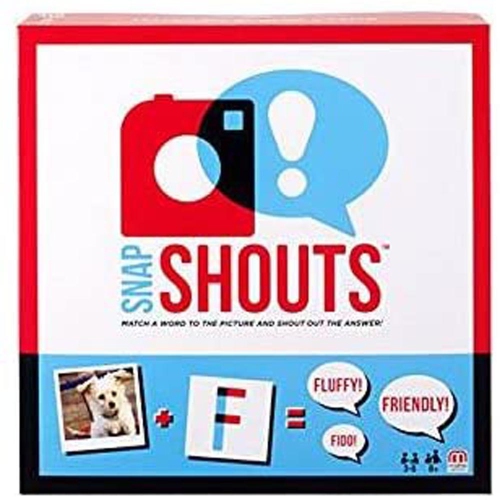
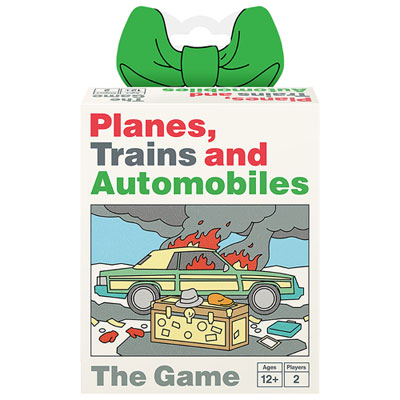
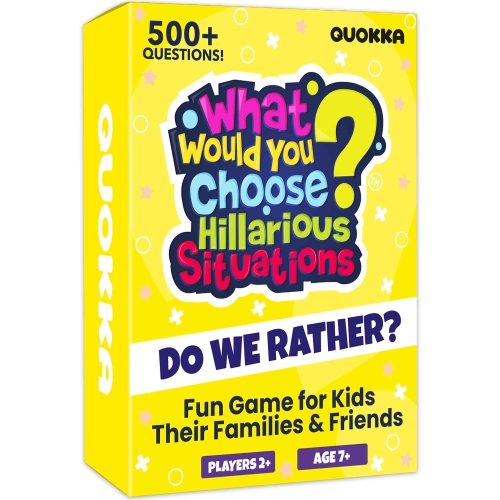
Fun card games bring people together through quick decisions, surprising turns, and the pleasure of a well-played hand. They range from familiar games played with a standard deck to dedicated card games built around matching, storytelling, bluffing, teamwork, or strategic combinations. The main difference is how each game creates its fun: matching games reward attention and quick recognition, shedding games challenge players to empty their hands, and push-your-luck games turn every extra draw into a decision between a bigger reward and a possible setback. Strategy-focused games give players more room to plan, while humorous party games often make the conversation around the table as memorable as the result. A standard deck offers flexibility because the same cards can support many sets of rules; a dedicated game usually includes cards and instructions designed for a particular experience. Both formats can suit regular game nights, casual visits, or a few spare minutes between other activities. Short rounds make it easier to play a rematch, switch partners, or welcome someone who arrives after the first hand. Longer games can appeal to players who enjoy building a position, watching opponents’ choices, and seeing a plan unfold. Luck keeps outcomes uncertain, but decisions about which cards to hold, play, exchange, or reveal can give players a meaningful sense of control. Competitive games put the focus on individual performance or team rivalry, while cooperative games give everyone a shared goal and a reason to talk through possibilities together. For a lively gathering, simple rules and frequent turns help keep attention on the table. For a quieter evening with two players, a game with tactical choices can offer plenty of depth without a large group. The most enjoyable choice is not necessarily the most complicated one. Clear rules, a satisfying rhythm, and a style of interaction that suits the players often matter more than the number of cards in the box.
Player count, recommended age, reading demands, and pace all influence how comfortably a card game fits a particular group. A game designed around several opponents may feel very different from one built specifically for two, so the stated player range is an important part of the format rather than just a detail on the packaging. For a family table with different ages, clear symbols and straightforward choices can make participation easier without requiring an adult to interpret every card. Games that rely on written clues, wordplay, or cultural references are better matched to players who can comfortably understand the language and content. Recommended ages offer a useful starting point, although attention span, familiarity with games, and comfort with competition also matter. Younger players may enjoy visible progress and short rounds, while experienced players may appreciate hidden information, changing objectives, or decisions that become more interesting over repeated plays. Fast reflex games create a lively atmosphere, but they also call for enough space to reach the play area comfortably and may not suit every player’s dexterity or preferred pace. Turn-based formats allow more time to consider a move and can work well when the group wants conversation to continue between turns. Large, legible numbers, distinct symbols, and strong contrast make cards easier to read across the table; symbols that work independently of colour can also help players distinguish suits or actions. Card size affects comfort, especially when a game involves holding a large hand. Smaller hands may find fewer cards easier to manage, while oversized cards can require more table space. For social gatherings, humour and bluffing tend to suit people who enjoy performing or reading one another’s reactions. Shared challenges can be a better fit for a group that prefers collaboration. A gift feels more personal when it reflects these preferences, whether the recipient hosts friends, enjoys puzzles with a partner, or likes games that younger relatives can join. For a broader look at different styles of play, explore Best Card Games with the intended players and occasion in mind.
The physical quality of a card game becomes especially noticeable after repeated shuffling, dealing, and packing away. Paper-based cards vary in thickness, stiffness, and surface finish, which affects how they slide, bend, and feel in the hand. A textured finish can change the grip and handling, while a smooth coating may make cards easier to fan or deal. Plastic cards generally tolerate moisture better than paper-based cards, but cleaning and care should still follow the manufacturer’s directions. No finish makes a deck immune to sharp bends, rough handling, or damage from food and drinks. Consistent card backs and clean edges matter because a distinctive crease or mark can accidentally reveal a card that should remain hidden. A comfortable playing surface gives cards room to spread out without forcing players to balance a draw pile beside a glass or squeeze their hands into a crowded centre area. Games with shared rows of cards, separate discard piles, or extra components need more space than games played mainly from the hand. For travel or visits, a compact box and a format with fewer loose pieces can simplify packing and setup. Secure storage helps keep the full deck together, and room for cards to lie flat reduces unnecessary pressure on corners. Protective sleeves may be useful for frequently handled cards, provided they fit the card dimensions and still allow the deck to fit its storage space. Keeping cards dry, handling them with clean hands, and returning them to their box after play helps preserve their appearance and usability. Easy-to-follow instructions also contribute to long-term enjoyment: when the rules are simple to find and revisit, a game is easier to bring back to the table after a break. A well-matched card game can become a familiar part of household routines, from a quick round after dinner to an evening of friendly competition. Its lasting appeal comes from the combination of comfortable handling, replayable decisions, and the small moments that players remember—a risky draw that pays off, an unexpected comeback, or a shared victory earned together.
Top selling and popular products
-
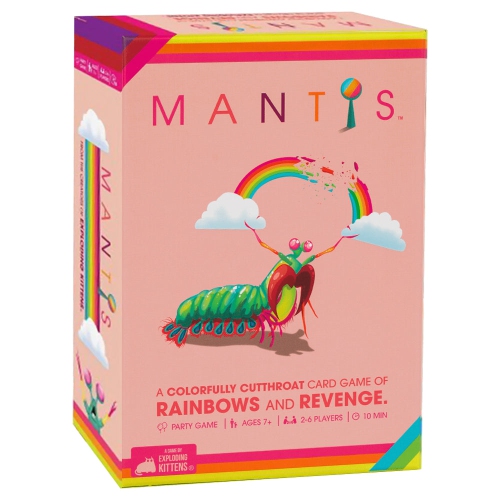 Your price for this item is $43.95
-
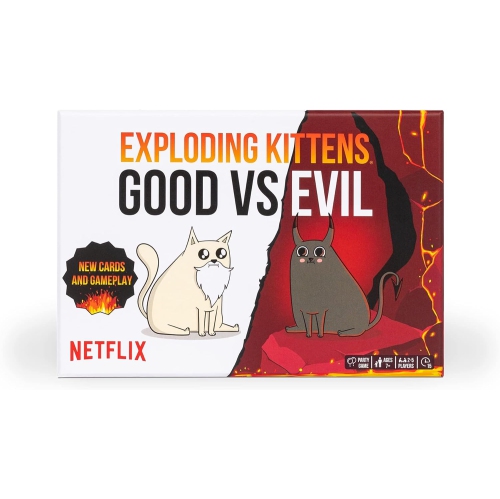 Your price for this item is $34.99
-
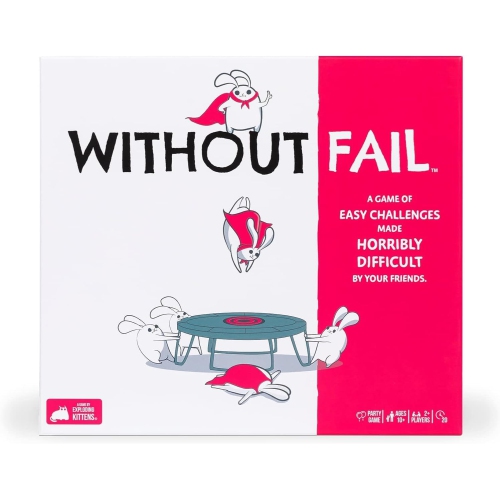 Your price for this item is $19.99
-
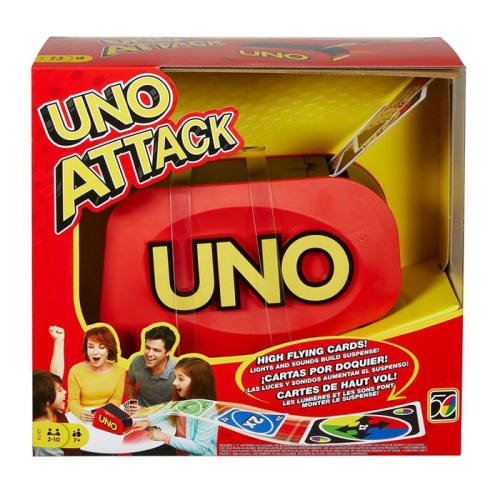 Your price for this item is $43.99
-
 Your price for this item is $7.98
-
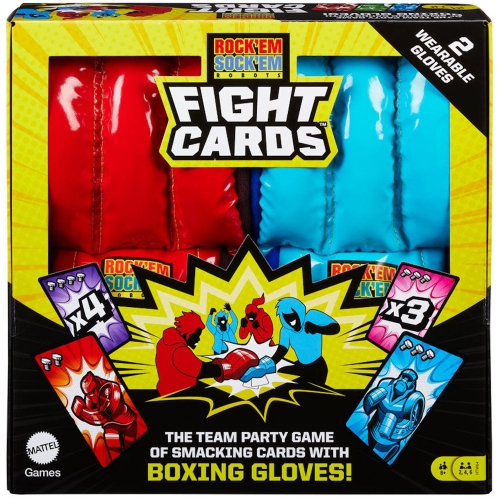 Your price for this item is $17.19
-
 Your price for this item is $40
-
 Your price for this item is $20.69
Discover more categories related to Fun Card Games
Top Collections:
Pokemon Centers, Kindle Devices, Best Budget Office Chairs, Canon G7X Cameras, Apple iPhones 16, Samsung Galaxy Phones, Refurbished Apple Laptops, Laptops for Students, iPhone 15 Apple, Budget Smartphones
Some products may be subject to Environmental Handling Fees
(EHF) depending on your province.
Learn more about EHFs.